Table of Content
Metal recycling yards operating in Singapore’s Tuas and Sungei Kadut industrial zones are subject to strict Ministry of Manpower (MOM) workplace safety enforcement. Operating recycling machinery in Singapore requires complying with the WSH Act, installing SS 537 compliant physical guarding, and enforcing certified Lockout/Tagout procedures. I examine MOM inspection priorities, Singapore Standard SS 537 technical mandates, and energy isolation protocols below to ensure full statutory compliance.
What Are Singapore MOM’s Workplace Safety Enforcement Priorities for Recyclers?
Waste management and metal recycling facilities in Singapore operate under continuous regulatory scrutiny by the Ministry of Manpower (MOM). MOM enforces strict zero-tolerance inspections targeting unguarded nip points, missing interlocks, bypassed hold-downs, and inadequate energy lockout.
MOM Regulatory Framework and the WSH Act
Under the Singapore Workplace Safety and Health Act (WSH Act) and the WSH (General Provisions) Regulations (verified current as of October 2026), factory occupiers, recycling plant operators, and machinery suppliers bear strict legal duties to eliminate mechanical hazards. MOM Occupational Safety and Health Division (OSHD) inspectors conduct unannounced audits across Tuas, Kranji, and Sungei Kadut recycling facilities.
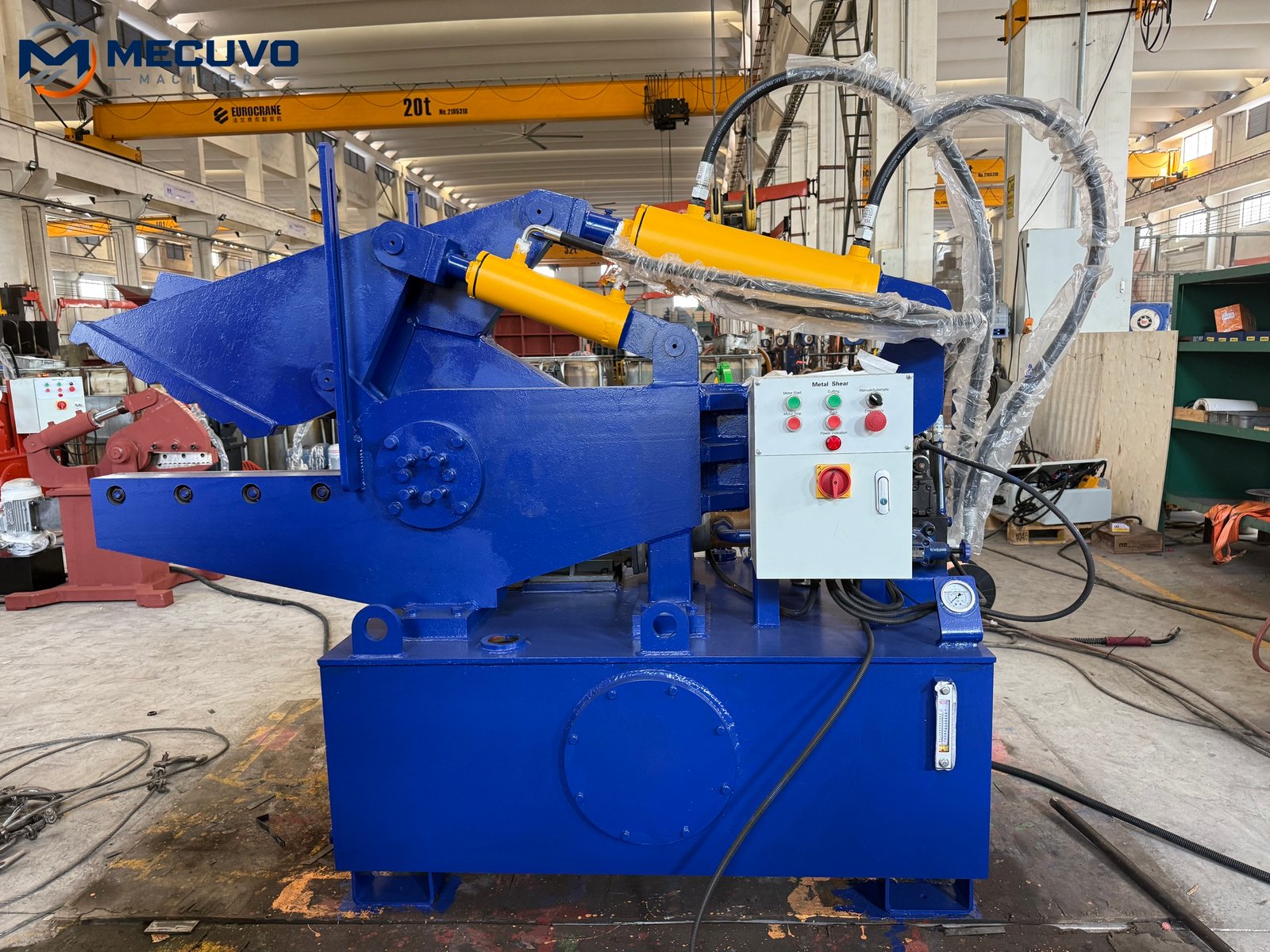
Inspectors focus heavily on machine pinch points, cutting heads, and infeed conveyors. If an alligator shear, dual-shaft shredder, or granulator is found operating with missing guards, disabled interlock switches, or absent emergency pull cords, MOM issues an immediate Stop Work Order (SWO). A Stop Work Order halts all yard operations until full engineering rectification is audited, inflicting severe financial penalties and legal exposure on company directors.
Furthermore, Singapore law mandates that before any new industrial machinery is energized and commissioned, the occupier must conduct a comprehensive Risk Assessment (RA) led by a certified Workplace Safety and Health Officer (WSHO), as explored in our guide on turnkey recycling plant engineering scopes.
How Must Machinery Comply with Singapore Standard SS 537 Guarding Rules?
Machinery guarding in Singapore must not be ad-hoc; it must comply with specific geometric safety distances defined in national standards. Guards must satisfy Singapore Standard SS 537:2008, featuring fixed physical barriers, interlocked access hatches, and safe reach separation distances.
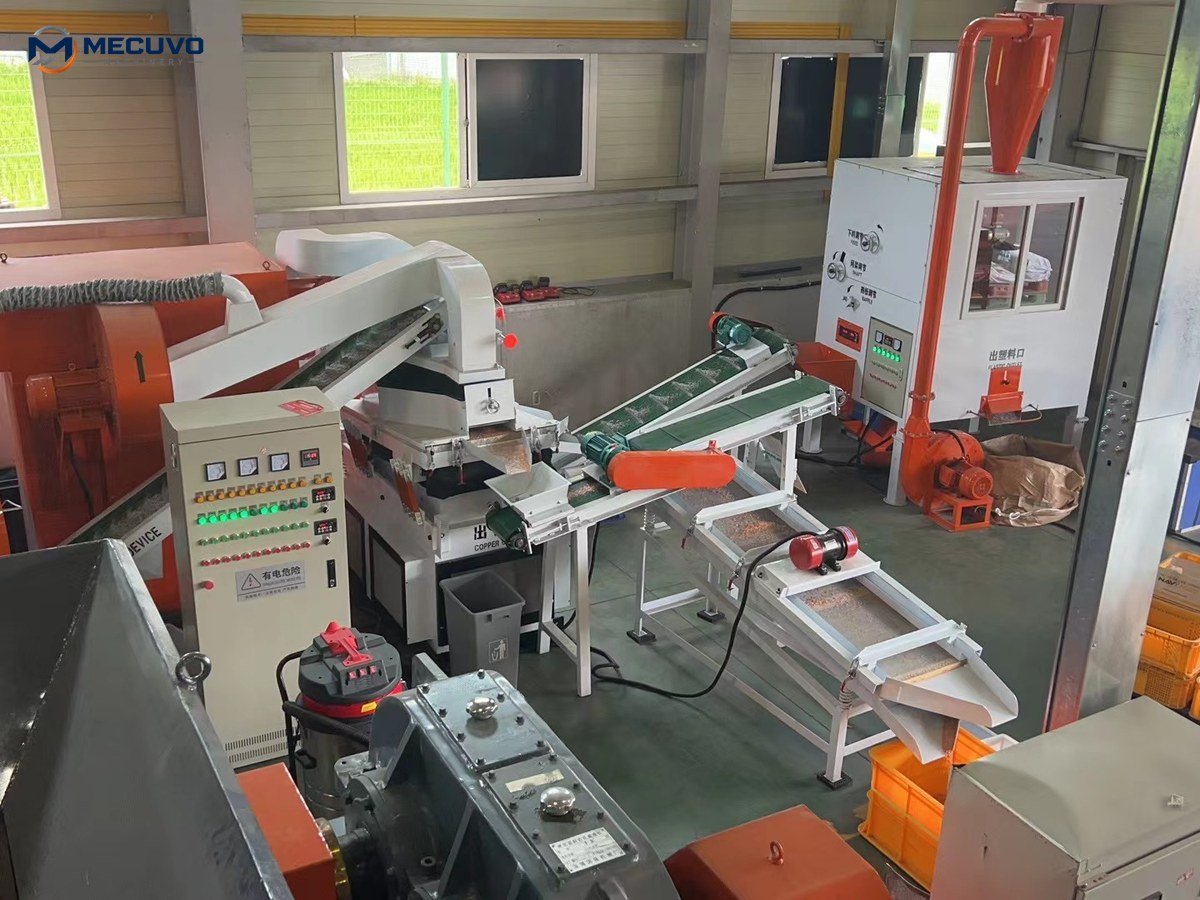
SS 537 Barrier Design, Interlocking, and Infeed Nip-Point Shielding
Singapore Standard SS 537 (Code of Practice for Safe Use of Machinery) provides the mandatory technical basis for machine safeguarding. When installing recycling equipment, compliance centers on four technical principles:
- Fixed Physical Barrier Guarding: All rotating V-belts, pulleys, motor couplings, and conveyor head pulleys must be permanently enclosed with rigid sheet steel or heavy wire mesh guards that can only be opened using specialized maintenance tools.
- Point-of-Operation Protection: On alligator shears, the shear jaw must incorporate a mechanical hold-down clamp that restrains scrap before blade contact, alongside adjustable tunnel guards that prevent hands reaching into the cutting throat per SS 537 safety distance tables.
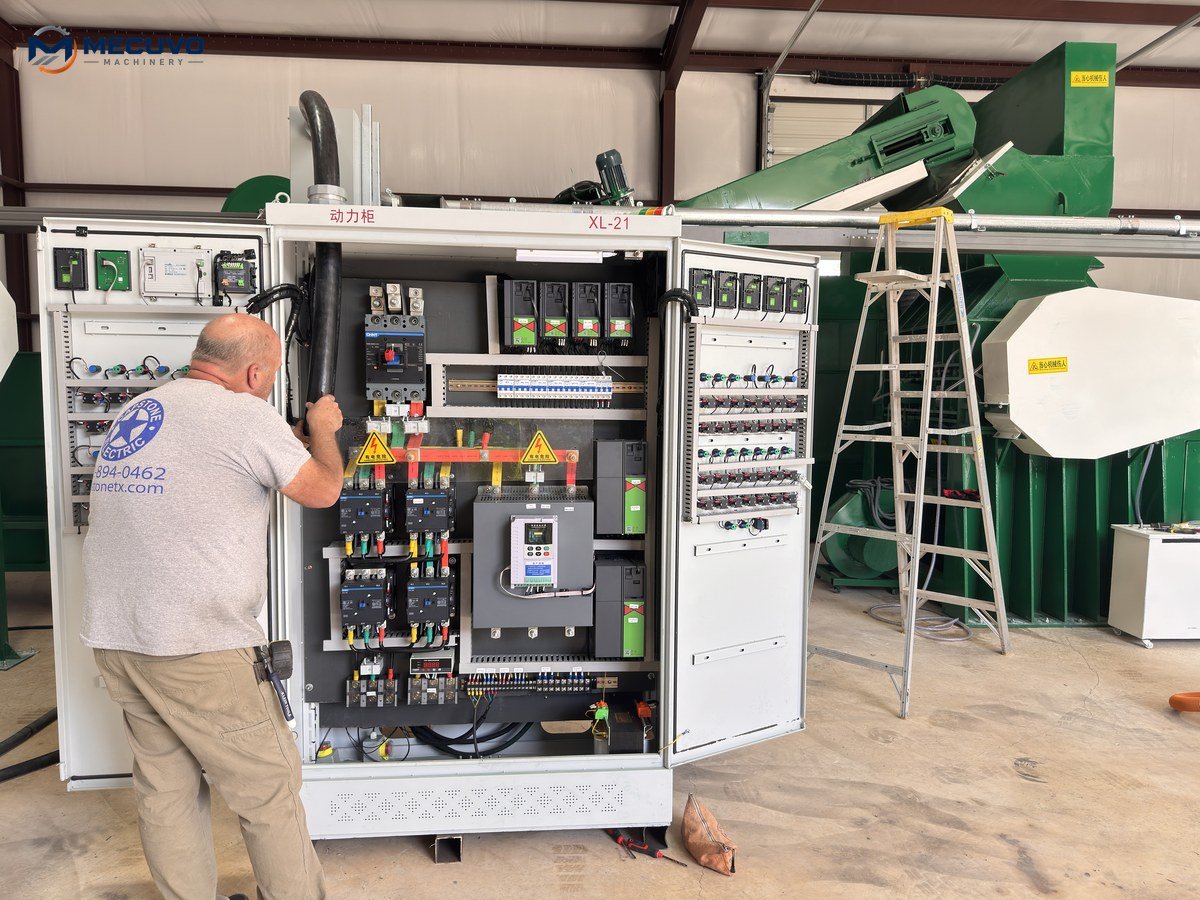
- Interlocked Access Hatches: Cutting chamber doors and inspection hatches on granulators and shredders must feature safety interlock switches wired into certified safety relays. If an operator opens a service door, motor power is instantly cut, and dynamic brakes stop rotor motion before the operator can contact moving blades.
- Emergency Stop Devices: Red mushroom-head emergency stop buttons and trip-wire cables must be positioned within reach along all infeed conveyors and sorting tables per CE and UKCA machinery safety standards.
What Lockout/Tagout (LOTO) Procedures Are Mandatory Before Maintenance?
Failure to properly isolate hazardous electrical, hydraulic, and mechanical energy during cleaning or jam clearance is a primary cause of industrial fatalities. Enforce WSHC LOTO guidelines: lock main electrical disconnects with personal padlocks, bleed stored hydraulic pressure, and verify zero energy state.
The Four-Step Hazardous Energy Control Sequence
Under WSH Council Guidelines on the Management of Hazardous Energy, scrap recycling facilities must enforce strict Lockout/Tagout (LOTO) standard operating procedures prior to any technician clearing jams, rotating blades, or servicing hydraulics:
- Notify and De-Energize: Inform all yard operators that the machine is entering service mode. Depress the stop button to allow rotating shafts to coast to a complete standstill.
- Padlock Main Electrical Isolator: Switch off the heavy-duty external main circuit breaker. Technicians must apply a personalized red padlock and safety danger tag to the hasp. The key must remain in the physical possession of the technician working on the machine.
- Dissipate Stored Potential Energy: Hydraulic alligator shears and balers store tremendous potential energy in pressurized accumulators and elevated jaws. Technicians must open manual bypass valves to vent hydraulic line pressure back to the reservoir (confirming 0 bar / 0 PSI on system pressure gauges) and insert mechanical steel safety props beneath elevated jaws.
- Zero Energy Verification: Prior to placing hands into the cutting chamber, attempt to restart the machine using the operator start button to verify that the electrical circuit is completely dead, following proven plant safety setup protocols.
By aligning equipment engineering with SS 537 and WSH regulations, Singapore metal recyclers ensure safe, compliant, and highly productive plant operations.
To consult on customized safety guarding packages, electrical voltage configurations (400V 50Hz), and machine specifications for your Singapore recycling yard, submit your scrap photos and volume targets to our engineering team through our contact page.
Key Takeaways
Operating metal recycling equipment in Singapore requires strict compliance with MOM safety mandates, installing SS 537 compliant barrier guards, and enforcing disciplined Lockout/Tagout energy control.
— YOUR RECYCLING PROJECT
Find the right machine for your material.
Tell us your material and required capacity.
Or email sales@mecuvo.com