Table of Content
High-speed chopping of insulated electrical cables produces large volumes of combustible polymer fines and plastic fluff that pose severe deflagration, flash fire, and explosion hazards. Ensuring plant safety requires conducting a Dust Hazard Analysis under NFPA 652/660, establishing ATEX Zone 20/21/22 hazardous area classifications under Directive 1999/92/EC, installing explosion venting, and enforcing rigorous OSHA 1910.22 housekeeping. I examine combustible dust combustibility parameters, statutory compliance frameworks in the US and Europe, explosion mitigation engineering, and daily housekeeping standards below.
What Combustible Dust Hazards Do Polymer Fines Pose in Cable Granulation Plants?
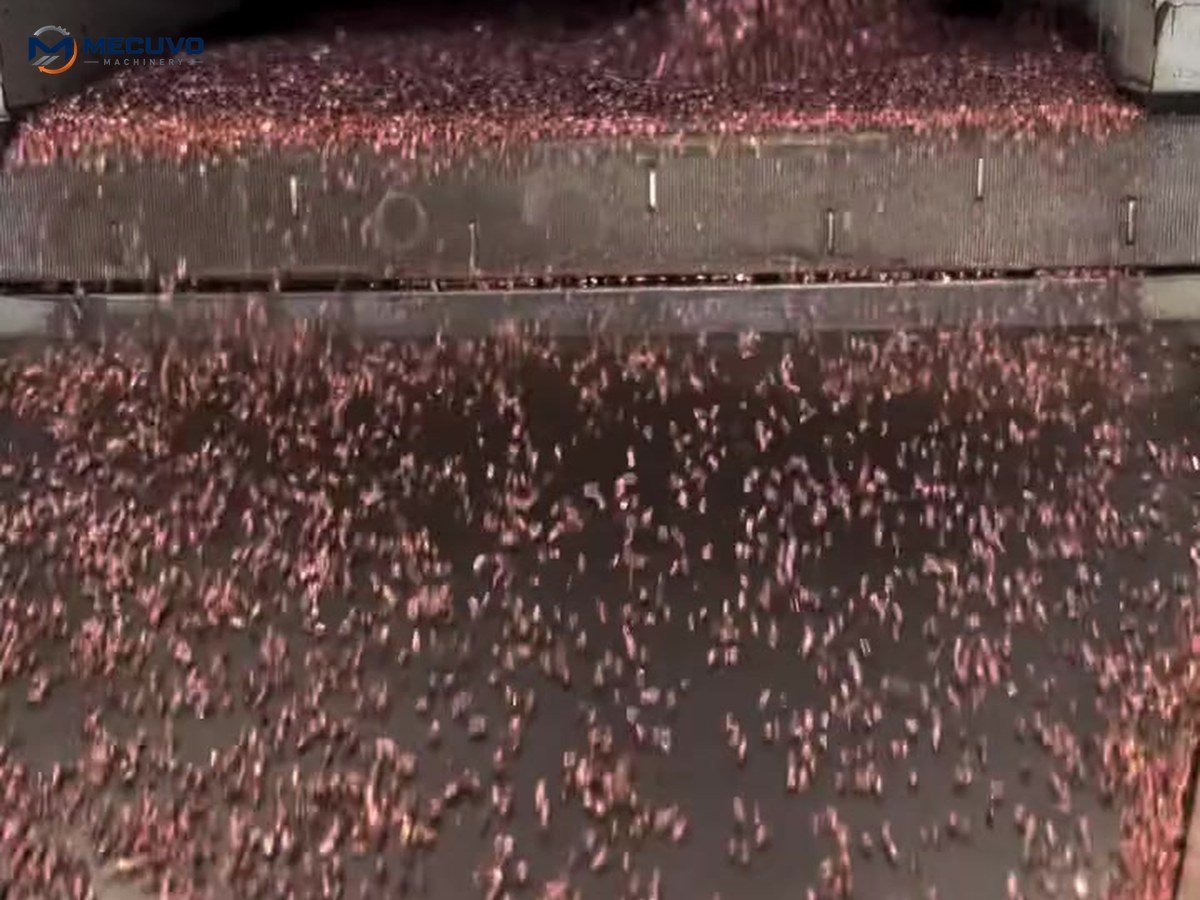
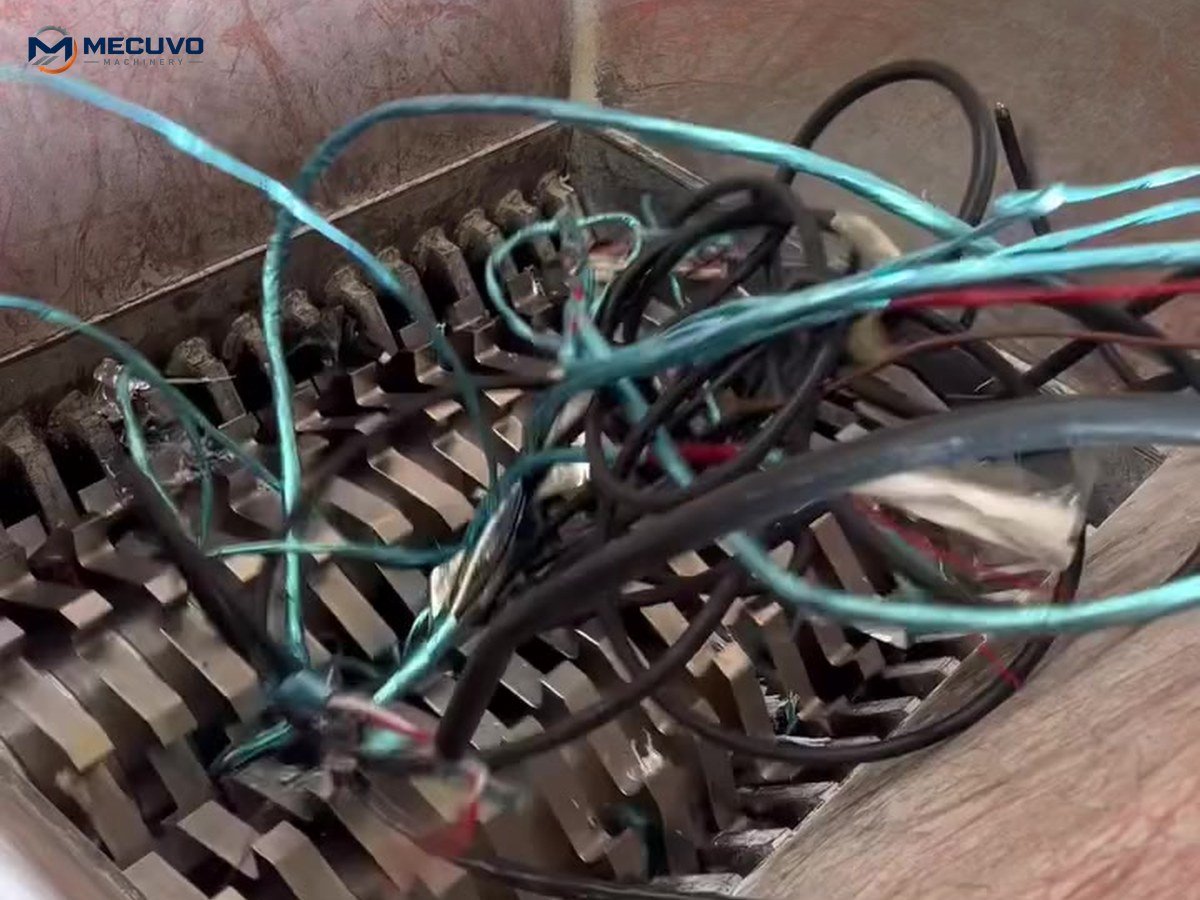
When wire recycling plants chop mixed automotive, industrial, and building cables, the high-speed shearing process grinds insulation materials into fine particles. Polyethylene and rubber insulation fines form combustible hydrocarbon powders with St 1 explosion severity ratings, creating severe deflagration risks inside enclosed equipment.
The Combustible Dust Threat in Cable Granulation Facilities
While copper particles are inert and non-combustible under standard yard conditions, polymer insulation materials stripped from cables are highly combustible hydrocarbon powders:
Common Polymer Dust Characteristics
- Polyethylene (PE) and Cross-Linked Polyethylene (XLPE): Highly flammable aliphatic polymers. When ground into particles under 420 microns (passing 40 mesh), PE dust exhibits high explosion severity (Kst values frequently exceeding 120 to 180 bar-m/s, classifying it as St 1 combustible dust).
- Polyvinyl Chloride (PVC): Formulated with plasticizers and flame retardants. While heavier and less readily ignitable than PE, fine PVC dust burns intensely when exposed to sustained ignition sources and releases dense hydrogen chloride (HCl) gas, causing rapid respiratory incapacitation and severe metal corrosion.
- Rubber and Elastomeric Jacketing: Neoprene, EPDM, and thermoplastic elastomers generate fine combustible fluff that easily smolders in dust collector hoppers.
The Explosion Pentagon in Granulator Dust Systems
A dust explosion requires five concurrent conditions (the ‘Explosion Pentagon’): 1. Combustible dust fuel (polymer fines) 2. Oxygen in ambient air 3. Ignition source (tramp steel sparks, hot knife friction, overheated bearings, electrostatic discharge) 4. Dispersion of dust into an airborne cloud exceeding the Minimum Explosible Concentration (MEC, typically 30 to 60 g/m3) 5. Confinement inside machinery (cyclones, baghouse filters, ductwork, or enclosed silos)
If an ignition spark enters a confined dust collector, rapid deflagration produces high pressure that ruptures unvented equipment, triggering catastrophic secondary dust explosions throughout the plant building. For baseline electrical grounding and power safety, see our analysis of grounding and field evaluation protocols.
What Are the Statutory Compliance Mandates Under NFPA 652/660, OSHA 1910.22, and EU ATEX 1999/92/EC?
Operating a cable granulation plant in North America or the European Union requires compliance with strict statutory safety mandates governing combustible particulate solids. Operators must conduct a formal Dust Hazard Analysis under NFPA 652/660, limit dust accumulations under OSHA 1910.22, and classify Zone 20/21/22 hazardous areas under ATEX Directive 1999/92/EC.
Regulatory Frameworks: NFPA Standards, OSHA Mandates, and EU ATEX Directives
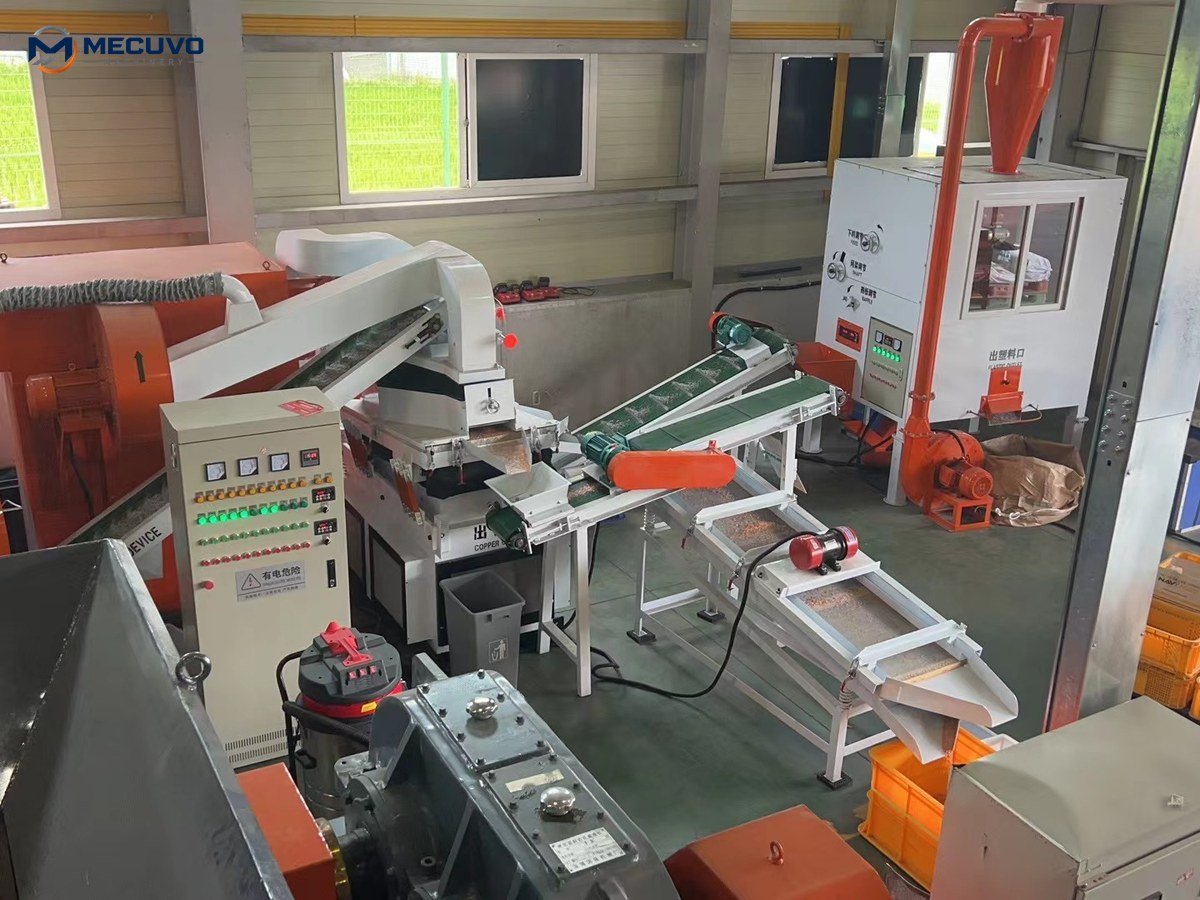
Scrap recyclers must adhere to comprehensive statutory safety standards governing combustible particulate solids:
United States: NFPA Standards and OSHA Regulations
In the US, combustible dust enforcement is driven by OSHA standards and National Fire Protection Association (NFPA) codes: – NFPA 652 / NFPA 660 (Standard on Combustible Dust Fundamentals): Facility operators must perform a formal Dust Hazard Analysis (DHA) on all processes generating polymer fines. The DHA must be documented, led by a qualified person, and reviewed every 5 years. For official code details, refer to the NFPA 660 Combustible Dust Code. – OSHA 29 CFR 1910.22 (General Housekeeping): Mandates that all walking-working surfaces, structural beams, ledges, and equipment exteriors be kept clean and dry. OSHA’s Combustible Dust National Emphasis Program (CPL 03-00-008) sets an actionable violation threshold: dust accumulations exceeding 1/32 of an inch (0.8 mm) over 5% of a room’s surface area present an immediate explosion hazard. Access statutory details at OSHA 1910.22 Walking-Working Surfaces. – OSHA 1910.307 (Hazardous Classified Locations): Requires electrical wiring, motors, and switchgear in dust-laden areas to meet Class II, Division 1 or Division 2 explosion-proof standards.
European Union: ATEX Workplace Directive 1999/92/EC
In the EU and UK (under DSEAR 2002), facility owners must protect workers from explosive atmospheres: – Directive 1999/92/EC (ATEX 137): Requires employers to create an Explosion Protection Document (EPD) and classify areas where combustible dust clouds occur into zones: – Zone 20: A place in which an explosive dust atmosphere is present continuously, for long periods, or frequently (inside cyclones, dust collector hoppers, and ductwork). – Zone 21: A place where an explosive atmosphere is likely to occur occasionally during normal operations (bag-dump stations, granulator discharge hoods). – Zone 22: A place where an explosive atmosphere is not likely to occur in normal operation, but if it does, persists for a short period only (surrounding floor areas subject to fugitive leaks). Review legal requirements in Directive 1999/92/EC on explosive atmospheres. – UK DSEAR Regulations: In the United Kingdom, the Dangerous Substances and Explosive Atmospheres Regulations 2002 (DSEAR) transpose these principles under HSE oversight. Consult regulatory guidance on HSE DSEAR explosive atmospheres.
What Engineering Controls, Explosion Venting, and Housekeeping Practices Prevent Catastrophic Explosions?
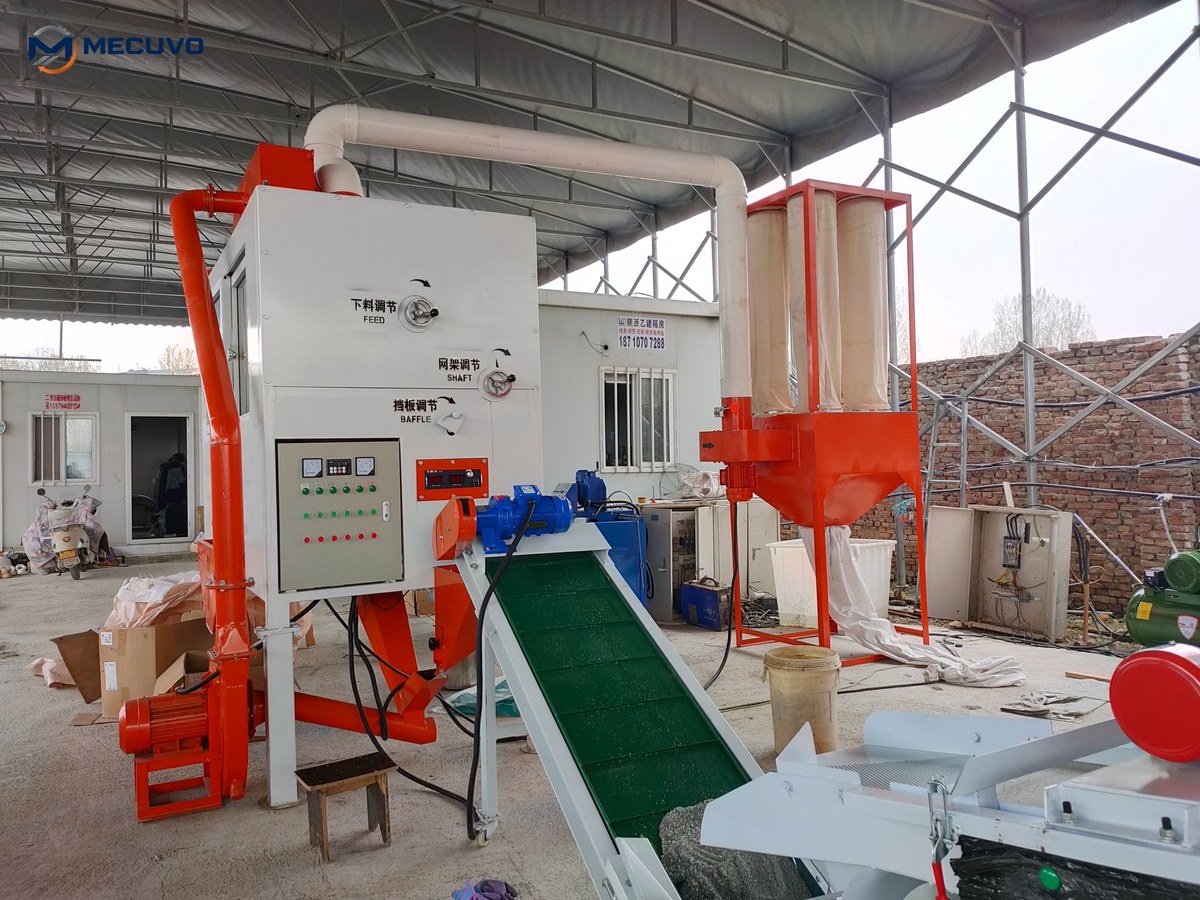
Protecting plant personnel requires combining automated engineering controls with strict housekeeping routines. Install upstream rare-earth magnets, optical spark detection, certified NFPA/EN explosion rupture panels, rotary airlocks, and enforce vacuum-only cleaning.
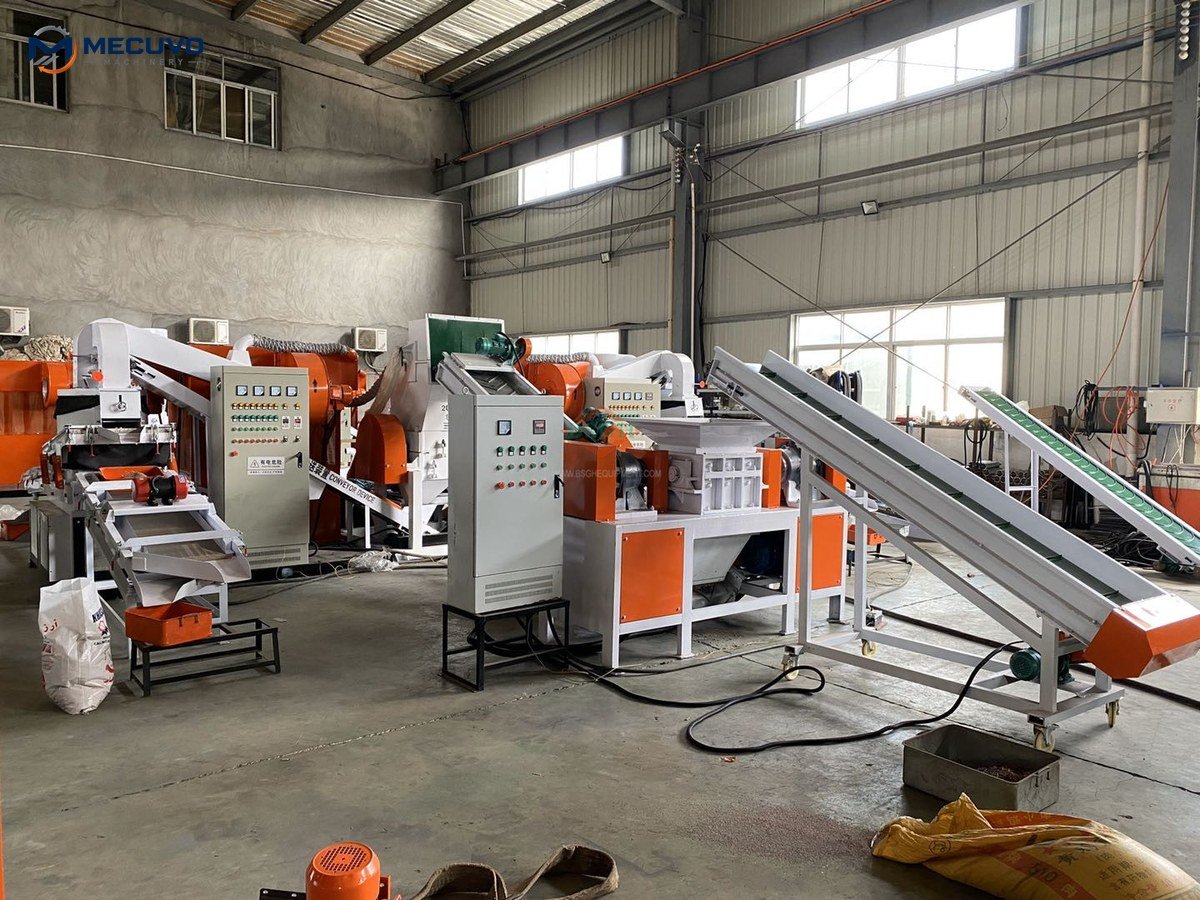
Engineering Controls, Deflagration Venting, and Housekeeping Mandates
Engineering controls provide automatic protection independent of operator action, stopping deflagrations before they cause structural failure:
1. Tramp Metal Separation and Spark Detection
- Upstream Rare-Earth Cross-Belt Magnets: Tramp ferrous steel (screws, nails, wire clips) striking granulator alloy tool steel blades at 500 RPM generates mechanical sparks exceeding 700 deg C. Installing high-gradient neodymium cross-belt magnetic separators over the infeed conveyor intercepts ferrous steel before it enters the cutting chamber.
- Optical Infrared Spark Detectors: Installed in the pneumatic ductwork between the granulator and cyclone separator. Infrared optical sensors detect glowing embers within milliseconds and trigger high-speed water atomizing spray nozzles or CO2 extinguishment in the duct line before sparks reach the dust collector.
2. Explosion Relief Venting and Flameless Vents
- Calibrated Bursting Discs (NFPA 68 / EN 14491): Dust collection vessels and baghouse collectors installed outdoors must incorporate calibrated rupture panels oriented away from pedestrian pathways and buildings, venting deflagration overpressure safely into open space.
- Flameless Venting for Indoor Installations: Where dust collectors must reside indoors, flameless explosion vents equipped with stainless steel flame-arrestor mesh quenches the flame front and absorbs thermal energy, venting pressure while preventing fireballs from engulfing the processing floor.
3. Mechanical and Chemical Explosion Isolation
- Rotary Airlock Valves (NFPA 69 / EN 15089): Heavy-duty rotary airlocks mounted beneath cyclones and baghouses act as certified mechanical flame barriers, preventing an internal deflagration from traveling down into waste discharge bins.
- Fast-Acting Flap Isolation Valves: Installed on infeed ductwork to prevent back-propagation of pressure waves into the granulator cutting chamber where operators work.
4. Housekeeping Protocols and Fire Suppression Procedures
- Never Use Compressed Air for Bulk Cleaning: Blowing machinery down with high-pressure compressed air hoists settled polymer dust into suspension, generating an explosive dust cloud directly around electrical gear. Use only certified Class II, Division 1 explosion-proof industrial vacuum cleaners.
- Weekly Overhead Inspection: Assign designated technicians to inspect building purlins, HVAC duct tops, light fixtures, and cable trays using scissor lifts. Any accumulation exceeding 0.8 mm (the thickness of a paperclip) must be vacuumed immediately.
- Fluff Container Management: Plastic fluff discharge bags and bins must be emptied regularly. Overflowing waste bins allow plastic dust to be tracked across the shop floor by forklifts and personnel.
| Component / Area | Required Inspection Frequency | Action Trigger Threshold | Approved Cleaning Method |
|---|---|---|---|
| Granulator cutting chamber & knives | Daily shift start | Foreign tramp metal, knife friction score | Manual clearing with LOTO isolation |
| Cyclone & baghouse hoppers | Every shift | Bridged fluff, high differential pressure | Pulsing / airlock discharge check |
| Overhead beams & light fixtures | Weekly | Dust layer > 0.8 mm (1/32 in) | ATEX/Class II certified vacuum only |
| Pneumatic conveying ducts | Monthly | Internal dust sedimentation | Cleanout port inspection & vacuuming |
| Earth grounding bonding leads | Monthly | Ground resistance > 10 ohms | Continuity testing & lug tightening |
For baseline blade clearances that reduce friction heating, review our technical guide on copper cable granulator air separation table adjustments.
Key Takeaways
Perform a documented Dust Hazard Analysis, zone equipment per ATEX and NFPA standards, install certified explosion relief vents, and enforce vacuum-only housekeeping to protect granulation facilities.
— YOUR RECYCLING PROJECT
Find the right machine for your material.
Tell us your material and required capacity.
Or email sales@mecuvo.com