Table of Content
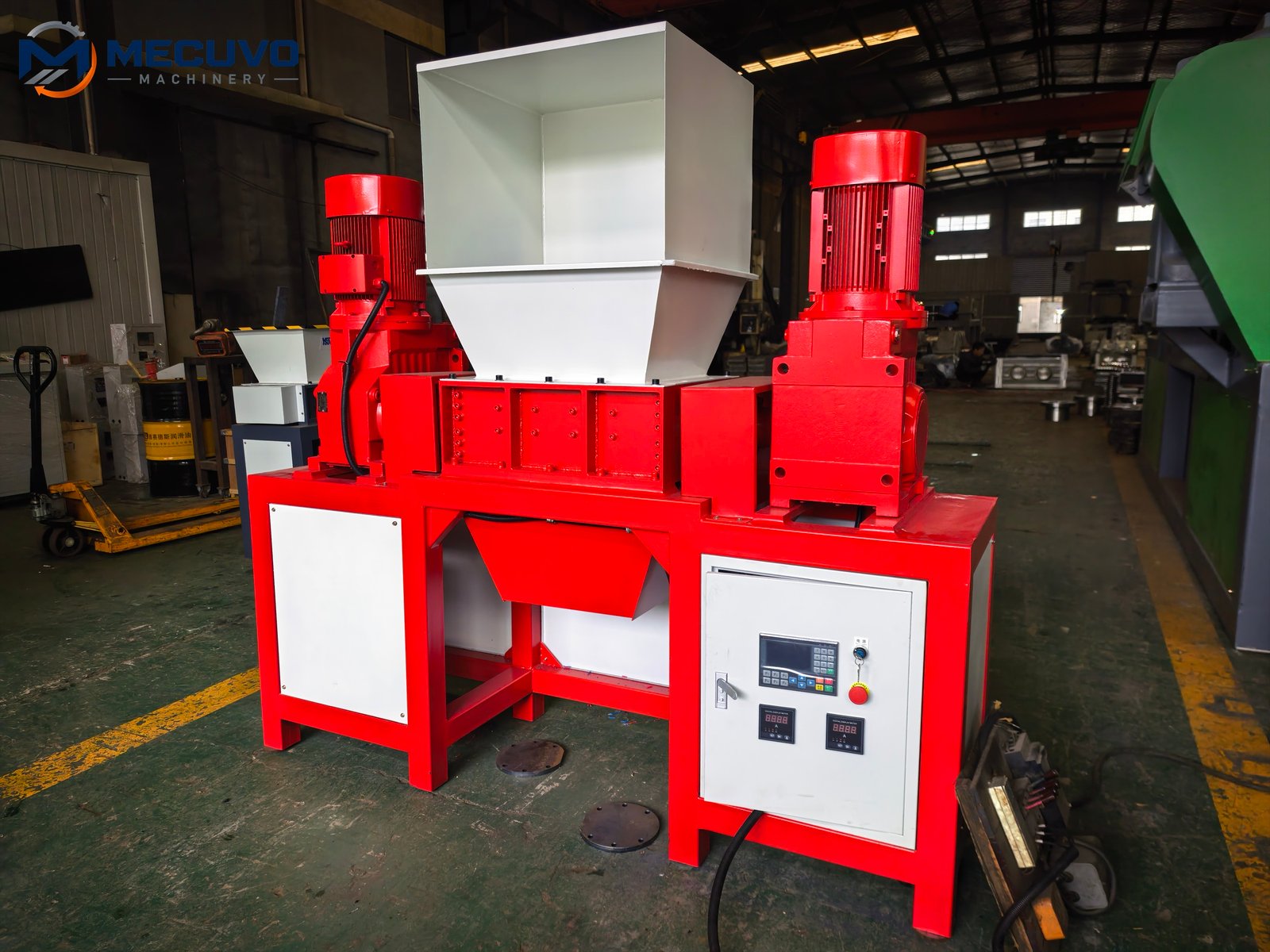
Operating industrial dual-shaft shredders in urban and light-industrial scrap yards creates intense low-frequency vibration and transient impact noise that trigger immediate environmental complaints and regulatory stop-work orders. Mitigating shredder emissions to meet UK BS 4142 and Singapore NEA boundary standards requires decoupled inertia concrete foundations, elastomeric isolation dampers, and acoustic baffled infeed enclosures. I examine boundary noise statutory limits, civil foundation isolation techniques, and acoustic enclosure engineering below to keep your shredder operating compliantly near urban boundaries.
What Are the Legal Noise and Vibration Boundaries in the UK and Singapore?
Operating a metal shredder near urban residential developments without acoustic planning invites swift regulatory enforcement, abatement notices, and crippling fines. UK BS 4142 limits industrial sound exceedance to under +5 dB over background with acoustic penalties, while Singapore NEA enforces strict factory boundary limits of 70 dBA day and 60 dBA night.
Statutory Environmental Noise Standards and Receptor Thresholds
Recycling yards operating in densely populated regions such as the United Kingdom and Singapore face rigorous statutory scrutiny regarding airborne noise and ground-transmitted vibration:
United Kingdom: Environment Agency Environmental Permitting & BS 4142
In the UK, metal recycling facilities require an Environmental Permit issued by the Environment Agency (EA) or a local authority permit under the Environmental Protection Act 1990. The governing benchmark for assessing industrial noise is British Standard BS 4142:2014+A1:2019 (Methods for rating and assessing industrial and commercial sound). – Rating Level vs Background: The specific sound from the shredder is rated against the prevailing background sound level (LA90,T) at nearby sensitive residential receptors. – Impact Thresholds: An exceedance of +5 dB above background indicates an adverse impact; an exceedance of +10 dB indicates a significant adverse impact, triggering immediate permit enforcement or abatement notices under Section 80 of the Environmental Protection Act. – Acoustic Character Penalties: BS 4142 mandates adding penalty corrections: +2 to +4 dB for tonality (e.g. high-frequency motor whine), +3 to +9 dB for impulsivity (sharp metal tearing thuds), and +3 dB for intermittency (frequent PLC auto-reversals). A shredder measuring 55 dBA can be rated at 67 dBA once penalties are applied.
Singapore: National Environment Agency (NEA) Boundary Limits
In Singapore, industrial noise is governed by the Environmental Protection and Management (Control of Noise at Construction Sites and Industrial Premises) Regulations. Under the Environmental Protection and Management Act (EPMA), scrap metal yards are classified as industrial premises subject to strict boundary noise caps:
| Time Period | Singapore NEA Industrial Boundary Limit | Singapore Residential Buffer Limit (Noise Sensitive Receptor) |
|---|---|---|
| Day (07:00 – 19:00) | 70 dBA (Leq, 1h) | 65 dBA (Leq, 1h) |
| Evening (19:00 – 23:00) | 65 dBA (Leq, 1h) | 60 dBA (Leq, 1h) |
| Night (23:00 – 07:00) | 60 dBA (Leq, 1h) | 55 dBA (Leq, 1h) |
Exceeding these limits can lead to immediate Stop-Work Orders and court prosecution by the NEA. Achieving compliance requires combining civil foundation damping with engineered acoustic enclosures. For plant safety protocols in Singapore, review our guide on Singapore workplace safety and machinery guarding under SS 537.
How Do You Design an Isolated Inertia Foundation to Stop Ground Vibration?
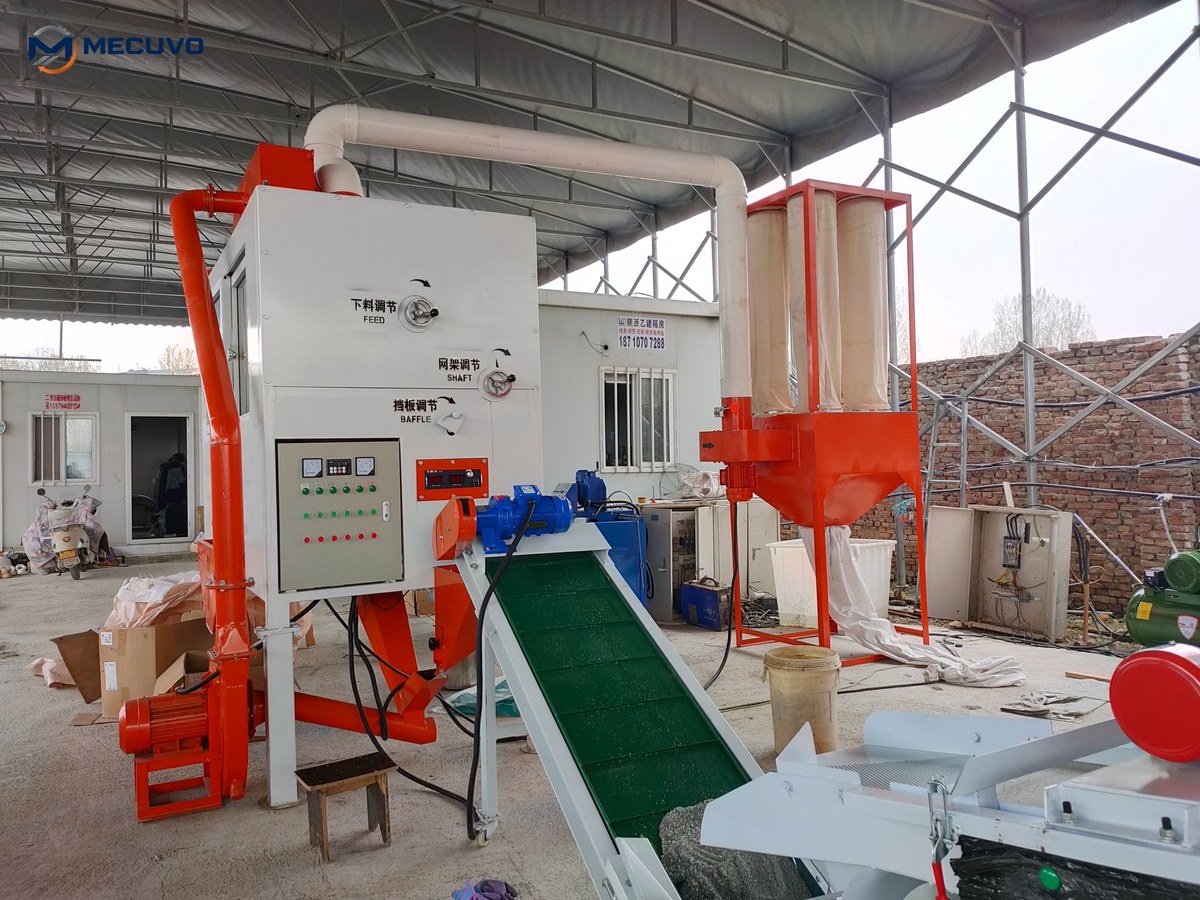
Ground-borne vibration from high-torque shredder shafts travels through continuous concrete floors into adjacent buildings, rattling windows and causing structural complaints. Pour an isolated concrete inertia block weighing 1.5 to 2.0 times the shredder mass, mounted on heavy-duty elastomeric damping pads and decoupled from the yard floor by an expansion gap.
Civil Engineering and Dynamic Mass Decoupling
When a dual-shaft shredder’s hex knives bite into thick steel scrap or reverse under peak torque overload, the drive motors and planetary gearboxes transfer massive torsional shock forces directly down into the machine base.
If the shredder is bolted directly to the common concrete yard slab: – The solid concrete acts as an elastic transmission medium. – Low-frequency seismic energy (typically in the 5 Hz to 30 Hz range) travels horizontally through the slab and subsoil with minimal attenuation. – Nearby commercial or residential buildings experience resonance, causing walls to vibrate and low-frequency humming to reverberate through indoor rooms.
To eliminate structure-borne transmission per ISO 20816-1 standards, execute a decoupled civil foundation design:
- Excavate an Isolated Foundation Pit: Cut through the existing yard slab and excavate a pit providing at least 300 mm clearance around the shredder footprint.
- Pour an Inertia Block: Construct a heavily reinforced concrete inertia pad. The mass of the concrete block must equal 1.5 to 2.0 times the total operating weight of the shredder (e.g. an 8-ton shredder requires a 12-to-16-ton concrete block, roughly 5 to 7 cubic meters of concrete). This mass provides high physical inertia that absorbs dynamic cutting impulses.
- Install Sub-Base Elastomeric Isolation Pads: Beneath the inertia block, lay continuous ribbed elastomeric isolation pads or high-density polyurethane dampers (such as Sylomer or Neoprene waffle pads) calibrated to the static load. The isolator’s natural resonance frequency must be tuned below 8 Hz, attenuating ground transmissibility by over 90%.
- Isolate Perimeter Edges: Ensure the 50 mm perimeter gap between the inertia block and the surrounding yard slab remains completely decoupled. Fill the gap with closed-cell polyethylene foam backer rod and seal with flexible polyurethane joint sealant. Never bridge this gap with rigid concrete, steel rebar, or conduit.
For detailed cutting chamber mechanics, review our breakdown on dual-shaft shredder shaft and knife selection.
What Acoustic Enclosures and Baffled Infeeds Attenuate Airborne Noise?
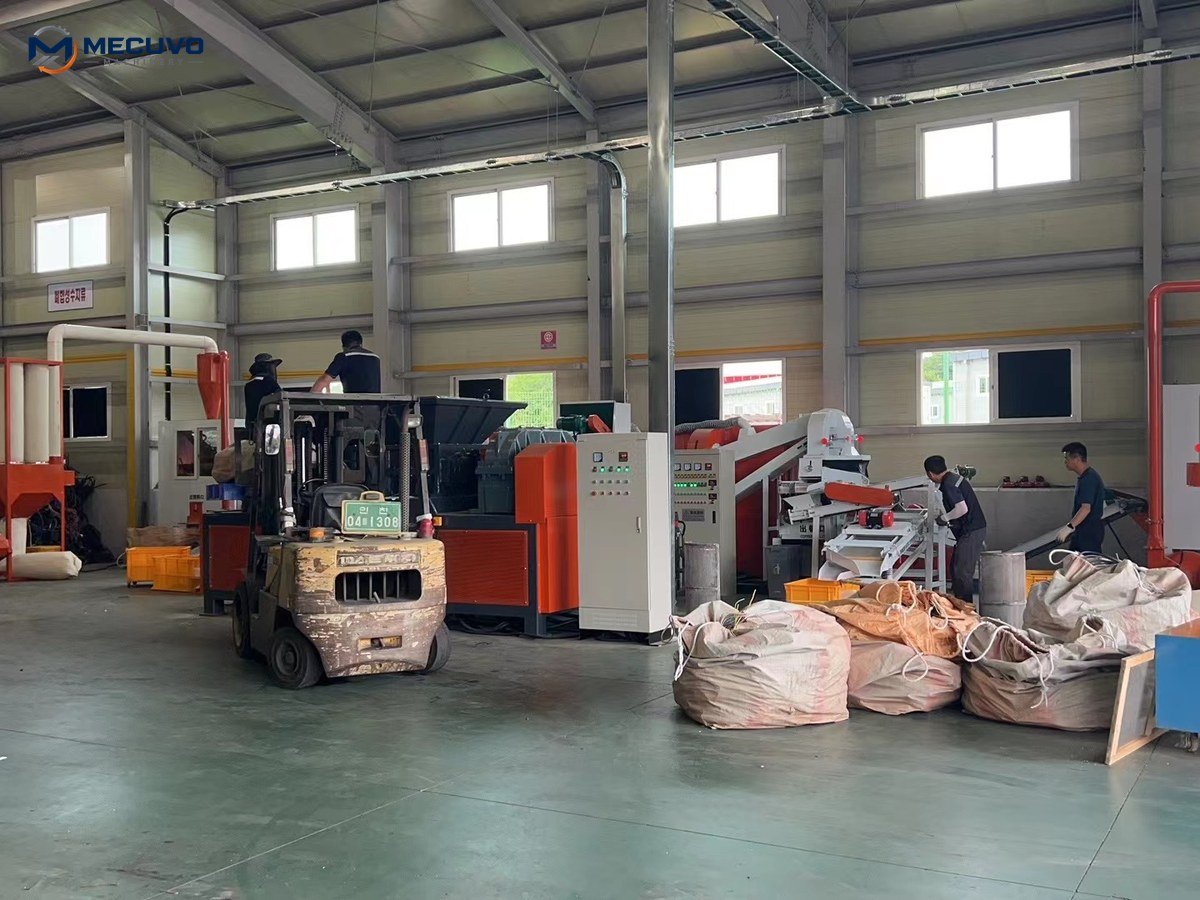
While an isolated foundation cures ground vibration, high-frequency metal-on-metal screeching and impact clatter still radiate through the open hopper into the air. Erect a modular steel-faced acoustic enclosure lined with rockwool insulation, install an acoustic hopper hood, and hang lead-vinyl baffle curtains across the infeed throat.
Airborne Acoustic Treatment and Infeed Baffling
Airborne noise generated by dual-shaft shredders originates from two primary sources: the whine of the electric motors and planetary reduction gearboxes (typically 80 to 88 dBA at 1 meter), and the violent impact of knives shearing through scrap metal inside the cutting chamber (peaking at 95 to 105 dBA).
To reduce sound levels at the property boundary to compliant thresholds:
1. Infeed Hopper Baffling (Eliminating the Acoustic Horn)
The open hopper acts as a megaphone, directing sound straight up and out. To suppress this pathway: – Install an extended, hooded infeed hopper with double-wall construction (3 mm outer steel plate, 50 mm acoustic mineral wool, and a perforated inner steel liner). – Suspend a double row of heavy overlapping lead-vinyl acoustic sound-barrier curtains (mass >= 5 kg/m2) across the hopper opening. The flexible curtains part easily to allow scrap feeding by grapple or conveyor, but immediately fall back into place to trap airborne impact noise inside the chamber.
2. Modular Motor and Gearbox Acoustic Enclosure
Encase the drive power unit in a modular acoustic enclosure fabricated from pre-engineered acoustic panels (STC rating >= 35 dB): – Panels feature a solid 1.5 mm galvanized steel outer skin, a 100 mm thick core of high-density rockwool (density >= 80 kg/m3), and a protective water-resistant acoustic scrim facing a perforated inner sheet. – Ventilation air for electric motor cooling must pass through labyrinth silencers (acoustic baffles) that allow airflow while reflecting sound waves internally.
3. Perimeter Acoustic Fencing
Along the property line facing nearby receptors, construct a continuous acoustic absorption wall (height 3.5 to 5.0 meters) to break line-of-sight sound propagation. Combined with foundation isolation, these treatments reliably reduce boundary noise levels by 18 to 25 dBA, ensuring full compliance with UK BS 4142 and Singapore NEA boundary standards.
Key Takeaways
Install decoupled inertia foundations, tune elastomeric damping pads, and enclose infeed hoppers with acoustic baffles to operate dual-shaft shredders compliantly near urban boundaries.
— YOUR RECYCLING PROJECT
Find the right machine for your material.
Tell us your material and required capacity.
Or email sales@mecuvo.com