Table of Content
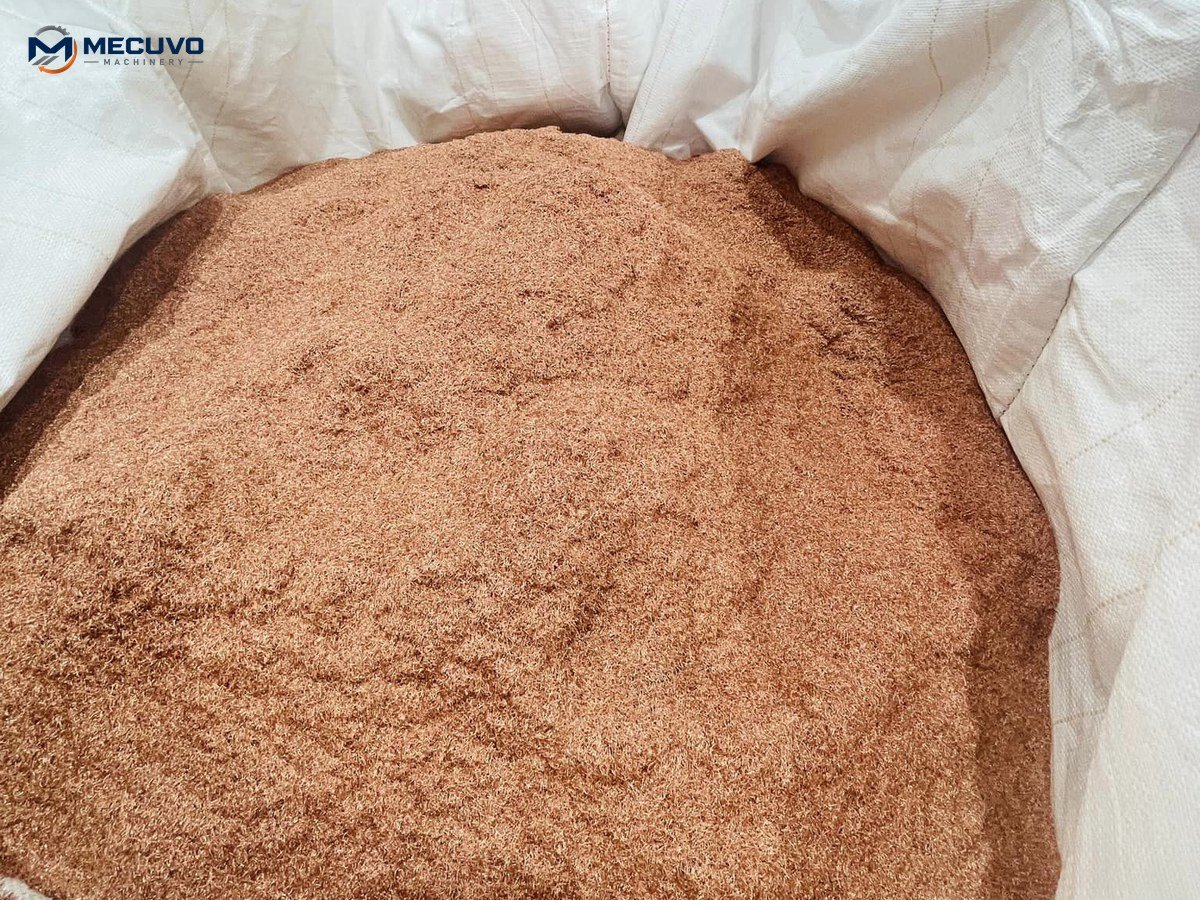
Separating granulated copper conductors from chopped polymer insulation represents the defining technical bottleneck in scrap cable recycling. A well-calibrated vibrating air table uses density differentials and fluidisation to achieve 98% to 99% copper recovery on conductors 0.5 mm and larger (yielding >99% Clove chop purity). However, when processing ultra-fine hair wire (0.05 mm to 0.30 mm), aerodynamic drag causes hair wire to carry over into the polymer fraction, leaving tailings with an assay grade of 3% to 7% copper by dry weight. Adding an electrostatic secondary separator utilizes high-voltage corona charging to reclaim these fine filaments from tailings, boosting overall plant copper recovery toward 99.5%–99.8%. Below, I evaluate the separation mechanics of air tables versus electrostatic systems, analyzing how your specific feedstock mix dictates whether a single or two-stage separation circuit is required.
How Does a Vibrating Air Table Separate Copper from Plastic Insulation?
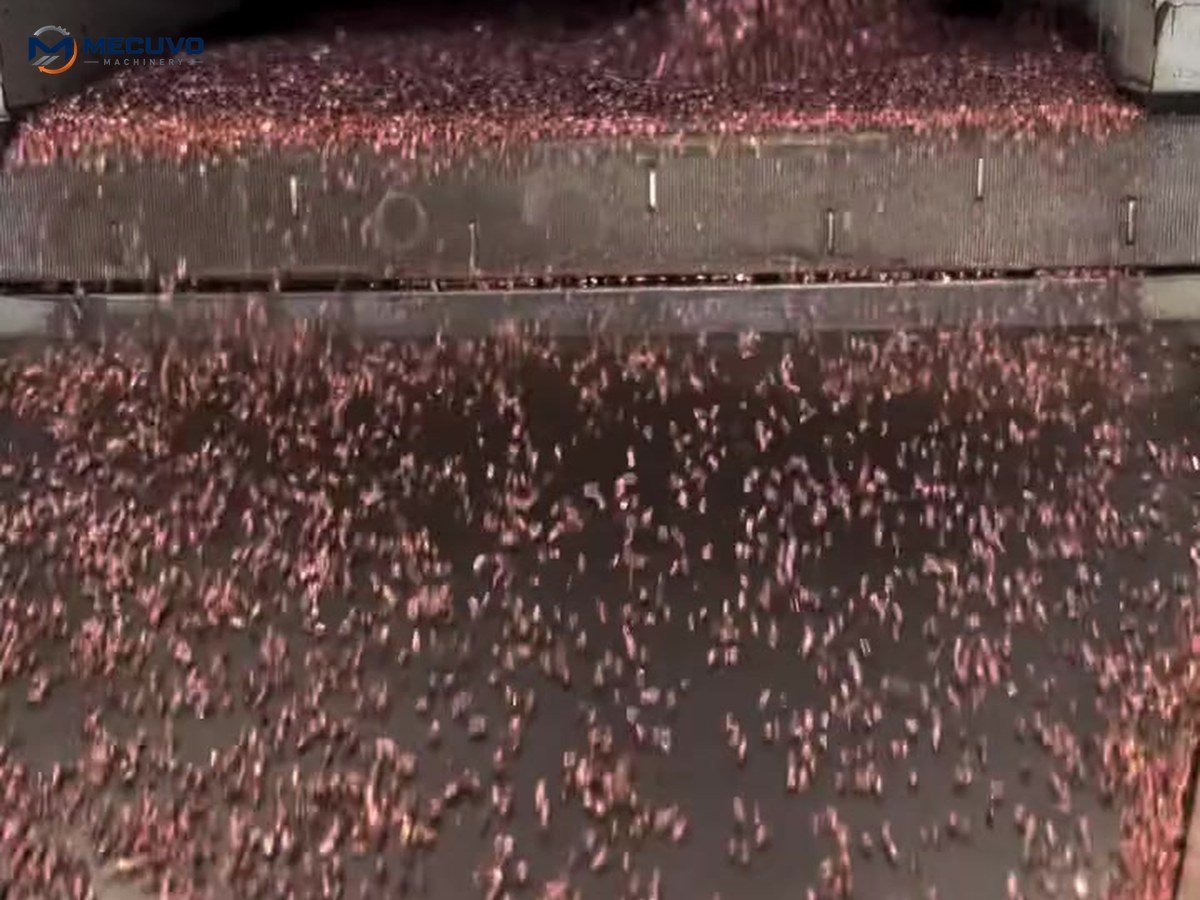
Vibrating air tables rely on specific gravity differentials and pneumatic fluidisation to stratify shredded cable. Air tables use bottom fluidising blowers and eccentric table vibration to float light plastic downhill while driving dense copper granules (density ~8.96 g/cm³, specific gravity ~8.96) uphill, achieving 98% to 99% product purity on coarse wire. Recovering microscopic metal dust from plastic tailings justifies capital costs when evaluated against our worked electrostatic separator ROI for copper granulators model.
The Mechanics of Fluidised Bed Gravity Stratification
The vibrating air table forms the cornerstone of dry cable granulation plants. Its physical sorting principle is rooted in fluid mechanics and specific gravity differentials, as established by the Society for Mining, Metallurgy & Exploration (SME). In granulated cable mixtures, copper granules possess a density of approximately 8.96 g/cm³ (dimensionless specific gravity ~8.96). In contrast, polymer insulation materials exhibit significantly lower densities: unplasticized or flexible PVC typically ranges between 1.30 and 1.45 g/cm³, vulcanized rubber jackets range between 1.10 and 1.35 g/cm³, and polyethylene (LDPE/HDPE) has a density of only 0.91 to 0.96 g/cm³ (floating in water). This creates a massive density differential exceeding 6:1 to 9:1 between metal and plastic.
The air table consists of an inclined, woven stainless-steel wire deck driven by an eccentric vibratory motor. A centrifugal blower mounted beneath the chassis forces pressurized air upward through the deck apertures. This creates a fluidised material bed:
- Pneumatic Levitation of Polymers: The rising air stream counteracts the gravitational settling of light polymer granules, lifting them into an upper suspension layer.
- Frictional Deck Propulsion of Copper: The dense copper granules sink directly onto the woven deck screen. The eccentric oscillation imparts directional mechanical impulses, propelling the copper uphill along the deck slope toward the top metal discharge weir.
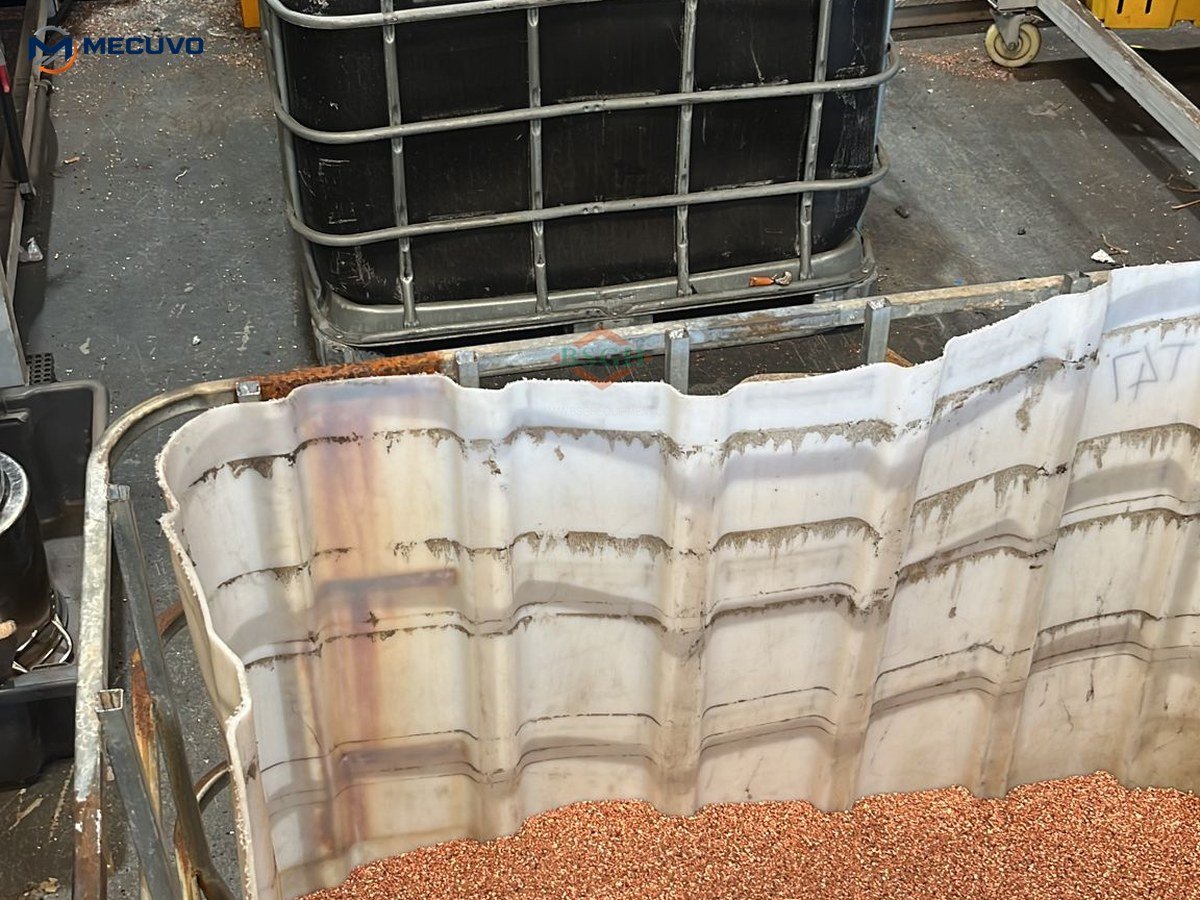
- Stratified Discharge: Pure copper nodules exit the upper weir, while fluidised plastic floats downhill across the deck surface and discharges over the lower tailings edge.
When processing medium and coarse wire (such as building wire, Romex, and industrial power cable), a well-calibrated air table routinely delivers copper purity exceeding 99.0%, satisfying the rigorous requirements of the ReMA ISRI Scrap Specifications Circular for Clove grade chops.
Why Do Ultra-Fine Hair Wires Cause Copper Loss on Standard Air Tables?
As conductor diameters drop below 0.3 mm, aerodynamic drag forces overtake gravitational settling. Fine copper hair strands have high surface area relative to mass; air table blowers blow these fine filaments downhill into the plastic tailings, resulting in tailings assaying at 3% to 7% residual copper content by weight in automotive and telecom scrap.
The Aerodynamic Boundary in Dry Gravity Sorting
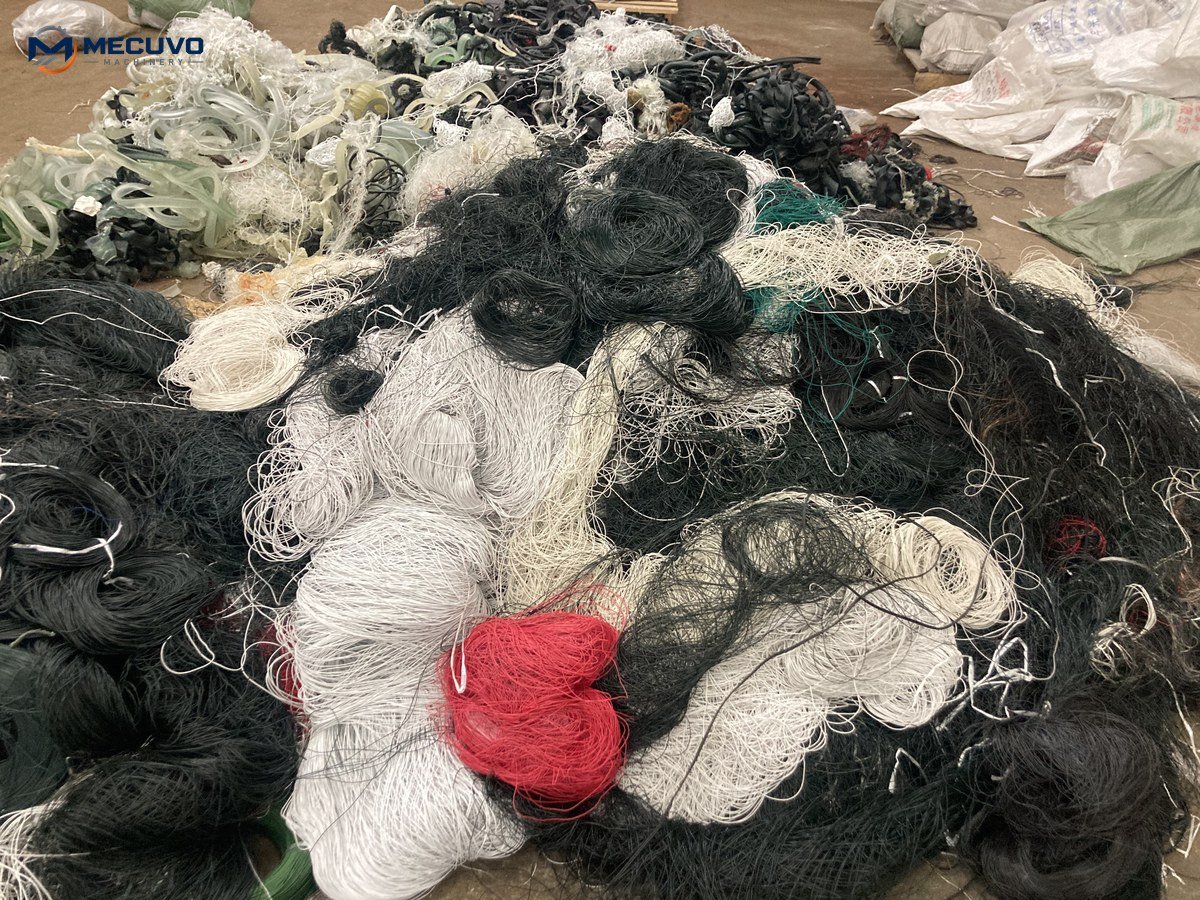
The fundamental limitation of pneumatic density separation is that terminal settling velocity is governed by both particle mass and aerodynamic drag. For spherical or cubical copper nodules derived from solid building wire, gravitational mass dominates over air drag. However, when processing complex scrap—such as automotive wiring harnesses, multi-strand telecom cables, ribbon wire, and appliance flex cords—individual copper strands measure between 0.05 mm and 0.25 mm in diameter (hair wire).
When these hair-thin conductors pass through the granulator mill, they chop into tiny wire filaments and curls with enormous surface-area-to-weight ratios. The aerodynamic drag force exerted by the bottom air table blower easily exceeds the gravitational settling force of the hair wire. As a consequence:
- Fine copper filaments cannot settle into the friction zone on the deck screen.
- Instead of travelling uphill, hair copper becomes aerodynamically entrained in the floating plastic layer.
- Valuable copper blows across the deck and discharges into the insulation waste bin.
In recycling yards processing high proportions of automotive harnesses without secondary recovery, assay testing of the plastic tailings routinely reveals 3% to 7% copper content by dry weight. Because tailings represent roughly 50% to 55% of total infeed cable mass, a 5% copper assay in the tailings equates to an absolute loss of 2.5% to 2.75% of total infeed weight—amounting to 5% to 5.5% of total recoverable copper escaping into the waste bin. Across an annual throughput of 500 tons of wire, this unrecovered metal represents tens of thousands of dollars in lost revenue.
How Does an Electrostatic Separator Recover Fine Copper from Plastic Tailings?
Electrostatic separation bypasses aerodynamic limits by sorting materials based on electrical conductivity. Operating downstream of the air table, high-voltage corona electrodes (25 kV to 45 kV) pin non-conductive plastic to a grounded drum while conductive copper filaments drop freely into a clean recovery bin.
Corona Ionization and Conductive Charge Dissipation
An electrostatic separator serves as an automated scavenging circuit positioned immediately downstream of the air table tailings discharge. Instead of relying on specific gravity or particle mass, electrostatic separators exploit the massive differential in electrical conductivity between copper conductors (conductive) and polymer insulations (dielectric insulators).
The electrostatic sorting mechanism operates inside an enclosed chamber via three synchronized physical phases:
- High-Voltage Corona Ionization: Tailings material discharges onto a rotating, precision-ground metallic roller drum. A corona electrode energized to 25,000 to 45,000 Volts (25 kV to 45 kV) showers the particles with high-density negative ions.
- Rapid Charge Dissipation by Copper: Because copper is an exceptional electrical conductor, it instantaneously transfers its negative surface charge to the grounded metallic drum upon physical contact. Retaining zero electrostatic attraction, the copper particles fly off the drum along a natural centrifugal parabolic trajectory and land in the clean metal discharge chute.
- Electrostatic Pinning of Dielectric Polymers: Because PVC, XLPE, and rubber are dielectric insulators, they cannot dissipate charge to the drum. Instead, they acquire an opposite image charge in the metallic roller and remain pinned tightly to the drum surface by electrostatic force. As the drum rotates past a lower divider wedge, a mechanical scraper blade removes the plastic, dropping it into a de-metalized polymer bin (typically achieving <0.1% to 0.2% residual copper, subject to moisture and uniform infeed).
Safety, High-Voltage Precautions & Combustible Dust Standards: Operating high-voltage corona charging systems (typically 25 kV to 45 kV DC) requires strict engineering controls. Equipment must comply with NFPA 79 electrical safety rules, incorporating key-interlocked access enclosures, automatic residual charge discharge grounding bars upon shutdown, and dedicated earth grounding rods. Regarding combustible dust control from finely divided dry polymer fluff and copper micro-particulates, the National Fire Protection Association consolidated NFPA 652 and related particulate standards into NFPA 660 (Standard for Combustible Dusts). Facility engineers must perform a Dust Hazard Analysis (DHA) and implement electrically bonded ductwork, negative-pressure baghouse extraction, and explosion protection appropriate to local code adoption.
| Operational Parameter | Standalone Vibrating Air Table | Air Table + Electrostatic Separator Circuit |
|---|---|---|
| Separation Mechanism | Specific gravity differential & air fluidisation | Specific gravity + High-voltage corona conductivity |
| Effective Conductor Size | Conductors >= 0.50 mm (14 AWG to 750 kcmil) | Down to 0.05 mm (ultra-fine hair wire & foil) |
| Metal Recovery on Coarse Wire | 98.5% – 99.2% | 99.8%+ |
| Metal Recovery on Auto Harness Wire | 90.0% – 94.0% (losses in tailings) | 99.5% – 99.8% (high-efficiency fine copper capture) |
| Insulation Tailings Purity | Contains 3% – 7% residual copper | Near-zero metal (<0.1%–0.2% Cu; resale value depends on polymer resin type and cleanliness) |
| Utility Requirements | 3-phase blower and vibratory drive motors | 3-phase drives + 25-45 kV high-voltage power supply |
| Feedstock Recommendation | Building wire (Romex, THHN), heavy industrial cable | Automotive harnesses, telecom cable, mixed scrap wire |
For processors considering equipment sizing and capacity upgrades, consult our comprehensive guide on when to upgrade from a mini granulator to a full-scale production line. Understanding the fluidization dynamics of vibrating air tables is explained in detail in how a copper wire granulator separates copper from plastic.
To evaluate whether an electrostatic secondary stage is commercially viable for your specific wire mix, submit your cable photos and target throughput to our engineers via our direct contact page.
Key Takeaways
A standalone vibrating air table is the optimal, cost-effective solution for coarse building wire; however, adding an electrostatic secondary separator is essential for recovering 99.8%+ of copper from automotive harnesses, telecom wire, and ultra-fine cable scrap.
— YOUR RECYCLING PROJECT
Find the right machine for your material.
Tell us your material and required capacity.
Or email sales@mecuvo.com