Table of Content
I see scrap operators struggle with dirty copper chops or metal lost in plastic waste when running mixed electrical cables through a mechanical recycling line.
A dry copper wire granulator shears cables into millimeter-sized granules, then stratifies them on a vibrating air-density table. Because copper is roughly eight times denser than plastic, upward airflow fluidizes the plastic downhill while eccentric vibration drives heavy copper uphill.
Below, I examine the mechanical cutting sequence, aerodynamic fluidization physics, and operational parameters that govern commercial copper recovery.
What are the core stages of a copper wire granulation system?
I evaluate cable granulators by looking at the entire processing sequence rather than focusing solely on the crushing motor.
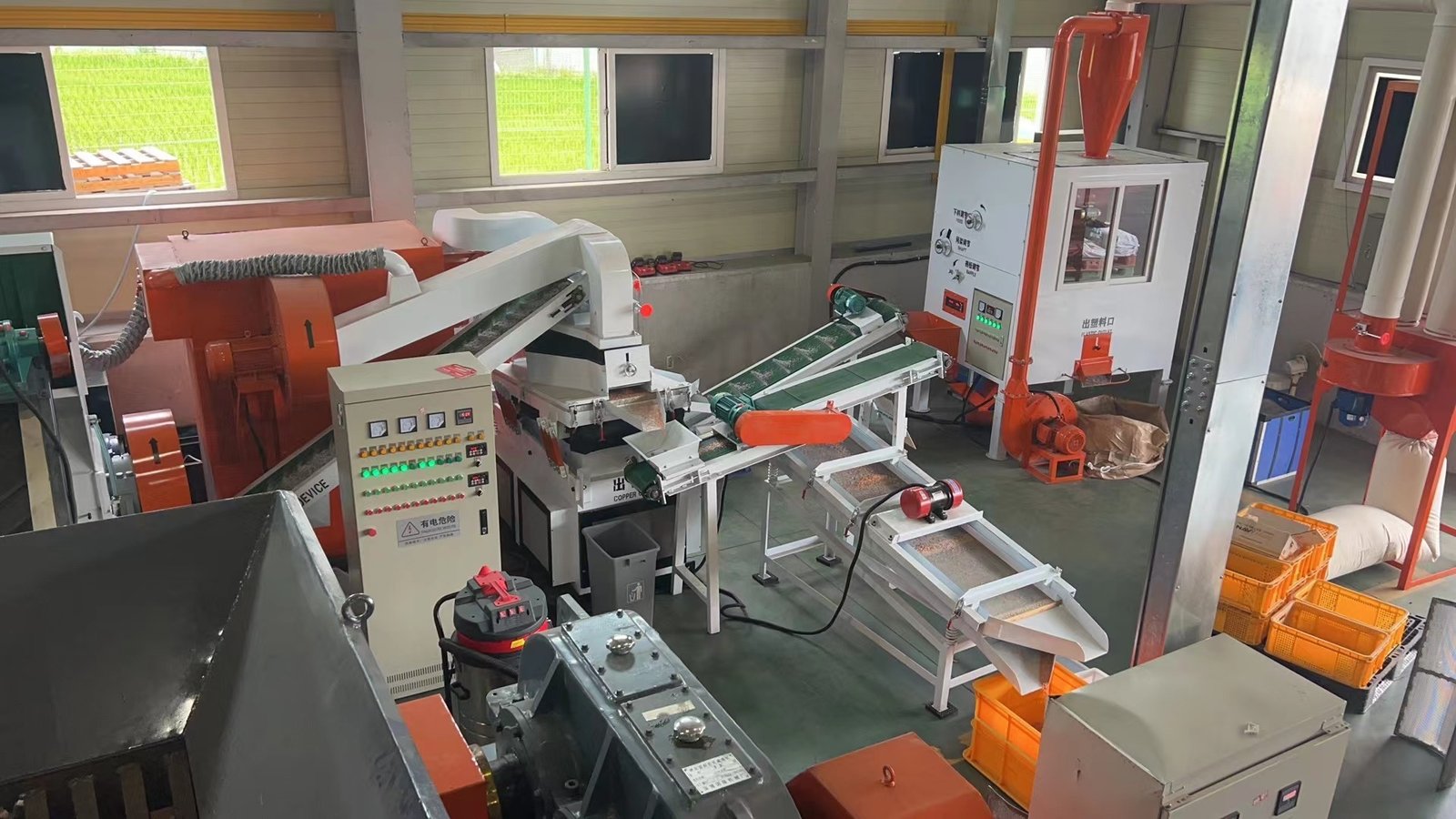
An industrial wire granulation plant integrates four synchronized stages: mechanical size reduction in a cutting chamber, pneumatic air-density separation on a fluidizing deck, negative-pressure dust extraction, and optional secondary magnetic or electrostatic separation for fine conductors.
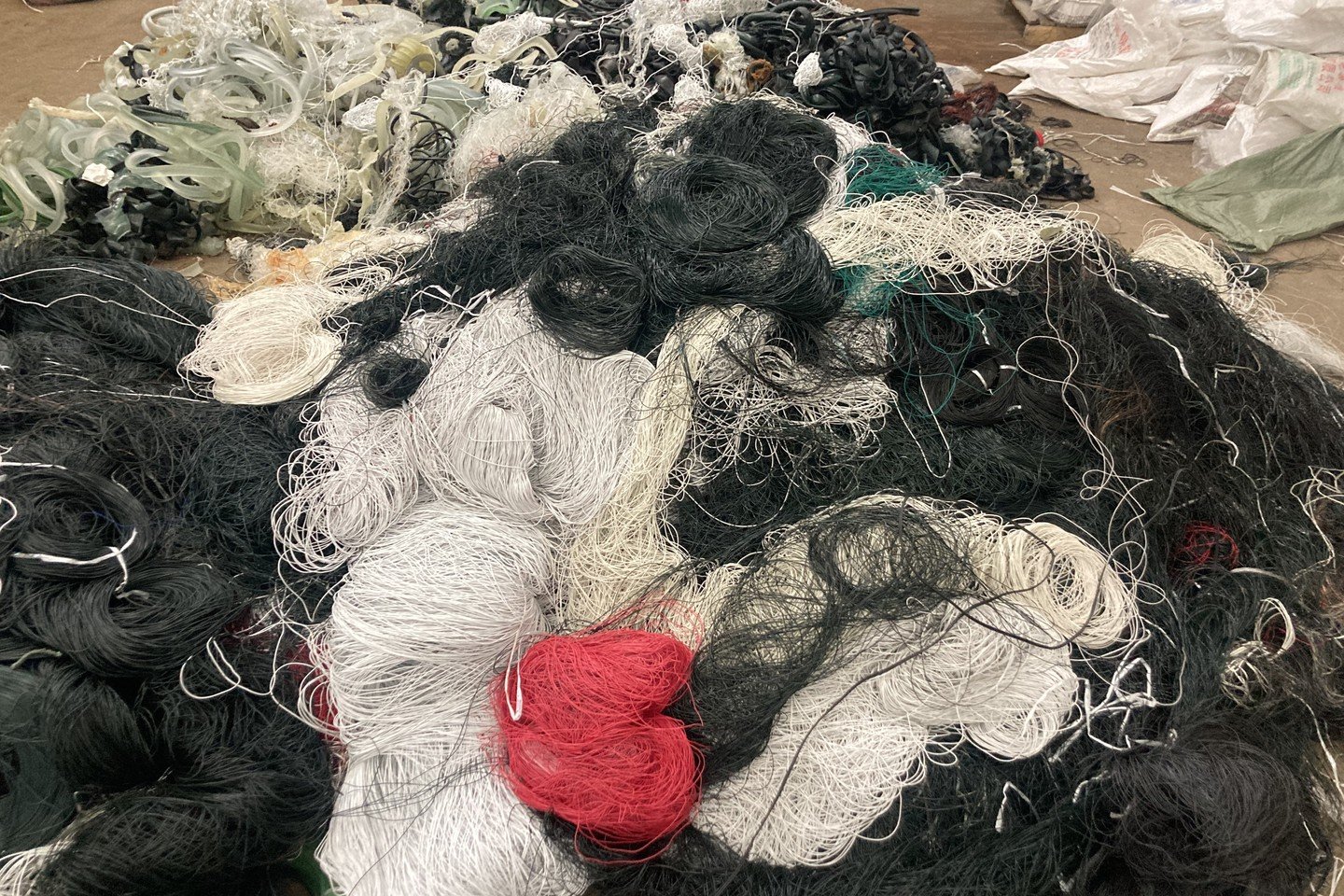
The complete mechanical granulation sequence
A modern dry cable recycling line converts mixed scrap wire into commercial-grade metal nodules through an automated, continuous material flow. According to the European Commission Waste Treatment reference standards, mechanical treatment of waste electrical and electronic equipment relies on progressive liberation, size classification, and physical gravity sorting without chemical reagents or liquid effluents.
Raw cable is first conveyed into a heavy-duty rotary granulator where staggered knives shear wire jackets and copper conductors against stationary bed blades. Material remains inside the grinding chamber until particles pass through a sizing screen basket mounted beneath the rotor. Once particles reach the target dimension—typically 2.5 mm to 4.0 mm—they drop into a pneumatic blower or vibrating discharge chute that feeds the primary air-density separation table.
The separation table uses a combination of directional vibration and upward airflow to divide the feed into clean copper chops and light insulation tailings. Simultaneously, a high-efficiency cyclone and fabric baghouse draw fine insulation dust, talc, and airborne fluff away from the working deck, keeping the plant environment clean. For higher-capacity industrial setups like MECUVO copper granulator systems, a magnetic separator removes ferrous wire armor or screws before the air table to prevent surface damage to the deck mesh.
| Process Stage | Primary Equipment | Physical Mechanism | Target Output |
|---|---|---|---|
| Infeed & Sizing | Rotary knife granulator | High-speed scissor shearing | 2.5–4.0 mm liberated granules |
| Primary Separation | Air-density shaking table | Fluidization & specific gravity | Bright copper chops (>99% purity) |
| Air Filtration | Cyclone & baghouse filter | Negative-pressure vacuum | Trapped dust and PVC fluff |
| Secondary Recovery | Electrostatic or shaker deck | High-voltage electrostatic field | Ultra-fine copper recovery (<0.3 mm) |
How does the cutting chamber chop and liberate wire from insulation?
I often find that poor separation results on the vibration table originate from blade wear inside the cutting chamber rather than incorrect blower settings.
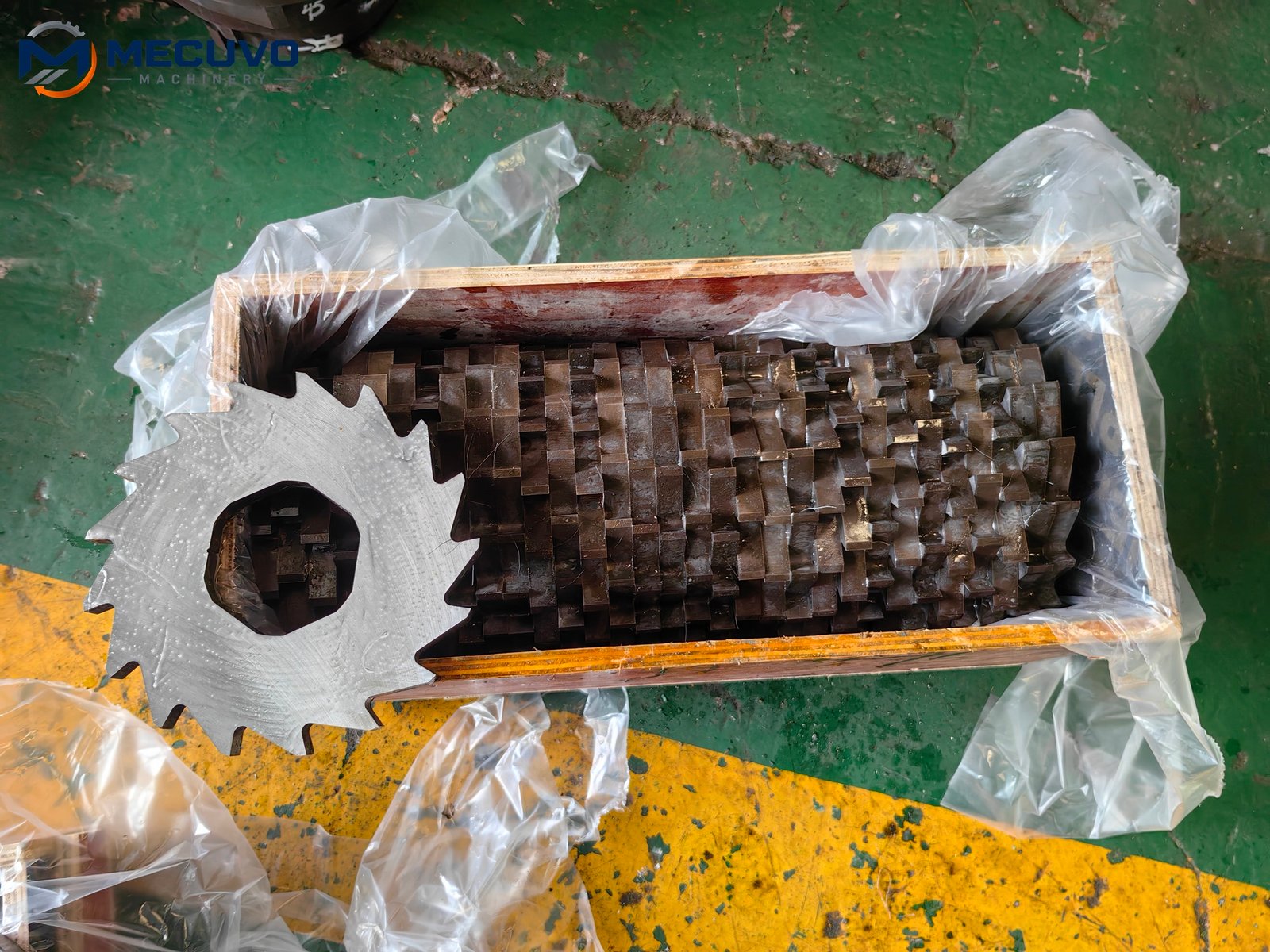
The cutting mill uses rotating blades shearing past stationary bed knives at tight clearances (0.2–0.4 mm). This scissor action cuts insulation cleanly away from copper strands instead of smashing or stretching the wire, allowing complete physical liberation.
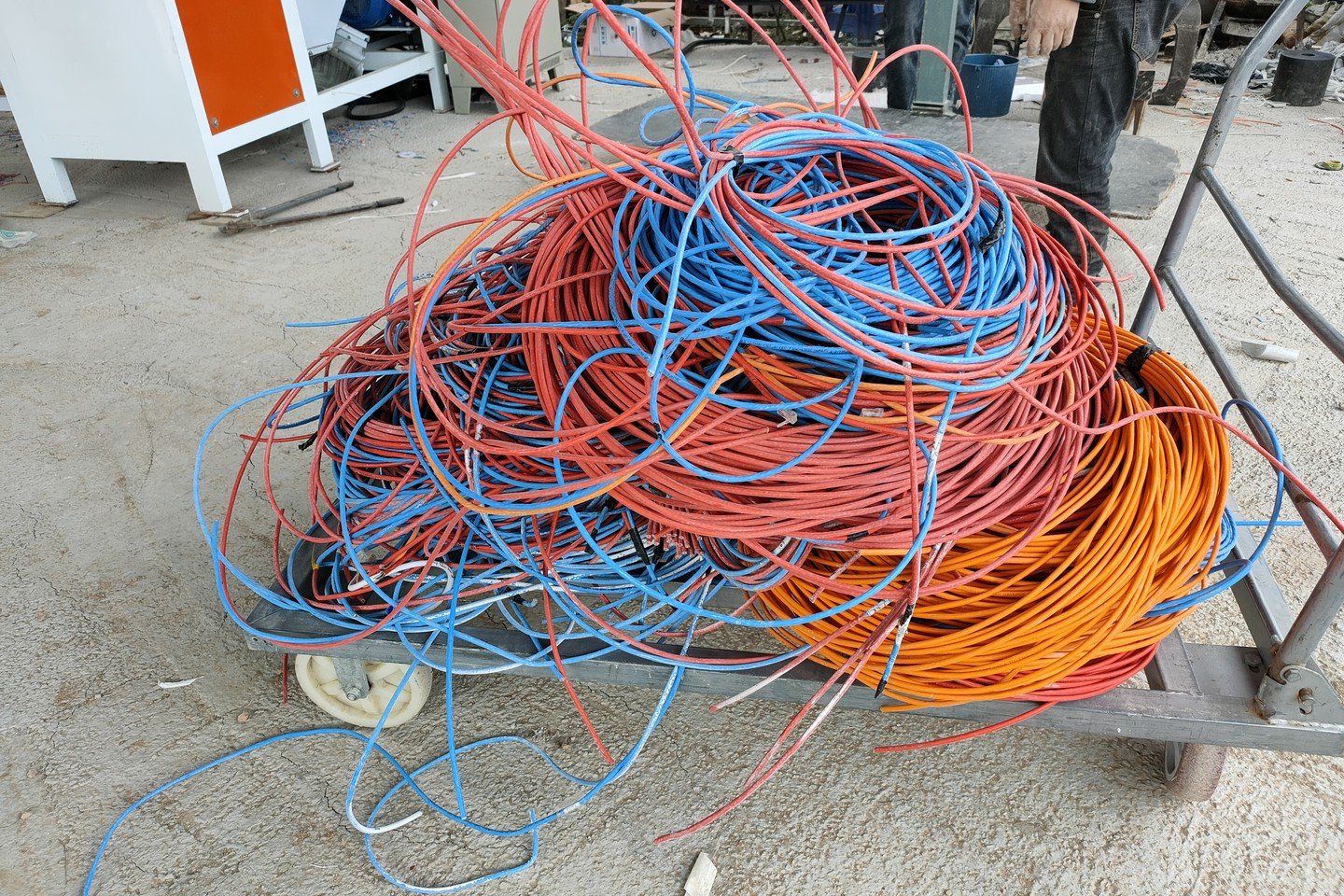
Knife clearance and mechanical liberation dynamics
Inside the granulator chamber, size reduction must achieve physical liberation—meaning the outer plastic jacket must fully detach from the internal metallic conductor. If copper remains trapped inside a partial sleeve of polyvinyl chloride (PVC) or polyethylene (PE), neither an air table nor a magnetic separator can divide them downstream.
To achieve clean liberation without generating excessive copper dust, the rotor blades must pass the fixed bed knives with a precise scissor clearance, normally maintained between 0.2 mm and 0.4 mm. When blades become dull or clearance expands beyond 0.5 mm, the cutting mechanism changes from sharp shearing to blunt impact pinching. Blunt knives stretch ductile copper wire into elongated threads and crush elastic plastic without severing it, creating knotted hairballs that cannot stratify on an air table.
Screen aperture selection also controls residence time within the cutting chamber. A 3.0 mm screen retains wires until they are chopped into uniform pellets. However, running fine data cable through an oversized 5.0 mm screen discharges un-liberated wire segments prematurely, while forcing heavy building cable through an undersized 2.0 mm screen causes over-grinding, motor overheating, and thermal softening of PVC insulation. Maintaining sharp tool-steel knives (such as D2 or SKD-11) and matching bed screen hole diameters to your daily scrap mix ensures clean cut geometry.
How does an air density table separate copper granules from plastic flakes?
I treat the air-density table as a precision fluidization bed where aerodynamics and mechanical inertia work in opposite directions.
The table exploits the large density gap between copper (8.96 g/cm³) and plastic (0.90–1.40 g/cm³). Low-pressure airflow lifts light plastic so it floats downhill, while eccentric table vibration propels dense copper uphill toward the clean metal discharge.
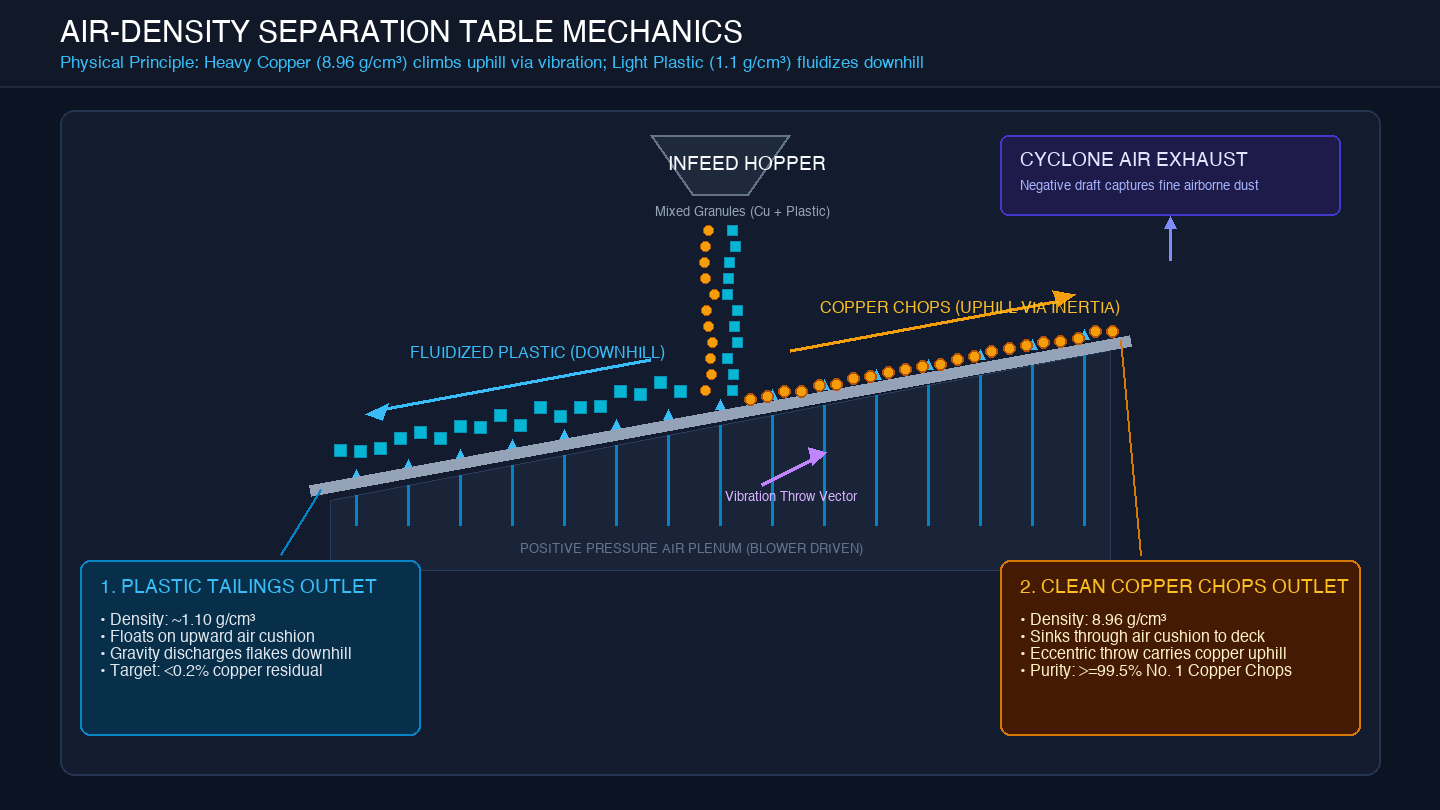
Fluidized bed mechanics and terminal settling velocity
Dry specific gravity separation operates by creating a fluidized bed across an inclined, porous stainless-steel deck. According to material properties documented by the Copper Development Association, pure copper has a specific gravity of approximately 8.96 g/cm³, whereas commercial cable insulation materials like PVC, cross-linked polyethylene (XLPE), and rubber range from 0.90 g/cm³ to 1.40 g/cm³. This provides an enormous density differential of six-to-one or greater.
However, separation on an air table is governed by aerodynamic terminal velocity, which depends on both particle density and projected surface area. A centrifugal blower pushes low-pressure air upward through the fine wire-mesh screen deck. The air velocity is calibrated so that drag forces exceed the terminal velocity of the plastic flakes, suspending them in a semi-floating, fluidized cushion. Because the deck is tilted at a longitudinal slope (typically 6° to 10°), gravity causes this fluidized plastic bed to cascade down the slope toward the lower discharge chute.
Meanwhile, the heavy copper granules have a terminal velocity far higher than the upward air draft, allowing them to remain firmly settled on the deck surface. The entire table is driven by eccentric cams oscillating at 350 to 450 RPM with a directional forward throw. This mechanical inertia grips the dense copper granules and propels them uphill against the deck incline, discharging pure No. 1 copper chops at the high end. Proper table balancing requires tuning deck incline, vibration frequency, and air damper volume together.
| Separation Variable | Adjustment Mechanism | Effect of Over-Adjustment | Effect of Under-Adjustment |
|---|---|---|---|
| Fluidizing Airflow | Damper valve on blower inlet | Copper blown into plastic tailings | Plastic trapped in clean copper output |
| Deck Incline Angle | Manual mechanical jack screws | Copper cannot climb; spills to plastic | Plastic rolls into copper discharge |
| Vibration Frequency | Variable frequency drive (VFD) | Excessive bounce disrupts stratification | Material stagnates on the screen bed |
Why do fine wire strands require secondary electrostatic or water separation?
I advise recycling operators to recognize the physical boundaries of air tables when processing hair-thin communication or automotive wiring.
When copper strands are thinner than 0.3 mm, their surface-area-to-weight ratio increases dramatically. The upward airflow that fluidizes plastic can lift these tiny copper hairs into the plastic discharge, requiring secondary electrostatic or water tables to recover residual metal.
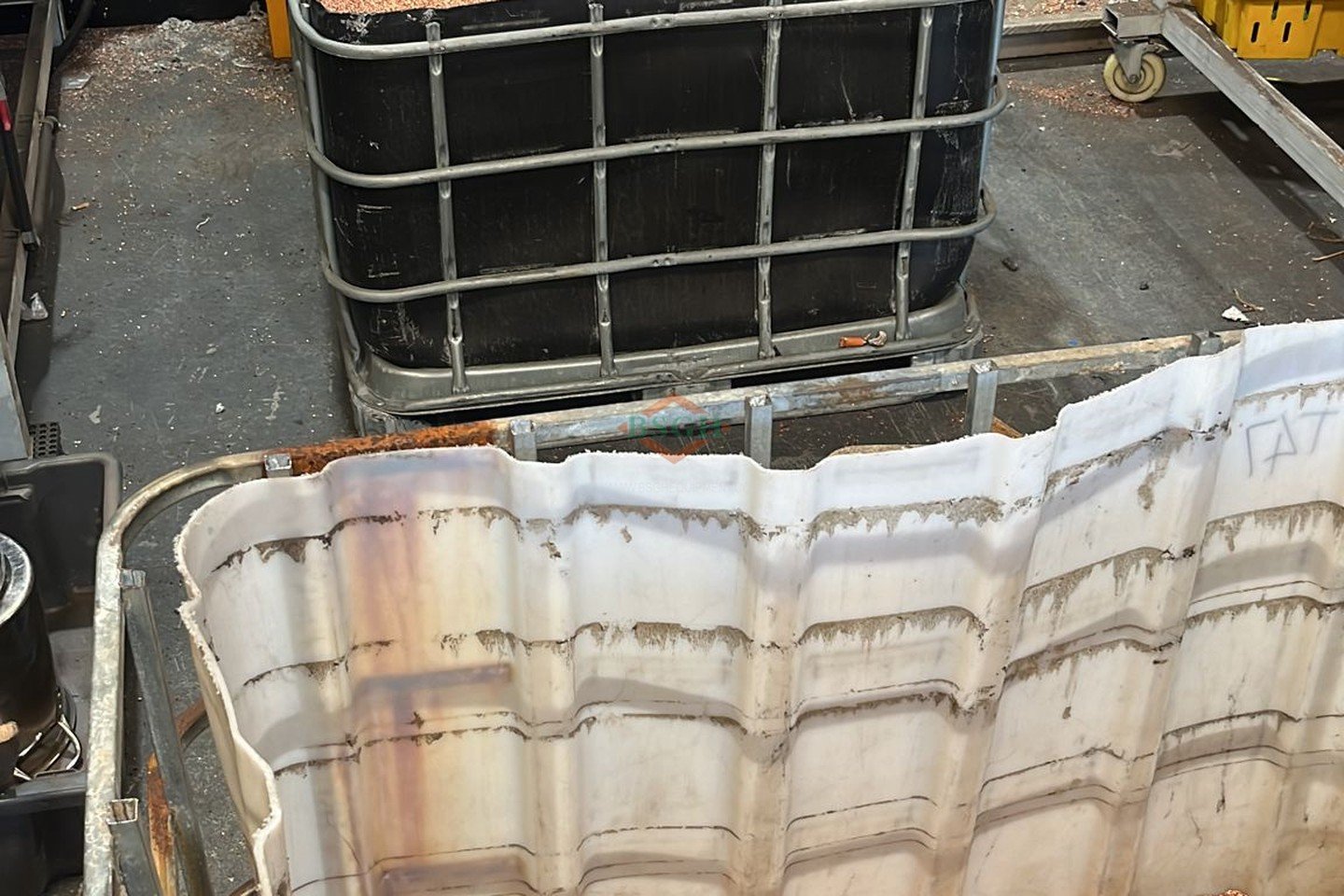
Overcoming surface-area limits on fine wire recovery
While conventional dry air tables readily achieve 99% purity on standard electrical cables, fine-gauge wires present a distinct aerodynamic challenge. In an empirical investigation archived by the University of Trieste, researchers evaluated copper recovery from industrial cable recycling tailings and demonstrated that the residual metal lost in plastic streams consists overwhelmingly of microscopic wire filaments with diameters under 0.3 mm.
As conductor diameter shrinks, its mass decreases with the square of the radius, while its aerodynamic surface area decreases much more slowly. In practical terms, a 0.15 mm hair wire from an automotive harness or ribbon cable has such a high surface-area-to-weight ratio that its settling velocity overlaps with that of shredded PVC flakes. If the operator increases airflow to keep the plastic bed fluidized, the air draft lifts fine copper hairs across the weir into the plastic tailing pile. Conversely, reducing airflow allows plastic to contaminate the clean copper output.
To capture this valuable residual metal, modern recycling operations install secondary separation stages. A high-voltage electrostatic separator charges the dry tailing stream as it passes over an earthed rotating drum. Conductive copper particles rapidly dissipate their charge and fall naturally into a collection hopper, while non-conductive plastic particles retain their surface charge, cling to the drum face, and are scraped off downstream into a separate bin. Reviewing copper wire granulator purity and recovery economics will help you determine whether your wire volume justifies adding secondary electrostatic recovery.
For questions regarding cable trials or matching a granulator line to your specific wire feedstock, contact MECUVO Machinery with your scrap cable specifications and target daily capacity.
Technical Reference Note: Operational specifications cited throughout this guide (including rotor speeds of 450 to 650 RPM, air table deck angles of 6° to 9°, blade clearances of 0.20 mm to 0.30 mm, and separation purity benchmarks) represent factory baseline engineering designs from MECUVO equipment technical manuals. Exact optimal settings vary according to wire feedstock geometry, insulation polymer blends, and specific machine capacity models. Always refer to your certified manufacturer equipment manual for machine-specific calibration procedures.
Conclusion
Clean copper separation requires sharp blades, accurate screen sizing, and balanced air table fluidization. Match your equipment configuration to your scrap wire feed to maximize recovery.
— YOUR RECYCLING PROJECT
Find the right machine for your material.
Tell us your material and required capacity.
Or email sales@mecuvo.com