Table of Content
Scrap recyclers using mechanical radiator strippers to separate valuable copper tubes often find that the resulting loose aluminum fin foil is heavily discounted or rejected by secondary smelters. Compacting loose 0.1 mm aluminum radiator fins with a hydraulic briquetting press or baler eliminates oxidative melt losses, turning bulky unmarketable fluff into dense, premium-grade furnace charge. I examine smelter oxidation kinetics, commercial scrap grading rules, and compaction equipment integration below to help you maximize revenue across both copper and aluminum fractions.
Why Do Secondary Aluminum Smelters Penalize Loose Radiator Fins?
When scrap dealers invest in a radiator stripper, they immediately celebrate recovering pristine No. 1 copper tubes, only to be shocked when local foundries offer steep discounts for the separated aluminum fins. Secondary smelters penalize loose fins because their paper-thin 0.1 mm gauge creates massive surface area that oxidizes quickly upon furnace charging, resulting in significant melt loss.
Thermal Oxidation Kinetics and Furnace Dross Formation
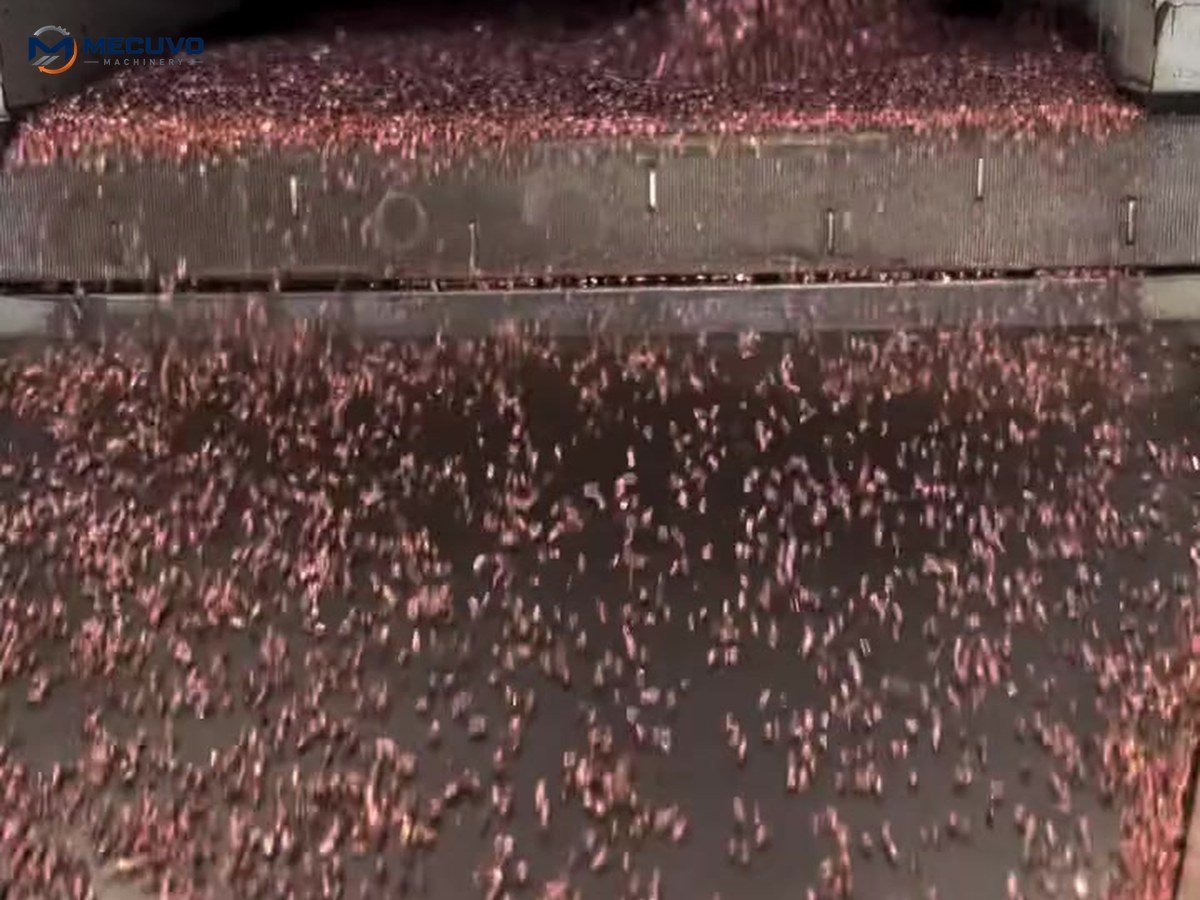
To understand why secondary smelters discount loose stripped radiator fins, one must look at the thermodynamic behavior of aluminum at elevated temperatures. In a reverberatory furnace operating between 700 and 760 degrees Celsius, molten aluminum rapidly forms a protective surface skin of aluminum oxide (Al2O3). However, when charging loose, uncompacted radiator fins—which measure a mere 0.08 mm to 0.12 mm in thickness—the ratio of surface area to metal mass is staggering.
As light, fluffy aluminum fins hit the furnace burner flame or floating flux layer: – The fins do not possess sufficient mass or density to penetrate beneath the surface of the molten liquid bath. – Instead, they float on top, exposed directly to air, convective combustion gases, and radiant burner heat. – Within milliseconds, intense thermal oxidation occurs, a process metallurgical engineers refer to as flash-off. Instead of melting into liquid aluminum, the thin metallic core burns completely, converting into worthless, abrasive aluminum oxide dross skimmings. – In commercial reverberatory operations, loose radiator fin charges frequently yield metal recoveries as low as 65% to 75%, compared to 90% to 95% for solid extrusions or heavy sheet clips.
| Scrap Physical Form | Bulk Density (kg/m3) | Typical Melt Recovery (%) | Smelter Pricing Category |
|---|---|---|---|
| Loose Stripped Fins | 80 – 140 kg/m3 | 68% – 76% | Heavily Discounted / Dross Penalty |
| Baled Light Scrap (Low-Density) | 350 – 550 kg/m3 | 80% – 85% | Standard Baled Scrap Grade |
| Hydraulic Briquettes (High-Density) | 1,400 – 1,850 kg/m3 | 91% – 94% | Clean Clip / Billet Grade Premium |
| Solid Extrusions / Plate | 2,200 – 2,600 kg/m3 | 93% – 96% | Prime Foundry Ingot Charge |
Because secondary aluminum smelters operate under strict EPA NESHAP Subpart RRR environmental standards, excess dross generation also increases hazardous salt cake waste disposal costs and particulate emissions. Smelters protect their margins by paying noticeably less for loose fins or refusing uncompacted loads altogether.
How Does Hydraulic Briquetting Transform Light Aluminum Fins into Premium Charge?
Leaving stripped aluminum fins loose destroys half the commercial value of radiator recycling, but compressing the material under hydraulic pressure alters its thermal characteristics completely. High-pressure hydraulic briquetters squeeze loose fin foil into solid cylindrical pucks with densities exceeding 1.5 g/cm3, enabling the aluminum to sink instantly beneath furnace flux and melt cleanly.
Compaction Mechanics and Sub-Surface Smelter Charging
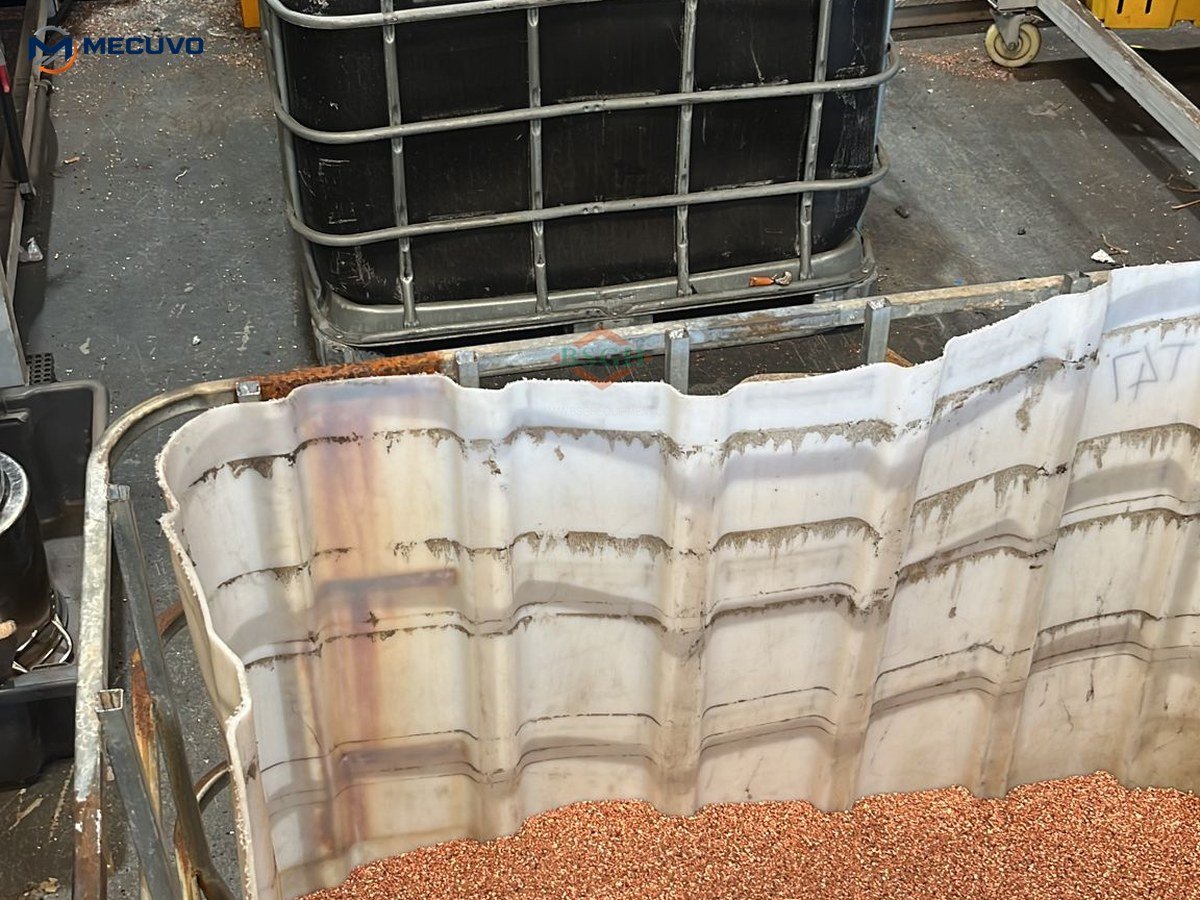
A hydraulic briquetting press operates by feeding loose, crushed aluminum fin scrap into a hardened steel pre-compression chamber via a variable-speed auger or gravity hopper. A high-pressure hydraulic piston ram, delivering between 150 and 300 metric tons of force, drives the loose foil into a cylindrical die. Under pressures exceeding 2,000 bar (29,000 psi), the micro-thin aluminum fins cold-weld along their surfaces, squeezing out trapped ambient air and consolidating into a dense, solid cylindrical briquette or ‘puck’ (typically 60 mm to 100 mm in diameter).
This mechanical transformation produces three decisive operational advantages:
- Submerged Melting Physics: Pure aluminum has a solid density of 2.70 g/cm3, while molten aluminum at 700 degrees Celsius has a liquid density of approximately 2.38 g/cm3. A hydraulic briquette compressed to 1.5 to 1.8 g/cm3 readily penetrates the liquid surface and sinks into the molten heel of the furnace, shielded from oxidizing burner flame gases. Metallic recovery jumps from below 75% to over 92%.
- Elimination of Binding Agents: High-pressure hydraulic briquetting relies entirely on mechanical plastic deformation and friction interlock. No chemical adhesives, binders, or fluxes are added. Foundries receive 100% clean, unadulterated aluminum alloy, eliminating customer rejection risks.
- Oil and Residue Squeeze-Out: If radiator fins contain trace amounts of lubricating stamping oils or glycol residue, the intense compression force forces liquids out through drainage ports in the die block, purifying the final briquette.
For comprehensive scrap yard workflows, see our comparative breakdown of dirty radiators versus clean ACR grades to understand how upstream preparation impacts end-product value.
What Equipment Layout and Workflow Pair a Stripper with Downstream Compaction?
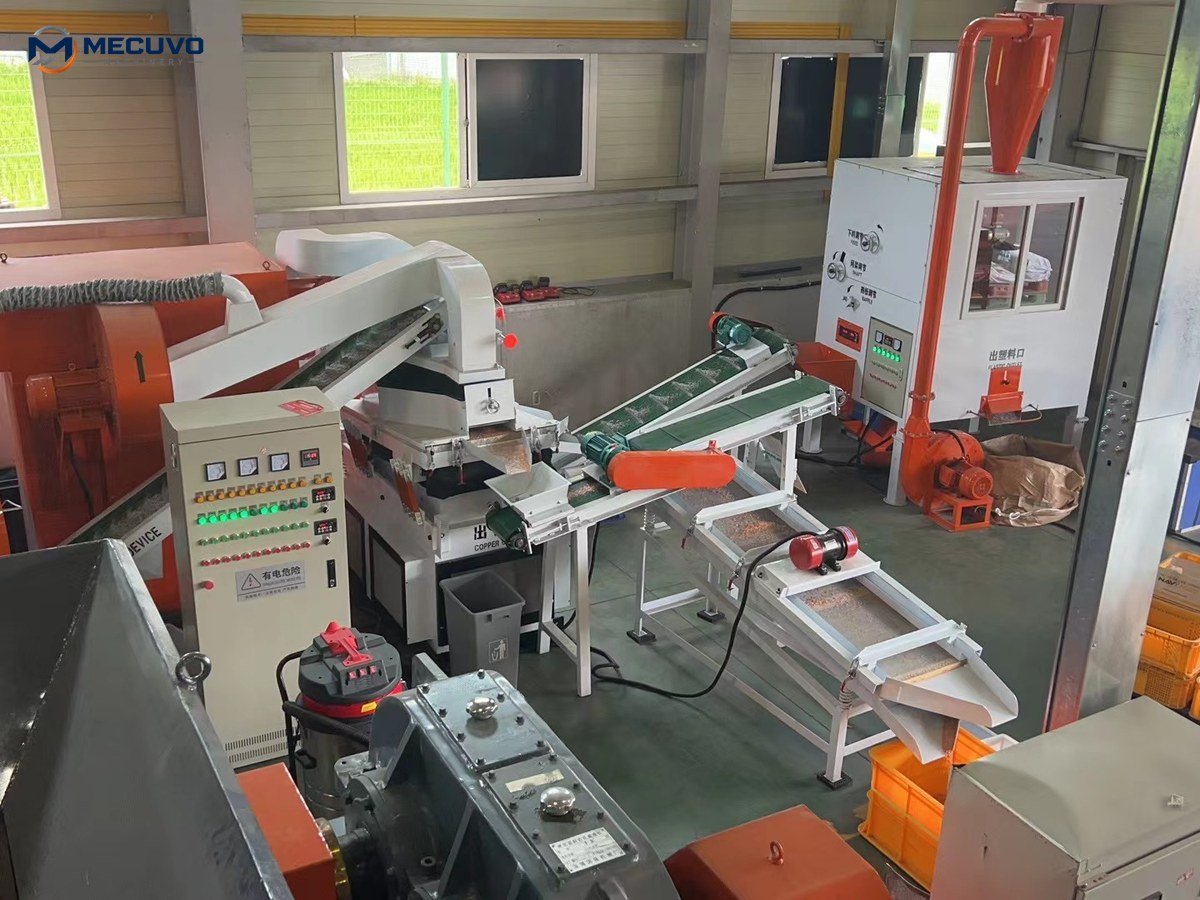
Scrap yards often struggle with the physical logistics of handling massive mounds of lightweight aluminum fins that quickly engulf processing floor space around the stripper. Position the briquetter or baler directly beside the stripper discharge chute, connecting them via a cleated belt conveyor to achieve continuous, hands-free material flow.
Designing an Integrated Radiator Stripping and Compaction Station
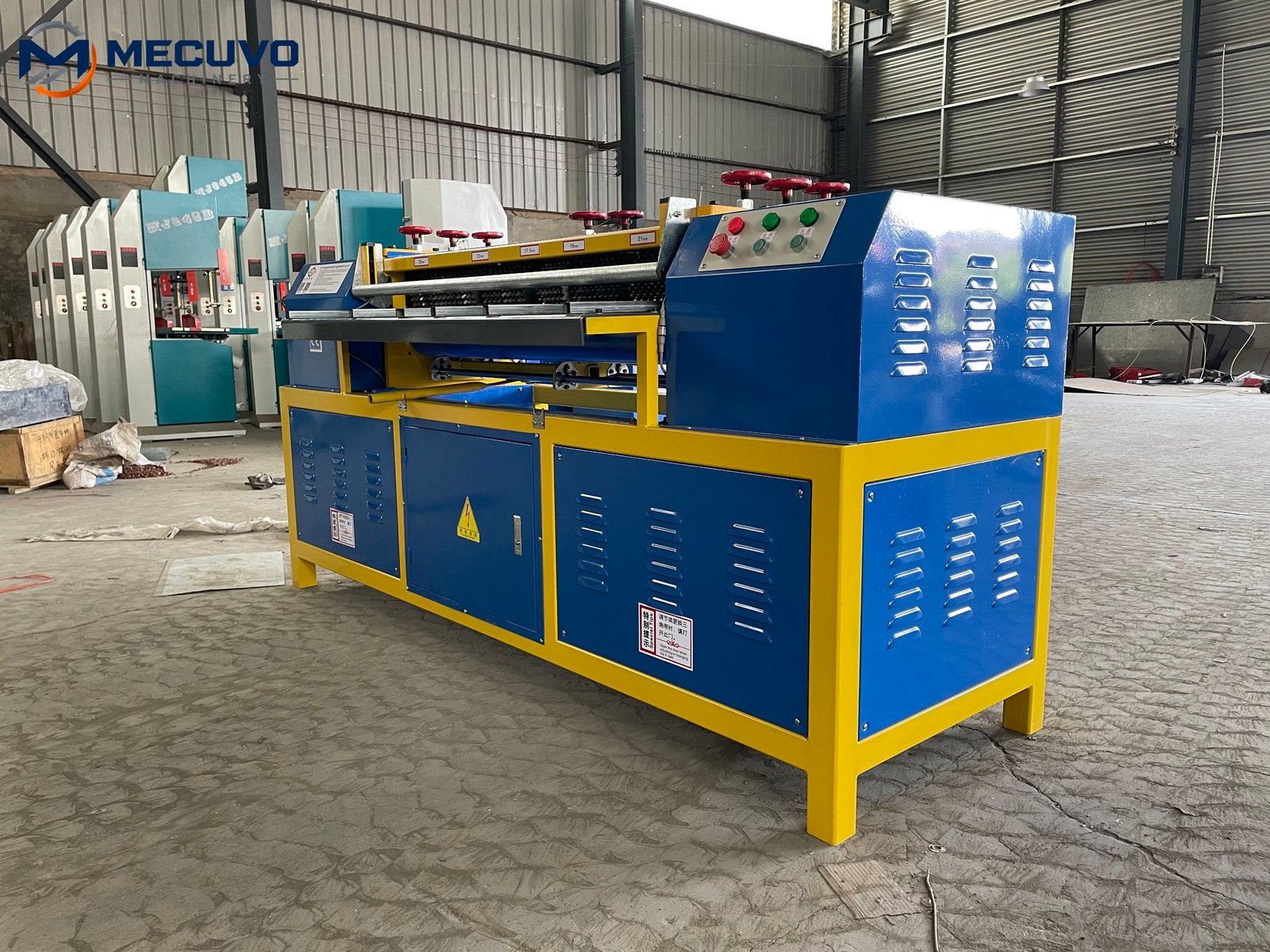
In a typical radiator stripping setup, a single operator feeds straight, de-headed copper-aluminum condenser coils into the stripper’s intake rollers. The machine pulls copper tubes cleanly out one side while discharging shredded aluminum fin sheets out the opposite side. Because uncompacted fins have a bulk density of barely 100 kg/m3, processing just one ton of radiators generates 10 cubic meters of loose, tangled aluminum fluff.
Without automated handling, operators must constantly shovel loose fluff away from the machine base into oversized canvas tote bags or gaylord boxes. This manual shoveling creates airborne aluminum dust, consumes valuable labor hours, and clutters the processing bay.
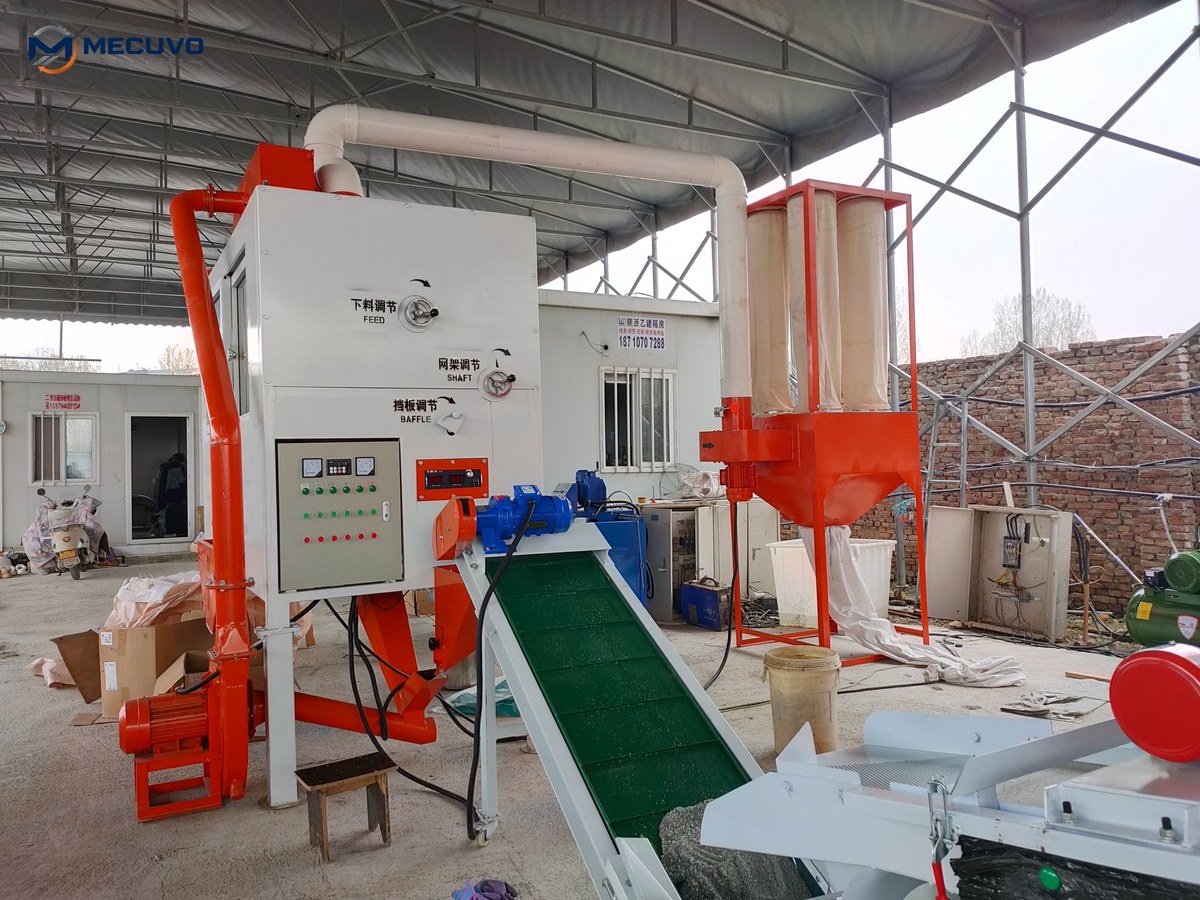
A streamlined, high-efficiency equipment layout pairs the machines inline: – Direct Chute Transfer: Position a heavy-duty inclined cleated belt conveyor directly beneath the aluminum fin discharge apron of the radiator stripper. – Continuous Infeed: The conveyor elevates loose fin foil continuously into the overhead surge hopper of a compact hydraulic briquetter (typically powered by a 7.5 kW to 15 kW motor). – Automated Cycling: Level sensors inside the briquetter hopper automatically initiate the compaction cycle whenever material accumulates, dropping solid, dense aluminum pucks directly into steel transport bins or palletized drums. – Copper Stream Staging: Concurrently, the extracted No. 1 copper tubes exit into an extended guide trough where they are bundled and strapped into high-density furnace-ready packs.
For smaller scrap facilities processing lower volumes, a standard two-ram vertical or horizontal baler can serve as an alternative to a continuous briquetter. The loose fins are baled at the end of each shift into dense 50 kg to 100 kg blocks. For detailed stripper operational settings, review our guide on radiator recycling machine selection.
Key Takeaways
Pair your radiator stripper with a hydraulic briquetting press or baler to eliminate smelter oxidation deductions, cut freight overhead, and capture full clean aluminum market value.
— YOUR RECYCLING PROJECT
Find the right machine for your material.
Tell us your material and required capacity.
Or email sales@mecuvo.com