Table of Content
Scrap yards trading whole, unprocessed heat exchangers accept lower settlement classifications because smelters deduct heavily for iron frames, brass headers, and mixed alloys. Mechanical stripping upgrades whole scrap radiators into certified clean Aluminum Copper Radiator (ACR) fractions, separating pure copper tubes from clean aluminum fin stock. I examine ISRI commodity specifications, contaminant weight deductions, and workflow adjustments below to show how mechanical processing improves scrap yard margins.
How Do ISRI Scrap Specifications Differentiate Dirty and Clean Radiators?
Trading whole radiators as unsegregated composite assemblies forces scrap yards into lower settlement classifications under standard trade rules. ISRI classifies unstripped assemblies with iron side plates as Dandy grade, while mechanically stripped, iron-free radiators qualify as premium Ocean grade.
The Commodity Definitions: Ocean vs Dandy
The ReMA / ISRI Scrap Specifications Circular governs nonferrous metal trading internationally. In these industry specifications, scrap heat exchangers are divided into strict commodity tiers based on contamination levels and mechanical preparation:
- ISRI Code Dandy: Comprises whole aluminum-copper radiators that still carry attached galvanized steel side plates, iron mounting brackets, brass coolant tubes, or plastic header tanks. Because smelters cannot melt iron in aluminum or copper reverberatory furnaces without contaminating the melt chemistry, Dandy scrap incurs heavy tare deductions, mandatory recovery burn-loss testing fees, and substantial settlement markdowns from commercial buyers.
- ISRI Code Ocean: Defines Clean Aluminum Copper Radiators (clean ACR). Ocean grade mandates that all iron end plates, steel brackets, and non-metallic contaminants be completely removed. The core must consist solely of clean copper tubing encased in clean aluminum fins, free of excessive corrosion, dirt, or oil residues.
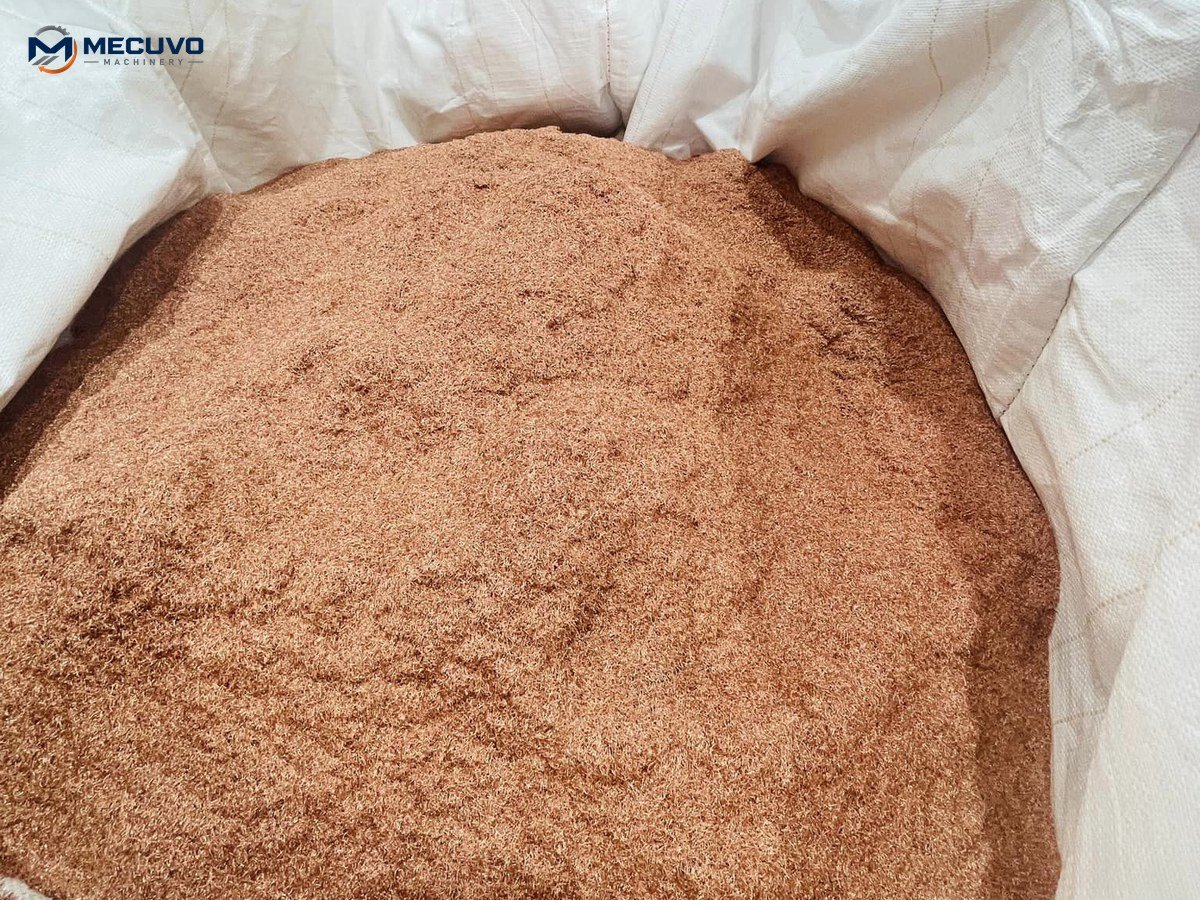
- Fully Stripped Clean Copper Tubes and Aluminum Fins: Operating a dedicated radiator recycling machine advances processing far beyond standard Ocean grade. Stripping mechanically separates the composite core into pure copper tubes (C12200 alloy per Copper Development Association standards) and loose, clean aluminum fin flake (Talk grade per Aluminum Association guidelines). Each material is marketed as an independent, high-purity single-metal commodity that commands immediate top-tier nonferrous settlement without penalties or composite discount factors.
| Scrap Classification | Description & Preparation | Contamination Status | Market Buyer Audience |
|---|---|---|---|
| Dandy (Dirty ACR) | Intact radiators with steel side plates & iron brackets | High iron contamination | Intermediate processors & export brokers |
| Ocean (Clean ACR) | Iron side plates removed; composite copper-aluminum intact | Zero iron; mixed Cu/Al | Secondary nonferrous smelters |
| Stripped Copper Tubing | Intact copper tubes extracted free of aluminum | High-purity C12200 copper | Copper ingot refiners & brass mills |
| Stripped Aluminum Fins | Clean aluminum fin flake free of copper & iron | High-purity 1100/3003 alloy | Secondary aluminum remelt facilities |
How Does Mechanical Stripping Restructure Yard Workflow and Sorting?
Transitioning from selling whole scrap radiators to in-house mechanical stripping requires reorganizing yard handling, tooling, and containment. Restructuring involves establishing an inspection infeed table, an iron plate cutting station, a single-pass stripping line, and dedicated collection totes.
Establishing a Linear Processing Station
In an unprocessed yard operation, radiators are tossed into outdoor scrap heaps, taking up immense yard volume, collecting rainwater, and accumulating mud and road debris. Transitioning to mechanical stripping transforms this bottleneck into a clean, enclosed four-stage processing workflow:
Stage 1: Infeed Inspection & Sorting: Incoming radiators are sorted by thickness (single-row, double-row, or multi-row) and measured for center distance. Contaminants such as rubber mounting bushings, brass drain fittings, and refrigerant sensor clips are removed. Staff grade each lot before processing to maintain clean tracking batches.
Stage 2: Iron Header De-Plating: Using an alligator shear or plasma cutter, the operator clips off the galvanized steel end plates and copper return bends (hairpins). The removed steel goes into the yard’s ferrous pile, while the hairpin cutoffs go into clean copper bins. Stripping the steel brackets eliminates up to 10% to 15% inert iron tare weight immediately.
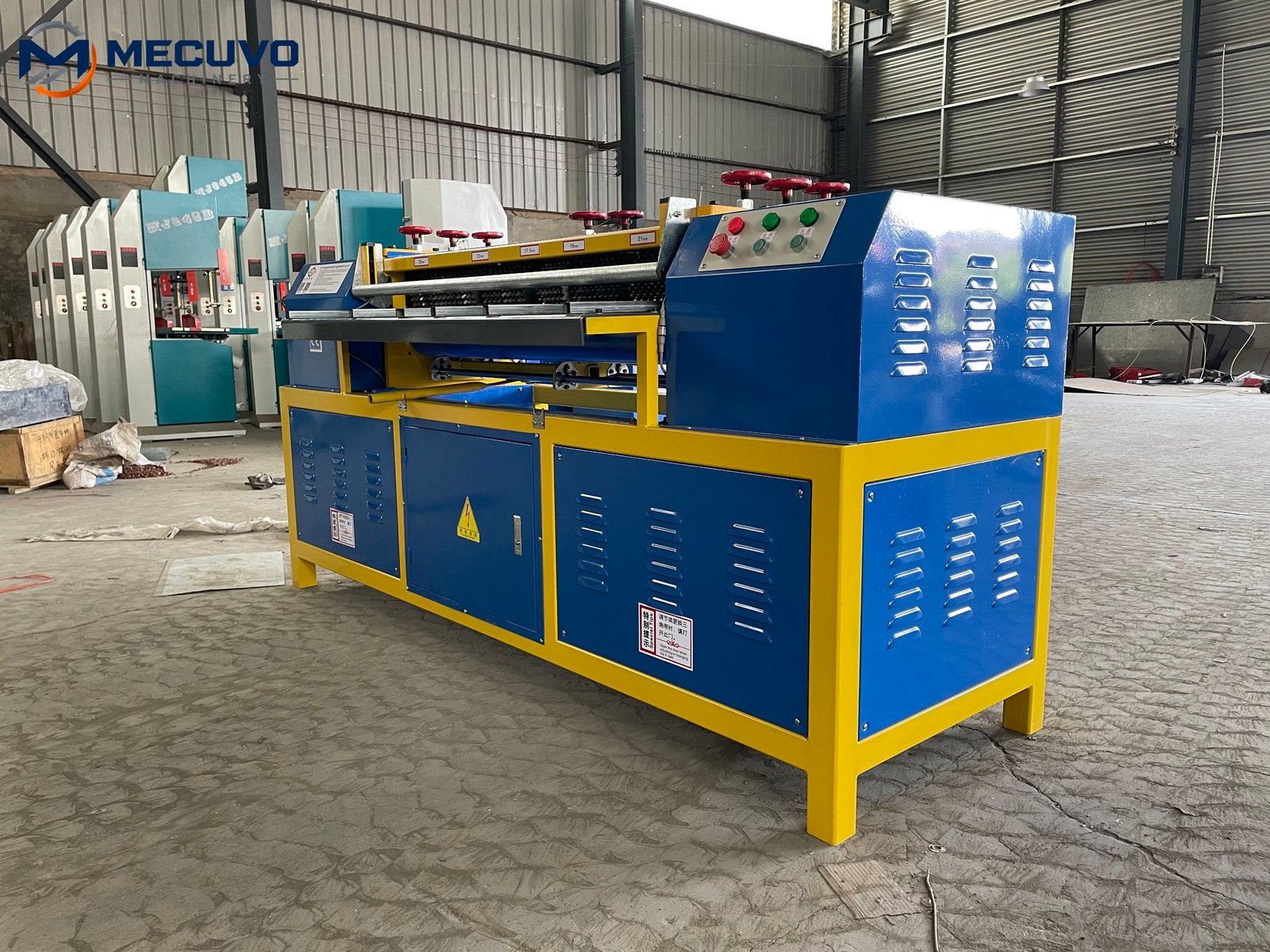
Stage 3: High-Speed Mechanical Stripping: The prepared core enters the radiator stripper infeed guide. Motorized serrated cutting rollers slice the aluminum fin bridges along each copper tube in a single pass, completely disengaging copper from aluminum without tearing or crushing the tube geometry.
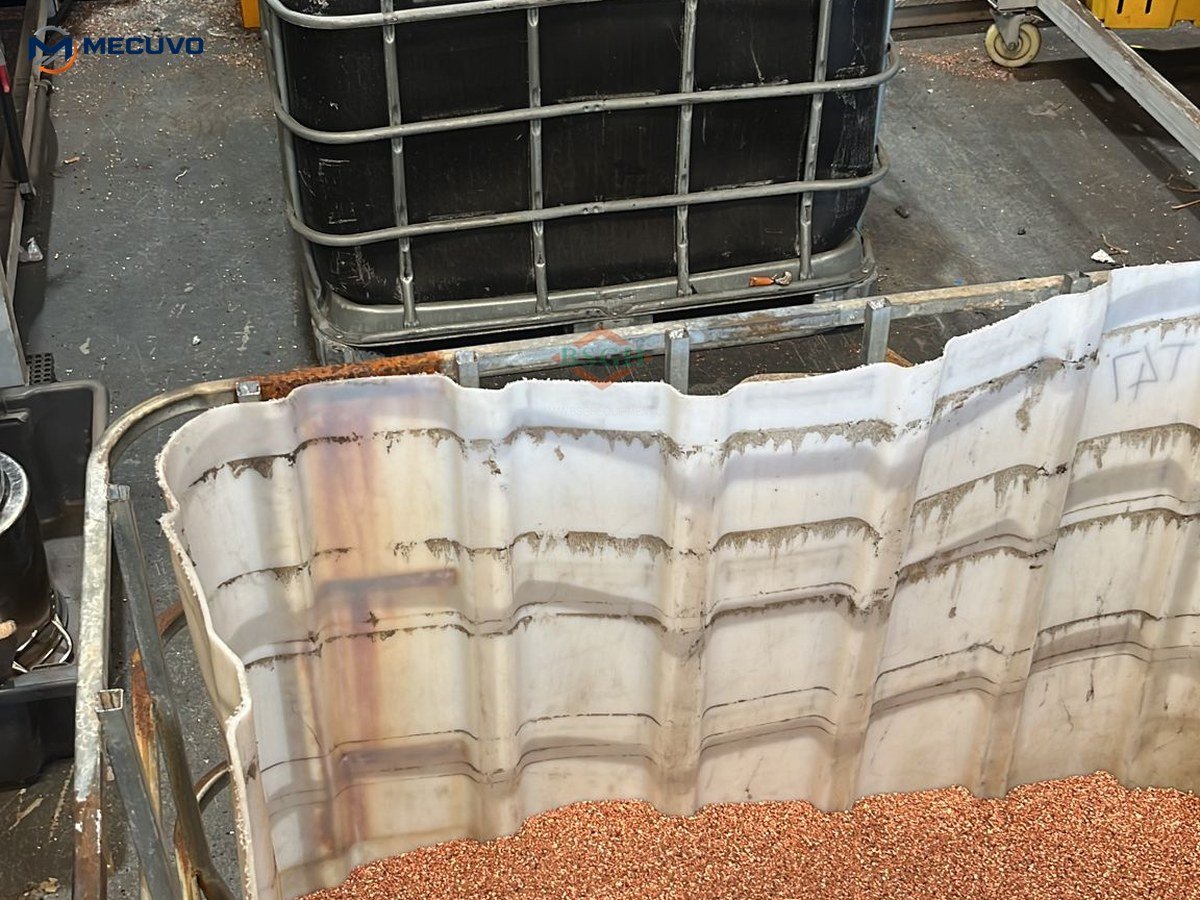
Stage 4: Automated Discharge and Bagging: Intact copper pipes emerge from the machine’s front discharge and drop directly into heavy-duty bulk totes, while loose aluminum fin flakes discharge underneath onto a collection conveyor or into gaylord containers. As explained in our guide on filtering metallic contaminants, keeping nonferrous streams segregated maximizes buyer confidence and speeds warehouse turnaround.
What Operational Factors Determine Equipment Suitability for Your Yard?
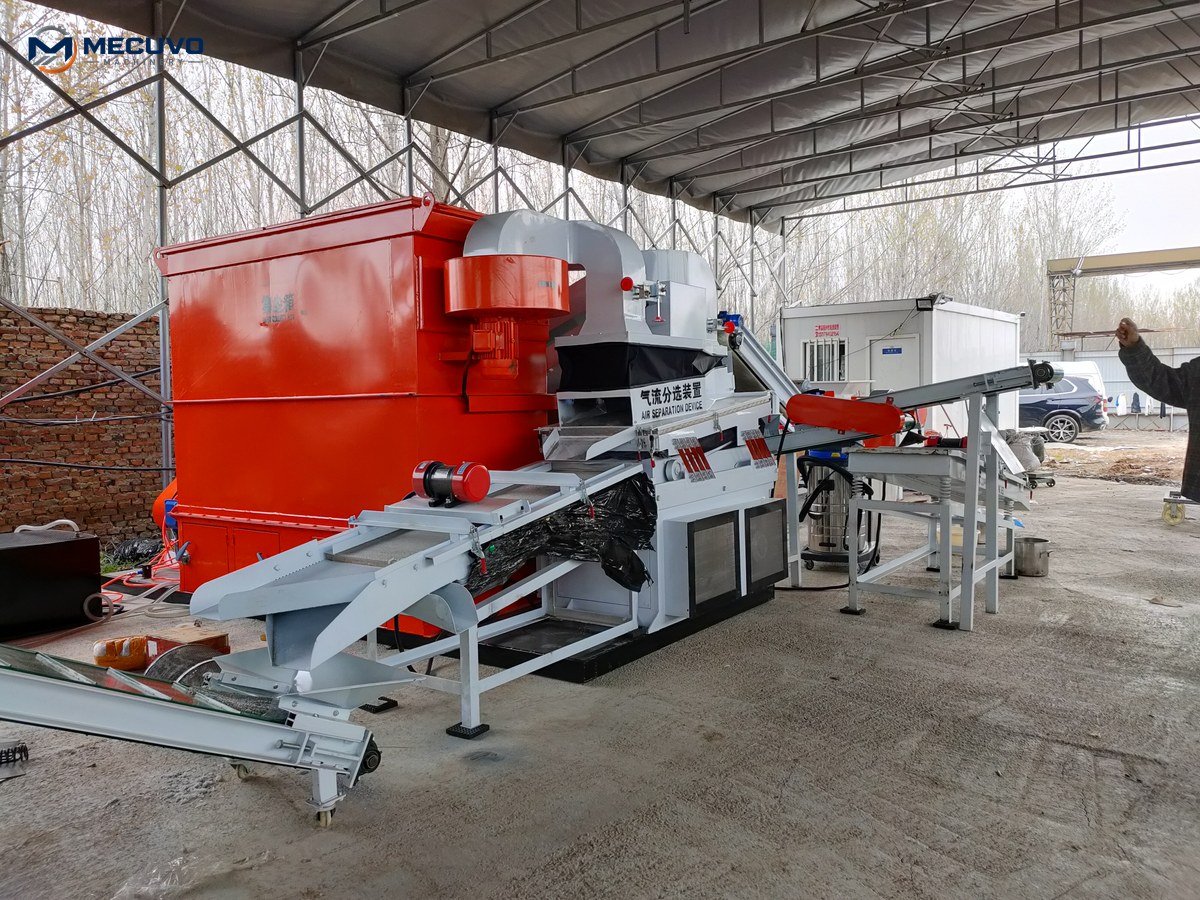
Investing in radiator recycling equipment requires matching machine throughput and maintenance requirements to your consistent scrap intake. Evaluate daily intake tonnage, average radiator core dimensions, available three-phase electrical power, and roller knife replacement accessibility.
Capacity Balancing, Tube Diameter Matching, and Labor Productivity
Selecting the right equipment requires auditing your facility’s operational capabilities. Commercial strippers operate continuously on three-phase industrial electric power. If your yard intake exceeds several tons of radiators per week, manual labor cannot keep pace; mechanical stripping enables a single operator to process hundreds of cores per shift with minimal physical exertion.
Furthermore, examine the tube outer diameter (OD) range of your incoming scrap. Automotive condensers typically employ 7 mm or 9.5 mm (3/8 in) tubes, while heavy commercial refrigeration units incorporate 12.7 mm (1/2 in) or 15.9 mm (5/8 in) copper lines. Ensure that your stripper rollers feature adjustable vertical clearance dials to accommodate varying tube diameters without crushing copper walls, as detailed in our analysis of radiator equipment versus granulator systems.
Finally, review knife maintenance ergonomics. Stripping rollers operate in continuous contact with abrasive aluminum oxide and road dirt. Inspect how easily roller shafts can be accessed for periodic cleaning, lubrication, and knife sharpening to maintain peak cutting efficiency throughout heavy operating seasons.
To evaluate the optimal radiator recycling setup for your facility, submit photos of your scrap radiators, average daily processing volume, and local power supply voltage to our engineering team through our contact page.
Key Takeaways
Mechanical radiator stripping eliminates smelter iron penalties, upgrading dirty scrap heat exchangers into certified clean ACR, pure copper tubes, and clean aluminum fin flake.
— YOUR RECYCLING PROJECT
Find the right machine for your material.
Tell us your material and required capacity.
Or email sales@mecuvo.com