Table of Content
Dual-shaft shredders subject rotating tool steel knives to intense impact shock, high-pressure shearing friction, and abrasive particle scouring. Maintaining shredder cutting efficiency requires choosing between through-hardened D2 tool steel and hardfaced alloy cores, executing preheated welding overlays, and calibrating axial blade gaps. I examine knife wear mechanics, weld rebuild procedures, and axial shimming protocols below to prevent blade chipping and extend shredder cutting life.

How Do Different Wear Modes Degrade Shredder Knives and Drive Power?
Shredder blades do not simply become dull; they experience distinct mechanical wear patterns that alter cutting geometry and increase electrical draw. Blades experience radial hook tip rounding, side face abrasive thinning, and corner chipping, which increase motor amperage and cause material wedging.
The Mechanics of Radial Nose Rounding and Axial Side Wear
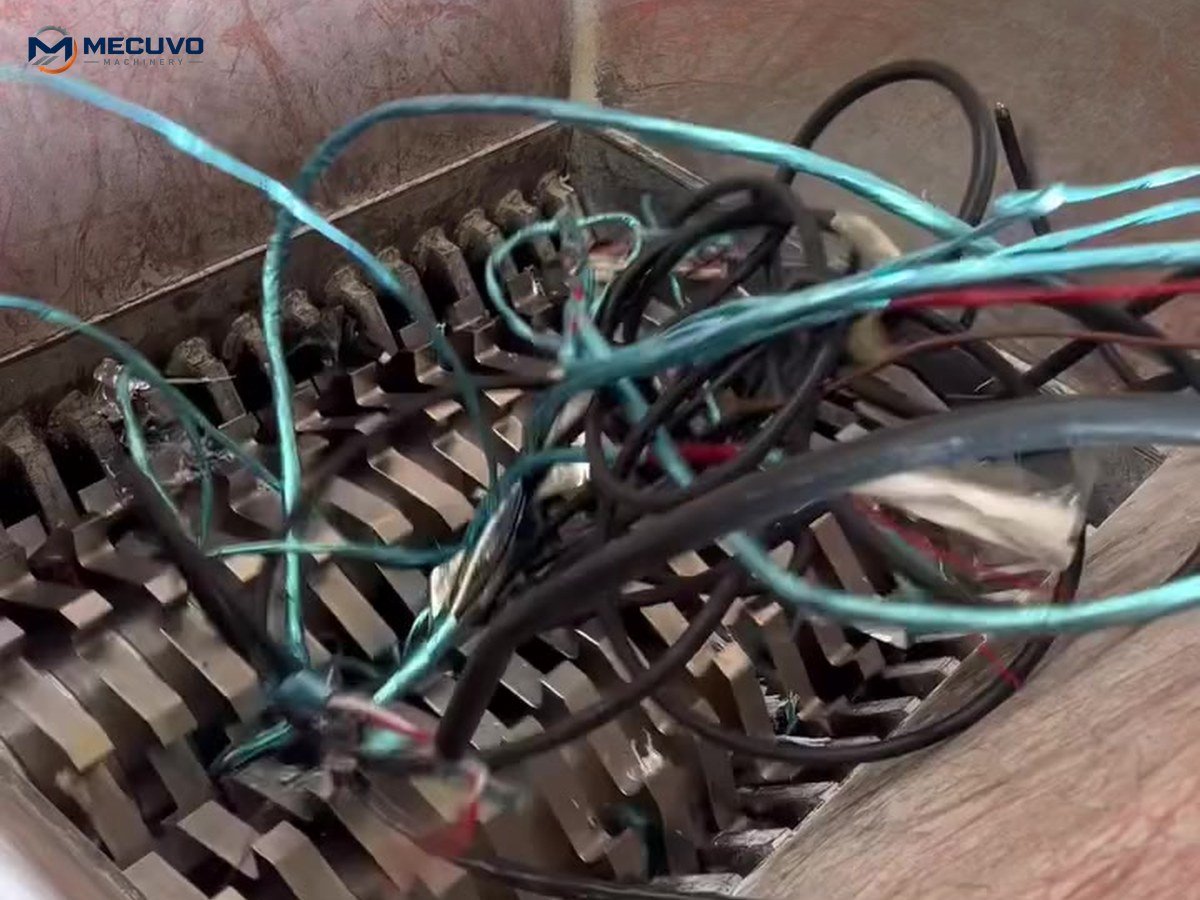
In a dual-shaft shredder, cutting knives operate in close interlocking proximity. Over hundreds of operating hours, scrap processing creates three progressive wear modes documented in ASM Handbook Volume 6:
- Radial Nose Rounding: The leading hook tips of the rotary blades bear the initial impact when biting into scrap. As the tip radius wears from a sharp 0.5 mm profile into a blunt 3 mm to 5 mm round, the hook loses its ability to pierce and draw bulky items down into the chamber. Scrap begins riding on top of the rotating shafts, reducing hourly throughput.
- Axial Side Face Thinning: Abrasive mineral dust, copper wire fines, and glass contaminants pass between the shearing faces of adjacent interlocking blades. This friction polishes and thins the blade sides, gradually widening the horizontal cutting clearance gap between opposing knives from an optimal 0.3 mm to over 1.5 mm. Wide gaps cause flexible materials (wire, sheet metal) to fold and bind between knives rather than shearing.
- Impact Corner Chipping: Feeding unshreddable tramp iron causes localized stress peaks that chip brittle cutting edges. As cutting edges degrade, drive motor amperage rises steadily, prompting frequent auto-reversals, as explored in our study on shredder shaft and knife selection.
Through-Hardened D2 Tool Steel vs Hardfaced Alloy Cores: Which Fits Your Scrap?
Machinery buyers must choose between monolithic through-hardened tool steel blades and composite hardfaced alloy steel knives. Through-hardened D2 steel excels at cutting abrasive wire and plastics, while hardfaced 42CrMo alloy steel cores resist catastrophic shattering on mixed metal scrap.
Metallurgy Comparison: D2 Through-Hardened vs Alloy Steel Rebuilds
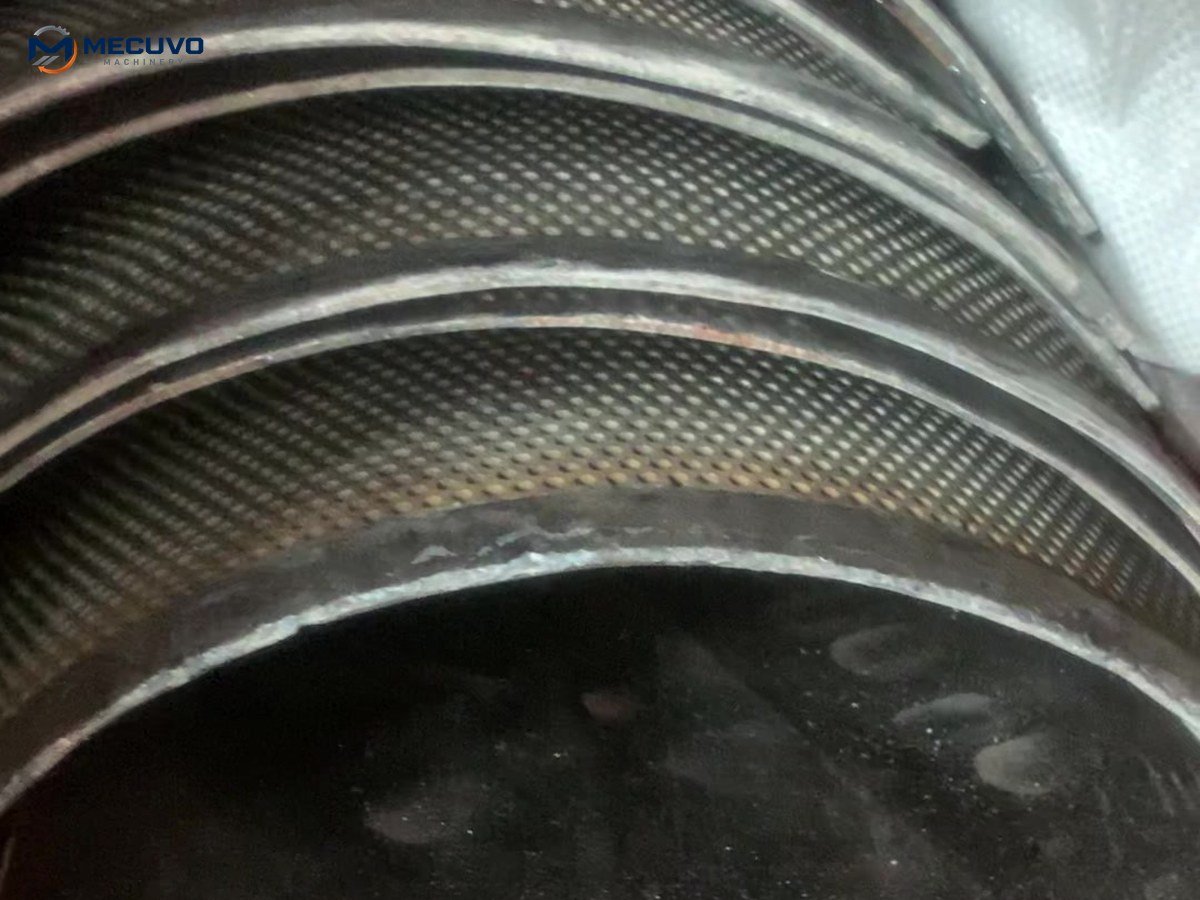
The operational choice between blade metallurgies depends on feedstock predictability:
Through-Hardened D2 / SKD-11 Tool Steel: Manufactured from high-carbon, high-chromium cold work steel vacuum heat-treated to 56–58 HRC throughout the entire cross-section. D2 provides exceptional sliding abrasive wear resistance and maintains razor-sharp hook profiles when processing clean wire, tires, or electronic scrap. However, because D2 is relatively brittle, an accidental impact with heavy structural tramp iron can cause catastrophic radial fractures through the blade body, as noted in our tool steel comparison.
Hardfaced Tough Alloy Cores (42CrMo / 4140): Built from high-strength forged alloy steel tempered to a ductile 28–32 HRC core, with high-hardness wear-resistant weld overlays applied specifically to the cutting hooks and shearing perimeters. The ductile alloy core absorbs massive mechanical shock without cracking, while the hardfaced cutting edge (55–60 HRC per DIN 8555 standards) provides durable shearing action. In heavy scrap yards processing unpredictable white goods and mixed sheet scrap, hardfaced alloy blades offer superior longevity because worn hooks can be rebuilt repeatedly in-house.
What Welding Procedures and Axial Clearance Calibration Must You Follow?
Welding tool steel without strict thermal preheating protocols results in immediate underbead cracking and delaminated hardfacing layers. Rebuild blades by preheating to 250°C, applying a ductile 309L stainless buffer pass, depositing chromium carbide hardfacing, and shimming axial gaps to 0.3–0.5 mm.
Preheat, Dual-Layer Welding, and Axial Shimming Protocol
Rebuilding worn shredder blade hooks requires strict compliance with AWS D14.3 welding specifications:
- Thermal Preheating: Clean the worn hook down to bright metal. Preheat the blade using an induction heater or oxy-propane rosebud torch to 250°C–300°C (482°F–572°F). Maintain this interpass temperature throughout the entire welding procedure to prevent martensitic thermal shock cracking in the heat-affected zone.
- Buffer Layer Deposition: Apply a preliminary cushion pass using a ductile austenitic stainless steel consumable (AWS E309L or ER309L). This buffer layer accommodates thermal expansion differentials and prevents the brittle outer hardfacing from flaking off under shock.
- Hardfacing Cap Pass: Deposit two layers of high-chromium carbide flux-cored wire or stick electrodes (such as DIN 8555 E10-UM-60-GR). Grind the deposit back to original hook geometry using handheld angle grinders and profile templates.
- Slow Stress-Relief Cooling: Immediately pack the rebuilt blade in dry vermiculite or wrap in thermal insulation blankets to ensure slow cooling to ambient room temperature over 12 hours.
- Axial Gap Calibration: When reassembling the shaft assembly, measure side clearances between interlocking blades with feeler gauges. Install precision ground spacer shims to maintain a tight 0.3 mm to 0.5 mm lateral gap across the entire shaft span, following proven blade maintenance guidelines.
To consult on shredder knife replacement packages, hardfacing consumable specifications, or cutting box maintenance, send your material photos and processing volume to our engineering team at our contact page.
Key Takeaways
Maintaining dual-shaft shredder blades through disciplined preheated hardfacing overlays, tough alloy core selection, and precision axial shimming maximizes cutting efficiency while preventing catastrophic tool fractures.
— YOUR RECYCLING PROJECT
Find the right machine for your material.
Tell us your material and required capacity.
Or email sales@mecuvo.com