Table of Content
Australian scrap yard operators importing hydraulic alligator shears and industrial dual-shaft shredders face strict workplace health and safety statutory obligations governing machine guarding and hazardous energy control. Aligning imported recycling machinery with AS/NZS 4024 requirements requires installing dual-channel safety interlocks meeting Performance Level d, hardwired emergency stop circuits, and lockable hydraulic pressure dump valves. I examine governing Australian safety standards, physical guarding requirements, and zero-energy isolation protocols below to help you commission imported shears and shredders without regulatory delays.
What Are the Importer Duties Under Australian WHS Regulations and AS/NZS 4024?
Australian metal recyclers frequently purchase heavy shearing and shredding plant directly from international manufacturers, but many are unaware of the immediate legal responsibilities triggered upon customs clearance. Under the Model WHS Act Section 24, direct machinery importers assume legal designer duties, requiring documented risk assessments and verified conformity with the AS/NZS 4024 safety standard series.
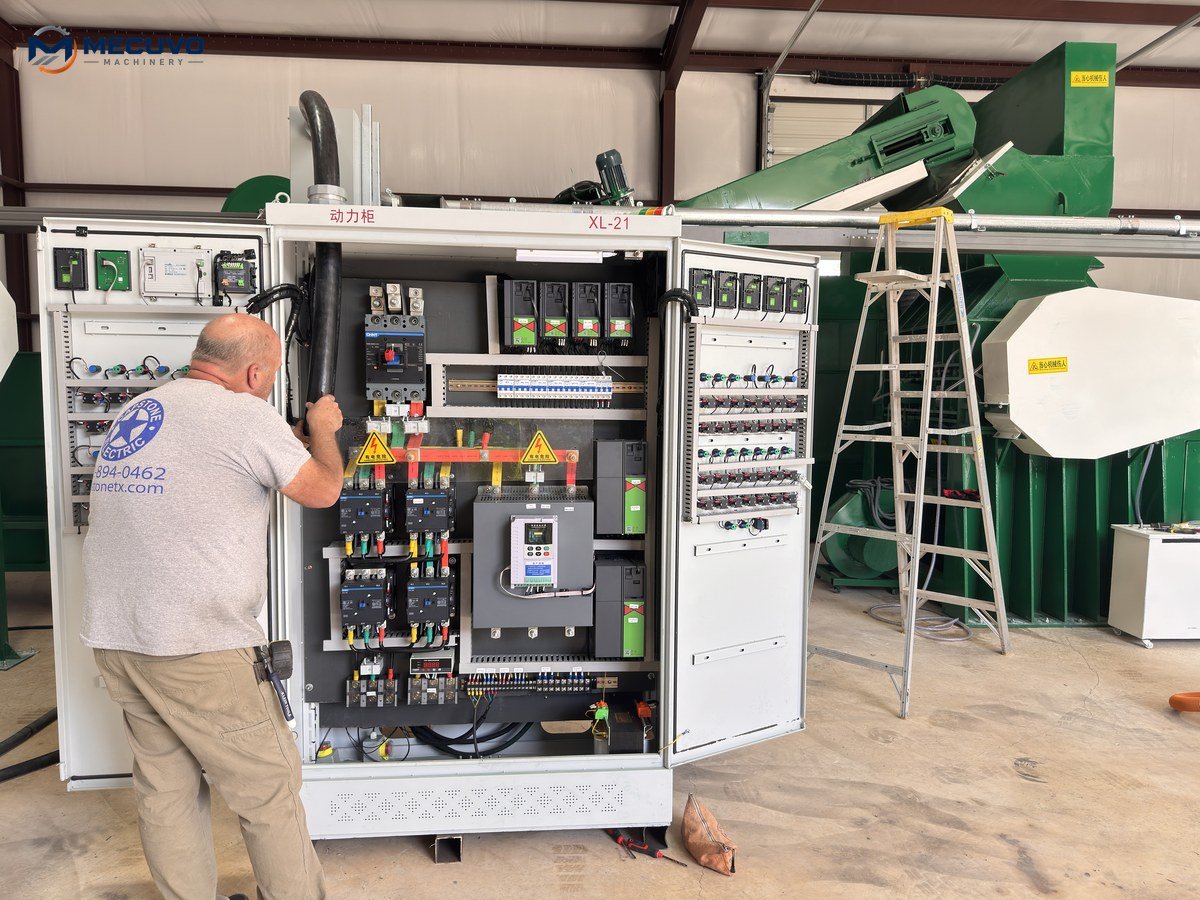
Importer Legal Status and the AS/NZS 4024 Standard Hierarchy
Under Australian Work Health and Safety (WHS) legislation enacted across Australian states and territories (such as the WHS Act 2011 in New South Wales and Queensland, and the OHS Act 2004 in Victoria), any business that imports plant directly from overseas assumes the statutory duties of an importer. In practice, because foreign original equipment manufacturers (OEMs) operate outside Australian jurisdiction, the local buyer becomes legally responsible for ensuring the plant is designed and constructed to be safe without risks to health when used properly.
The benchmark recognized by Australian courts, safety inspectors (SafeWork NSW, WorkSafe Victoria, Workplace Health and Safety Queensland), and coronial inquests is the AS/NZS 4024 series (Safety of Machinery). Key parts governing shears and shredders include: – AS/NZS 4024.1201: General principles for design — Risk assessment and risk reduction. – AS/NZS 4024.1501 / 1502: Safety-related parts of control systems (SRCS), establishing requirements for Performance Levels (PL) under ISO 13849-1. – AS/NZS 4024.1601 / 1602: Design of controls, interlocks, and physical guarding.
| AS/NZS 4024 Standard Part | Engineering Requirement | Recycling Plant Application |
|---|---|---|
| AS/NZS 4024.1501 | Control System Architecture (PL d / Cat 3) | E-stop circuits, dual-channel monitored safety gate interlocks |
| AS/NZS 4024.1601 | Physical Guarding Distances | Fixed mesh panels over shear arms and shredder infeed chutes |
| AS/NZS 4024.1602 | Interlocking Devices | Safety limit switches disabling hydraulic pump if hopper opens |
| AS/NZS 4024.1604 | Emergency Stop Functions | Category 0 / Category 1 stop actuators with manual reset latch |
| AS/NZS 4024.3610 | Conveyors & Ancillary Plant | Infeed and discharge belt pull-wire stops and nip-point guards |
For severe hazards associated with hydraulic shears and high-torque shredders—where an entanglement or crush injury results in amputation or death—the safety control system must achieve Performance Level d (PL d) with Category 3 architecture. A single electrical contactor or basic software flag in a standard programmable logic controller (PLC) does not satisfy Australian compliance. Regulators mandate redundant dual-channel safety relays or a dedicated safety controller with cross-monitoring to guarantee safe shutdown upon any single hardware failure.
How Must Machine Guarding and Hold-Downs Be Configured on Shears and Shredders?
Inspectors inspecting scrap recycling sites look first at the physical barriers enclosing cutting blades and the mechanical restraint mechanisms preventing scrap kick-back. Alligator shears mandate heavy mechanical hold-downs and perimeter mesh guards, while dual-shaft shredders require interlocked hopper extensions and zero-reach discharge tunnels.
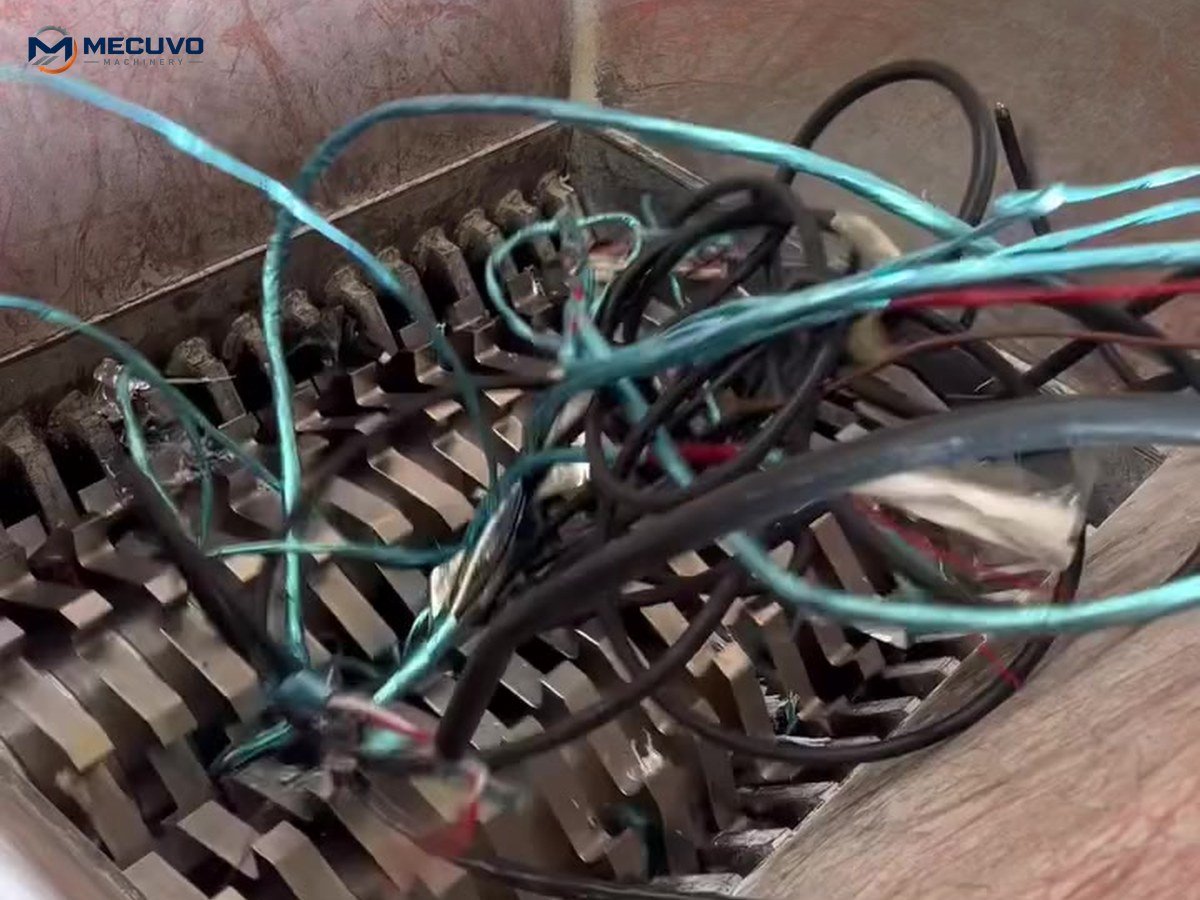
Physical Safeguarding Architecture for Shears and Shredders
The Safe Work Australia Model Code of Practice for Managing the risks of plant in the workplace establishes a strict hierarchy of guarding controls. Wherever reasonably practicable, physical fixed guards must be used to prevent human reach into the cutting zone during machine operation.
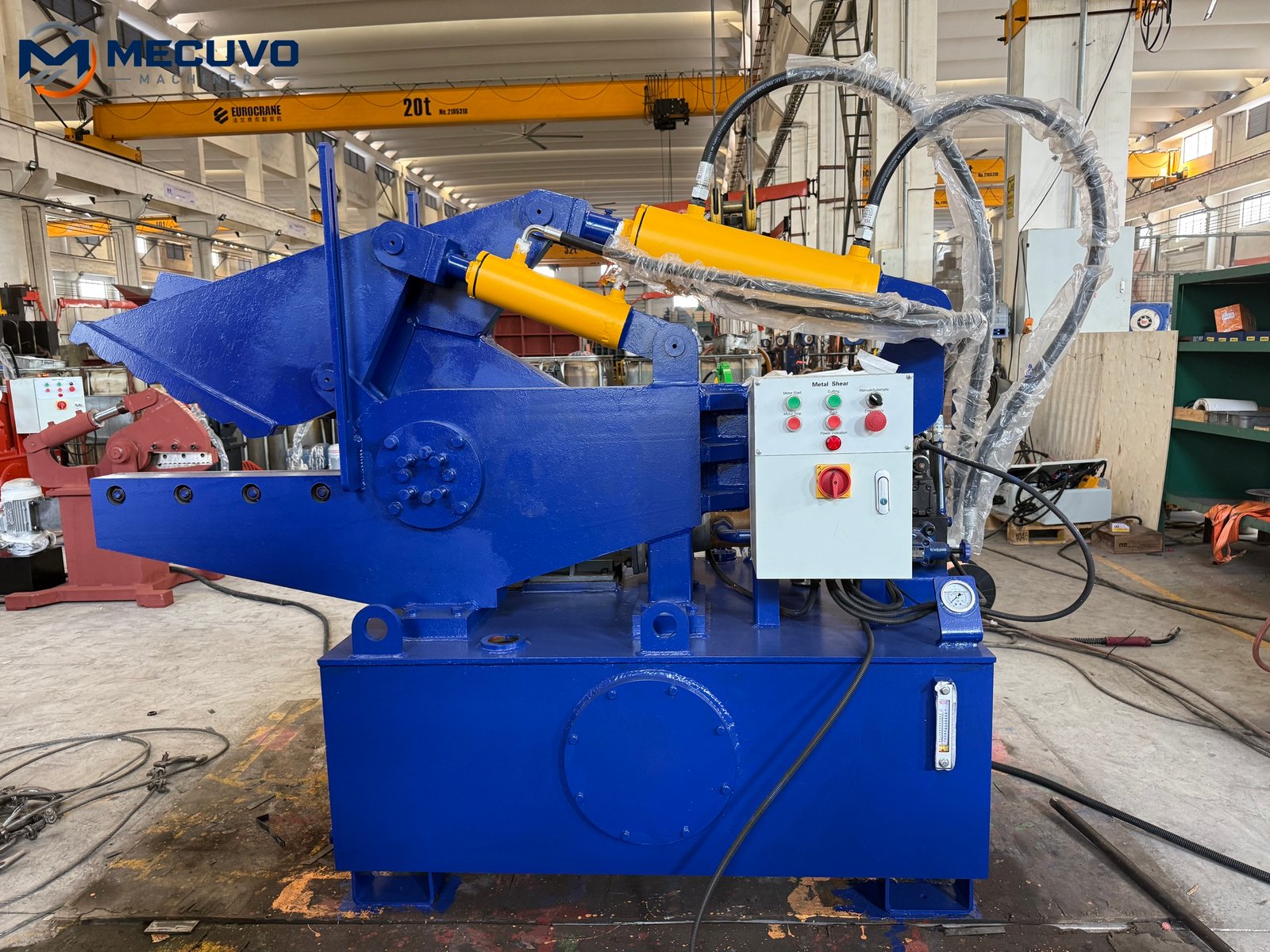
On an alligator shear, the primary mechanical hazard is twofold: blade amputation and workpiece kick-back. When the upper jaw shears thick structural steel or pipe, intense lateral reaction forces cause the unsecured end of the scrap to kick violently upward and outward. Australian safety guidelines require a robust hold-down device: – The hold-down clamp must descend ahead of the moving blade, pinning the workpiece rigidly against the bottom bed table before the knife makes contact. – A heavy expanded-metal mesh guard (minimum 6 mm wire or heavy plate) must shield the entire upper arm articulation zone, preventing the operator from reaching around the hold-down into the shearing throat. – Operating foot pedals must feature a protective top shroud and a mechanical safety latch to prevent accidental activation by falling scrap fragments or operator missteps.
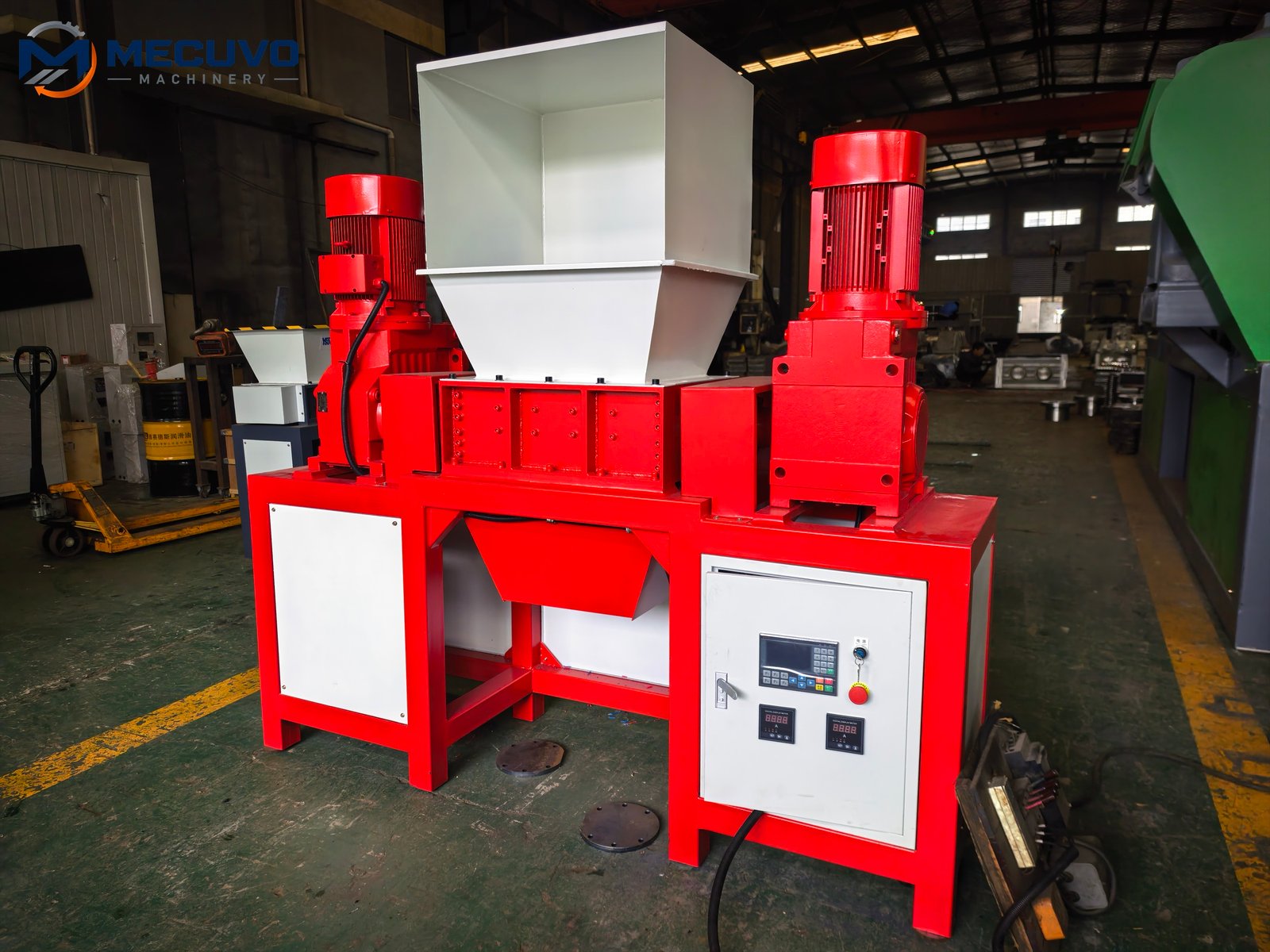
On an industrial dual-shaft shredder, rotating hex shafts and interlocking hook knives create massive drawing-in nip points. Physical safeguarding must include: – Fixed hopper extensions ensuring that the vertical distance from the top rim of the hopper to the top of the rotating knives exceeds human reach envelopes specified in AS/NZS 4024.1801 (typically >= 1,400 mm). – Hinged maintenance inspection doors on the cutting chamber equipped with dual-channel magnetic or RFID safety interlock switches wired into the safety relay. Opening the door must immediately disconnect power to the main drive motors and apply hydraulic or mechanical holding brakes. – Discharge conveyors beneath the shredder box must be fully enclosed with side skirts and underpan guards to prevent workers from reaching upward into the cutter underside while clearing blockages. For general Australian electrical grid and biosecurity rules, review our guide on importing machinery into Australia and New Zealand.
What Are the Mandatory Isolation and Lockout/Tagout (LOTO) Procedures in Australia?
Routine tasks like flipping shear knives, clearing shredder jams, and servicing hydraulic valves represent the highest-risk operational windows for scrap yard mechanics. Australia mandates documented LOTO procedures incorporating lockable electrical isolators, hydraulic pressure bleed valves, and mechanical safety props to block gravity loads.
Executing Zero-Energy Isolation and Verification (Safe Work Australia Guidelines)
In Australian industrial operations, relying on a control console key switch or software E-stop button during maintenance is strictly prohibited. State regulators enforce zero-energy Lockout/Tagout (LOTO) protocols that require the complete physical interruption and dissipation of all energy sources before personnel enter the danger zone.
A compliant isolation procedure for hydraulic recycling plant requires a structured four-step process:
- Electrical Disconnection: Switch the lockable main disconnect switch on the control enclosure to the OFF position. Every maintenance technician working on the machine must attach their personal safety padlock and danger tag to the hasp.
- Hydraulic Pressure Relief: De-energizing the electric motor does not relieve high-pressure fluid trapped in pilot lines or hydraulic accumulators. The hydraulic power pack must feature an integrated, lockable ball valve that vents fluid from the high-pressure manifold directly back to the reservoir. Operators must verify that all pressure gauges indicate zero bar.
- Mechanical Safety Blocking: Gravity represents stored potential energy. On an alligator shear, the raised upper jaw arm weighs hundreds of kilograms. Before an operator inspects or shims blades, a heavy steel safety pin or structural safety block must be mechanically inserted into the machine frame to prevent the jaw from dropping if a hydraulic cylinder seal fails.
- Verification of Zero Energy (Try-Step): After padlocks and mechanical blocks are secured, the technician must attempt to actuate the machine via local pushbuttons and foot controls to confirm that zero movement occurs.
| Hazard / Energy Source | Required Isolation Mechanism | Verification Method |
|---|---|---|
| Main 400V 3-Phase Power | Lockable circuit breaker / rotary isolator | Voltage tester / voltmeter test at terminal block |
| Hydraulic System Pressure | Lockable 3-way ball valve to reservoir return | Manifold pressure gauges reading zero psi/bar |
| Elevated Jaw Gravity Head | Rated structural steel drop-pin / safety block | Visual confirmation of mechanical pin engagement |
| Hydraulic Accumulator | Dedicated automated dump valve | Gauge verification and line bleed confirmation |
Before signing off on plant commissioning, ensure all operating manuals, emergency instructions, and danger warning labels are written in clear English and affixed permanently to the machine chassis in accordance with Safe Work Australia standards. For further details on Australian compliance pathways, check our report on copper granulators for sale in Australia.
Key Takeaways
Audit imported shears and shredders against AS/NZS 4024 standards, install PL d dual-channel E-stop circuits, and enforce zero-energy LOTO isolation before commissioning in Australia.
— YOUR RECYCLING PROJECT
Find the right machine for your material.
Tell us your material and required capacity.
Or email sales@mecuvo.com