Table of Content
Small scrap metal recycling yards looking to upgrade low-grade HVAC radiators into clean No. 1 copper and high-purity aluminum scrap need an efficient, compact equipment layout. Arranging a hydraulic alligator shear, radiator stripper, and aluminum fin baler in an ergonomic 60-square-meter U-shaped workflow minimizes material handling and eliminates scrap cross-contamination. I outline workstation dimensions, material flow routing, and electrical power drops below to help you establish a dedicated, highly profitable ACR recycling station.
How Much Floor Space and Equipment Layout Does a Compact ACR Corner Require?
Small scrap yards often assume that setting up a mechanized Air Conditioning and Radiator (ACR) line requires a sprawling industrial warehouse. A complete, high-efficiency ACR recycling corner requires only 60 to 80 square meters of concrete floor space arranged in a tight U-shaped material flow cell.
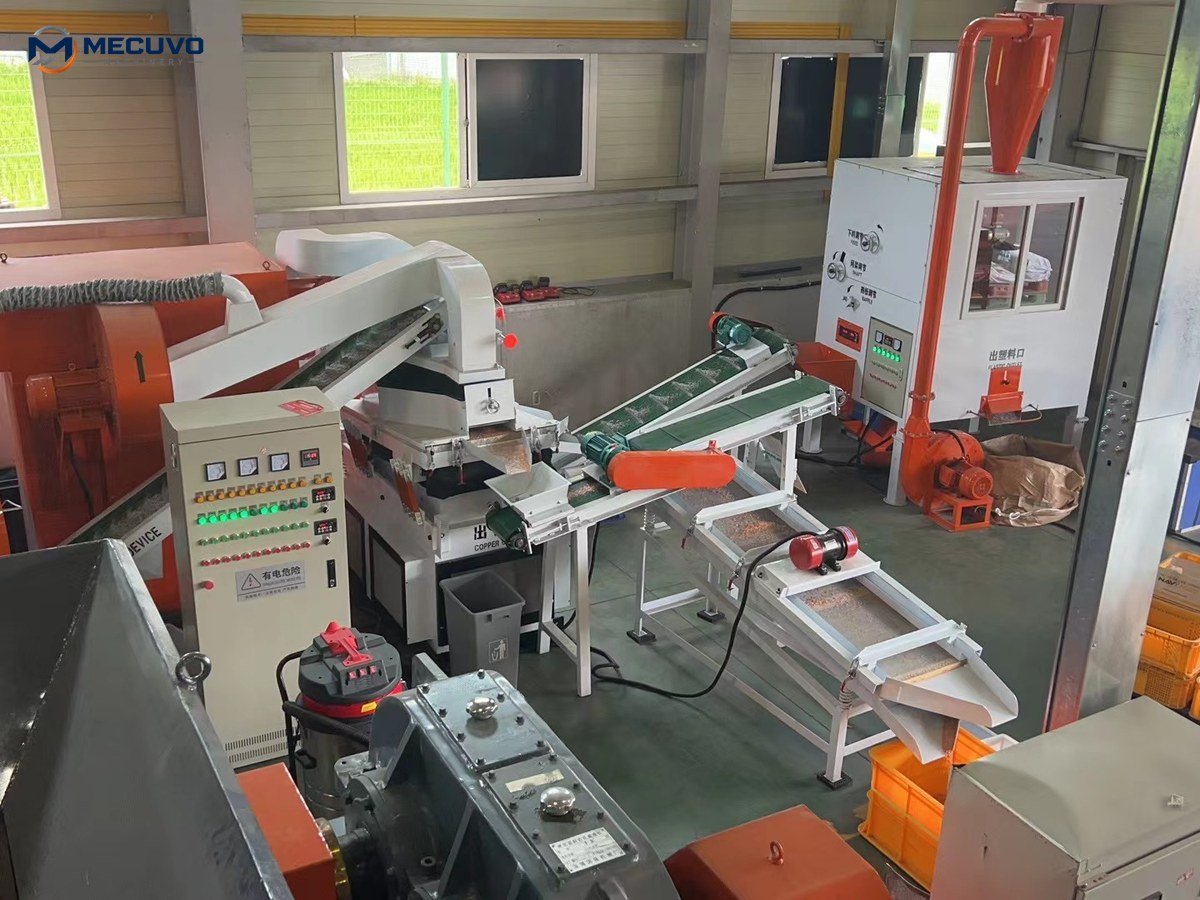
Spatial Planning and the U-Shaped Processing Cell
In a scrap yard handling 10 to 50 metric tons of mixed HVAC coils per month, maximizing labor efficiency depends entirely on minimizing the physical distance operators walk between machine stages. A disorganized shop floor—where the cutting shear is 20 meters away from the stripper and the baler sits across the yard—forces workers to spend up to one-third of their shift manually pushing carts of sharp, tangled metal.
A dedicated ACR corner operates at peak efficiency when configured as a self-contained U-shaped processing cell occupying roughly 8 meters by 8 meters to 8 meters by 10 meters (64 to 80 m2):
[Inbound Raw Coil Staging Bay] (Forklift Access)
           |
           v
[Station 1: Alligator Shear / Bandsaw] (De-heading & splitting)
           |
       (Gravity Roller Table)
           v
[Station 2: Radiator Stripper] (Centerline tube/fin extraction)
         /   \
        /     \
       v       v
[Station 3: Baler]    [Copper Bundling Rack]
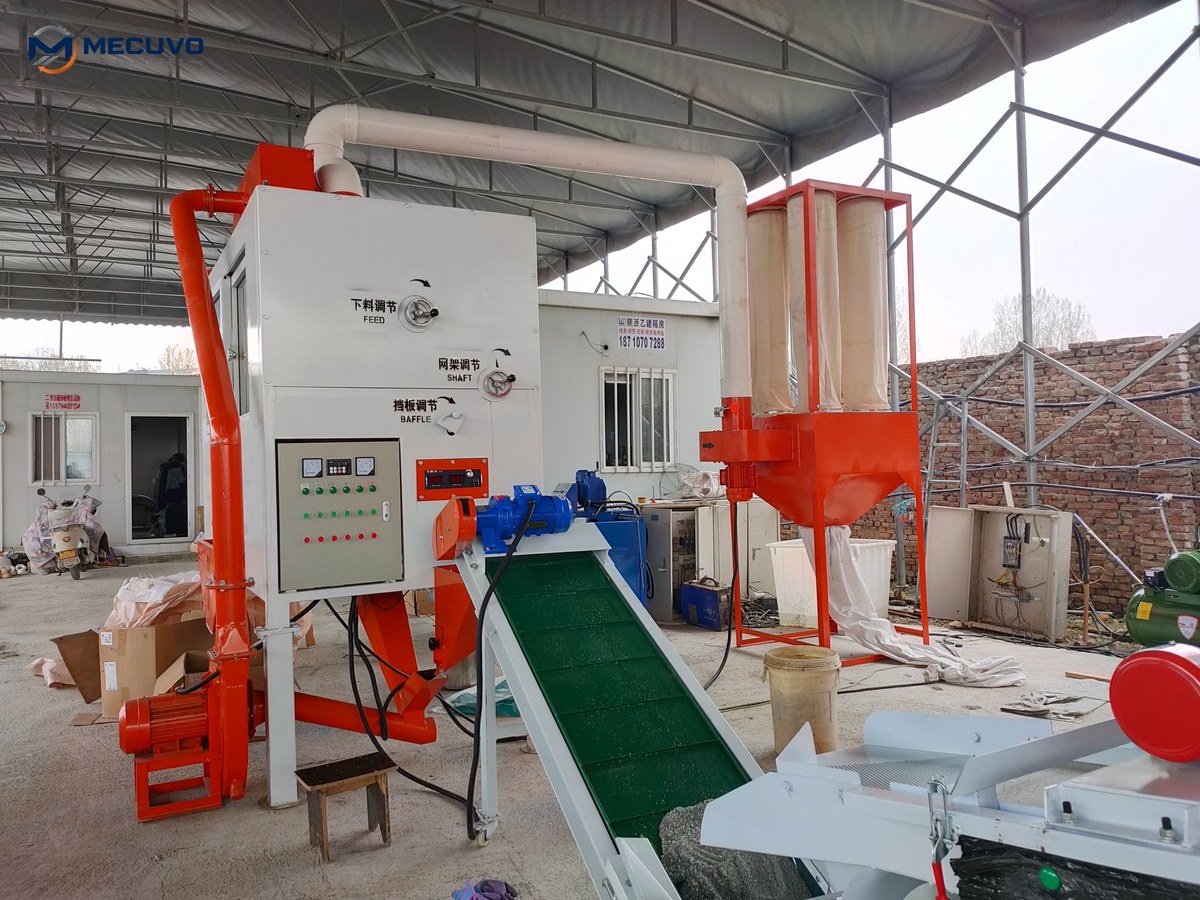
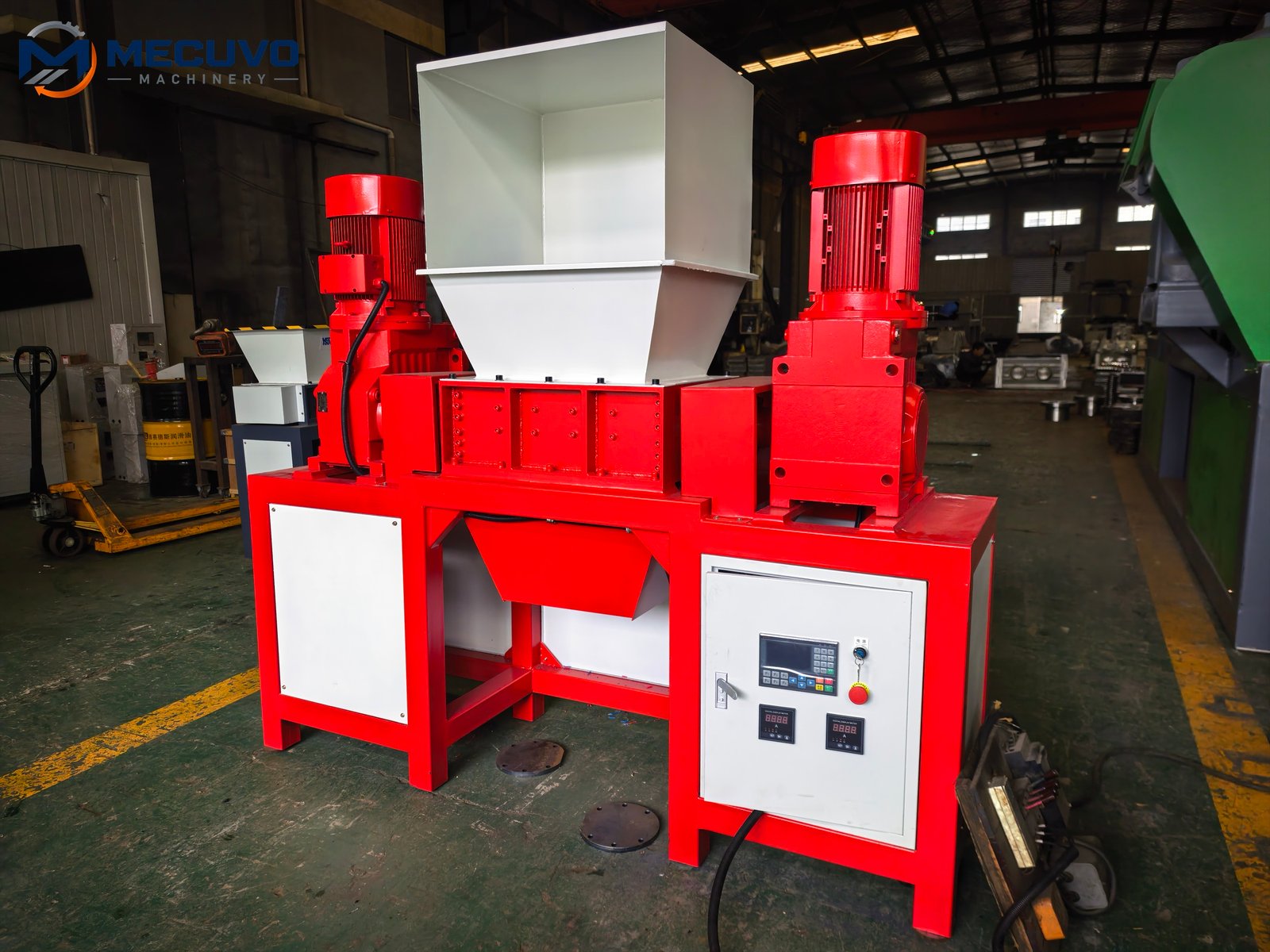
(Aluminum fins) (Clean No. 1 Copper tubes)- Infeed Wing (Station 1 – De-heading): Position a compact hydraulic alligator shear (such as a 400 mm or 600 mm blade unit) or a heavy-duty vertical metal bandsaw on the left perimeter. This is where incoming dirty radiators have their iron side brackets, steel header plates, and return U-bends cropped off.
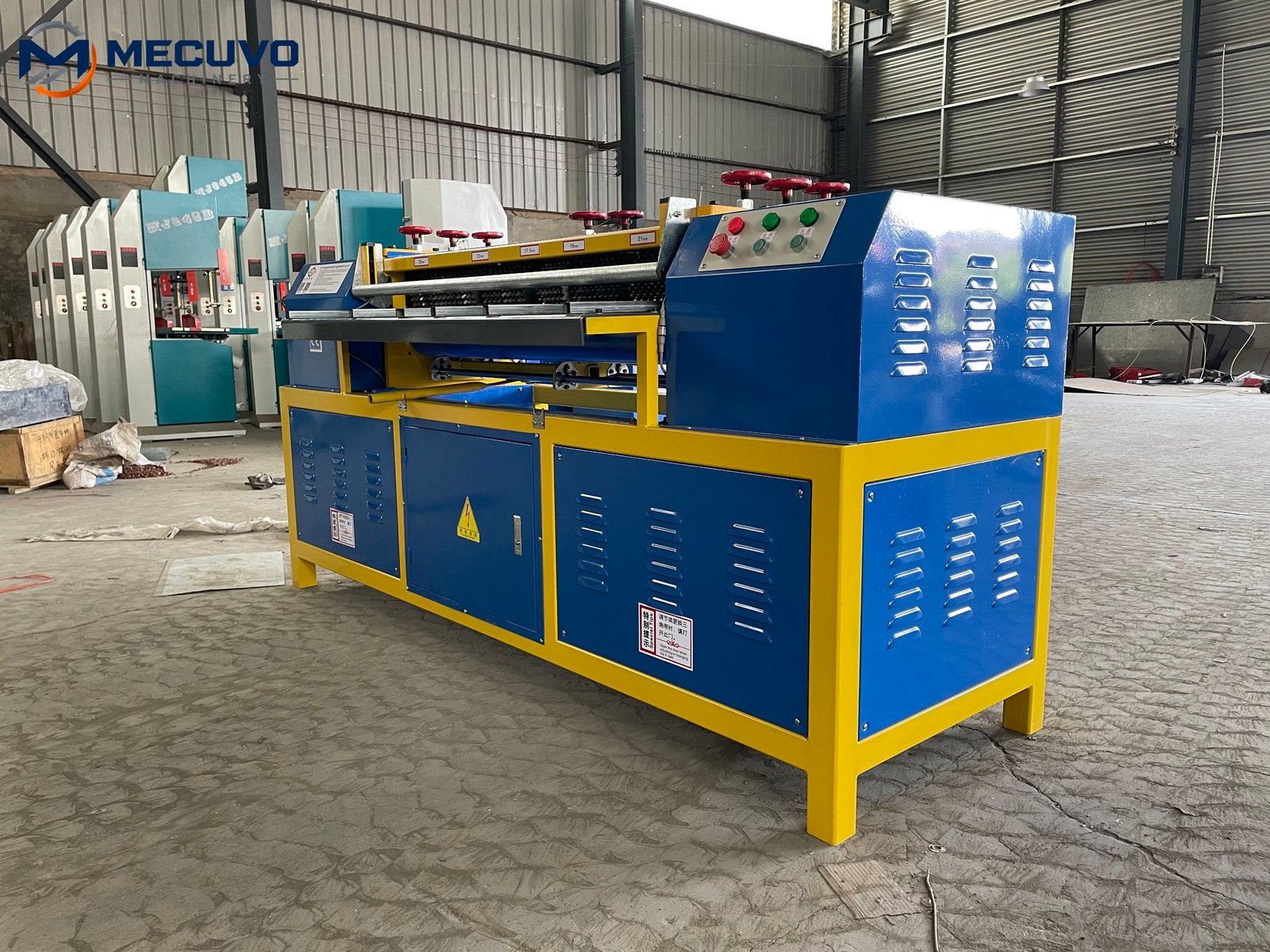
- Apex (Station 2 – Stripping): Position the radiator stripper directly adjacent, connected to Station 1 by an unpowered gravity roller table (1.5 meters long, set at waist height). De-headed coils roll directly into the stripper infeed guides without the operator lifting the heavy core.
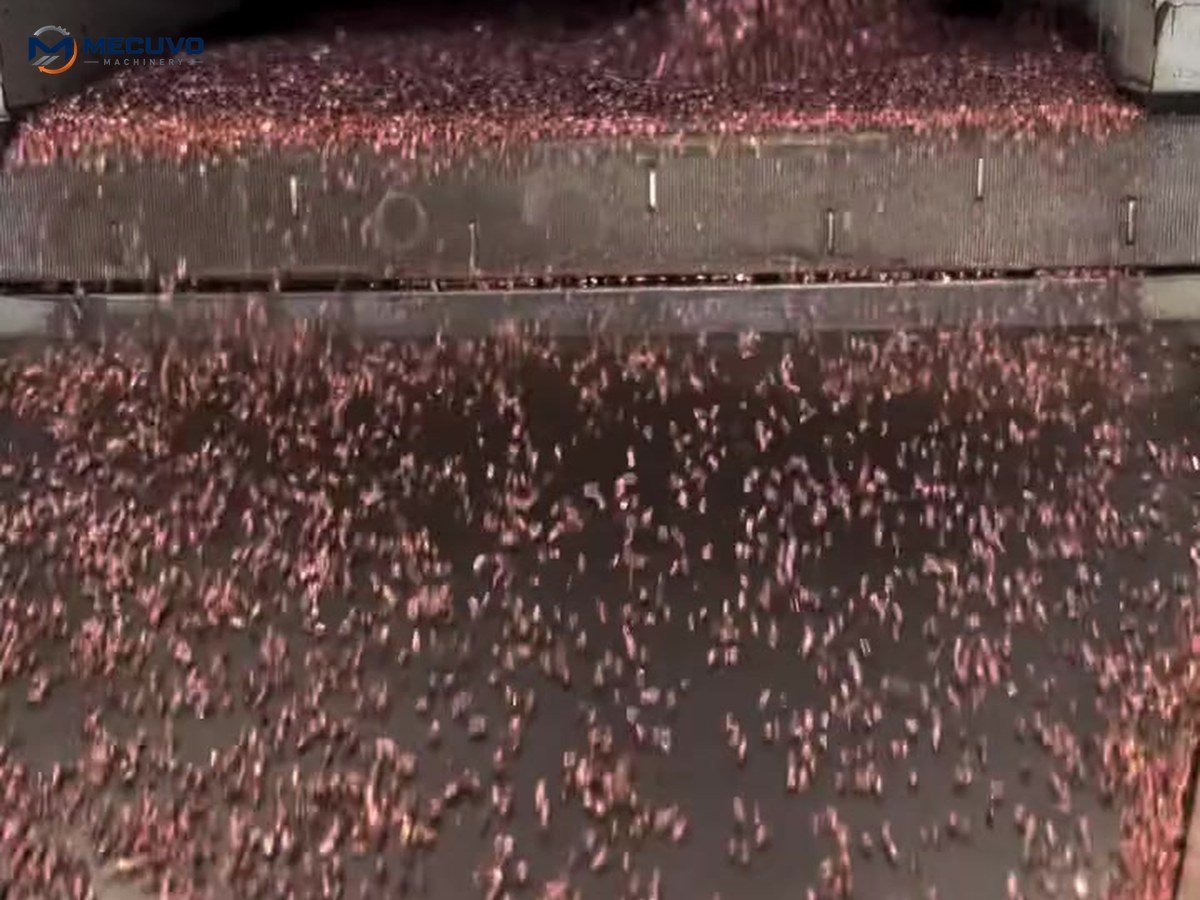
- Outfeed Wing (Station 3 & Bundling): As the stripper operates, clean copper tubes exit to the right into an elevated collection trough equipped with manual banding straps. Simultaneously, loose aluminum fins discharge into an inclined cleated conveyor that dumps into a compact vertical or horizontal hydraulic baler positioned on the opposite wing.
This layout allows two operators to run the entire line continuously: one operator de-heads coils while the second operator feeds the stripper and bands the copper bundles.
What Electrical Power, Foundation, and Ventilation Drops Must You Provide?
Deploying three motorized hydraulic machines in close proximity requires careful electrical coordination and environmental containment to prevent breaker trips and air quality issues. Provide a dedicated 100A 3-phase electrical subpanel, a reinforced 150 mm level concrete slab, and localized dust capture over the stripper fin discharge.
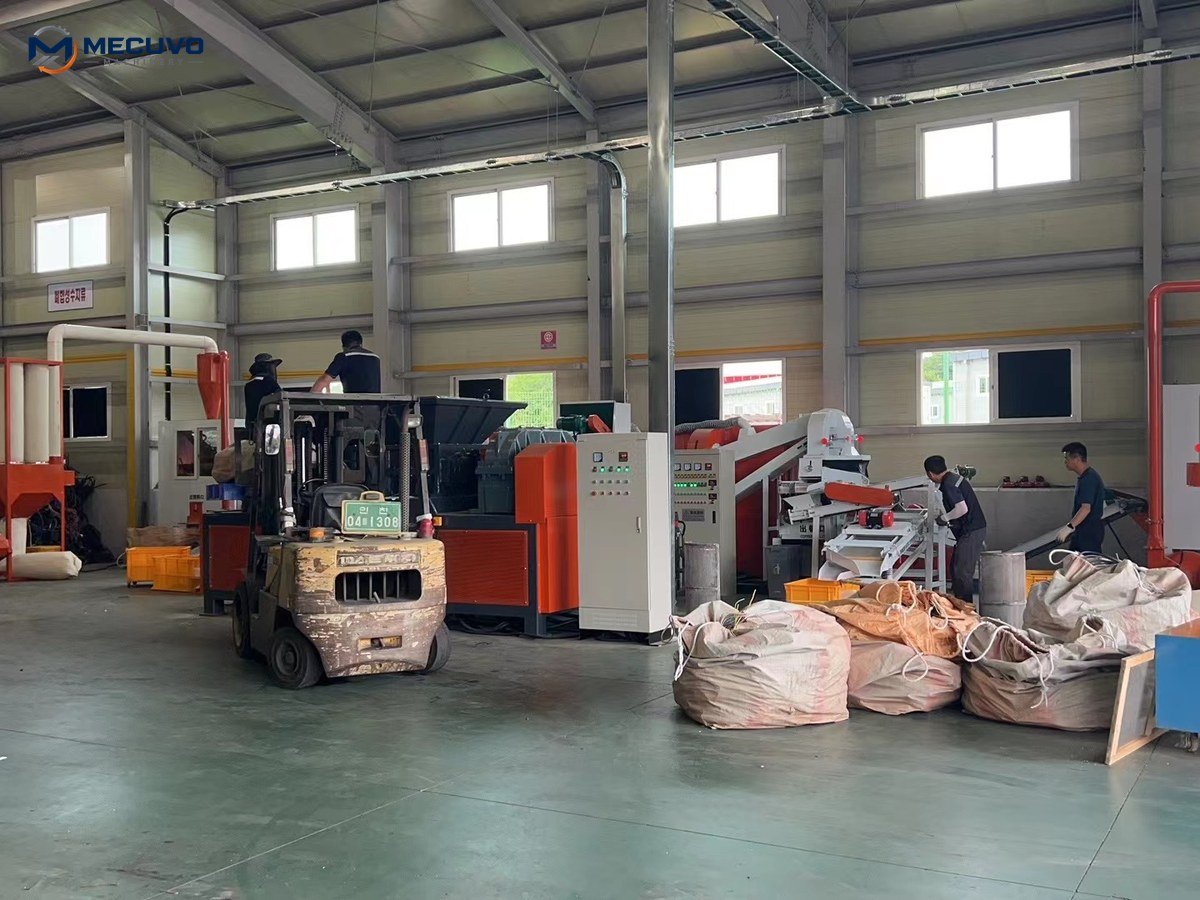
Electrical Infrastructure and Environmental Safeguards
Installing an ACR corner requires minimal civil engineering compared to large automotive shredders, but electrical and environmental standards must be verified in accordance with NFPA 70 (NEC) and OSHA regulations.
Electrical Distribution Requirements
Total connected load for a complete small-yard ACR corner typically ranges between 16 kW and 26 kW: – Alligator Shear Motor: 5.5 kW to 7.5 kW (approx. 11 to 15 Full-Load Amperes at 400V/480V 3-phase). – Radiator Stripper Motor: 3 kW to 4 kW (approx. 6 to 8 FLA). – Hydraulic Fin Baler / Briquetter Motor: 7.5 kW to 11 kW (approx. 15 to 22 FLA).
Rather than pulling individual conduit runs across the shop floor, mount a dedicated 100-amp three-phase distribution subpanel directly on the workstation perimeter wall. Drop armored drop cords overhead down to each machine’s disconnect switch per NFPA 70 Article 430. Ensure control boxes incorporate thermal overload relays and phase-loss protection to guard motors against utility voltage imbalances.
| Equipment Station | Typical Power Rating | Function in Cell | Utility Connection |
|---|---|---|---|
| Alligator Shear | 5.5 kW – 7.5 kW | Crops iron brackets, splits multi-row coils | Dedicated 30A 3-phase circuit |
| Radiator Stripper | 3.0 kW – 4.0 kW | Extracts copper tubes, shreds fin matrix | Dedicated 20A 3-phase circuit |
| Hydraulic Fin Baler | 7.5 kW – 11.0 kW | Compresses light fin fluff into dense bales | Dedicated 40A 3-phase circuit |
| Total Cell Service | 16 kW – 22.5 kW | Complete simultaneous operation | 100A 3-Phase Main Subpanel |
Civil Foundation and Floor Maintenance
All three machines can be anchored directly onto a standard reinforced concrete industrial slab (minimum 150 mm thickness, 25 MPa compressive strength) using heavy-duty chemical expansion anchors. Concrete pads must be level to ensure proper tracking of coil guide rollers.
Per OSHA 29 CFR 1910.22, walking surfaces surrounding the machines must be maintained clean and dry. Provide low-profile steel containment trays beneath hydraulic power units to capture accidental seal drips, and keep a magnetic broom on hand to sweep stray steel chips away from operator walking corridors. For comparative equipment economics, see our analysis of alligator shears versus oxy-fuel cutting.
How Do You Control Material Logistics to Prevent Yard Bottlenecks?
The most common operational failure in small scrap yards is allowing raw inbound material and processed clean scrap to intermingle in congested piles. Establish strictly segregated staging bays: raw dirty coils on the infeed flank, palletized copper bundles in secure storage, and baled aluminum ready for forklift trailer loading.
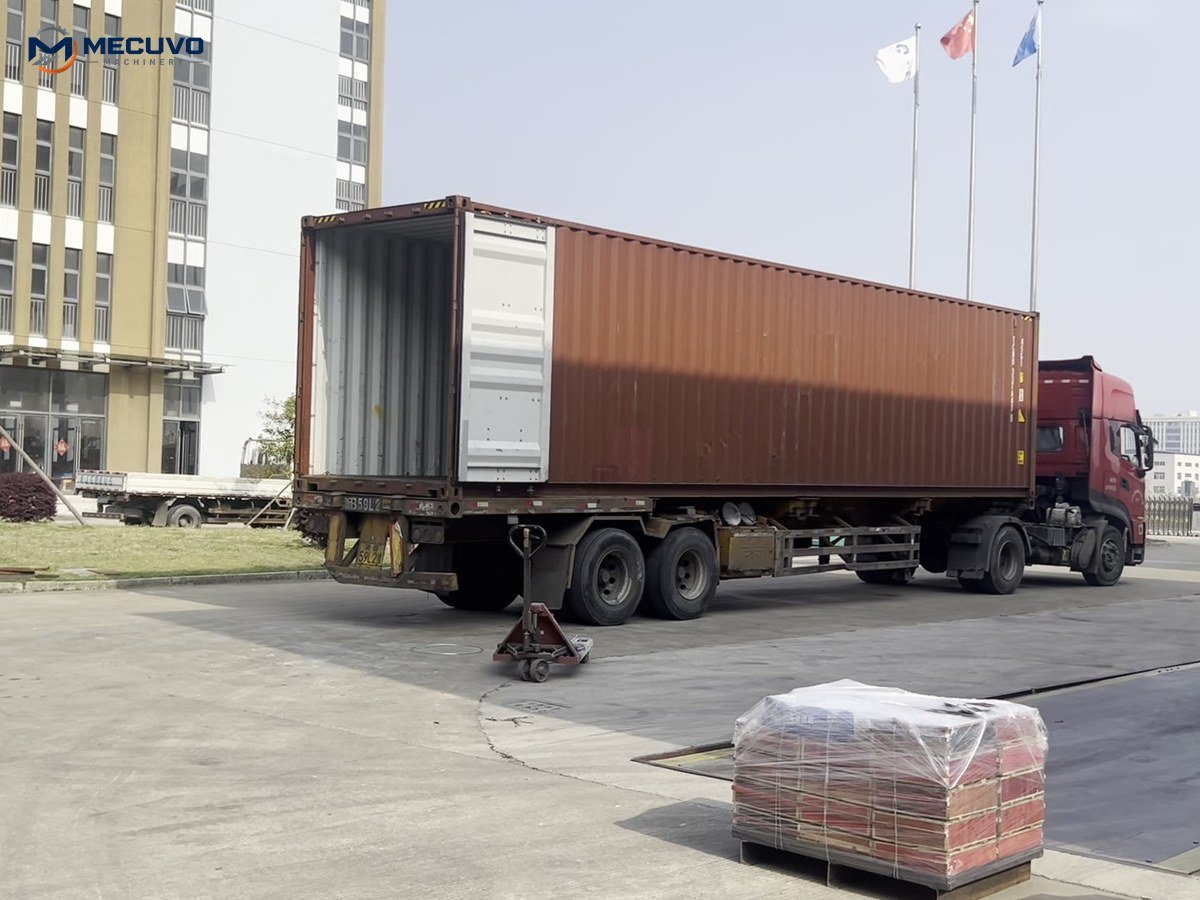
Material Flow Staging and Scrap Value Segregation
In nonferrous scrap recycling, neatness directly drives profitability. If pristine No. 1 copper tubes are allowed to fall onto a greasy yard floor or mix with steel brackets, smelters will immediately downgrade the entire shipment from clean No. 1 copper to low-grade brassy or dirty copper, slashing profit margins by 10% to 20%.
To guarantee strict commodity segregation within an 80 m2 bay:
- Inbound Raw ACR Staging (Left Flank): Dedicated space for 4 to 6 steel pallet boxes holding incoming dirty HVAC radiators and car condensers. Forklifts drop full boxes here without entering operator walking zones.
- Iron Contaminant Bin: A heavy steel tote placed directly beneath the alligator shear blade catches cut iron side plates, plastic tanks, and header scrap, keeping non-core waste isolated.
- Clean No. 1 Copper Bundling Table (Right Flank): An elongated steel rack (3 meters long) positioned at the stripper copper discharge trough. Extracted tubes slide into the rack. Once 250 kg of copper accumulates, the operator straps the bundle with high-tensile polyester banding, tags it, and moves it directly to a locked, weather-protected storage vault.
- Baled Aluminum Storage Area: Finished dense aluminum fin bales exit the baler directly onto wooden pallets. Once stacked four high, pallets are shrink-wrapped and moved to the shipping staging zone.
For full scrap grade classification criteria, review our breakdown on dirty radiators versus clean ACR grades.
Key Takeaways
Set up a 60 m2 U-shaped cell integrating an alligator shear, stripper, and baler to process HVAC radiators cleanly with minimal labor and zero material contamination.
— YOUR RECYCLING PROJECT
Find the right machine for your material.
Tell us your material and required capacity.
Or email sales@mecuvo.com