Table of Content
Scrap yard operators preparing structural steel and heavy nonferrous scrap must choose between open-flame oxy-fuel torches and hydraulic alligator shearing stations to size material for transport. Alligator shears eliminate torch fire permits, consumable gas deliveries, and toxic burn smoke while providing continuous mechanical cold cutting cycles that dramatically increase hourly scrap throughput. I examine safety regulations, processing speed benchmarks, and long-term operating economics below to help you determine when to replace manual torch cutting with hydraulic shearing.
How Do Safety Hazards and Yard Regulations Compare Between Shears and Torches?
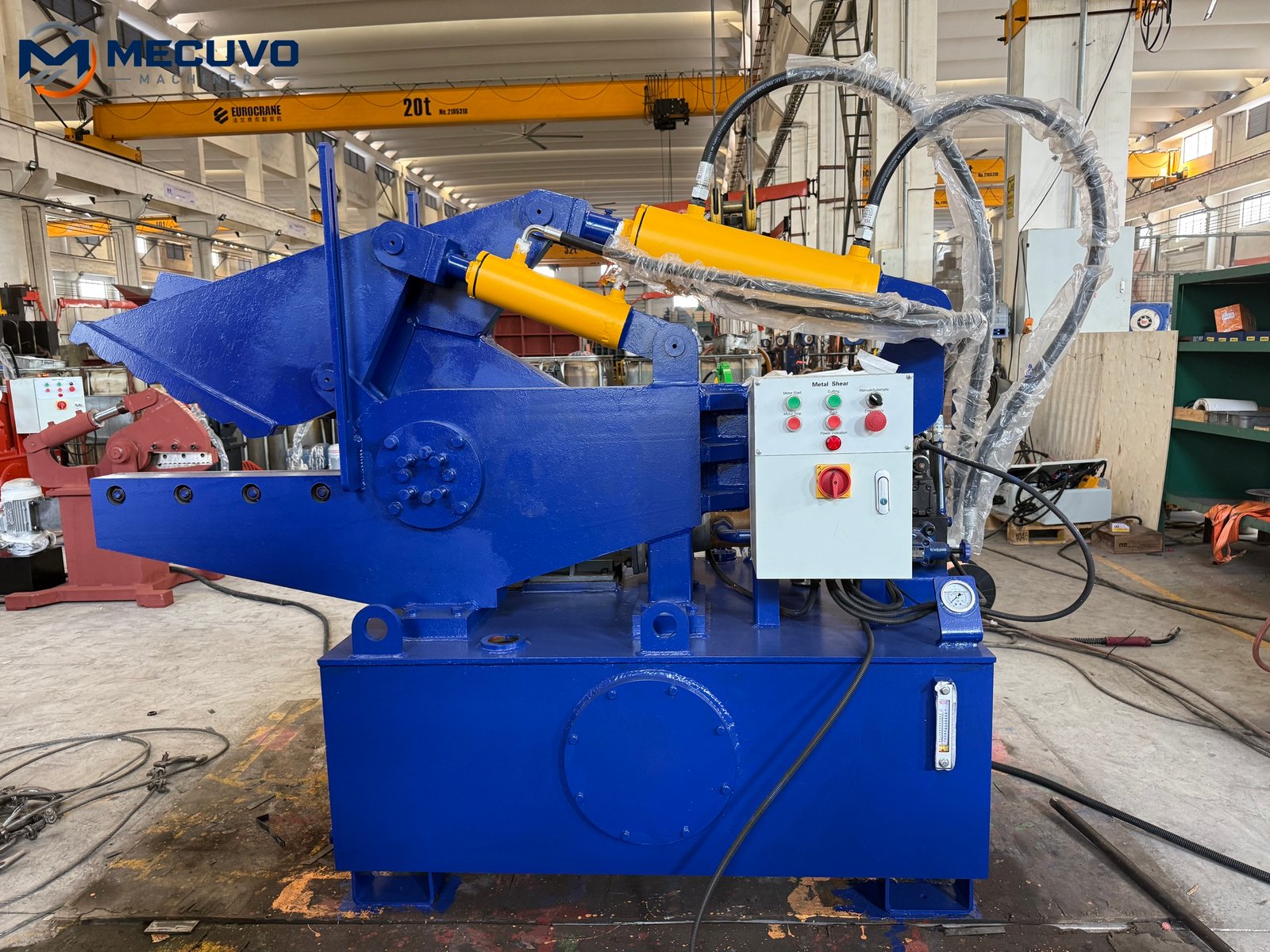
Thermal cutting introduces severe open-flame risks that trigger stringent fire watch mandates, hot work permitting, and elevated commercial insurance premiums. Hydraulic alligator shears operate as cold mechanical cutting tools, eliminating compressed gas cylinder storage, open sparks, and hazardous thermal fumes while satisfying workplace safety standards.
Hot Work Compliance vs Cold Mechanical Processing
Operating an oxy-fuel torch station in a metal recycling facility requires compliance with stringent regulatory frameworks. Under OSHA 29 CFR 1910.252, every torch cutting operation demands a dedicated hot work permit, removal or shielding of combustible materials within a 35-foot perimeter, and an assigned fire watch personnel who must monitor the area during cutting and for at least 30 minutes following shutdown. For yards handling mixed materials with trace grease, oil, or insulation, open sparks represent a constant ignition risk that can void standard insurance policies unless compliant with NFPA 51B standards.
Furthermore, compressed gas storage introduces severe logistical and physical hazards. Storing pressurised oxygen and acetylene or fuel gas cylinders requires dedicated cages, separation barriers, flashback arrestor testing, and continuous delivery coordination. Gas leaks in enclosed yard corners create severe blast vulnerabilities.
In contrast, adopting a hydraulic alligator shear converts scrap sizing into a cold mechanical process. Shearing generates zero open flames, zero slag discharge, and zero combustible gas consumption. When equipped with robust point-of-operation guarding and hold-down clamps compliant with UK WISH INFO 30, alligator shears confine cutting energy entirely within an engineered mechanical envelope.
| Compliance Metric | Oxy-Fuel Torch Station | Hydraulic Alligator Shear |
|---|---|---|
| Fire Watch Requirement | Mandatory 30-minute post-cut monitoring | None (Cold mechanical cut) |
| Hot Work Permitting | Required under OSHA 1910.252 / NFPA 51B | Not applicable |
| Flammable Gas Storage | High-pressure oxygen & acetylene bottles | None (Electric-hydraulic unit) |
| Fume Extraction | Mandatory local exhaust for toxic burns | Standard ambient yard ventilation |
| Environmental Discharge | Combustion products & melted slag | Clean physical shear cuts |
How Does Hourly Scrap Sizing Throughput Differ Between Both Methods?
Manual torch cutting speed depends entirely on steel preheating time, tip condition, flame adjustment, and operator physical endurance in harsh weather. Alligator shears deliver consistent mechanical stroke cycles that process structural shapes, pipes, and nonferrous beams in seconds without thermal preheating delays.
Cycle Times, Material Thickness, and Feeding Dynamics
Thermal cutting velocity is constrained by the chemical oxidation rate of iron in an oxygen stream. Before cutting can commence, the operator must preheat the steel surface to approximately 900°C (1,650°F) using a neutral flame before opening the cutting oxygen stream. Cutting thick steel beams or bundled profiles requires steady hand travel to avoid losing the cut. Painted surfaces, rust scales, and zinc galvanised coatings impede preheating and generate heavy smoke that forces operators to pause frequently.
A hydraulic alligator shear replaces thermal oxidation with direct mechanical fracture. Once the electric drive motor energises the hydraulic pump, depressing the guarded foot pedal drives the upper cutting jaw downward through its stroke. Thick structural sections, copper busbars, and aluminum profiles within machine ratings are cleaved instantaneously. Sizing long pieces into furnace-ready charging lengths becomes a fluid sequence: advance the material, clamp, stroke, and release.
As detailed in our analysis of pre-cutting heavy cable with alligator shears, mechanical shearing excels at handling contaminated or non-ferrous materials that cannot be cut with oxy-fuel torches. Oxy-fuel cutting relies on iron oxidation and cannot cut aluminum, stainless steel, or copper. Alligator shears handle all metallic scrap grades regardless of metallurgy, alloy composition, or surface cleanliness.
| Operational Parameter | Oxy-Fuel Torch Cutting | Hydraulic Alligator Shear |
|---|---|---|
| Pre-Cut Heating | Required (10–30 seconds per start) | Zero preheating required |
| Alloy Capability | Carbon and mild steel only | Mild steel, aluminum, copper, brass |
| Coated / Painted Scrap | Slowed by surface burning & fumes | Cut mechanically without delay |
| Repetitive Cycle | Constrained by operator fatigue | Governed by hydraulic cycle speed |
| Cut Quality | Oxidised edge with hardened slag | Clean cold mechanical shear edge |
What Are the True Long-Term Operating Costs and Labor Requirements?
Yard managers often underestimate the cumulative cost of cylinder rentals, gas refills, replacement torch tips, and dedicated burner wages. Operating costs for alligator shears consist primarily of electrical utility power and indexable blade sharpening, yielding lower unit processing costs over time.
Variable Consumables vs Fixed Mechanical Infrastructure
The ongoing expense of torch cutting represents a continuous drain on yard margins. Operators must budget for monthly cylinder demurrage fees, oxygen and fuel gas refills, replacement twin hoses, check valves, and consumable cutting nozzles. Furthermore, torch cutting requires a skilled, certified burner who commands premium hourly compensation, alongside a secondary worker often tied up serving as the mandatory OSHA fire watch.
An alligator shear operates as fixed capital equipment with predictable operating economics. Power consumption is limited to the electrical draw of the three-phase hydraulic drive motor during active shearing cycles. Maintenance overhead centers on routine hydraulic fluid filtration and blade management. Industrial alligator shear blades feature four precision cutting edges; when an edge rounds, maintenance personnel rotate the blade 90 degrees to expose a fresh cutting edge, multiplying service life before regrinding is required.
A single trained operator can manage feed positioning and foot pedal activation independently, freeing yard staff for sorting, baling, and container loading operations. When calculating equipment return on investment, scrap yards processing steady daily volumes of structural scrap achieve substantial overhead reductions by transitioning from consumable gas burning to hydraulic shearing. To determine whether mechanized scrap processing justifies capital expenditure, evaluate our worked analysis on is a copper wire granulator worth it for a scrap yard.
To assess the right cutting equipment configuration for your material mix, send your scrap dimensions, target daily tonnage, and local electrical power supply details to our engineering team through our contact page.
Key Takeaways
Replacing oxy-fuel torches with hydraulic alligator shears eliminates hot work hazards, consumable gas expenses, and alloy limitations while accelerating scrap sizing through cold mechanical cutting.
— YOUR RECYCLING PROJECT
Find the right machine for your material.
Tell us your material and required capacity.
Or email sales@mecuvo.com