Table of Content
Electric motor manufacturers increasingly utilize copper-clad aluminum (CCA) magnet wire coated with brown enamel to simulate solid copper in low-cost consumer equipment. Identify CCA windings before pulling by scraping conductor cross-sections to expose silver aluminum, performing flame melting tests, or checking density differences. I examine CCA manufacturing standards, quick non-destructive field verification tests, and segregation protocols below to prevent severe smelter load rejection penalties.
Why Is Copper-Clad Aluminum (CCA) Used in Electric Motors?
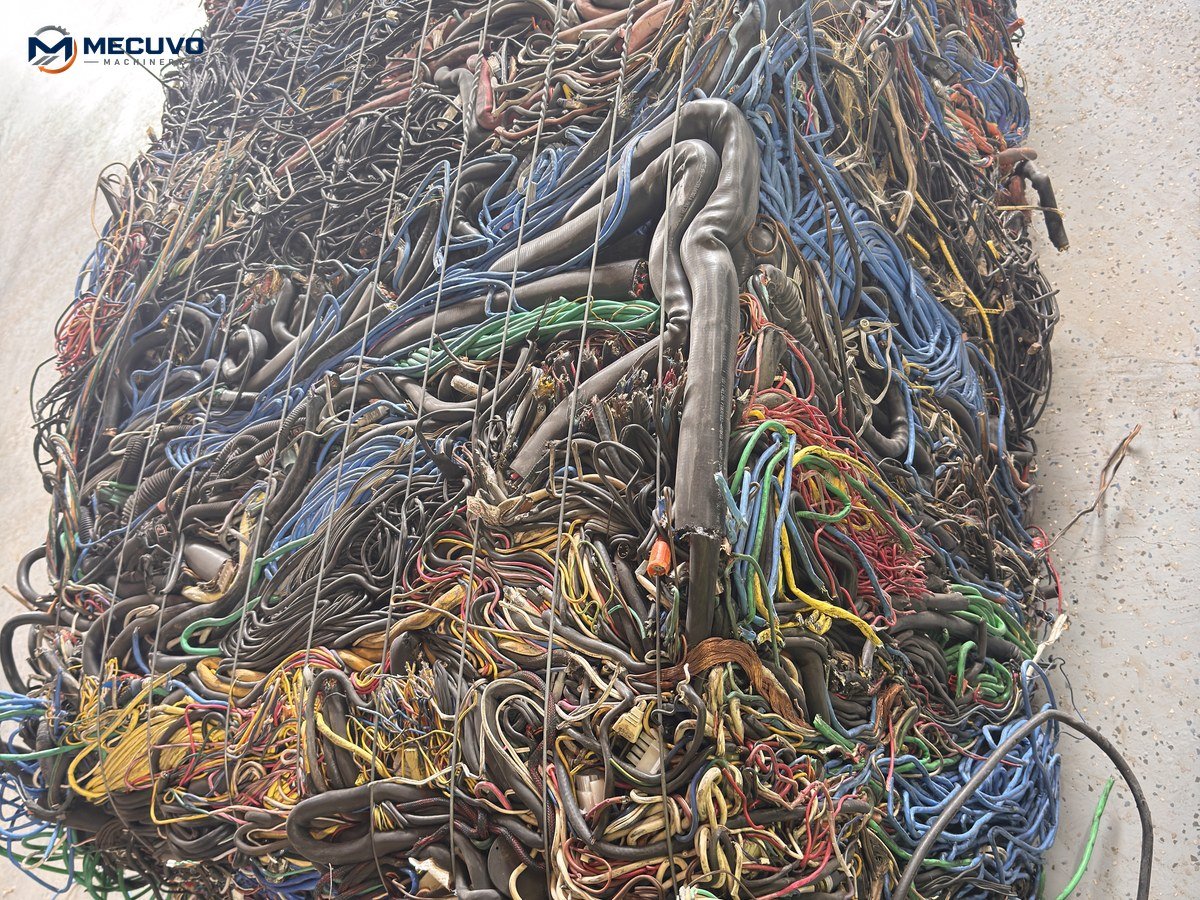
Consumer appliance manufacturers under intense cost pressure frequently substitute copper-clad aluminum wire into motor windings. CCA wire replaces solid copper with an aluminum core clad in a thin copper shell, reducing manufacturing raw material expense.
The Metallurgy and Deceptive Appearance of CCA Windings
Copper-clad aluminum (CCA) is an engineered bimetallic conductor manufactured per ASTM B566 specifications. It consists of an electrical-grade aluminum core (EC grade) metallurgically bonded to an outer concentric sleeve of pure copper. In typical 10% or 15% volume configurations, copper makes up merely 10% to 15% of the wire cross-sectional area, while low-density aluminum forms the remaining 85% to 90%.
When manufacturers wind small utility motors (such as residential ceiling fans, cheap submersible water pumps, washing machine drain pumps, microwave vent fans, and low-cost power tools), the CCA wire is coated with identical reddish-brown insulating enamels (polyurethane, polyesterimide) specified by NEMA MW 1000. To the naked eye, the winding crown inside the motor looks completely identical to solid electrolytic copper, making visual inspection from the outside virtually impossible.
For a scrap yard, mistaking CCA for pure copper is a costly error. Under ISRI nonferrous scrap settlement rules, delivering scrap copper contaminated with aluminum to a copper smelter or ingot foundry results in heavy price penalties or total rejection of the entire truckload, as detailed in our guide on processing aluminum and CCA wire. Aluminum melts at a far lower temperature and creates insoluble dross in copper furnaces, ruining entire alloy melts.
What Three Fast Field Tests Identify CCA Motor Windings?
Scrap yard receiving inspectors need fast, reliable tests that can verify conductor metallurgy in seconds without laboratory equipment. Confirm wire metallurgy using a cross-section scratch test, a lighter flame test, or a rapid density weight comparison.
The Scratch, Flame, and Density Audit Protocols
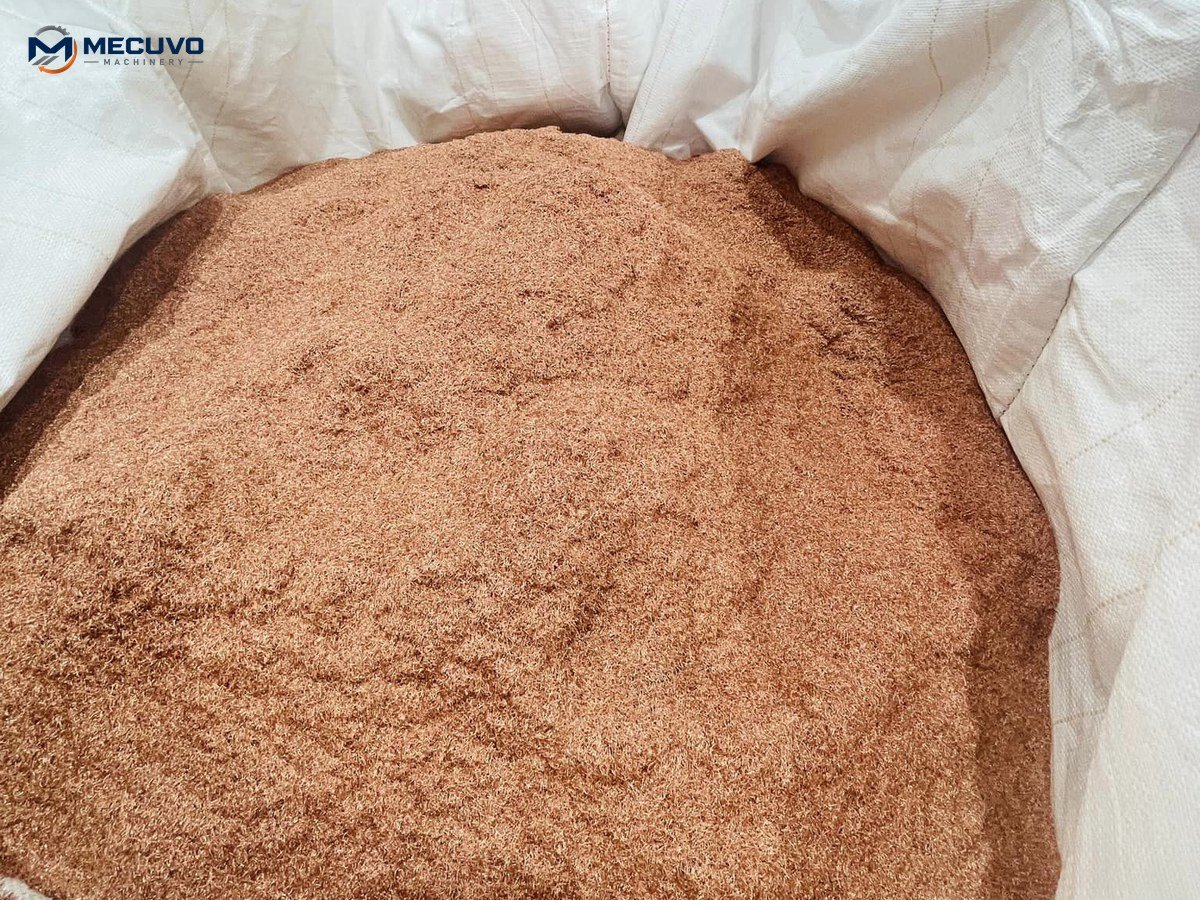
Scrap receiving operators can reliably detect CCA using three simple field tests before feeding stators into motor recycling machines:
- The Utility Knife Scratch Test: Take a sharp utility knife or bastard file and scrape firmly along the exposed winding wire or slice diagonally through several conductor strands. Pure copper remains reddish-gold across the entire cross-section. If the core reveals a bright silver-white metallic center under a thin outer copper skin, the winding is copper-clad aluminum.
- The Lighter Flame Melting Test: Hold a standard butane lighter flame under the exposed wire ends for 3–5 seconds. Pure copper has a melting point of 1,085°C (1,984°F) and will merely glow dull red without deforming. Aluminum melts at only 660°C (1,220°F); under the flame, the inner aluminum core of CCA wire liquefies almost instantly, causing the wire tip to droop, burn away, and collapse into an aluminum bead.
- The Hand Density Check: Density of pure copper is 8.89 g/cm³, whereas 10% volume CCA has a density of only 3.32 g/cm³ per ASTM B566. An intact stator wound with solid copper feels remarkably heavy for its volume, whereas a CCA-wound stator feels surprisingly lightweight, as discussed in our cheap motor inspection guide. Operators quickly develop an intuitive tactile sense for this weight disparity during manual unloading.
In addition to manual tests, receiving managers can perform quick chemical resistance checks using household nitric acid drops, which dissolve the thin outer copper layer in seconds to expose the silvery substrate underneath.
| Verification Method | Solid Copper Behavior | Copper-Clad Aluminum (CCA) Behavior | Test Time Required |
|---|---|---|---|
| Knife Scrape Test | Solid reddish-gold throughout core | Silver-white aluminum center exposed | 5 seconds |
| Flame / Lighter Test | Wire glows dull red; remains solid | Aluminum melts quickly into a ball | 5 seconds |
| Physical Density | High mass (approx. 8.89 g/cm³) | Low mass (approx. 3.32 g/cm³) | Instant hand check |
How Should Scrap Yards Manage and Market CCA Stator Scrap?
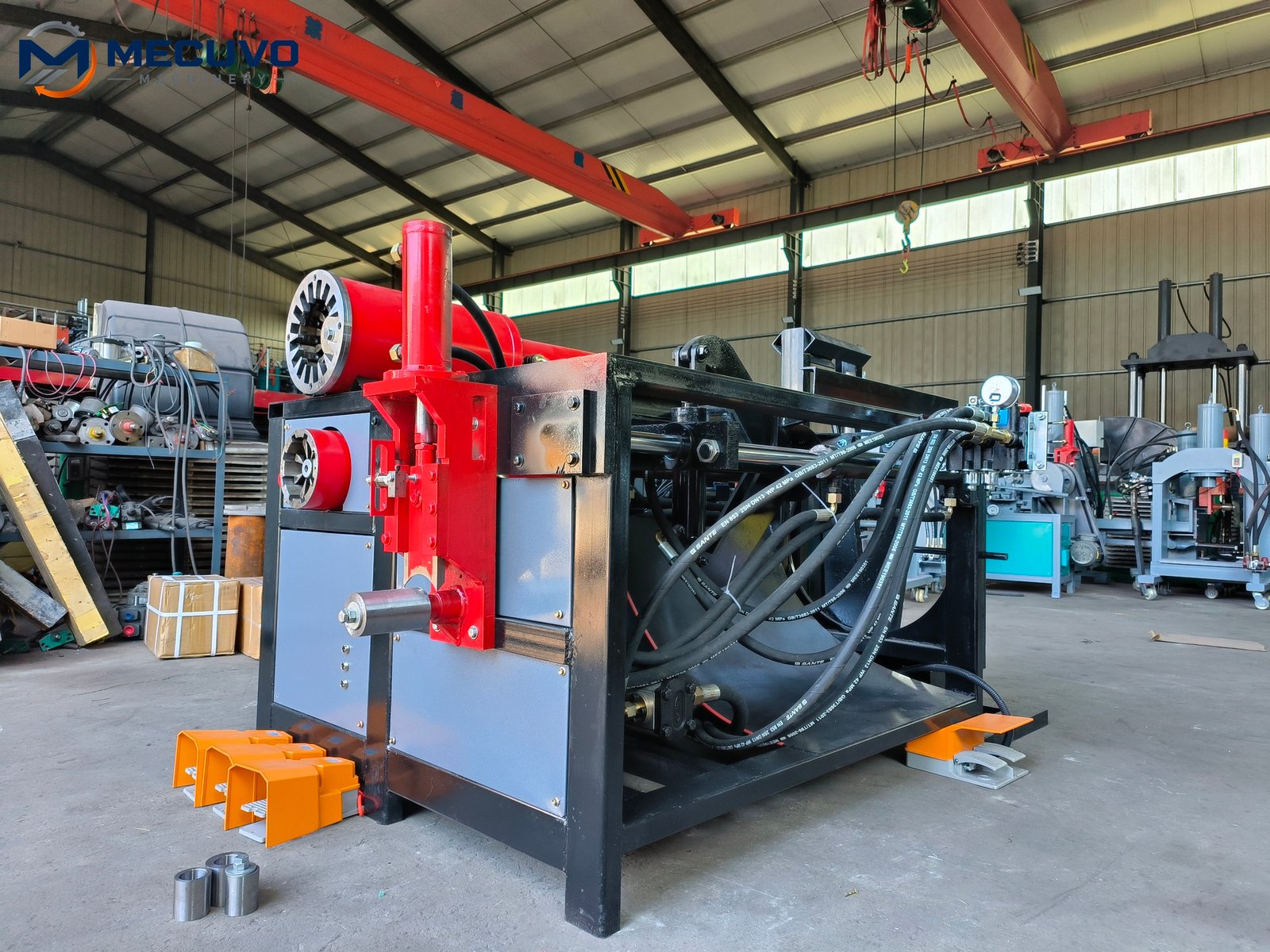
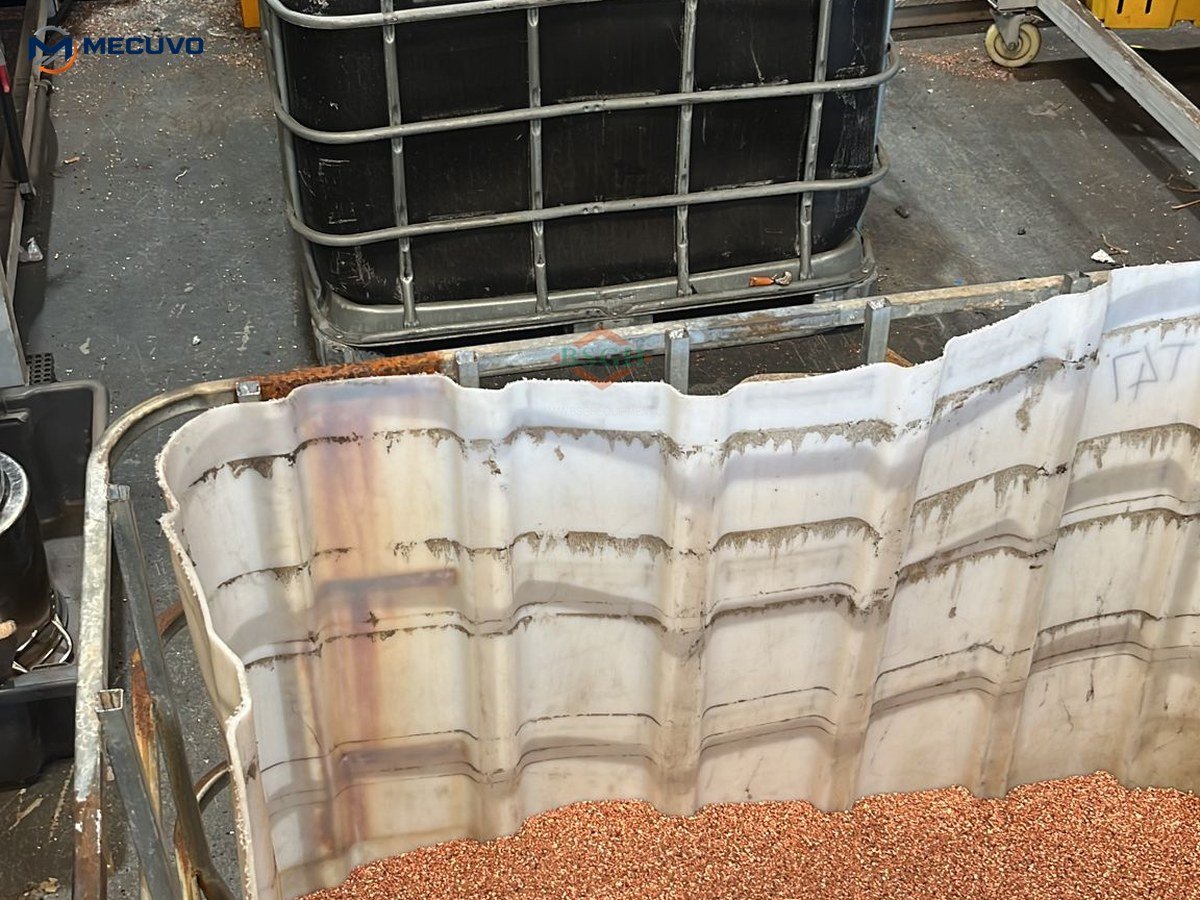
Discovering CCA in your incoming motor scrap does not make the material worthless, but it requires strict segregation. Dismantle CCA stators on dedicated runs, collect the pulled windings in separate labeled gaylord boxes, and market them as clean aluminum scrap.
Segregation Protocols and Maximizing Commercial Recovery
Establishing a disciplined sorting protocol protects your yard’s reputation with downstream copper smelters and refiners:
- Mark Infeed Stators: During initial motor casing removal, inspectors mark any verified CCA stators with yellow spray paint. This visual tag alerts operators at the hydraulic pulling station to divert the output into designated CCA accumulation bays.
- Dedicated Pulling Batches: Run CCA stators in dedicated, contiguous batches on your hydraulic motor puller. This prevents stray CCA wire strands from mixing into clean copper storage containers or granulator feed hoppers. After completing a CCA run, sweep the pulling table thoroughly before resuming copper stator processing.
- Market as Aluminum Scrap: Store extracted CCA windings in dedicated gaylords labeled ‘Copper-Clad Aluminum Windings’. Secondary aluminum smelters process CCA scrap in specialized alloying heats, crediting the nonferrous content without rejection disputes or settlement claims.
- Negotiate Direct Contracts: Build ongoing relationships with regional secondary aluminum ingot producers who specialize in electrical-conductor recycling. Clarifying the verified copper percentage up front ensures fair assay settlements.
By screening motor intakes proactively, scrap processors eliminate costly load rejections, maintain premium copper grading tiers, and capture nonferrous recovery across all motor scrap grades without cross-contamination.
To consult on equipment configurations for high-speed motor dismantling and scrap sorting, send your material photos, daily tonnage, and local electrical power supply specifications to our engineering team at our contact page.
Key Takeaways
Implementing quick scratch, flame, and density field checks detects copper-clad aluminum motor windings before extraction, protecting pure copper shipments from severe smelter penalties.
— YOUR RECYCLING PROJECT
Find the right machine for your material.
Tell us your material and required capacity.
Or email sales@mecuvo.com