Table of Content
Sealed pot compressors from refrigerators and air conditioners contain high-purity copper motor windings enclosed in heavy welded steel shells containing residual refrigerant and oil. Scrapping sealed compressors safely requires evacuating residual refrigerant under EPA Section 608, draining oil, cutting the perimeter weld seam, and extracting the internal motor stator. I examine environmental degassing regulations, shell circumferential cutting techniques, and hydraulic stator pulling below to establish a safe, high-yield recovery process.
What Environmental and Safety Regulations Govern Refrigerant and Oil Recovery?
Opening sealed compressor shells without certified fluid evacuation violates strict environmental laws and creates severe workplace explosion risks. Scrap facilities must evacuate refrigerants using EPA-certified recovery machinery under Section 608 and drain lubricating oils into compliant containment sumps.
EPA Section 608 Mandates and Flammable Hydrocarbon Refrigerants
Hermetic refrigeration compressors contain pressurized refrigerant gas dissolved within synthetic polyolester (POE) or mineral lubricating oil. Under EPA Section 608 of the Clean Air Act (40 CFR Part 82 Subpart F), intentional venting of fluorocarbon refrigerants (such as R22, R134a, R404A, or R410A) during recycling or disposal carries federal civil penalties exceeding $50,000 per violation day. Recyclers must use certified recovery units to evacuate residual gas down to legal vacuum thresholds and maintain written logs verifying disposal.
Furthermore, modern domestic refrigerators utilize flammable hydrocarbon refrigerants—notably R600a (isobutane) and R290 (propane). Cutting open an un-degassed compressor containing residual R600a with an angle grinder or oxy-fuel torch will instantly ignite the pressurized hydrocarbon gas, causing an explosive fireball. Dedicated puncture tools with recovery connections must safely evacuate the chamber before mechanical cutting.
Once degassed, the residual lubricating oil must be drained. Under OSHA 29 CFR 1910.106, compressor oil must be captured over sealed steel drainage racks and stored in labeled, closed drums for licensed used-oil recycling. Draining oil prevents heavy environmental soil contamination in the scrap yard.
How Do You Safely Cut Open the Heavy Welded Compressor Shell?
Hermetic compressor housings are built from heavy 3 mm to 5 mm deep-drawn steel, perimeter-welded around the central equator. Open shells by mounting the compressor on a rotary turntable and slicing through the circumferential factory weld seam using a circular saw or hydraulic shear.
Circumferential Weld Slicing and Core Extraction
Attempting to break sealed compressor shells with sledgehammers, wrecking balls, or blunt drops is dangerous, noisy, and completely ineffective. The industrial standard for decapping sealed units involves slicing precisely through the factory circumferential perimeter weld seam:
- Depressurise and Invert: Ensure the suction and discharge copper stubs are open and verified depressurised with certified manifold gauges. Invert the compressor over an oil drain grate for 10–15 minutes to allow residual crankcase oil to drain thoroughly by gravity into sealed recovery barrels.
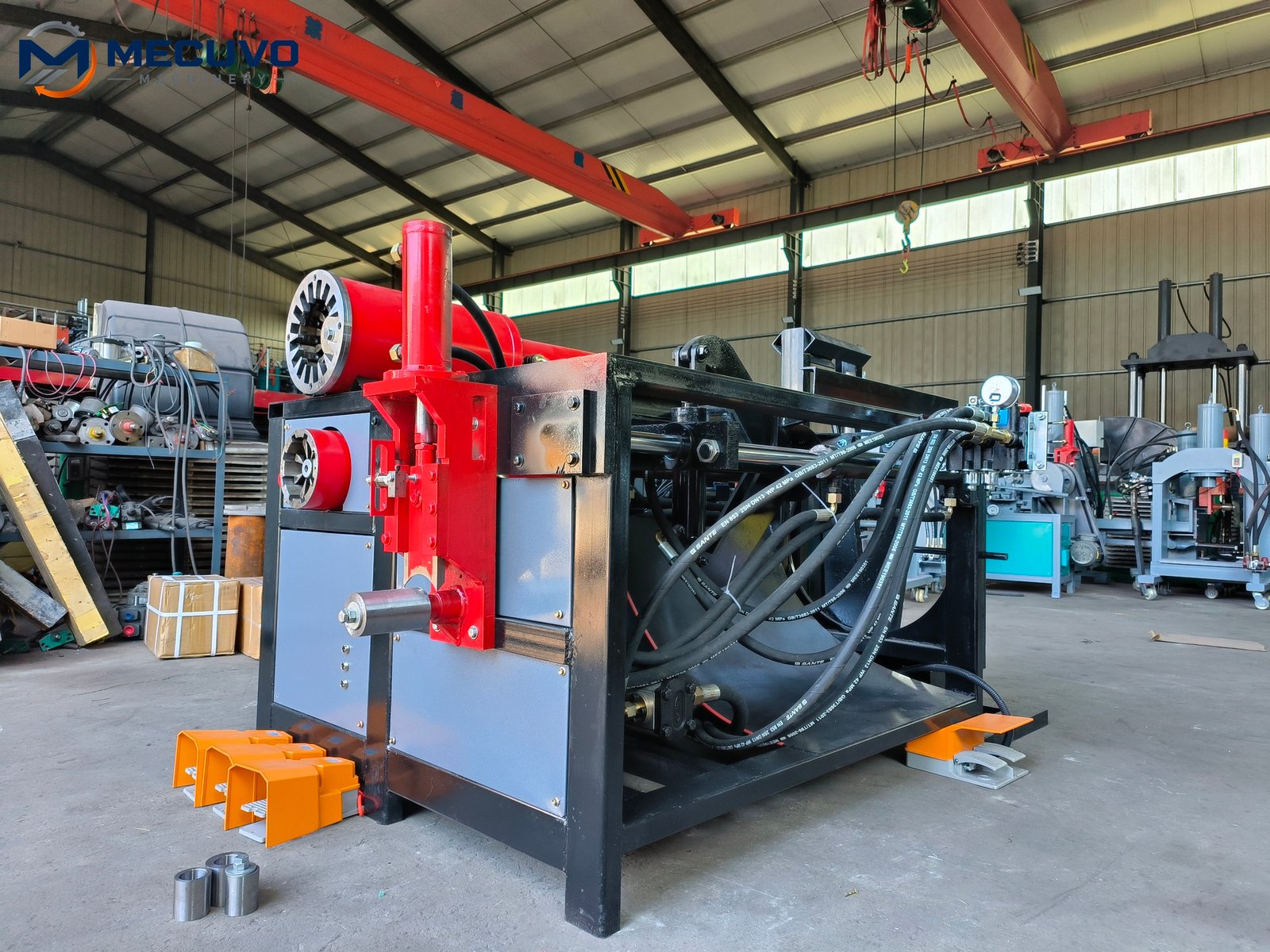
- Mechanical Clamp and Rotate: Place the compressor on a specialized rotating clamping fixture. Slicing can be executed using an automated high-torque circular cold saw, an industrial plasma cutter, or an industrial alligator shear equipped with contoured curved blades designed to seat round compressor housings firmly against the bed knife.
- Perimeter Seam Slicing: Cut around the circumferential weld bead approximately 20 mm below the top dome. Slicing through the weld seam minimizes cutting resistance, prevents flying metal shards, and avoids contacting or nicking the internal motor stator assembly.
- Lift Dome and Unbolt Motor: Once the top steel dome is severed, lift it free to expose the internal motor-compressor assembly. Unbolt the two or three internal suspension springs, snip the internal copper discharge tube with wire cutters, and lift the stator and rotor core completely out of the lower steel pot.
By adopting this methodical mechanical weld cutting procedure, operators can decap scrap compressor shells in under two minutes with zero oil spillage.
How Is the Internal Stator Separated on a Hydraulic Motor Recycling Machine?
Once extracted from the steel housing, the internal compressor motor stator must be dismantled to recover its dense copper windings. Transfer the stator core to a hydraulic motor wrecker to shear one end-turn loop and pull the clean copper winding bundle in a 30-second cycle.
Extracting Clean Nonferrous Copper from the Core
The motor extracted from a sealed refrigeration compressor is an electric motor stator packed with high-purity copper magnet wire. Because the motor operated in a clean, hermetically sealed oil environment, the copper is typically free from atmospheric oxidation or grit.
Processing this core on a hydraulic motor recycling machine is exceptionally fast:
- Station 1 Shearing: Place the stator on the cutting table. The hydraulic wedge blade cleanly slices off the top end-turn loop of the copper winding flush against the silicon steel laminations.
- Station 2 Hydraulic Pulling: Move the stator to the pulling station, resting the cut face against the reaction plate. The hydraulic pulling claw grabs the opposite copper loop and draws the entire winding bundle through the stator slots in one smooth stroke.
As outlined in the ISRI nonferrous scrap circular, the recovered copper qualifies as clean No. 1 copper wire nodules, capturing full market settlement without the steep deductions applied to whole ‘Shelly’ units, as highlighted in our guide on electric motor recycling equipment. To determine whether mechanized scrap processing justifies capital expenditure, evaluate our worked analysis on is a copper wire granulator worth it for a scrap yard.
To consult on equipment setups for processing scrap compressors and motors at your yard, submit your scrap photos, processing targets, and local electrical power supply details to our engineering team at our contact page.
Key Takeaways
Safely processing sealed compressors requires certified EPA 608 degassing, oil drainage, circumferential weld cutting, and hydraulic stator pulling to capture maximum copper recovery value.
— YOUR RECYCLING PROJECT
Find the right machine for your material.
Tell us your material and required capacity.
Or email sales@mecuvo.com