Table of Content
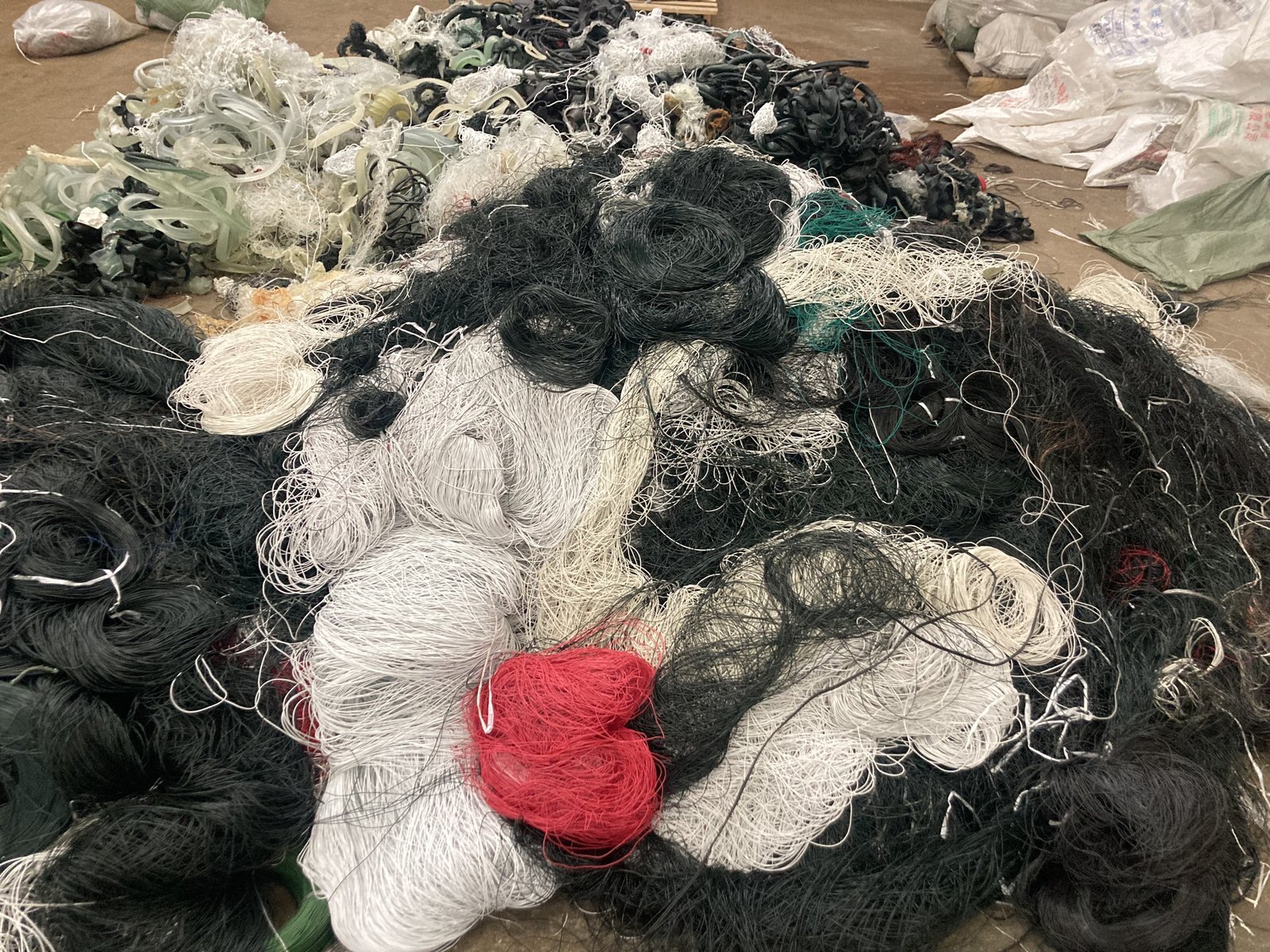
I often watch scrap yard operators misprice mixed wire loads because they guess copper recovery percentages from visual jacket thickness rather than quantitative metal content. Clean copper yield ranges from 25% to 32% in fine communication wire, 45% to 52% in standard appliance cords (#2 ICW), up to 72% to 85% in heavy industrial feeder cables, yielding between 250 kg and 850 kg of No. 1 copper chops per metric ton. Below, I detail standard recovery benchmarks across five cable categories, step-by-step sample test protocols, mechanical versus thermal yield differences, and granulator knife calibration rules.
What is the average copper recovery percentage across common scrap wire categories?
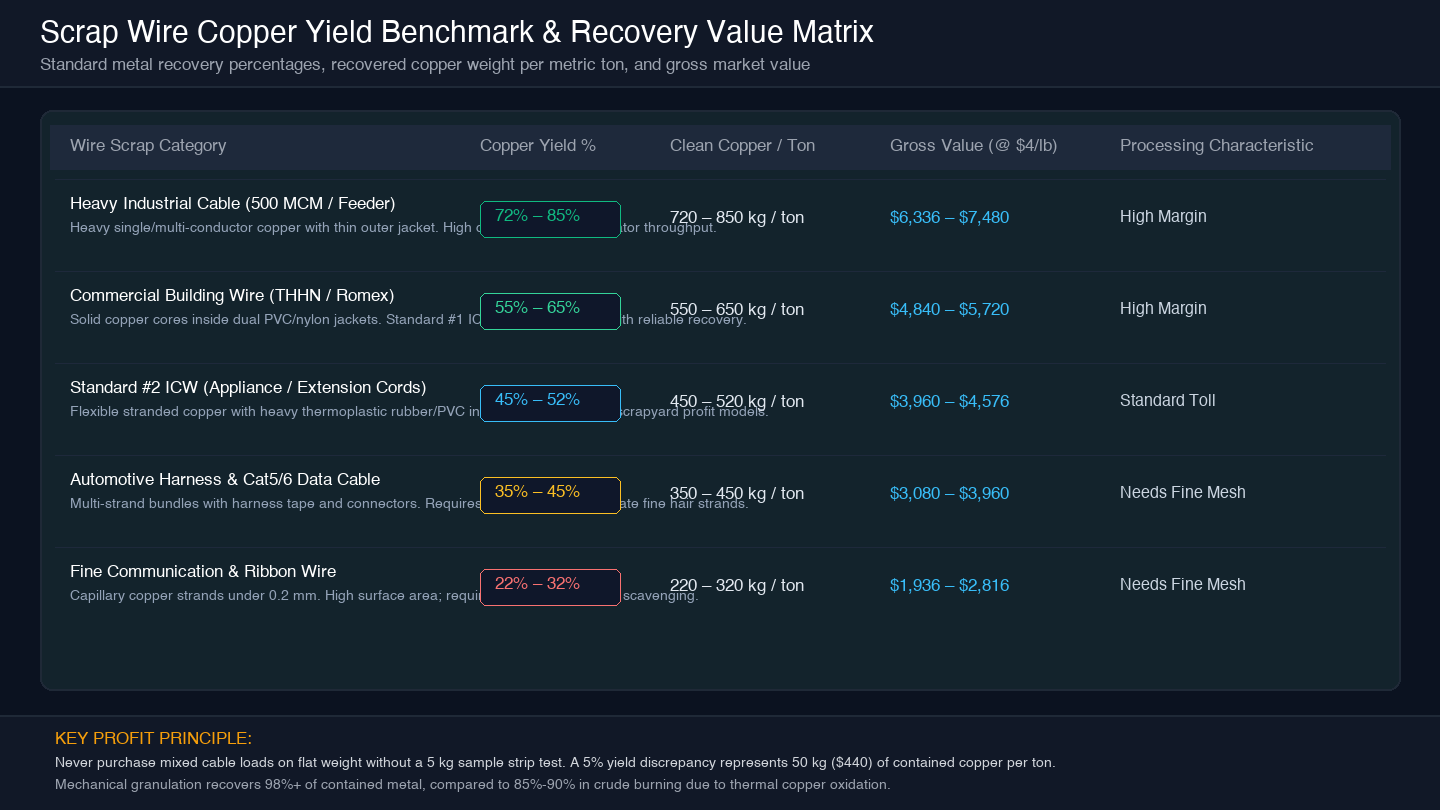
I advise scrap buyers to categorize wire lots by conductor-to-insulation mass ratio rather than accepting generalized bulk scrap classifications. Industrial feeder cables yield 72% to 85% copper, single-conductor THHN building wire contains 75% to 83% copper, multi-conductor Romex (NM-B) yields 55% to 65%, standard #2 insulated wire averages 45% to 52%, automotive harness delivers 35% to 45%, and fine data wire yields 22% to 32%.
Benchmark recovery yields across commercial scrap cable categories
In secondary metals recycling, purchasing insulated copper wire (ICW) on gross tonnage without accurate yield benchmarking destroys operational profitability. The true commercial value of any scrap cable depends strictly on its net recovered metallic copper content. As established in the ISRI Scrap Specifications Circular, trading classifications like “Druid” encompass vast structural variations in conductor gauge, insulation compounding, and jacket thickness.
Core Engineering Definitions: Copper Content vs Machine Recovery vs Finished Yield
To avoid commercial confusion, scrap processors must distinguish three separate engineering metrics:
- Raw Cable Copper Content (Metallurgical Baseline): The physical mass percentage of elemental copper contained within the unstripped cable. For example, standard 12 AWG single-conductor THHN (such as Southwire specifications with 20 lbs of copper per 24 lbs total weight per 1,000 ft) has a raw copper content of approximately 83.3%. In contrast, multi-conductor sheathed cable like Romex (NM-B 12/2 with ground), which includes an outer PVC jacket and paper packing, contains roughly 58% to 62% copper by total mass.
- Granulator Mechanical Recovery Rate (Equipment Efficiency): The percentage of available copper that the processing line successfully captures as clean metal versus what is lost in plastic tailings or baghouse dust. A well-maintained dry granulator achieves a 98.0% to 99.5% recovery rate.
- Finished Product Yield (Gross Output Ratio): The actual weight of clean copper chops recovered per gross ton of raw cable input (Raw Copper Content × Mechanical Recovery Rate). For 12 AWG THHN at 99% recovery, finished yield is roughly 825 kg of copper per metric ton (82.5% yield); for Romex 12/2, finished yield is roughly 590 kg to 610 kg per metric ton.
To establish reliable valuation baselines, professional recycling yards classify raw wire inventory across five primary recovery tiers:
- Heavy Industrial Feeder and MCM Distribution Cable (72%–85% Copper): Large single-conductor copper cables (such as 250 to 750 MCM utility lines) feature massive solid or compact-stranded copper cores enclosed by a single layer of cross-linked polyethylene (XLPE) or high-density PVC. A single metric ton yields 720 kg to 850 kg of clean copper nodules.
- Commercial Single-Conductor THHN vs Multi-Conductor Romex: Single-conductor THHN/THWN-2 wires (14 to 6 AWG) feature a high copper content of 75% to 83% (yielding 740 kg to 825 kg of copper chops per ton). When multiple conductors are bundled with paper filler and an outer PVC overall jacket—as in residential Romex (NM-B 14/2, 12/2)—the raw copper content drops to 55% to 65% (yielding 550 kg to 640 kg per ton).
- Standard #2 Insulated Cable (Appliance Cords & Extension Wires) (45%–52% Copper): Multi-conductor flexible power cables, heavy appliance cords, and power tool wiring feature thick thermoplastic elastomer or rubber outer jackets designed for mechanical abrasion resistance. Because outer jackets are thick, recovery averages 450 kg to 520 kg of copper per ton.
- Automotive Wiring Harnesses & Cat5/Cat6 Data Cables (35%–45% Copper): Complex automotive wiring bundles contain hundreds of fine multi-strand conductors bound by vinyl electrical tape, corrugated plastic conduit, and branch connectors. Yields fluctuate between 350 kg and 450 kg per ton.
- Fine Telecommunication & Ribbon Wires (22%–32% Copper): Hair-thin capillary wiring, computer flat cables, and telecom jumper lines possess massive insulation surface area relative to copper core volume, yielding just 220 kg to 320 kg of copper per processed ton.
| Wire Scrap Category | Typical Conductor Gauge | Insulation Composition | Copper Yield % Band | Recovered Metal / Metric Ton | Contained Value (@ $8,800/t) |
|---|---|---|---|---|---|
| Heavy Feeder Cable | 250–750 MCM | Single-layer XLPE / PVC | 72%–85% | 720–850 kg | $6,336–$7,480 |
| Single-Conductor THHN (12 AWG) | 12 AWG Solid/Strand | Single PVC + Nylon Sheath | 75%–83% (Raw Cu) | 740–825 kg (Chops) | $6,512–$7,260 |
| Multi-Conductor Romex (NM-B) | 10–14 AWG Multi-core | Inner PVC + Paper + Outer PVC | 55%–65% (Raw Cu) | 545–640 kg (Chops) | $4,796–$5,632 |
| Standard #2 ICW | 14–18 AWG Stranded | Heavy Rubber / Flexible PVC | 45%–52% | 450–520 kg | $3,960–$4,576 |
| Automotive Wire Harness | 18–24 AWG Multi-strand | Thin-wall PVC + Harness Tape | 35%–45% | 350–450 kg | $3,080–$3,960 |
| Fine Telecom & Data | 24–30 AWG Capillary | Multi-conductor PE / PVC | 22%–32% | 220–320 kg | $1,936–$2,816 |
How do you perform a sample strip test to determine true copper yield before purchasing?
I train purchasing inspectors to execute a fast, five-minute gravimetric test before signing purchase tickets on unknown wire bundles. Take five representative 1-meter cable cuttings totaling at least 2 kg, weigh the gross bundle on a digital gram scale, strip all insulation jackets completely, and divide stripped copper weight by gross weight to establish true recovery percentage.
Standard operating procedure for gravimetric wire yield sampling
Experienced scrap yard buyers never evaluate mixed cable loads based on visual surface examination alone. Unscrupulous suppliers frequently blend heavy rubber-jacketed cables, water-saturated wires, or steel-armored fragments beneath top layers of clean building wire. As emphasized in recovery guidelines by the Copper Development Association, precise mass balance verification protects processing margins.
Execute this standardized five-step gravimetric test whenever inspecting incoming wire lots:
- Random Stratified Sampling: Never take samples solely from the top of an open gaylord box or truck bed. Extract five separate 1-meter samples from different depths and corners of the load to capture true representative cross-sections.
- Record Gross Sample Weight: Clean any surface mud or road moisture from the cable pieces. Place the combined 5-piece sample on a calibrated digital bench scale with 0.1-gram precision. Record the total gross weight ($W_{gross}$), which should ideally total 1,500 to 3,000 grams.
- Complete Mechanical Stripping: Using a sharp utility knife or a benchtop mechanical wire stripper, slit all external jackets, internal individual conductor insulations, paper wraps, and nylon fillers. Peel the insulation completely away until only bare metallic copper conductors remain.
- Weigh the Bare Copper Fraction: Gather all clean stripped copper strands, ensuring no insulation shards or copper whiskers are left behind. Place the bare copper on the digital scale and record the net metal weight ($W_{copper}$).
- Calculate Recovery Percentage: Divide net copper weight by gross weight and multiply by 100: $\text{Copper Yield \%} = (W_{copper} / W_{gross}) \times 100$.
Consider the financial stakes: suppose a buyer purchases a 10-metric-ton load of industrial wire assuming a 50% recovery rate. At $8,800/t spot copper, the buyer models 5.0 tons of contained copper worth $44,000. If the actual sample test reveals only 45% recovery, the load delivers just 4.5 tons of metal worth $39,600. Without a sample strip test, the buyer instantly forfeits $4,400 in direct cash margin on that single transaction.
Why does mechanical granulation yield 5% to 15% more copper than burning or manual stripping?
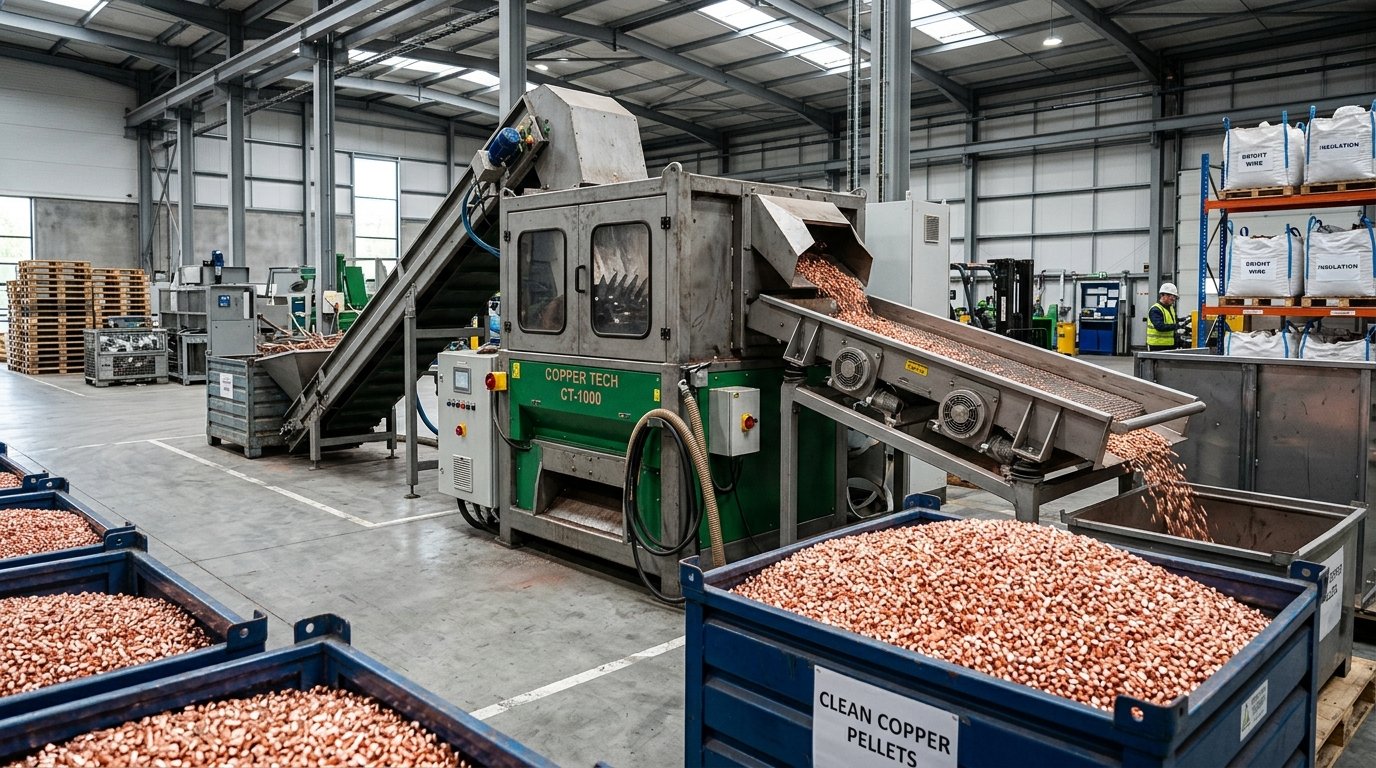
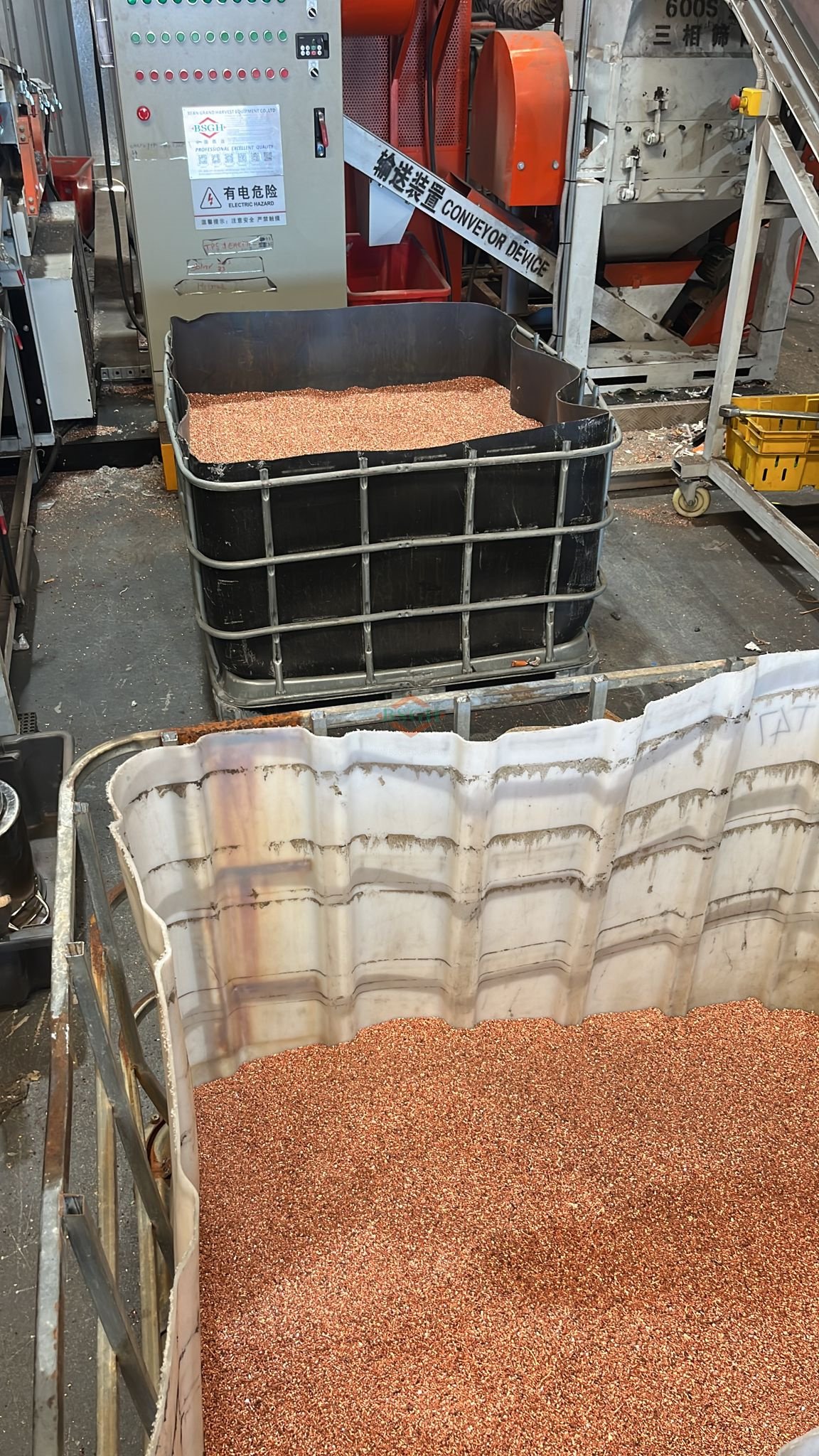
I caution recyclers that illegal open-air burning forfeits a massive percentage of contained metal to chemical oxidation and slagging. Thermal burning oxidizes fine copper wire into useless cupric oxide scale and melts hair strands into slag, forfeiting 8% to 15% of metal mass, whereas dry mechanical granulation recovers over 98.5% of contained metal as bright, unoxidized No. 1 Clove chops.
Chemical oxidation loss versus dry mechanical liberation physics
While historical scrap operations frequently resorted to open-air bonfires or crude thermal incinerators to remove insulation, modern environmental regulations and metallurgical realities have made thermal cable stripping economically suicidal. According to regulatory benchmark analyses in the European IPPC Bureau Waste Treatment Reference Document, thermal burning destroys substantial metal value while generating catastrophic environmental liabilities.
When insulated wire is subjected to open combustion, two severe metallurgical loss mechanisms occur:
- Surface Oxidation and Mass Scale Loss: Exposed to oxygen at flame temperatures above 500°C, elemental copper reacts violently to form cuprous oxide ($ ext{Cu}_2 ext{O}$) and cupric oxide ($ ext{CuO}$). For multi-strand and fine automotive wire, high surface-area exposure converts up to 10% to 15% of the total copper mass into brittle, black oxide scale that flakes away as worthless furnace ash.
- Slag Dissolution and Entrapment: Molten burning polymers—particularly PVC and synthetic rubbers—contain plasticizers, calcium carbonate fillers, and chlorine compounds. These molten compounds fuse with fine hair wires, trapping metallic copper droplets in an unrecoverable vitrified slag layer.
Furthermore, burned copper wire is severely discounted by smelters. Classified as No. 2 Burnt Copper (ISRI Birch/Cliff), it incurs 10% to 15% pricing penalties due to heavy carbon soot and surface oxides that complicate secondary smelting.
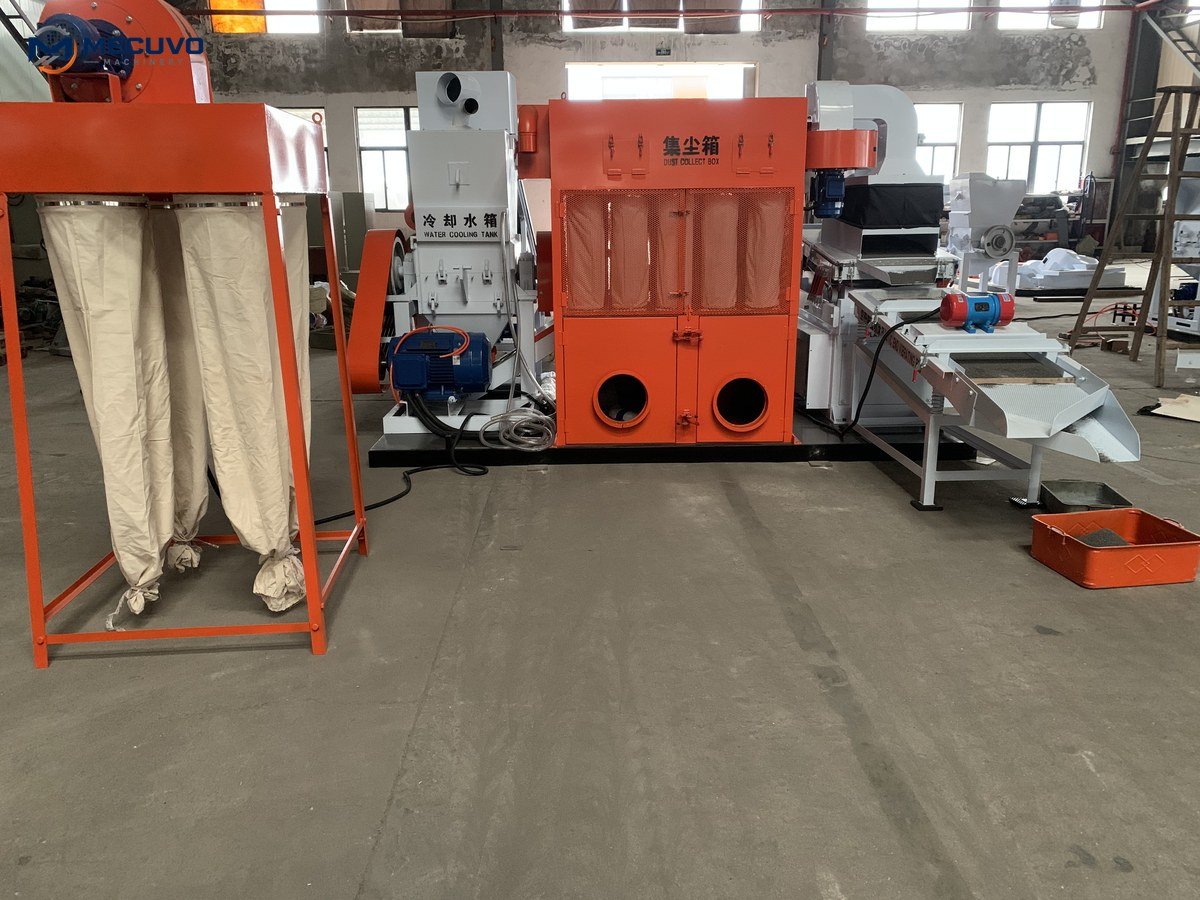
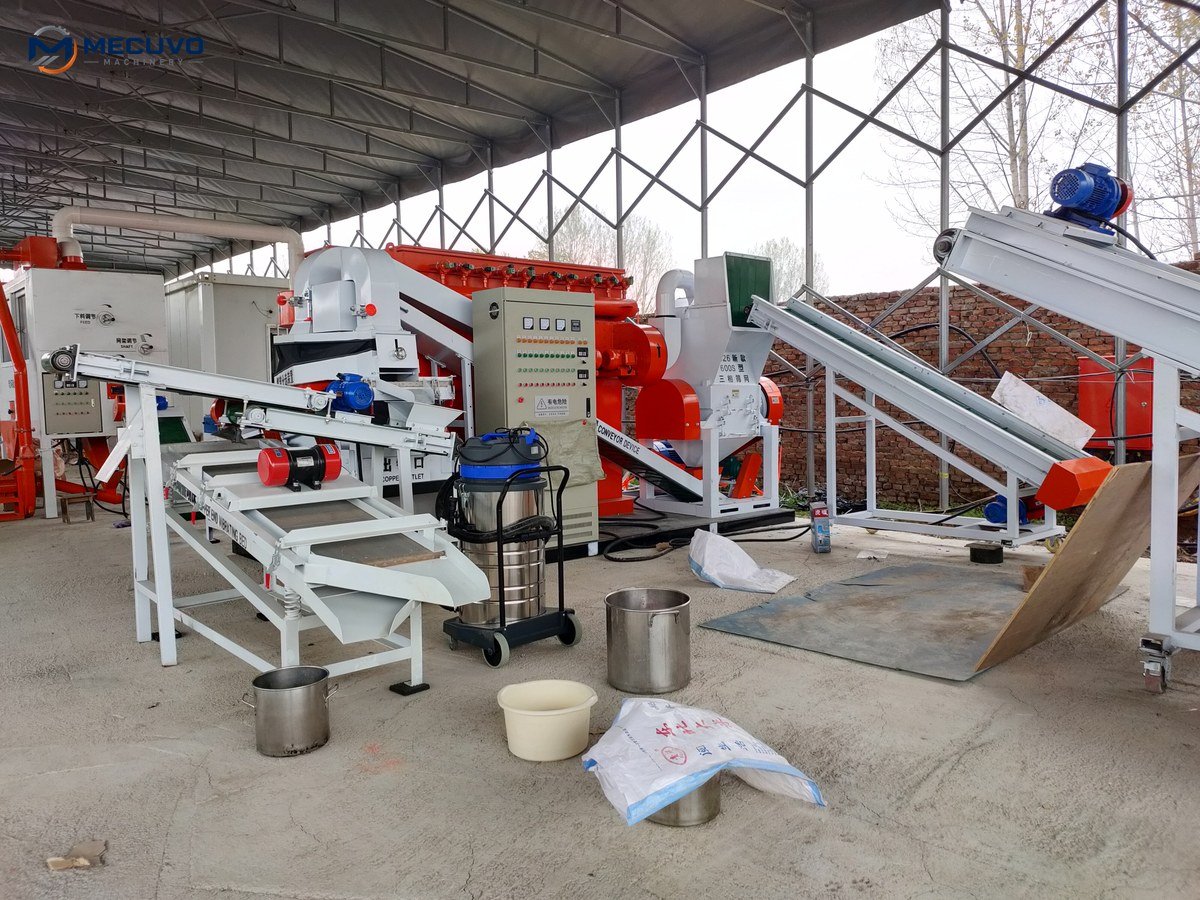
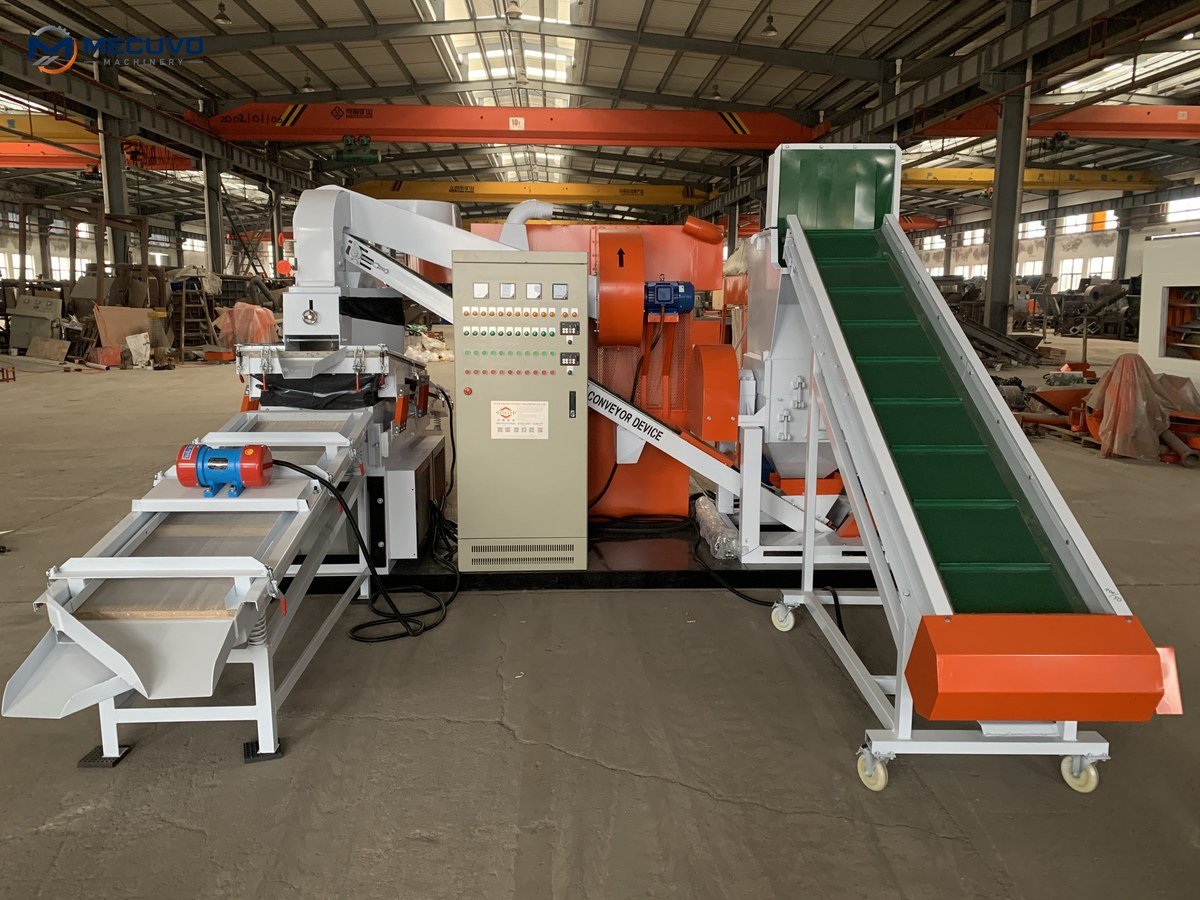
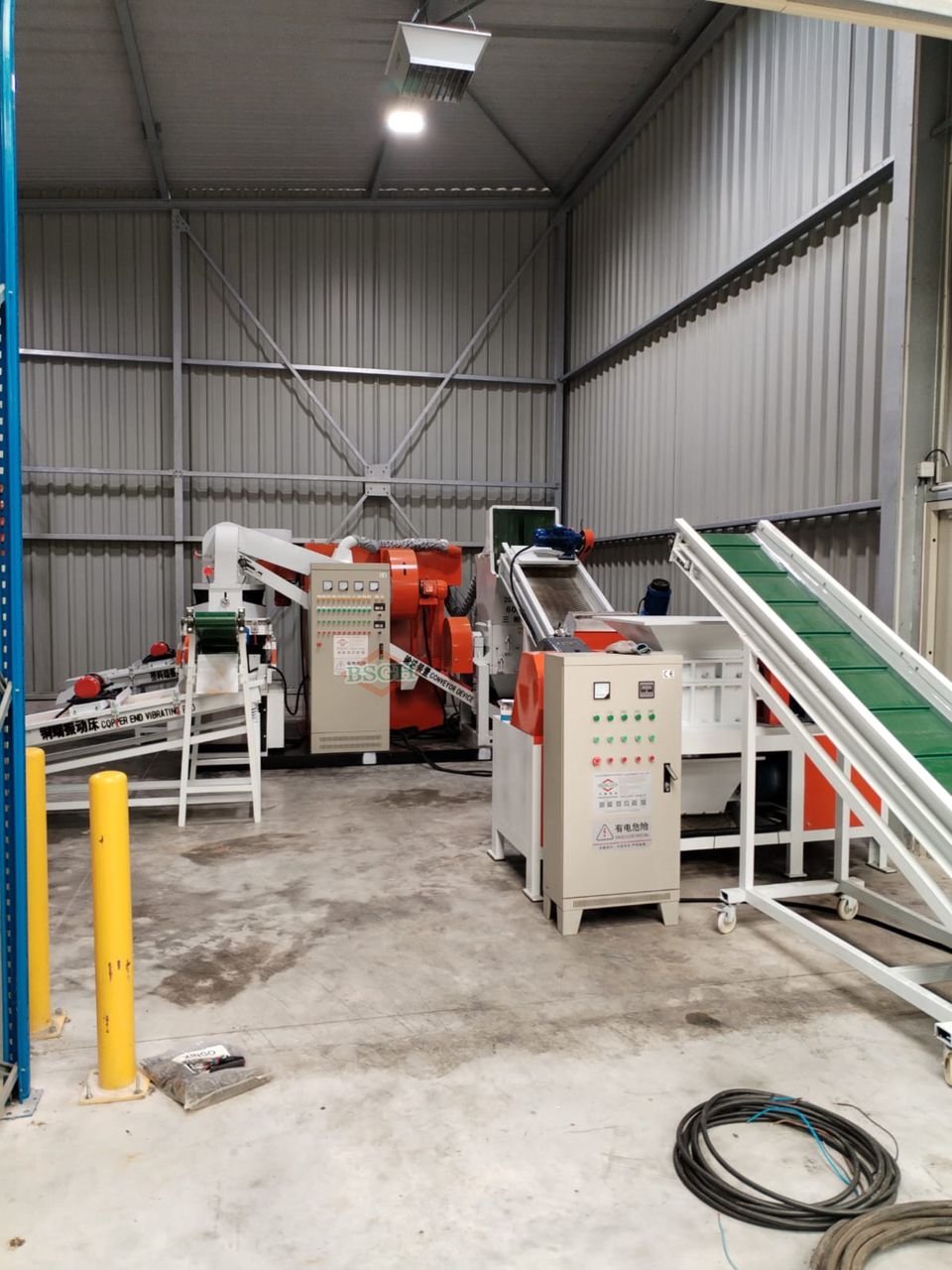
In sharp contrast, industrial dry granulation systems—such as MECUVO copper granulator machines—operate entirely mechanically at ambient temperatures. Rotor knives shear cables crisply into cylindrical pellets, while vibrating air-density tables separate plastic flakes using physical specific gravity differentials. Over 98.5% of contained metal is recovered as bright, unoxidized No. 1 Clove chops, commanding top-tier market pricing. To compare how purity and recovery trade-offs interact across different machine settings, explore our technical breakdown of copper wire granulator purity vs recovery.
How do granulator screen sizes and knife clearances impact your final copper recovery rate?
I audit plant granulator lines by inspecting blade sharpness and bottom screen hole sizes relative to the infeed wire diameter. Using an oversized 4 mm screen on fine wire leaves copper strands trapped inside plastic jackets, dropping recovery by 3% to 6%, while sharp blades with 0.2 mm clearance and matched 2 mm screens liberate 99% of contained metal.
Mechanical calibration rules to eliminate carryover losses
Even with top-grade machinery, improper mechanical setup directly compromises recovery yield. When fine wire is processed through inappropriate tooling, valuable copper escapes into the plastic tailings bin as unliberated composite scrap. To maximize copper recovery percentage, recycling plant managers must control three mechanical variables:
- Bottom Screen Aperture Matching: The granulator bed screen determines how long cable segments remain in the cutting chamber before discharging onto the vibrating air table. For heavy building wire (Romex and THHN), a 3.5 mm to 4.5 mm round-hole screen allows fast throughput with complete liberation. However, feeding automotive harness or data wire through a 4.0 mm screen is disastrous: fine multi-core conductors pass through intact without liberating from their outer sheath, losing 4% to 8% of contained metal to the waste chute. Switching to a 2.0 mm or 1.5 mm aperture ensures total polymer liberation.
- Precision Knife Clearances (0.15 mm–0.20 mm): As rotary and stationary knives wear, the cutting gap widens. At gaps exceeding 0.35 mm, blades pinch and smear fine copper filaments rather than shearing them cleanly. Pinched copper strands wrap around shredded plastic flakes, forming composite particles that float into the plastic chute. Checking knife gaps with feeler gauges after every 40 operating hours preserves maximum recovery.
- Tailings Scavenging and Electrostatic Finishing: On lines processing high volumes of fine communication wire, pairing the dry air table with an inline electrostatic separator scavenges microscopic copper dust under 0.15 mm from the plastic stream, boosting total recovery to 99.8%+. For detailed operational adjustments, review our guide on how to stop copper loss in granulator plastic tailings.
To evaluate the commercial breakeven of installing an in-house granulator line for your specific scrap mix, check our worked economic model on whether a copper wire granulator is worth it for a scrap yard, or contact MECUVO Machinery for custom cable yield testing and equipment sizing.
Key Takeaways
Auditing scrap cable copper yield with gravimetric strip tests and processing feeds through sharp granulator lines maximizes contained metal recovery and eliminates costly purchasing misjudgments.
— YOUR RECYCLING PROJECT
Find the right machine for your material.
Tell us your material and required capacity.
Or email sales@mecuvo.com