Table of Content
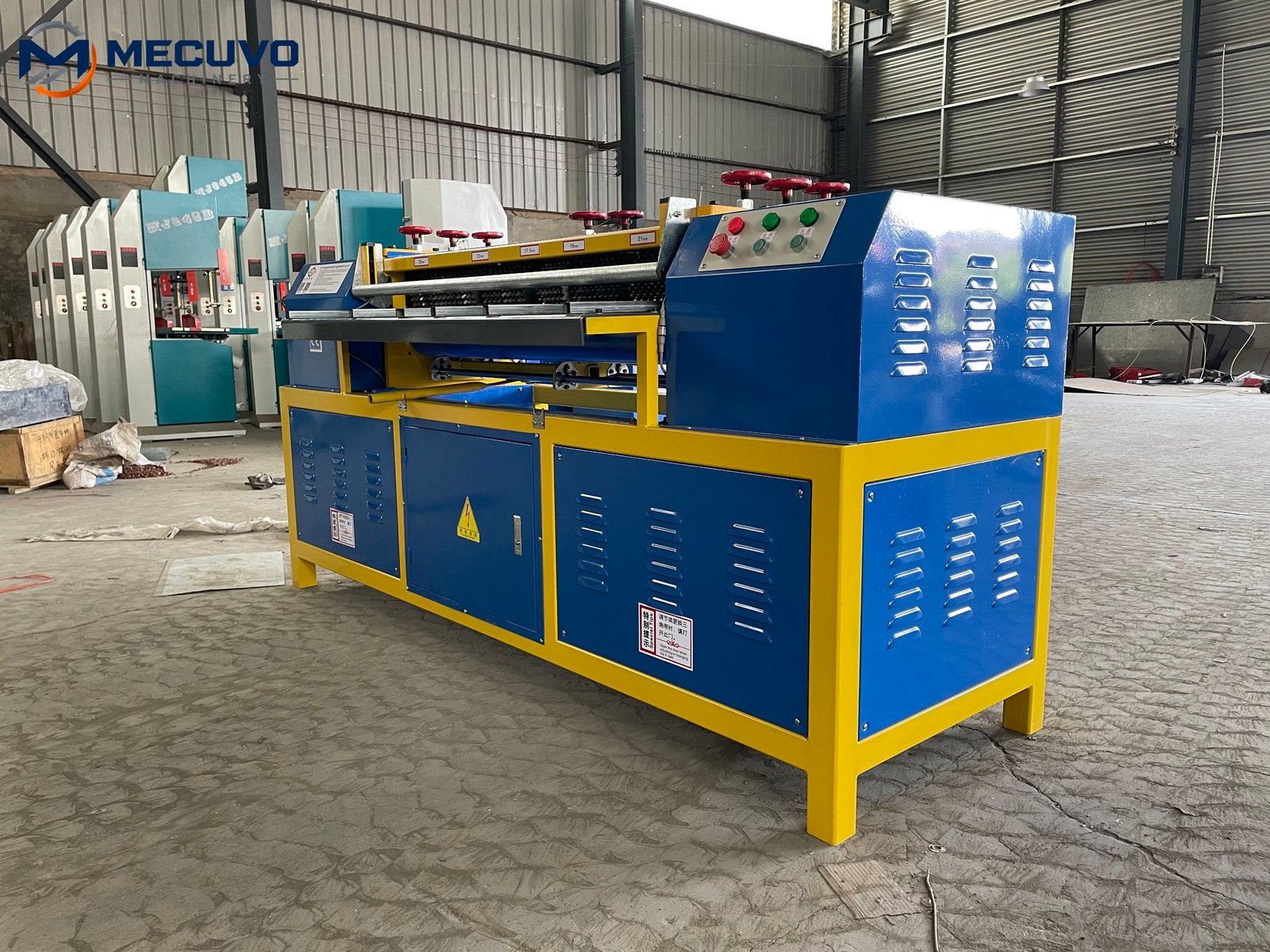
When a radiator stripping machine flattens copper tubes instead of cleanly peeling the aluminum fins away, operating efficiency drops and metal recovery is severely degraded. Crushed tubes stem from dull roller blades pushing rather than slicing fin collars, entering unremoved steel brackets that notch cutting edges, or incorrect vertical roller gap settings. I examine the root mechanical causes behind tube flattening below, providing a clear calibration protocol to restore clean cutting performance.
How Does Cutting Blade Wear Cause Copper Tube Buckling?
A sharp circular stripping blade slices through soft aluminum fin collars with minimal downward force, but worn tooling alters cutting dynamics completely. When blade edges dull, the vertical penetration resistance exceeds the hoop strength of the copper pipe, flattening the tube before shearing can initiate. Recyclers handling diverse HVAC and automotive scrap should evaluate a radiator recycling machine vs copper cable granulator to determine optimal staging of processing machinery.
Tool Edge Radius and Normal Force Multiplication
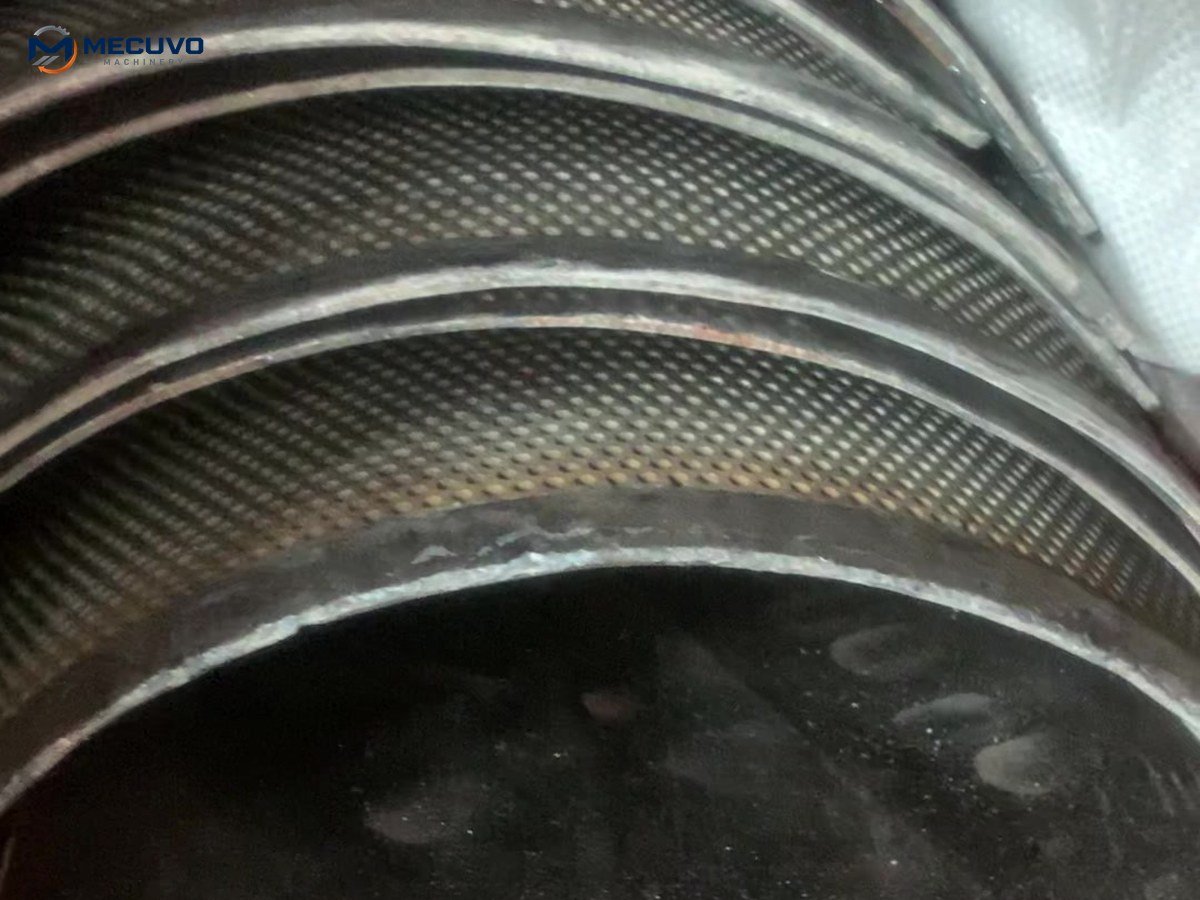
In a properly operating radiator recycling machine, the circular tool steel blades feature a keen cutting radius (under 0.05 mm) that concentrates drive torque directly along the fin-to-tube seam. As described in ASME B94.19 rotary cutting fundamentals, a sharp edge requires minimal normal (compressive) force to shear through the 0.10 mm to 0.15 mm aluminum fin collar.
However, processing abrasive scrap (which often contains road grit, silica sand, and dried atmospheric dirt) erodes blade edges over time. As the cutting edge rounds to a radius of 0.2 mm to 0.4 mm, the blade can no longer initiate a clean tensile slice. Instead of shearing, the rounded blade exerts an immense downward compressive force onto the top of the aluminum fin pack.
Because copper heat exchanger tubing is manufactured with ultra-thin walls (frequently only 0.28 mm to 0.35 mm in modern condenser units), this excessive downward crushing force exceeds the structural hoop strength of the tube. The circular copper pipe collapses flat into an oval or ribbon. Once flattened, the copper locks inside the mashed aluminum fin folds, preventing separation and resulting in smelter penalties under ISRI nonferrous scrap standards. Regular blade inspection per our blade maintenance schedule is essential.
What Damage Occurs When Steel Side Plates Enter the Stripper Rollers?
Operators in a hurry sometimes skip removing galvanized steel mounting flanges from the ends of radiator cores. Steel side plates crush roller teeth, notch cutting blades, and force roller drive shafts out of parallel alignment, destroying subsequent cutting accuracy.
Tooth Chipping, Shaft Deflection, and Gear Damage
Radiator stripper rollers are manufactured from alloy tool steel vacuum heat-treated to 56–60 HRC, optimized specifically for slicing soft aluminum fins (hardness ~30–45 HB) and copper tubes (hardness ~60–80 HB). Galvanized steel side frames, brackets, and sheet iron end manifolds, however, possess high yield strengths exceeding 300 MPa.
When an operator feeds an unstripped radiator with iron headers attached, the heavy steel enters the roller pinch point. The rotating circular knife discs cannot cut through the steel plate. This causes three immediate mechanical failures:
- Blade Edge Chipping: The tool steel blade tips chip or notch, creating permanent blunt spots that crush every subsequent copper tube that passes that position.
- Shaft Deflection and Bearing Spacing: The extreme separating force pushes the upper and lower roller shafts apart, wearing precision bronze bushings and bending shaft ends.
- Gearbox Tooth Shear: Overload stalls the electric drive motor, shearing drive keys or stripping reduction gearbox teeth.
Strict yard operating rules must mandate complete removal of all steel side channels and iron manifolds prior to presenting any core to the stripper.
How Do You Calibrate Vertical Roller Gap and Infeed Guide Settings?
Setting the vertical clearance between upper and lower rollers too tight crushes tubes, while setting it too loose causes material slippage. Calibrate vertical clearance using the height adjustment handwheels, aligning blade penetration depth to just contact the fin collar without indenting the tube wall.
Calibrating Height Dials and Infeed Channel Guides
To prevent copper tube flattening, follow this calibration procedure whenever changing between different radiator models:
- Isolate Power for Setup: Ensure power is safely disconnected per OSHA 1910.212 nip-point safety standards.
- Measure Outer Tube Diameter: Determine whether the core uses 7 mm, 9.5 mm (3/8 in), or 12.7 mm (1/2 in) copper tubing.
- Adjust Vertical Roller Gap: Loosen the locking collars on both side height adjustment screws. Turn the calibrated handwheels evenly to raise or lower the upper roller assembly. Set the blade penetration depth so the knife edge penetrates completely through the aluminum fin bridge between the tubes, but stops precisely at the tangent line of the copper tube outer wall.
- Align Infeed Guide Gates: Set the lateral infeed guide bars strictly perpendicular to the roller axis. Ensure the guide channel centers each tube directly into the corresponding roller blade pocket.
- Test Cut a 200 mm Sample: Run a short test section of prepared radiator. Inspect the recovered copper: tubes should emerge round and straight with zero crushing, and aluminum fins should peel away in clean ribbons.
To consult on replacement circular cutting blades, roller resharpening, or machine calibration for your radiator recycling line, contact our technical specialists at our contact page.
Key Takeaways
Preventing crushed copper tubes requires regular blade resharpening, strict removal of all steel end plates, and precision calibration of vertical roller clearance.
— YOUR RECYCLING PROJECT
Find the right machine for your material.
Tell us your material and required capacity.
Or email sales@mecuvo.com