Table of Content
Integrating cable granulators, radiator strippers, motor wreckers, and heavy scrap shears onto a single operating footprint requires careful site engineering to prevent traffic bottlenecks, power overload, and cross-contamination. A successful multi-line yard segregates noisy and dirty heavy ferrous operations from high-purity non-ferrous refining bays, establishes circular traffic patterns, and centralizes high-voltage electrical distribution. Below, I break down multi-line site layout zoning, electrical utility capacity sizing, acoustic and combustible dust isolation, and forklift-pedestrian safety under OSHA 1910.22 standards.
How Should You Zone a Multi-Line Yard: Ferrous vs Non-Ferrous Separation?
Operating multiple recycling lines on one site requires establishing strict spatial zoning based on material value, contamination risk, and processing noise. Zone the yard into four distinct sectors: outdoor heavy ferrous, sheltered automotive dismantling, enclosed high-value non-ferrous refining, and outbound logistics staging.
Macro Site Zoning: Segregating Value and Contamination
A full-service scrap recycling yard processes streams of vastly different physical scale and commercial value. Grouping incompatible operations together leads to cross-contamination, safety violations, and logistical deadlock:
The Four Core Operational Zones
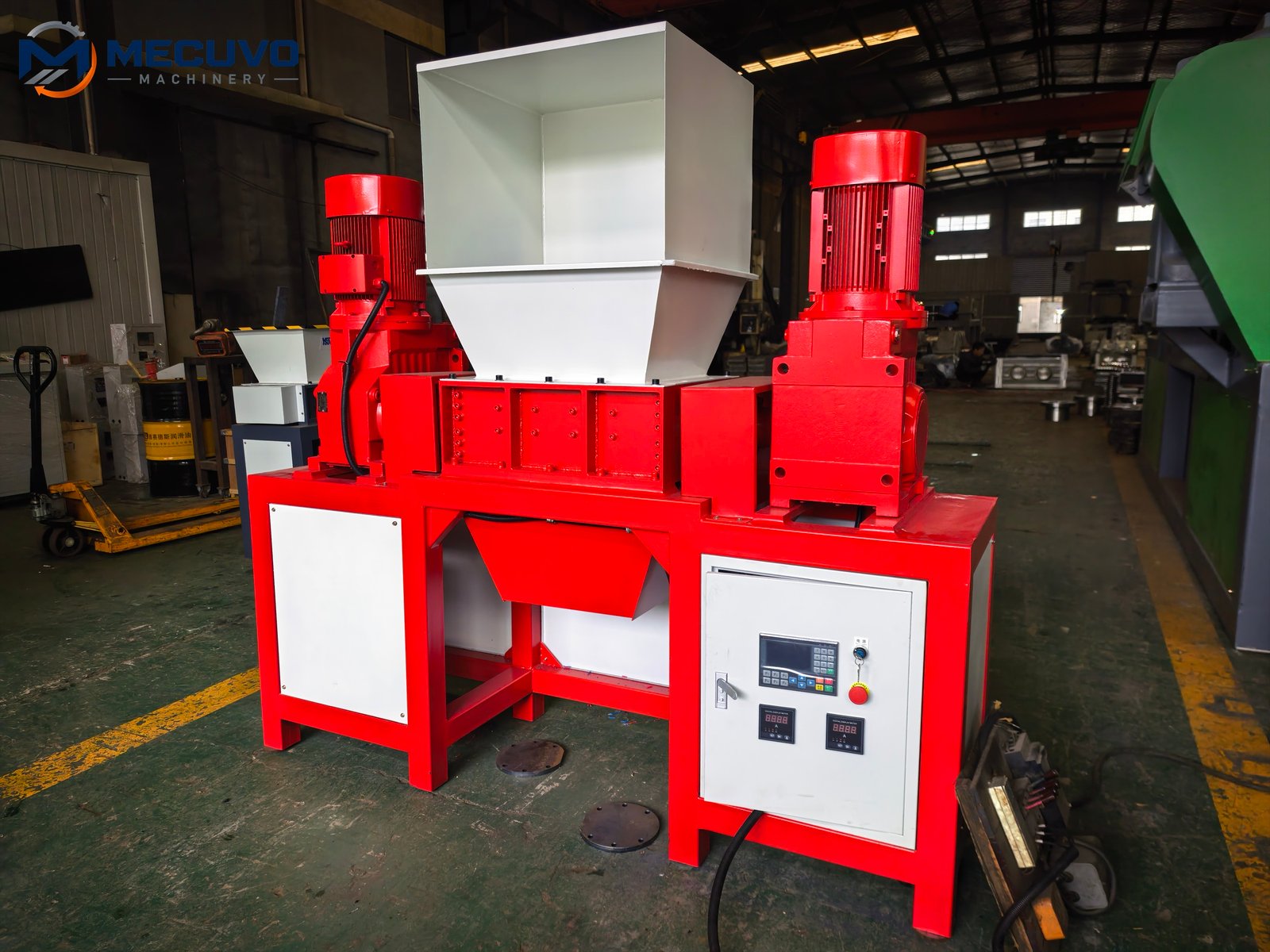
- Zone 1: Outdoor Heavy Ferrous Shearing & Baling:
- Zone 2: Automotive Scrap & Dismantling Bay:
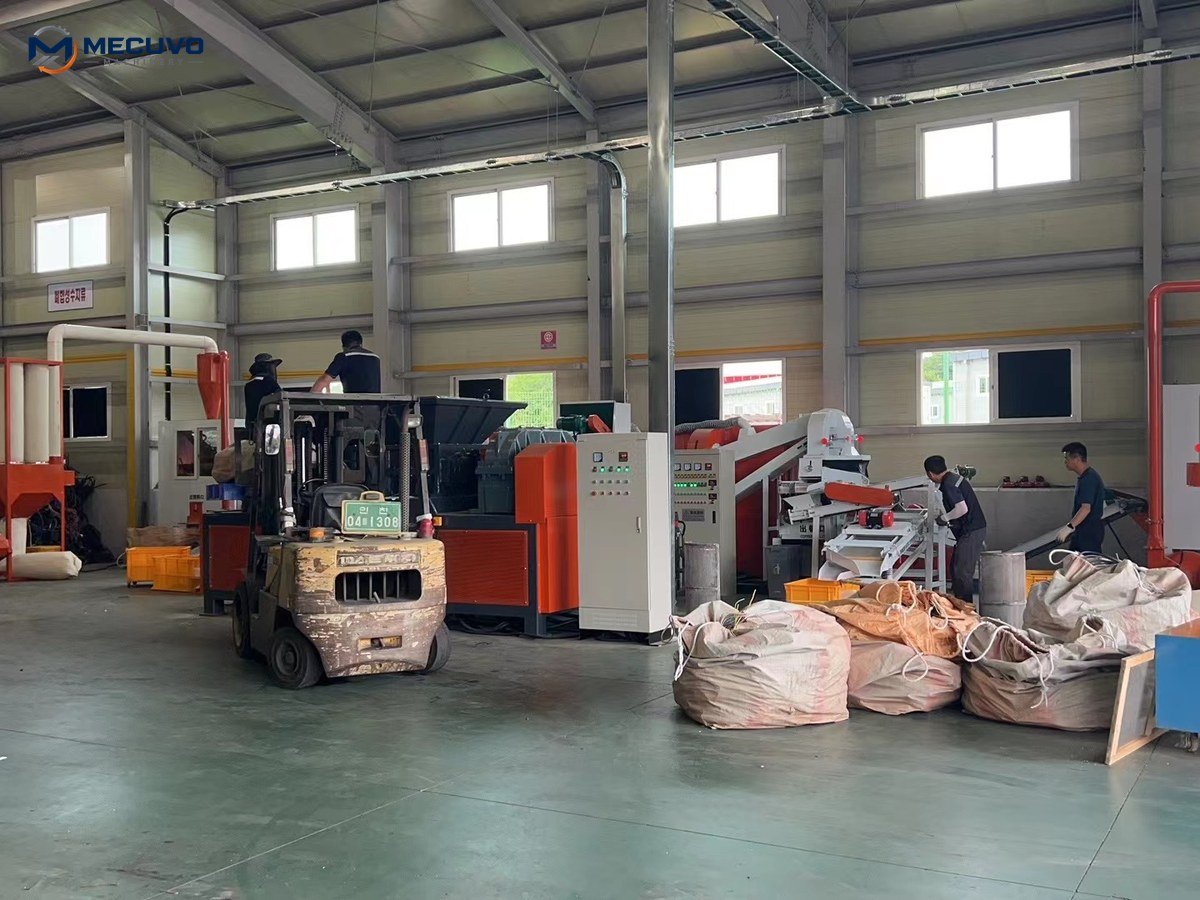
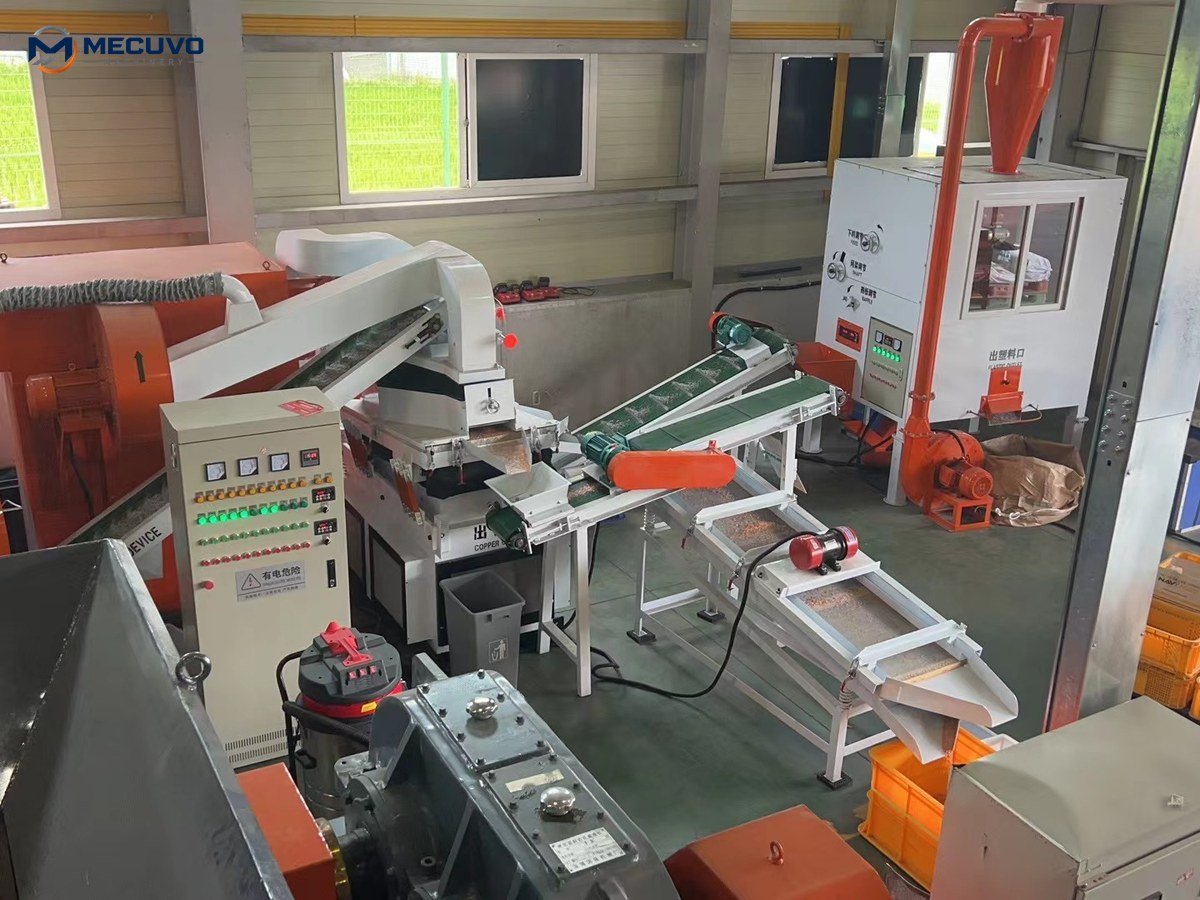
- Zone 3: Enclosed High-Purity Non-Ferrous Refining:
- Zone 4: Logistics, Weighbridge, and Finished Goods Staging:
For compact yard arrangements, review our layout guide on setting up an ACR radiator recycling corner in a small yard.
What Electrical Utility Capacity and Power Distribution Infrastructure Is Needed?
Power capacity constraints represent the single most common cause of delayed commissioning in multi-line scrap operations. Calculate total connected motor horsepower, apply NEC Article 430 demand diversity factors, install central step-down transformers, and stage soft-starters to eliminate peak surges.
Electrical Infrastructure: Connected Load vs Operating Demand
A complete multi-line facility combines significant electrical motor loads across multiple processing stations:
Typical Multi-Line Connected Electrical Loads
- Dual-Shaft Shredder: 45 kW to 90 kW (twin electric motors)
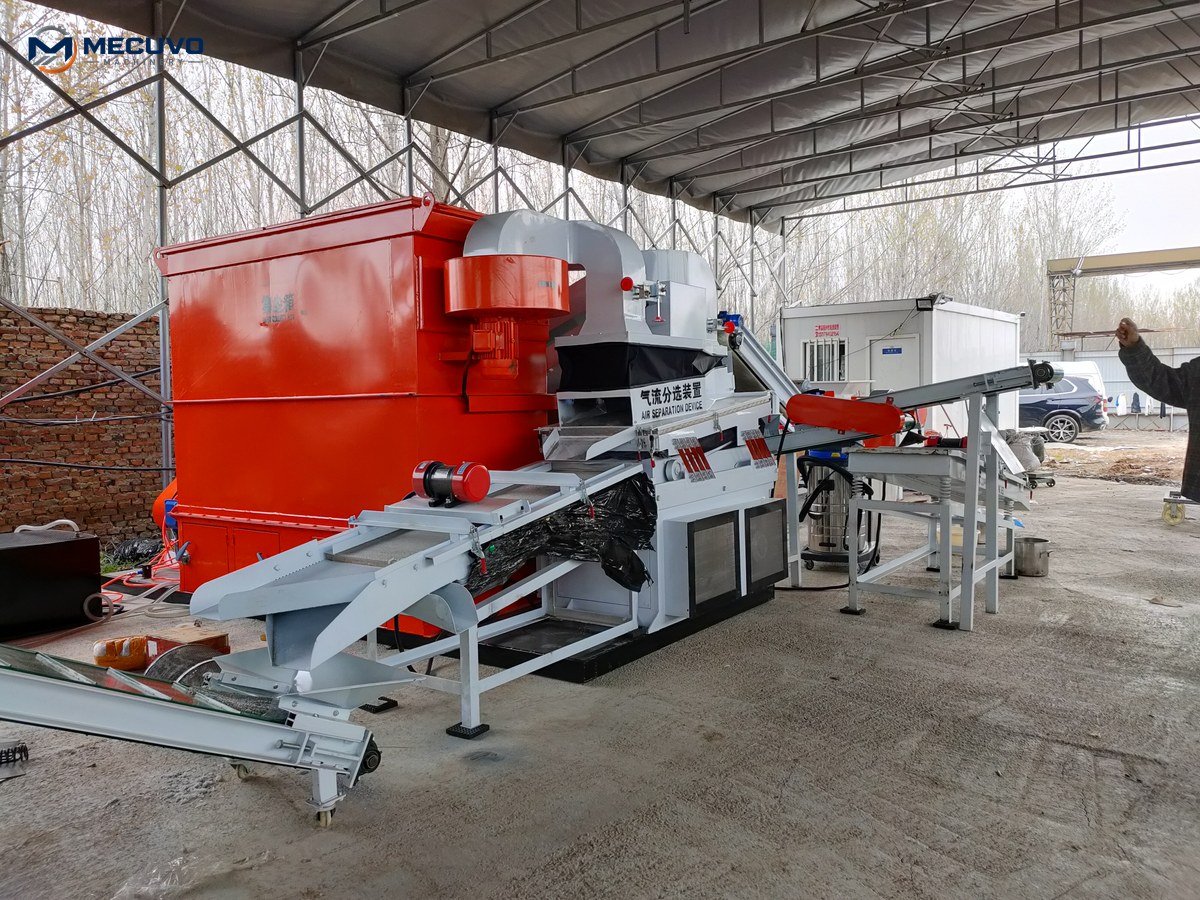
- Copper Cable Granulator: 37 kW to 75 kW (main rotor, air table, blower, and cyclone)
- Heavy Hydraulic Alligator Shear: 15 kW to 30 kW (hydraulic power unit)
- Motor Stator Dismantling Cell: 7.5 kW to 15 kW (hydraulic wedge and puller)
- AC Radiator Stripping Machine: 4 kW to 7.5 kW (gear motor drive)
- Dust Collection & Ventilation: 11 kW to 22 kW (pulse-jet baghouse exhaust blowers)
- Total Connected Load: 120 kW to 240 kW (often exceeding 350 to 500 connected horsepower)
Sizing Utility Services and Power Factor Correction
- Diversity and Coincidence Factor: In practice, not all machines operate at full load simultaneously. Under NFPA 70 (NEC Article 430), apply a 0.75 to 0.82 feeder demand factor. A 200 kW connected facility typically operates at an average continuous demand of 150 kW to 165 kW, requiring a dedicated 400 kVA to 600 kVA on-site utility transformer (typically 480V 3-phase in the US or 600V in Canada).
- Soft-Starters and Variable Frequency Drives (VFDs): High-inertia granulator cutting rotors and hydraulic pump motors draw 5 to 7 times full-load current during across-the-line starting. Installing electronic soft-starters or VFDs limits inrush current to 2.5 times nominal, preventing utility voltage sags.
- Power Factor Correction Capacitors: Heavy inductive motor loads depress yard power factor below 0.80, incurring severe utility surcharge penalties. Install automatic capacitor banks to maintain power factor above 0.95.
For field evaluation requirements when importing foreign machines to Canada, see our compliance analysis of Canada CSA SPE-1000 and Ontario ESA regulations.
How Do You Manage Site Logistics, Traffic Flow, and OSHA Yard Safety?
Traffic collisions between heavy material handlers, customer pickup trucks, and pedestrians pose extreme hazards in busy scrap yards. Establish a one-way circular traffic loop, install continuous concrete jersey barriers, designate physical pedestrian walkways under OSHA 1910.22, and isolate loading docks.
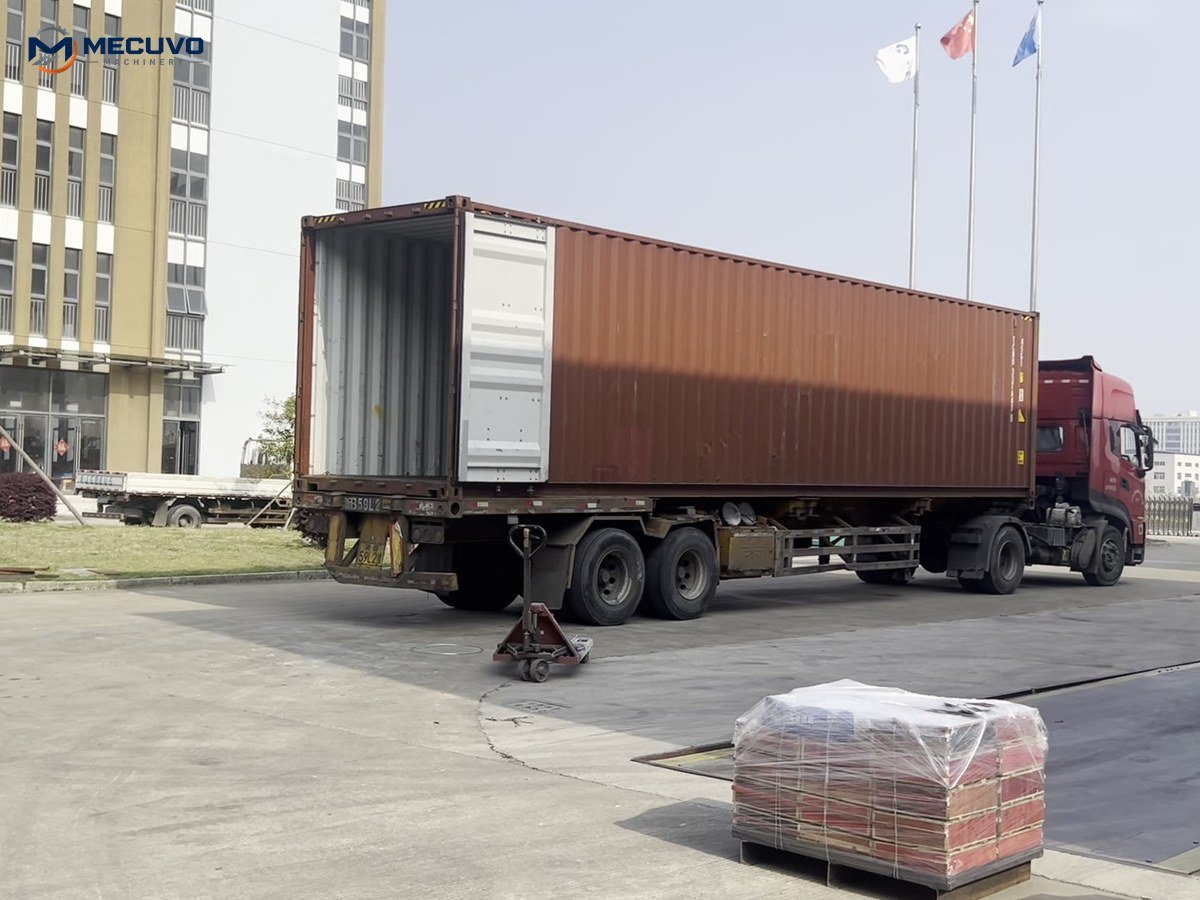
Yard Traffic Flow, Pedestrian Segregation, and Dust Isolation
Smooth material throughput depends on uninterrupted logistics circulation and rigorous safety separation under OSHA 29 CFR 1910.22 standards:
1. One-Way Circular Traffic Architecture
Never allow two-way truck traffic in narrow yard aisles. Design a continuous clockwise circulation loop: – Inbound trucks cross the gross weighbridge at the front gate. – Vehicles proceed to dedicated unloading bays: bulk scrap drops in outdoor bins; non-ferrous boxes unload at covered warehouse docks. – Empty trucks circle back across the tare scale without crossing paths with incoming customer vehicles.
2. Segregating Heavy Machinery from Pedestrian Zones
- Fixed Concrete Jersey Barriers: Separate heavy tracked material handlers (excavators with grapples or magnets) from forklift aisles using precast concrete barriers (minimum height 810 mm). Tracked machines must have dedicated swing clearance radii marked with yellow hazard paint.
- Dedicated Pedestrian Walkways: In compliance with OSHA 1910.22, paint designated pedestrian lanes equipped with overhead yellow guardrails leading from scale offices to operator stations. Yard personnel must never share unmarked travel lanes with moving forklifts.
3. Environmental Dust and Noise Buffering
- Pneumatic Dust Ducting Isolation: Enclose granulator cyclone collectors outdoors or in dedicated fire-rated rooms equipped with NFPA 68-compliant deflagration vents.
- Acoustic Perimeter Berms: Position outdoor scrap storage piles (such as baled auto bodies or structural steel bins) along property boundaries facing neighboring properties. These scrap walls serve as natural sound barriers, attenuating shear impact noise by 10 to 15 dBA before it reaches the property perimeter.
| Site Operational Sector | Primary Hazard | Regulatory / Code Mandate | Engineering Control Solution |
|---|---|---|---|
| Heavy Ferrous Shearing | Flying metal scale, hydraulic oil drips | OSHA 1910.22 & EPA SPCC | Perimeter concrete berms, oil-water interceptor slab |
| Cable Granulator Plant | Combustible polymer dust deflagration | NFPA 652/660 & ATEX 1999/92/EC | Outdoor pulse-jet baghouse with explosion relief vents |
| Scale & Traffic Lanes | Vehicle collision, pedestrian impact | OSHA 1910.22(a) | One-way traffic loop, painted walkways, guardrails |
| Main Electrical Service | High inrush current, motor thermal trip | NFPA 70 (NEC Article 430) | Central step-down transformer, VFD soft-starters |
| Non-Ferrous Staging Bay | Cross-contamination from airborne iron | ISRI Clove / Cobra Specs | Fully enclosed warehouse bay, epoxy sealed concrete |
By synthesizing macro zoning, electrical demand planning, and traffic segregation into a cohesive site master plan, recyclers maximize operational efficiency, ensure full regulatory compliance, and position their yard for long-term scalability.
Key Takeaways
Master site planning that isolates heavy ferrous shearing from non-ferrous refining, provisions adequate transformer kVA, and enforces circular traffic loops guarantees profitable, safe multi-line operation.
— YOUR RECYCLING PROJECT
Find the right machine for your material.
Tell us your material and required capacity.
Or email sales@mecuvo.com