
Table of Content
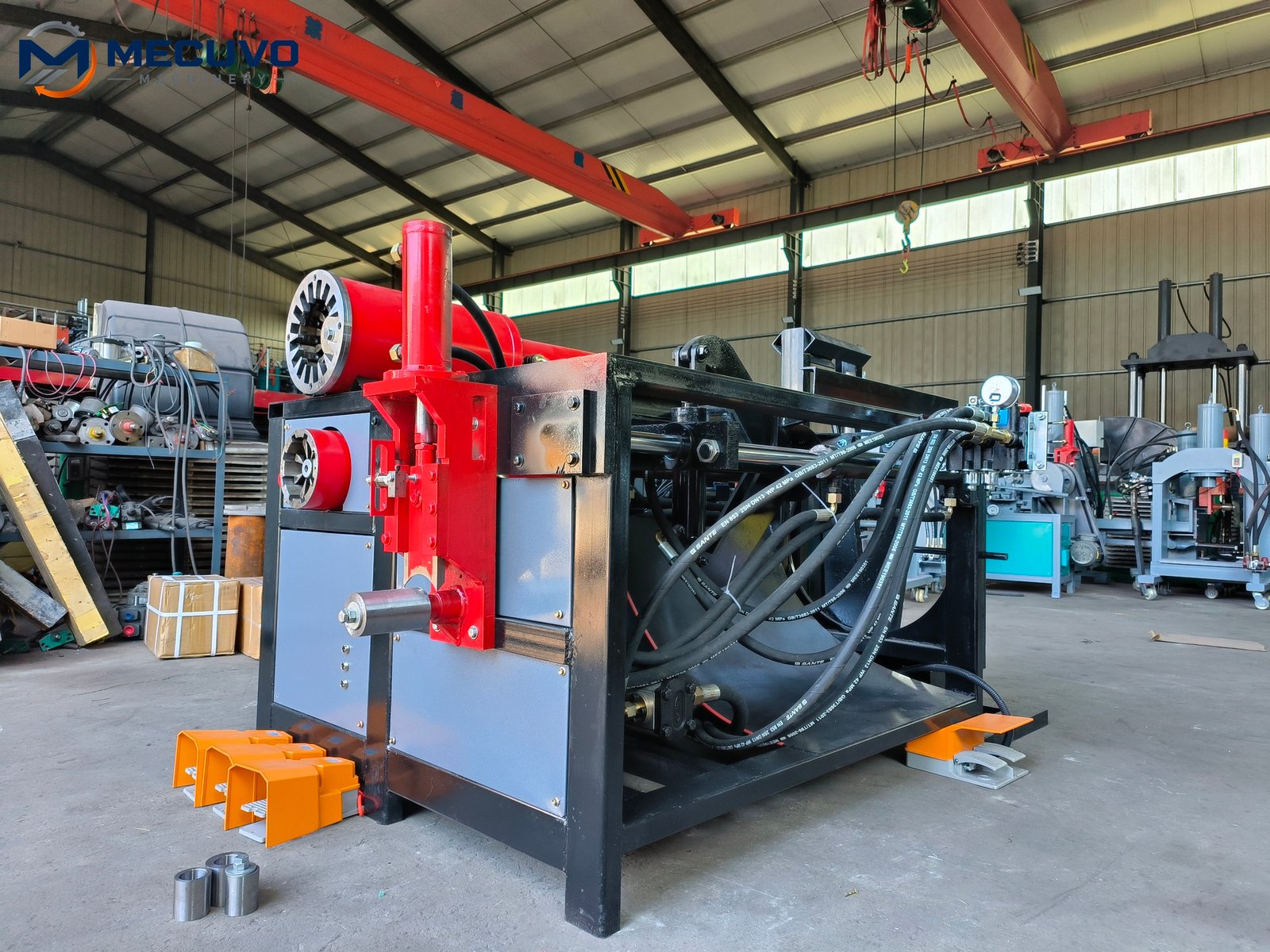
Electric motor stators contain premium copper windings bonded by cured insulating varnishes, presenting scrap processors with severe extraction challenges. Hydraulic stator cutters and pullers mechanically slice one end-turn loop and pull the entire winding bundle from the lamination stack, eliminating environmental burn hazards. I examine environmental regulations, mechanical extraction physics, and operational cycle procedures below to show how cold hydraulic pulling maximizes copper scrap value.
Why Is Burning Motor Stators Environmentally Hazardous and Economically Damaging?
Historically, some scrap yards burned stators in outdoor pits or unpermitted furnaces to liquefy insulating varnish before pulling copper. Burning produces toxic emissions that violate environmental laws, while the intense heat severely oxidizes copper and downgrades scrap settlement values.
Regulatory Penalties and Metallurgical Degradation
Subjecting scrap motor stators to open burning or uncontrolled thermal incineration is prohibited across modern industrial jurisdictions. Under the EPA Clean Air Act in the United States and the UK Environment Agency Waste Exemption T9, thermal stripping of motor windings without multi-million-dollar thermal oxidizers and scrubbers constitutes a severe environmental violation. Burning thermosetting Class F and H insulating resins releases toxic dioxins, furans, hydrochloric vapors, and carcinogenic polycyclic aromatic hydrocarbons (PAHs), leading to immediate regulatory shut-down orders and substantial fines.
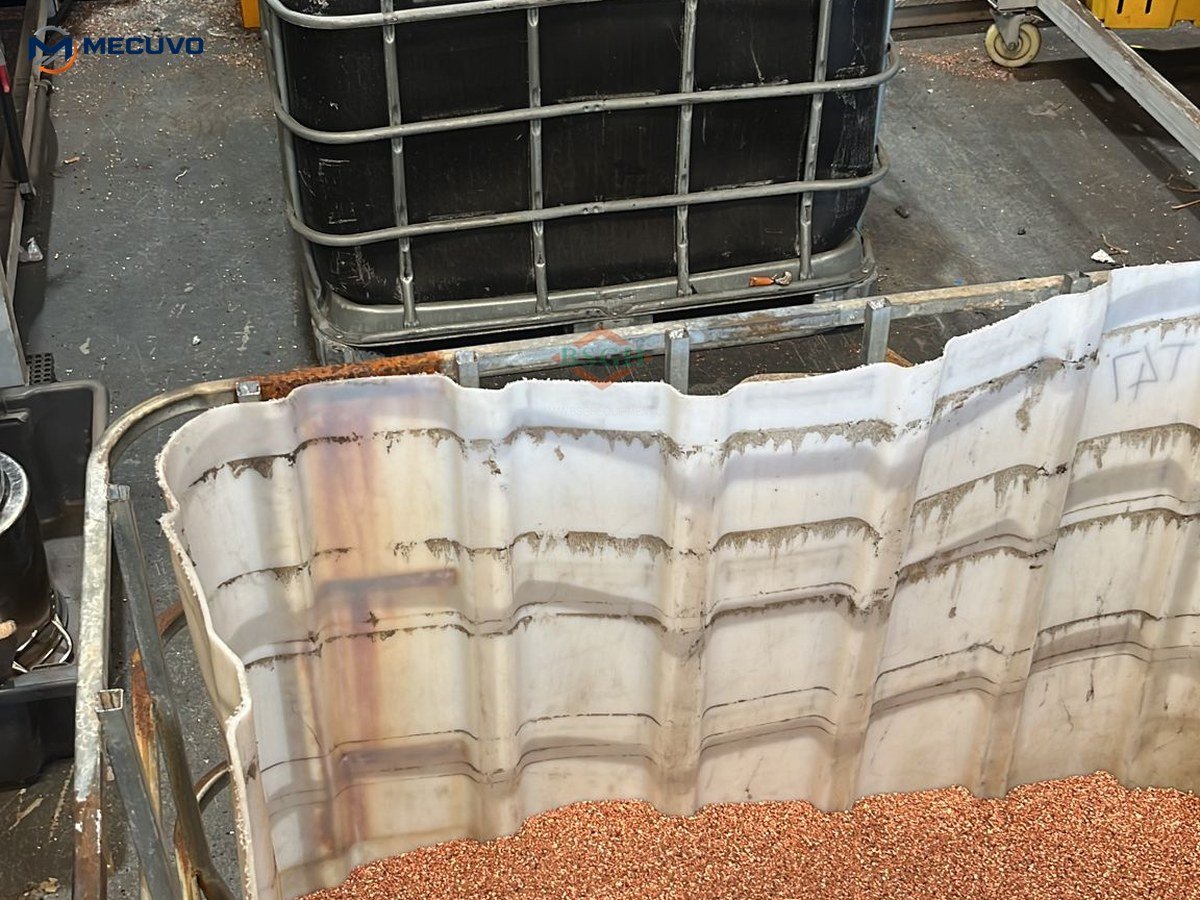
Beyond legal liabilities, thermal treatment inflicts severe financial penalties on scrap settlement. When enamel-coated copper wire is subjected to 500°C–800°C open flames, oxygen chemically reacts with the copper surface. The copper oxidizes rapidly, forming black cupric oxide (CuO) and red cuprous oxide (Cu2O) scales that penetrate deep into the fine wire strands. This surface oxidation downgrades premium, high-value copper to low-grade Birch/Cliff scrap, triggering substantial smelter price discounts.
Furthermore, high heat anneals and oxidizes the silicon steel stator core, welding adjacent laminations together with carbon soot and degrading the value of clean electric sheet steel scrap. Cold mechanical processing preserves both the copper and ferrous streams at their highest commodity values.
How Does a Two-Stage Hydraulic Cutter and Puller Work Mechanically?
Industrial motor recycling machines separate stator windings through a coordinated two-station hydraulic sequence. Station 1 shears off one winding end-turn flush against the stator core, and Station 2 hydraulically grips and pulls the remaining copper through the slots.
The Mechanics of Hydraulic Shearing and Tension Pulling
Modern motor recycling machines utilize an integrated two-station workstation to overcome high varnish bonding forces without heat:
- Station 1: Hydraulic End-Turn Cutting: The stripped motor stator (with external aluminum or cast iron housing removed) is placed onto the cutting table. The operator depresses the foot pedal, driving a high-hardness wedge-shaped alloy tool steel blade downward. The blade slices cleanly through the copper winding end-turn loop immediately adjacent to the silicon steel lamination stack. Slicing one side open severs the continuous closed loops of the coils, turning each winding hairpin into an open U-shaped bundle.
- Station 2: Hydraulic Winding Extraction: The operator transfers the stator to the pulling station, resting the cut core face flat against an adjustable heavy steel reaction collar. A high-tonnage hydraulic cylinder descends, and heavy-duty forged gripper claws clamp onto the remaining intact winding loop. As the hydraulic ram retracts under tens of thousands of pounds of tensile drawbar force, the reaction plate holds the heavy silicon steel core immovable. The gripper claws pull the entire copper bundle straight out of the stator slots in a single smooth stroke.
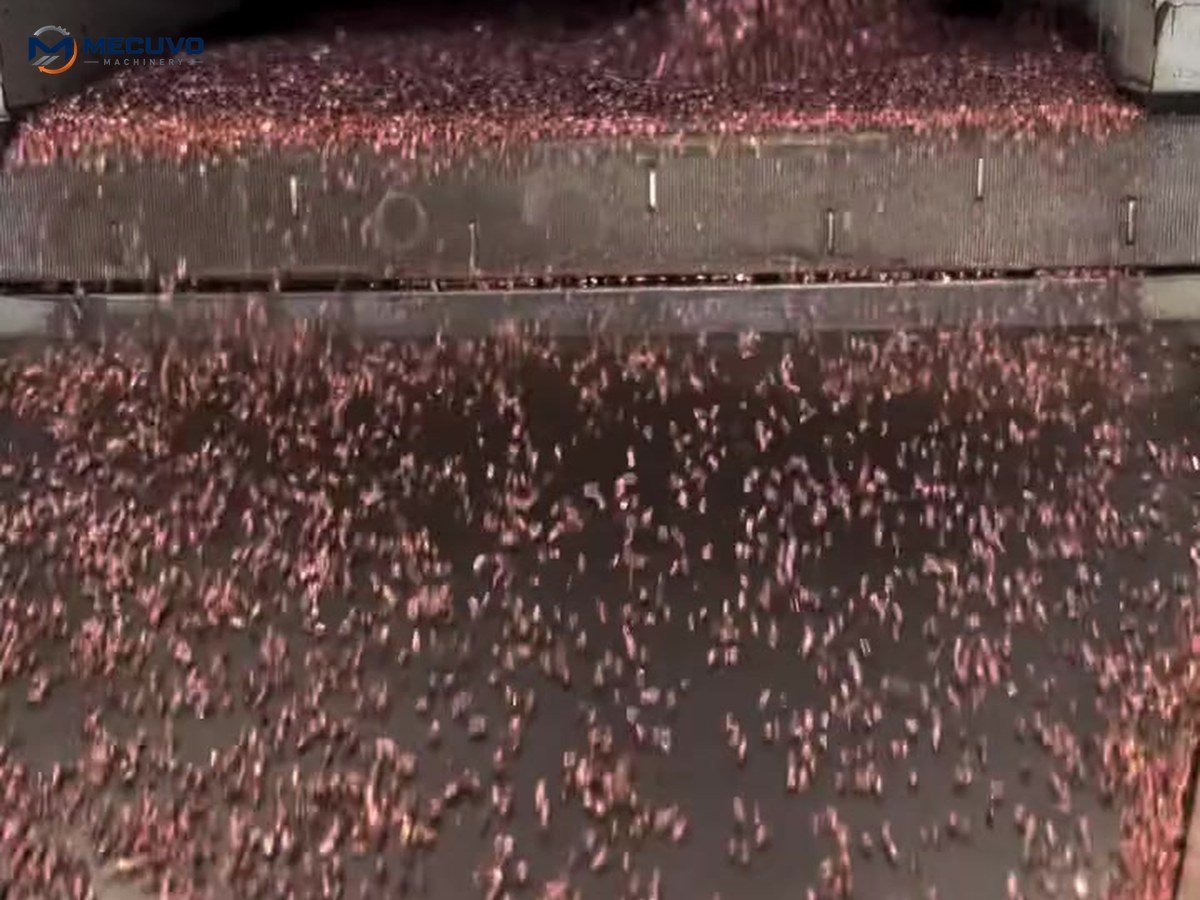
This mechanical process cleans out slot insulation and epoxy resin cleanly, delivering intact copper bundles ready for baling and clean, unburned silicon steel core laminations as detailed in our analysis of motor recycling machines vs granulators.
How Do Operators Handle Heavily Varnished, Epoxy-Dipped or Sticking Windings?
Severe varnish encapsulation in heavy industrial, submersible pump, or inverter-duty motors can cause wires to snap during pulling if poorly supported. Overcoming stubborn windings requires matching reaction collar apertures closely to stator bore diameters and utilizing profiled pulling teeth that clamp all coil phases.
Collar Aperture Sizing, Claw Geometry, and Stator Orientation
As documented in NEMA MG 1 insulation guidelines, premium industrial motors utilize vacuum pressure impregnation (VPI) with high-strength epoxy resin. The cured resin bonds individual copper strands into a rigid solid block inside the stator slots. Attempting to pull these windings with improper tooling can cause the gripper teeth to slip or tear off the outer copper loops, leaving broken copper stranded inside the iron core.
To prevent wire tearing on heavily varnished stators, operators must observe three technical controls:. Recycling varnished transformer scrap demands tailored operating adjustments for granulating enamelled copper magnet wire and motor windings to ensure clean air-table separation.
- Reaction Collar Sizing: The central opening of the steel reaction collar must closely match the outside diameter of the stator core. If the gap between the stator face and the collar is too large, the lamination stack deforms or tilts under tensile load, pinching the copper wires inside the slots.
- Claw Tooth Profile: Specialized serrated gripper teeth must bite deeply across all three phase groupings of the coil crown rather than grasping only the surface wires, ensuring uniform tensile load distribution across every slot.
- Flush Blade Shearing: Ensure the Station 1 cutter severs the end-turns perfectly flush against the silicon steel face. If jagged end-turn wire stubs remain hooked around the core edges, they catch against the slot teeth, drastically increasing required extraction force.
To evaluate the ideal motor recycling workstation configuration for your scrap stator dimensions, send photos of your motor cores, daily processing volume, and local power supply voltage to our engineering team at our contact page.
Key Takeaways
Two-stage hydraulic stator cutters and pullers eliminate environmental burn hazards and severe copper oxidation, delivering high-purity No. 1 copper and clean silicon steel laminations.
— YOUR RECYCLING PROJECT
Find the right machine for your material.
Tell us your material and required capacity.
Or email sales@mecuvo.com

