Table of Content
Enamelled motor-winding wire requires feed preparation and a buyer-accepted specification for the resulting product. A conventional granulator and density table should not be assumed to remove bonded enamel completely. Residual enamel does not automatically qualify the product as Birch, Cobra or No. 1 copper. Thermal treatment, where lawful, requires controlled equipment and emissions management and does not guarantee No. 1 pricing. Keep intact stators and steel laminations out of a cable granulator unless its manufacturer expressly approves that feed; select suitable dismantling equipment and inspect extracted windings before processing.
Why should buyers verify residual enamel after granulation?
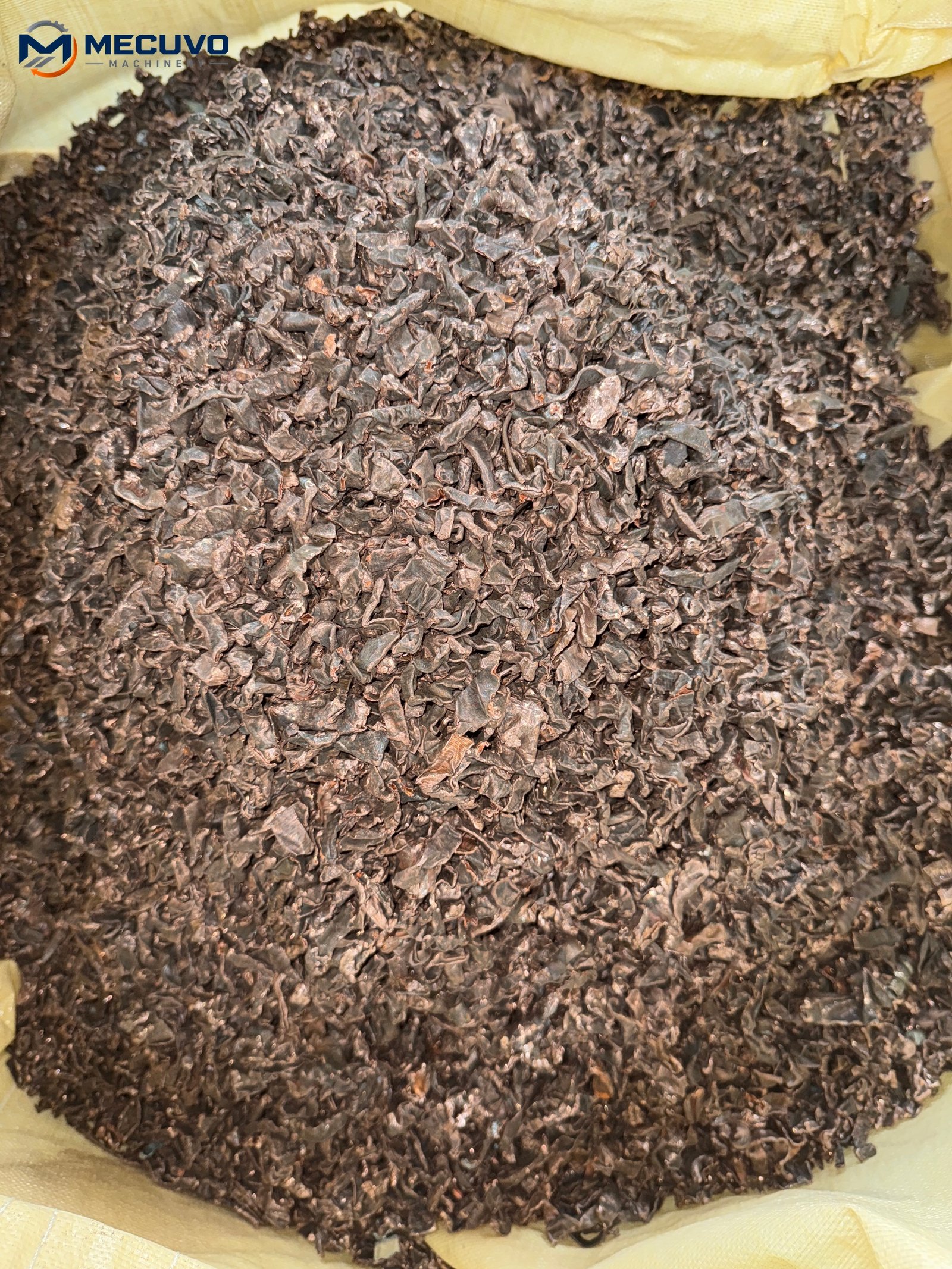
Magnet-wire insulation chemistry and thickness vary by wire specification. Bonded enamel can remain on copper fragments after cutting, so a conventional granulator and air table should not be assumed to produce bare copper. Verify coating residues and product composition using agreed sampling and test methods.
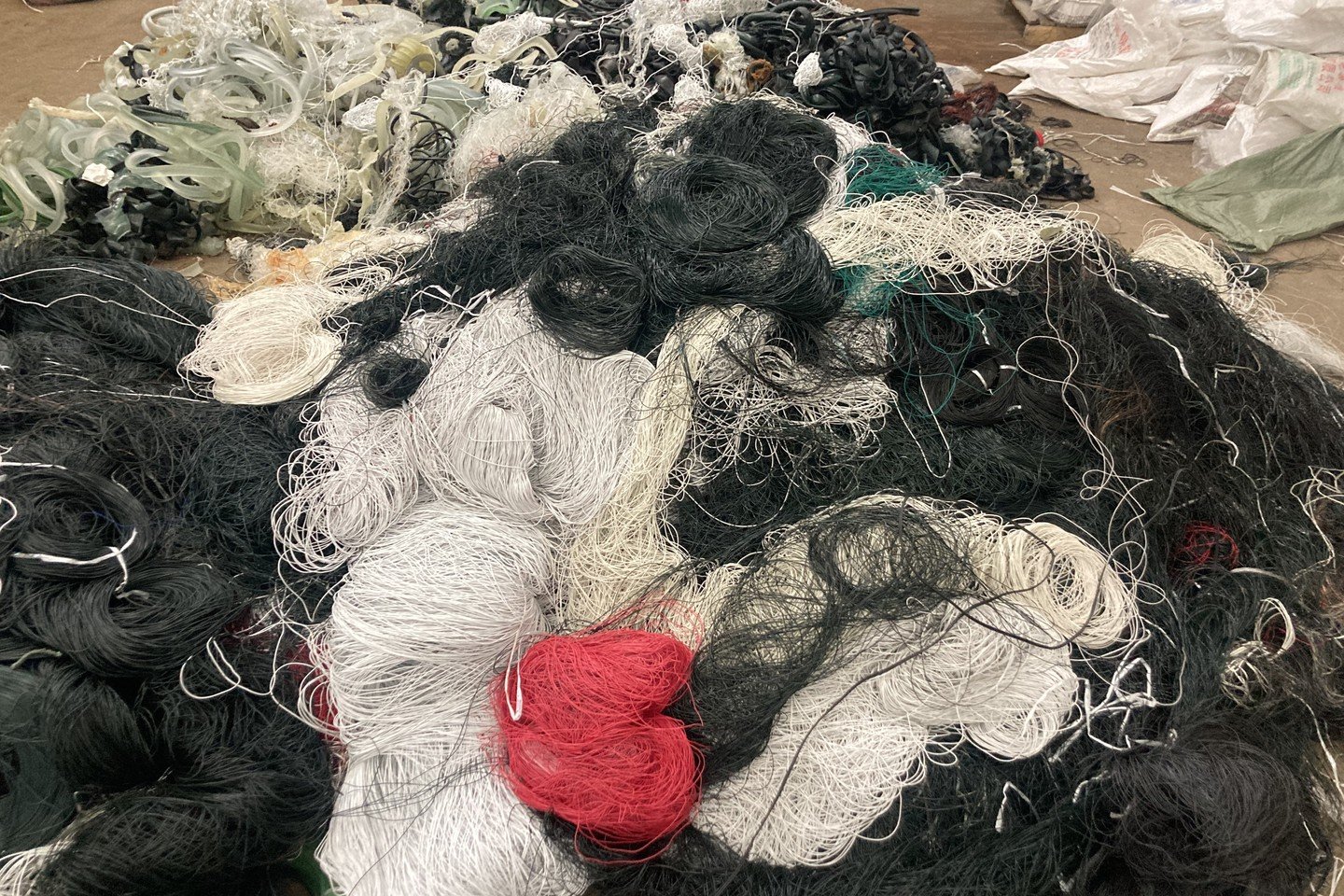
Polymer cross-linking, interfacial adhesion, and density table aerodynamics
Many scrap yard operators mistakenly believe that a copper granulator can “strip” enamel just like it strips flexible PVC or polyethylene wire jackets. A conventional granulator and air table should not be assumed to remove bonded enamel completely:
- The Enamel Coating: Magnet-wire insulation is applied and cured to adhere to the conductor. Its chemistry, insulation build and manufacturing conditions vary; do not assume a universal 15–35 micron thickness, curing temperature or bond-strength relationship. Obtain the wire specification where available and assess the actual scrap.
- Residual Coating After Cutting: Granulation produces fragments whose size and residual coating depend on the material and machine settings. Coating volume and composite density depend on wire diameter, insulation build and chemistry. For example, a 0.50 mm conductor with a 0.015 mm radial coating has an approximately 11% coating cross-section fraction, not below 0.5%. Verify residual coating in the output rather than assuming bare-copper purity; wire dimensions and insulation grades vary.
- Buyer Processing Requirements: Residual organic coating can affect how a buyer accepts and processes the material. Obtain the buyer’s limits, required assay or loss-on-treatment method and applicable deductions in writing rather than inferring a particular furnace route, casting defect or metal loss for every batch.
What ReMA/ISRI scrap specifications and smelter pricing apply to enamelled chops?
Agree the grade, assay method, permitted residual coating and any price deductions with the buyer. Birch and Cliff are not blanket classifications for enamelled copper chops, and ReMA specifications do not set a universal COMEX payout or discount schedule.
Commodity scrap circular standards, burn-loss deductions, and contract penalties
When marketing granulated enamelled wire chops to secondary smelters and ingot makers, understanding contractual scrap specifications is crucial:
- ISRI Code ‘Birch’ (No. 2 Copper Wire): Birch is nominally 96% copper, with a minimum of 94%, and excludes hair wire, insulation and other listed contamination. It is not a blanket grade for enamelled chops.
- ISRI Code ‘Cliff’ (No. 2 Copper Solids and Tubing): Cliff is nominally 96% copper with a minimum of 94%, not a 94%–96% upper-bounded range. Cobra is the No. 2 copper wire nodules category, with a 97% copper minimum and specified impurity limits; residual enamel may require a separately agreed specification. Consult the ReMA specifications and buyer acceptance terms.
- Commercial Valuation and Deductions: The buyer’s process, accepted specification, measured metal content and contamination determine eligibility and price. Confirm the proposed grade, sampling method, metal accounting and every deduction in writing; there is no universal set of three deductions or guaranteed processing route for enamelled chops.
How do you mechanically extract copper windings from motor stators safely?
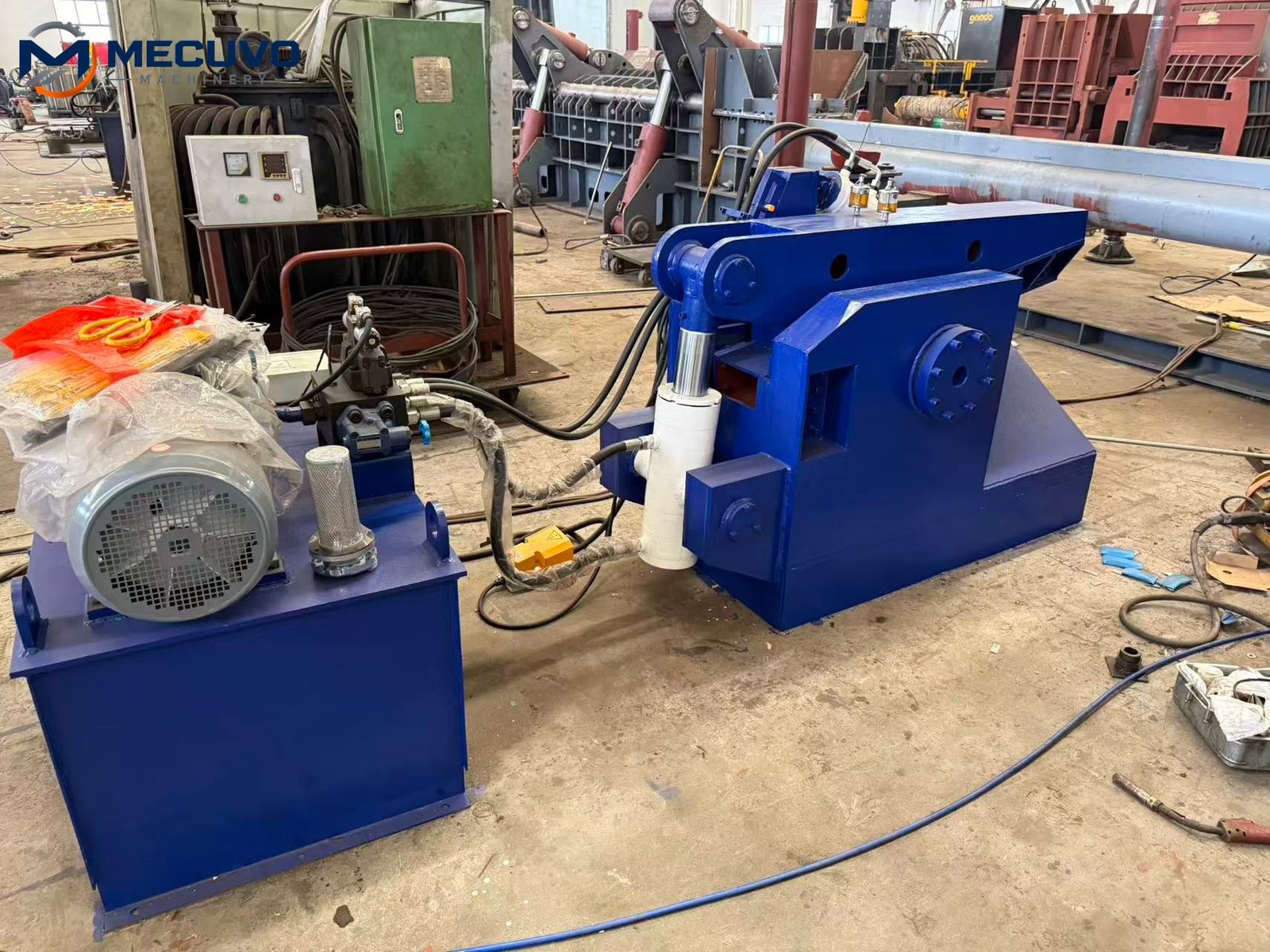
Use dismantling equipment specifically approved for the stator construction and size, operated by trained personnel under the manufacturer’s procedure. A suitable hydraulic cutter and puller may be one option. Do not feed intact stators into a cable granulator unless the manufacturer expressly approves that feed, and inspect recovered windings for retained steel and other contaminants.
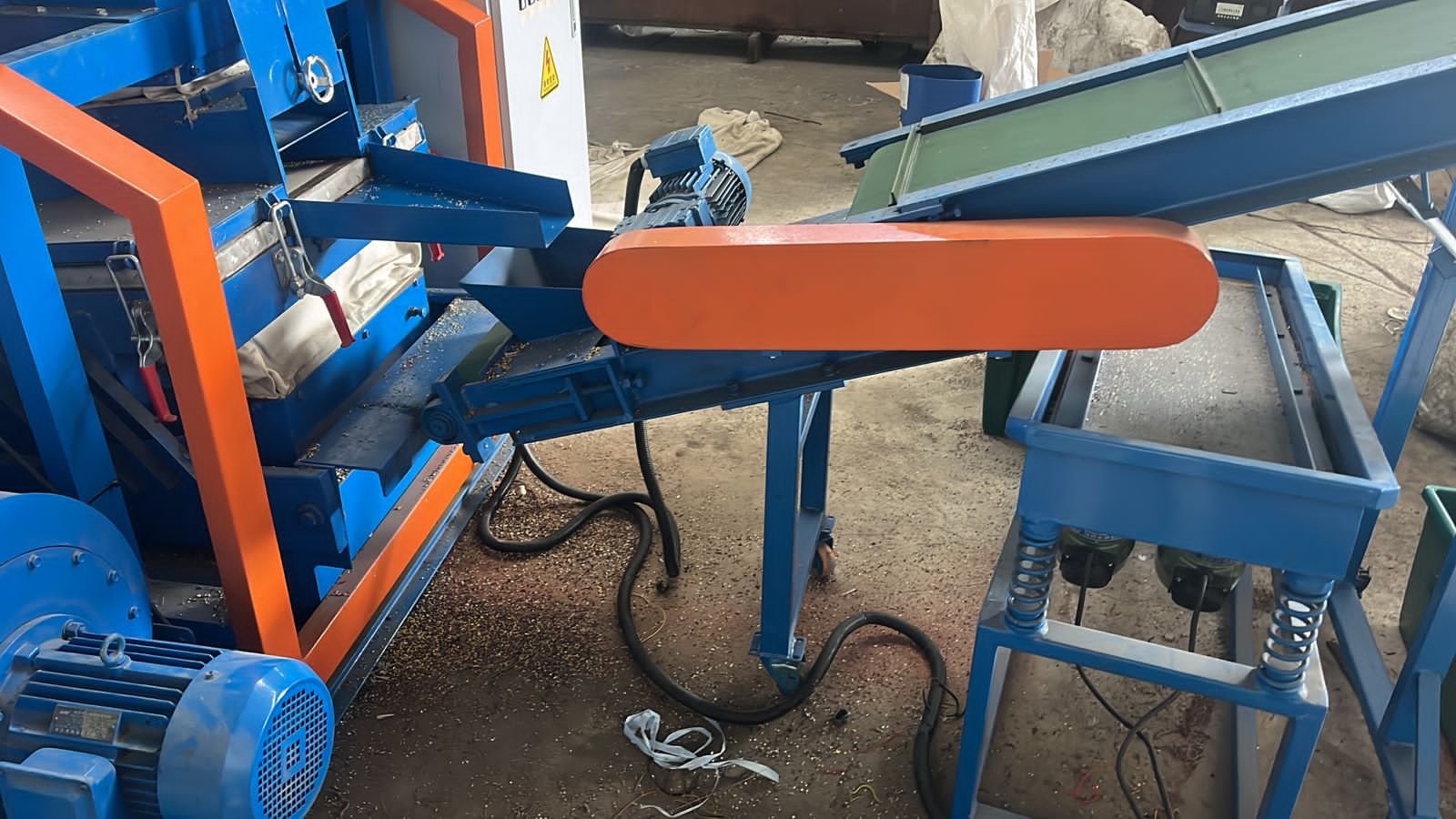
Hydraulic end-winding shearing, slot wedge extraction, and knife protection
Motor stators combine windings with steel and other components. Select an approved dismantling method for the actual assembly, then verify the recovered material before granulation:
- Steel Contamination Risk: Steel laminations and frame fragments can damage tooling in a cable granulator that is not designed for them. Remove incompatible components and inspect the recovered feed; do not assume a particular damage time or repair cost.
- Hydraulic Cutting: If the approved dismantling process uses hydraulic shearing, select the equipment, fixtures and procedure for the stator dimensions and construction. Force requirements and cutting results are machine- and material-specific; follow guarding and safe-handling requirements.
- Winding Extraction: If hydraulic pulling is suitable, use the manufacturer’s approved clamping, load limits and operating procedure. Confirm extraction quality in trials; do not assume every winding is removed cleanly or every steel core remains intact.
- Downstream Sorting: Inspect pulled windings for retained steel and other contaminants before processing in machinery approved for that feed. Confirm buyer acceptance, grade and current pricing separately for the recovered winding material and steel; neither a premium grade nor a fixed steel price is assured.
How do you configure the granulator when processing extracted copper coils?
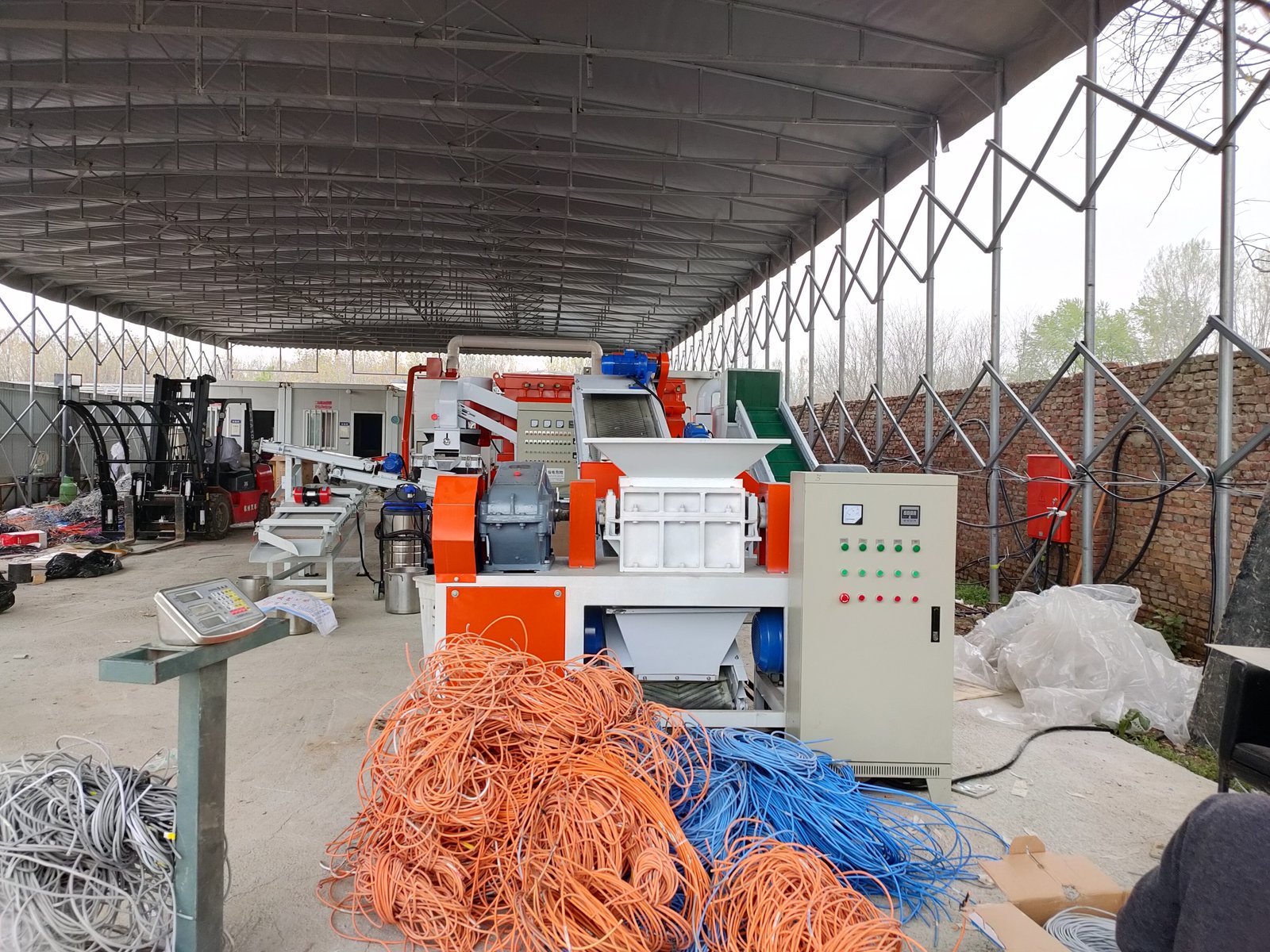
I provide the mechanical setup guidelines for granulating heavy coiled copper windings through the cutting chamber. Use the exact machine manufacturer’s approved screen, knife clearance, feed preparation, magnetic protection and airflow settings, validated with representative material trials. Before accessing knives, screens or the cutting chamber, trained personnel must isolate and lock out hazardous energy, control stored energy and verify isolation under the applicable lockout/tagout procedure; refit guards before restarting.
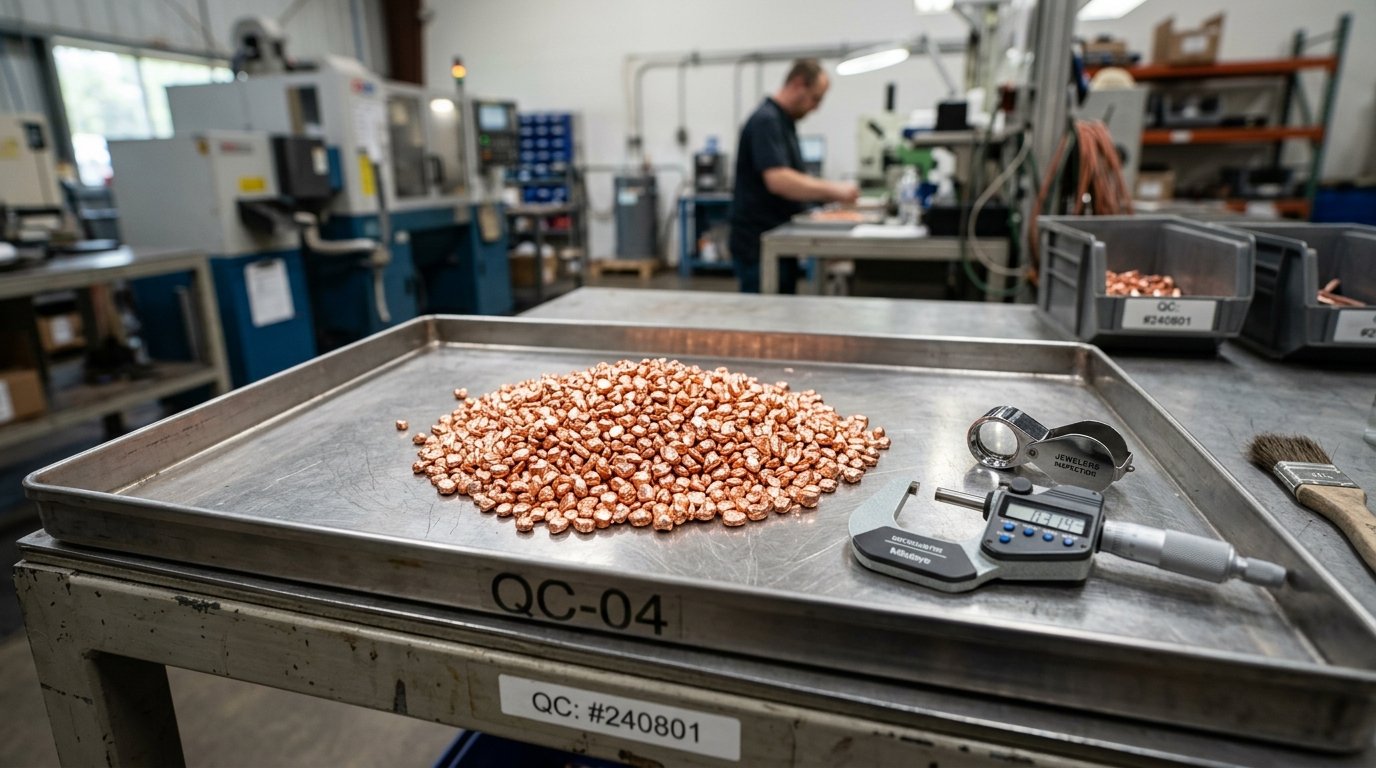
Cutting clearance calibration, screen aperture sizing, and magnetic tramp filtering
Once copper windings are liberated from the stator laminations, granulating them requires specific machine tuning:
- Preparing Heavy Windings: Use the granulator manufacturer’s approved feed dimensions and preparation method. Where pre-cutting or shredding is required, use equipment rated for the material and follow its guarding and handling procedures; 100–150 mm is not a universal feed-length specification.
- Screen Aperture Selection: Select an OEM-approved screen for the material and verify particle size, throughput and residual coating in trials.
- Knife Clearance Calibration: Use the model-specific service procedure and clearance after full energy isolation; a generic 0.22–0.25 mm setting is not a universal safe specification.
- Infeed Contamination Protection: Inspect coils for steel fragments and use magnetic separation sized and validated for the conveyor and feed. A stated magnet field strength alone does not guarantee removal of all ferrous debris.
Review the MECUVO copper granulator machines overview, or contact MECUVO about extracted-winding processing. Confirm approved feedstock, protection features, tooling and any test or support services for the quoted model in writing.
Key Takeaways
Do not assume a conventional granulator removes bonded enamel completely. Use approved dismantling and processing equipment, inspect extracted windings, measure residual coating and agree the saleable specification with the buyer. These steps reduce risk but do not eliminate blade damage, guarantee a scrap grade or establish a return on investment.
— YOUR RECYCLING PROJECT
Find the right machine for your material.
Tell us your material and required capacity.
Or email sales@mecuvo.com