Table of Content
Where 480V three-phase utility power is unavailable, possible alternatives include a machine explicitly designed for the available single-phase supply, a compatible rotary phase converter, or a suitably specified generator. Feasibility and utility-extension costs depend on the site and equipment. Any 60–75 kVA example requires validation against the complete machine load and starting demands. This guide covers power sizing, motor starting and operating-cost questions to resolve with the equipment suppliers and a qualified electrician.
Why is 480V 3-phase the industrial standard, and what are the alternatives?
Three-phase supplies are commonly used for industrial motors. Where the required service is unavailable, a compatible converter or generator may be an option; confirm the complete machine requirements, local installation rules and available service capacity before selecting an alternative.
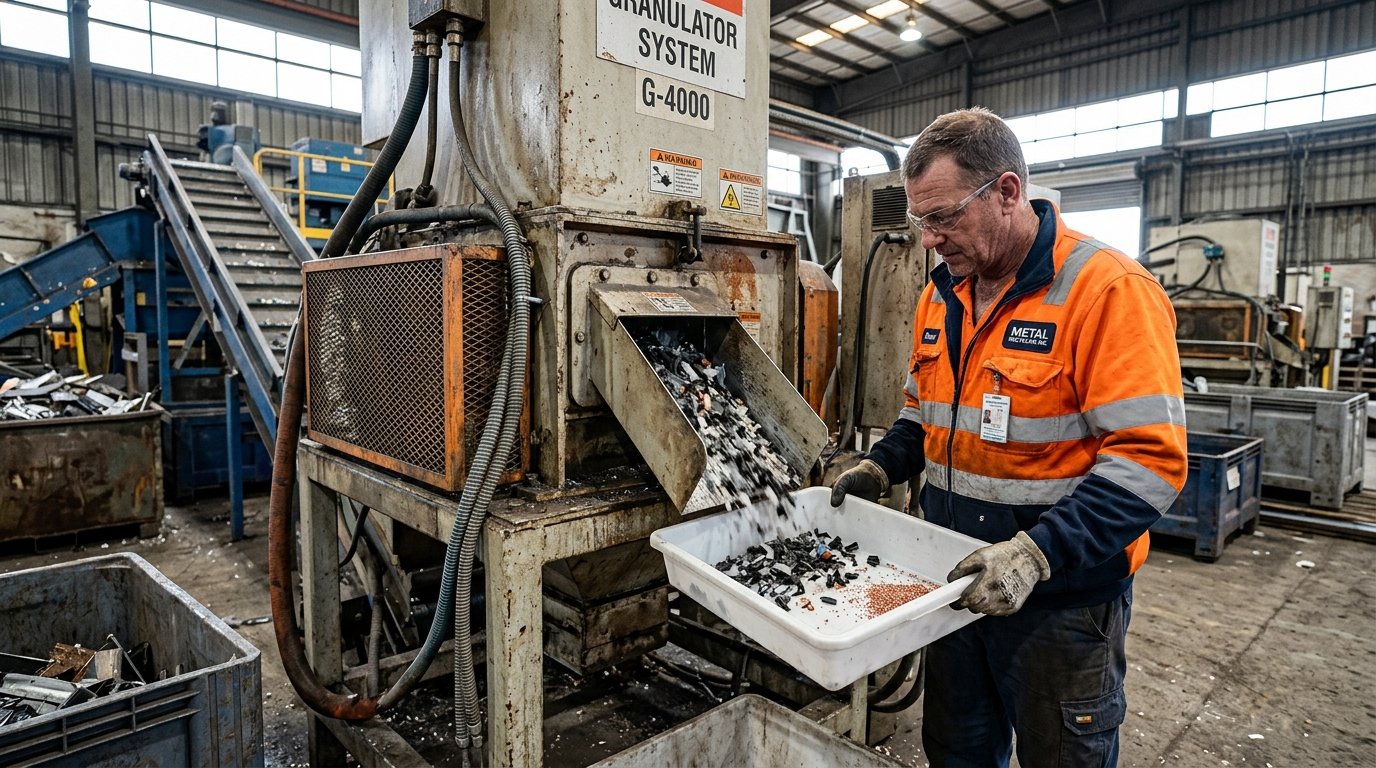
3-phase motor torque characteristics, conductor ampacity scaling, and utility line expansion costs
Understanding the electrical requirements of heavy cutting mills helps you choose the best power path:
- Why 3-Phase Is Preferred: Industrial granulator motors (18 kW to 37 kW) require high locked-rotor torque to shear tough, tangled wire bundles without stalling. Three-phase power creates a rotating magnetic field in the stator, but starting torque and running current depend on motor design, voltage, efficiency, power factor and load. Phase alone does not establish a fixed torque increase or current reduction.
- Utility Extension Costs and Timing: Request a site-specific quotation and schedule from the utility. Distance, available capacity, civil work and connection requirements can materially affect both cost and timing.
- The Practical Alternatives: A rotary phase converter or generator may avoid a utility extension, subject to confirmed machine compatibility, complete-load sizing, installation requirements and operating costs.
How do you size and operate a diesel generator for off-grid granulation?
Generator sizing must account for running kW and kVA, motor starting demand, acceleration time, load sequence, auxiliaries and acceptable voltage and frequency dips. A fixed multiplier of connected kW does not guarantee a suitable generator. Have the machinery and generator suppliers assess the complete load using manufacturer sizing guidance, such as the Cummins generator application manual, before specifying a set.
Motor-starting demand, generator sizing, and diesel fuel economics
A generator may support a site without the required utility service, subject to its rating, site conditions, installation requirements and operating restrictions.
- The Inrush Current Rule: Across-the-line motor starting can draw several times full-load current. The actual current and acceleration time depend on the motor and driven load; insufficient starting capacity can cause unacceptable voltage or frequency dips, failed acceleration or protective trips.
- The Sizing Assessment: Use the motor nameplate and starting data, drive type, load sequence and the generator manufacturer’s permitted transient limits. Running kW alone is insufficient.
- Fuel Operating Economics: Use the selected generator manufacturer’s fuel-consumption data at the expected load, then verify consumption and sustained throughput in operation. Fuel cost per processed metric ton equals hourly fuel consumption multiplied by local fuel price, divided by measured throughput in metric tons per hour. Include servicing, downtime and other operating costs; a fuel-cost estimate does not establish profitability.
How does a rotary phase converter run a 3-phase granulator from 240V single-phase?
A suitable rotary phase converter can supply three-phase loads from single-phase service, but voltage balance and equipment compatibility depend on the model, load and installation. A 240V converter does not itself provide 480V or change frequency; verify motor, control and drive requirements and any transformer arrangement with the equipment supplier and a qualified electrician.
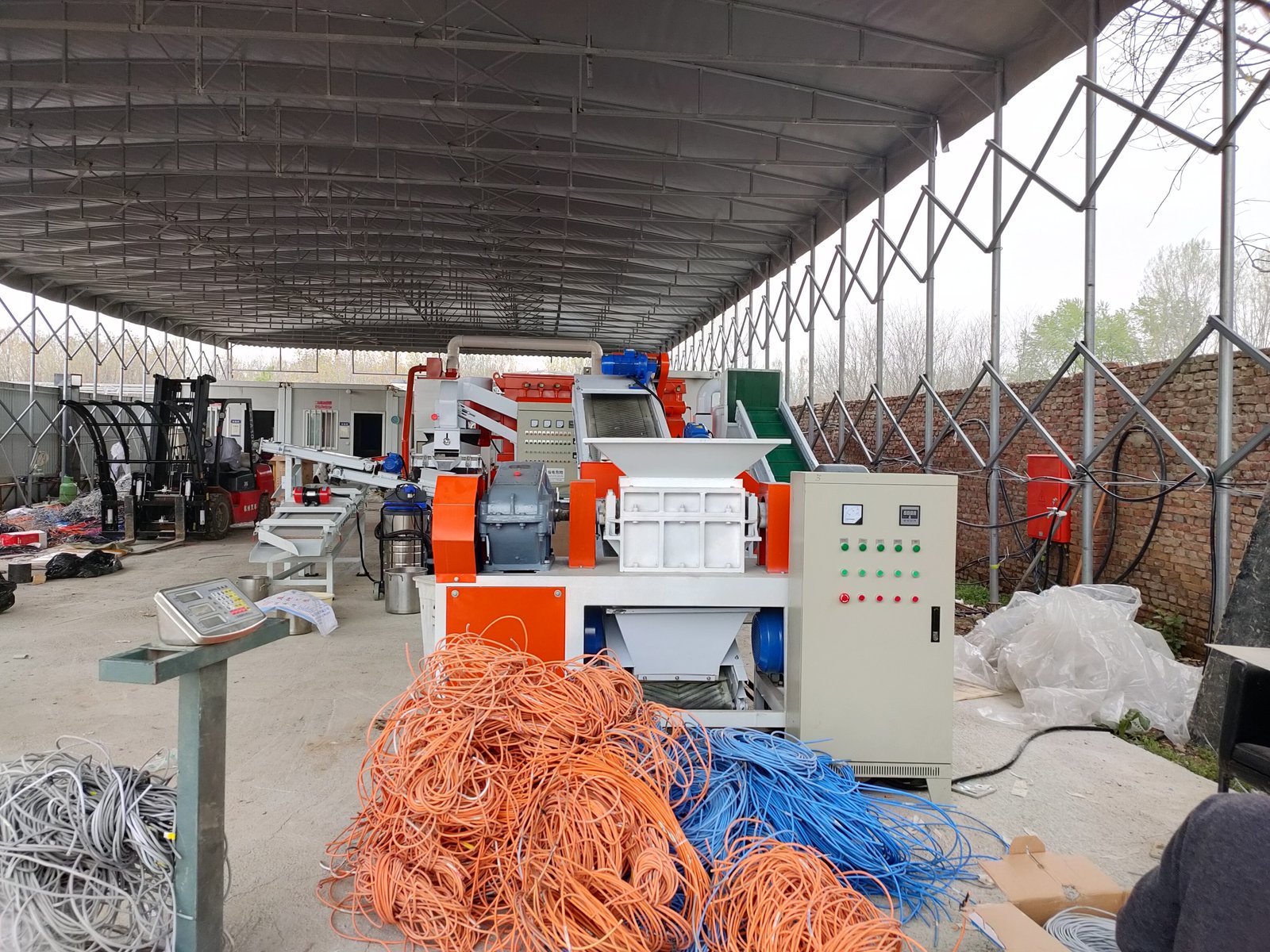
Rotary converter idler motor physics, phase balance tolerances, and service ampacity
A rotary phase converter may suit a site with sufficient single-phase service capacity and compatible equipment:
- How It Works: The converter uses an idler motor and capacitor banks to generate an artificial third sinusoidal voltage leg ($L3$), with output balance that must be checked against the converter and connected equipment manufacturers’ specifications under the actual load.
- Sizing for Shock Loads: Select the converter using the manufacturer’s motor-starting, hard-start and total simultaneous-load requirements. Largest-motor horsepower alone is insufficient for a multi-motor granulator; confirm the complete machine and control-system compatibility before purchase.
- Single-Phase Service Ampacity: Have a qualified electrician calculate the required service, conductors and protection from the selected converter’s input ratings, starting requirements, other site loads and applicable installation rules; 150A–200A is not a universal requirement or guarantee of adequacy.
Which factory electrical configurations should you confirm with MECUVO?
Ask MECUVO to confirm the available voltage, frequency, phase and motor-starting options for the quoted model in writing. A soft-starter and a variable-frequency drive (VFD) use different control methods; neither establishes a fixed reduction in starting current for every machine or supply.
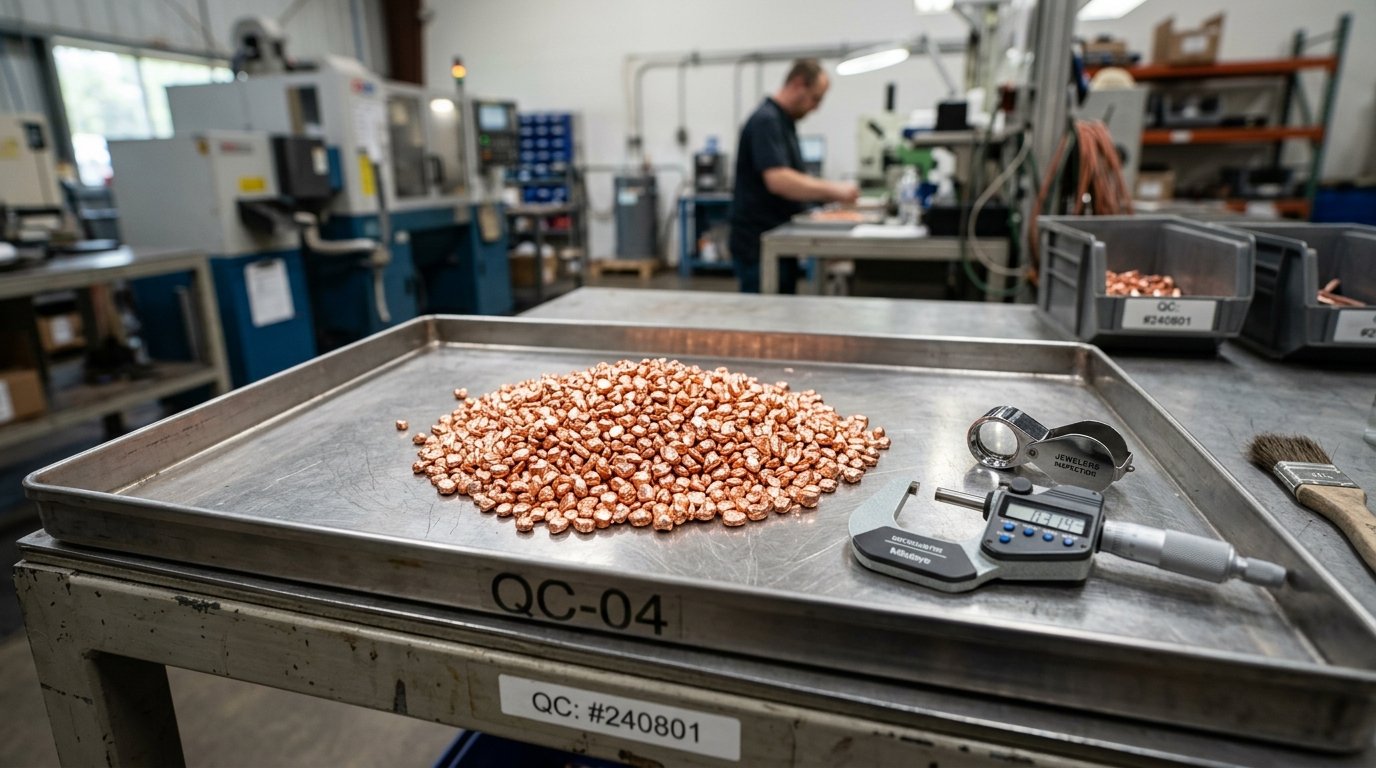
Digital soft-start motor starters, VFD frequency modulation, and factory pre-commissioning
Resolve these power-system details in the written quotation and acceptance-test plan:
- Soft-Starters and VFDs: Ask which starting method is supplied and whether it is compatible with the motor, driven load, generator or converter. Confirm current limits, acceleration settings and required starting torque using manufacturer data and a representative test. Do not assume a six-second ramp or a reduction from 600% to 200% of rated current.
- Factory Electrical Testing: Agree the factory test scope, supply conditions, load and recorded measurements in writing. Request the test report for the machine being supplied; factory testing does not replace site installation checks or commissioning.
Overcome Your Power Constraints with MECUVO
- Electrical Configuration Inquiry: Contact MECUVO with the site supply ratings or generator specifications and ask what assessment, documentation and associated charges are available. Have a qualified electrician verify the proposed installation.
- Sample-Test Inquiry: Send photos and cable specifications first. Ask about representative trials and any charges. Ship scrap samples only after the receiving facility and a qualified customs broker confirm that the specific material and route are lawful and all required documentation and approvals are in place.
- Price and Specification Inquiry: Review the MECUVO copper granulator machines overview and request written confirmation of the selected model’s electrical configuration, supply scope and price.
Key Takeaways
Where 480V utility power is unavailable, a suitable rotary phase converter or generator may provide an alternative. Confirm equipment compatibility, complete-load sizing, installation requirements and site economics before purchase; a 60–75 kVA rating is not a universal recommendation or a profitability guarantee. Confirm any supplier options, tests and services in the written quotation.
— YOUR RECYCLING PROJECT
Find the right machine for your material.
Tell us your material and required capacity.
Or email sales@mecuvo.com