Table of Content
Choosing between direct infeed and a dual-shaft pre-shredder depends on the cable mix, approved feed dimensions, handling method, bottlenecks and total operating cost. Monthly tonnage alone does not establish a mandatory upgrade threshold. Pre-shredding may reduce manual preparation and improve feed consistency, but labor savings, knife life and line throughput must be demonstrated for the proposed equipment and feedstock. Long or tangled cable can create wrapping, overload and jam risks; follow the granulator manufacturer’s feed restrictions.
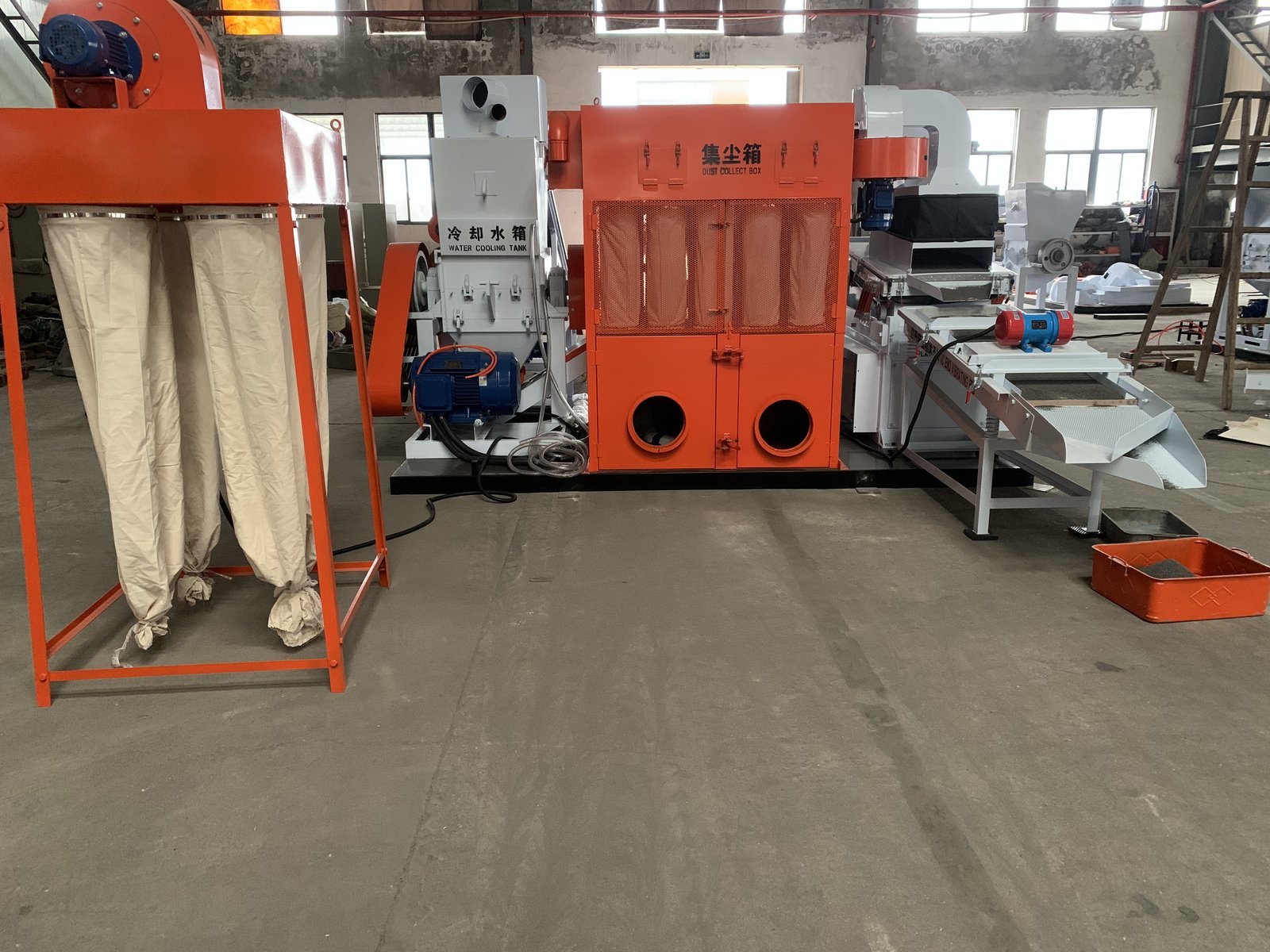
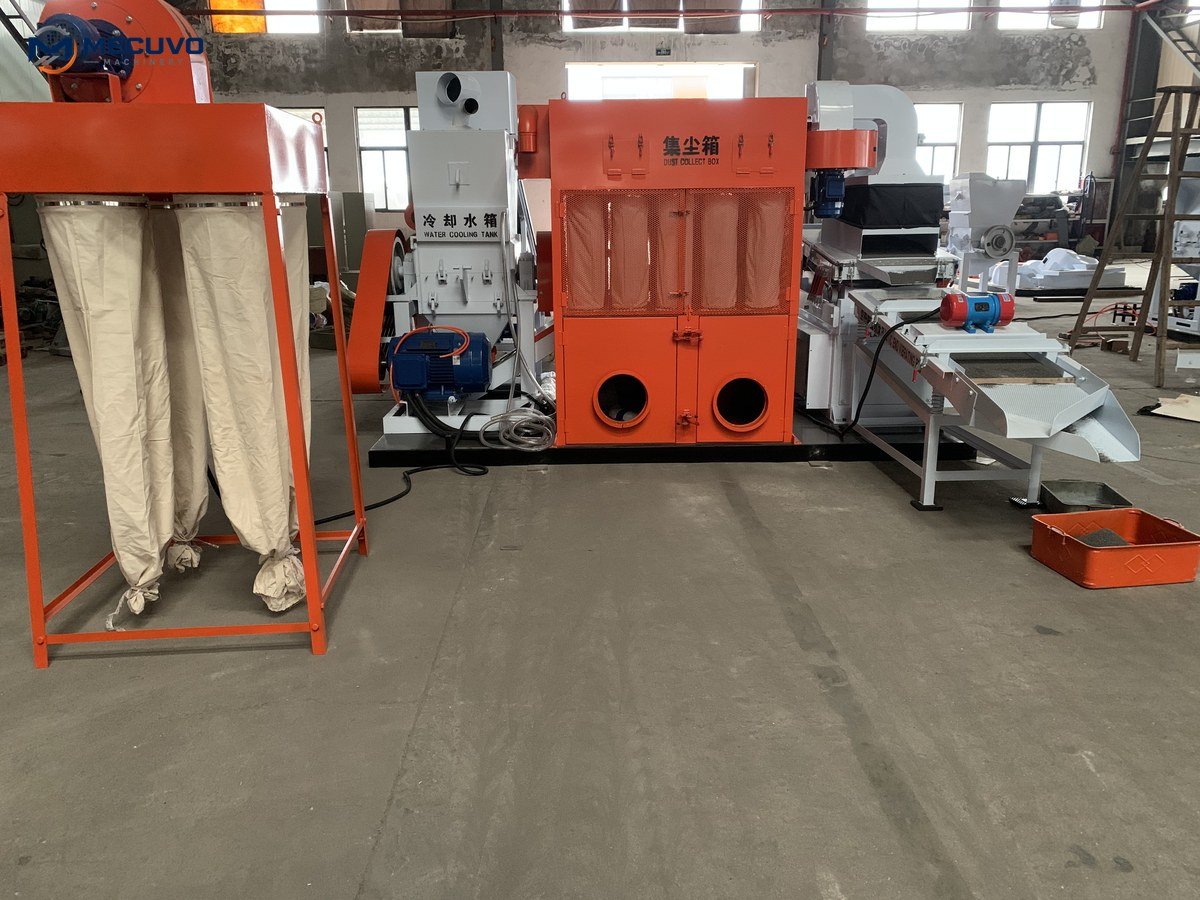
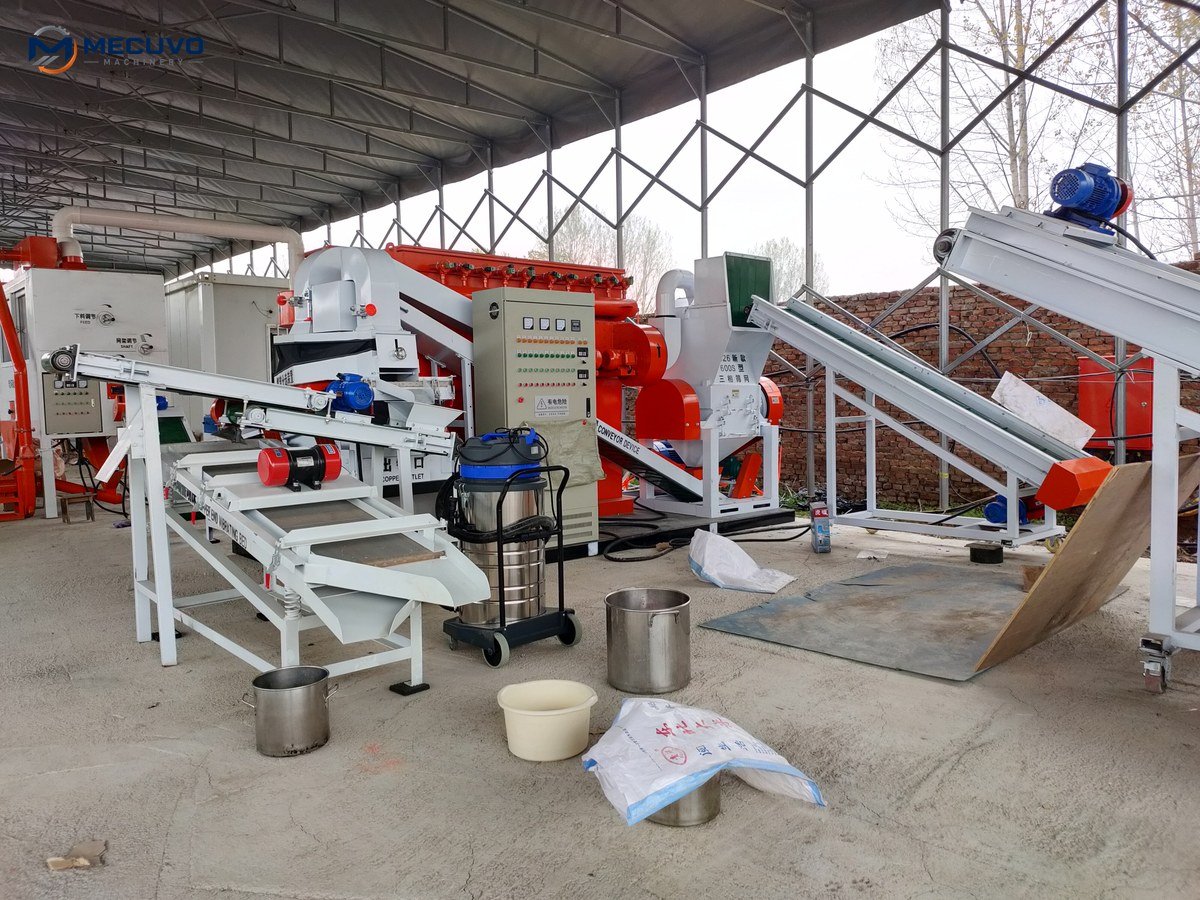
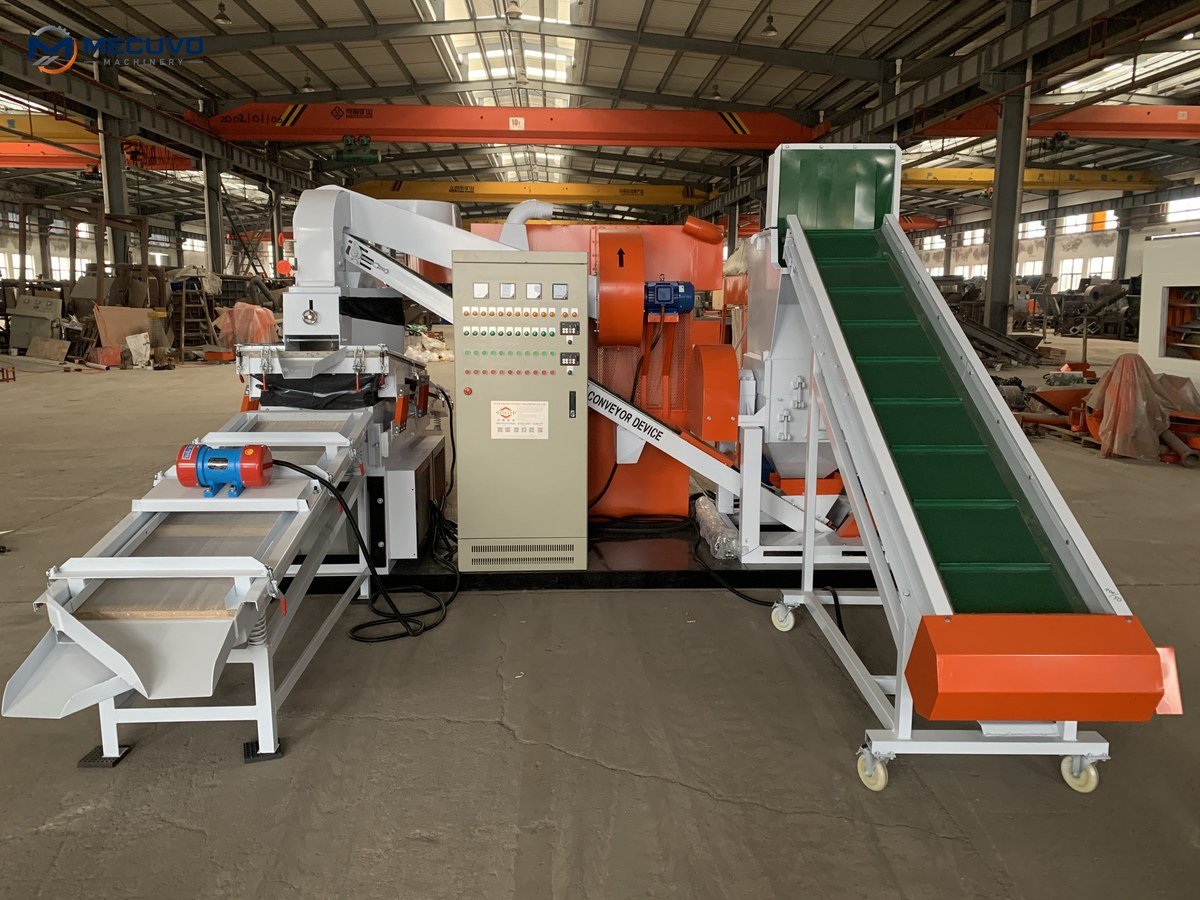
What are the physical bottlenecks and risks of direct manual infeed?
Direct infeed can be practical when the feed meets the granulator’s specifications and preparation can keep pace with the line. Assess the actual time spent sorting, cutting and feeding, along with handling risks, stoppages and output quality. There is no universal manual-infeed throughput limit or required cable length; use the machine’s instructions and measured operating records.
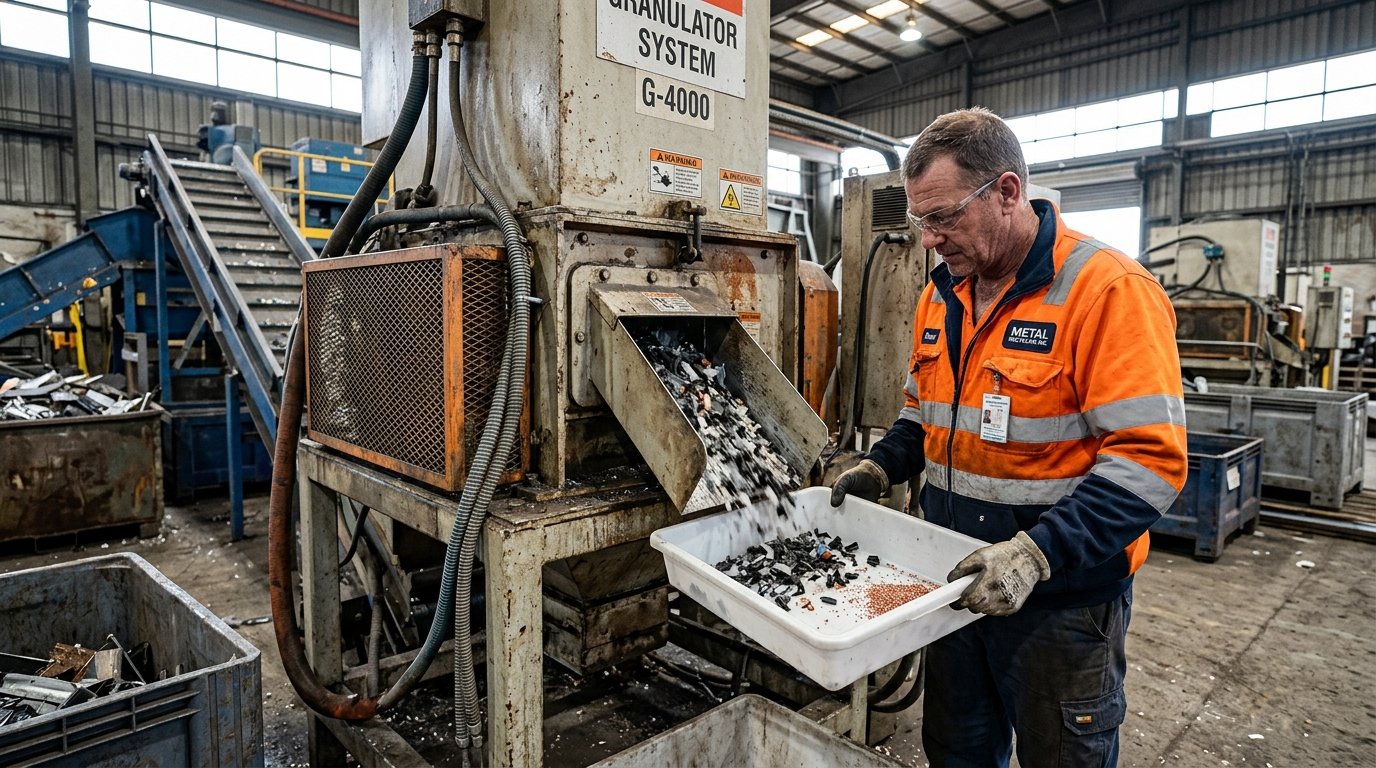
Labor ergonomics, shock load surging, and rotor jam dynamics
In a direct-infeed setup, the granulator receives material without a separate primary shredding stage. The European IPPC Bureau’s waste-treatment reference provides broader process context; it does not establish the numerical performance of a particular cable line. Evaluate these possible constraints using the OEM’s instructions and site records:
- Preparation and Handling Requirements: Check permitted cable dimensions and feed methods before loading coils, bundles or heavy cable. Material outside those limits can wrap, jam or overload the machine. Where preparation is required, use suitable guarded equipment and a documented safe work procedure. Measure the labor hours and cost for your feed mix rather than assuming a fixed cutting length, failure time or monthly wage bill.
- Load Changes and Motor Current: Dense or irregular feed can produce changes in torque and motor current. Review recorded load, overload trips and stoppages against the machine and drive manufacturers’ limits. A specific current spike, structural failure or trip frequency cannot be predicted without machine-specific evidence.
- Cutting Chamber Feed Consistency: Irregular feed may alternate between high load and idle periods and can affect downstream separation. Record feed rate, stoppages and discharge quality to determine whether metering is a constraint. Manual feeding does not necessarily produce a fixed cycle or contaminated output.
How can a dual-shaft pre-shredder affect line operation?
A dual-shaft pre-shredder uses opposing cutters to reduce approved feedstock before secondary granulation. Rotor speed, drive arrangement, accepted bundle size and output dimensions depend on the model and material. Pre-shredding may reduce impact loading compared with direct size reduction, but shock loads are not eliminated; confirm performance in representative trials.
Rotary shear mechanics, planetary torque multiplication, and metered feed consistency
A primary pre-shredder operates on fundamentally different mechanical principles than a secondary granulator:
- Counter-Rotating Cutters: Opposing shafts draw approved material into the cutting zone and shear it between cutters. Confirm shaft speed, cutter geometry and material, accepted feed dimensions and guarding for the proposed model. Do not treat a generic speed range or blade specification as a guarantee for every dual-shaft shredder.
- Drive Torque and Feed Limits: Request the manufacturer’s torque ratings, drive configuration and permitted cable types and dimensions. Slow-speed operation can reduce impact loading, but does not eliminate dynamic shock or overload hazards. Demonstrate difficult feedstocks in an approved trial rather than assuming the machine will cut every armored cable or bundle.
- Overload and Reverse Controls: If provided, verify the machine’s overload detection, reverse sequence, stopping behavior and alarm functions against the manufacturer’s documentation. Response times and retry counts are model-specific. These controls can reduce jam and overload risk, but do not eliminate stalling or motor damage. Follow the manufacturer’s feed restrictions and isolate and lock out hazardous energy before clearing an obstruction.
- Output Size and Metered Infeed: Measure the shredded size distribution and check that it suits the secondary granulator. A correctly configured transfer conveyor may improve feed consistency, but it cannot guarantee uniform particle size or maximum separation efficiency. Match the conveyor, granulator, separator and dust system through line-level trials.
How do you verify whether pre-shredding improves granulator knife life?
Pre-shredding may change the load and size distribution entering the granulator, while an appropriately selected upstream magnet can reduce ferrous contamination. Any claim of longer knife life or a removal percentage needs supporting records from comparable feed and operating conditions. Do not assume a threefold life increase or 99% tramp-metal removal.
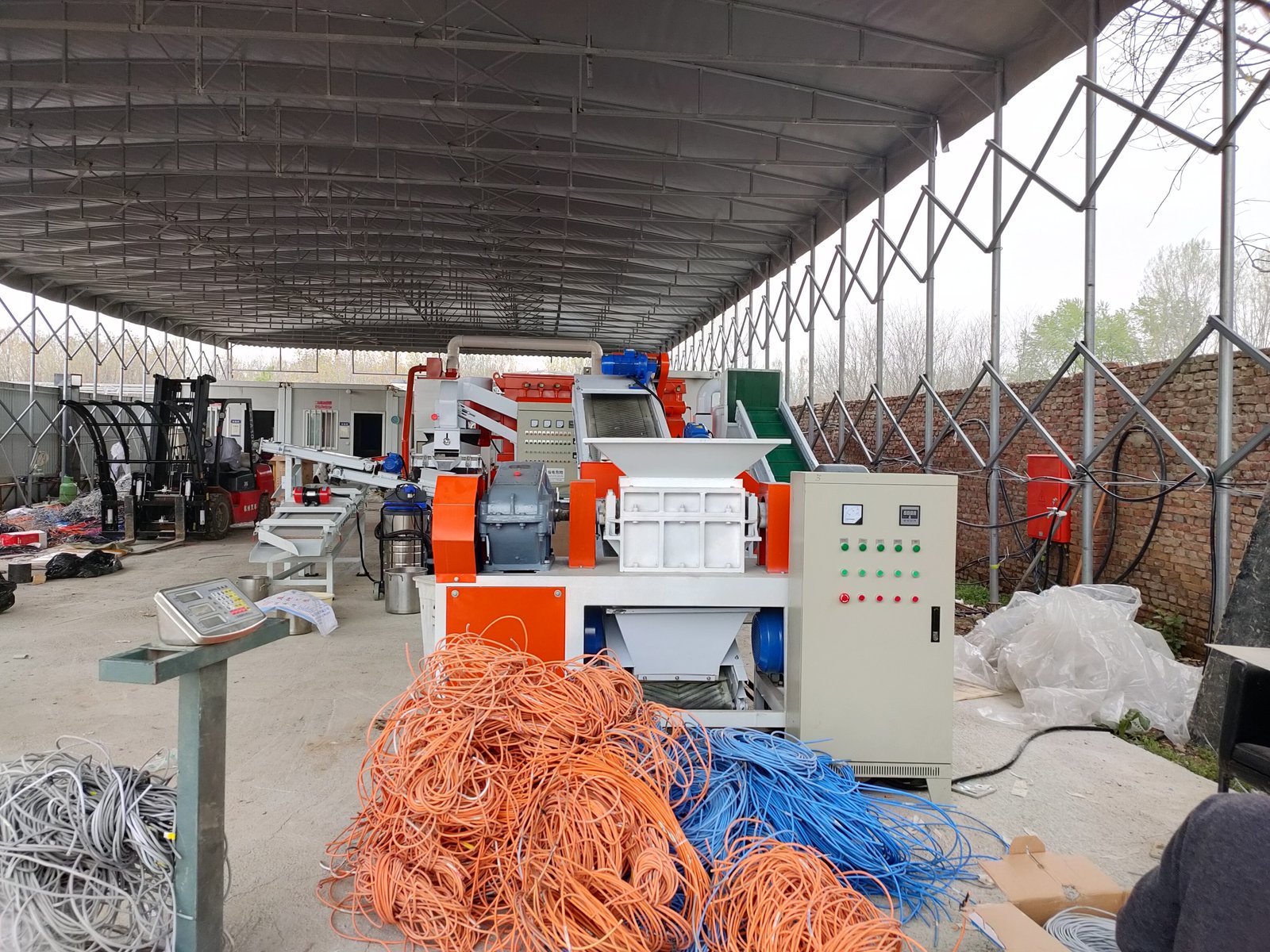
Blade wear, tramp-metal control, and measured maintenance costs
Knife wear depends on the feedstock, contaminants, tooling, clearances, loading and operating conditions. Separate these factors when comparing direct infeed and pre-shredded feed; neither a single cause of wear nor a fixed improvement can be assumed:
- Assess Cutting Loads: Reducing long or tangled feed to a suitable size may reduce wrapping and irregular loading, depending on the equipment and material. Compare knife condition, load records and stoppages in controlled runs rather than applying a fixed percentage reduction in wear.
- Compare Sharpening and Replacement Intervals: Use maintenance records for comparable material, throughput, knife specification and acceptance limits. Record operating hours and tonnes processed between sharpening or replacement, as well as maintenance downtime and cost. Require evidence for any claimed interval improvement; pre-shredding does not establish a universal sharpening schedule or maintenance saving.
- Upstream Tramp Metal Extraction: A suitable conveyor magnet can reduce ferrous contamination, but recovery depends on the magnet, installation, burden depth, belt speed and the contaminants present. Require representative test records for a claimed removal rate. Magnetic separation reduces risk but does not guarantee steel-free feed or eliminate knife and screen damage; inspect the feed and use the manufacturer’s protection measures.
How do you assess whether a pre-shredder is economically justified?
There is no universal monthly-tonnage tipping point. Compare installed cost with measured changes in preparation labor, maintenance, energy, throughput and output quality. The hypothetical 25-metric-ton/month calculation below produces a $3,853.75 difference between selected monthly cost subtotals and a 5.71-month simple-payback illustration on an assumed $22,000 investment. These are arithmetic results under stated assumptions, not verified savings or an investment forecast.
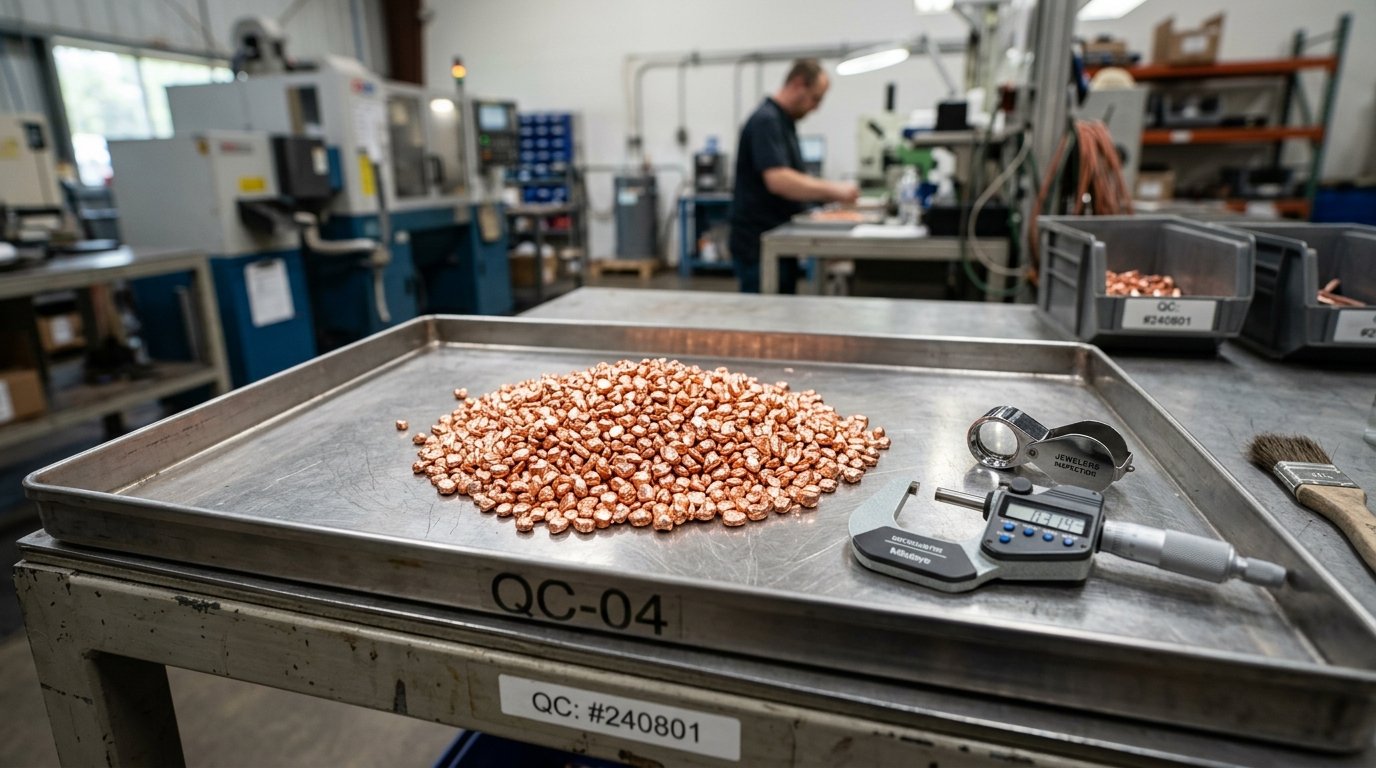
Capital expenditure, labor cost displacement, and payback modeling
Use this partial-cost illustrative example only to structure your own comparison. Every price, labor allowance, maintenance interval, power draw and operating rate below is an assumption, not a quotation or tested equipment specification. Obtain installed-cost quotes and trial or operating records. The example excludes sorting and inspection, some operator time, shredder wear and servicing, installation, financing, taxes, downtime and other site-specific costs; add those costs before judging payback:
- Illustrative Direct-Infeed Assumptions: 25 Metric Tons per Month
- Assumed preparation labor: 2 workers × $20/hour × 100 hours/month each = $4,000/month. Verify both the hours and fully burdened labor rate.
- Assumed granulator knife maintenance: 3 regrinds/month × $80 plus a $750 replacement set every 4 months = $427.50/month. This is a budgeting assumption, not a service-life claim.
- Assumed average direct-infeed processing rate: 250 kg/hour. At 25,000 kg/month, this requires 100 processing hours; it is not a universal machine capacity limit.
- Illustrative Direct-Infeed Cost Subtotal: $4,427.50/month for the selected preparation and knife-maintenance items only.
- Illustrative Pre-Shredder-Assisted Assumptions: 25 Metric Tons per Month
- Assumed additional equipment investment: $22,000. This is not a turnkey quotation; confirm the equipment scope, conveyors, protection measures, delivery, installation and commissioning costs in writing.
- Assumed handling labor: 15 hours/month × $25/hour = $375/month. The simplified subtotal assumes no separate pre-cutting allowance. Verify whether this is achievable for the approved feed and add all remaining sorting, cutting, supervision and operator labor; do not assume manual work is eliminated.
- Assumed granulator knife maintenance: 1 regrind/month × $80 plus a $750 replacement set every 12 months = $142.50/month. Validate any changed interval with maintenance records and add pre-shredder cutter and servicing costs.
- Assumed additional electrical consumption: 15 kW average demand × 25 operating hours/month × $0.15/kWh = $56.25/month. Processing 25,000 kg in those hours assumes an average 1,000 kg/hour through the pre-shredding stage; verify this in a representative trial and measure other changes in line energy use.
- Illustrative Pre-Shredder-Assisted Cost Subtotal: $573.75/month for the selected handling, granulator knife-maintenance and additional energy assumptions only.
- Difference Between Selected Cost Subtotals: $4,427.50 − $573.75 = $3,853.75/month. This excludes the costs noted above and is not verified net cash savings. Redeployed labor does not necessarily reduce payroll.
- Incomplete Simple-Payback Illustration: $22,000 ÷ $3,853.75/month ≈ 5.71 months under these assumptions and before omitted costs. Recalculate with the actual installed investment and supportable net cash benefit; if that benefit is zero or negative, this model establishes no payback.
- Check Whole-Line Capacity: A pre-shredder does not automatically raise granulator or separator capacity. Verify the limiting stage, available operating hours, feed supply, staffing and buyer demand before assigning value to additional output. Higher nominal throughput does not by itself establish higher revenue or profit.
To evaluate machine capacity and payback thresholds before negotiating commercial contracts, review our financial guide on whether a copper wire granulator is worth it for a scrap yard, or contact MECUVO engineering to design your facility layout.
Key Takeaways
Consider a pre-shredder when documented feed-preparation or loading constraints justify it. Confirm compatible equipment, safe handling, representative throughput and maintenance records, and a complete installed-cost comparison. Monthly tonnage alone does not guarantee labor savings, longer knife life, greater output or a particular payback period.
— YOUR RECYCLING PROJECT
Find the right machine for your material.
Tell us your material and required capacity.
Or email sales@mecuvo.com