Table of Content
Navigating international maritime logistics, customs declarations, and commercial documentation can feel intimidating for domestic scrap yard operators considering importing machinery. Importing an industrial copper granulator is straightforward when following proper international trade standards: confirm the exact tariff classification and all applicable charges with the destination customs authority or broker, verify applicable ISPM 15 wood-packaging compliance, and agree delivery responsibilities in writing. Heading 8479 may be relevant, but the exact subheading and duty treatment are machine- and shipment-specific. This technical importing guide demystifies customs classifications, sea freight timelines, bill of lading requirements, and factory voltage matching.
What Harmonized Tariff Code and import duty rates apply to granulators?
No single tariff subheading or duty percentage applies to every granulator or recycling line. Classification and charges depend on the exact machine, country of origin, destination and entry date; national tariff extensions must be verified rather than copying an eight-digit number into every entry.
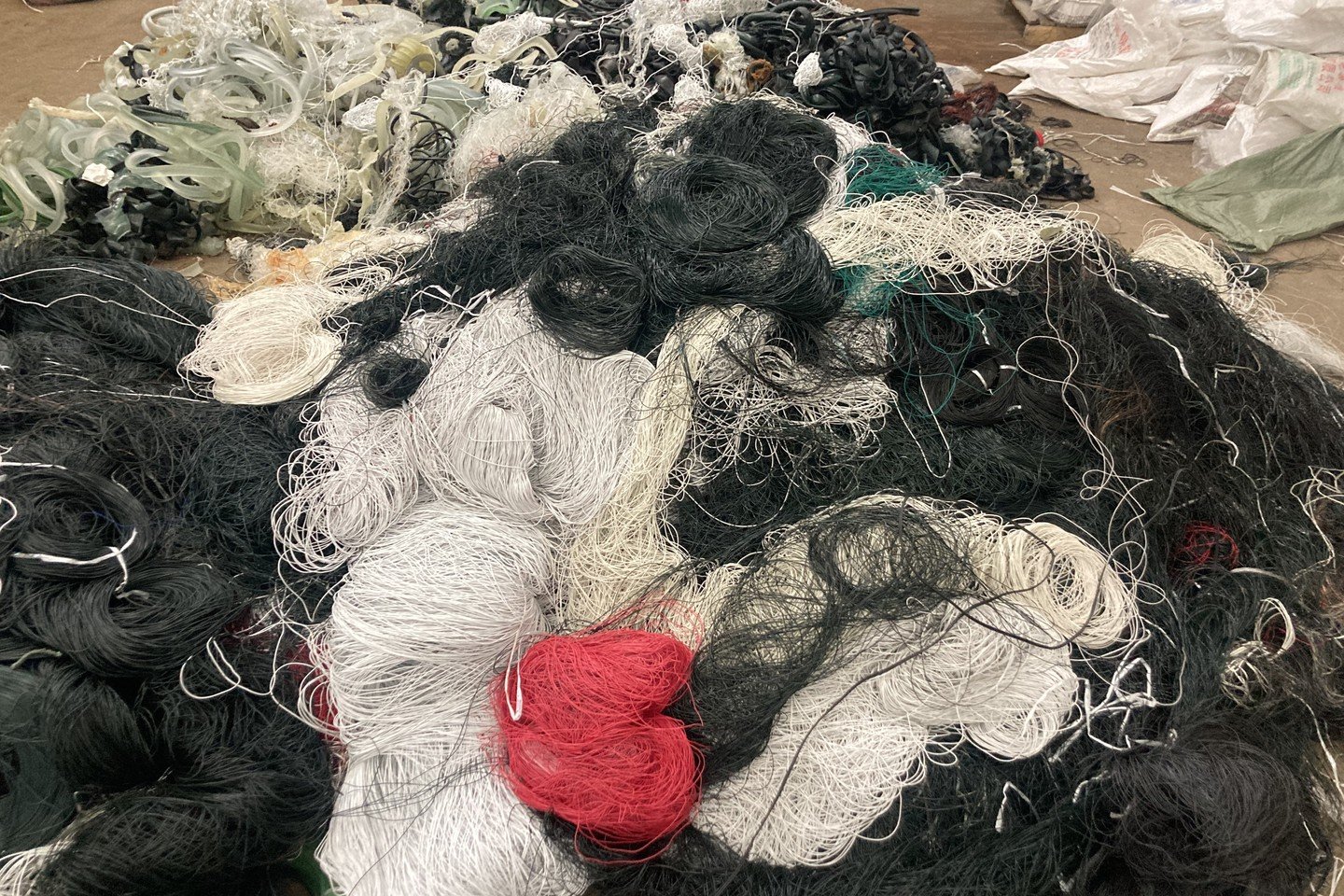
Machine-specific tariff classification, customs requirements, and commercial paperwork
Correct classification and complete shipment documentation help reduce customs problems; they do not guarantee release or exemption from inspection:
- The Tariff Classification: Obtain a complete classification for the exact machine from a qualified customs broker or destination customs authority. The international HS is harmonized to six digits; national extensions differ. For U.S. imports, consult the official HTS and an applicable customs ruling when needed.
- Duty Rate Analysis: Confirm base duties, additional origin-specific duties, taxes and fees for the entry date. The article’s former universal 2.5%–3.5% range and assertion that 8479.82 necessarily incurs a higher rate were not established for the specific equipment.
- Essential Import Documents: Your shipping package must include documentation confirmed for the shipment, commonly including: 1) Commercial Invoice itemizing machine specifications and serial numbers, 2) Packing List with gross/net kilograms and dimensions, 3) the appropriate transport document (such as a bill of lading), and 4) a certificate of origin where required. Original-paper, electronic or release arrangements and other requirements depend on the shipment.
How are heavy granulators packaged to survive ocean transit?
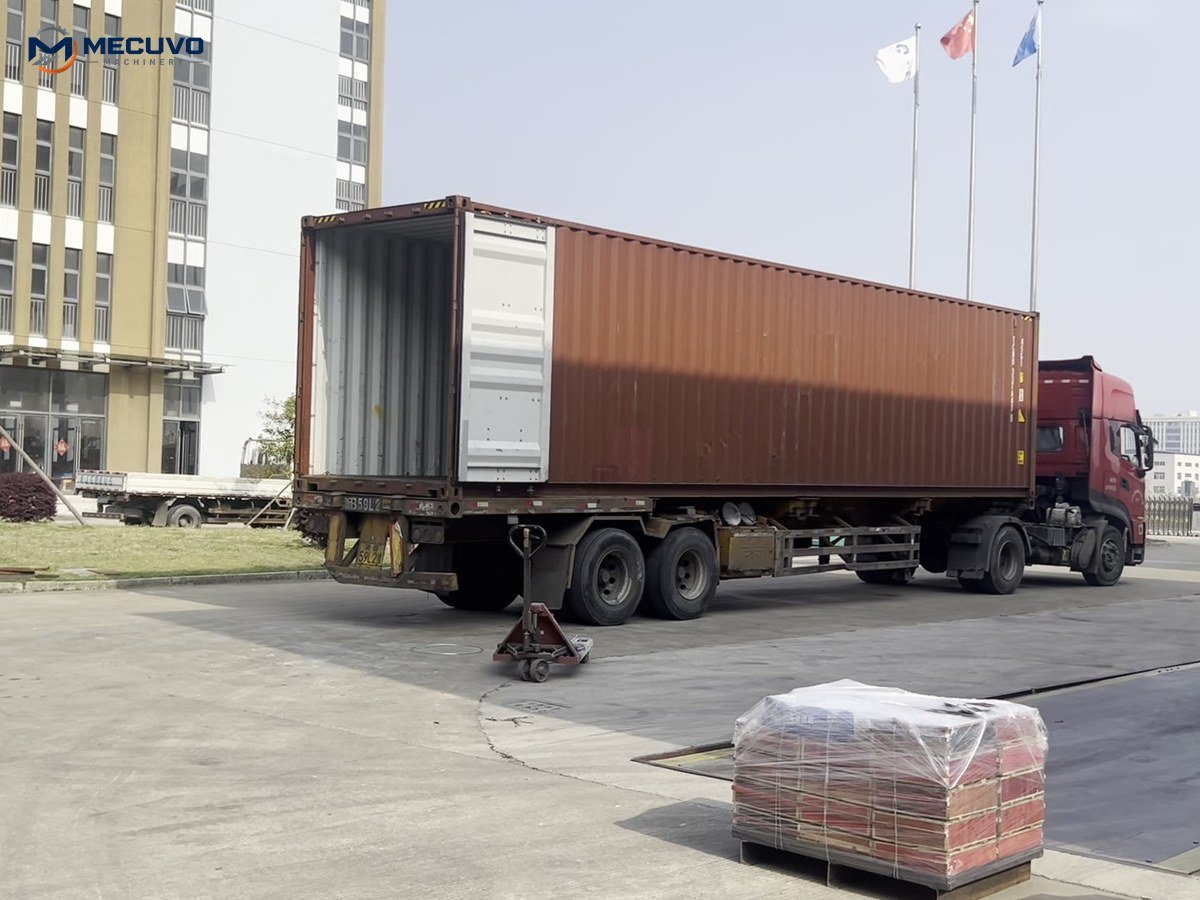
Agree the packing specification with the supplier and freight forwarder, including machinery restraints, moisture protection and any applicable ISPM 15 requirements for regulated wood packaging. Request packing records and photographs; no packaging method guarantees damage-free ocean transit.
ISPM 15 treatment compliance, vapor foil hermetic packaging, and container blocking
Ocean transit exposes heavy steel to high humidity, salty marine air, and severe sea swells:
- ISPM 15 Wood-Packaging Compliance: Confirm that regulated wood packaging uses an approved treatment and authorized mark where required. For conventional heat treatment, at least 56°C must be achieved throughout the wood profile, including its core, for at least 30 continuous minutes. Heat treatment and fumigation are distinct approved treatment methods; the appropriate authorized mark does not guarantee exemption from inspection or clearance delays. See USDA APHIS treatment guidance.
- Anti-Corrosion Packaging: Ask the supplier to specify corrosion protection, barrier materials and desiccant provision appropriate to the equipment, route and anticipated storage period. Verify the agreed protection before dispatch rather than assuming it will control moisture for a fixed number of days.
- Container Restraints: Have the packing and transport providers specify blocking, lashing and rated securing equipment for the actual cargo mass, dimensions and route. Confirm the restraint plan and inspection records before dispatch.
What is the difference between CIF and DDP shipping for scrap yards?
I contrast port-delivery terms with door-to-door delivery so buyers can avoid unexpected terminal fees. Under CIF, the seller pays freight and required insurance to the named destination port, but risk transfers on board at shipment. Under DDP, the seller handles transport and import clearance and duties to the named destination; delivery is normally ready for unloading, which the buyer handles unless agreed otherwise.
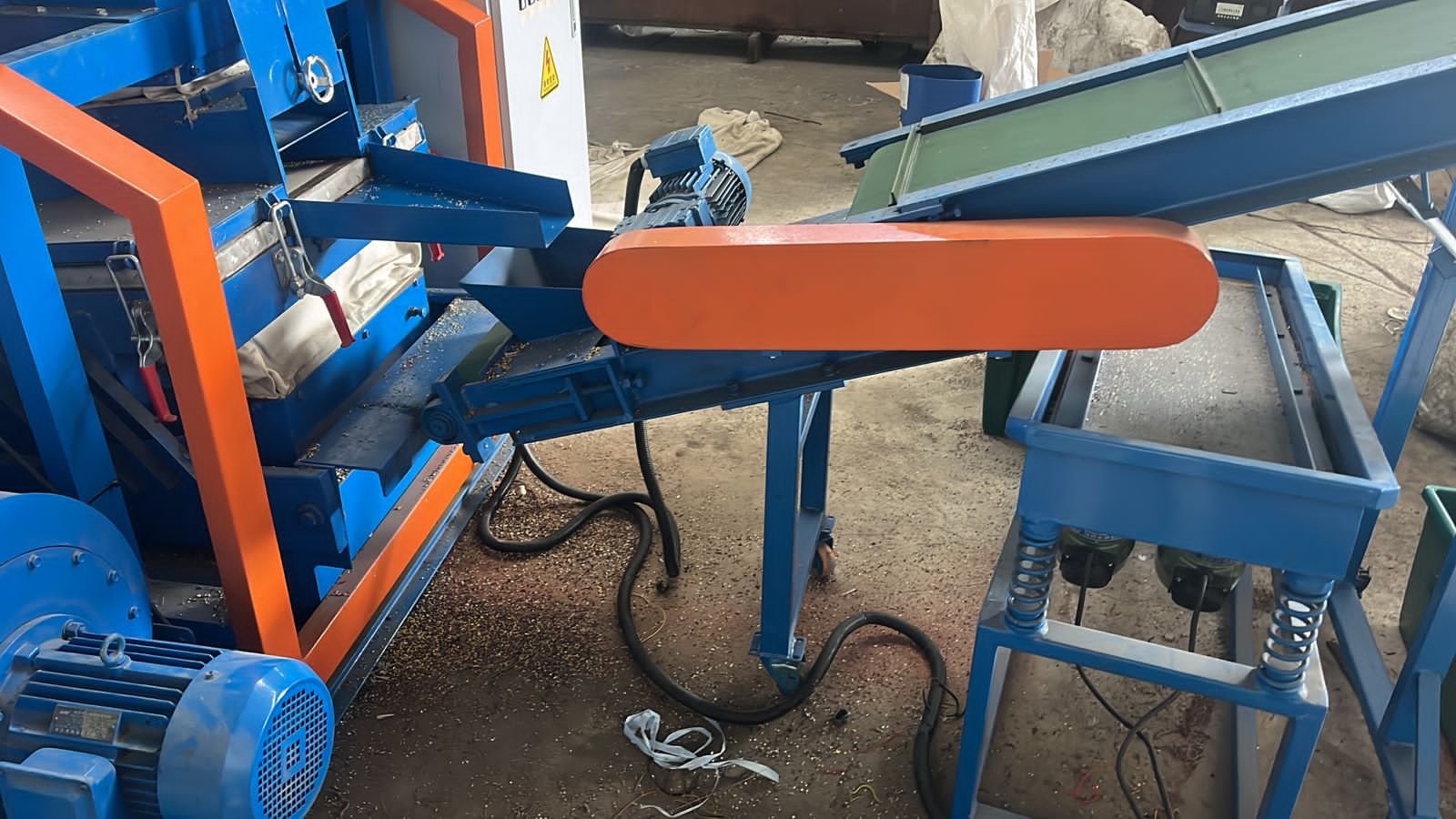
Incoterms 2020: CIF vs DDP, port demurrage avoidance, and inland flatbed drayage
Choose the shipping term that matches your facility’s logistics experience:
- CIF (Cost, Insurance, and Freight): If CIF is agreed, specify the named destination port, Incoterms version, insurance scope and included charges in the contract. Confirm the buyer’s import-clearance and onward-transport arrangements and any destination fees; do not assume MECUVO offers a particular route or service without a written quotation.
- DDP (Delivered Duty Paid): If DDP is offered, confirm that the seller can fulfill the import obligations in the destination country and obtain a written quotation identifying the named destination, Incoterms version, duties, taxes, fees and service exclusions. Confirm who will complete any applicable advance customs filings. DDP does not itself include a liftgate, rigging, unloading or installation. Confirm these services, safe handling capacity and access in writing; see ICC’s DDP explanation.
How should buyers confirm compatibility with their local power supply?
Confirm the site’s voltage, frequency, phase and available capacity before ordering. Ask MECUVO to state the complete machine and control-system ratings in the quotation, including any transformer or drive requirements. Have a qualified electrician verify compatibility, protection and local installation requirements; do not assume a listed regional voltage option is available for every model.
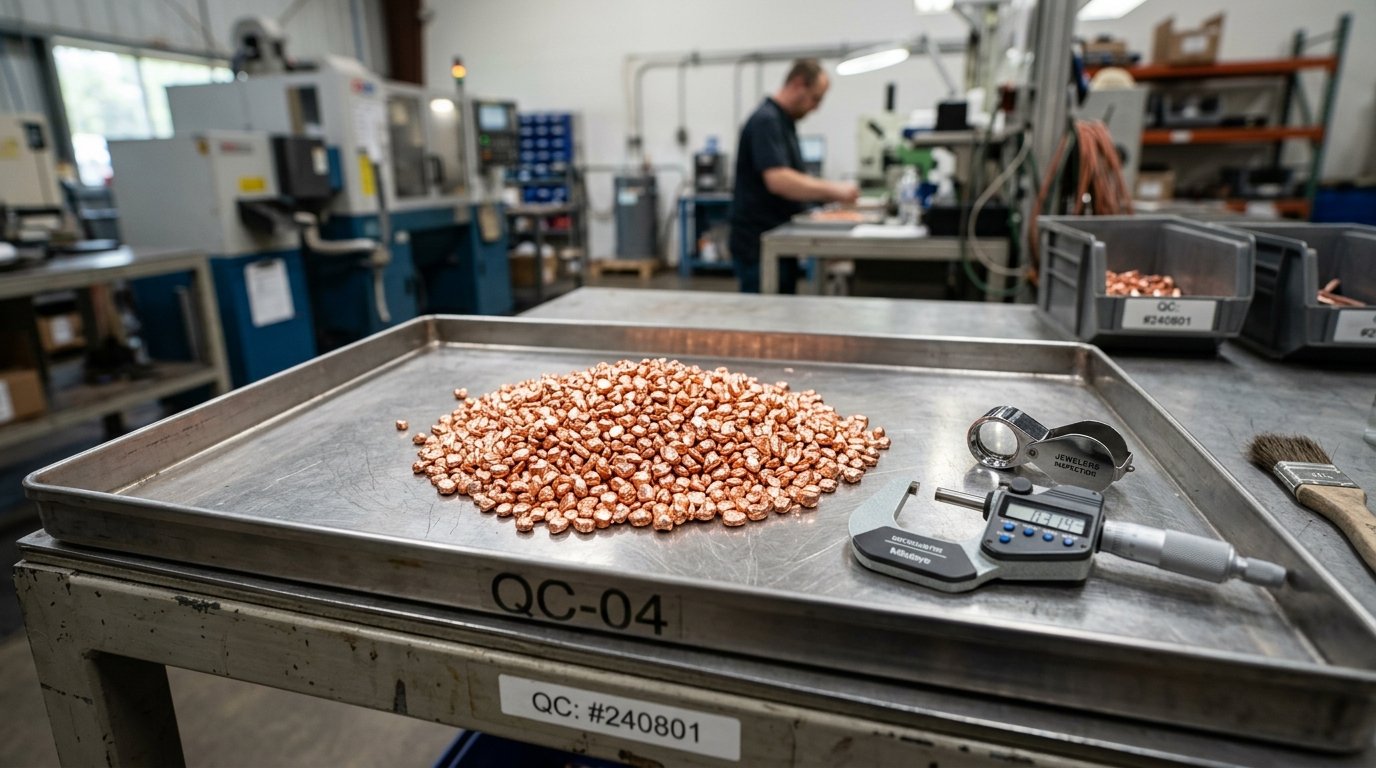
Supply voltage, motor frequency ratings, and commissioning requirements
Agree electrical requirements before fabrication, including whether transformers or other site adaptations will be needed:
- Written Electrical Specifications: Obtain the proposed motor, drive, contactor and protection specifications, including component brands and ratings where material to the purchase. Confirm these in the written quotation and supplied documentation; do not assume particular brands or certifications are included.
- 60 Hz vs 50 Hz Synchronization: Changing frequency can change motor and driven-equipment speed; overheating is not automatic. Use motors and controls explicitly rated for the site’s voltage and frequency, and verify allowable speed, load and protection with the manufacturer and a qualified electrician. IE3 denotes a motor-efficiency class, not a copper-winding material specification.
Request a Written Export Quotation from MECUVO
- Sample-Test Inquiry: Send photos and cable specifications first and ask which representative trials, measurements and reports are available, including any charges. Ship scrap samples only after the receiving facility and a qualified customs broker confirm that the specific material and route are lawful and all required documentation and approvals are in place.
- Landed-Cost Inquiry: Contact MECUVO for an itemized export quotation. Confirm the delivery term, named destination, included duties and services, exclusions, and responsibility for unexpected charges in writing. A quotation or DDP term does not guarantee customs clearance.
- Price and Specification Inquiry: Review the MECUVO copper granulator machines overview and request written confirmation of the selected model, supplied equipment, price and export arrangements.
Key Takeaways
Confirm machine-specific tariff classification and charges, applicable ISPM 15 packaging, electrical ratings and agreed delivery scope. Neither a generic HS code nor DDP terms guarantee clearance, safe installation or included unloading.
— YOUR RECYCLING PROJECT
Find the right machine for your material.
Tell us your material and required capacity.
Or email sales@mecuvo.com