Table of Content
Once an overseas machinery order is assembled and packed inside a shipping container, rectifying engineering discrepancies, vibration flaws, or electrical wiring defects becomes prohibitively expensive. A rigorous Factory Acceptance Test (FAT) requires executing a 30-minute cold idle run to check bearing temperatures, processing a 50 kg live cable sample to verify air-table copper purity, auditing control panel components against electrical schematics, and verifying moisture-sealed seaworthy packaging. I outline the step-by-step engineering verification protocol below so your team or third-party inspection agency can thoroughly validate performance before final balance payment and container dispatch.
What Should You Verify During the Cold Idle Run and Mechanical Audit?
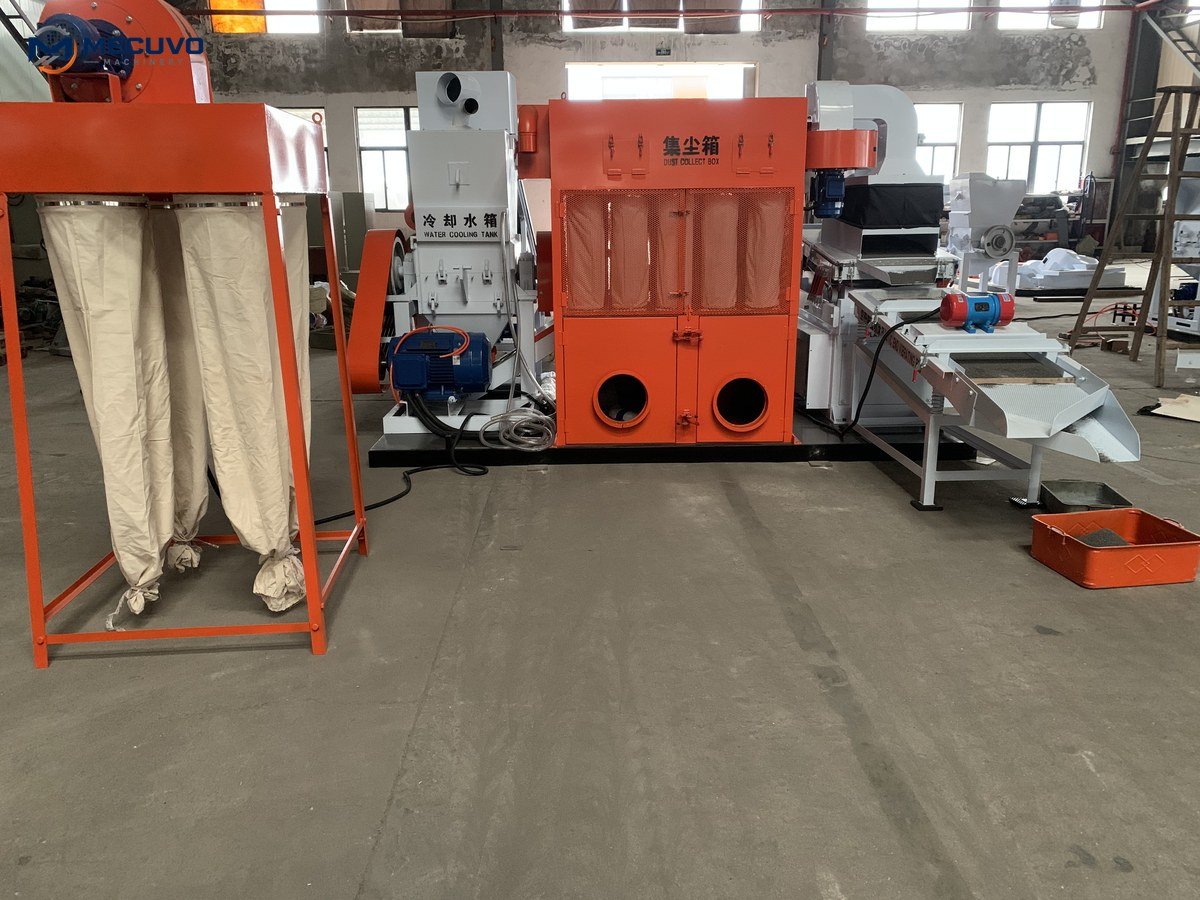
Before feeding scrap wire into the machine, a comprehensive mechanical audit and extended idle test must confirm structural alignment and component integrity. Execute a minimum 30-minute unloaded run to measure main rotor bearing temperature rise, verify motor rotational direction, check knife-to-bed clearances with feeler gauges, and monitor dynamic vibration across the chassis. Before issuing purchase deposits, buyers should conduct a live virtual audit by vetting a granulator manufacturer on a video call to inspect real workshop machining and electrical assembly.
Feeler Gauge Verification, Bearing Temperatures, and Dynamic Balance
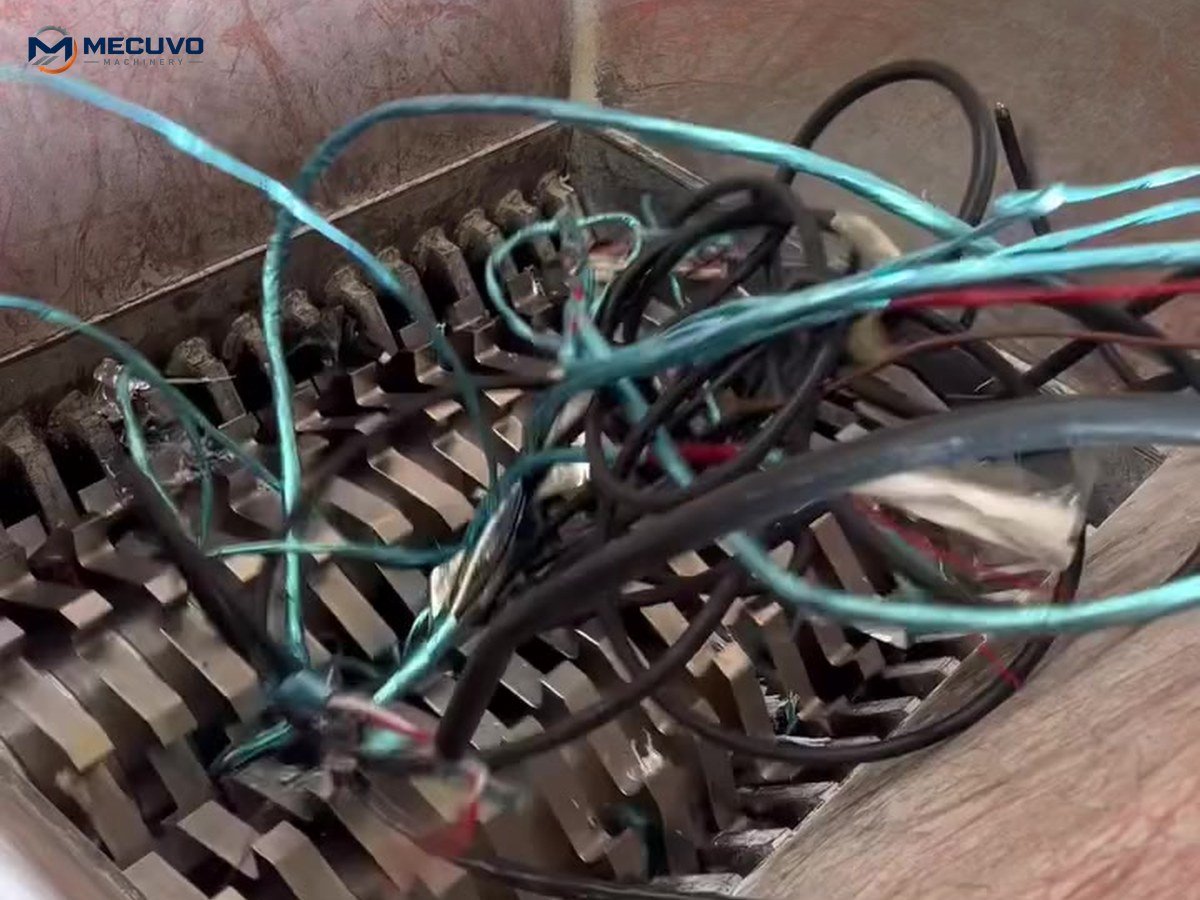
The factory acceptance inspection begins with the main power disconnected and locked out. With the granulator hood opened, the inspector must manually rotate the main cutting rotor by hand to ensure smooth, unhindered rotation with zero binding. Using precision feeler gauges, check the cutting gap between each rotating knife and stationary bed blade across the entire cutting width. In professional granulator engineering, the ideal clearance ranges from 0.20 mm to 0.35 mm depending on the rotor diameter; excessive clearance leads to pinched, folded wire that jams screens, while insufficient clearance risks catastrophic thermal blade collision.
Once mechanical tolerances are confirmed, close and secure all access doors to verify safety limit switches. Start the machine for an extended 30-minute unloaded run. During this phase, record thermal measurements using an infrared thermometer on all primary pillow block bearings, drive motors, and blower housings. Under continuous idle operation, bearing temperature rise should not exceed 30°C above ambient room temperature. Any abrupt temperature spikes, audible grinding, or eccentric chattering indicates incorrect bearing preload or shaft misalignment that must be rectified before shipment.
| Inspection Checkpoint | Target Specification | Inspection Tool | Non-Conformity Action |
|---|---|---|---|
| Rotor-to-Bed Blade Gap | 0.20 mm – 0.35 mm uniform | Precision Feeler Gauges | Re-shim or re-torque stationary bed knives |
| Bearing Temperature Rise | < 30°C over ambient after 30 min | Calibrated Infrared Thermometer | Check lubrication, bearing preload, and alignment |
| Drive Belt Tension | 10–15 mm deflection under finger load | Belt Tension Gauge | Adjust motor slide-base tension bolts |
| Air Table Vibration | Smooth linear oscillation without wobble | Vibration Meter / Optical Tachometer | Inspect eccentric counterweights and rubber isolators |
| Safety Interlock Switches | Immediate control circuit trip / guard locking verification | Functional test by qualified personnel per manufacturer FAT safety protocol (ensuring zero mechanical movement before access) | Adjust sensor alignment, verify safety relay contacts and door interlock logic |
How Do You Conduct a Live Material Trial Cut and Copper Recovery Audit?
Running clean wire through a demonstration machine proves little; the real test of a granulator lies in processing mixed, challenging scrap cable. Supply 50 to 100 kg of representative mixed scrap wire to evaluate cutting throughput, measure clean copper chop purity from the primary air table, and inspect plastic discharge tailings for fine copper loss.
Material Sampling, Purity Assays, and Tailings Verification
The live trial is the definitive core of the FAT protocol. Require the manufacturer to process a pre-weighed batch of representative wire—ideally a combination of automotive harness, mixed appliance cords, and building wire. Continuously observe feeding behavior: the infeed conveyor and cutting chamber should ingest material smoothly without motor surging, excessive plastic dust accumulation, or thermal softening of insulation.
During active granulation, collect output samples across three distinct discharge streams:
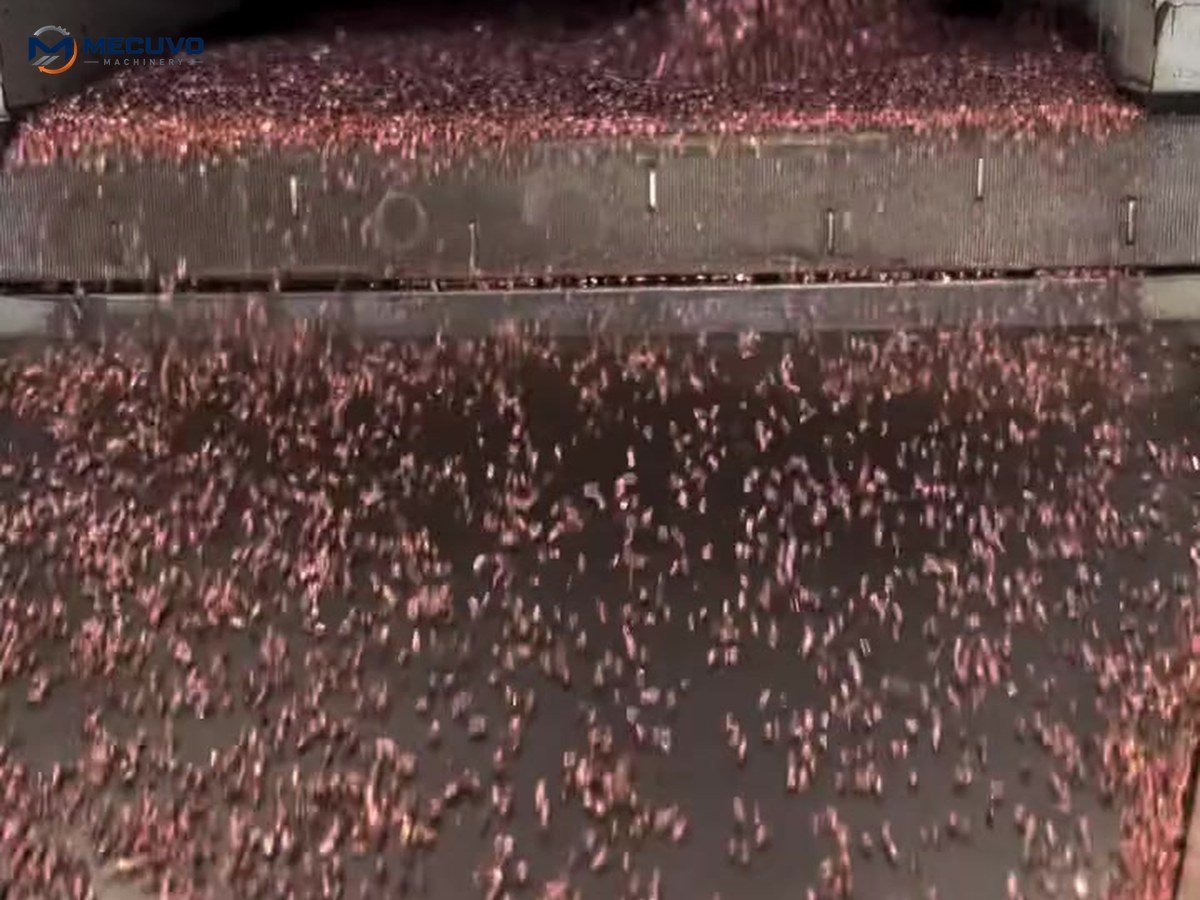
- Heavy Metal Discharge (Clean Copper): Inspect the copper nodules discharged from the upper deck of the vibrating air table. The granules should be clean, bright, and free of adhering polymer skins. Conduct a representative quality check by taking a 500-gram sample under magnification to verify clean nodule morphology and freedom from polymer skins (quantitative chemical purity and mass balance recovery should be confirmed via representative laboratory testing according to buyer contract specifications).
- Light Polymer Discharge (Plastic Tailings): Inspect the plastic discharge chute. Spread the plastic flakes across a clean inspection tray to verify zero visible copper nodules. If noticeable copper particles appear in the tailings, air table damper velocity or deck inclination must be calibrated.
- Middlings Return Chute: Granulators featuring closed-loop return systems route semi-granulated wire back to the cutting chamber. Ensure the return blower and ducting operate freely without backpressure or blockages.
Following the material trial, shut down the system and reopen the cutting chamber to inspect the classification screen. The screen perforations (typically 2.5 mm to 4.0 mm) should remain clear and open; severe screen plugging indicates incorrect airflow or excessively soft wire insulation that requires modified screen aperture sizing.
What Electrical Controls and Seaworthy Packaging Must Be Inspected Prior to Dispatch?
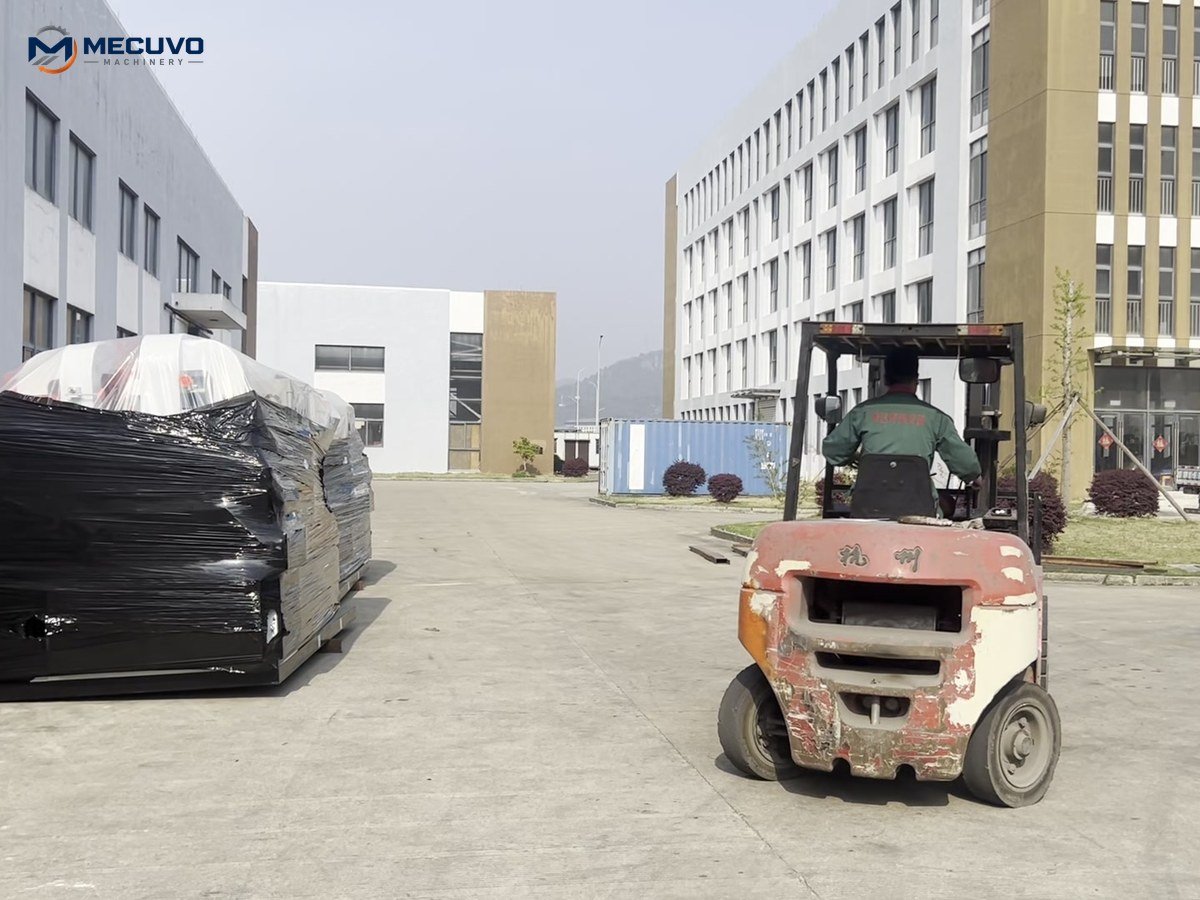
Transit over thousands of miles of ocean exposes machinery to extreme humidity, saline air, and severe container vibration that can destroy unshielded equipment. Audit control panels for compliant wiring and component labeling per IEC 60204-1, then confirm moisture-sealed barrier wrapping, rust preventative coating, and ISPM 15 certified timber crating.
Control Panel Validation and Anti-Corrosion Preservation
Under IEC 60204-1 electrical safety standards, industrial machine control panels must feature clearly identified, ferruled wiring matching the provided schematic diagrams. Verify that primary circuit breakers, thermal overloads, variable frequency drives (VFDs), and control relays use reputable international component brands. Test the emergency stop circuit to ensure pressing any E-stop pushbutton executes an immediate safety shutdown per the machine’s designated safety category (Category 0 uncontrolled immediate power removal or Category 1 controlled deceleration stop per EN 60204-1).
Equally critical is export preservation. The maritime transit environment involves temperature cycling that produces internal condensation inside shipping containers. Before sealing the crate, verify the following preservation steps:. Commercial buyers should protect capital investments by establishing robust copper granulator purchase order warranties and contract terms tied to measurable Factory Acceptance Testing milestones.
- Anti-Corrosion Coating: All unpainted machined steel surfaces—including cutting rotors, knife edges, bed mounts, and air table shafts—must be generously coated with heavy-duty rust inhibitor grease or wax spray.
- Vapor Barrier Wrapping: The entire granulator line should be wrapped in heavy polyethylene or aluminum foil barrier film containing industrial silica desiccant bags.
- ISPM 15 Timber Crating: All wooden crating bases, framing, and dunnage must display the official International Plant Protection Convention (IPPC) wheat-stamp showing heat treatment (HT).
- Internal Strapping: The machine must be bolted through the timber skid and secured with heavy-duty tension straps to prevent shifting during rough sea crossings.
To review pre-shipment inspection checklists and schedule a factory video acceptance audit for your machine build, contact our engineering department via the MECUVO contact portal.
Key Takeaways
A comprehensive Factory Acceptance Test combining cold mechanical checks, live sample trial granulation, and verified seaworthy crating ensures your copper granulator arrives ready for immediate, trouble-free yard commissioning.
— YOUR RECYCLING PROJECT
Find the right machine for your material.
Tell us your material and required capacity.
Or email sales@mecuvo.com