Table of Content
Purchasing an industrial copper granulator involves wiring tens of thousands of dollars overseas, leaving buyers vulnerable if equipment arrives underperforming, damaged, or mechanically defective. Savvy scrap yard executives protect their investment by embedding three critical warranties into the purchase agreement: a throughput and purity Service Level Agreement (SLA), a mandatory pre-shipment video Factory Acceptance Test (FAT), and structured 30/60/10 milestone payment terms. This legal and engineering procurement guide outlines the exact contract clauses, warranty coverages, and spare parts commitments required to eliminate capital risk.
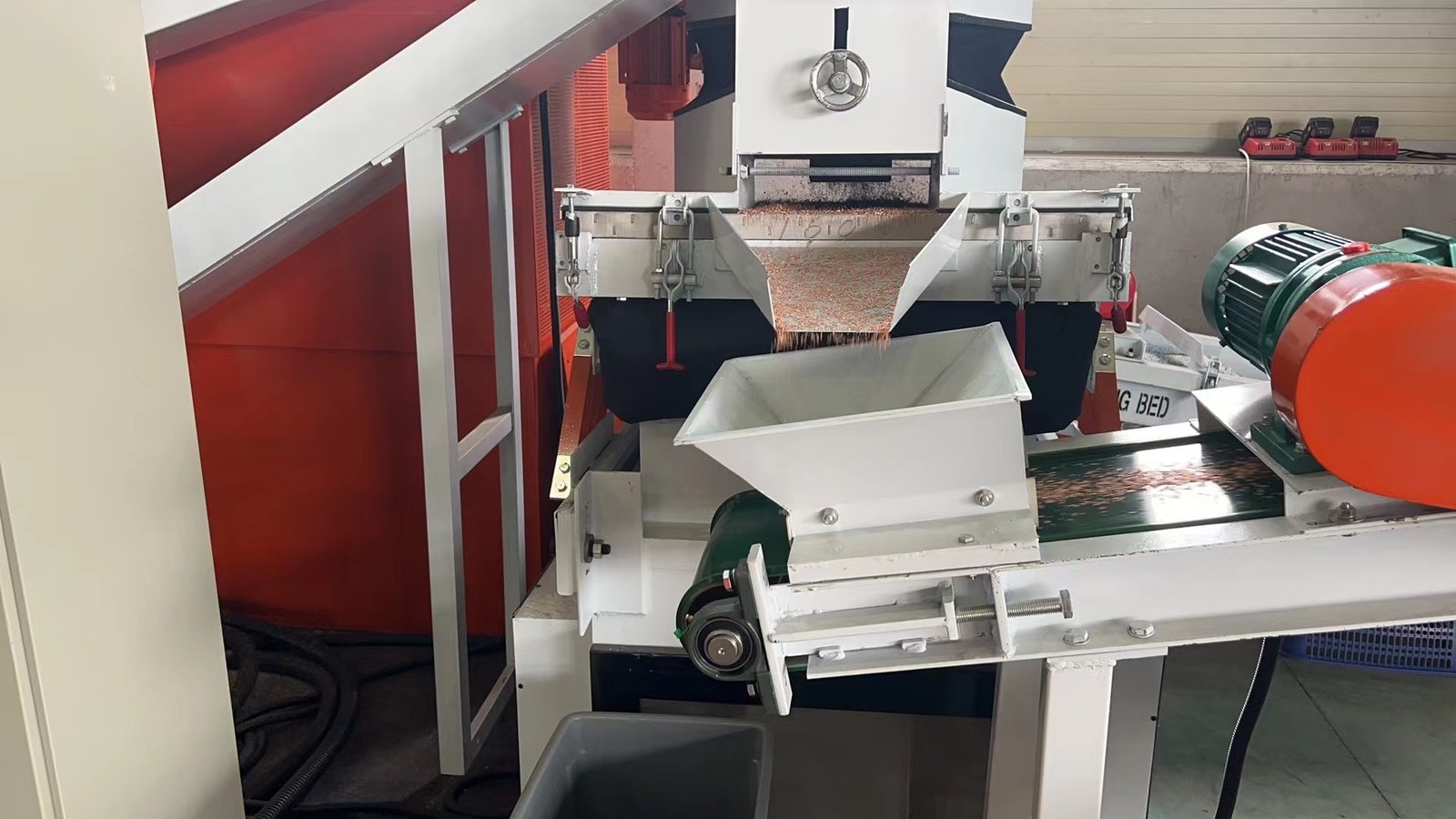
Why are standard proforma invoice terms dangerous for machinery buyers?
I examine the severe legal risks of wiring international payments based on one-page proforma invoices. Proforma invoices contain no performance guarantees, vague component descriptions, and 100% advance wire requirements that strip buyers of all leverage if machines arrive defective or missing parts.
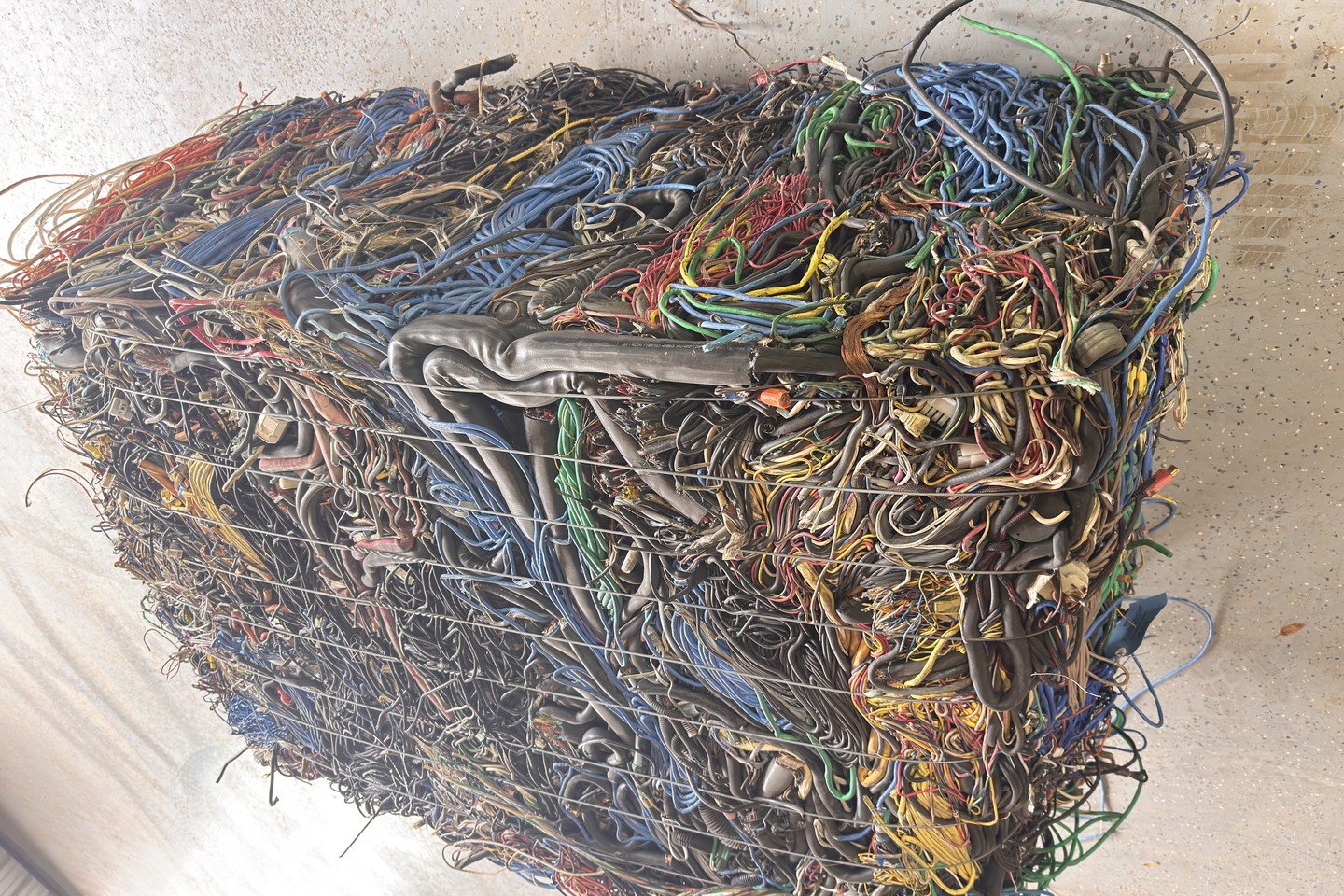
Proforma invoice limitations, international jurisdiction disputes, and advance wire risks
Too many scrap yard buyers wire $30,000 to an overseas supplier based on a simple one-page PDF *’Proforma Invoice’*. This exposes you to severe legal hazards:
- Zero Technical Specifications: A proforma invoice usually lists *’Copper Granulator Model 400 – 1 Unit’*. It does not specify whether the rotor is solid forged 40Cr or cheap welded pipe, whether the motor is virgin copper or CCA, or whether the knives are D2 or 9CrSi. If the supplier delivers an inferior build, you have zero contractual recourse.
- 100% Payment Upfront: Once you wire the final balance prior to shipment without formal testing, the seller has zero financial incentive to resolve missing parts, electrical voltage mismatches, or shipping damage.
- Jurisdictional Impasse: Enforcing a breach of contract claim across international borders is cost-prohibitive for disputes under $100,000. Your only true protection is contractual structure and milestone payment leverage.
What are the 3 critical warranties every granulator contract must include?
I detail the three non-negotiable warranty clauses that protect your throughput, purity, and mechanical uptime. Demand: 1) a Throughput & Purity SLA (guaranteeing rated kg/hr at ≥99.5% copper purity), 2) a 12-Month Comprehensive Component Warranty covering frame, bearings, and motors, and 3) a 48-Hour Spare Parts Dispatch SLA.
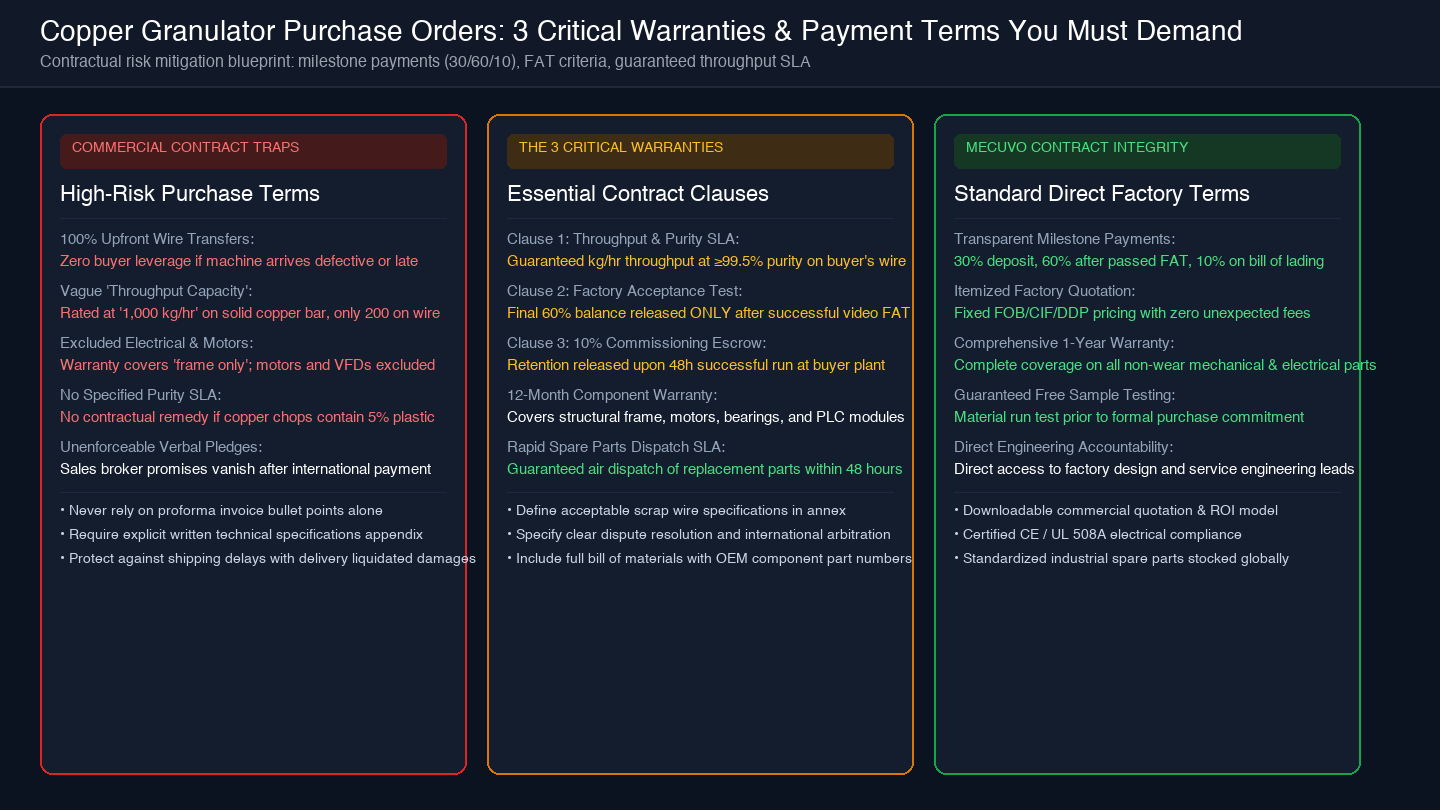
Performance SLA clauses, comprehensive 12-month mechanical coverage, and emergency parts SLA
Insist on inserting these three detailed clauses into your formal contract appendix:
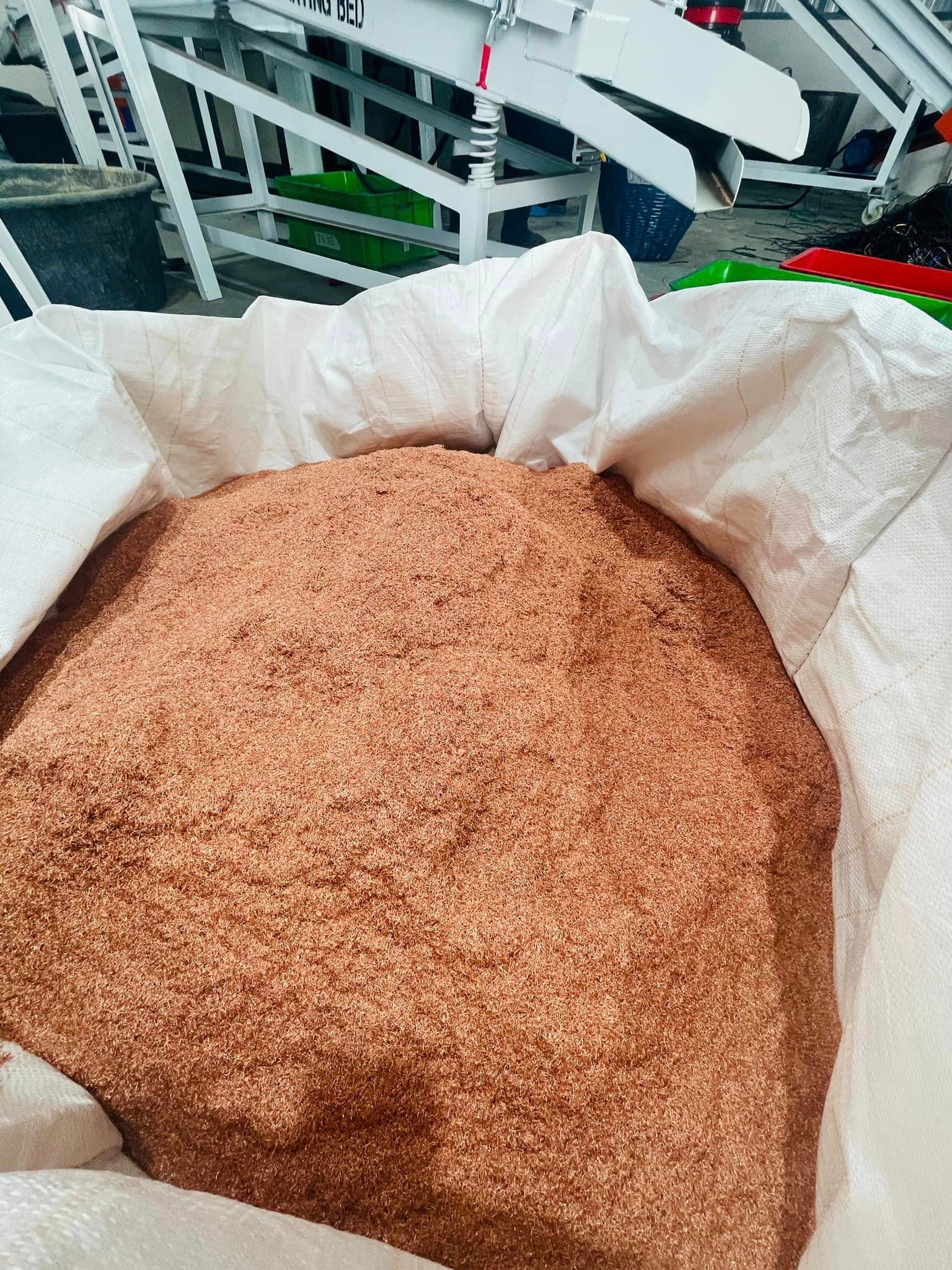
- Warranty Clause #1: The Operational Performance SLA: *’Seller warrants and guarantees that under continuous 8-hour operation, the equipment will process no less than [X] kg/hr of agreed cable categories, achieving a finished copper nodule purity of not less than 99.5% and a plastic tailings copper loss of not more than 0.3% by weight.’*
- Warranty Clause #2: 12-Month Non-Wear Component Warranty: Many suppliers offer warranties that exclude motors and electricals. Demand full coverage on: cutting chamber structural welds, solid forged rotor shaft, electric drive motors, VFD inverters, PLC modules, and main pillow block bearings. If a component fails within 365 days, the seller must ship an OEM replacement via express air freight at seller’s expense.
- Warranty Clause #3: The 48-Hour Spare Parts Dispatch SLA: *’Seller guarantees that standard consumable wear parts (knives, sizing screens, air table mesh decks) will be maintained in factory stock and dispatched within 48 hours of written notice.’*
How should commercial buyers structure international payment milestones?
I provide the industry-standard 30/60/10 milestone payment structure that preserves buyer leverage. Structure payments with 30% advance deposit to begin fabrication, 60% balance payable ONLY upon approved video Factory Acceptance Test (FAT), and 10% released upon receipt of original Bill of Lading (B/L).
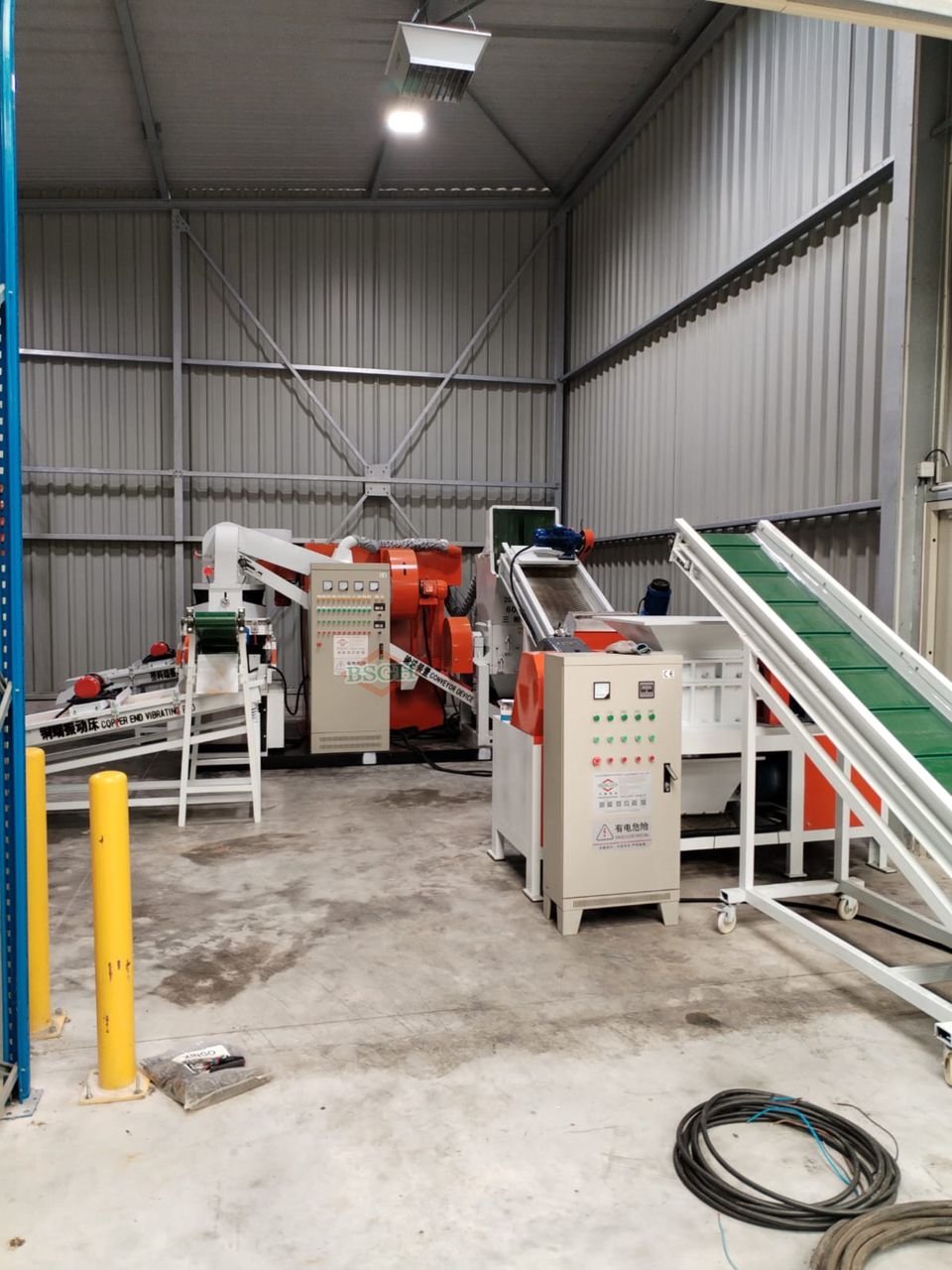
Milestone payment structuring, Letter of Credit (L/C), and Bill of Lading (B/L) escrow
Preserve your financial leverage through disciplined payment milestone gates:
- 30% Advance Deposit: Transferred upon mutual signing of the sales contract and technical specification appendix, initiating raw material procurement and CNC machining.
- 60% Progress Payment (The Critical Gate): Released ONLY after the manufacturer conducts a full, unedited Factory Acceptance Test (FAT) on video using your specified scrap cable type. The video must show continuous feeding, electrical ammeter readings, smooth air table stratification, and gravimetric purity verification. You do not release a dollar until you see your machine perform.
- 10% Final Balance: Paid upon presentation of the clean On-Board Bill of Lading (B/L), commercial packing list, and original certificate of origin.
*Alternatively, for orders exceeding $50,000, utilize an irrevocable Letter of Credit (L/C) payable against third-party SGS inspection certificates.*
What shipping Incoterms and customs details prevent port demurrage fees?
I explain the difference between FOB, CIF, and DDP terms and how to avoid surprise container terminal fees. Secure CIF (Cost, Insurance, and Freight) or DDP (Delivered Duty Paid) Incoterms, ensure Harmonized Tariff Code HS 8479.89 is listed, and verify original ocean bills of lading are couriered promptly.
Incoterms 2020 (FOB vs CIF vs DDP), Harmonized Tariff HS Code 8479.89, and demurrage avoidance
Logistics oversights can cost thousands of dollars in port container storage fees (*demurrage*):
- Select CIF or DDP Terms: If you lack an in-house customs broker, avoid FOB (*Free on Board*) terms, which leave ocean booking to you. Request CIF to your nearest ocean port or DDP directly to your scrap yard facility door, requiring the seller to manage transit insurance and customs clearance.
- Correct Harmonized Tariff Classification: Ensure all commercial invoices declare HS Code 8479.89 (*Machines and mechanical appliances having individual functions, not specified elsewhere: Other*). Misclassifying granulators as generic waste machinery can trigger customs inspection delays and higher import duties.
Partner Directly with MECUVO for Total Contract Peace of Mind
- Free Factory Sample Testing: Test before you sign. Ship 20–50 kg of your scrap wire to MECUVO. We will run an unedited trial video and certify recovery throughput before drafting any contract.
- Custom ROI & Payback Spreadsheet: Contact MECUVO engineering to calculate your total landed equipment costs and verify power grid compatibility.
- Direct Factory Price & Spec Sheet: Review transparent machine specifications and request an itemized contract quotation directly on our MECUVO copper granulator machines page.
Key Takeaways
Never wire machinery funds on simple proforma invoices; enforce the 3 critical contract warranties (performance SLA, 12-month parts coverage, 48-hour dispatch) and structure 30/60/10 milestone payments tied to video Factory Acceptance Testing.
— YOUR RECYCLING PROJECT
Find the right machine for your material.
Tell us your material and required capacity.
Or email sales@mecuvo.com