Table of Content
Budget beyond the advertised equipment price for freight and destination charges, electrical work, machinery handling, initial wear parts and dust-system installation. The five illustrative ranges below total $5,900 to $11,500, beyond equipment purchase and excluding unlisted costs. These are startup-cost examples, not local quotations or a complete life-cycle TCO model; include ongoing ownership costs and obtain itemized written quotes for your site.
What are the 5 hidden expenses first-time granulator buyers miss?
This example budgets five potential startup outlays: 1) Ocean freight terminal and customs fees ($1,800–$3,500), 2) Electrical service work ($1,200–$2,800), 3) Uncrating and machinery rigging ($800–$1,500), 4) Initial spare wear tooling ($1,500–$2,500), and 5) Dust-system ducting ($600–$1,200). Actual scope and prices depend on the machine, site, destination and contract; replace these ranges with current written quotations.
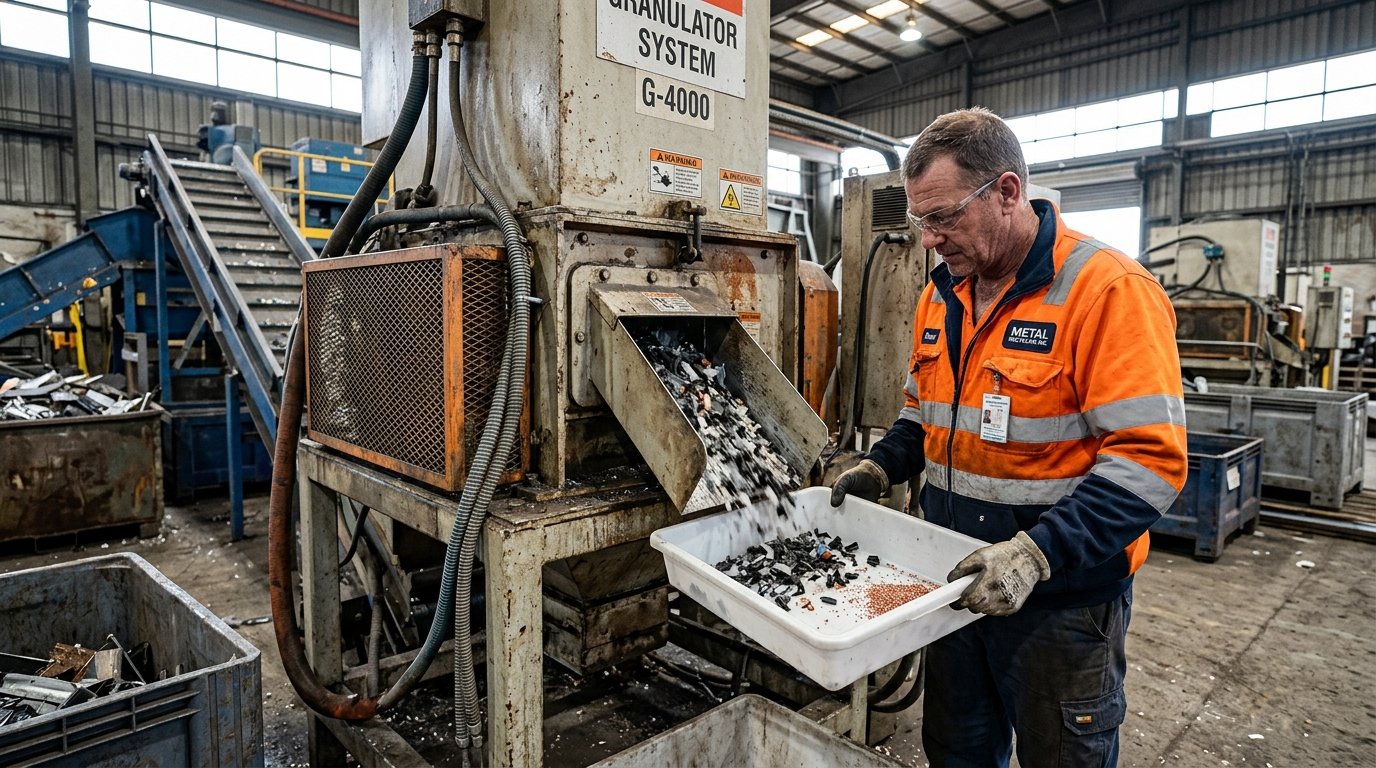
Startup expenditure budgeting, facility preparation, and potential fees
When planning equipment capital allocation, budget for the entire installation ecosystem:
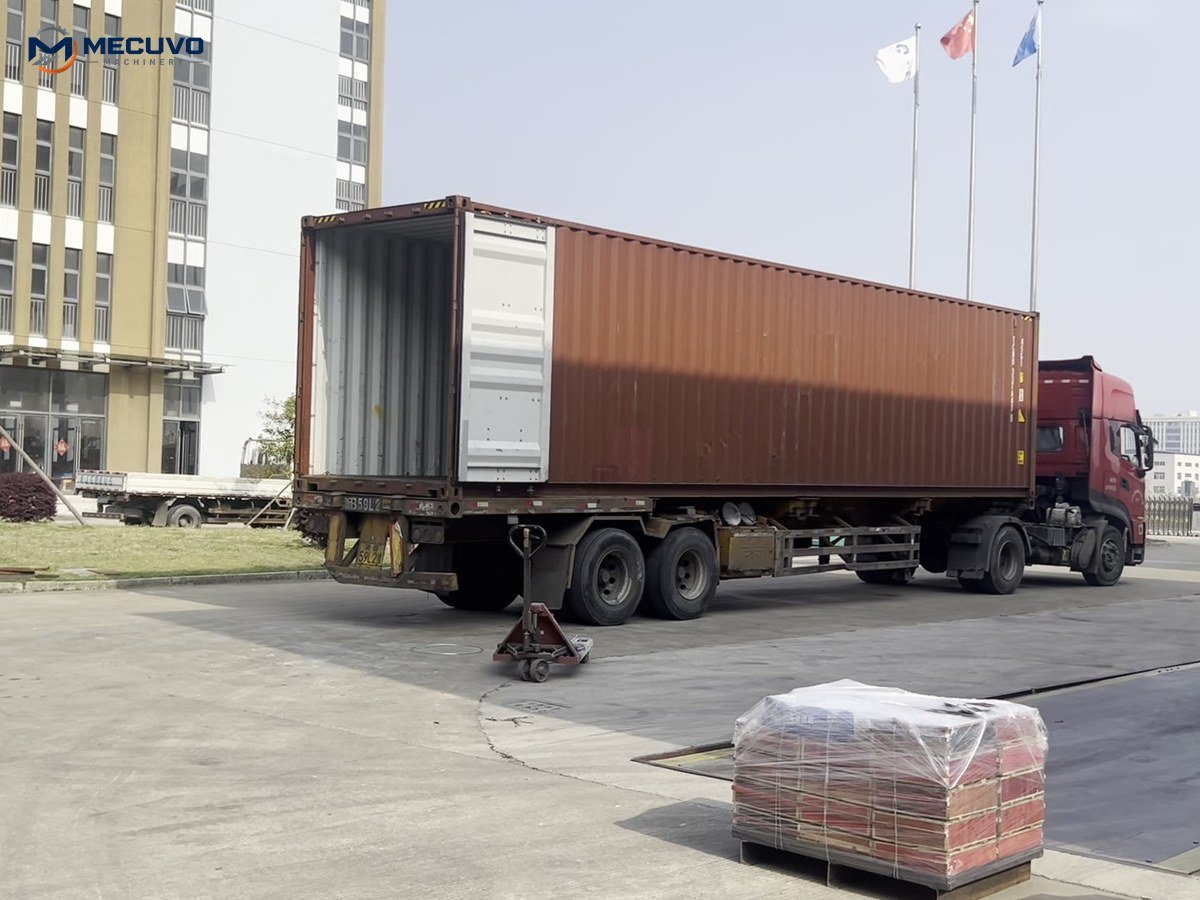
- 1. Ocean Freight & Destination Port Terminal Fees ($1,800 – $3,500): If you purchase on FOB terms, delivery and risk transfer occur when the goods are on board the vessel at the named port of shipment. You are responsible for ocean freight, maritime insurance, terminal handling charges (THC), customs brokerage fees, and local container drayage. Demurrage or storage charges may arise after the applicable free time; confirm the schedule, free-time allowance and responsible party in writing.
- 2. Electrical Service and Disconnect (Illustrative $1,200 – $2,800): Confirm the selected machine’s rated load, voltage, phase and frequency before budgeting. Have a qualified electrician determine supply capacity, conductors, protection, disconnects, grounding and applicable code requirements. A component description alone does not establish site compliance or a complete lockout/tagout procedure.
- 3. Machinery Rigging & Forklift Unloading ($800 – $1,500): For an illustrative machine weighing 2,200 to 3,800 kg (2.4 to 4.2 US short tons), verify the actual shipping weight and handling requirements before arranging unloading. Do not assume a warehouse pallet jack has adequate capacity. Use a qualified machinery rigger and handling equipment rated for the actual weight, load center, lift height and lifting points; nominal forklift tonnage alone does not establish safe capacity.
- 4. Initial Spare Wear Tooling Package (Illustrative $1,500 – $2,500): Compare purchasing compatible spares with the machine against later orders, including freight and lead times. Confirm knife specifications, screen openings, deck material and quantities for the selected model and feed; do not assume a particular steel grade or spare set is included.
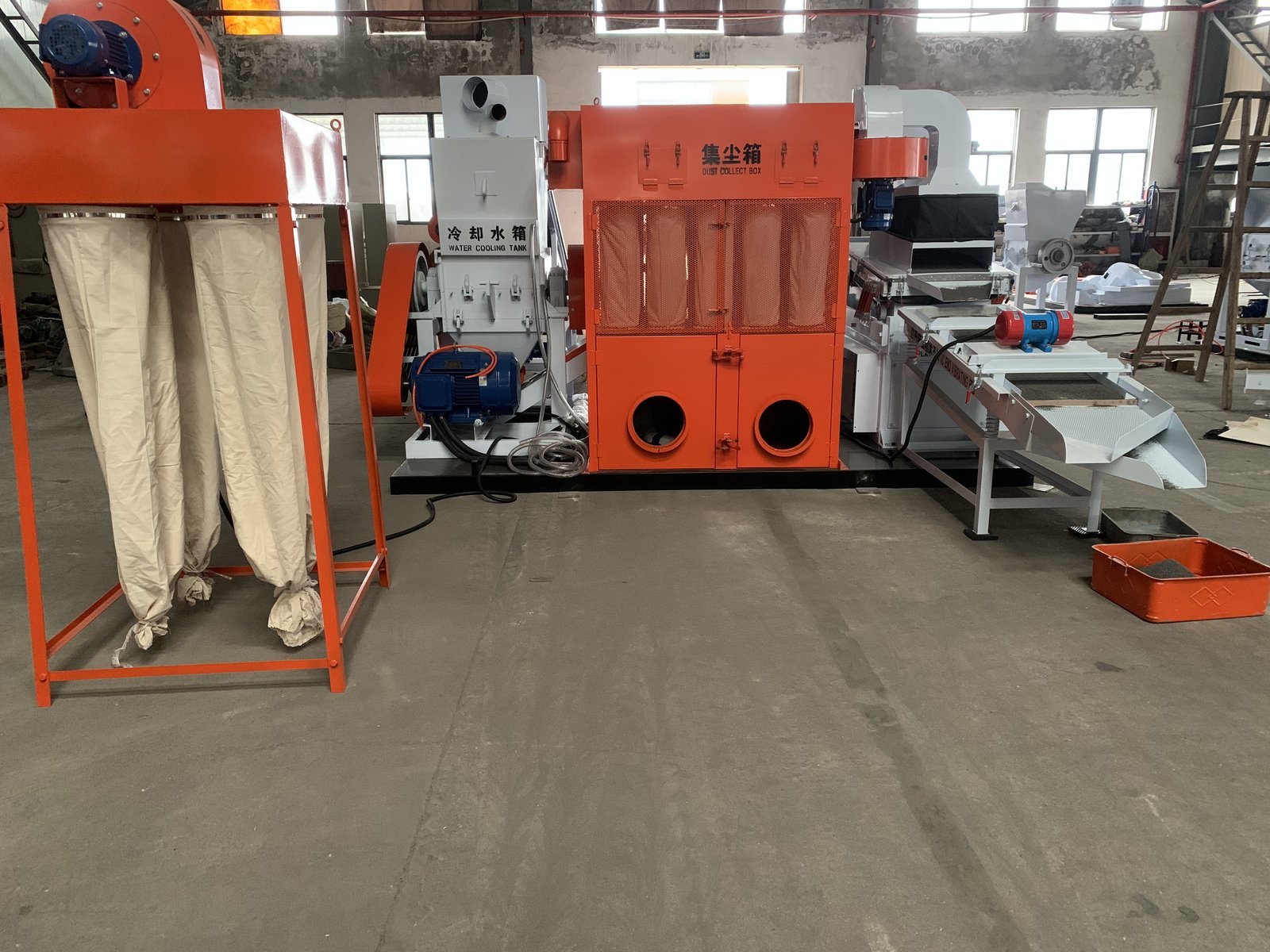
- 5. Dust-System Ducting (Illustrative $600 – $1,200): Obtain a site-specific design and installation quote for the required dust-collection system, ductwork and discharge arrangements. Materials, routing, collector location and safety requirements depend on the equipment, dust characteristics and applicable rules.
How do FOB, CIF, and DDP shipping terms impact your total landed cost?
Compare the named place and allocated responsibilities under the agreed Incoterms rule. DDP allocates delivery and import-clearance responsibilities but does not itself guarantee a fixed commercial price or include unloading, rigging or installation. Confirm these services and exclusions in the written quotation; see the ICC’s DDP explanation.
Incoterms 2020: FOB, CIF, DDP and destination-specific customs classification
The agreed Incoterms rule allocates delivery responsibilities, costs and risk; compare the written price scope and exclusions separately:
- FOB (Free on Board), Illustrative Budget: Assume a seller quotes $18,000 FOB Shanghai. In this example, the buyer must arrange ocean freight ($2,800), destination terminal handling ($950) and customs brokerage ($350), pay the duties and taxes confirmed for the exact machine, origin, destination and entry date by the customs authority or broker, and book local flatbed trucking ($1,200). The named fixed charges total $23,300 before applicable duties, taxes, insurance and other unlisted fees.
- CIF (Cost, Insurance, and Freight): The seller pays freight and required insurance to the named destination port; risk transfers when goods are on board the vessel at shipment. The buyer handles import clearance and onward transport unless otherwise agreed.
- DDP (Delivered Duty Paid): The seller handles transport and import clearance and duties to the named destination under DDP. Delivery is ready for unloading; confirm unloading, site access, rigging and the commercial price scope separately in writing.
What spare wear parts should you consider with the initial order?
Ask the supplier which spare knives, sizing screens, deck material and drive belts are compatible with the selected model. Set initial quantities using the feed, expected operating hours, sharpening arrangements, lead times and cost of downtime; no single spare-parts package fits every installation.
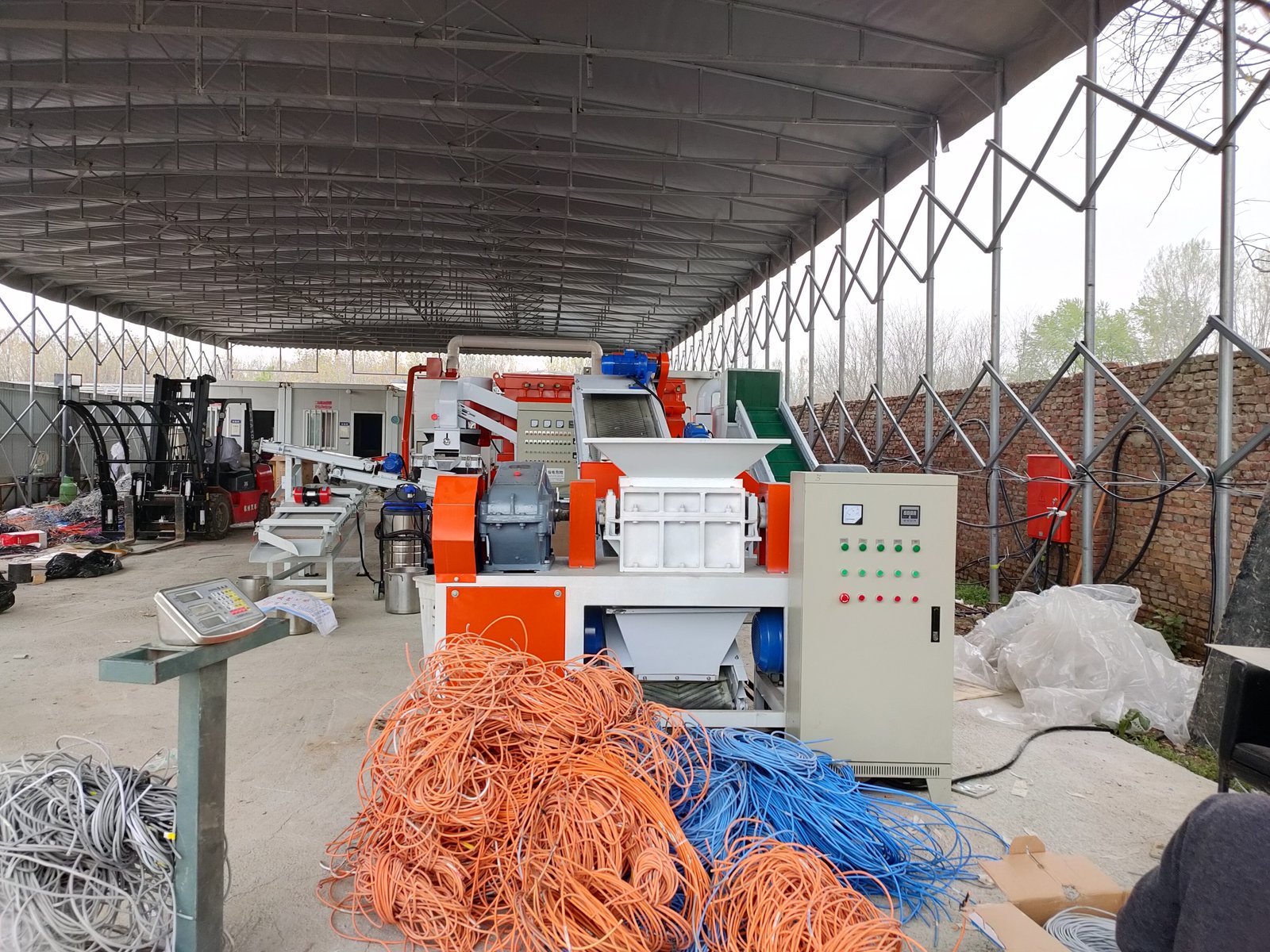
Consumable wear tooling cycles, screen perforation sizing, and air freight penalty avoidance
Keeping suitable replacement consumables available can reduce downtime, subject to maintenance needs and correct installation:
- Spare Knife Set: Sharpening intervals depend on feed contamination, knife condition, material and operating practice. Follow the model-specific maintenance instructions and agree on sharpening lead times. A compatible spare set may reduce the time the machine is unavailable; a fixed 300-hour interval or 3-to-5-day delay should not be assumed.
- Assorted Sizing Screens: Ask which screen openings are compatible with the mill and verify throughput, liberation, recovery and product purity on representative feed. Screen selection depends on the whole process; a cable category alone does not establish the correct opening.
- Replacement Deck Mesh Cloth: The precision stainless steel woven wire mesh on the vibrating density table separates copper nodules. Having a replacement pre-stretched deck cloth on hand protects against accidental punctures.
What should a MECUVO equipment quotation include?
Request a model-specific written quotation from MECUVO specifying electrical requirements, included equipment and spares, testing, delivery terms and installation responsibilities. Confirm availability and price for each requested option rather than assuming that voltage customization, a spare-parts package or DDP delivery is included.
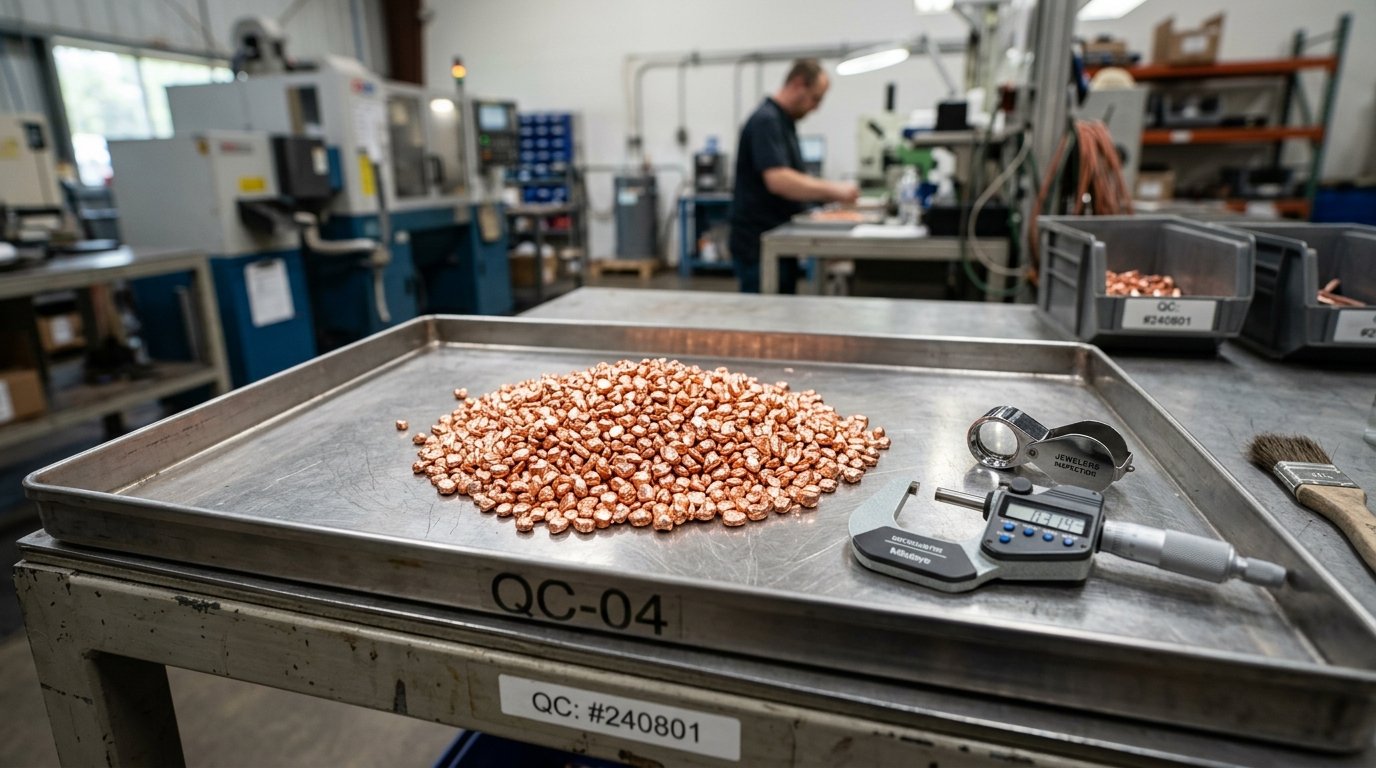
Itemized commercial quotation, electrical requirements, and commissioning scope
Ask the supplier to confirm the following details in the written quotation:
- Electrical Configuration: Specify your site’s voltage, phase and frequency, and request confirmation that the quoted model is compatible. Confirm component makes and ratings, required site work, commissioning responsibilities and any relevant documentation; do not assume a particular brand or plug-and-play installation.
- Included Tooling and Spares: Request an itemized packing list with part numbers, materials, quantities and prices. Confirm whether extra knives, sizing screens, deck material and drive belts are included or optional.
- Delivery Scope: Ask which Incoterms rule and named place can be quoted for your destination. Confirm transport, customs clearance, duties, insurance, unloading and exclusions as applicable, along with quote validity and any price-adjustment terms. Do not assume DDP service or a fixed delivered price is available.
Request an Itemized Equipment and Delivery Quotation
- Ask About Factory Testing: Confirm test availability, sample requirements, charges and shipping and customs arrangements with MECUVO in writing before sending scrap. Request documented throughput, recovery, purity and test conditions; a trial result is specific to the tested material and setup.
- Request Cost-Model Inputs: Contact MECUVO engineering for an itemized quotation and ask whether financial-modeling assistance is available. Use confirmed shipping, site-work, operating and local scrap-price inputs.
- Request Price and Specifications: Review the MECUVO copper granulator machines overview page and request a model-specific quotation with included equipment, options and exclusions.
Key Takeaways
Budget for freight and destination charges, electrical work, rigging, initial tooling and dust-system installation, then add ongoing costs for a complete TCO comparison. The example’s $5,900 to $11,500 startup range is illustrative. Confirm supplier services, electrical configuration, spares, delivery responsibilities and exclusions in written quotations.
— YOUR RECYCLING PROJECT
Find the right machine for your material.
Tell us your material and required capacity.
Or email sales@mecuvo.com