Table of Content
Scrap yard operators receiving modern air conditioning condensers must distinguish between traditional copper-tube aluminum-fin radiators and modern all-aluminum microchannel heat exchangers. Mechanical radiator strippers process traditional copper-aluminum coils with round tubes, but cannot strip brazed all-aluminum microchannel coils, which must be routed to dual-shaft shredders or balers. I compare coil metallurgy, internal bonding mechanisms, and processing alternatives below to ensure you route incoming scrap heat exchangers through the correct recovery equipment.
How Does a Radiator Stripper Separate Traditional Copper-Aluminum Coils?
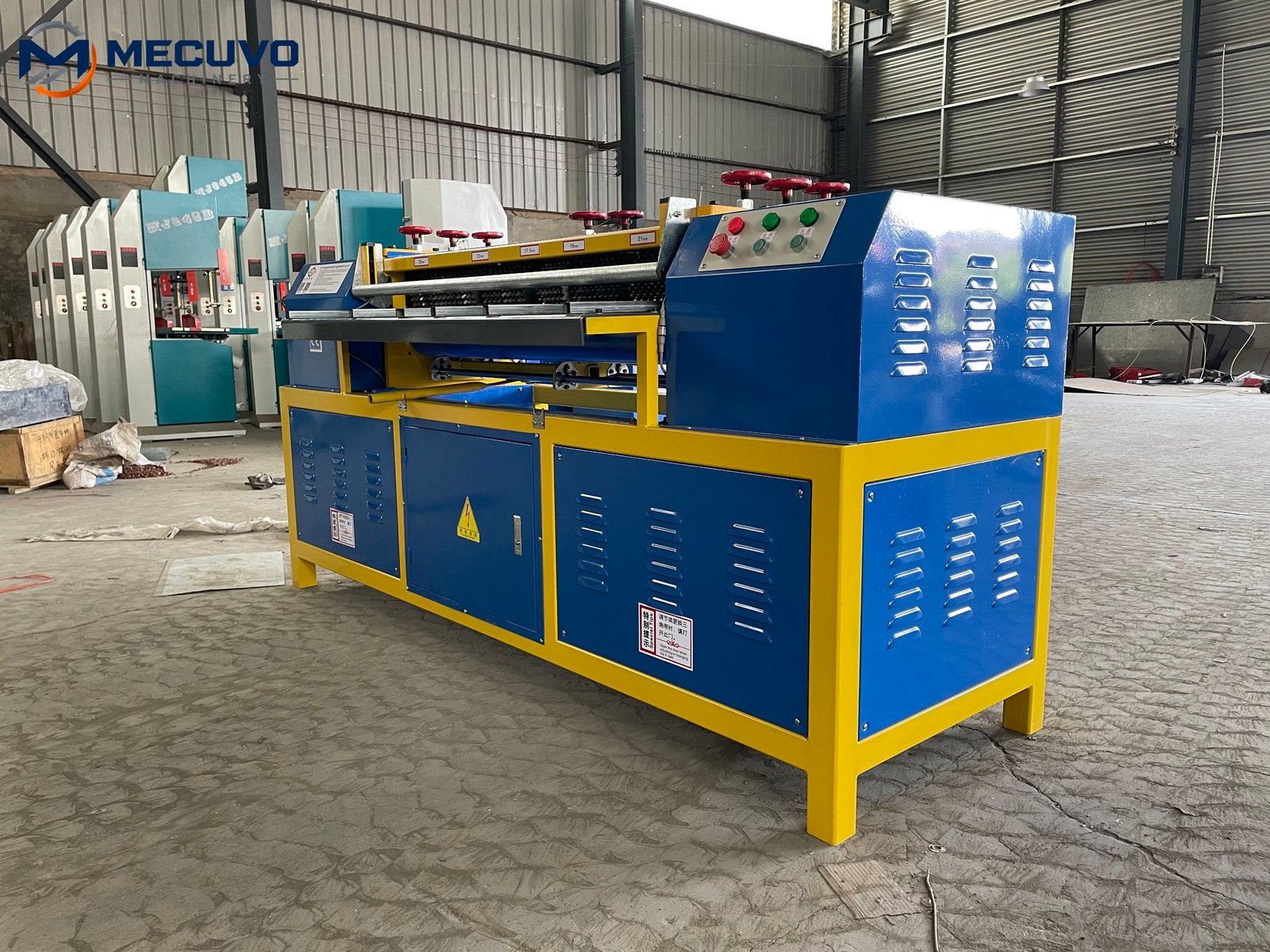
Mechanical radiator strippers are celebrated in scrap yards for stripping clean copper tubes from aluminum fins in seconds, but their success relies entirely on a specific manufacturing method. Strippers rely on mechanical expansion joints in traditional coils, using circular cutting discs to split aluminum fin collars while knurled steel rollers pull the unbonded copper tubes clean.
The Mechanics of Traditional Fin-and-Tube Expansion
Traditional air conditioning radiators, commercial refrigeration evaporator coils, and older automotive heat exchangers (classified in scrap trading under ISRI code Ocean) are assembled using mechanical expansion. During manufacturing: 1. Long hairpin copper tubes (typically 9.52 mm / 3/8-inch, 12.7 mm / 1/2-inch, or 15.88 mm / 5/8-inch outside diameter) are laced through stamped aluminum fin sheets. 2. Each aluminum fin hole incorporates a raised collar that sets the fin spacing (typically 12 to 16 fins per inch). 3. A hardened steel expansion bullet is driven hydraulically through the inside of the copper tubes, slightly expanding the copper outward to create a tight mechanical friction contact against the aluminum collars.
Crucially, there is zero metallurgical bond, adhesive, or brazing flux between the copper tube and the aluminum fin. They are held together purely by physical interference pressure.
When an operator feeds a straight, de-headed copper-aluminum coil into a radiator stripper: – Two motorized, knurled drive rollers grip the outer aluminum fins and pull the core into the machine. – Precision-aligned circular cutting discs slice through the aluminum fin bridge between adjacent tube rows. – The splitting of the aluminum collar releases the mechanical interference pressure. – Rotating pulling rollers grip the round copper tubes, drawing them smoothly out of the loosened fin matrix. – Clean No. 1 copper tubes exit through the rear guide trough, while clean sheared aluminum fins fall through the bottom chute.
For proper mechanical center distance alignment, consult our technical guide on measuring radiator stripper center distances.
Why Can a Radiator Stripper Never Process All-Aluminum Microchannel Coils?
Over the past decade, automotive manufacturers and commercial HVAC OEMs have transitioned rapidly toward all-aluminum microchannel coils, creating widespread confusion in scrap yards. Microchannel coils feature flat multi-port tubes metallurgically brazed to folded fins using eutectic aluminum-silicon alloy, creating a permanent chemical weld that physical rollers cannot peel.
Controlled Atmosphere Brazing and Microchannel Geometry
An all-aluminum microchannel heat exchanger (MCHX)—frequently found in modern automotive condenser assemblies and high-efficiency residential AC units—shares virtually no mechanical DNA with traditional fin-and-tube coils.
Instead of round tubes mechanically expanded through fin collars: – Flat Multi-Port Extrusions: Microchannel coils utilize flat, ribbon-like aluminum tubes extruded with dozens of microscopic internal fluid channels (ports measuring 0.5 mm to 1.5 mm). – Louvered Folded Fins: Corrugated aluminum foil fins are folded into tight serpentine waves and placed between the flat tube ribbons. – Controlled Atmosphere Brazing (CAB): The entire core is assembled with an aluminum-silicon (Al-Si) clad filler alloy and passed through a continuous brazing furnace at approximately 600 degrees Celsius under an inert nitrogen atmosphere.
During the CAB process, the filler alloy melts and forms continuous, monolithic fillet welds at every single point where the folded fin crests touch the flat tube surface. The fin and tube become a single, unified piece of metal. The shear strength of this brazed joint equals or exceeds the mechanical tensile strength of the thin fin foil itself.
| Feature | Traditional Copper-Aluminum Coil | All-Aluminum Microchannel Coil |
|---|---|---|
| Tube Geometry | Round cylindrical tubes (9.5 – 16 mm OD) | Flat extruded ribbons with micro-ports |
| Fin Attachment | Mechanical expansion (friction fit) | Controlled Atmosphere Brazing (CAB weld) |
| Metallurgical Joint | None (purely mechanical interface) | Continuous Al-Si eutectic fillet bond |
| Scrap Commodity Grade | ISRI ‘Ocean’ (Copper-Aluminum Radiators) | ISRI ‘Talk’ (Clean Aluminum Radiators) |
| Stripper Compatibility | 100% Compatible (Pulls clean copper) | 0% Compatible (Destroys stripper tooling) |
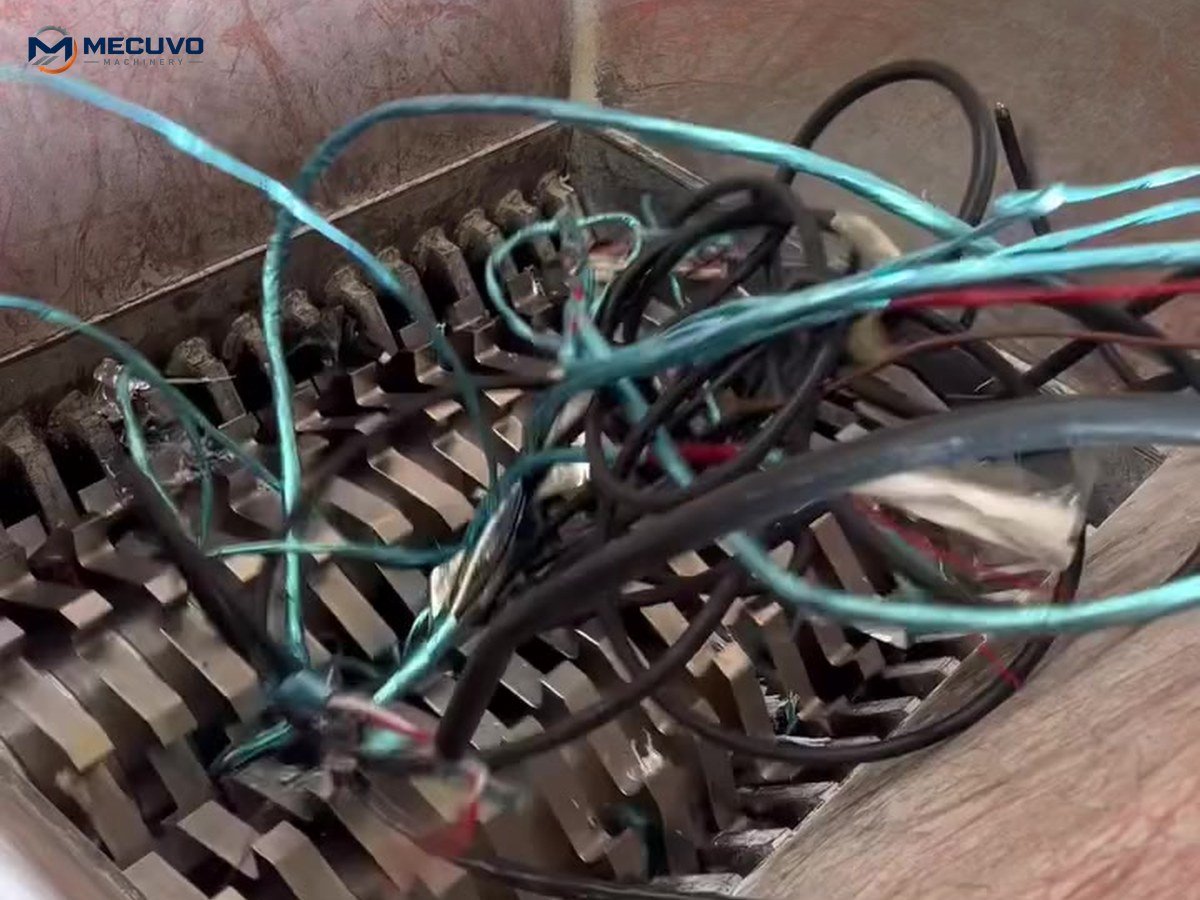
| Recommended Recycling Line | Radiator Stripper + Fin Briquetter | Dual-Shaft Shredder or Hydraulic Baler |
If an operator feeds a microchannel coil into a radiator stripper, the circular blades cannot find an unbonded seam. The rollers crush the flat multi-port channels, the brazed fins tear irregularly into jammed clumps, and the drive motor stalls under severe torsional shock. For multi-row HVAC coils, see our advice on straightening and splitting bent condenser coils.
How Should Scrap Recyclers Sort and Process All-Aluminum Microchannel Scrap?
Since microchannel heat exchangers contain zero copper, treating them like traditional radiators wastes labor; recycling yards must establish a fast visual screening and sorting protocol. Train scale operators to identify microchannel coils by their flat extruded tube ribbons, bypass the stripper entirely, and route them directly to high-density baling or dual-shaft shredding.
Inbound Sorting Protocols and Commercial Monetization
Maximizing profitability requires fast, decisive sorting at the scrap intake scale. Mixing all-aluminum microchannel coils into copper-bearing radiator piles creates two commercial losses: it wastes labor trying to strip unstrippable coils, and it dilutes copper scrap grades if unstripped coils are shipped to copper refineries.
Implement a simple three-step intake protocol:
- Visual Tube Inspection: Look at the severed header ends. If you see open round copper holes, the coil is a traditional copper-aluminum unit (ISRI Ocean) and should be sent to the radiator stripper. If you see flat aluminum ribbons with dozens of pinhole micro-channels and serpentine folded fins, the coil is an all-aluminum microchannel unit.
- Scratch and Magnet Test: While microchannel coils are all-aluminum, some automotive units retain steel side mounting brackets. Touch a handheld magnet to the perimeter frames to identify iron brackets that must be sectioned off with an alligator shear before processing.
- Dedicated Processing Route: Because microchannel coils consist of high-grade 3000-series and 1000-series aluminum alloys, they represent premium clean aluminum scrap (ISRI Talk). Route them directly to:
Review our comprehensive guide on radiator recycling machine selection to build an efficient, multi-stream nonferrous processing workflow.
Key Takeaways
Feed traditional unbonded copper-aluminum coils into radiator strippers for high-value tube recovery, and route brazed all-aluminum microchannel coils directly to shredders or balers.
— YOUR RECYCLING PROJECT
Find the right machine for your material.
Tell us your material and required capacity.
Or email sales@mecuvo.com