Table of Content
Demolition and scrap transport frequently twist and deform copper-aluminum radiator cores, preventing damaged coils from feeding smoothly into mechanical stripper rollers. Processing deformed radiators requires trimming crushed headers, flattening bowed cores on leveling tables, and splitting thick multi-row coils into single-row slices with band saws. I examine straightening workflows, iron side plate removal techniques, and multi-row splitting methods below to prepare irregular coils for rapid mechanical separation.
Why Do Deformed and Crushed Coils Cause Stripper Roller Jams?
Scrap coils retrieved from demolished buildings or compacted scrap piles often arrive bowed, twisted, or crushed flat on the edges. Stripper rollers rely on parallel alignment between drive gears and copper tubes; bent cores jam against infeed entry guides and cause motor overcurrent stalls.
Infeed Mechanics and Geometric Alignment
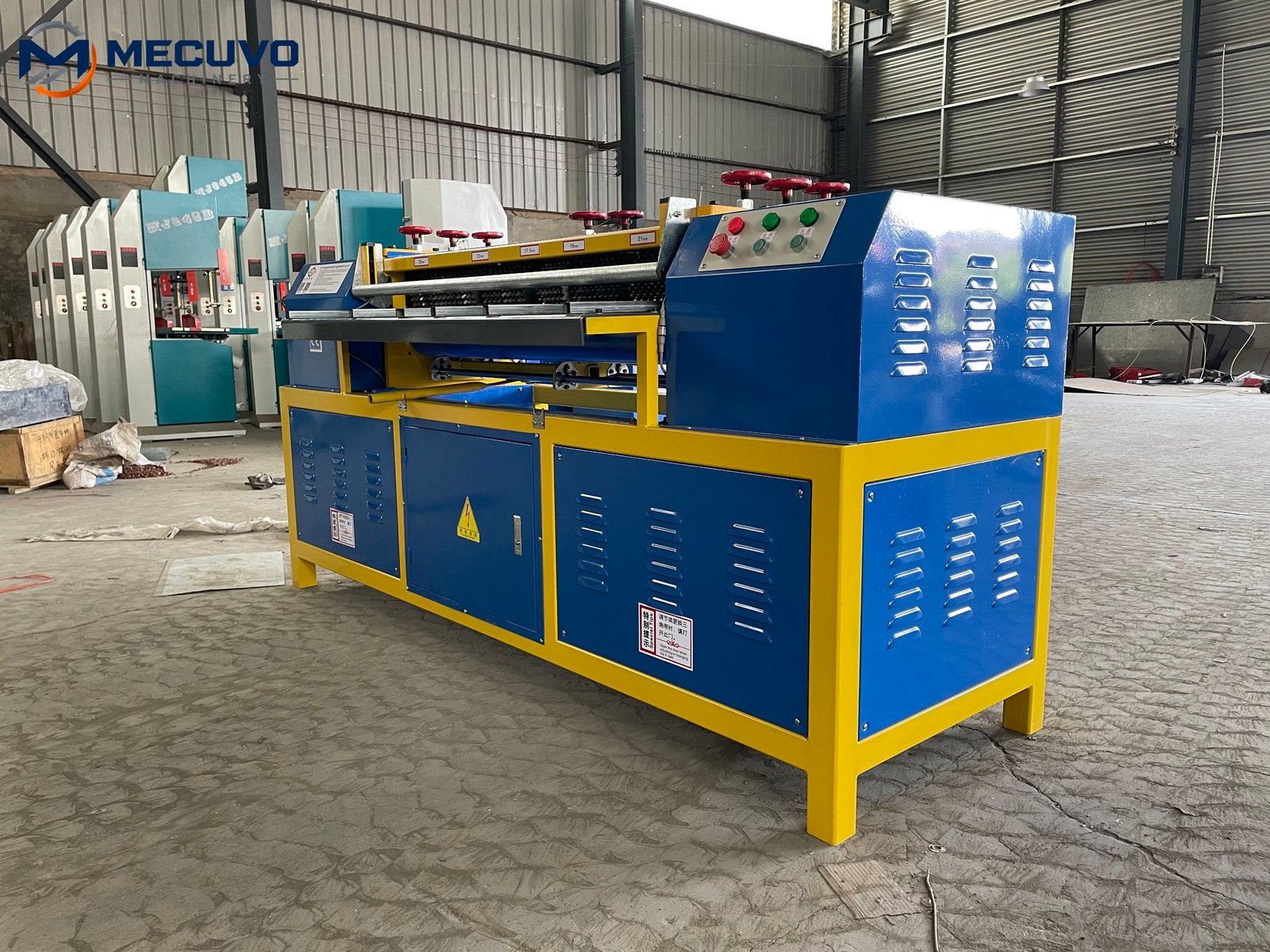
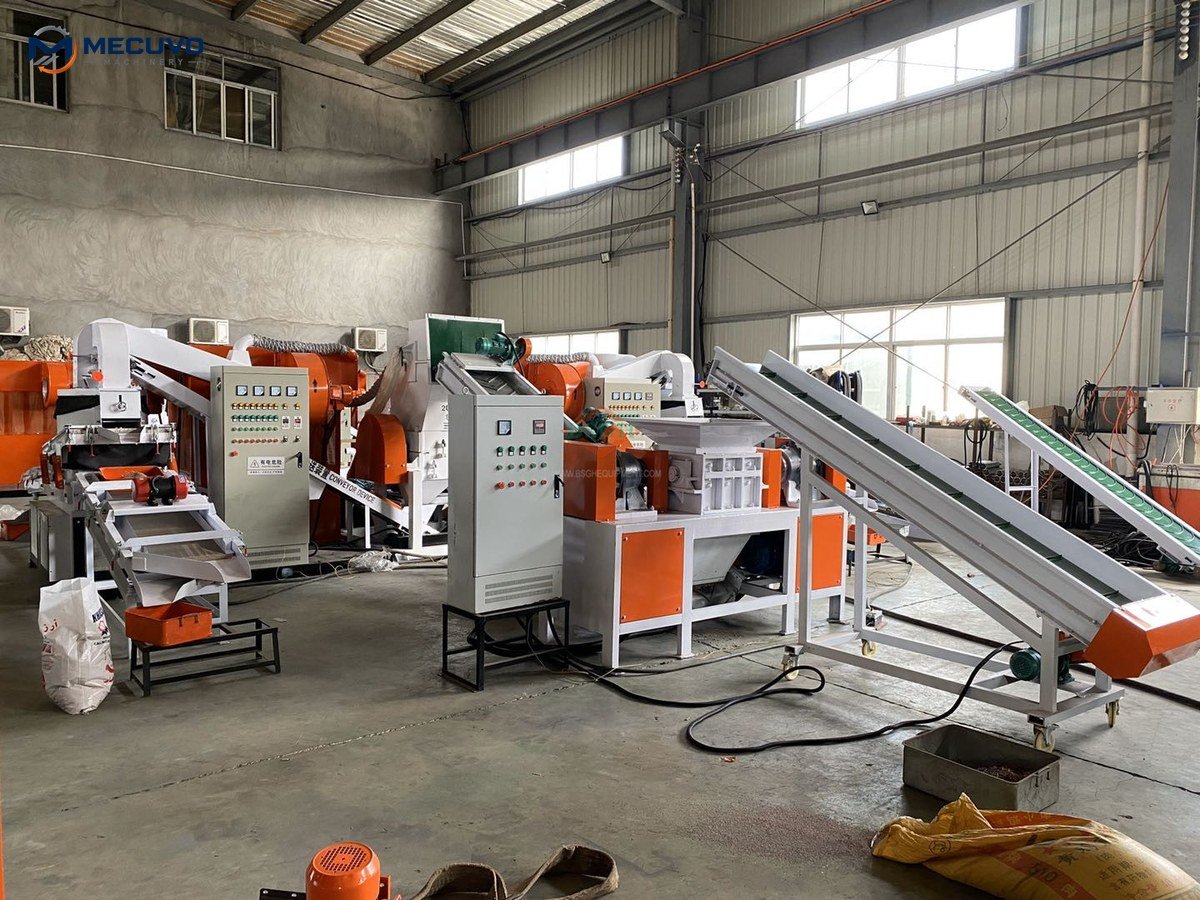
A mechanical radiator recycling machine is an engineered precision apparatus. The infeed table features stationary guide channels designed to position each copper tube in line with a rotating circular knife disc. For the stripping mechanism to grip and propel the core, the leading edge of the radiator must enter square, flat, and parallel to the roller axis.
When an operator feeds an AC condenser with crushed corner tubes or a twisted frame, the deformed section wedges between the upper and lower guide plates before reaching the cutting zone. If forced forward by the drive rollers, the distorted copper tubes track off-center. Instead of the blade shearing through the aluminum fin bridge, the knife bites diagonally across the copper wall, crushing the tube and stopping the feed instantly. This creates severe gouging along the drive gears and stalls the reduction gearbox.
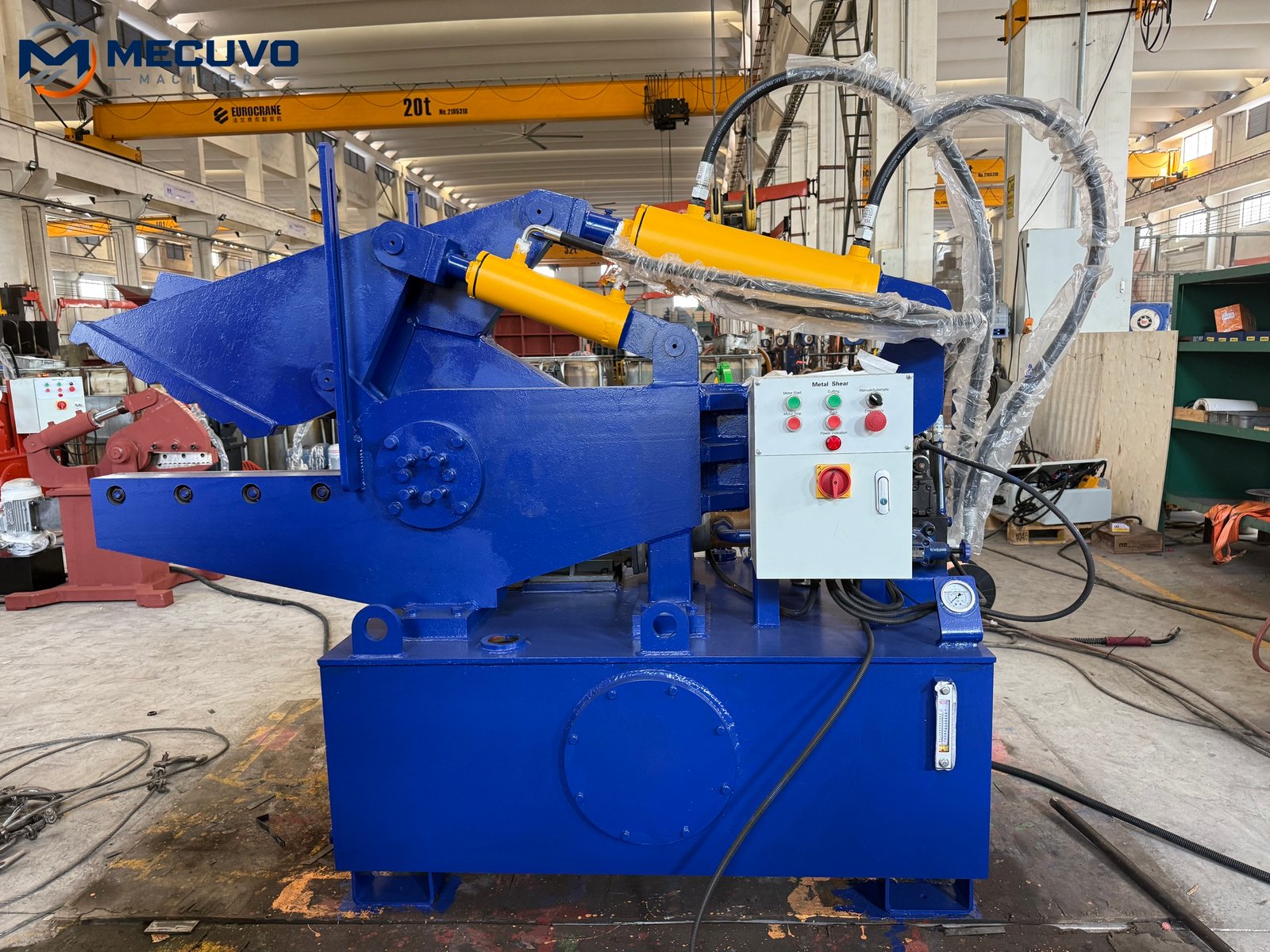
Furthermore, crushed return bends (hairpins) and jagged steel brackets will chip hardened tool steel roller teeth. Preparing coils requires removing all iron side plates and trimming crushed edges using an alligator shear or circular cutoff saw before presenting the core to the stripper infeed table. Taking two minutes to inspect each coil on the staging table eliminates costly roller jams and blade damage.
How Do You Straighten and Level Damaged Condenser Coils?
Straightening bent radiator cores does not require complex tooling, but it demands consistent mechanical leveling protocols. Level bowed cores using a heavy steel table and mechanical clamp bar, or trim severely crushed perimeter sections flush using an alligator shear.
Yard Leveling Workstation and Edge Dressing
Establishing an efficient radiator preparation station requires a sturdy steel layout table equipped with manual clamping levers or a small hydraulic leveling press. Scrap coils retrieved from demolition sites frequently exhibit severe curvature along their long axis from excavator grabs or grapple loading. Follow this preparation protocol to restore clean feed geometry:
- Shear Iron End Plates: Place the radiator on the shear bed and cut away the galvanized steel side brackets and copper return manifolds on both ends. This eliminates iron contamination and relieves structural tension in the coil, allowing the core to flex more freely during leveling.
- Flatten Core Bows: If the core is bowed longitudinally from transport handling, lay the arched coil concave-side down onto the heavy steel table. Apply controlled pressure across the high point using a timber spreader beam and mechanical clamp or screw jack to flatten the core back into a straight horizontal plane.
- Dress Crushed Tube Openings: If the leading edge has been crushed by a forklift fork or dropped scrap bin, trim off the first 50 mm to 100 mm of damaged core with an alligator shear to expose clean, straight tube ends. Attempting to feed flattened leading tube tips into the stripper infeed will jam the drive wheels and buckle the core.
Once the core is flat and rectangular, verify that the tube spacing matches your machine’s roller configuration, following our guide on measuring radiator stripper center distance.
How Should You Split Thick Multi-Row Radiators Before Mechanical Stripping?
Commercial chillers and rooftop air handlers feature 3-row, 4-row, or 6-row radiator cores that cannot pass through standard stripper roller gaps. Split thick multi-row coils into individual 1-row or 2-row slabs using an industrial metal cutting band saw equipped with coarse bimetal blades.
Band Saw Splitting Technique and Safety Enclosures
Standard direct radiator strippers are designed to process single-row or two-row radiator assemblies. Commercial HVAC condenser coils, rooftop chillers, and industrial heat exchangers, however, are routinely built with three, four, or six parallel rows of copper tubes. Attempting to force a thick multi-row block into a single-row stripper will bind the rollers, gouge the tool steel cutter teeth, and trip electric motor overload relays.
The established industry solution is splitting the multi-row block into single-row or two-row slabs using an industrial vertical or horizontal metal-cutting band saw. Under OSHA 29 CFR 1910.213, the band saw blade must be enclosed except for the cutting span, and operator feed tables must feature sturdy hold-down guides. In accordance with UK HSE metal sawing standards, select a bimetal blade with 4 to 6 teeth per inch (TPI) to ensure clean chip clearance through soft aluminum fins without loading or packing the blade gullets.
Position the coil so the band saw blade tracks precisely through the fin space between adjacent tube rows. Maintain steady infeed pressure with a push stick or sliding carriage. Once sliced into parallel 1-row or 2-row slabs, the material feeds smoothly through the stripper rollers, yielding high recovery rates of clean copper and aluminum as documented in our radiator vs granulator purchasing analysis.
To consult on configuring a complete radiator processing workstation for your yard’s volume, submit your scrap dimensions, coil photos, and local electrical power supply details to our engineering team at our contact page.
Key Takeaways
Preparing damaged scrap radiators by trimming steel headers, flattening bowed cores, and splitting multi-row coils with band saws ensures smooth, high-capacity mechanical stripping.
— YOUR RECYCLING PROJECT
Find the right machine for your material.
Tell us your material and required capacity.
Or email sales@mecuvo.com