Table of Content
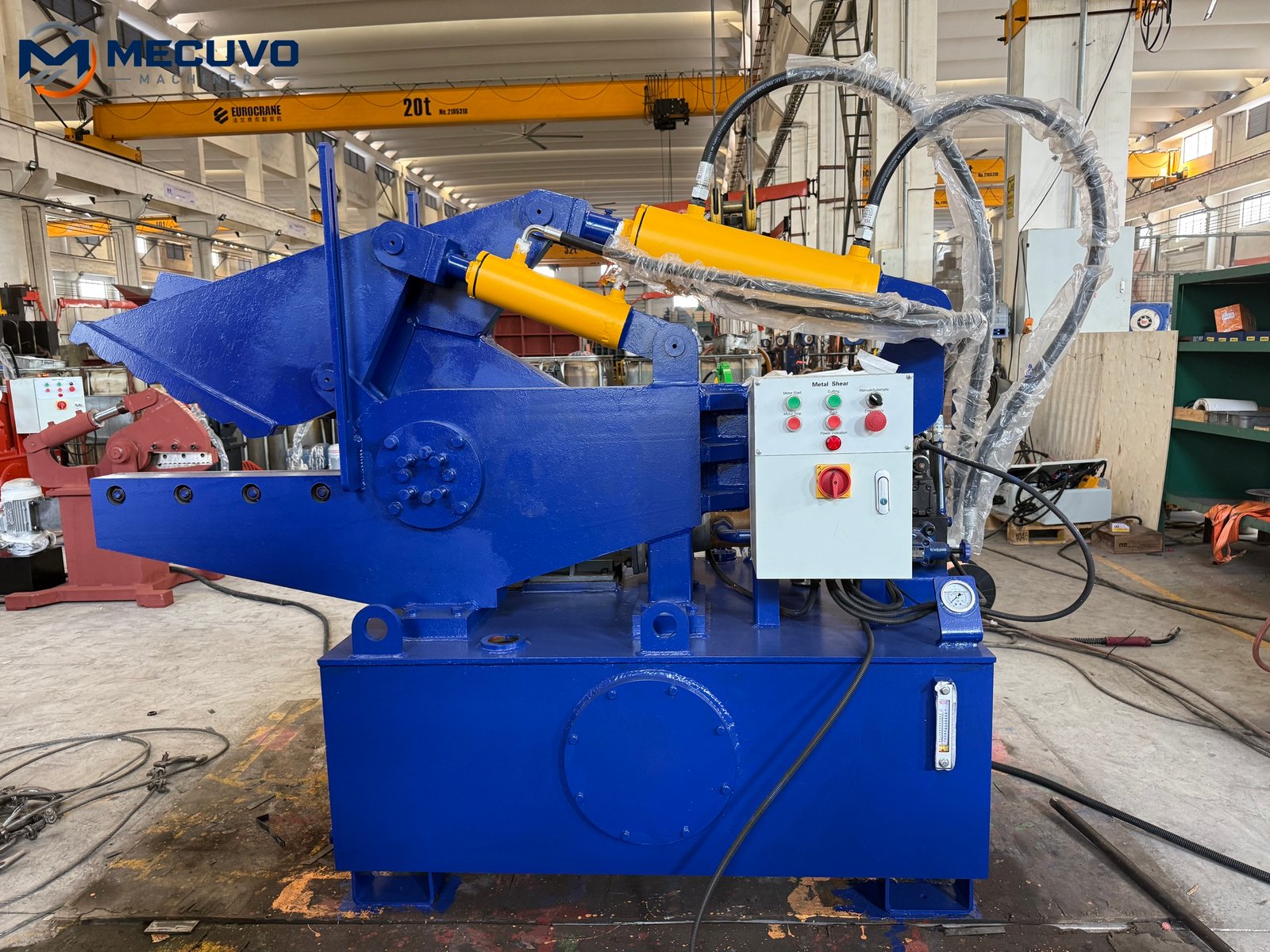
Operating hydraulic alligator shears in sub-zero outdoor scrap yards across Canada and Northern Europe presents severe cold-start hazards that threaten hydraulic pumps, cylinder seals, and flexible hoses. Switching to high-viscosity-index ISO VG 32 or synthetic hydraulic oils, circulating oil under zero pressure before shearing, and inspecting cold-embrittled hoses prevent catastrophic pump cavitation and line blowouts. I examine winter oil selection criteria, mandatory warm-up sequences, and cold-weather hydraulic hose protection below to keep your yard shearing metal safely through freezing temperatures.
Why Does Winter Weather Paralyze Alligator Shear Hydraulic Systems?
Outdoor scrap yards operating across Canada, Scandinavia, and Northern Europe face brutal winter conditions where ambient temperatures routinely drop between minus 10 and minus 30 degrees Celsius. Freezing temperatures dramatically increase mineral hydraulic oil viscosity, transforming fluid into a sluggish semi-solid that starves pump suction ports, generates destructive cavitation, and hardens rubber seals until they weep.

Understanding Cold Viscosity Spikes and Pump Starvation
When ambient temperatures drop below freezing, standard hydraulic oils formulated for temperate indoor plants undergo dramatic physical transformation. A standard ISO VG 46 mineral oil that flows smoothly at 40 degrees Celsius with a kinematic viscosity of 46 centistokes (cSt) thickens rapidly as temperatures plummet. At minus 10 degrees Celsius, that same fluid can exceed 1,500 to 2,000 cSt. At minus 20 degrees Celsius, it surpasses the maximum cold-start suction viscosity limit established by hydraulic pump manufacturers.
When an operator starts an electric motor connected to a fixed-displacement gear pump or axial piston pump submerged in frozen fluid, the pump cannot draw thick oil through the intake strainer quickly enough. This creates a severe negative pressure vacuum inside the suction chamber. Microscopic vapor bubbles form instantly within the fluid stream and travel into high-pressure discharge zones, where they collapse violently at thousands of atmospheres of localized pressure. This phenomenon, known as hydraulic cavitation, erodes pump vanes, chips valve plates, and fills the hydraulic circuit with metallic contamination.
| Ambient Operating Range | Recommended Fluid Grade | Viscosity Index (VI) Minimum | Minimum Start Temperature |
|---|---|---|---|
| +10 C to +40 C (Temperate) | ISO VG 46 HM | >= 95 | 0 C |
| -10 C to +25 C (Moderate Cold) | ISO VG 32 HV / HVLP | >= 140 | -15 C |
| -30 C to +15 C (Severe Sub-Zero) | ISO VG 22 / Synthetic Arctic | >= 160 | -35 C |
| Year-Round Northern Climate | Synthetic Ester / Polyalphaolefin | >= 180 | -40 C |
Beyond fluid cavitation, sub-zero cold severely compromises hydraulic cylinder rod packings and wiper seals. Polyurethane and standard nitrile butadiene rubber (NBR) lose their flexural compliance, transitioning into a rigid, glass-like state. When the shear cylinder strokes through hardened ice build-up on an exposed chrome rod, brittle seal lips nick and tear, leading to persistent external oil leaks and water ingress into the hydraulic tank.
How Should Operators Warm Up an Alligator Shear Before Cutting Cold Scrap?
Rushing directly into shearing heavy structural scrap immediately after powering on an electric motor in freezing weather is the primary cause of cracked hydraulic manifolds and bent cylinder clevis pins. Execute a structured three-stage warm-up routine: start the motor under zero-pressure reservoir idle, cycle the cutting jaw through unloaded full strokes, and only introduce scrap once tank fluid reaches 20 degrees Celsius.
The Three-Stage Cold Weather Warm-Up Protocol
A disciplined morning startup sequence protects capital equipment and prevents unbudgeted winter downtime. Operators must treat cold machinery like precision industrial assets rather than crude mechanical wedges. Bypassing warm-up procedures to process a waiting truckload of scrap invariably results in blown pump shaft seals or cracked directional valve bodies.
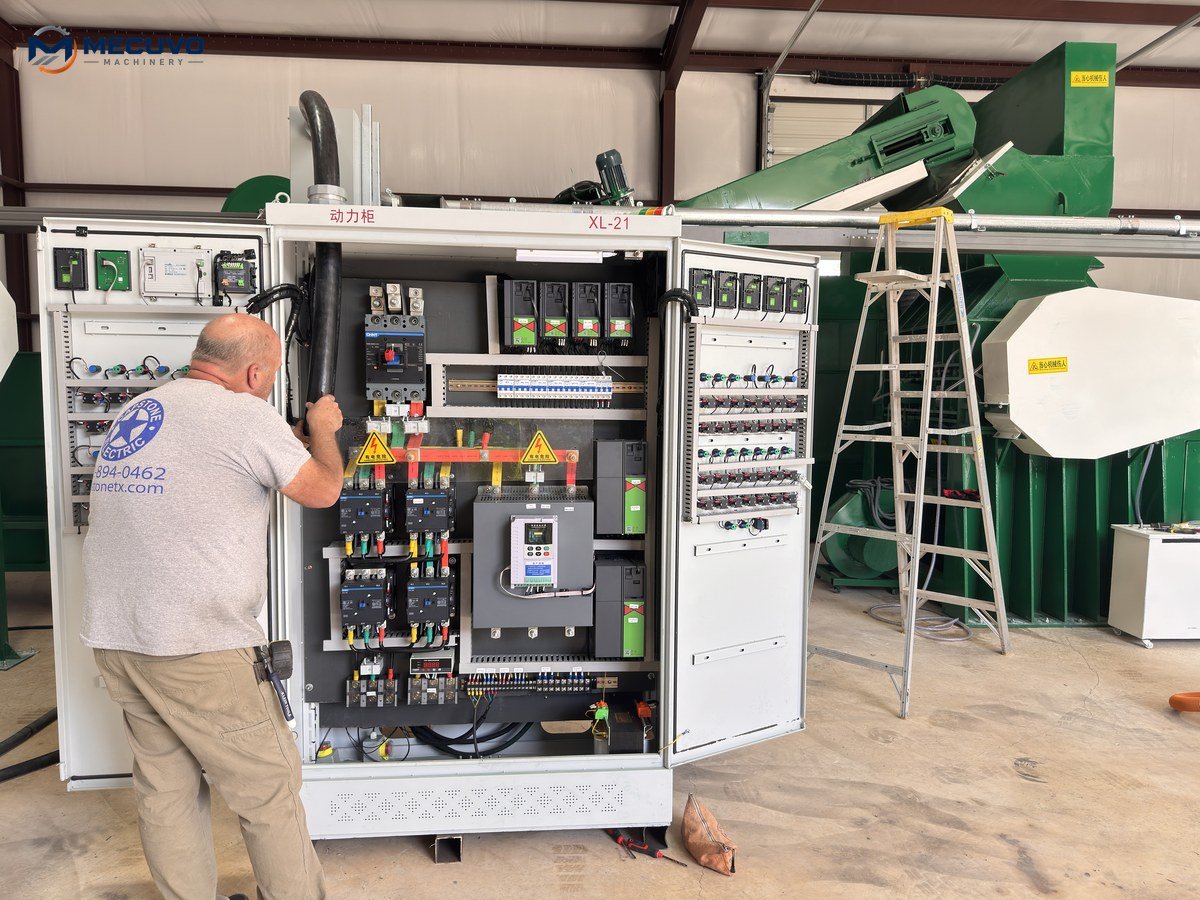
First, power on the hydraulic power unit with the manual directional control valve locked in neutral. In this state, hydraulic fluid circulates from the pump through the open-center valve spool directly back into the reservoir via the return filter, generating minimal system pressure (typically 3 to 5 bar). Allow the pump to circulate fluid in this neutral bypass loop for 10 to 15 minutes. The mechanical shearing action of the internal pump gears naturally transfers frictional heat into the fluid mass. If your shear reservoir features an optional thermostatically controlled immersion tank heater (typically 1.5 kW to 3 kW), ensure it remains energized overnight to maintain tank baseline temperature between 15 and 20 degrees Celsius.
Second, begin low-pressure exercising of the main hydraulic cylinder without material in the jaw. Actuate the foot pedal or hand lever to extend and retract the upper cutting jaw through its full range of motion. Repeat these unloaded cycles continuously for 5 to 8 minutes. This purges frozen, stagnant fluid from long hydraulic feed hoses and circulates warm oil through the cylinder barrel, warming internal piston seals and lubricating cylinder gland bushings.
Third, verify reservoir oil temperature using the tank level/temperature sight gauge. Never engage heavy shearing on structural steel, thick pipe, or solid nonferrous billets until the oil reaches a minimum of 20 degrees Celsius (68 degrees Fahrenheit). Once this thermal threshold is crossed, start cutting smaller, ductile material such as copper wire or thin sheet before advancing to maximum rated cross-sections. Refer to operational guidance in our guide on alligator shear hydraulic maintenance for ongoing pressure calibration.
How Do You Protect Hydraulic Hoses and Cylinder Rods from Cold-Weather Failure?
Flexible hydraulic hoses that articulate with the moving alligator shear arm endure severe torsional stress and cyclic bending while exposed to sub-zero winds and ice crusting. Fit low-temperature synthetic rubber hoses rated down to minus 40 degrees Celsius, bundle lines in heavy-duty spiral wrap, and apply clean oil film to exposed chrome rods during overnight shutdowns.
Preventing Hose Delamination and Rod Corrosion
The articulation loop connecting the stationary hydraulic valve manifold to the moving cylinder ports represents the most vulnerable hydraulic point on an alligator shear. Standard four-spiral wire reinforced hoses have outer jackets that turn brittle at minus 15 degrees Celsius. When the heavy upper jaw cycles up and down, stiff rubber jackets develop micro-fractures that expose the high-tensile steel wire braid to atmospheric moisture, road salt spray, and melt-water. Once moisture reaches the steel reinforcement, internal corrosion weakens the braid, leading to catastrophic hydraulic blowouts under peak 200-bar cutting loads.
To eliminate this hazard, equip all dynamic lines with cold-rated hoses engineered with synthetic elastomeric compounds certified to SAE 100R12 or EN 856 4SP standards with a temperature rating down to minus 40 degrees Celsius (minus 40 degrees Fahrenheit). Encase dynamic hose bundles in continuous high-density polyethylene (HDPE) spiral protective wrap. The spiral sleeve protects hose covers from sharp metal scrap falling off the cutting table and prevents direct contact with accumulated yard ice.
Cylinder chrome rod maintenance is equally critical in sub-zero outdoor yards. Snow and freezing rain falling on an extended, stationary cylinder rod freeze into crystalline ice collars. If an operator actuates the cylinder without clearing this ice, the rigid ice ring punches directly into the rod wiper seal, destroying the polyurethane lip and packing grooves within a single stroke.
At the end of every operational shift, operators must fully retract the cylinder so the polished chrome rod rests shielded inside the oil-filled cylinder barrel. If the rod must remain partially exposed due to mechanical safety blocking, thoroughly wipe the exposed steel with clean hydraulic oil or rust-inhibiting grease to form a moisture-repellent barrier. Verify your material cutting limits against our review of what an alligator shear can cut to prevent mechanical overload in freezing conditions.
Key Takeaways
Switch to high-VI ISO VG 32 hydraulic fluid, complete a 15-minute low-pressure warm-up cycle, and protect Arctic-rated hoses to keep your outdoor alligator shear running reliably all winter.
— YOUR RECYCLING PROJECT
Find the right machine for your material.
Tell us your material and required capacity.
Or email sales@mecuvo.com