Table of Content
Automotive scrap radiators present a stubborn processing barrier for mechanical radiator strippers because their rigid plastic end tanks and crimped header plates quickly destroy precision stripping rollers. Removing plastic water tanks and cutting off the heavy aluminum or brass header plates with an industrial band saw or alligator shear ensures only clean coil cores enter the stripper rollers. I outline composite tank construction, mechanical de-heading workflows, and blade protection protocols below to help you process automotive heat exchangers cleanly and profitably.
Why Do Plastic End Tanks and Crimped Headers Destroy Radiator Stripper Rollers?
Automotive heat exchangers from cars, SUVs, and light trucks are among the most plentiful scrap items in salvage yards, but trying to feed them intact into a radiator stripper leads to immediate tooling disaster. Automotive radiators feature rigid glass-reinforced nylon tanks crimped over thick aluminum header plates with steel tabs; forcing them into strippers chips circular blades and breaks drive gear shafts.
Anatomy of Modern Automotive Heat Exchangers
In contrast to older commercial HVAC condenser coils—which feature soft aluminum fins mechanically expanded over pure copper tubes without plastic enclosures—virtually all modern passenger automotive radiators are hybrid multi-material assemblies.
The core of the radiator consists of aluminum tubes and corrugated fins, but the fluid distribution tanks on either side are manufactured from polyamide 66 reinforced with 30% short glass fibers (PA66-GF30) per SAE J1639 specifications. This engineered thermoplastic possesses a flexural modulus exceeding 8,000 MPa and Rockwell hardness comparable to structural nonferrous alloys. Furthermore, the tank is fastened to the heat exchanger core via a heavy-gauge aluminum header plate (typically 1.5 mm to 2.5 mm thick), secured by dozens of crimped metal tabs over a high-density ethylene propylene diene monomer (EPDM) rubber sealing gasket. Many automotive units also incorporate steel mounting brackets, zinc transmission oil cooler inserts, and brass drain petcocks.
When an uninformed operator attempts to feed an intact automotive radiator into a mechanical radiator stripper: – The circular tool-steel cutting blades—engineered with razor-sharp edges specifically calibrated to slice through micro-thin 0.1 mm aluminum fin sheets—strike the rigid PA66-GF30 plastic tank and thick header plate. – The high-tensile glass fibers and hardened aluminum header resist penetration, exerting massive lateral bending forces against the rotating cutter shafts. – The cutting blades suffer micro-chipping, fracturing, or complete teeth break-off. – The drive motor stalls under severe torque overload, risking sheared drive keys or stripped gearbox teeth.
| Component | Material Composition | Hardness / Modulus | Stripper Tooling Impact |
|---|---|---|---|
| Radiator Cooling Fins | Pure Aluminum (Alloy 3003/4045) | Tensile ~110 MPa / Soft | Designed cutting target; slices smoothly |
| Fluid End Tanks | Polyamide 66 + 30% Glass (PA66-GF30) | Flexural Modulus >8,000 MPa | High impact shock; chips circular cutter edges |
| Header Crimp Plates | High-Strength Aluminum (3003-H14) | Thickness 1.5 – 2.5 mm | Bends shaft, causes blade clearance misalignment |
| Transmission Oil Coolers | Stainless Steel / Heavy Brass | High shear resistance | Destroys stripper rollers; immediate machine jam |
| Mounting Brackets | Stamped Mild Steel / Zinc Plated | High shear resistance | Catastrophic knife breakage; gearbox failure |
Protecting your equipment requires a mandatory pre-stripping protocol that removes non-core attachments before coils touch the stripper infeed.
How Do Operators Mechanically De-Head Automotive Radiators Safely and Efficiently?
Prying open dozens of crimped aluminum tabs with screwdrivers and pliers to remove plastic tanks is painfully slow, hazardous to hands, and completely unviable in a commercial yard. High-production yards use an industrial vertical metal-cutting bandsaw or hydraulic alligator shear to make a single clean flush slice through the core tube ends, removing tanks and headers in seconds.
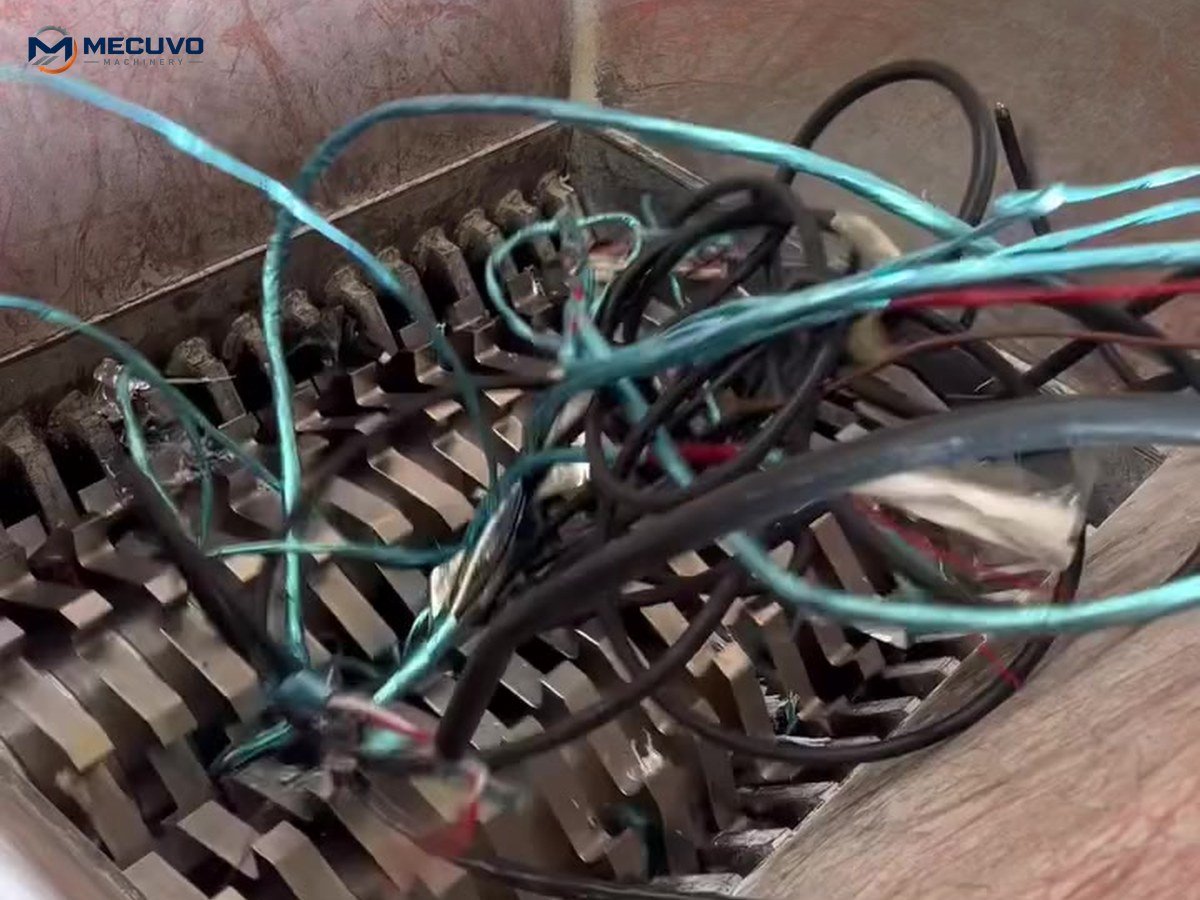
Industrial Bandsaw and Alligator Shear De-Heading Techniques
Commercial nonferrous recyclers handle automotive radiators through rapid, standardized mechanical de-heading rather than manual disassembly. The objective is to sever the connection between the active fin-tube matrix and the rigid header assembly in a single fast stroke.
Two primary cutting methods dominate the scrap processing industry:
Method A: The Industrial Vertical Bandsaw (High Precision, Clean Flush Cut)
Deploying a heavy-duty vertical metal-cutting bandsaw equipped with a bi-metal blade (typically 6 to 10 teeth per inch) represents the cleanest, most efficient de-heading technique. The operator slides the automotive radiator along a roller feed table, aligning the saw blade directly along the boundary between the aluminum core fins and the solid header plate—cutting through the aluminum tubes approximately 10 mm to 15 mm inward from the header plate. – The bandsaw slices through the multi-tube row in 5 to 10 seconds. – The entire plastic tank, gasket, and header assembly drops away as a single block. – The cut face of the remaining core is left perfectly flat and square, allowing it to glide effortlessly into the radiator stripper infeed guides without snagging or jamming. – All bandsaws must be guarded in strict compliance with OSHA 29 CFR 1910.213, featuring adjustable blade guards that expose only the active cutting portion required for the radiator thickness.
Method B: The Hydraulic Alligator Shear (Fast, High-Force Shearing)
For scrap yards that already operate a hydraulic alligator shear station, the shear provides an effective alternative. The operator places the radiator end under the open alligator jaw, aligns the blade just beneath the header crimp line, and activates the foot pedal. – The shear’s mechanical hold-down clamps the core firmly while the upper jaw shears through the tubes in a single stroke. – Care must be taken not to crush the first row of tubes excessively; operators should keep blade clearance tightly shimmed per standard maintenance guidelines.
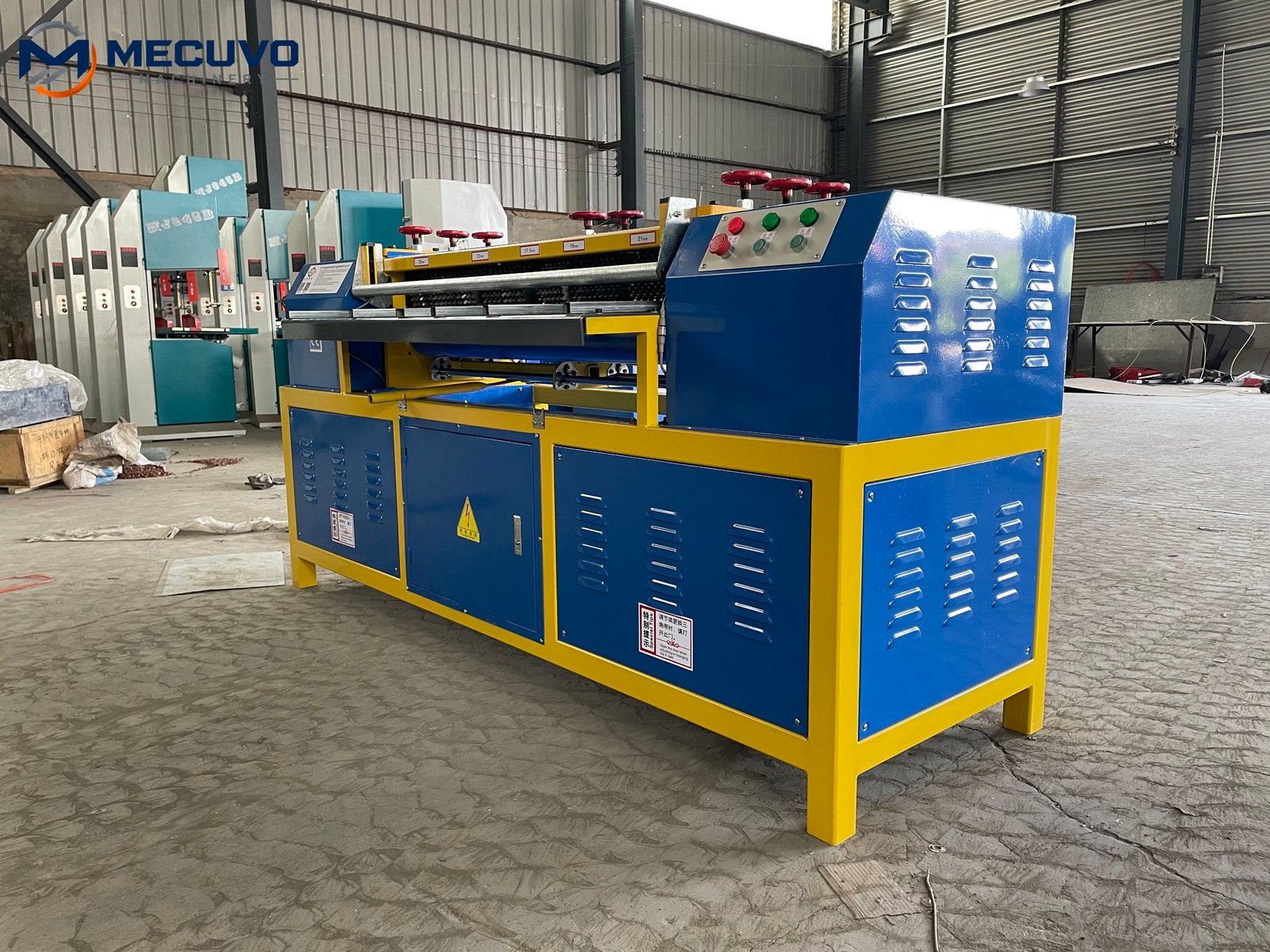
For detailed roller calibration and blade gap settings, refer to our troubleshooting guide on why radiator stripper rollers crush copper tubes.
How Should Scrap Yards Sort and Market the Resulting De-Headed Fractions?
Slicing off automotive radiator end tanks creates distinct material streams that must be segregated into proper scrap categories to maximize mill revenue. Route clean trimmed cores to the stripper for pure copper and aluminum recovery, while consolidating cut header assemblies and transmission coolers for heavy melt or shredder sales.
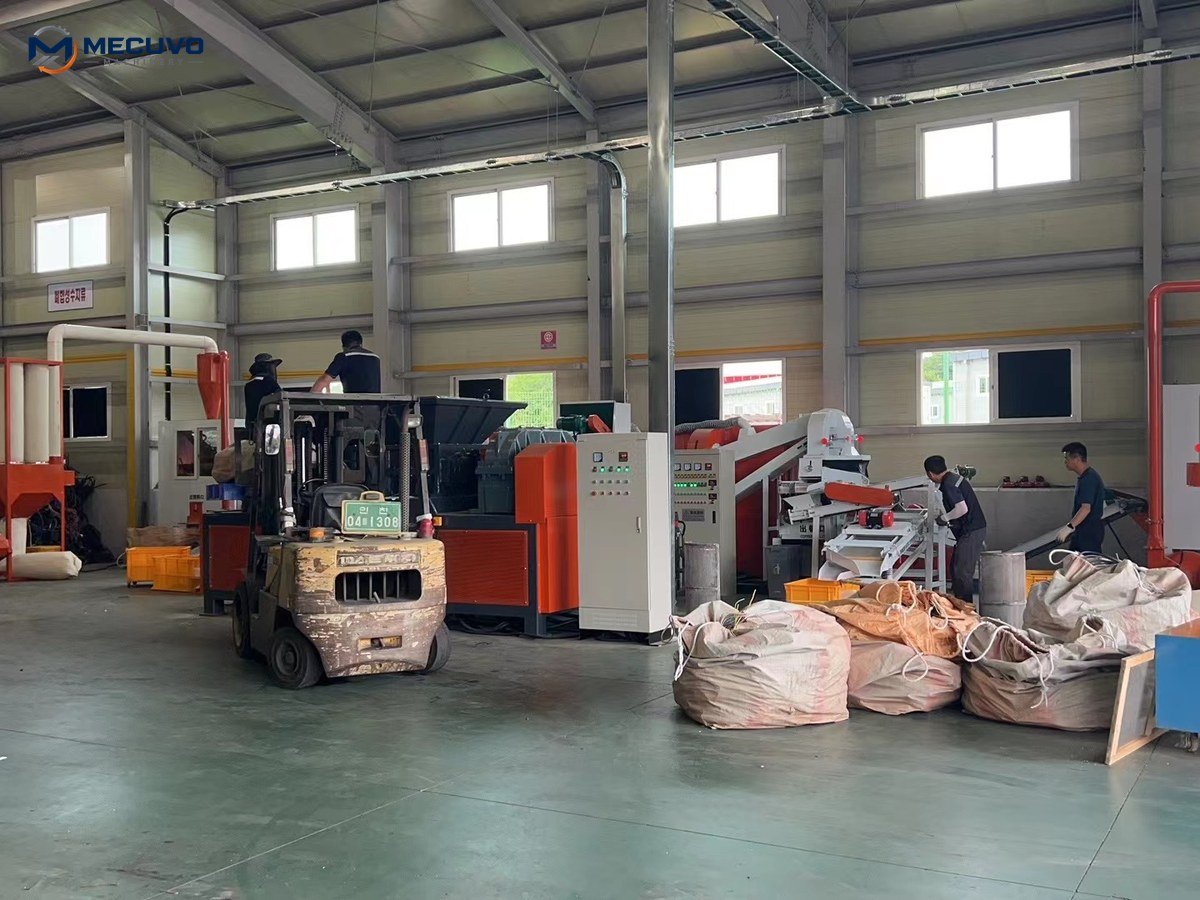
Material Stream Segregation and Scrap Value Optimization
A structured preprocessing workflow ensures that every ounce of metal recovered from automotive radiators achieves maximum commercial value without incurring contamination downgrades under ReMA/ISRI scrap specifications.
Once the de-heading cut is completed, the operator manages three distinct output streams:
- Clean Rectangular Cores (Stripper Feedstock): The trimmed core—consisting solely of aluminum fins mechanically joined to copper or aluminum tubes—is routed directly to the radiator stripper. With plastic tanks and rigid headers removed, the core feeds smoothly through the stripping rollers. In copper-aluminum units (common in aftermarket and heavy-duty automotive cooling), the stripper yields pristine No. 1 copper tubing and clean aluminum fin foil. In all-aluminum radiators, the core can be routed directly to baling or shredding as clean aluminum scrap.
- Cut Header Assemblies (Composite Metal Fraction): The severed end sections contain the PA66-GF30 plastic tank, EPDM rubber gasket, and aluminum header plate. Because the header plate is relatively heavy aluminum, this material should not be thrown in the trash. Yards accumulate these cut headers in dedicated scrap bins to be sold as ‘dirty automotive radiators’ or run through an industrial dual-shaft shredder equipped with magnetic and air separation to reclaim the aluminum plate.
- Internal Oil Cooler Inserts (Ferrous/Brass Fraction): Many automatic transmission car radiators contain a cylindrical transmission fluid cooler submerged inside the tank. These coolers are typically manufactured from stainless steel or brass. Before marketing the cut headers, workers quickly extract these metal tubes with an alligator shear snip, accumulating them in high-value brass or stainless scrap totes.
For proper center distance measurement across 19 mm, 21 mm, and 25 mm tube pitches, consult our technical analysis on radiator stripper center distance measurement.
Key Takeaways
De-head automotive radiators with an industrial bandsaw or alligator shear before feeding; removing glass-filled nylon tanks and header plates protects stripper rollers and maximizes scrap purity.
— YOUR RECYCLING PROJECT
Find the right machine for your material.
Tell us your material and required capacity.
Or email sales@mecuvo.com