Table of Content
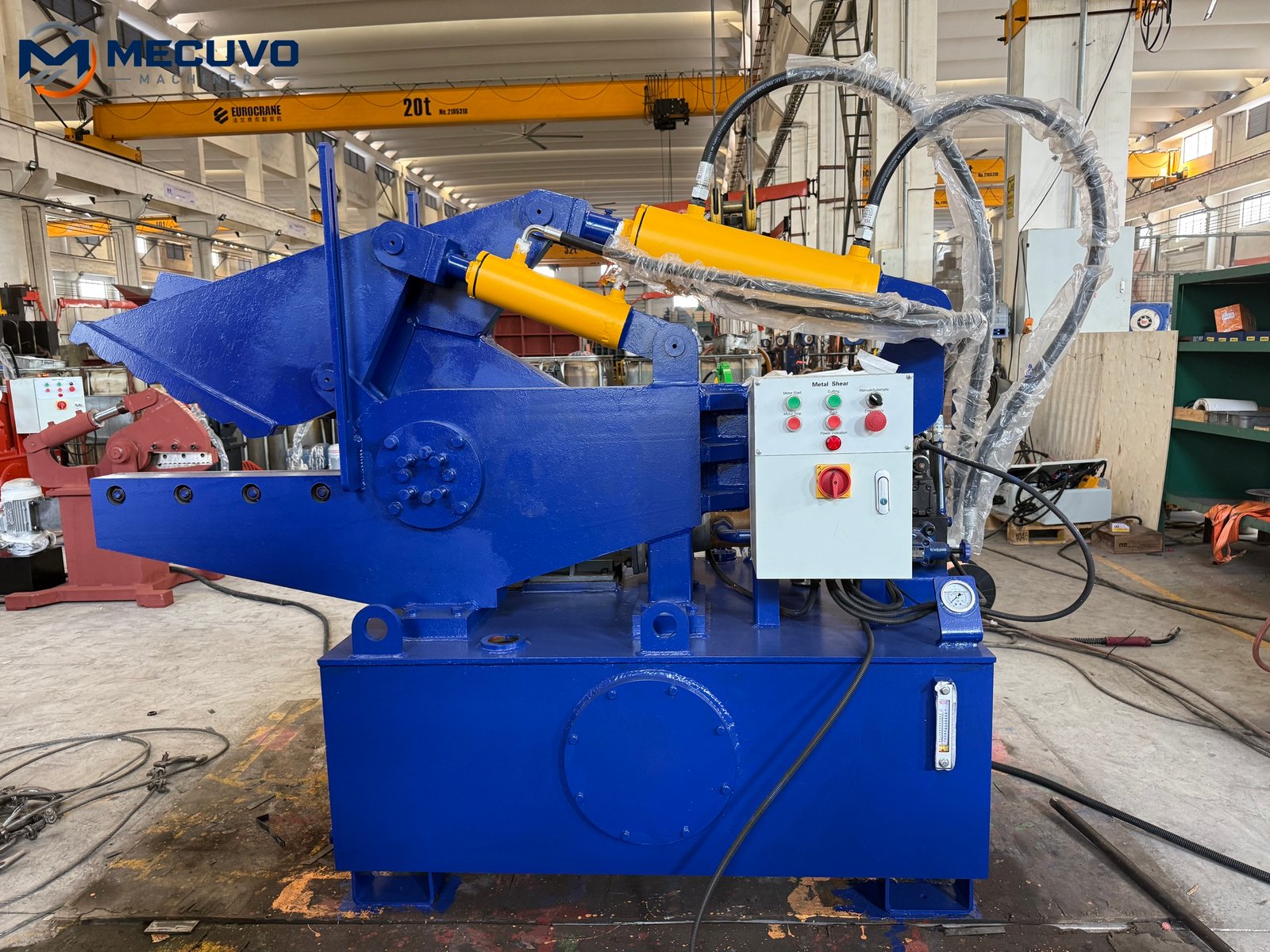
Alligator shears generate dozens of tons of hydraulic cutting force at the jaw, demanding rigorous engineering safeguards to protect scrap yard operators from fatal pinch points. Alligator shear safety requires interlocked perimeter guarding, hooded foot pedal switches, and heavy-duty hold-down clamps that suppress workpiece kick-back under OSHA and UK WISH standards. I examine the physics of scrap kick-back, regulatory guarding mandates, and electrical control isolation protocols below to ensure complete workplace compliance.
Why Does Scrap Kick-Back Occur and How Does a Hold-Down Prevent It?
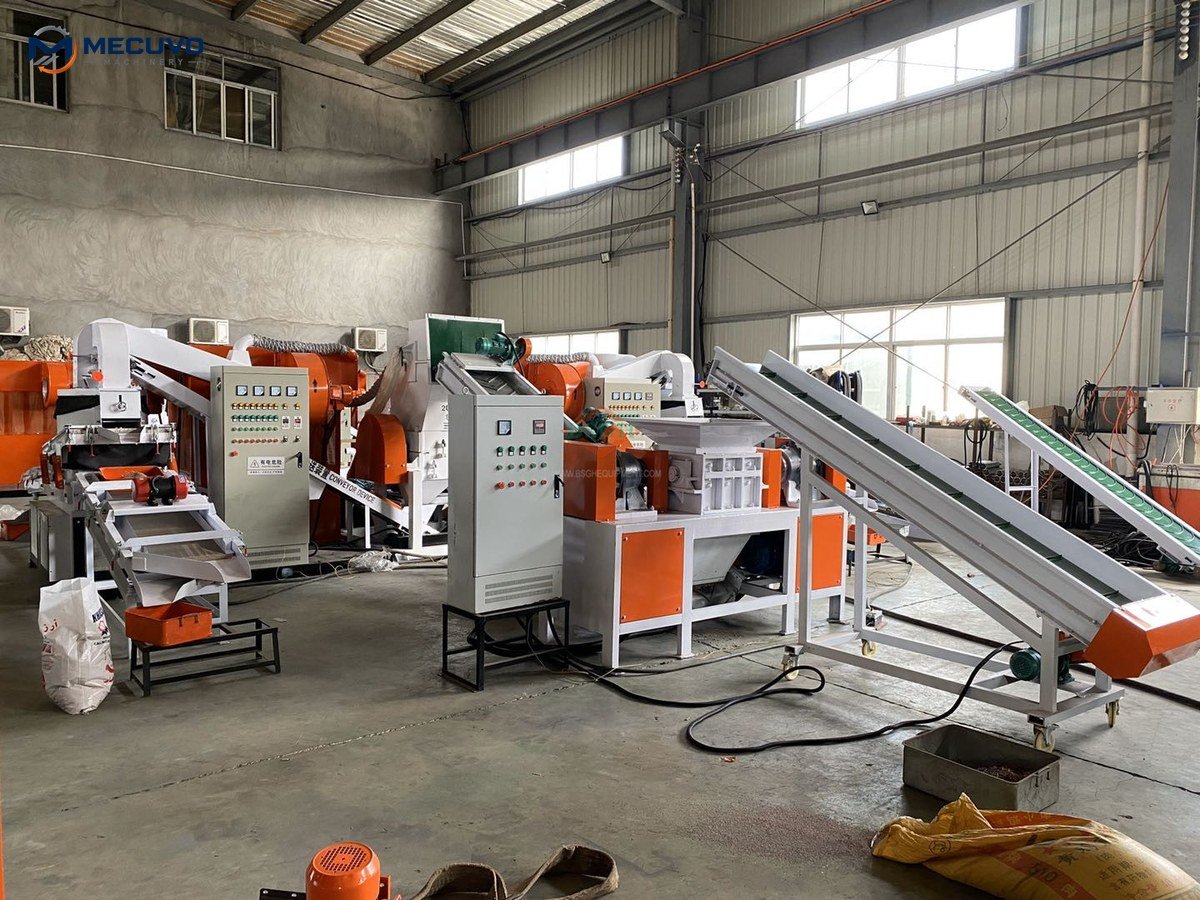
Workpiece kick-back is the most frequent cause of severe fractures and torso trauma in scrap yards operating unconstrained crocodile shears. Kick-back occurs when the descending shear blade creates a rotational bending moment against the stationary bed knife, forcing the unsupported scrap end to whip violently upward. Scrap yards processing mixed heavy cable can protect granulator rotor knives by pairing an alligator shear plus copper granulator for pre-cutting heavy cable before granulation.
The Mechanics of Lever Action Kick-Back
When long structural steel profiles, solid pipes, or heavy copper cables are sheared without restraint, the material acts as a first-class lever. As the upper alligator shear blade descends, its cutting edge penetrates the top surface of the workpiece. Because the lower stationary knife supports the material only along the cutting plane, the downward penetration force on the cantilevered scrap end creates a massive rotational reaction. The free, unconstrained end of the workpiece whips upward instantly with explosive kinetic energy.
If an operator is holding or steadying the protruding metal bar by hand, this upward kick-back can break wrists, dislocate shoulders, or strike the operator’s chest and head. This hazard is specifically highlighted in safety investigations by the UK WISH Forum INFO 30.
The mandatory engineering defense against kick-back is a synchronized mechanical or hydraulic hold-down clamp. The hold-down bar is positioned immediately adjacent to the bed knife, positioned between the operator and the cutting blade. In modern hydraulic systems, the hold-down cylinder or spring-loaded mechanical clamping bar descends ahead of the cutting knife. The hold-down locks the scrap firmly against the bed plate with thousands of pounds of clamping force before the upper blade touches the metal, totally suppressing the rotational bending moment and neutralizing kick-back.
| Mechanism Component | Operational Role | Failure Consequence Without Device |
|---|---|---|
| Mechanical Hold-Down Clamp | Clamps scrap firmly to bed plate before blade touches metal | Unconstrained scrap whips upward in violent kick-back |
| Descending Upper Blade | Penetrates and shears metal against bed knife | Acts as dynamic lever fulcrum against unheld scrap |
| Stationary Bed Knife | Provides rigid shear support along cutting line | Concentrates shear reaction force along lower edge |
| Feed Roller / Roller Table | Supports heavy long beams horizontally | Prevents material sagging and angular jaw binding |
What Point of Operation Guarding Is Required Under OSHA 1910.212 and 1926.300?
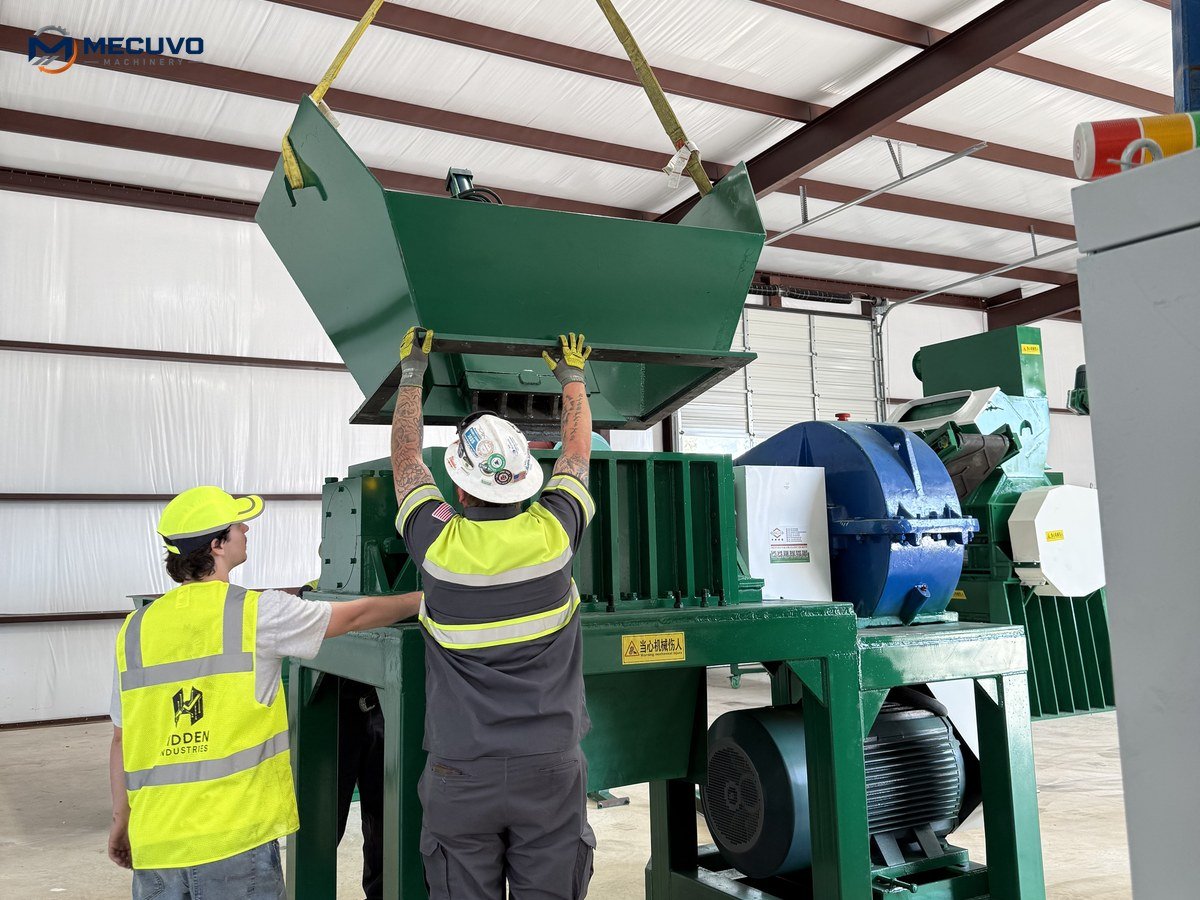
Physical barrier guarding must prevent any possibility of operator fingers or clothing entering the scissor pinch zone during blade travel. Guarding must include fixed steel side shields enclosing non-cutting jaw zones, adjustable throat opening limiters, and physical barriers preventing reach into the blade throat.
Fixed Barrier Geometry and Throat Aperture Limits
Under OSHA 29 CFR 1910.212 and 29 CFR 1926.300(b)(4), metal cutting shears must feature point of operation guarding that effectively prevents the operator from having any part of their body in the hazard zone during the operating cycle. Because crocodile shears operate with a pivoting jaw that presents a scissor-action hazard along its entire length, the back and non-cutting sides of the jaw must be permanently enclosed with heavy-gauge sheet steel or welded wire mesh guards.
On the feeding side, the guard design must incorporate an adjustable material feed gate. This opening should be adjusted to allow the scrap profile to pass underneath the hold-down clamp while physically restricting hand access into the jaw pinch zone. Where large or irregular scrap requires wider throat openings, the operator feed station must be set back with physical barrier railings or feeding roller tables to maintain safe separation distances in accordance with standard industrial reach guidelines.
Additionally, alligator shears must be securely anchored to an engineered concrete foundation per OSHA 1910.212(b). Continuous high-tonnage shearing pulses impart severe cyclical shock loads to machine footings. Proper anchor bolting prevents machine walking, frame twisting, or unexpected piping fractures.
How Should Foot Switches, Emergency Stops and LOTO Be Configured?
Accidental foot pedal activation during material adjustment is a primary cause of severe amputation injuries on scrap shearing machinery. Foot controls must feature protective overhead hoods, anti-trip safety latches, dual-channel emergency stop circuits, and lockable electrical main disconnect switches.

Foot Switch Shielding and Energy Control Protocols
Foot-actuated switches offer essential operator flexibility by leaving both hands free to position scrap at a safe distance. However, unguarded foot pedals create severe accidental activation hazards. Falling scrap offcuts, dropped hand tools, or an operator tripping can inadvertently depress an open pedal and trigger an unexpected shear stroke. To eliminate this risk, OSHA 1926.300 and industrial safety standards require heavy-duty cast metal foot switches equipped with an overhead protective cowl, side shields, and an anti-trip safety lockplate that requires intentional foot entry before the pedal can move downward.
Emergency stop provisions must be readily accessible. Red mushroom-head emergency stop buttons must be mounted directly on the electrical control cabinet and at the operator station. Additionally, installing a perimeter trip wire (emergency pull cord) along the material feed table allows an operator to instantly abort a cycle from any position.
Maintenance protocols demand strict Lockout/Tagout (LOTO) compliance under OSHA 1910.147. Before rotating cutting blades, adjusting shims, or inspecting hydraulic manifolds, the main electrical disconnect switch must be locked in the off position. Because hydraulic circuits store potential energy under pressure in accumulators and cylinder lines, technicians must bleed stored hydraulic pressure to zero before opening any hydraulic connection. Ensuring safe industrial installation requires conforming to copper granulator CE and UL electrical standards, including NRTL-compliant control panels and proper emergency stop circuits.
To consult on safe machine installation and review electrical specifications for an alligator shear, submit your facility power supply details, scrap photos, and target daily volume to our engineering team through our contact page.
Key Takeaways
Comprehensive alligator shear safety relies on synchronized hold-down clamps to suppress workpiece kick-back, enclosed barrier guards, shielded foot controls, and strict energy lockout procedures.
— YOUR RECYCLING PROJECT
Find the right machine for your material.
Tell us your material and required capacity.
Or email sales@mecuvo.com