Table of Content
Operating industrial size-reduction machinery in commercial scrap metal yards involves substantial mechanical, electrical, and environmental hazards that demand rigorous safety engineering. A compliant safety setup for a copper granulator requires interlocked physical point-of-operation guards under OSHA 1910.212, zero-energy Lockout/Tagout procedures under 1910.147, hearing conservation controls under 1910.95, and negative-pressure dust extraction under 1910.1000. I examine the core statutory standards, physical safety interlocks, acoustic dampening measures, and baghouse air filtration practices below to protect your workforce and satisfy regulatory safety audits.
What Machine Guarding and Anchoring Are Mandatory Under OSHA 1910.212?
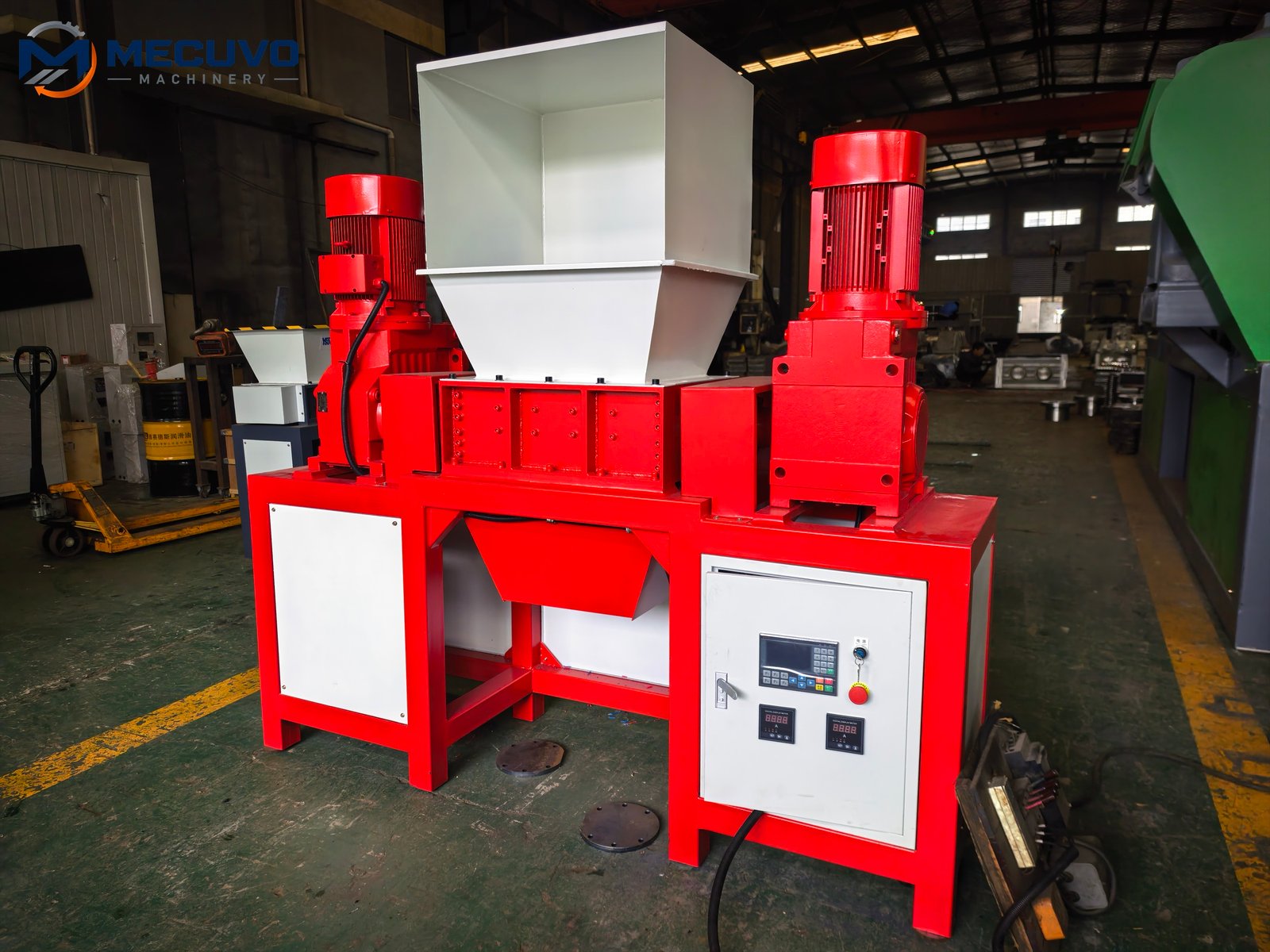
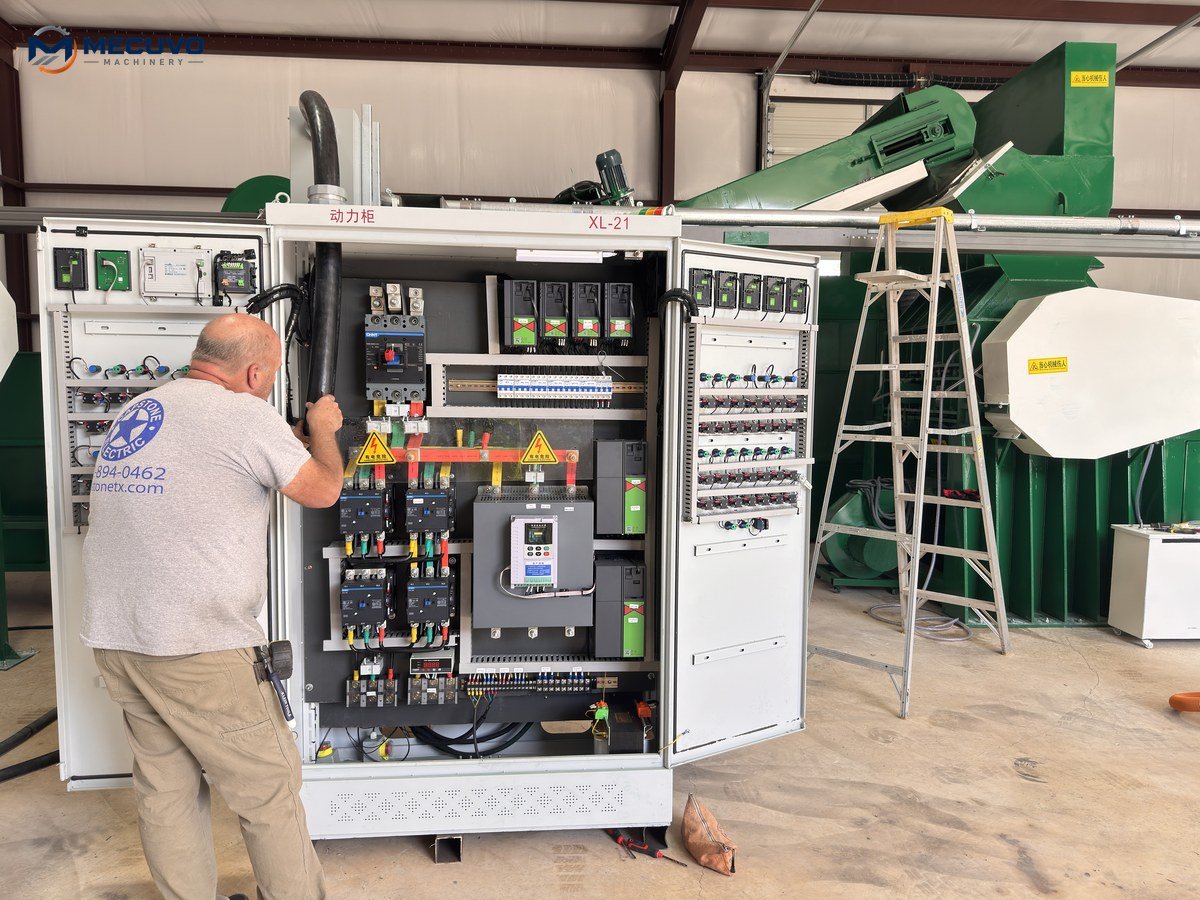
High-speed cutting rotors and mechanical power transmission belts represent severe entanglement and crushing hazards if operated without physical barriers. Complying with OSHA 1910.212 mandates interlocked physical guards over the cutting chamber, complete sheet-metal enclosures for drive belts and pulleys, and heavy anchor bolts securing the base to a concrete foundation. Ensuring safe industrial installation requires conforming to copper granulator CE and UL electrical standards, including NRTL-compliant control panels and proper emergency stop circuits.
Physical Barriers, Interlocks, and Structural Floor Anchoring
Under OSHA 29 CFR 1910.212, employers must provide effective machine guarding to protect operators from hazards such as rotating cutters, infeed nip points, flying metal chips, and rotating flywheels. On a commercial copper wire granulator, compliance requires three fundamental barriers:
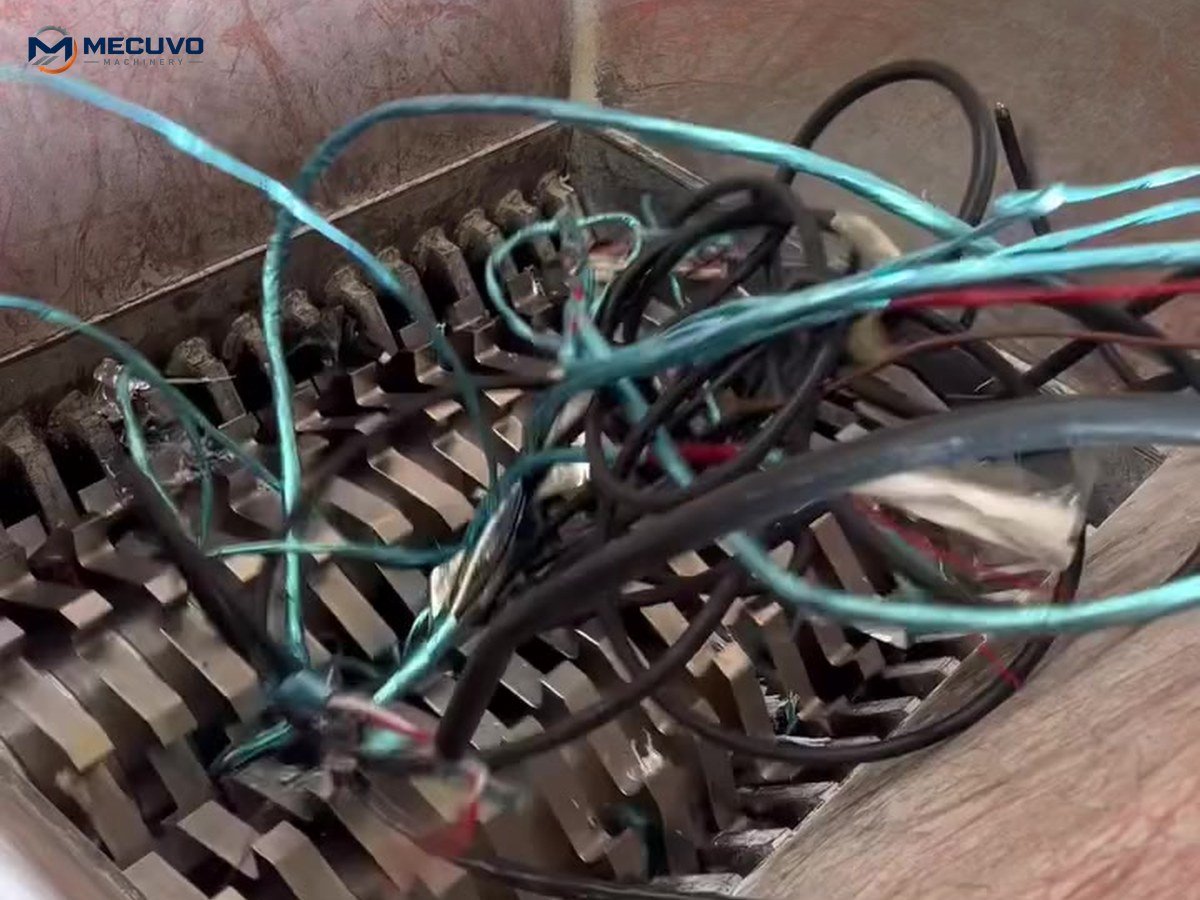
- Cutting Chamber Hood Interlocks: The upper cutting hood must be constructed from heavy structural plate capable of containing fractured tool steel or tramp metal fragments. Access doors must incorporate dual-channel magnetic or mechanical safety limit switches wired into a safety monitoring relay. If an operator attempts to open the chamber while the rotor is spinning, power to the drive motor must cut out instantly, and an electro-mechanical rotor brake must bring the shaft to a complete stop.
- Drive Belt & Pulley Enclosures: Electric drive motors transfer power to the main rotor via heavy V-belts operating under high tension. Belt drives must be completely encased in rigid sheet-metal guard enclosures with no openings large enough to permit finger or clothing entry in accordance with OSHA 1910.212 (General machine guarding) and OSHA 1910.219 (Mechanical power-transmission apparatus).
- Structural Foundation Anchoring: Under 1910.212(b), machines designed for a fixed location must be securely anchored to prevent walking or displacement. Anchor granulator base frames using M16 or M20 wedge anchor bolts torqued into a reinforced concrete slab of at least 150 mm to 200 mm thickness.
How Should You Implement Lockout/Tagout (LOTO) for Blade Changes and Jams?
Servicing granulator knives, clearing chamber blockages, and changing classification screens expose maintenance technicians to lethal cutting hazards. Implement a formal Lockout/Tagout program under OSHA 1910.147, isolating the electrical main disconnect with physical padlocks, dissipating pneumatic pressure, and inserting a mechanical rotor locking pin.
Energy Control Protocols and Gravitational Hazard Restraint
Blade maintenance and screen changes are routine tasks in any high-volume scrap yard. Under OSHA 29 CFR 1910.147, servicing machinery requires isolating and locking out all hazardous energy sources before any employee places hands in the cutting zone:
- Electrical Energy Isolation: Open the main fused disconnect switch mounted adjacent to the machine. The authorized technician must affix their personal padlock and danger tag to the hasp, verifying zero-energy state by attempting to start the machine from the operator console.
- Pneumatic & Stored Energy: On systems equipped with pneumatic cylinder hood lifts or pulse-jet dust collectors, close the pneumatic supply shutoff valve and relieve residual pressure from accumulator tanks.
- Mechanical Gravitational Restraint: Electrical disconnect alone is insufficient on high-mass rotating cutters. Because tool-steel knives are mounted along the rotor periphery, an unbalanced rotor can suddenly swing under gravity like a pendulum. Certified granulators feature a dedicated mechanical rotor locking pin or indexing bar that slots through the side frame directly into the rotor disc, mechanically preventing any rotation while technicians measure knife clearances with feeler gauges.
| Hazardous Energy Source | Primary Isolation Device | Verification Method | Secondary Restraint Required |
|---|---|---|---|
| 480V 3-Phase Main Power | Lockable external fused disconnect switch | Console start attempt (zero voltage meter test) | Individual technician padlocks & lockout tags |
| Gravitational Rotor Momentum | Heavy cast-steel cutting rotor unbalance | Visual verification of complete rotor standstill and calibrated non-contact checks | Positive mechanical locking pin through chassis |
| Compressed Air Supply | Lockable ball valve on air regulator | Pressure gauge zero check | Manual bleed valve to depressurize reservoir tanks |
| Hydraulic Pressure (Auxiliary) | Hydraulic circuit shutoff valve | Gauge check on hydraulic manifold | Lockout valve on hydraulic power unit |
How Do You Control Dust Particulates and Noise in Scrap Processing Environments?
Wire granulation generates intense acoustic energy and fine airborne polymer dust that require comprehensive occupational health controls. Enforce hearing conservation controls under OSHA 1910.95 when noise levels exceed 85 dBA, and deploy negative-pressure pulse-jet baghouses to keep airborne particulates below OSHA 1910.1000 PELs.
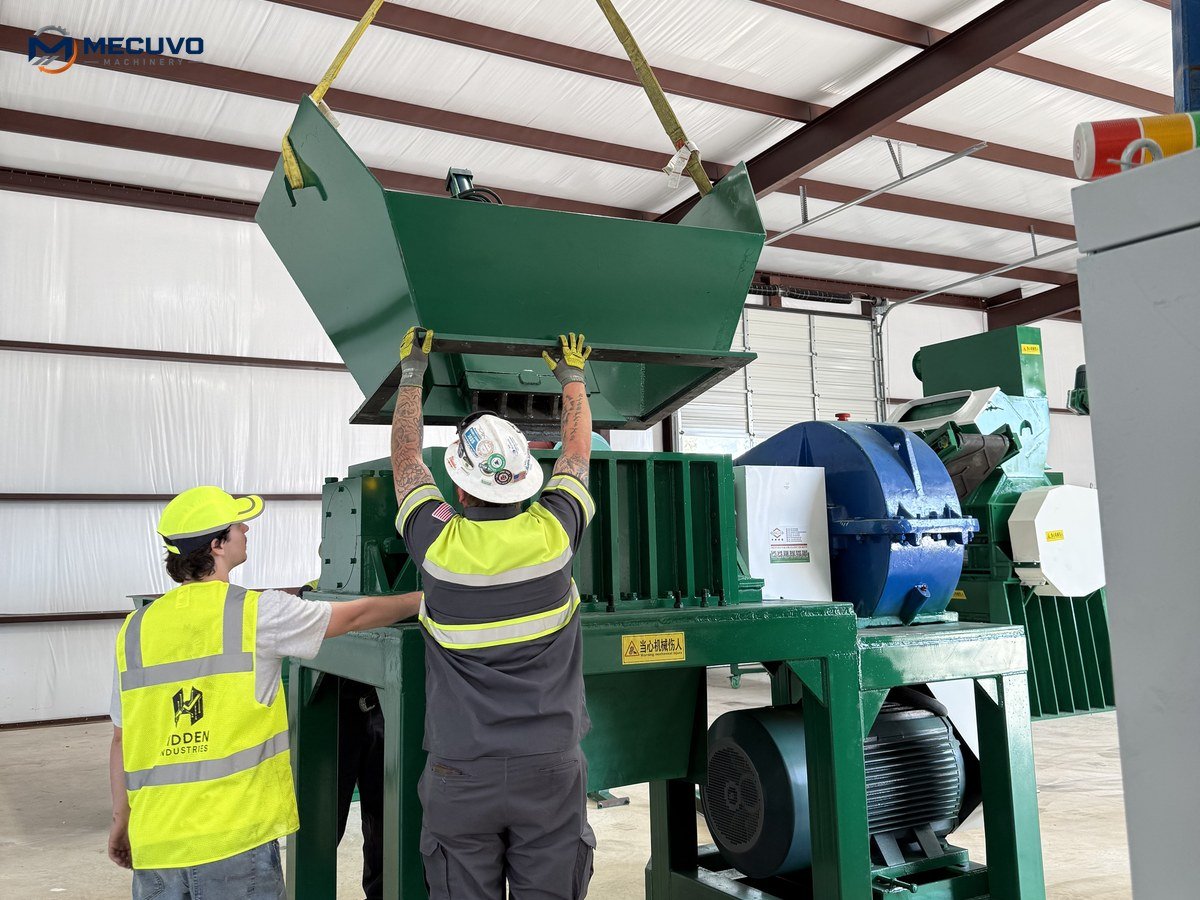
Occupational Noise Exposure and Dust Particulate Filtration
Noise Mitigation (OSHA 1910.95): High-speed granulators chopping wire against bed knives generate continuous sound pressure levels typically ranging from 88 dBA to 96 dBA. Under OSHA 1910.95, exposure exceeding an 8-hour time-weighted average (TWA) of 85 dBA mandates establishing an ongoing Hearing Conservation Program. This includes baseline and annual audiometric testing, employee training, and providing personal hearing protectors (earmuffs or molded plugs with a Noise Reduction Rating (NRR) of at least 25 dB). In addition, plant managers should install acoustic baffling curtains around the granulation area or position the primary cutting unit within an acoustic sound enclosure.
Air Quality & Particulate Control (OSHA 1910.1000): Cutting wire sheathing, peeling weathered insulation, and aspirating air tables generates airborne PVC dust, rubber particles, and kraft paper fibers. Under OSHA 1910.1000 Table Z-1, Particulates Not Otherwise Regulated (PNOR) must be maintained below 15 mg/m³ for total dust and 5 mg/m³ for respirable dust.
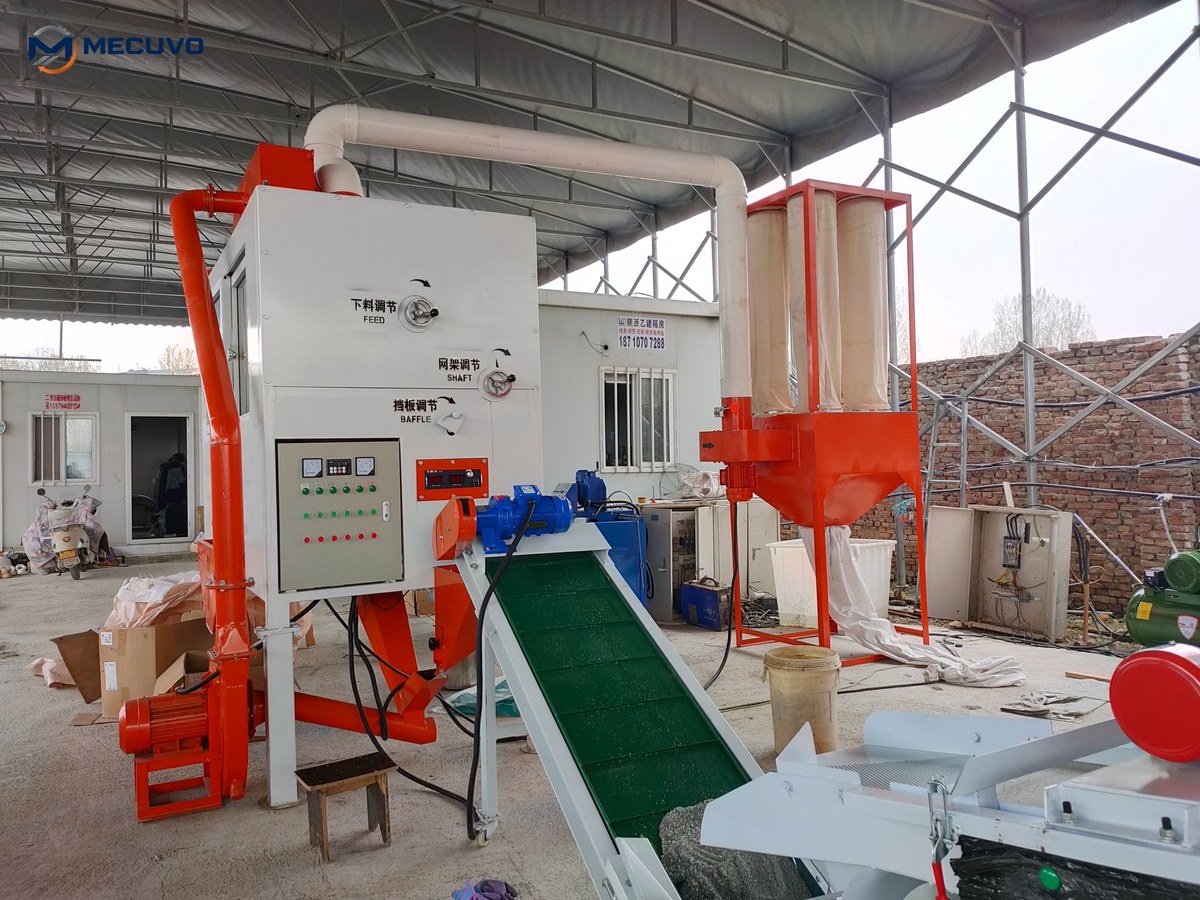
To achieve this, industrial granulation lines operate under continuous negative air pressure. A high-efficiency pulse-jet cyclone dust collector pulls air directly from the cutting chamber and air table hood, filtering particulates through antistatic needle-felt filter bags. Clean air exhausts outside the building or recirculates through HEPA secondary filtration.
Disclaimer: This document provides general engineering and operational safety guidelines and does not constitute formal legal counsel. Employers must review specific federal, state, and municipal regulations applicable to their facility.. Managing fine airborne particulates and recovering light copper dust requires systematic pulse jet dust collector maintenance on the secondary filtration system.
To review certified safety specifications, sound enclosure options, and dust collector airflow CFM requirements for your yard, contact our technical team through the MECUVO inquiry portal.
Key Takeaways
Implementing an OSHA-compliant copper granulator safety setup requires combining physical machine guarding, strict LOTO protocols with rotor locking pins, engineered dust extraction, and proactive hearing conservation programs.
— YOUR RECYCLING PROJECT
Find the right machine for your material.
Tell us your material and required capacity.
Or email sales@mecuvo.com