Table of Content
Communications scrap cables—including television RG-6, distribution RG-11, and shielded security wiring—contain high gross metal weight that frequently deceives inexperienced scrap processors. Granulating coaxial cable successfully requires pre-stripping high-tensile steel messenger wires, identifying Copper-Clad Steel (CCS) center conductors, installing high-gauss magnetic drum separators to extract ferrous cores, and tuning air tables for light aluminum foil removal. I examine the composite metallurgy of coaxial cables below, detailing the mechanical separation stages required to prevent blade destruction and smelter purity deductions.
What Is Inside Coaxial Cable: Copper-Clad Steel, Aluminum Braid, and Messenger Wire?
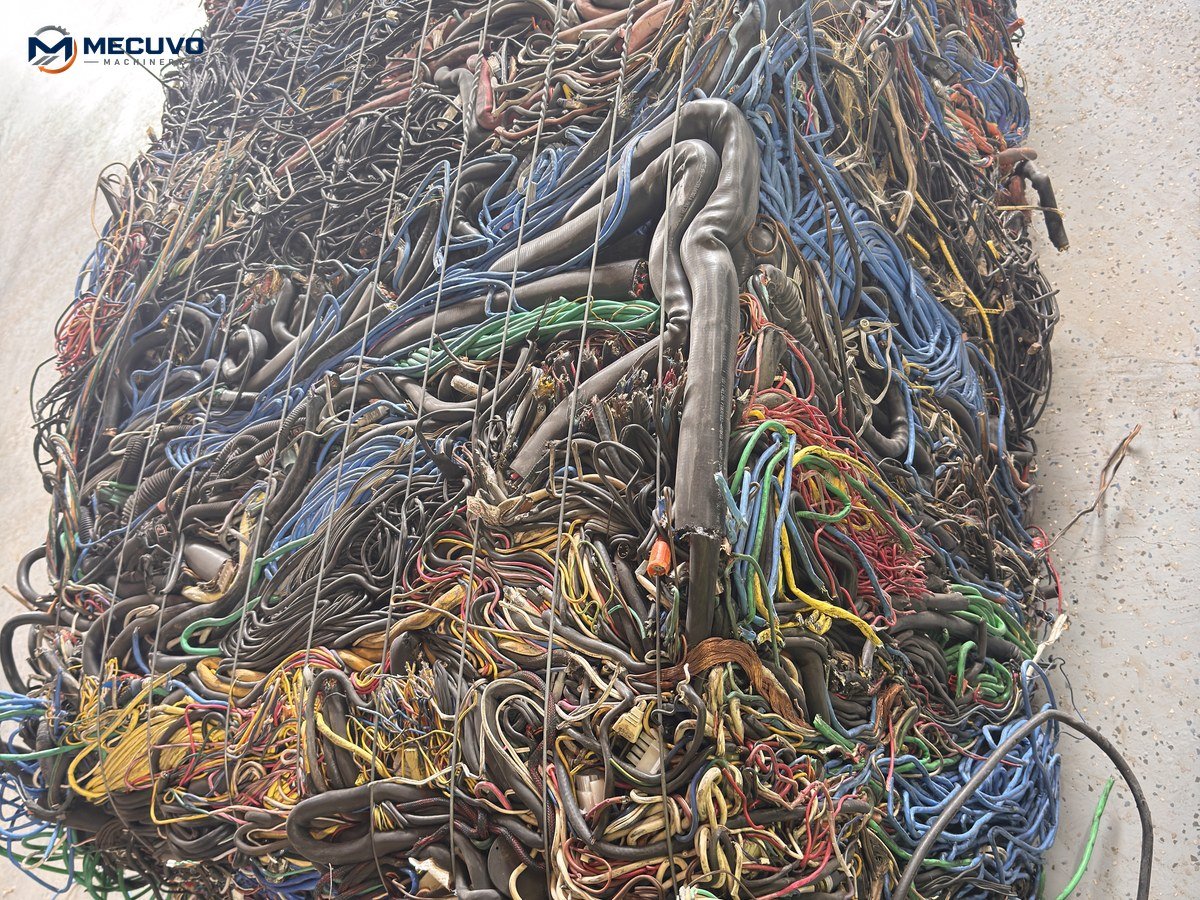
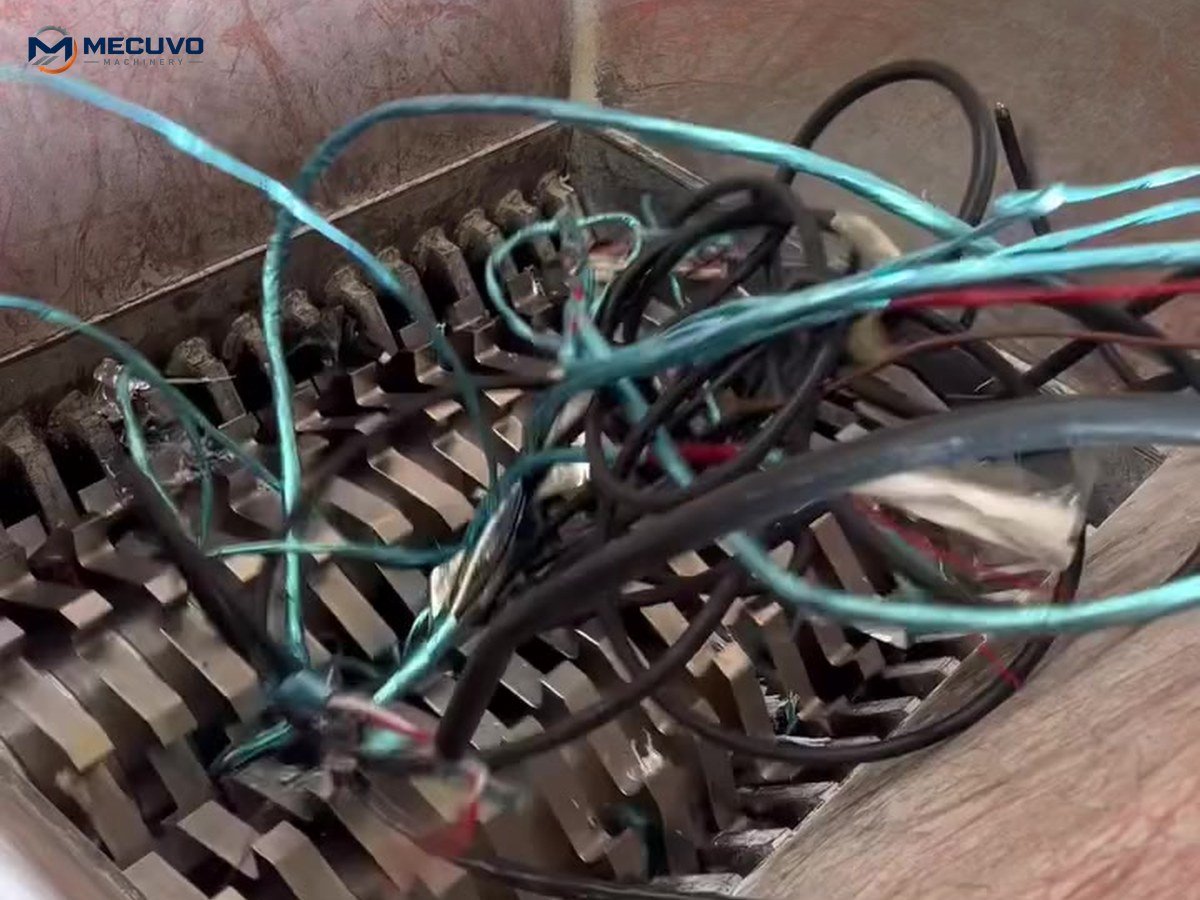
Coaxial cable scrap is among the most chemically and mechanically complex feedstocks encountered in a metal recycling facility. Coaxial cable incorporates a multi-layer composite structure: a Copper-Clad Steel (CCS) center conductor, an expanded polyethylene dielectric foam core, a laminated aluminum foil shield, a braided aluminum wire mesh, and an optional high-tensile steel support messenger. Protecting granulator knives from tramp metal requires implementing magnetic screening; review our technical guide on filtering iron and aluminum contaminants in scrap wire granulation.
The Composite Anatomy of Telecommunications Cable
Recyclers evaluating broadband telecommunications scrap—such as RG-6, RG-59, and heavy RG-11 distribution cable—must understand the rigorous manufacturing specifications standardized by the Society of Cable Telecommunications Engineers (SCTE). While standard electrical wire contains pure copper conductors inside PVC sheathing, coaxial cable is engineered for high-frequency signal transmission:
- The Center Conductor (Copper-Clad Steel – CCS): In residential drop cables, the center conductor is rarely solid copper. Under ASTM B869, the conductor is manufactured from high-tensile carbon steel metallurgically bonded with a thin outer cladding of copper (typically 21% or 30% IACS conductivity). Copper represents only 10% to 15% of the conductor’s total mass, with the remaining 85% to 90% being magnetic carbon steel. Solid copper center conductors generally appear only in specialized commercial broadcast cables.
- The Dielectric Core: Surrounding the center conductor is a thick sleeve of gas-injected foamed polyethylene (FPE). This cellular plastic is light and flexible but tends to produce spongy flakes during granulation.
- The Shielding Layers (Foil and Braid): The dielectric core is wrapped in a bonded laminated tape consisting of aluminum foil bonded to polyester film. Surrounding the foil is a woven wire braid consisting of 34 to 36 AWG aluminum alloy wire strands (representing 60% to 90% coverage).
- The External Messenger Wire: Aerial drop cable features a ‘figure-8’ cross section with an integrated high-tensile galvanized carbon steel messenger wire (typically 0.051 to 0.072 inch diameter) designed to support overhead span tension.
Feeding aerial coaxial cable with the steel messenger wire intact into a high-speed copper granulator will instantly chip D2 tool-steel rotor knives and destroy classification screens.
Why Is an Inline Magnetic Drum Separator Mandatory for Coaxial Scrap?
Relying strictly on air-table density separation when processing coaxial cable will result in total contamination of your copper granule output. Air tables cannot separate copper from steel due to overlapping specific gravities; an inline rare-earth magnetic separator is mandatory to extract virtually all ferrous CCS core fragments and steel messenger particles (>99% separation efficiency).
The Physical Limits of Density Separation on Steel and Copper
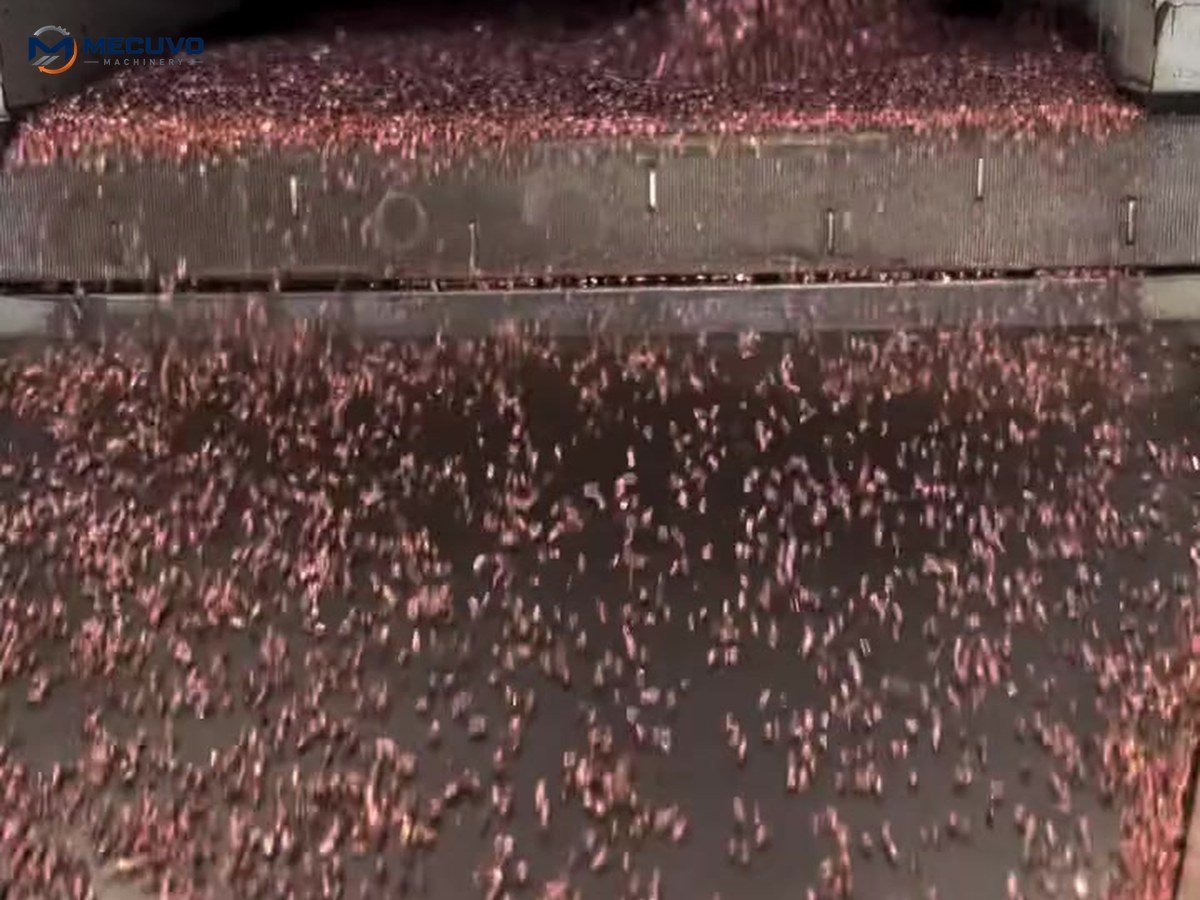
The primary separation mechanism of a dry wire granulator is specific gravity stratification. Pure copper has a density of approximately 8.96 g/cm³, while carbon steel has a density of approximately 7.85 g/cm³. When chopped into 2 mm to 3 mm nodules, the density differential between copper and steel is insufficient for an air table’s fluidised bed to differentiate reliably. Both copper pellets and steel CCS fragments settle directly onto the lower deck mesh and discharge together into the heavy metal collection bin.
If this mixed product is shipped to a copper refinery or brass mill, the shipment will fail commercial ISRI Clove grade specifications (maximum 0.05% iron allowed). Consuming foundries will reject the entire container or apply catastrophic price deductions for tramp iron.
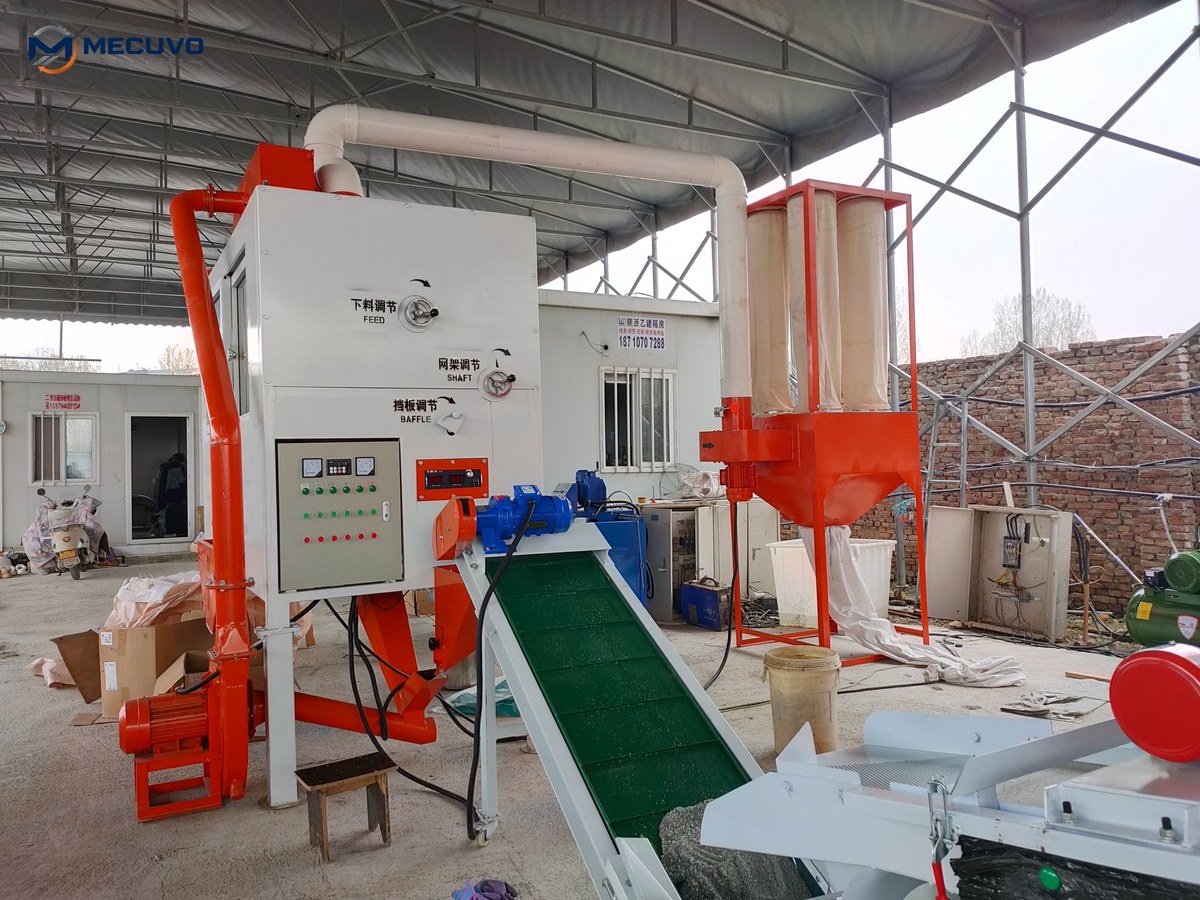
To prevent this, an industrial processing line requires a high-intensity rare-earth magnetic drum separator (generating 3,000 to 5,000 Gauss). As material discharges from the granulator conveyor, the magnetic roller attracts all ferrous particles—including chopped steel messenger wire and CCS core fragments—pinning them to the belt until they pass beyond the magnetic field and discharge into a scrap iron container, allowing pure nonferrous metal to proceed to the air table.
| Scrap Material Fraction | Specific Gravity (g/cm³) | Magnetic Property | Separation Mechanism Required |
|---|---|---|---|
| Pure Solid Copper Core | 8.96 | Non-magnetic | Fluidised vibrating air table (uphill metal discharge) |
| Copper-Clad Steel (CCS) | 7.85 – 8.10 | Strongly magnetic | High-gradient rare-earth magnetic drum roller |
| Galvanized Steel Messenger | 7.85 | Strongly magnetic | Upstream mechanical slitter or inline magnetic separator |
| Aluminum Shielding Braid | 2.70 | Non-magnetic | Fluidised air table (floats with plastic) or electrostatic separator |
| Polyethylene & PVC Jacket | 0.95 – 1.40 | Non-magnetic | Fluidised air table (downhill tailings discharge) |
How Do You Handle the Aluminum Braid, Foil, and Dielectric Flakes?
Coaxial shielding generates high volumes of aluminum and plastic flakes that require careful airflow and electrostatic management. Calibrate air table blower dampers to float light aluminum braid and foil downhill with the plastic tailings, and utilize an optional electrostatic separator or aspirator to recover clean aluminum scrap.
Managing Multi-Metal Nonferrous Sorting
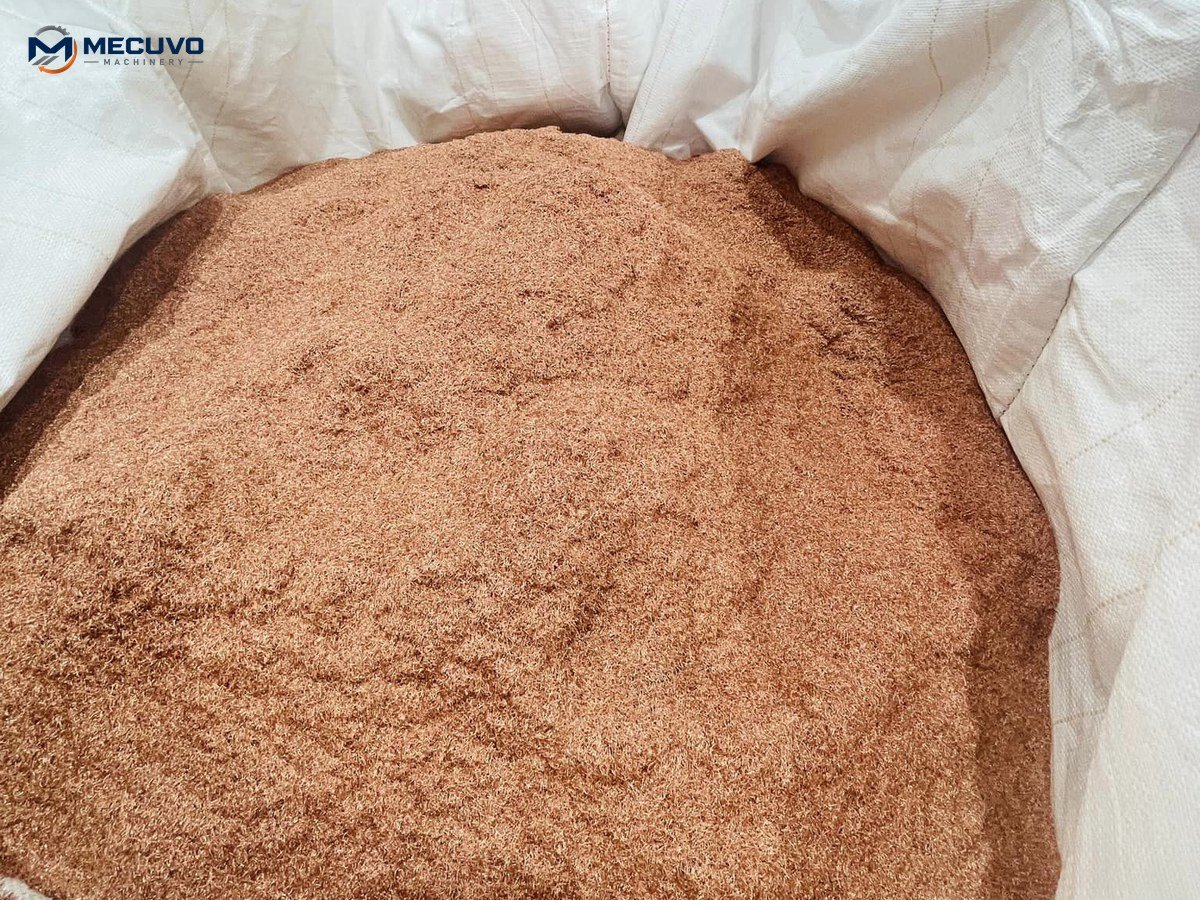
Once magnetic steel is eliminated, the remaining material stream consists of pure copper (from solid center conductors), aluminum (from shielding braid and foil), and mixed polymers (dielectric foam and outer PVC jacket). Because aluminum has a specific gravity of 2.70 g/cm³ compared to copper’s 8.96 g/cm³, the fluidised air table can cleanly separate the two metals:
- Airflow Calibration: Adjust the blower throttle valve to provide sufficient fluidisation velocity to lift the light aluminum flakes and dielectric foam off the deck surface, floating them downhill toward the tailings weir.
- Screen Aperture Selection: Use a 2.5 mm to 3.0 mm classification screen. This screen size prevents foamed polyethylene from smearing against the rotor while chopping fine aluminum braid into uniform particles.
- Electrostatic Tailings Refining: The material discharging from the plastic weir contains polymer flakes mixed with aluminum foil and braid. If volume warrants commercial recovery, feeding these tailings through a high-voltage electrostatic separator separates conductive aluminum from non-conductive plastic, producing a secondary clean aluminum byproduct stream.
For facilities handling large reels of communication scrap, review our technical guide on matching cable types to granulator models and pre-cutting dense wire with alligator shears. Processing delicate telecommunication wires requires specialized techniques for granulating hair-thin data cables and Cat5/Cat6 wire without blowing copper fines into plastic tailings.
To evaluate the optimal machinery configuration for your communication wire feedstock, contact our engineering specialists via the MECUVO inquiry portal.
Key Takeaways
Granulating coaxial cable profitably requires stripping steel messenger wires, utilizing high-gauss magnetic separation to capture CCS core fragments, and tuning air-table fluidisation to isolate pure copper.
— YOUR RECYCLING PROJECT
Find the right machine for your material.
Tell us your material and required capacity.
Or email sales@mecuvo.com