Table of Content
I often see scrap yard owners install an on-site granulator line but continue selling clean copper chops to regional brokers, surrendering 5% to 10% in gross margin. Scrap yards can sell directly to smelters by accumulating full truckloads (20 metric tons / 44,000 lbs), packaging dry Clove chops into 1-ton supersacks, and negotiating purchase contracts based on COMEX/LME quotation periods with certified assay sampling. Below, I explain minimum order volumes, commercial pricing settlement mechanisms, moisture penalty clauses, and target end-user buyer categories.
What minimum lot size and packaging do smelters require for copper chops?
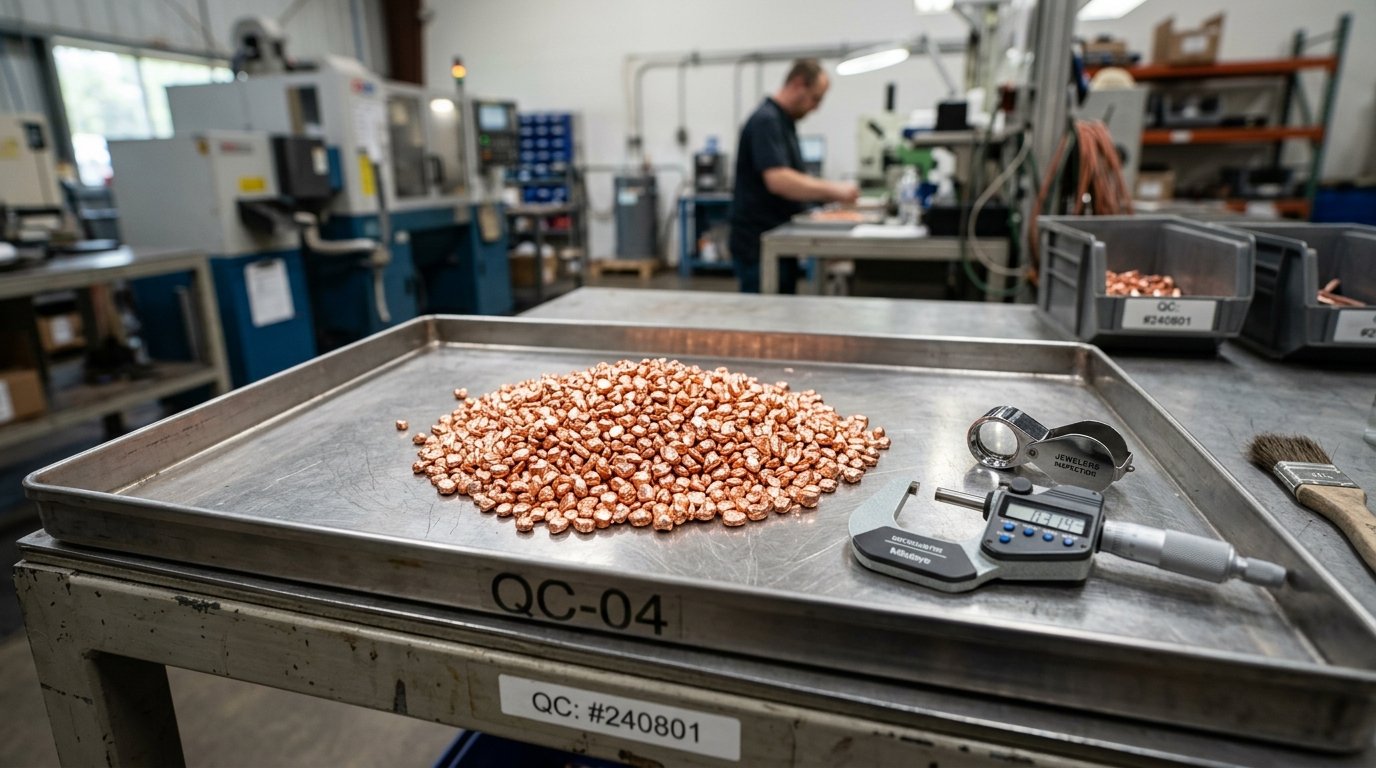
I advise facility managers to align storage capacity with standard mill receiving docks before contacting industrial metal buyers. Smelters require standard full truckload lots of 40,000 to 44,000 lbs (roughly 20 metric tons), packaged in heavy-duty 1-ton woven polypropylene supersacks palletized with moisture-resistant stretch wrap and tamper-evident tags.
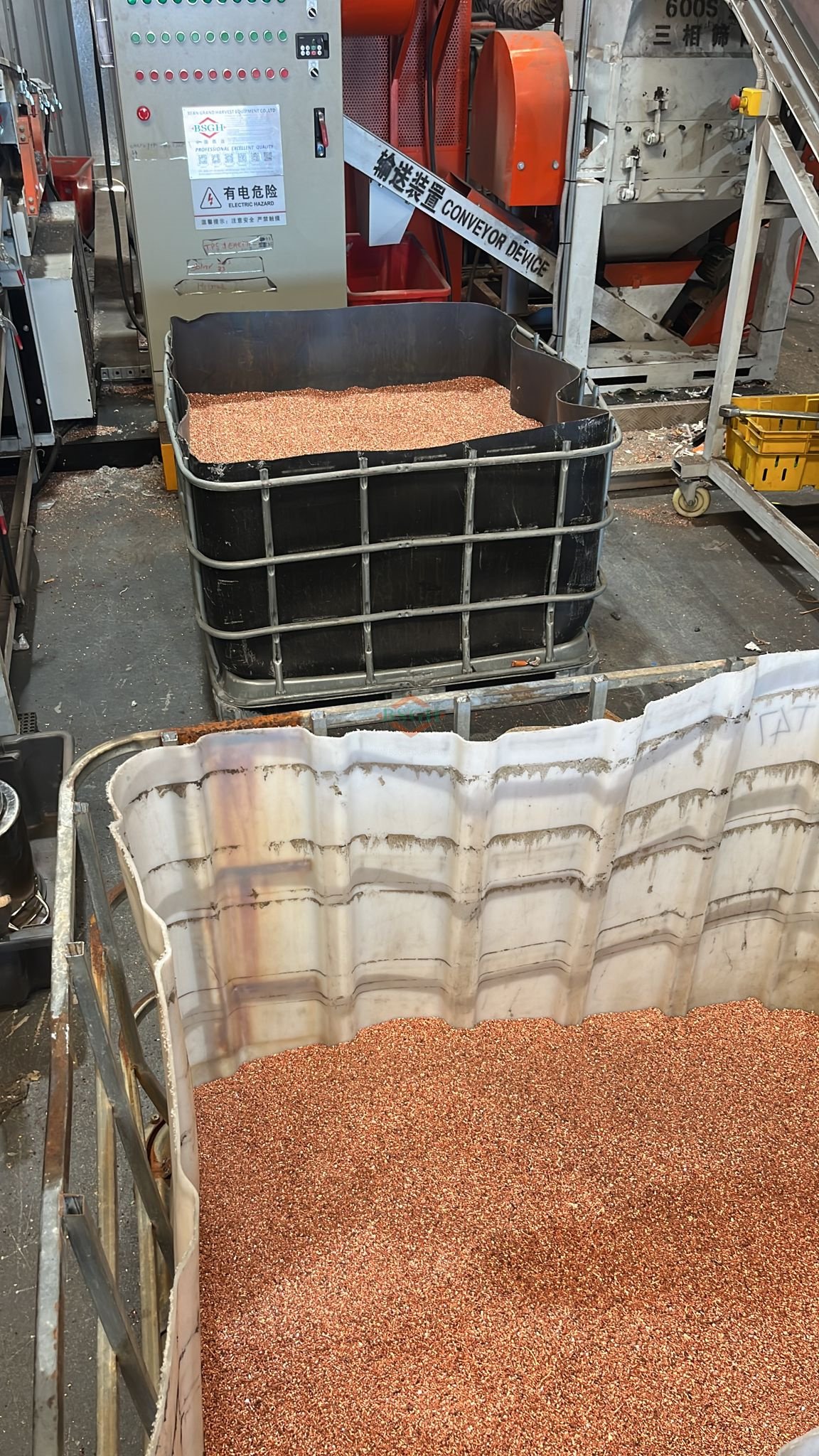
Commercial logistics, bulk packaging standards, and receiving dock criteria
Direct smelter sales represent the highest margin pathway for secondary metal recyclers, but industrial smelters and brass ingot casters are high-volume manufacturing facilities, not neighborhood scrap drop-off yards. According to commercial logistics standards codified in the ISRI Scrap Specifications Circular, industrial consumers transact exclusively in wholesale truckload or containerload increments to justify dock scheduling, weighing scale calibration, and laboratory chemical assay overhead.
To establish direct commercial supplier accounts with smelters, scrap facilities must satisfy three foundational shipping standards:
- Standard Truckload Batching (40,000–44,000 lbs): In North America, the standard commercial freight contract covers a full dry-van or flatbed truckload weighing 40,000 to 44,000 lbs net (roughly 18 to 20 metric tons). Shipping less-than-truckload (LTL) quantities is commercially non-viable because freight expenses ($3.00 to $5.00 per mile) erase the price spread advantage over local scrap dealers.
- Certified Bulk Packaging (1-Ton Supersacks): Loose bulk tipping is generally reserved for raw scrap shred or ingot pigs. Granulated copper chops must be packaged into heavy-duty, UV-stabilized woven polypropylene bulk bags (supersacks or FIBCs) rated for a 2,000 to 2,500 lb working load with a 5:1 safety factor. Bags must feature four-corner lifting loops for forklift handling and a bottom discharge spout for dust-free induction furnace charging.
- Palletizing and Moisture Barriers: Because copper chops are dense, bags must sit on heavy four-way wooden pallets (40 × 48 inches). Pallets must be shrink-wrapped with waterproof polyethylene film to prevent atmospheric condensation or road splash from entering the bag during interstate freight.
| Transaction Pathway | Minimum Lot Size | Packaging Requirement | Pricing Baseline (% of Spot) | Payment Terms |
|---|---|---|---|---|
| Local Scrap Broker | 100–5,000 lbs | Gaylord boxes / steel drums | 72%–75% (Raw) / 88%–90% (Chops) | Immediate check / cash |
| Regional Metal Aggregator | 10,000–20,000 lbs | Palletized supersacks | 90%–93% of Spot | Net 5 to 7 days |
| Direct Smelter Contract | 40,000–44,000 lbs | Certified 1-ton FIBCs on pallets | 96%–98% of Spot | Net 10 to 15 days (post-assay) |
| Ingot Casting Foundry | 20,000–44,000 lbs | Poly-lined supersacks | 97%–99% of Spot | Net 10 to 15 days |
Note on Commercial Terms: Transaction pathways, lot sizes (e.g., 40,000 lbs truckloads), quotation periods (QP), and payment schedules described above represent illustrative industry trade practices under bilateral master sales contracts. Recyclers should verify exact receiving dock specifications, payment terms, and assay procedures directly with prospective industrial buyers.
How do secondary smelters determine pricing and assay settlement for Clove chops?
I teach scrap operators to understand commodity pricing formulas so they can negotiate favorable quotation periods and assay terms. Smelter pricing is pegged to the COMEX or LME monthly average spot price minus a contract processing deduction of 2% to 4%, with final cash settlement calculated after laboratory chemical assay verifies copper content and penalty elements.
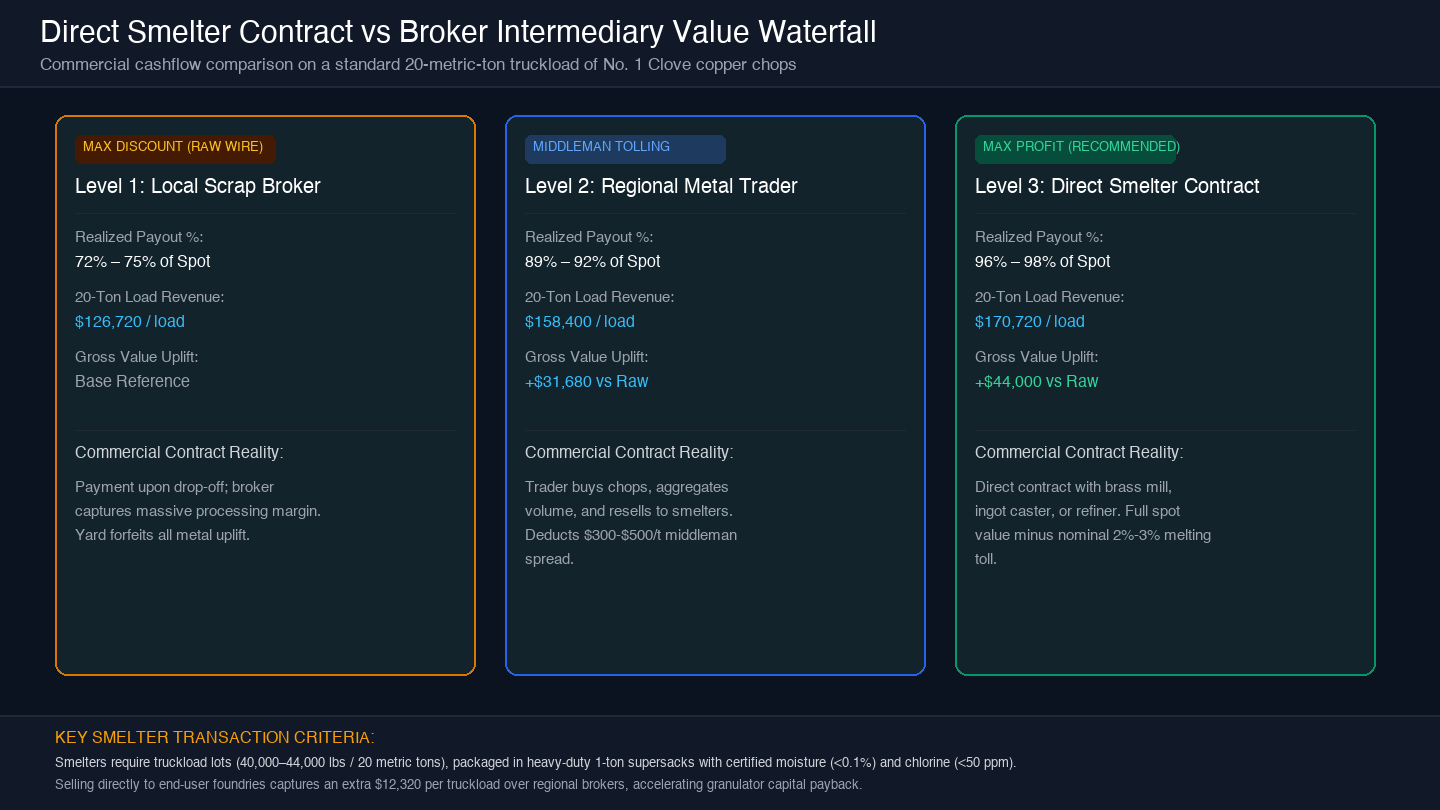
Commodity pricing formulas, quotation periods, and laboratory assay verification
When selling direct to industrial consumers, scrap metal pricing is rarely negotiated as a fixed, flat price per pound. Instead, transactions operate on floating commodity contract formulas established in consultation with guidelines published by the Copper Development Association.
A standard smelter purchase agreement structure incorporates three financial variables:
- Quotation Period (QP): The commodity benchmark is tied to the COMEX spot settlement price (in North America) or London Metal Exchange (LME) Cash Settlement (globally). Contracts specify a Quotation Period, typically the average spot price during the delivery month (M) or the month after delivery ($M+1$). Recyclers can often lock in hedge prices upon shipment notification.
- The Commercial Payout Spread: For No. 1 Copper Wire Nodules (ISRI Clove) testing 99.5%+ Cu, smelters pay 96% to 98% of the agreed QP spot price. The remaining 2% to 4% margin represents the smelter’s melting fee, furnace loss allowance, and operational margin.
- Receiving Assay and Settlement Weight: Upon truck arrival at the smelter receiving dock, the truck is weighed gross on certified truck scales. During unloading, an automated probe or manual sampling tube extracts representative core samples from every supersack (typically 0.5% of total burden mass). The composite sample is divided into three sealed laboratory packets: one for the buyer’s internal laboratory, one for the seller, and an umpire reserve sample.
The laboratory tests the sample via optical emission spectrometry (OES) and gravimetric loss-on-drying. If copper purity exceeds 99.5% and moisture tests below 0.1%, payment settles at 100% of contract terms within 10 to 15 business days. To calculate how much clean copper your equipment recovers before delivering to market, use our worked engineering guide on scrap wire copper yield percentages.
What contract terms protect scrap yards against moisture and foreign matter deductions?
I review purchase contracts with recyclers to ensure moisture deduction clauses, umpire assay provisions, and rejection thresholds are clearly defined. Protect margins by establishing a certified pre-shipment sampling protocol, capping allowable moisture deductions at actual dried loss, setting chlorine thresholds at 50 ppm, and specifying an independent umpire laboratory for disputed assays.
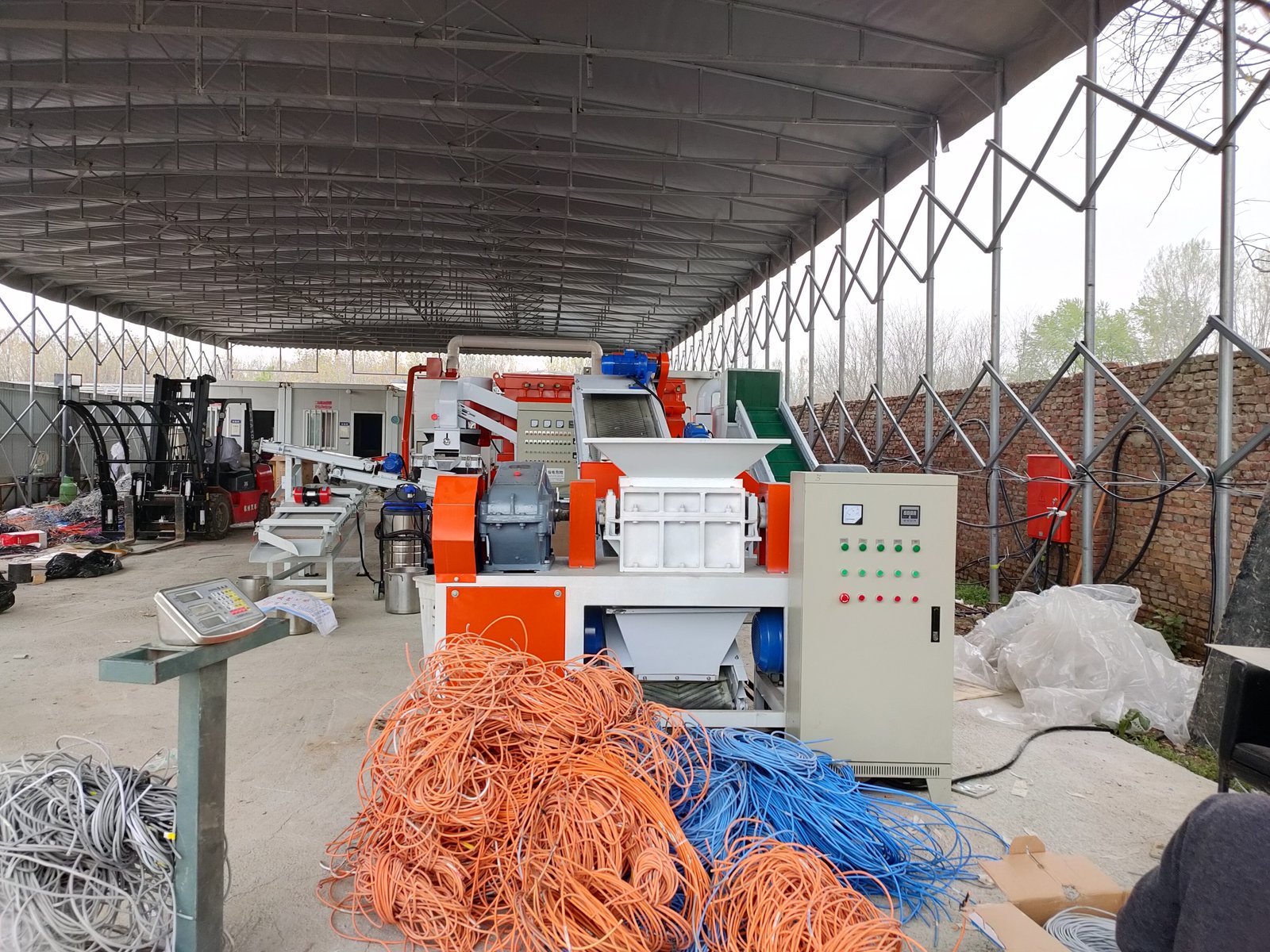
Contractual safeguards, moisture clauses, and dispute resolution protocols
First-time sellers to industrial smelters sometimes experience deduction shocks: deductions on weight tickets for moisture, fine dust, or residual wire insulation. As highlighted in regulatory best-practice frameworks by the European IPPC Bureau for Waste Treatment, secondary metal transaction contracts require transparent, verifiable testing standards to eliminate arbitrary deductions.
When executing a direct smelter sales agreement, ensure the contract contains four protective provisions:
- Objective Moisture Loss Verification: Contracts should stipulate mutually agreed, verified laboratory drying protocols (e.g., drying a representative 1 kg core sample in a laboratory convection oven at 105°C–110°C until constant mass). (Note: While ASTM D2216 is sometimes referenced in specific private contracts for temperature guidelines, it formally governs soil and rock; commercial metal contracts should define their own specific moisture verification and precision parameters). Sellers should reject arbitrary flat deductions (such as an automatic 0.5% water penalty). On a dry MECUVO copper granulator line, copper granules discharge completely dry, testing at less than 0.05% moisture.
- Defined Split-Limit for Chemical Assays: Agree upon a split limit (typically 0.20% Cu). If the smelter’s laboratory assays the load at 99.4% and the seller’s retained sample assays at 99.6%, the two parties average the result at 99.5%. If the difference exceeds the split limit, the third sealed umpire sample is sent to an accredited independent laboratory (such as Alex Stewart International or Alfred H. Knight), whose ruling is legally binding on both parties.
- Clear Penalty Schedules vs Outright Rejection: Contracts must explicitly list penalty rates for minor off-spec elements (such as $1.50 per ton per 10 ppm chlorine between 50 and 200 ppm) rather than allowing the smelter unilateral authority to reject loads or downgrade the entire shipment to No. 2 Cobra pricing.
To safeguard output purity before loading supersacks, review our technical guide on what purity level smelters demand for copper chops.
Which end-user buyers pay the highest premium for granulator copper nodules?
I guide granulator operators to target secondary alloy foundries and brass ingot makers for higher profit margins than mega-smelters. Secondary brass and bronze ingot makers pay the highest premiums (up to 98% to 99% of spot) for dry No. 1 Clove chops because they melt copper directly in induction furnaces without paying primary smelting refining overhead.
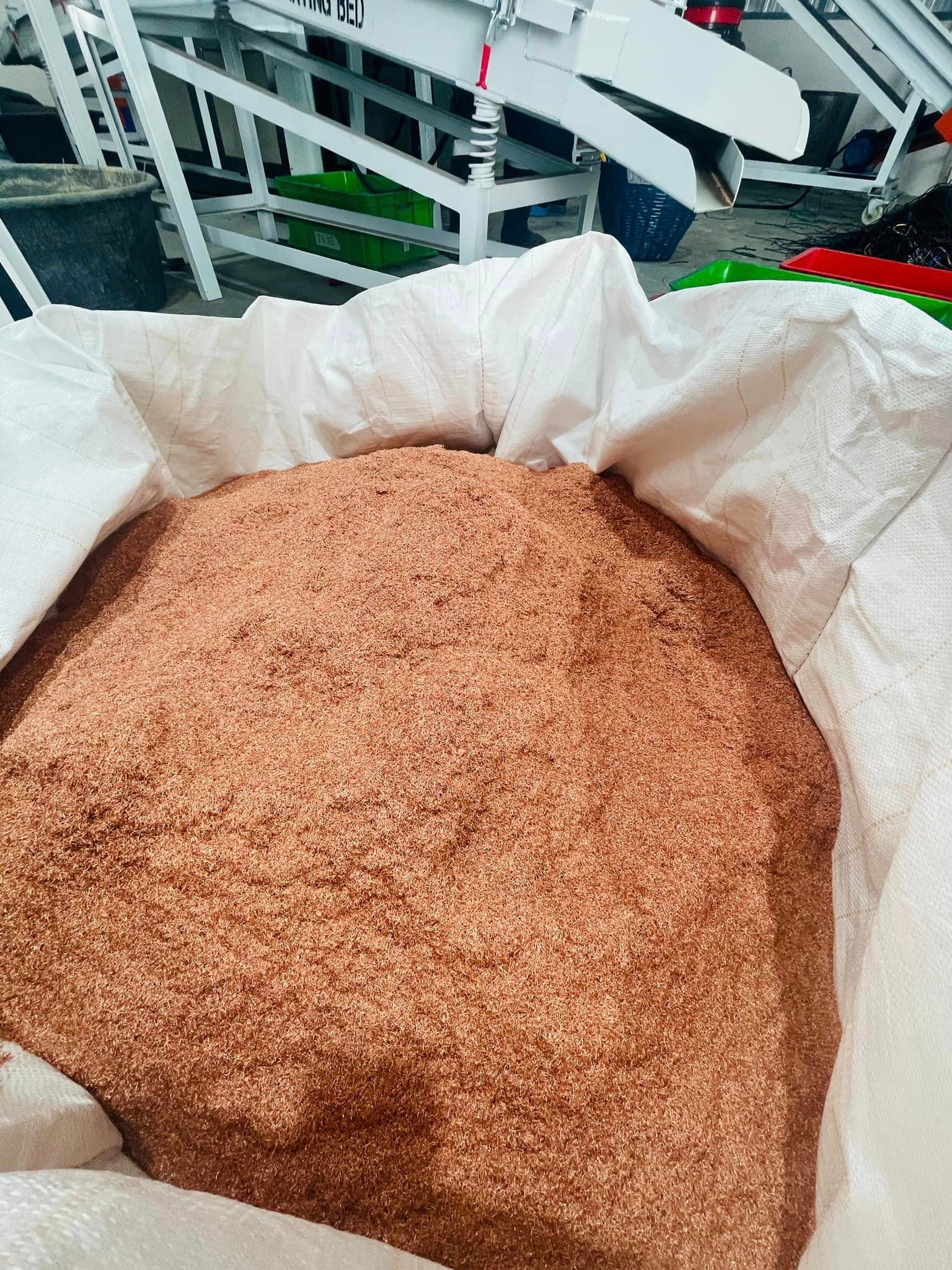
Mapping downstream copper consumers to maximize profit spreads
Many scrap yard operators mistakenly believe that primary copper smelters are the only direct buyers for chopped wire. In reality, large primary smelters operate massive reverberatory furnaces and anode casting lines designed to process complex, low-grade mineral concentrates and dirty scrap. Because their refining overhead is high, their contract terms for clean scrap are often rigid and discounted.
To capture maximum commercial value, recycling yards should market their Clove chops across three distinct tiers of industrial end users:
- Secondary Brass and Bronze Ingot Foundries (Top Premium): Ingot casters manufacture standard alloy ingots (such as CDA 360 free-machining brass or CDA 932 bearing bronze). They melt high-purity copper chops in medium-frequency coreless induction furnaces. Because induction melting consumes clean solid charge with low dross loss, foundries pay top premiums—routinely 97% to 99% of spot—for bright, dry Clove chops with low chlorine. Furthermore, foundries often accept smaller 10 to 15-ton lots with flexible regional delivery terms.
- Copper Sulfate and Chemical Manufacturers: Chemical producers dissolve metallic copper chops in sulfuric acid to manufacture agricultural fungicides, electroplating reagents, and animal feed supplements. They prefer chopped wire nodules over heavy copper plate because small granules offer an enormous surface area, accelerating chemical digestion rates. They pay premium cash prices for unoxidized, bright chops.
- Continuous Cast-Rod Mills: Wire-rod mills manufacture continuous 8 mm rod for electrical wire drawing. While they primarily buy bare bright stripped wire (ISRI Berry), select rod mills with fire-refining shaft furnaces buy certified Clove chops at 96% to 97% of spot.
To evaluate machine capacity and payback thresholds before negotiating commercial contracts, review our financial guide on whether a copper wire granulator is worth it for a scrap yard, or contact the MECUVO engineering team for assistance with copper chop certification and equipment selection.
Key Takeaways
Bypassing brokers to sell No. 1 Clove copper chops directly to brass foundries captures 96% to 98% of spot, generating $12,320 in additional profit per 20-ton truckload.
— YOUR RECYCLING PROJECT
Find the right machine for your material.
Tell us your material and required capacity.
Or email sales@mecuvo.com