Table of Content
Tinned copper wire is one of the most profitable yet deceptive scrap categories for recycling facilities. Because the density of tin-plated copper (8.88 g/cm³) is virtually identical to bare copper (8.96 g/cm³), dry airflow gravity tables cannot separate them once granulated together, meaning recyclers must segregate tinned cable before chopping to avoid contaminating No. 1 Clove chops with ISRI Cocoa downgrades. Mixing even 5% tinned wire into a clean batch reduces electrical conductivity, disqualifying the load from high-premium rod casting and triggering smelter penalty deductions exceeding $700 per metric ton.
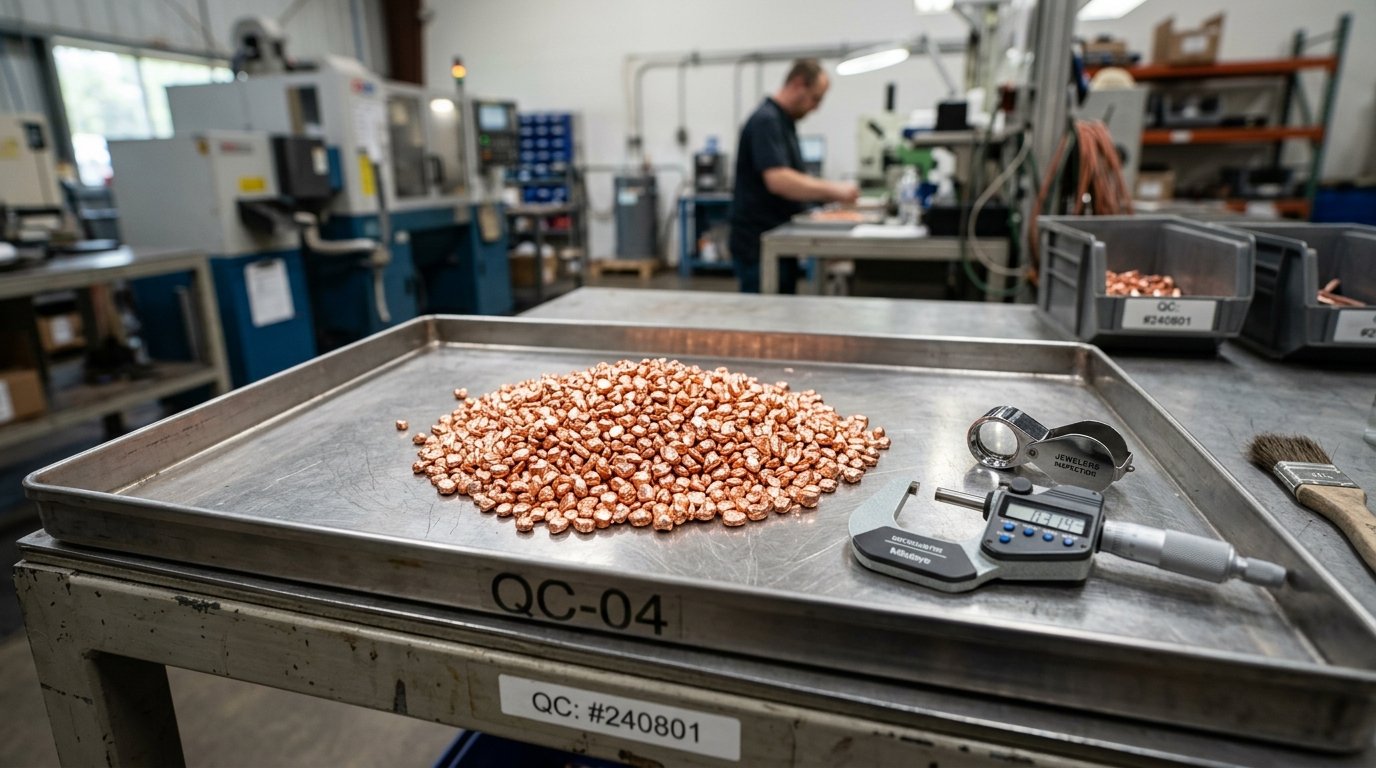
Why do secondary smelters heavily discount tinned copper wire chops?
I explain to scrap yard owners that smelters are not rejecting the wire out of spite; tin irreversibly ruins continuous copper wire casting. Smelters penalize tinned copper chops because tin dissolves into molten copper during induction melting, causing severe embrittlement and catastrophic conductivity loss during copper rod drawing unless expensive oxygen-refining processes are deployed.
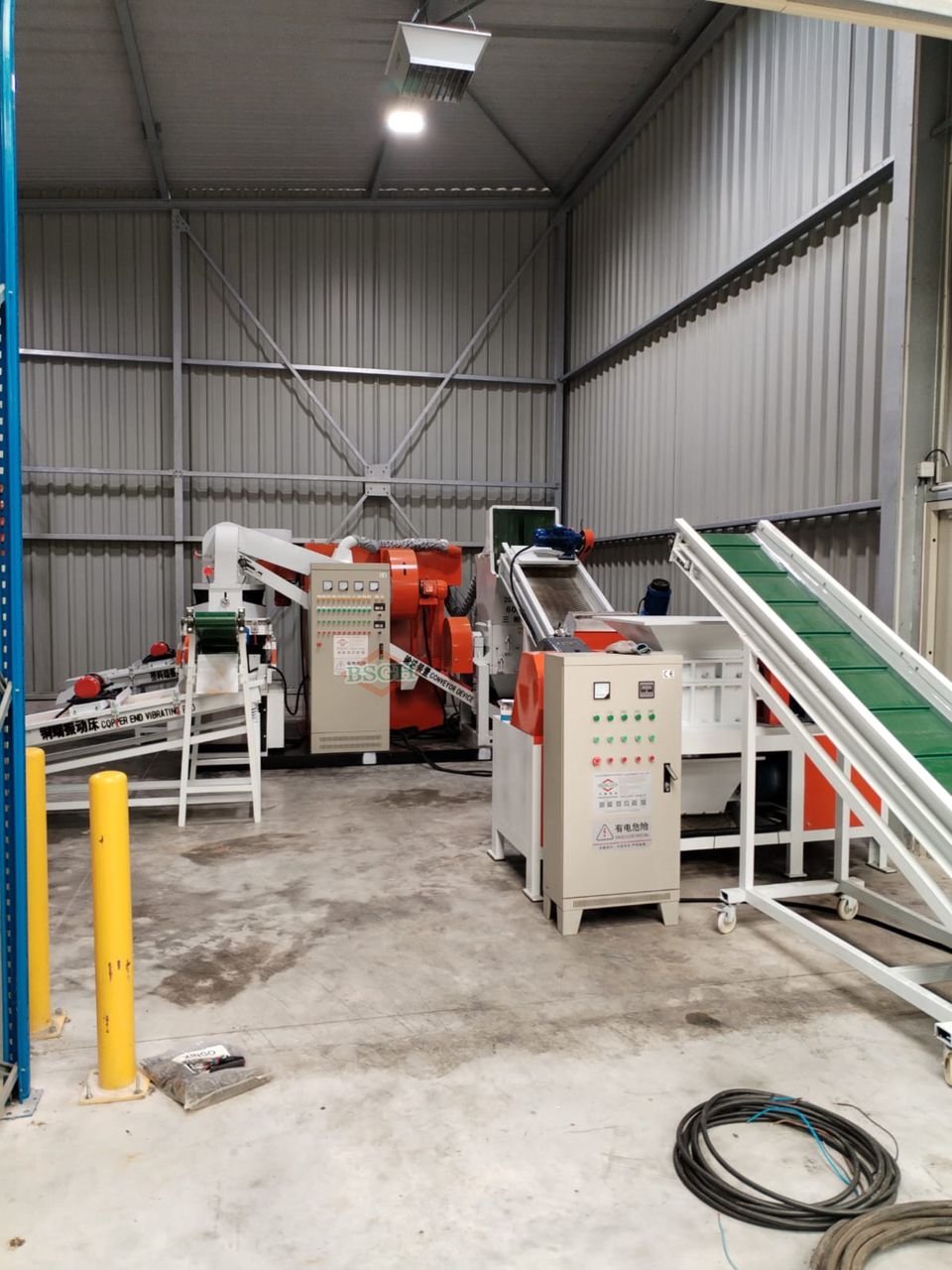
Metallurgy, electrical conductivity degradation, and commodity grading
In the scrap commodities marketplace governed by the ISRI Scrap Specifications Circular, granulated copper falls into two fundamentally distinct commercial categories:
- ISRI Clove (No. 1 Copper Wire Nodules): Shall consist of clean, unalloyed, uncoated bare copper wire nodules. Minimum copper purity is 99.0% Cu (commercial contracts routinely specify 99.5%+ Cu). Typical indicative pricing: 96% to 98% of COMEX spot.
- ISRI Cocoa (No. 1 Tinned Copper Wire Nodules): Shall consist of clean, tinned copper wire nodules. According to official ReMA specifications, Cocoa requires a minimum of 99.0% Cu and a maximum of 0.25% Tin (Sn).
- ISRI Cobra (No. 2 Copper Wire Nodules): When tin coating exceeds 0.25%, or nodules contain trace solder or up to 0.50% aluminum, material drops to Cobra grade (minimum 97.0% Cu), typically trading at an 86% to 90% spot payout.
Why is tin such a punitive impurity? According to technical metallurgical data from the Copper Development Association, tin acts as an aggressive solid-solution contaminant in copper. A tin concentration of just 0.10% (1,000 ppm) drops the electrical conductivity of copper from 100% IACS (International Annealed Copper Standard) down to 86% IACS, rendering the metal completely unusable for electrical wire or power transmission busbars.
When continuous cast-rod mills melt scrap in gas-fired Asarco shaft furnaces, tin cannot be removed through simple slag skimming. It requires aggressive fire-refining with air sparging and chemical fluxes, creating heavy dross and metal yield losses. Consequently, when a truckload of supposed Clove chops tests above contract tin limits at the receiving dock, the load is downgraded to Cocoa or No. 2 Cobra pricing, resulting in significant commercial deductions on a 20-ton shipment. (Note: Contract pricing spreads, lot minimums, and discount schedules vary by individual smelter agreement). To learn how smelters assay incoming scrap loads, see our guide on what purity level smelters demand for copper chops.
Editorial Note on ReMA Standards: Commodity scrap specifications cited above conform to the official Recycled Materials Association (ReMA) guidelines. Figures regarding price discounts, optical sorter throughputs (e.g., 1,000 kg/h), and equipment payback timelines represent illustrative engineering and commercial models; actual returns depend on local facility conditions and buyer contract terms.
Why is dry density separation physically incapable of separating tinned chops from bare copper?
I frequently answer inquiries from recyclers asking if fine-tuning their air table can separate silver-colored tinned chops from bare copper. Air density separation relies on specific gravity differentials of at least 15% to 20%; because bare copper has a density of 8.96 g/cm³ and electro-tinned copper has a composite density of 8.85 to 8.92 g/cm³, their density difference is less than 1.2%, making airflow separation impossible.
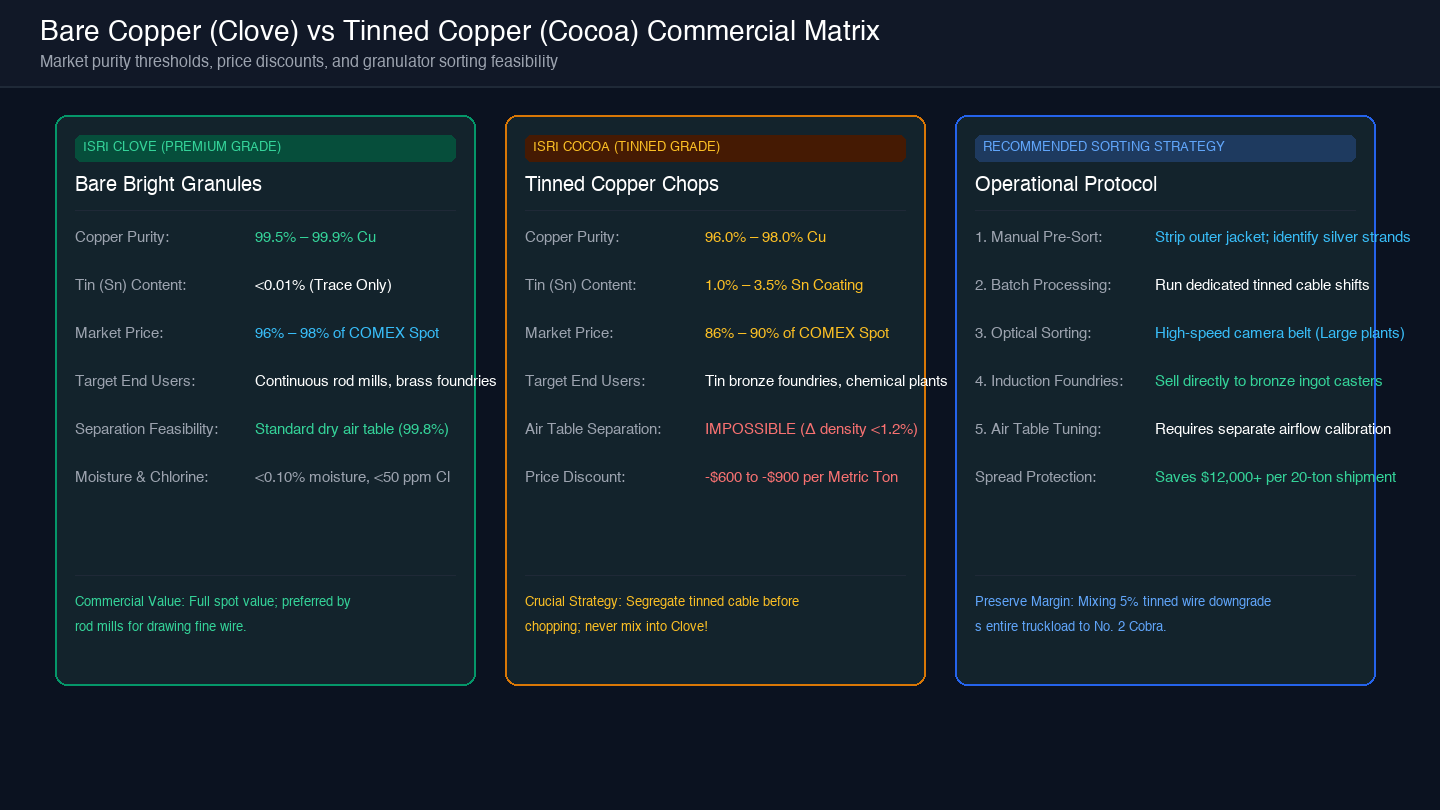
Fluidized bed aerodynamics and the limits of specific gravity separation
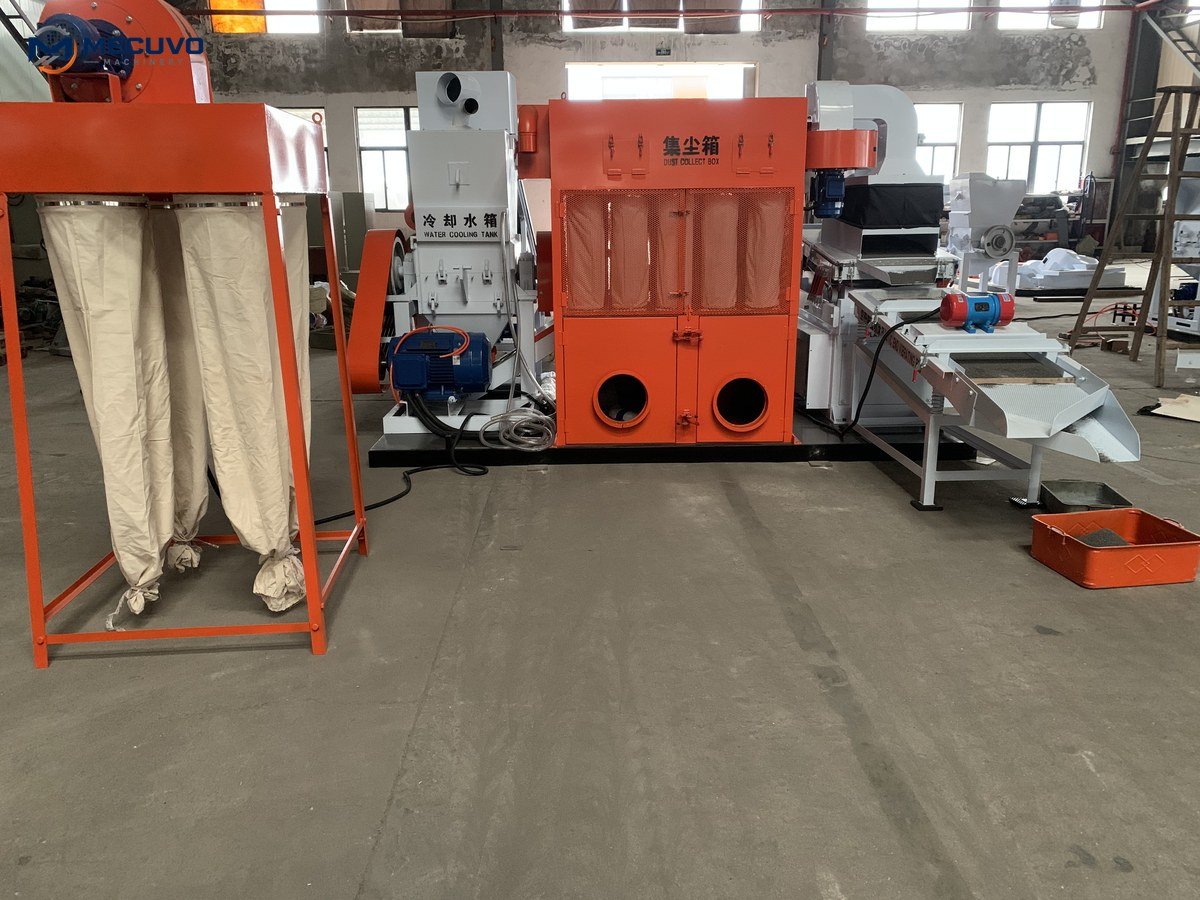
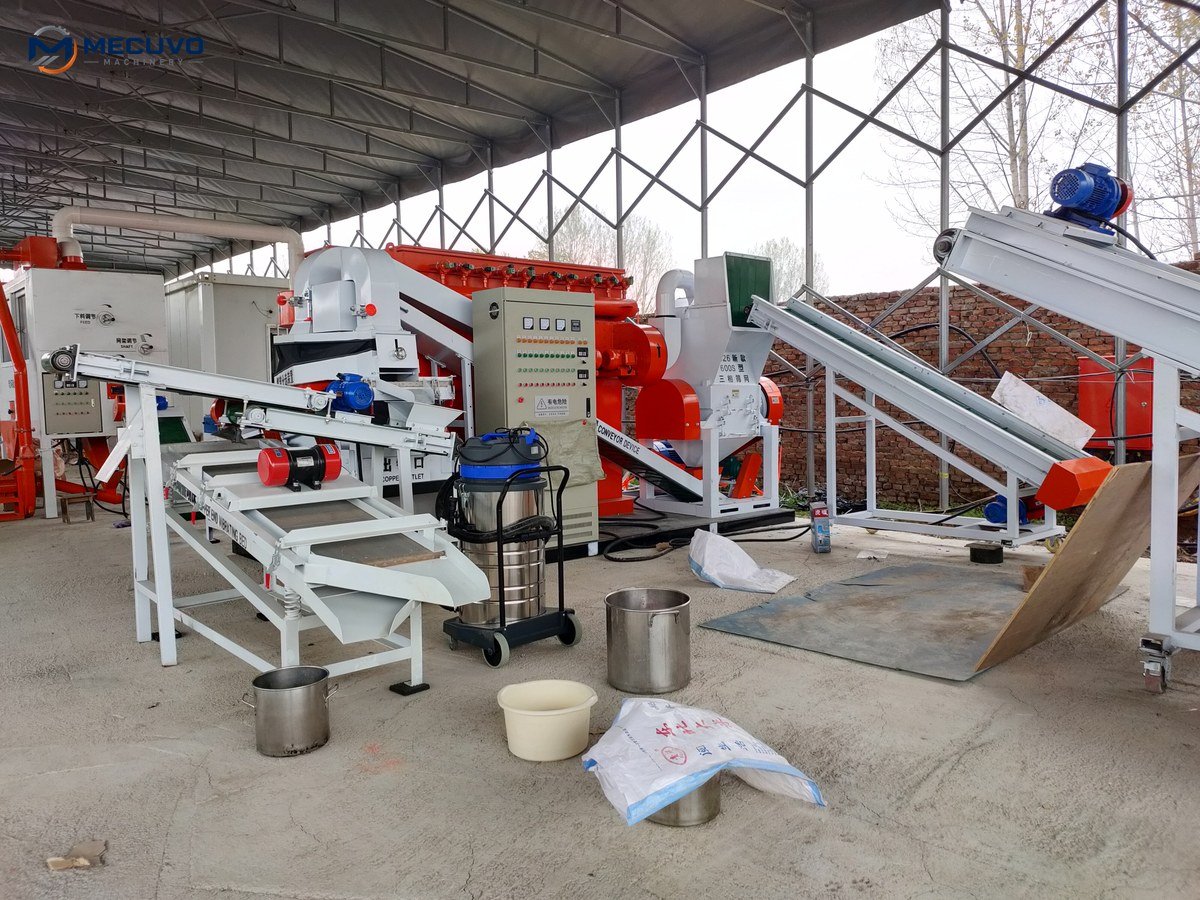
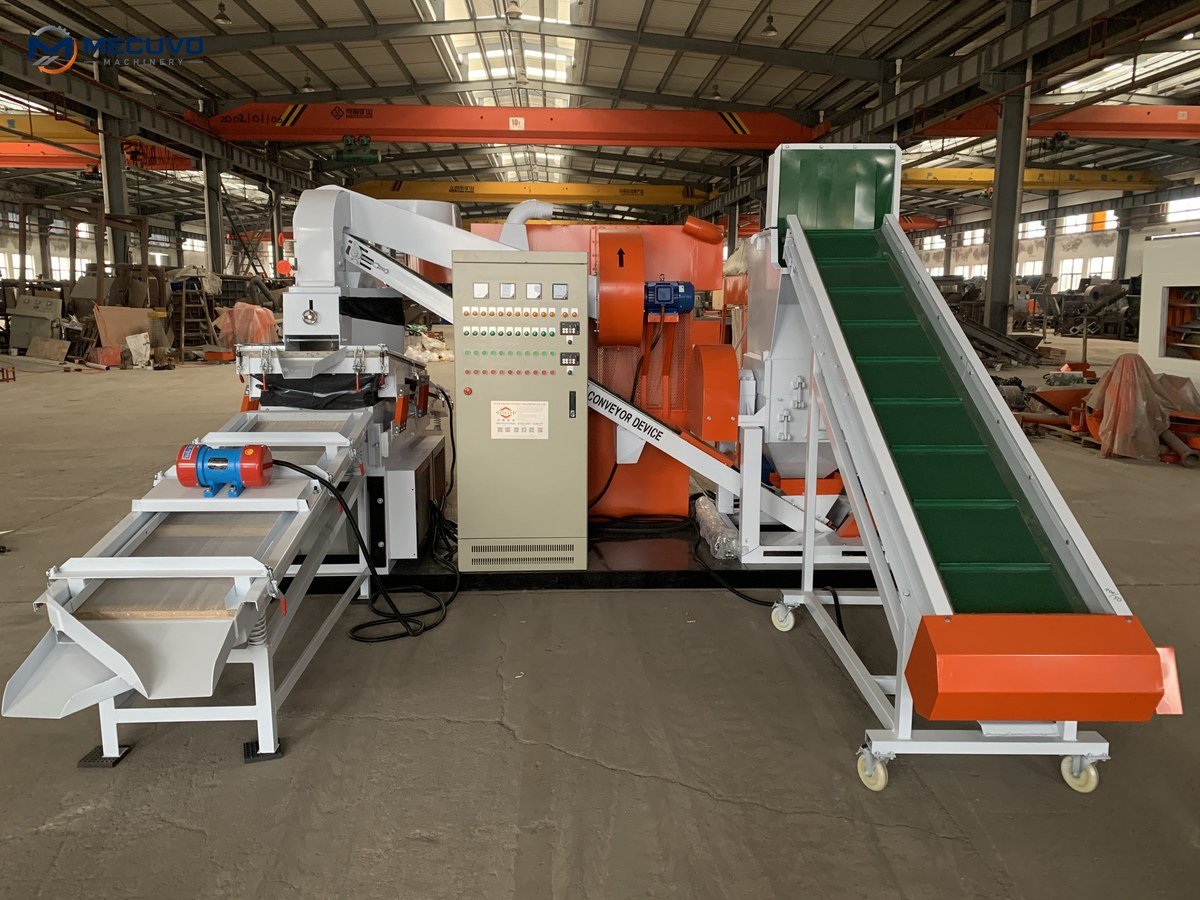
A copper wire granulator’s dry separation table functions by fluidizing granulated material across an inclined vibrating woven mesh deck. As outlined in the European IPPC Bureau Waste Treatment Reference Document, mechanical dry separation works flawlessly when separating copper from insulation because of their massive density contrast:
- Pure Copper Granules: Specific gravity = 8.96 g/cm³
- PVC Insulation Pellets: Specific gravity = 1.30 – 1.45 g/cm³
- Polyethylene (PE) Pellets: Specific gravity = 0.92 – 0.96 g/cm³
With a density differential exceeding 600%, upward laminar airflow effortlessly lifts light plastic particles, allowing the eccentric vibration to drive dense copper uphill to the heavy discharge discharge spout.
However, consider the physics of tinned copper wire:
- Tin Coating (Sn): Specific gravity = 7.31 g/cm³
- Tinned Copper Core: 98% Cu (8.96 g/cm³) + 2% Sn (7.31 g/cm³) = Composite density of 8.89 g/cm³
The density differential between pure bare copper and tinned copper granule is roughly 0.07 g/cm³ (a 0.8% variance). In any fluidizing airstream, minor variations in granule particle shape (spherical vs cylindrical vs hook-ended) create aerodynamic drag variations of 5% to 10%, entirely overpowering the minuscule 0.8% density difference. As a result, tinned chops and bare chops follow identical ballistic paths across the deck, discharging intermingled out of the clean copper chute.
Trying to separate tinned copper by increasing blower speed or altering deck pitch only results in blowing copper into the plastic tailings without segregating the tin. Understanding this physical limitation is paramount: the solution to tinned wire contamination is feed-stream pre-segregation, not downstream table tuning.
What operational protocols allow scrap yards to handle tinned wire profitably?
I instruct plant supervisors to treat tinned wire not as waste, but as a specialized high-margin commodity that requires dedicated batch campaigns. Scrap facilities should manually presort tinned wire at the receiving dock, batch-process tinned cable in dedicated runs, and sell the resulting Cocoa chops directly to tin-bronze ingot foundries or chemical manufacturers who utilize tin as an alloying element.
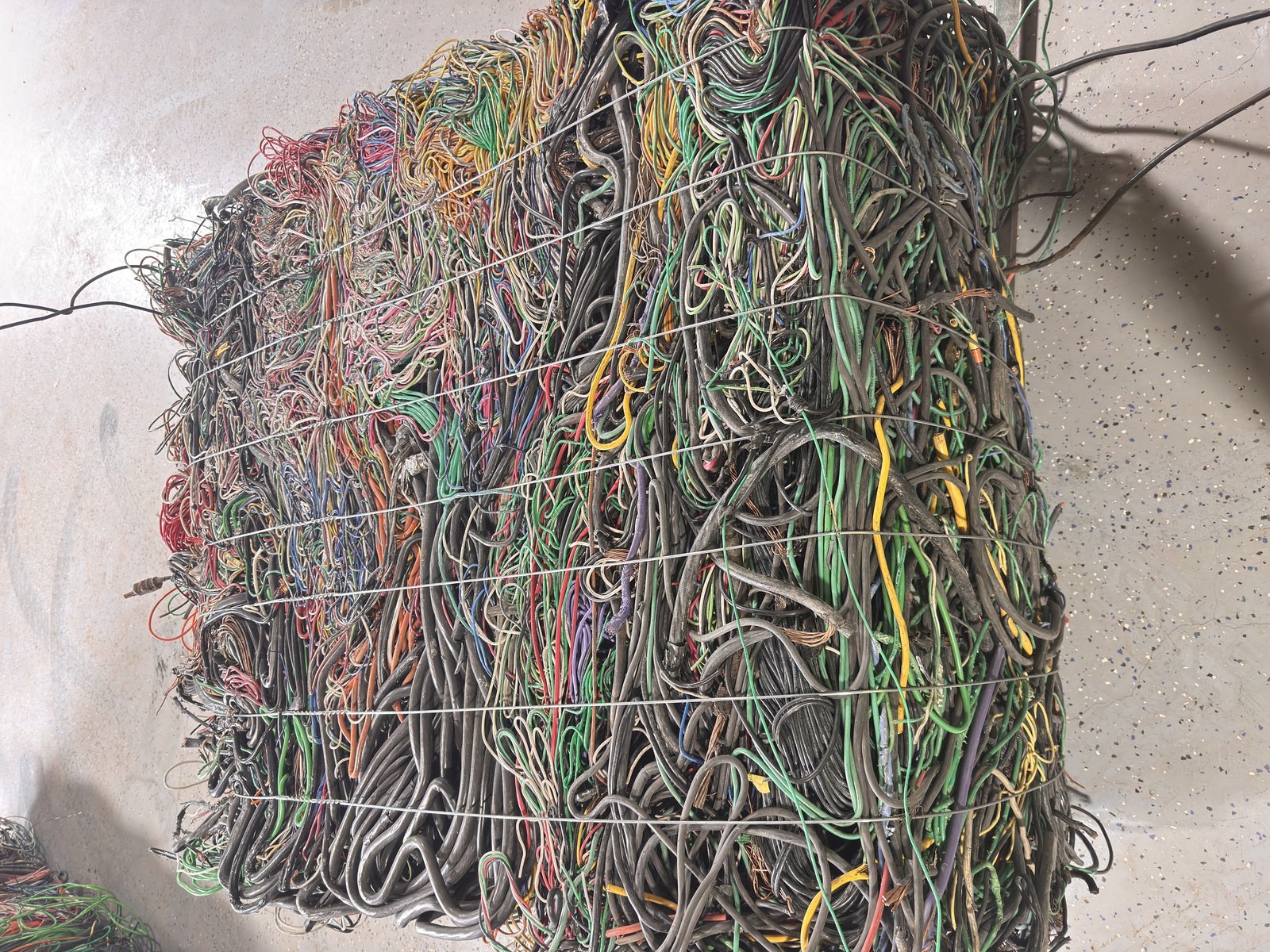
Source identification, campaign granulating, and niche buyer targeting
Recyclers who handle tinned wire strategically can turn a potential penalty into consistent revenue by implementing a four-step intake and processing protocol:
- Identify Common Tinned Cable Feeds at the Scale: Train weighbridge operators and scrap inspectors to identify cables that almost universally contain tinned copper strands:
- Color-Coded Staging Bins: Once identified, strip outer jackets or stage unprocessed coils into marked yellow bins designated exclusively for tinned feed. Never allow scrap yard laborers to toss tinned cables into general No. 1 wire gaylords.
- Dedicated Campaign Runs: Schedule granulator operations in dedicated batches. Process bare Romex, commercial THHN, and standard building wire during Monday through Thursday shifts to produce certified No. 1 Clove. On Friday, blow out the granulator cutting chamber, sweep the air table deck clean, and process the aggregated tinned cable inventory to produce a segregated lot of ISRI Cocoa.
- Selling Direct to Tin Bronze Casters: While continuous copper rod mills reject tinned chops, secondary bronze foundries actively welcome them! Foundries producing standard bearing bronze alloys (such as CDA 932 / SAE 660, which contains 7% tin, 7% lead, and 3% zinc) melt copper and tin simultaneously. By selling dry Cocoa chops directly to bronze casters, recyclers can negotiate 90% to 92% of spot—capturing $300 to $400 more per ton than local scrap brokers pay for dirty mixed wire.
When does advanced optical color sorting make sense for copper wire granulation?
I evaluate automated sensor sorting systems for industrial recycling plants processing upwards of 1,500 metric tons per year. High-speed optical belt sorters with RGB cameras and NIR sensors can separate silver tinned chops from orange bare chops at 98% efficiency, but with capital expenditures ranging from $75,000 to $140,000, they are economically justified only for operations processing over 10 tons of mixed wire daily.
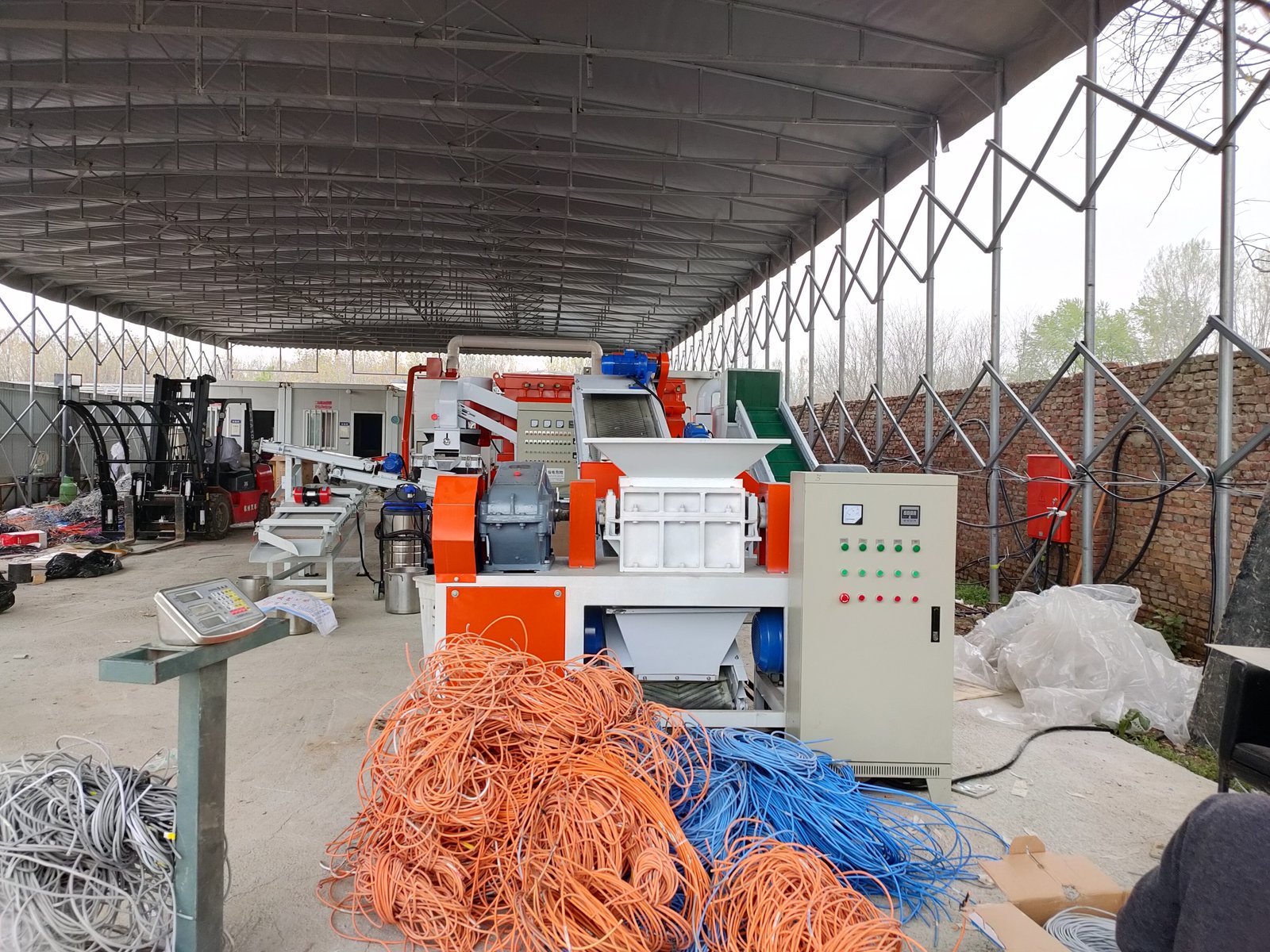
Optical sorting mechanics, belt speed dynamics, and investment payback analysis
For mega-recyclers processing unsorted shredded cable fluff from shredder shredder yards (ASR) or massive electronic scrap streams (WEEE), manual pre-sorting is labor-cost prohibitive. In these industrial environments, automated optical sorting represents the state of the art.
- RGB High-Speed Camera Detection: The mixed discharge from the dry air table drops onto a fast-moving horizontal conveyor belt (traveling at 2.5 to 3.2 m/s). An overhead high-resolution line-scan camera illuminated by LED arrays scans the single layer of granules. The software uses chromatic color-space algorithms to distinguish the warm reddish-orange hue of bare copper (wavelength 620–750 nm) from the cool silvery-grey of tinned chops.
- Pneumatic Ejection Nozzles: Downstream of the camera, a manifold of high-speed solenoid air valves (spaced 5 mm to 10 mm apart) fires ultra-short micro-pulses of compressed air (10 to 15 milliseconds) at detected silver particles, deflecting them over a divider plate into a tinned copper collection bin, while bare copper falls into the Clove bin.
- Capital Cost and Payback Thresholds: A 1,000 mm wide optical color sorter capable of processing 1,000 kg/h of copper chops costs approximately $85,000 to $120,000 installed, plus compressed air utility requirements (7.5 kW compressor). For a scrap yard processing 5 tons of wire per week, manual pre-sorting remains significantly more cost-effective. However, for a commercial regional processor generating 100 tons of chops per month, upgrading 20 tons of downgraded Cocoa into certified Clove at a $700/ton spread recovers the entire machinery investment within 8 to 10 months.
To discover how modern machinery maximizes recovery across diverse cable feeds, see our guide on how much clean copper you can recover per ton of scrap wire, or contact the MECUVO technical team for a material test report.
Key Takeaways
Because dry density tables cannot separate tinned copper from bare copper, segregating marine and telecommunication cable before granulation preserves 98% spot value for Clove chops and avoids $700/ton penalties.
— YOUR RECYCLING PROJECT
Find the right machine for your material.
Tell us your material and required capacity.
Or email sales@mecuvo.com