Table of Content
Compare selling insulated wire with processing it using representative copper yield, actual buyer quotes and a complete operating and capital budget. Insulation, contamination, recovery losses, processing and sales costs affect the comparison. The price spreads and payback periods below are illustrative scenarios, not proof that every yard forfeits a fixed profit by selling raw wire.
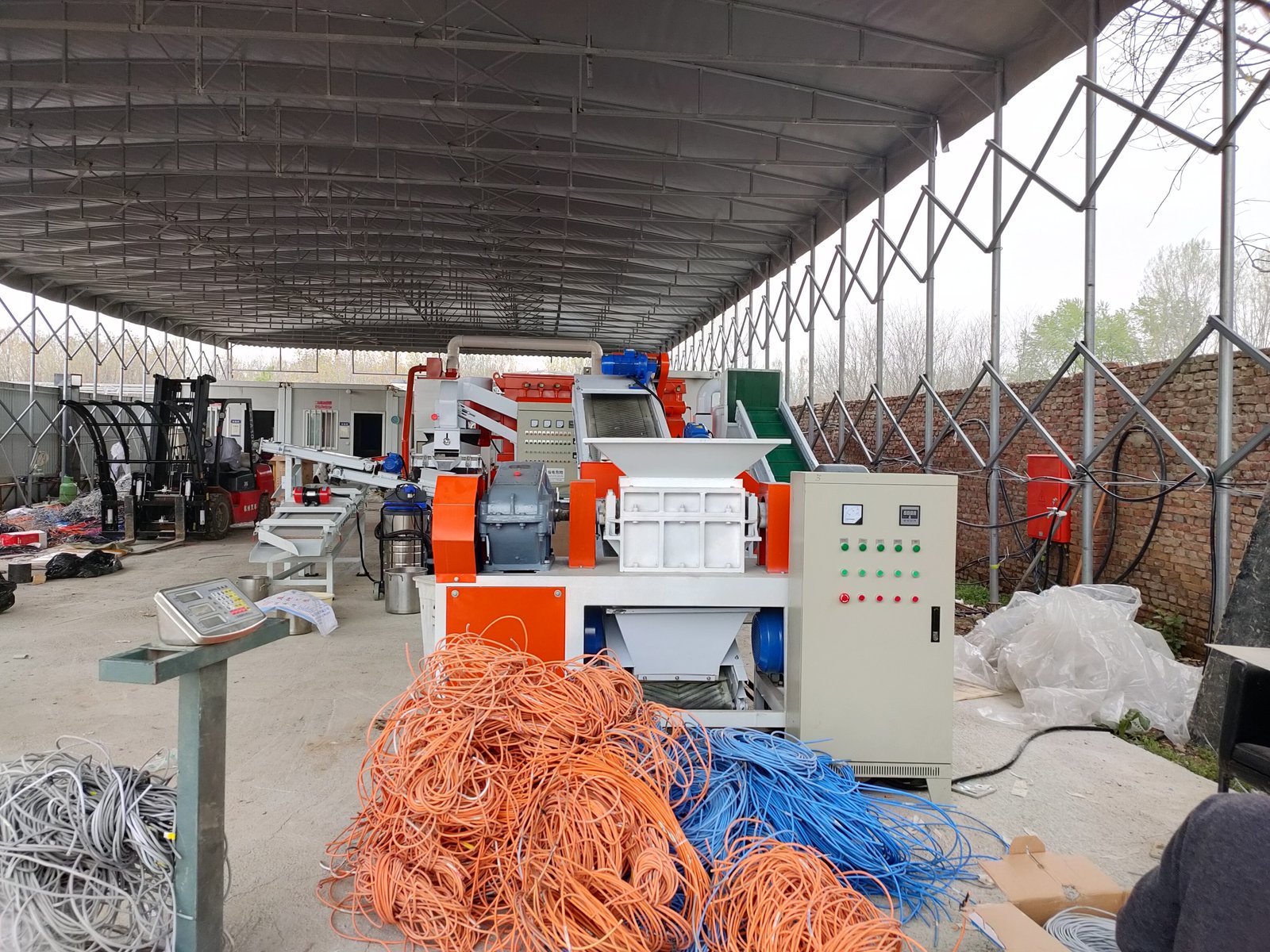
How can you compare a raw-wire offer with recoverable copper value?
Compare raw-wire offers with the measured saleable copper yield and confirmed product-buyer terms. A difference between raw-wire price and contained-metal value is a gross value spread, not the processor’s profit; account for recovery losses, processing, transport, selling costs and capital requirements.
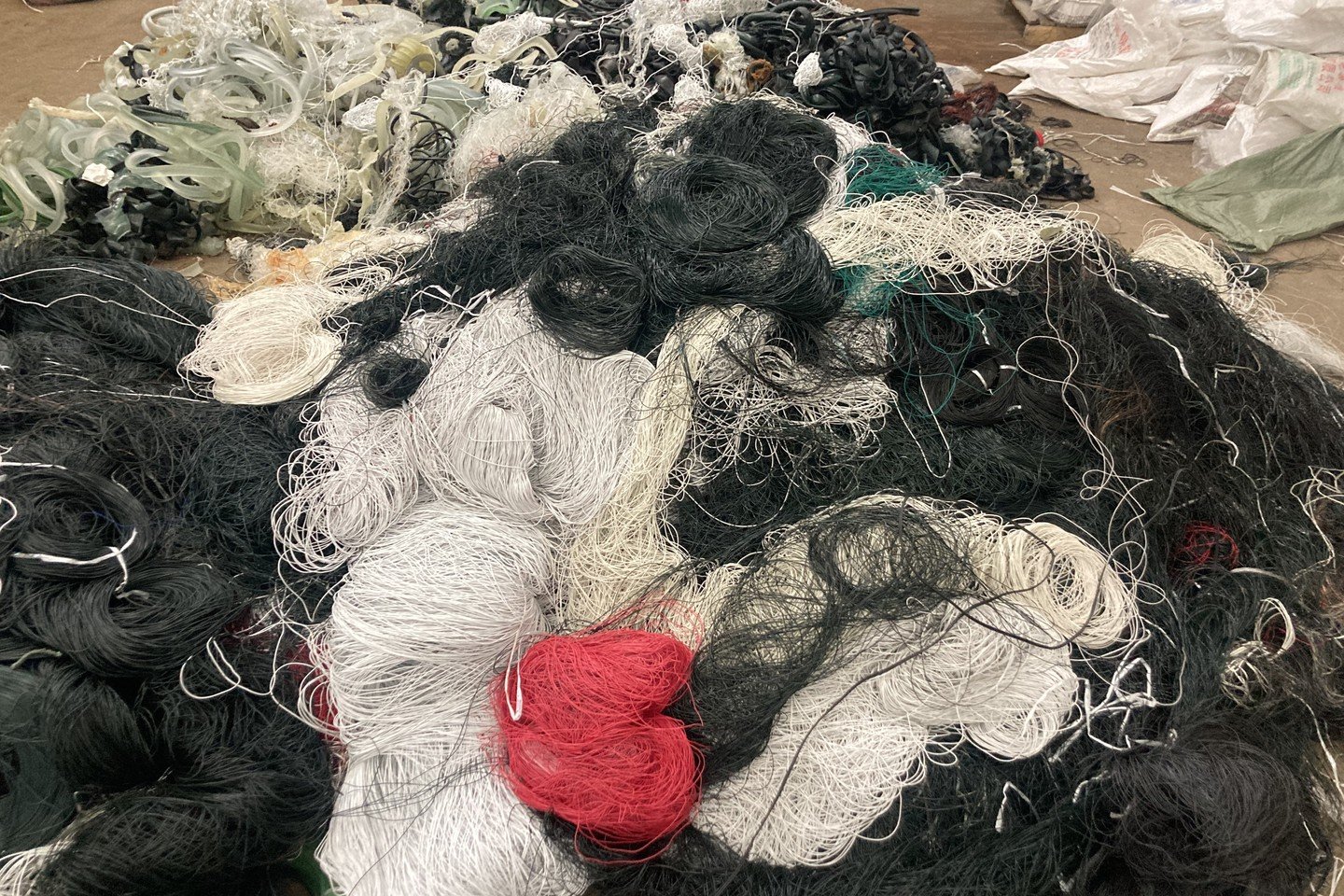
Raw-wire pricing, measured recovery, and gross value spreads
Use transparent assumptions to compare the raw-wire offer with potential processing receipts:
- Measure Recoverable Copper: Copper content and saleable yield depend on the cable mix, connectors, contamination and process. Obtain representative measurements and ask buyers how they grade and price the lot; do not assume all mixed cable yields 48%–52% copper or that buyers universally price it at a lower 40%–42% recovery.
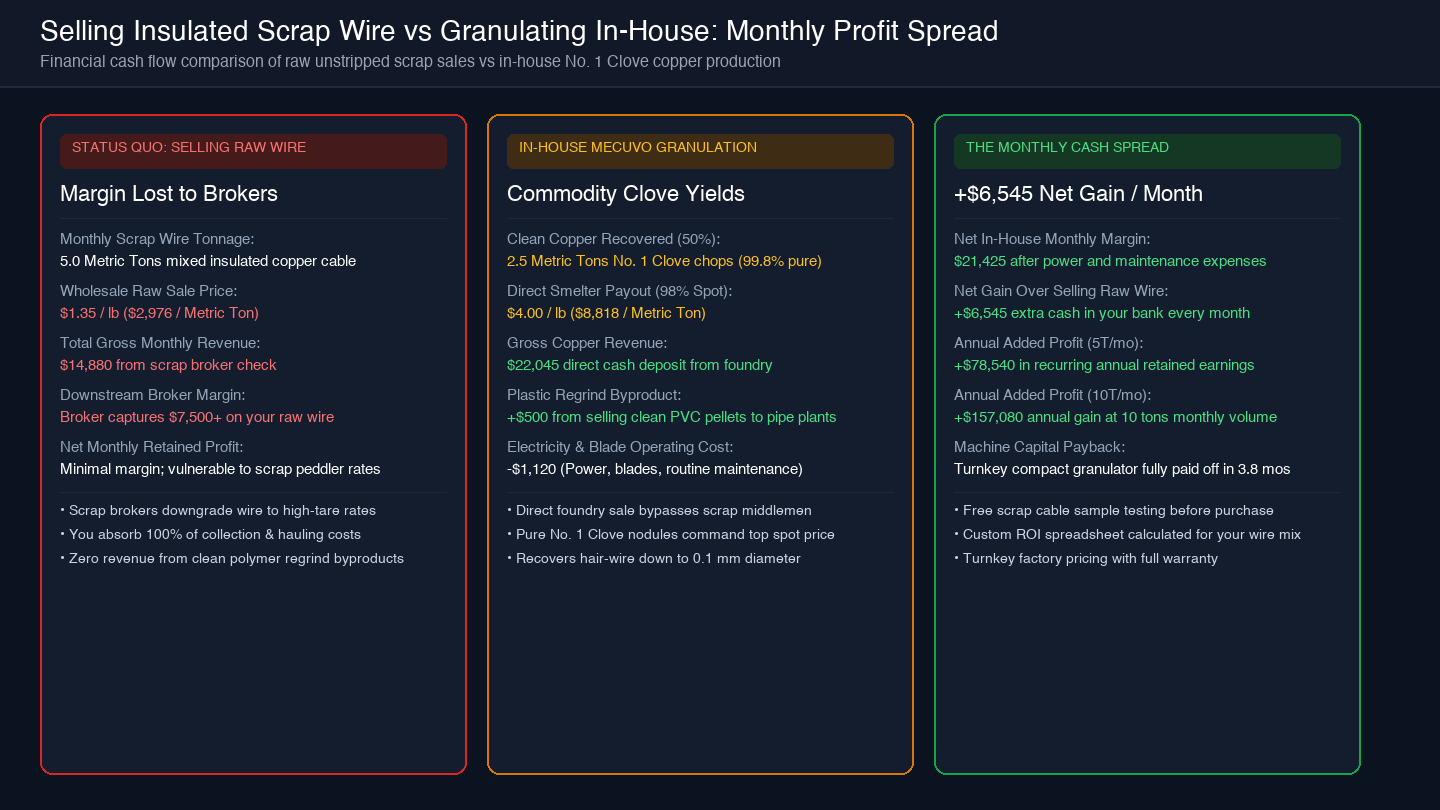
- Illustrative Gross Value Spread (Assumed 50% Saleable Yield and Stated Prices):
- Raw Wire Wholesale Payout: $1.35 / lb ($2,976 / Metric Ton)
- Inherent Copper Value (at 50% recovery & $4.10/lb spot): $2.05 / lb ($4,519 / Metric Ton)
- Modeled Gross Value Difference Before Processing and Selling Costs: $0.70 / lb ($1,543 / Metric Ton)
- Under these assumptions, contained-metal value exceeds the raw-wire offer by $1,543 per metric ton, or $7,715/month at 5 tons. This is a gross value difference before processing and selling costs, not money guaranteed to be recovered by purchasing a machine.
What are the true operating costs of granulating cable in-house?
I itemize the real electricity, tooling wear, and labor expenses required to process one ton of wire. Using the specific running-load and throughput assumptions below, electricity is about $10.27 per feed tonne. Adding the listed blade wear, general maintenance and labor ranges gives $100.27–$130.27 per tonne before unlisted costs; these are illustrative inputs, not a universal operating-cost range.
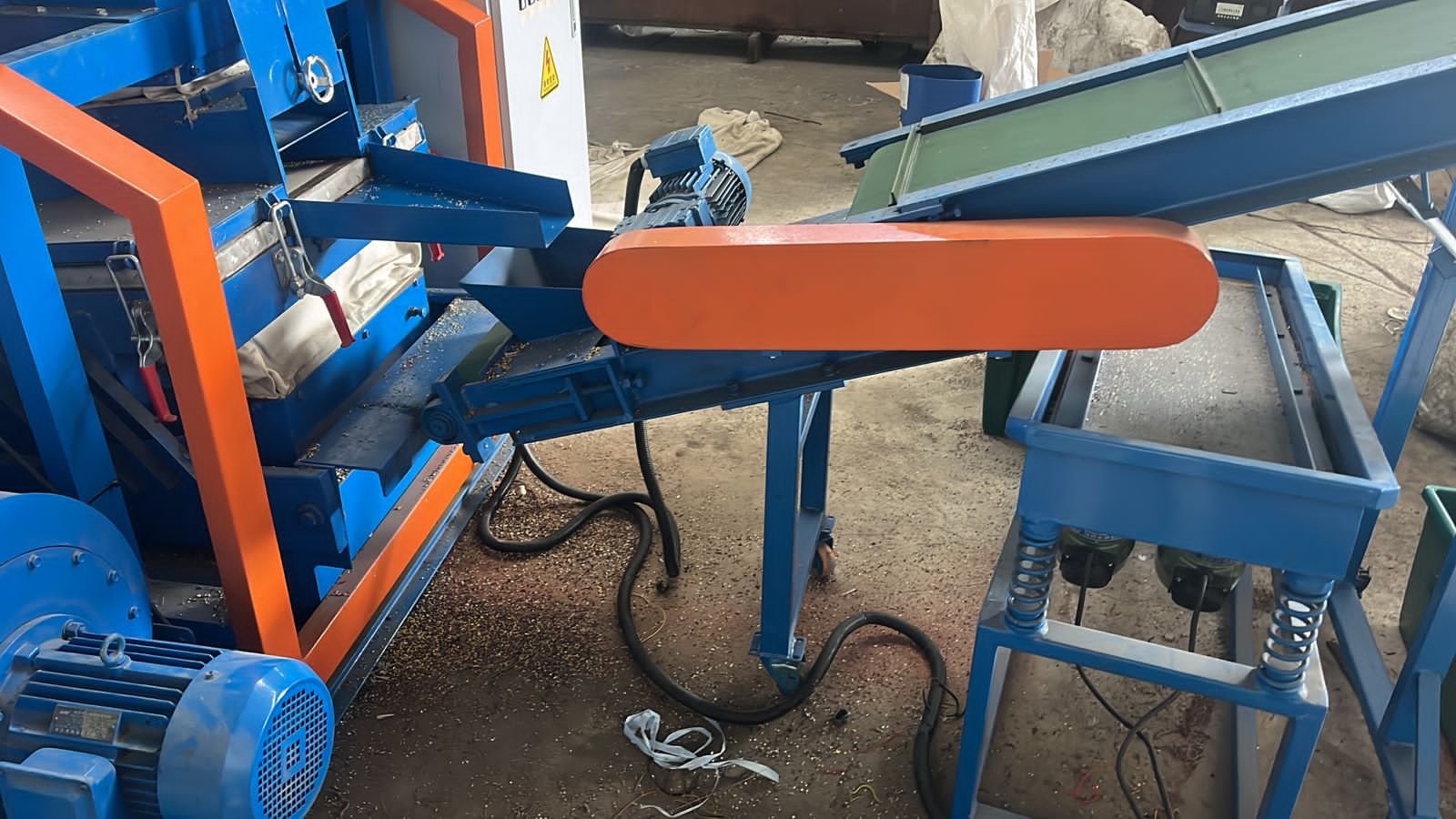
Itemized operational expenditures: kilowatt-hours, blade wear per ton, and labor allocation
The following costs illustrate selected operating inputs per metric ton. Replace them with measured power and labor, maintenance records and supplier quotes; they are not field-verified benchmarks:
- Illustrative Electrical Power Consumption: Assume a plant with a 30 kW rated load draws an average 22 kW while processing 300 kg/hr. One metric tonne takes 3.333 hours: 22 kW / 0.3 t/h = 73.333 kWh/t, and at an assumed $0.14/kWh the electricity cost is about $10.27/t, excluding demand and fixed charges. Measure sustained throughput and power together for your operation.
- Knife Wear: The table uses an illustrative $25 to $35 per processed ton allowance. Actual sharpening intervals, replacement costs and knife specifications depend on the machine, feed and service limits; obtain compatible-part quotes and maintenance data rather than assuming 300-hour intervals.
- Operator Labor: The example assumes one operator and approximately 3 to 4 labor hours per ton. Validate staffing and total time for preparation, feeding, handling, cleanup and maintenance; automation alone does not establish a one-person operation.
| Operating Cost Item | Expense per Metric Ton (USD) | Notes |
|---|---|---|
| 3-Phase Electric Power | $10.27 | @ $0.14/kWh industrial tariff |
| SKD-11 Blade Sharpening & Replacement | $25 – $35 | Illustrative allowance; verify actual wear and service limits |
| General Maintenance (Belts, Grease, Mesh) | $15 – $20 | Routine preventive upkeep |
| Operator Labor Allocation (3 hrs) | $50 – $65 | Single-person material handling |
| Total In-House Processing Cost | $100.27 – $130.27 / Ton | Illustrative listed costs only; margin requires actual sale and feed values. |
What determines the selling price of copper chops?
Copper-chop selling prices depend on tested quality, buyer acceptance, shipment size, location and contract terms. A 97%–98% COMEX settlement is an illustrative assumption here, not an automatic entitlement from granulation or a purity figure. Obtain a written buyer quote including sampling, deductions, freight and payment terms.
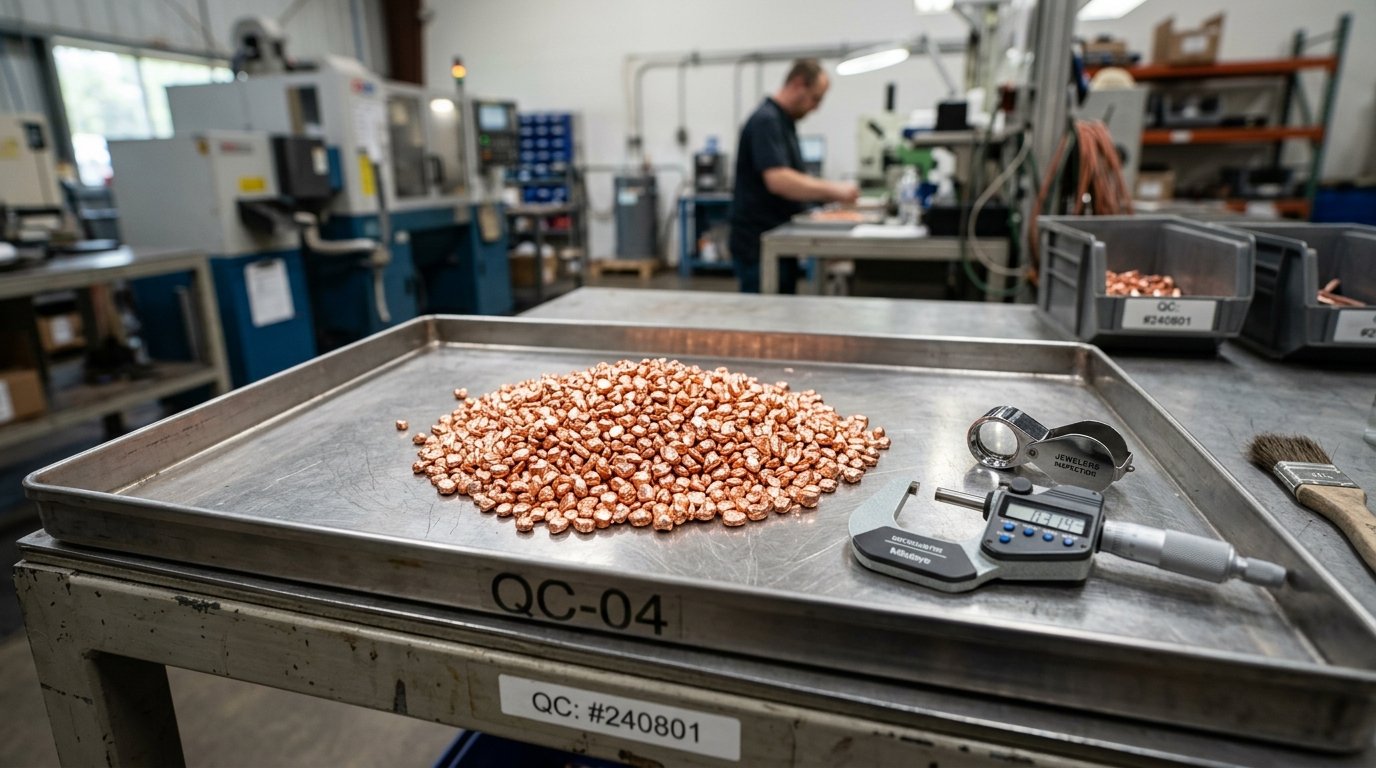
ISRI Clove specifications, direct foundry contract delivery, and bulk super-sack logistics
Before budgeting product revenue, confirm the buyer’s specification and commercial terms:
- ISRI Clove Standard Compliance: The Recycled Materials Association (ISRI) defines ‘Clove’ as clean, unalloyed copper wire nodules originating from chopping insulated wire. The published Clove specification requires at least 99% copper and excludes metallic impurities, insulation and other foreign contamination. It does not provide a universal 0.05% polymer allowance. Agree finer-gauge material and any additional acceptance requirements with the purchaser.
- Buyer and Delivery Terms: Ask prospective buyers about accepted grades, minimum lots, approved packaging, transport, sampling, settlement benchmark and deductions. Direct foundry access and a 2%–3% discount to COMEX or LME are not guaranteed; use the buyer’s written terms.
- Potential Polymer Receipts: The amount and saleability of polymer tailings depend on material type, contamination, residual metal and local demand. Do not assume 500 kg of saleable clean plastic per feed tonne or a $180–$250/ton buyer price. Confirm acceptance and net proceeds after sorting, handling, freight and any disposal cost.
What is the capital breakeven timeline on a compact granulator?
The separate scenarios below assume $24,000 of capital and the stated monthly incremental margins. At an assumed $6,545/month, simple payback is about 3.7 months, before omitted costs. This is an arithmetic scenario, not a verified profit forecast or quoted machine price.
Capital payback calculations, working capital preservation, and machinery depreciation
The following separate illustrative payback scenarios use the stated monthly net margins; they are not recalculated from the revised cost ranges above. Validate complete revenues and costs before relying on them:
- 3 Tons / Month, Separate Scenario: Assumed monthly incremental margin: +$3,920 / Month. Simple payback on $24,000: 6.1 Months, before omitted costs.
- 5 Tons / Month, Separate Scenario: Assumed monthly incremental margin: +$6,545 / Month. Simple payback on $24,000: 3.7 Months, before omitted costs.
- 10 Tons / Month, Separate Scenario: Assumed monthly incremental margin: +$13,100 / Month. Simple payback on $24,000: 1.8 Months, before omitted costs.
Whether to buy now depends on dependable feed supply, measured processing results, confirmed buyer terms and complete ownership costs. Selling raw wire can remain a reasonable choice when the incremental return does not justify capital and operating risk.
Compare Processing Options with a MECUVO Quotation
- Ask About Factory Testing: Confirm availability, sample requirements, charges and shipping and customs arrangements with MECUVO in writing before sending scrap. Request measured yield, purity, throughput and test conditions, and ask separately whether product samples can be returned for an independent assay.
- Request Cost-Model Inputs: Contact MECUVO engineering for specifications and a written quotation, and ask whether modeling assistance is available. Use measured recovery, local buyer quotes and complete costs to estimate a range of outcomes rather than an exact promised profit.
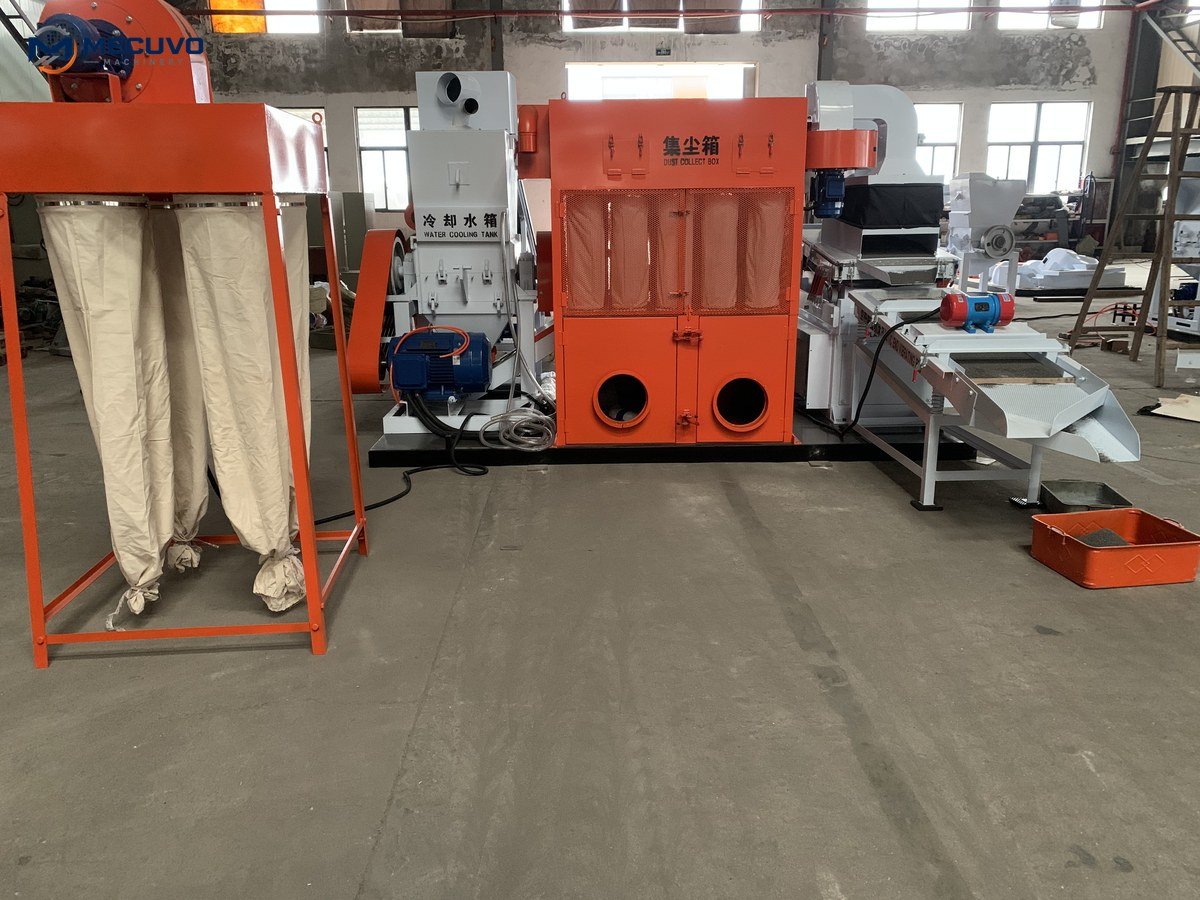
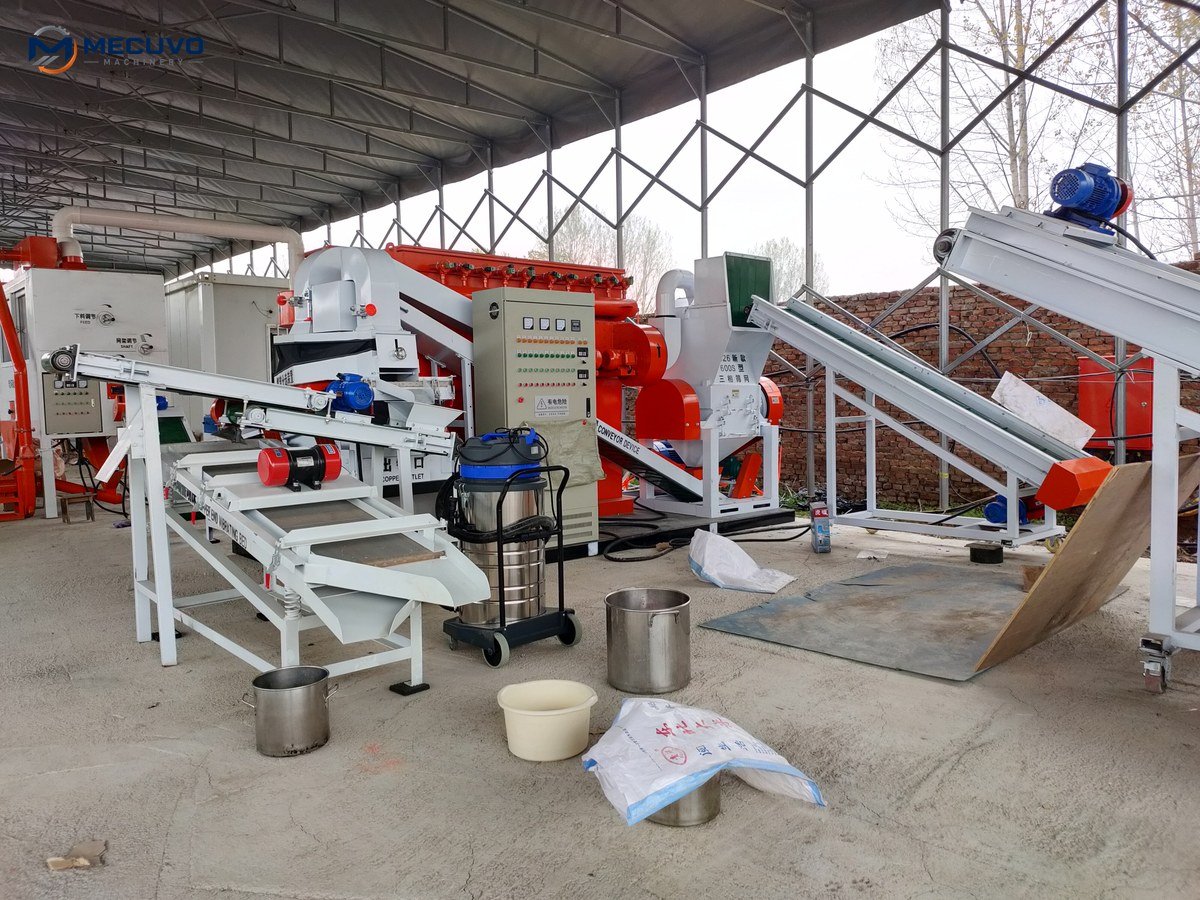
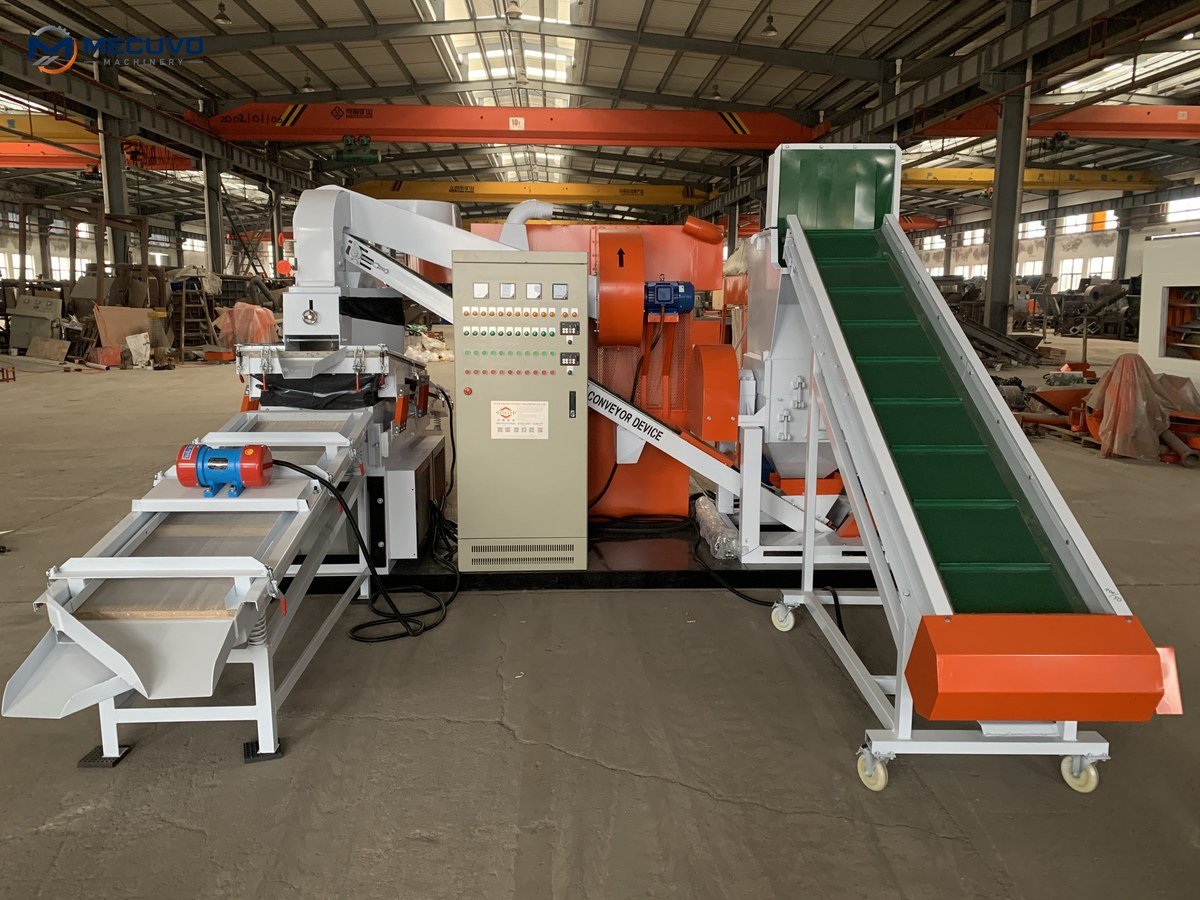
- Request Price and Specifications: Review the MECUVO copper granulator machines overview page and request an itemized, model-specific quotation confirming the configuration, included equipment and installation scope.
Key Takeaways
Compare raw-wire sale value with measured saleable output and complete incremental processing and ownership costs. The article’s value spreads, buyer settlements and payback periods are conditional examples; neither direct foundry access nor a fixed profit or recovery date is guaranteed. Obtain written equipment and buyer quotes before deciding.
— YOUR RECYCLING PROJECT
Find the right machine for your material.
Tell us your material and required capacity.
Or email sales@mecuvo.com