Table of Content
High-temperature electrical wiring insulated with Cross-Linked Polyethylene (XLPE) or fluoropolymers like Teflon (PTFE, FEP, ETFE) represents high-value scrap commonly found in power distribution, industrial control, and aerospace applications. XLPE, PTFE, FEP and ETFE have different mechanical and thermal properties, so their processing settings should not be treated as interchangeable. Confirm the cable construction and use the granulator manufacturer’s approved knives, clearances, cooling options and maintenance procedures. Validate throughput, temperature, liberation and product contamination with representative material before committing to production. Cooling may help control process heat, but a cold-air outlet temperature alone does not demonstrate polymer embrittlement. Where static affects handling or separation, select and validate compatible static-control equipment as part of the line’s safety assessment. No universal blade gap, bevel angle, airflow setting, knife life or recovery guarantee is established here.
Why do XLPE and Teflon polymers resist conventional granulator shearing?
Thermoset cross-linked polymers and fluoropolymer insulations exhibit fundamentally different shearing behaviors from standard vinyl insulation. Understanding polymer mechanics helps operators evaluate cutting resistance, heat generation, and liberation characteristics during mechanical granulation.
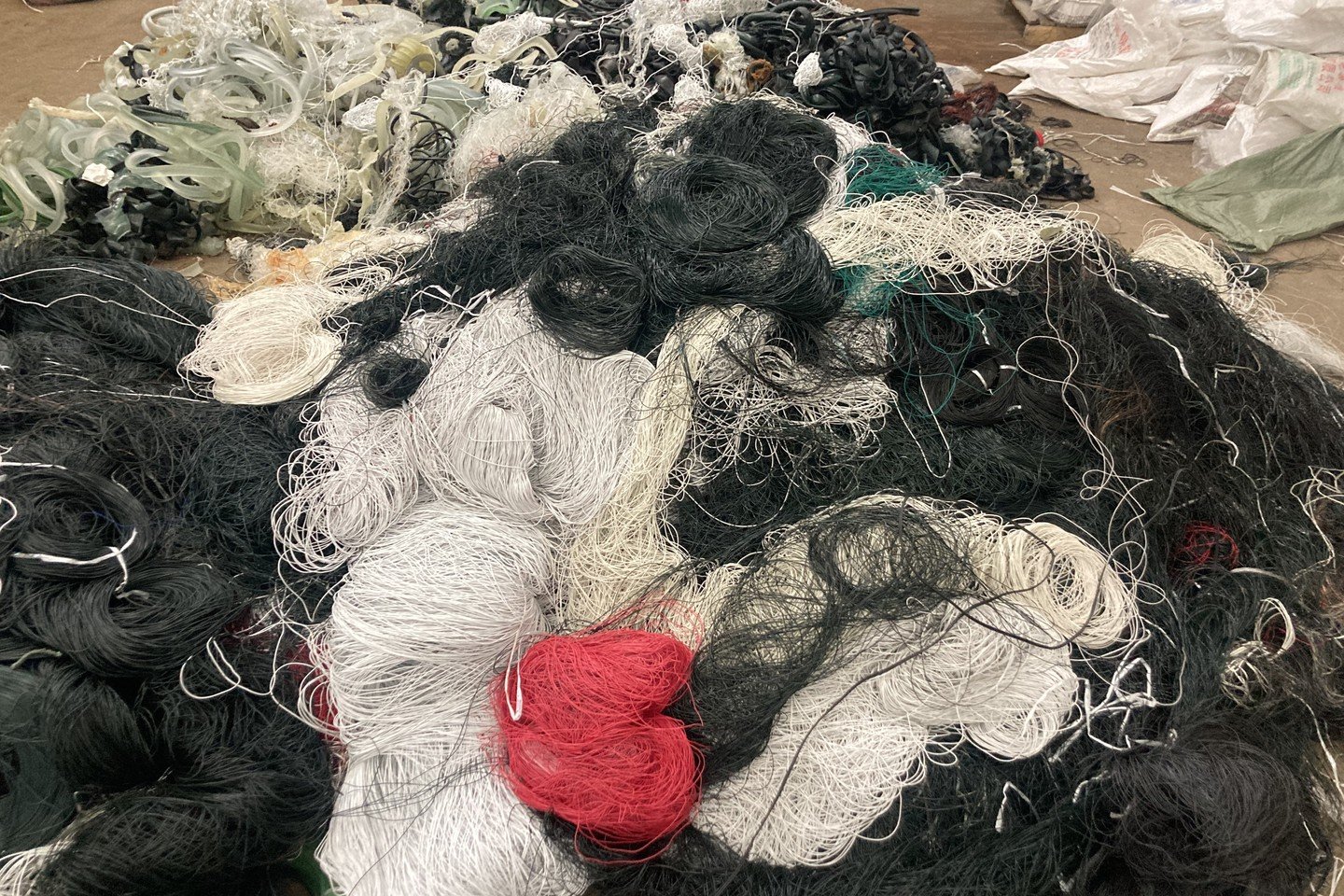
Polymer macromolecular structure, cross-linking chemistry, and shear resistance
To understand why standard granulators jam or fail when fed utility power cables or aerospace wire, one must examine the polymer physics of high-performance insulation. As documented in technical engineering guidelines by the Copper Development Association and the European IPPC Bureau Waste Treatment BREF:
- Thermoplastic vs Cross-Linked Behavior: Flexible PVC used in standard building wire is a thermoplastic compound that softens with heat. In contrast, Cross-Linked Polyethylene (XLPE) possesses a cross-linked three-dimensional molecular network created through chemical or radiation processing. XLPE does not melt when heated; it retains elastomeric toughness and resists tensile deformation, requiring sharp shearing action to cut cleanly rather than smearing.
- Fluoropolymer Thermal & Mechanical Properties: Fluoropolymers like PTFE, FEP, and ETFE exhibit high melting points (PTFE undergoes crystalline melting near 327°C) and exceptional chemical inertness. Their high resistance to creep and shearing friction generates substantial heat in high-speed granulators unless feed rates and cutting chamber temperatures are properly managed.
How do you calibrate knife angles and cutting chamber cooling for tough cables?
Processing tough polymer insulations requires matching knife condition, clearance, and thermal management to the material. Equipment parameters should always adhere to the granulator manufacturer’s approved operating instructions and material specifications.
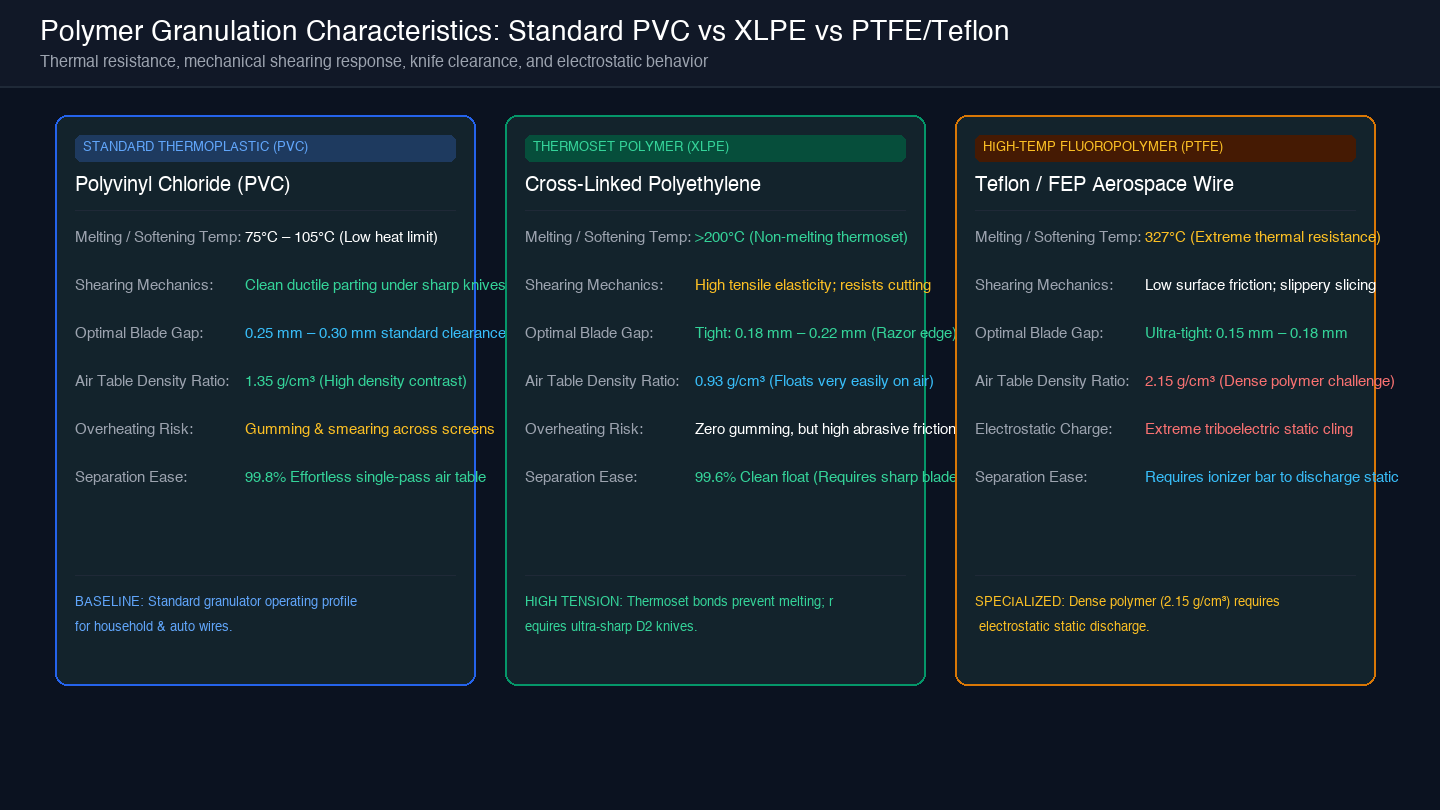
Knife metallurgy, bevel geometry, and forced thermal cooling systems
Processing tough insulation materials requires specific machine modifications:
- Tooling Selection and Maintenance: Granulating abrasive, high-toughness polymers requires wear-resistant tool steels approved by the equipment manufacturer. Maintain precise knife sharpness; dull cutting edges tear and compress tough polymer jackets against rotor knives rather than slicing cleanly, elevating chamber temperatures.
- Knife Clearance and Setup: Maintain blade clearances strictly within the machine manufacturer’s specified tolerance. Proper clearance prevents wire pinching while maintaining cutting efficiency. All adjustment and blade changes must follow facility lockout/tagout procedures.
- Thermal Process Control: Frictional heat generated during shearing must be dissipated to prevent polymer softening or equipment thermal stress. High-volume air aspiration or integrated water-jacketed cooling chambers (where equipped and approved by the OEM) assist in keeping chamber temperatures within stable operating boundaries.
How do you eliminate static cling and separate dense Teflon from copper on air tables?
Electrostatic charge buildup is a frequent operational factor when granulating synthetic polymers and fluoropolymers. Understanding triboelectric charging dynamics allows recyclers to integrate appropriate static mitigation systems on conveyors and air separation decks.
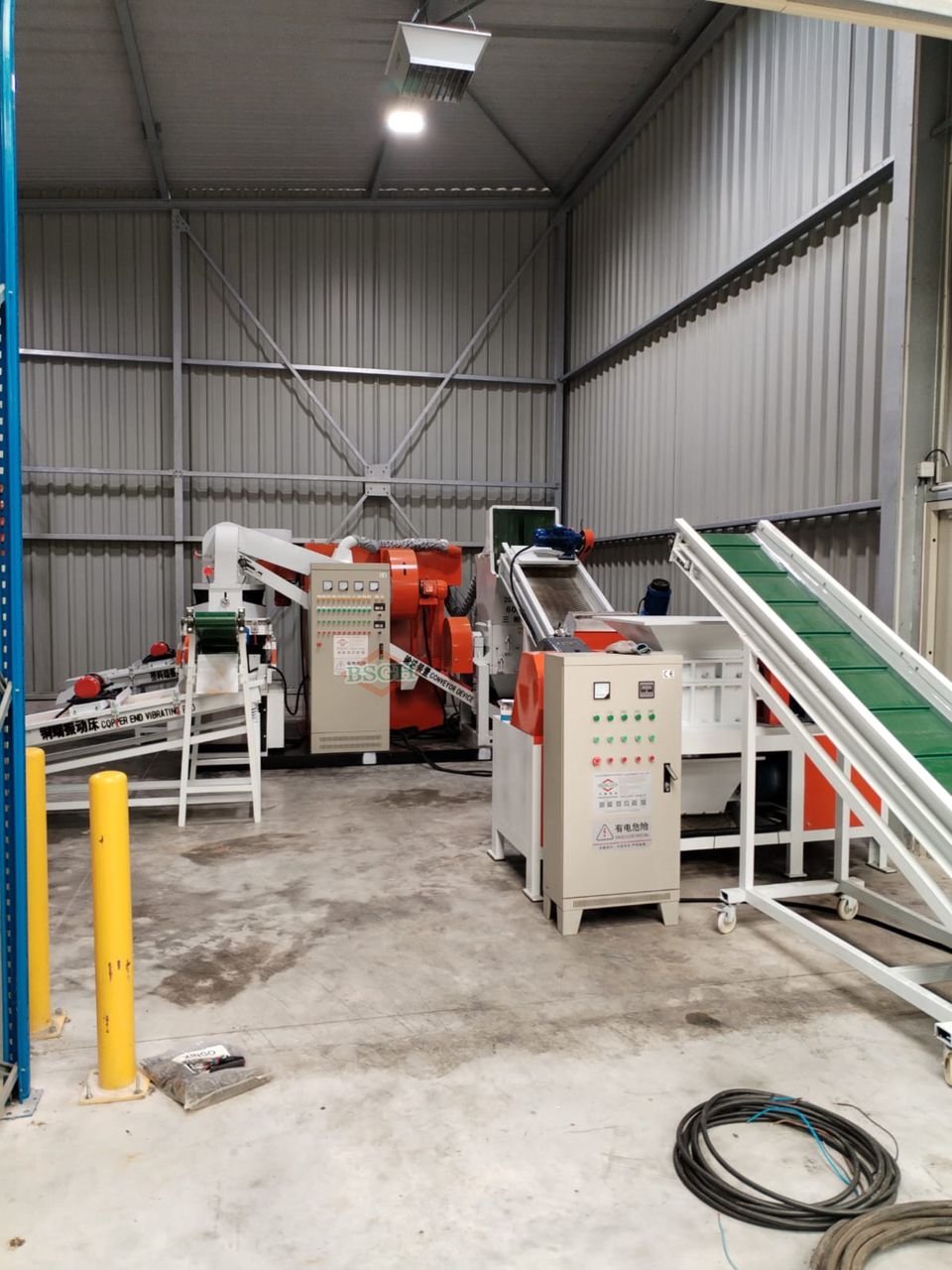
Triboelectric charging dynamics, static neutralization, and dense polymer fluidization
Separating Teflon (PTFE/FEP) on a dry air table presents two unique physical hurdles that standard PVC cable processors never encounter:
- Triboelectric Charging Dynamics: High-speed friction between polymer granules, metal chutes, and screen perforations can induce significant static charges. Charged polymer particles tend to cling to metallic surfaces or clump together, which can impede clean stratification on dry density separation decks.
- Density & Aerodynamic Stratification: Fluoropolymers such as PTFE possess relatively high densities (approximately 2.1 to 2.2 g/cm³) compared to common polyolefins (0.9 to 1.0 g/cm³). While still substantially lighter than copper (8.96 g/cm³), their higher density and irregular flake shape require fine adjustments to air table fluidizing velocity and deck inclination to achieve clean split lines.
- Static Elimination Systems: Where static interferes with material flow or separation, facility operators evaluate grounded de-ionizing bars, antistatic air blowers, or ambient relative humidity management. All static-control devices must be verified for compatibility and classified for the facility’s electrical and dust environment.
What is the scrap market value and profit potential of aerospace and utility XLPE cable?
Because processing XLPE and high-temperature specialty wire requires dedicated preparation and sharp tooling, regional scrap yards that lack appropriate equipment often discount these materials, creating processing margin opportunities for prepared facilities.
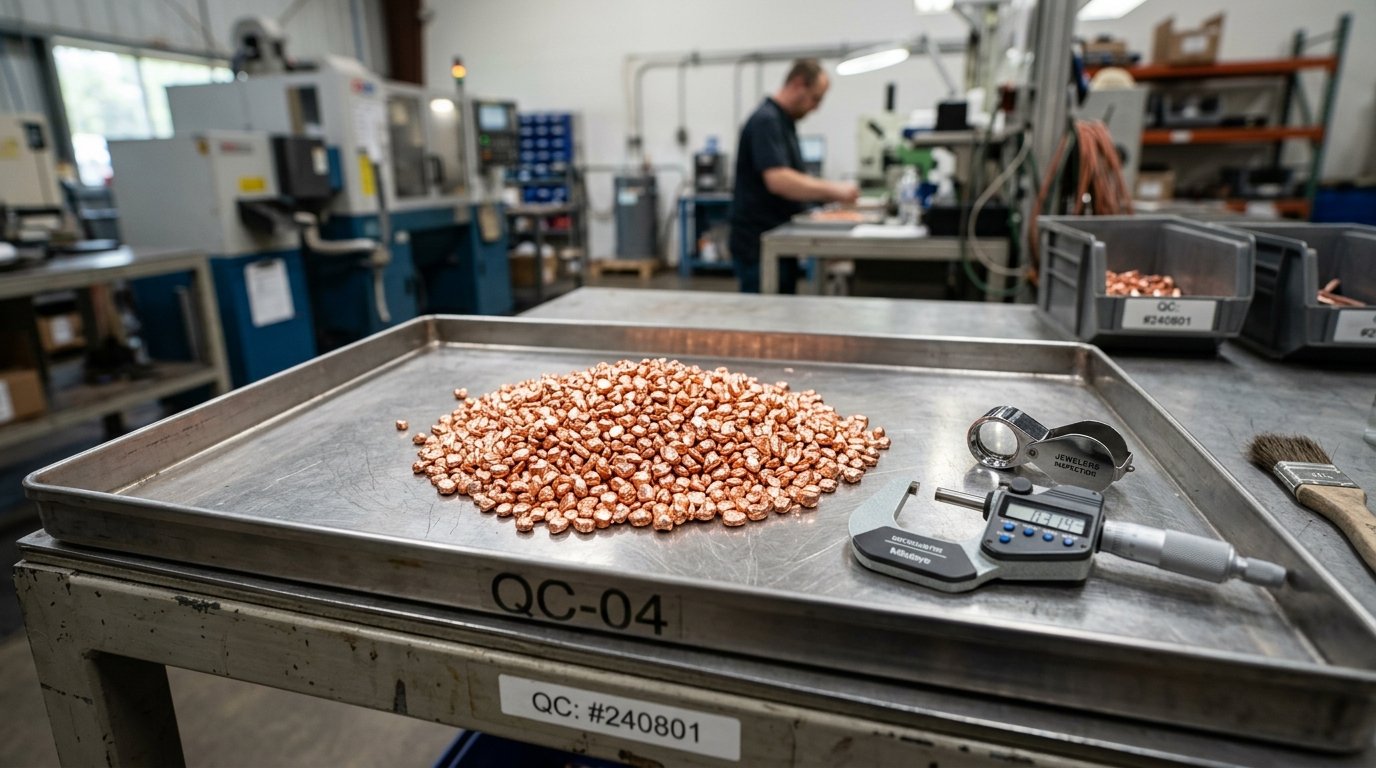
Raw scrap purchase discounts, metal recovery economics, and net profit modeling
Because many regional scrap yards lack the blade precision and antistatic technology to granulate XLPE and Teflon wire, these scrap streams trade at steep commercial discounts compared to clean Romex:
- Processing Economics (Hypothetical Illustrative Example): Utility distribution cable insulated with XLPE contains clean, high-grade copper conductors. When acquired at market scrap discounts reflecting processing difficulty, efficient granulation can recover valuable No. 1 copper chops. For instance, processing an illustrative 5-metric-ton batch containing approximately 62% copper yield yields 3,100 kg of copper chops. Commercial net margin depends directly on purchase basis, actual recovered copper purity, labor, power, tooling re-sharpening, and residue disposal costs.
- Insulation Tailings Handling: Cross-linked polymers cannot be simply remelted through conventional extrusion like virgin thermoplastics. While specialized reclamation routes or downcycled compounding markets exist, scrap facilities should confirm buyer specifications, contamination limits, and disposal costs before projecting secondary polymer revenue.
To discover how modern machinery processes tough cables with high-efficiency cooling and precision knife clamps, explore our copper granulator machine catalog, or contact MECUVO engineering for custom cable testing.
Key Takeaways
Processing tough XLPE and high-temperature fluoropolymer wiring requires sharp tooling, OEM-specified blade clearances, disciplined thermal management, and static mitigation. Adhering to manufacturer operating manuals and conducting representative feed trials enables scrap yards to process difficult insulation types safely and efficiently.
— YOUR RECYCLING PROJECT
Find the right machine for your material.
Tell us your material and required capacity.
Or email sales@mecuvo.com