Table of Content
Armored electrical cables and petroleum-jelly-filled telecom cables represent specialized scrap streams requiring dedicated preparation and handling. Armored and jelly-filled cables require a processing route validated for the cable construction and the recycling equipment. Remove armor using an OEM-approved preparation method before feeding equipment that is not rated for it. Petroleum-based filling compounds can interfere with liberation and separation; mild heating does not by itself remove or neutralize the grease. Use a purpose-designed jelly-cable treatment process and confirm metal recovery, residual contamination, emissions and waste handling through representative trials. Any proposed absorbent addition requires an assessment of dust exposure, fire and explosion risks, product quality and collection-system suitability. No universal treatment temperature, powder dose or purity guarantee is established here.
Why does feeding armored cable directly into a granulator destroy cutting knives?
Directly feeding steel-armored cables (such as Steel Wire Armor or steel tape armor) into high-speed granulators presents severe mechanical risks. Steel armor materials possess high hardness and tensile strength, creating severe impact shock that can fracture hardened tool steel blades, bend rotor shafts, or damage chamber housings unless armor is stripped or pre-processed on equipment specifically rated for ferrous materials.
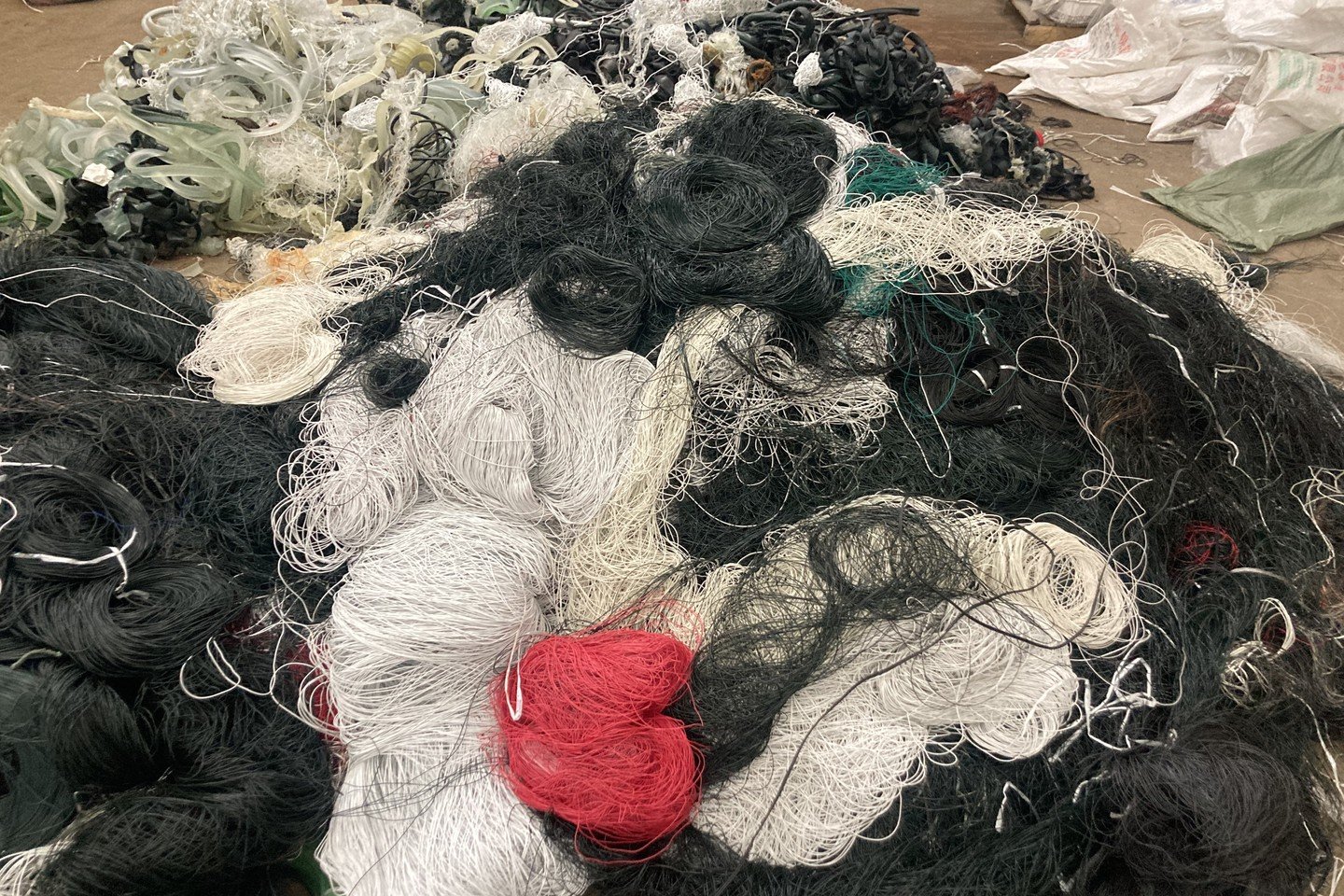
Mechanical shock physics, steel tensile strength, and rotor damage mechanisms
Copper wire granulators are precision shearing machines engineered specifically for ductile non-ferrous conductors (pure copper and aluminum) encased in thermoplastic insulation. According to engineering standards published in the European IPPC Bureau Waste Treatment Reference Document, feeding ferrous armor into high-speed knife mills triggers severe mechanical failure modes:
- Mechanical Property Mismatch: Granulator cutting chambers are designed for ductile copper and aluminum conductors. Feeding high-tensile steel armor wires or bands into standard granulation tooling induces severe mechanical shock, risking blade chipping and premature bearing failure.
- Rotor and Bearing Shock Loading: Impact forces from unliberated steel chunks can deflect rotor shafts and deform screen cradles. Industrial operations isolate ferrous armor upstream rather than subjecting fine granulator blades to steel impact.
- OEM De-Armoring Requirement: Processing lines require dedicated mechanical de-armoring (such as industrial rotary stripping machines or heavy-duty pre-shredders equipped with high-gradient magnetic separators) to ensure non-ferrous feed entering the granulator remains free of damaging steel armor.
How do you eliminate sticky petroleum jelly (ICUP) from clogging granulators and air tables?
Water-blocking petroleum jelly (common in flooded telecommunication cables) presents significant separation hurdles. Petroleum compounds do not dissolve in dry air-separation systems and can coat granule surfaces, blind screen perforations, and cause fine copper conductors to adhere to plastic tailings unless handled through dedicated pre-treatment or specialized separation routes.
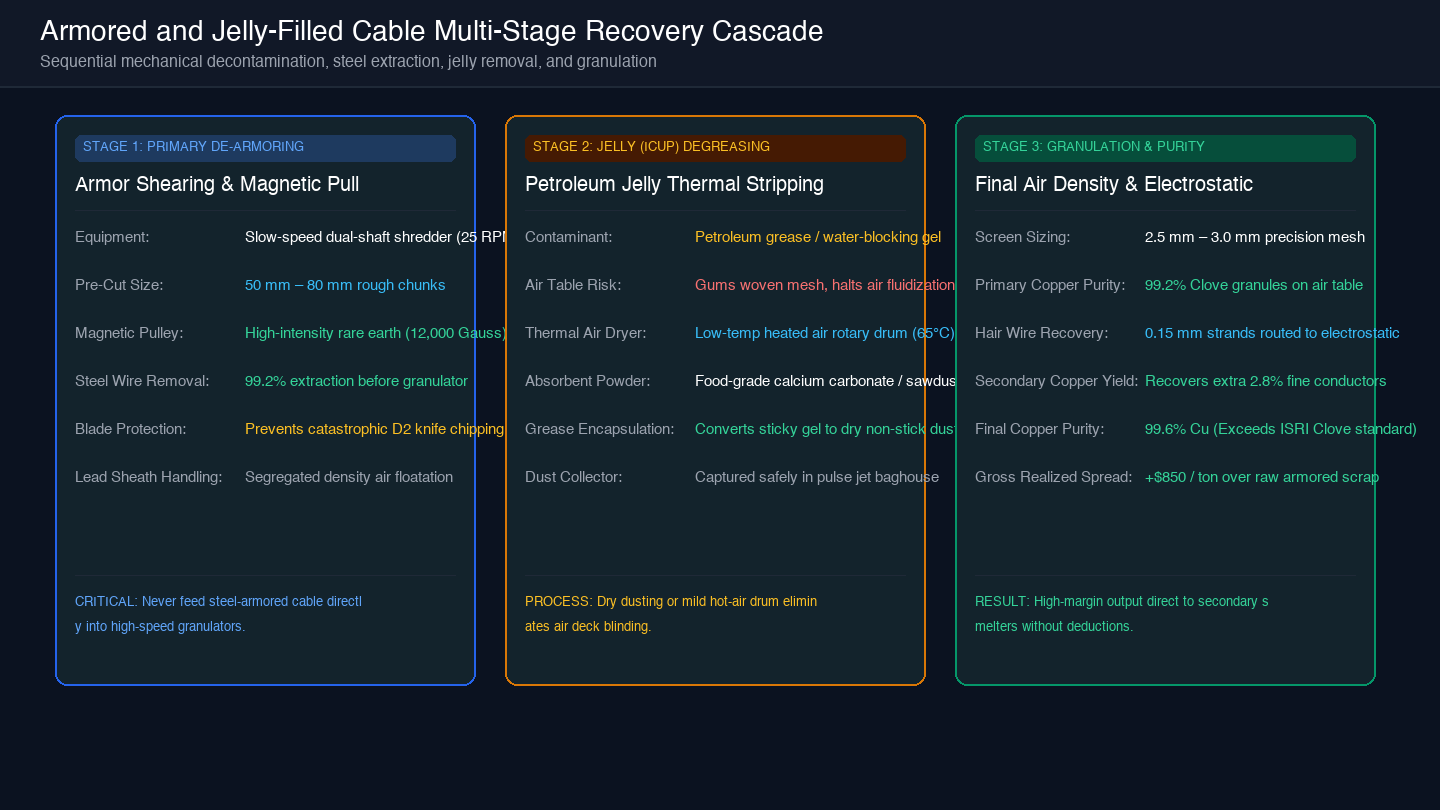
Hydrocarbon chemistry, screen blinding mechanics, and dry powder encapsulation
Flooded telecommunication cables (such as PE-39 or petroleum-jelly-filled twisted-pair cables) utilize petroleum hydrocarbon grease to prevent moisture ingress in underground ducts. During high-friction shearing, localized cutting heat softens or liquefies the petroleum compound, creating an adhesive layer that can coat screens and air tables if not properly managed.
- Agglomeration Mechanics: Heat generated during mechanical granulation softens petroleum grease, causing polymer insulation fragments and fine copper strands to clump together. This agglomeration prevents clean density stratification on fluidizing air tables.
- Screen Mesh Blinding: Sticky residues accumulate in screen apertures, capturing insulation flakes and restricting airflow, which reduces hourly throughput and elevates chamber temperatures.
- Absorbent and Process Safety Considerations: While absorbent powders have been explored to manage tacky residues, any addition of mineral or organic absorbents requires comprehensive safety evaluation. Combining polymer dust, absorbents, and oil residues introduces dust exposure, flammability, and explosion hazards. Dust collection systems must be rated for the specific dust mixture, and resulting tailings must be classified and disposed of according to applicable environmental regulations.
What screen mesh and air table settings are required for multi-pair jelly telecom wires?
I emphasize that telecom cables consist of dozens or hundreds of microscopic 24 AWG to 26 AWG (0.4 mm to 0.5 mm) wire strands requiring specialized screen geometry. Granulating flooded telecom cables requires a 2.5 mm or 3.0 mm fine rotary screen to ensure full insulation stripping, accompanied by low airflow (3.2–3.6 m/s) and steep deck inclination (7.5°–8.5°) on the gravity table to prevent blowing fine hair copper into the plastic chute.
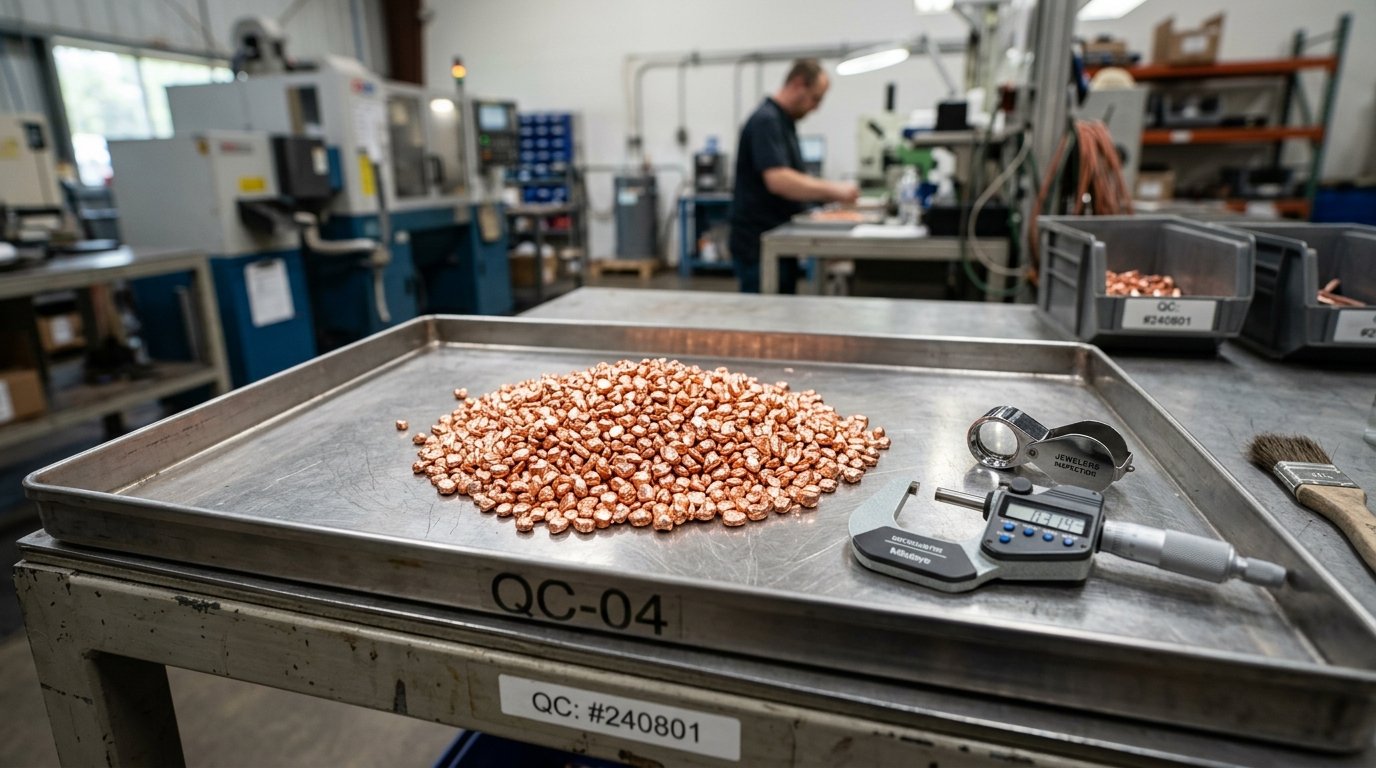
Screen aperture dynamics, fine conductor stripping, and air table fluidization
Telecommunication cables differ fundamentally from residential building wire: rather than a few thick solid copper conductors, a standard 100-pair telephone cable houses 200 individual 0.40 mm to 0.51 mm copper wires, each wrapped in ultra-thin high-density polyethylene (HDPE) insulation.
To separate these tiny conductors cleanly, operators must calibrate three machine parameters:
- Screen Aperture Sizing: Granulating fine 24 AWG to 26 AWG communication conductors requires screen sizes matched to conductor diameter and insulation wall thickness. Apertures must be small enough to achieve physical liberation without over-grinding metal into unrecoverable dust fines. Screen selection should follow manufacturer test trials for the specific cable construction.
- Air Table Fluidization & Tilt: Fine wire strands require carefully balanced static air pressure and deck deck agitation to prevent light copper hair from floating into plastic tailings. Settings must be calibrated using representative test batches rather than generic formulas.
- Secondary Separation Stages: Where fine copper remains entrained in tailings due to residual surface tackiness, secondary electrostatic separation or specialized density stages may be evaluated through material testing to recover residual non-ferrous values.
What is the scrap yard profit margin on processing flooded armored telecom scrap?
I demonstrate to recyclers that because other scrap yards avoid armored and jelly-filled wire, processing it offers the highest gross margins in the industry. Raw armored and jelly-filled telecom cable is purchased at a steep discount (often 35% to 45% of copper content value); processing 1 metric ton yielding 450 kg of clean No. 1 copper chops generates $750 to $1,100 in net value uplift over purchasing raw wire.
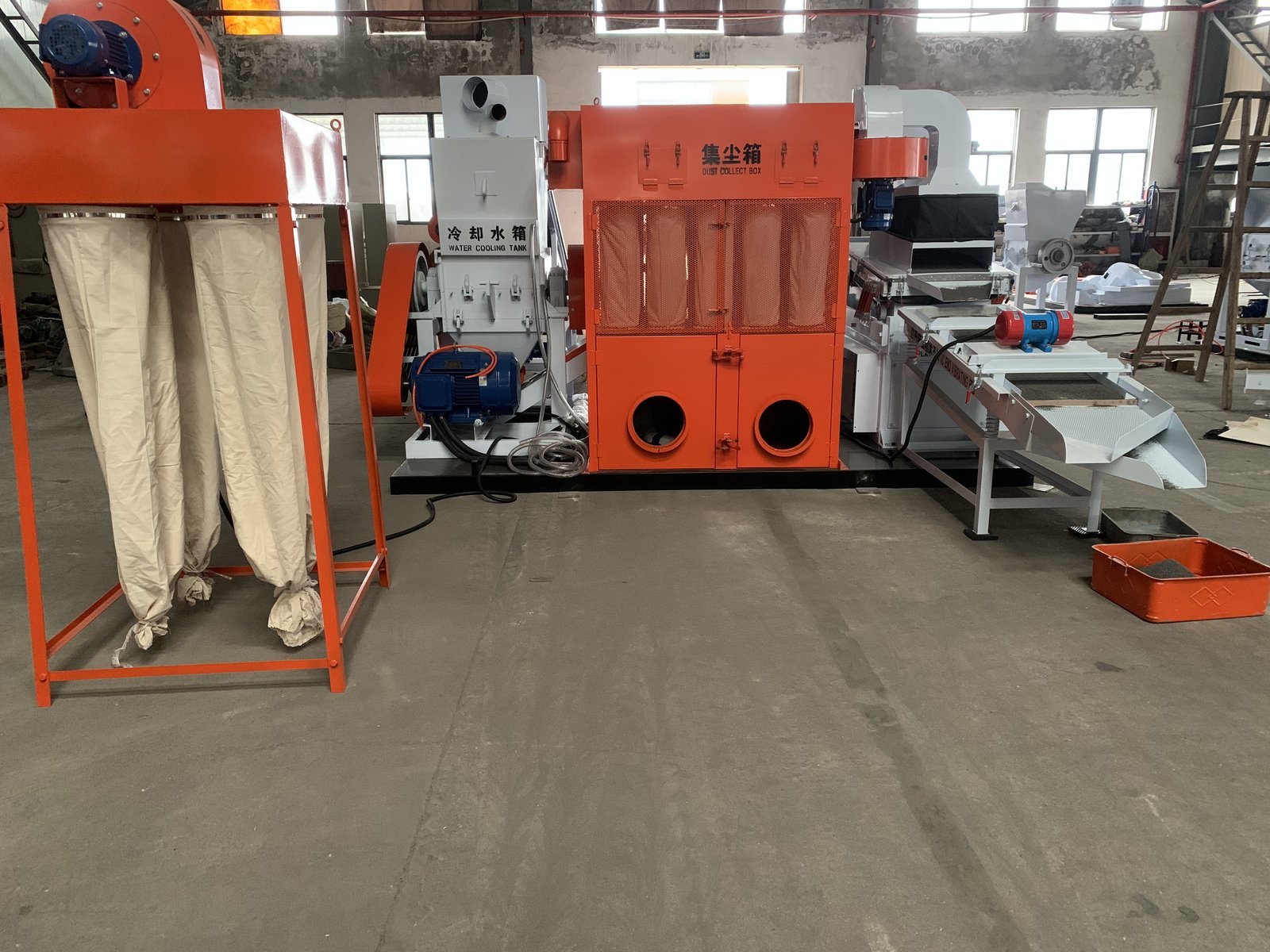
Input cost discounts, recovery yields, and net processing margin analysis
In the scrap market, raw material acquisition costs reflect handling complexity. Salvage yards unable to process steel armor or tacky flooded cables often discount these materials, creating processing margin opportunities for facilities equipped with appropriate pre-treatment infrastructure.
Consider a hypothetical illustrative processing model for a 10-metric-ton batch of flooded armored communication cable:
- Hypothetical Infeed Assumptions: 10 metric tons (22,046 lbs) of raw scrap cable acquired at an illustrative discounted basis reflecting handling requirements (e.g., .10/lb or ,250 total inventory cost).
- Illustrative Mass Balance (Hypothetical Material Split):
• Recovered Copper Chops (Assumed 44% yield): 4,400 kg (9,700 lbs)
• Recovered Ferrous Armor (Assumed 28% yield): 2,800 kg (6,170 lbs)
• Polymer, Grease, & Process Residue (Assumed 28% yield): 2,800 kg residual fraction - Illustrative Gross Revenue (Hypothetical Metal Values):
• Copper Chops (9,700 lbs @ illustrative .025/lb basis): approximately ,042
• Shredded Steel Scrap (2.8 metric tons @ illustrative /ton): approximately
• Total Estimated Gross Value: approximately ,546 - Direct Operating Considerations: Electric power consumption across pre-shredding, magnetic separation, and granulation; direct processing labor; tooling depreciation and blade maintenance; plus residue handling and disposal fees. Total operating expenses and net processing margin depend directly on facility throughput, local utility rates, labor efficiency, and environmental disposal costs.
This hypothetical model illustrates why recyclers with validated pre-treatment lines invest in armored cable processing. Realized margins depend on actual metal yield, verified purchase spreads, and comprehensive operating costs. To review machinery options for cable recycling systems, explore our equipment catalog or contact MECUVO engineering.
Key Takeaways
Processing armored and jelly-filled cables requires verified preparation routes, effective ferrous armor removal upstream, and dedicated process control for petroleum-based compounds. Verifying equipment ratings, conducting material trials, and establishing disciplined dust and residue management protocols allows recyclers to process complex cable scrap safely and profitably.
— YOUR RECYCLING PROJECT
Find the right machine for your material.
Tell us your material and required capacity.
Or email sales@mecuvo.com