Table of Content
Industrial liquidation auctions regularly feature copper wire granulators with tempting starting bids of $5,000 to $10,000, attracting recyclers hoping to secure commercial equipment at a fraction of retail cost. Buying a granulator at auction carries extreme financial exposure: ‘as-is, where-is’ terms offer zero operational guarantees, while unbudgeted buyer premiums (15–18%), mandatory rigging fees, freight, and hidden rotor damage frequently push final outlays beyond the price of a brand-new factory machine. This technical buyer’s guide details the true math of industrial auctions, providing a physical inspection scorecard to help you decide whether to bid or buy factory-direct.
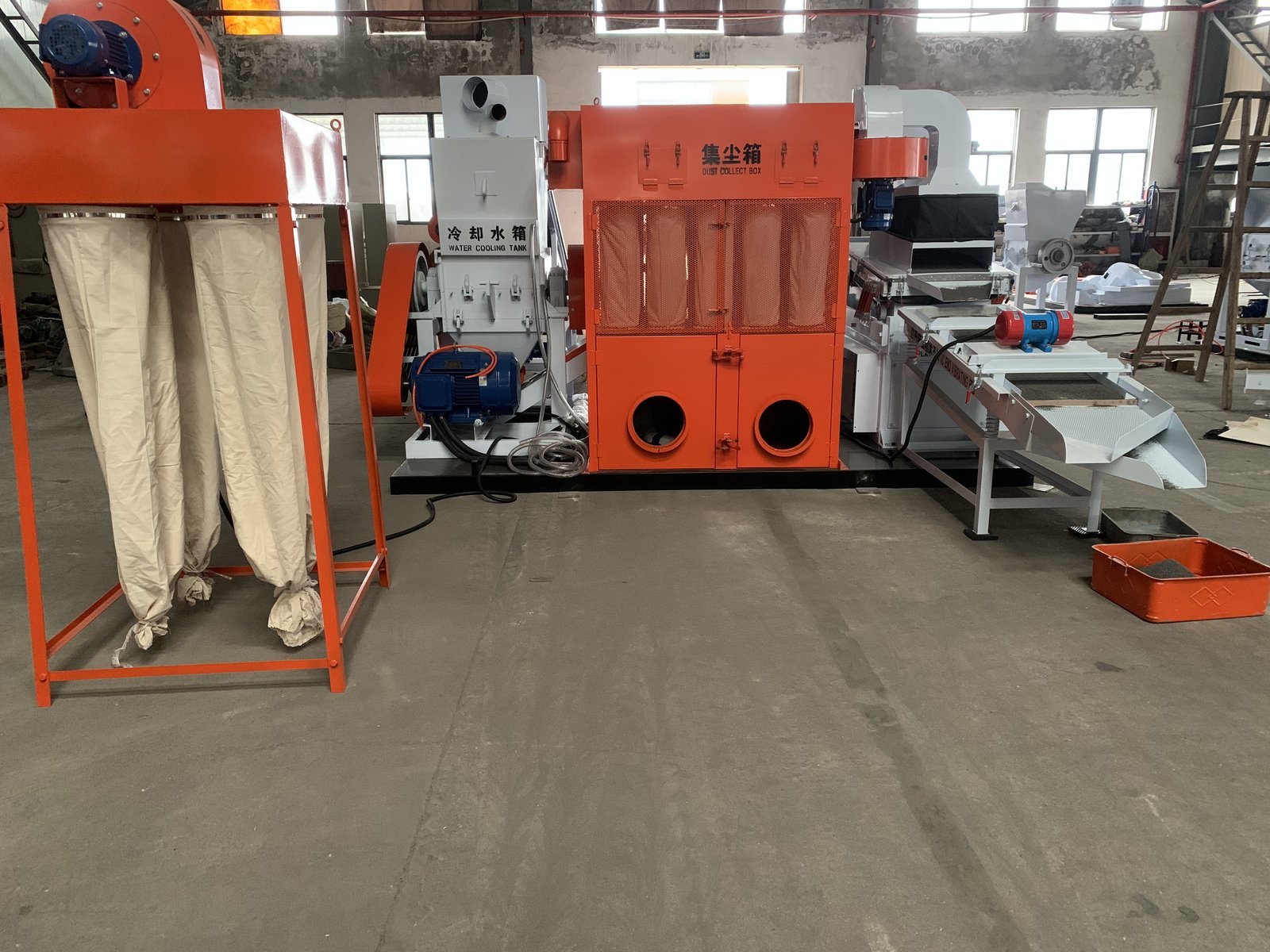
What hidden fees and logistics expenses follow an auction hammer price?
I itemize the mandatory cash outlays required to move auction machinery from the floor to your facility. Budget for an 18% buyer’s premium, state sales tax, exclusive facility rigger loading fees ($1,800–$3,500), specialized flatbed freight ($2,500–$4,500), and industrial unloading crane fees.
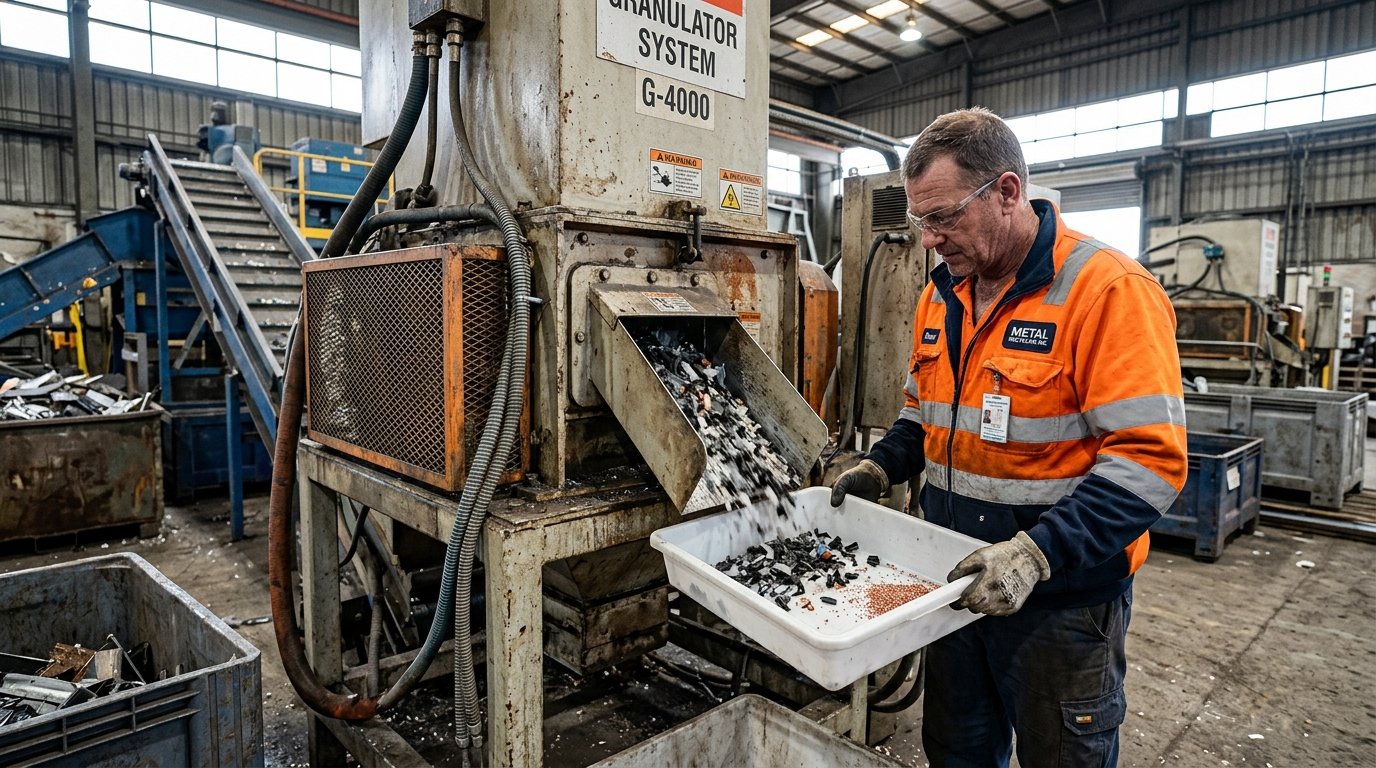
Buyer’s premium calculations, exclusive auction house rigging monopolies, and flatbed freight
Many first-time auction bidders calculate their budget based on the final bid amount alone, only to experience severe sticker shock upon receiving the auctioneer’s final invoice:
- The 15% – 18% Buyer’s Premium: Winning a machine at a hammer price of $20,000 instantly incurs a $3,600 buyer’s premium, plus applicable state or municipal sales taxes (6%–8%), pushing the invoice to $25,200 before touching the machine.
- The Mandatory Rigging Monopoly: Auction houses prohibit buyers from using their own forklifts or trailers to load heavy equipment. You must use the auction’s ‘exclusive site rigger’, who charges non-negotiable fees of $1,800 to $3,500 simply to unbolt the granulator from the concrete pad and place it on a truck.
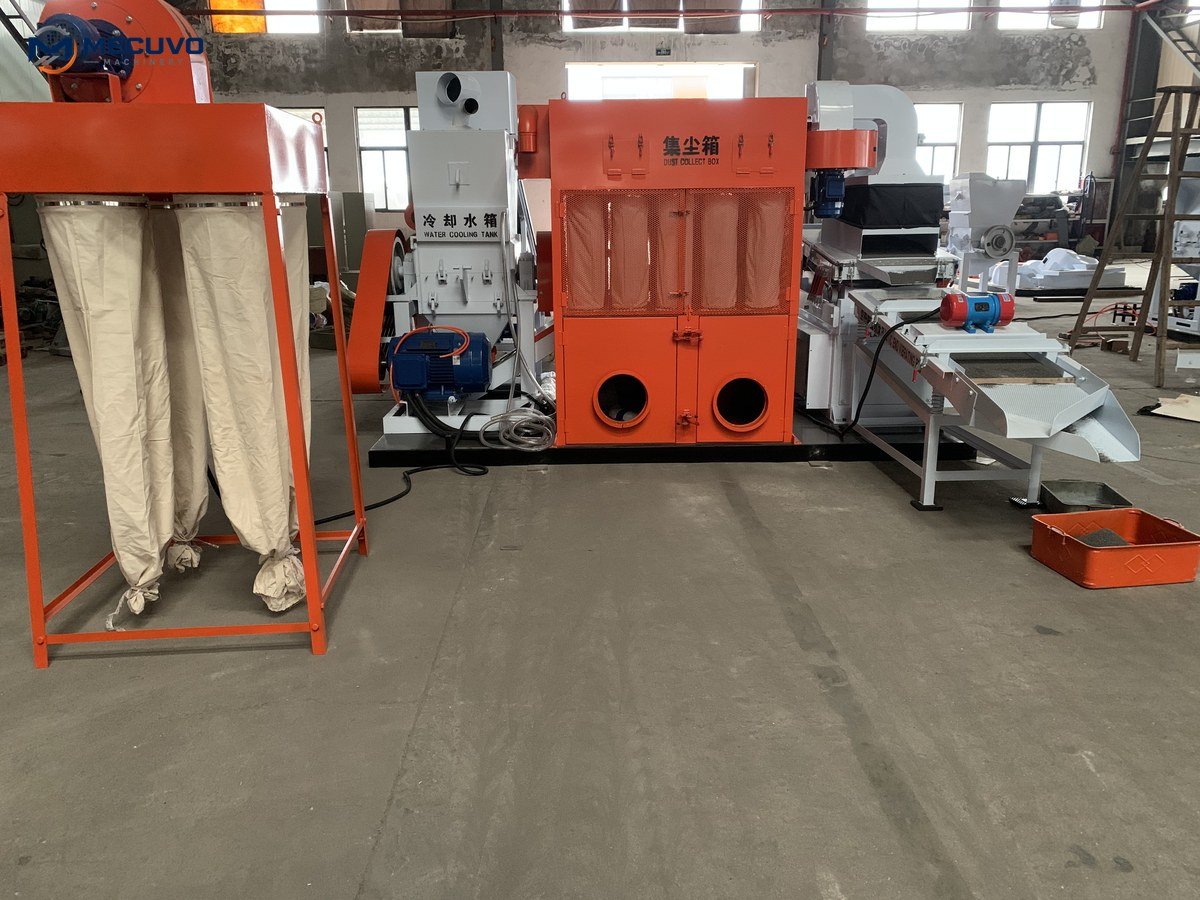
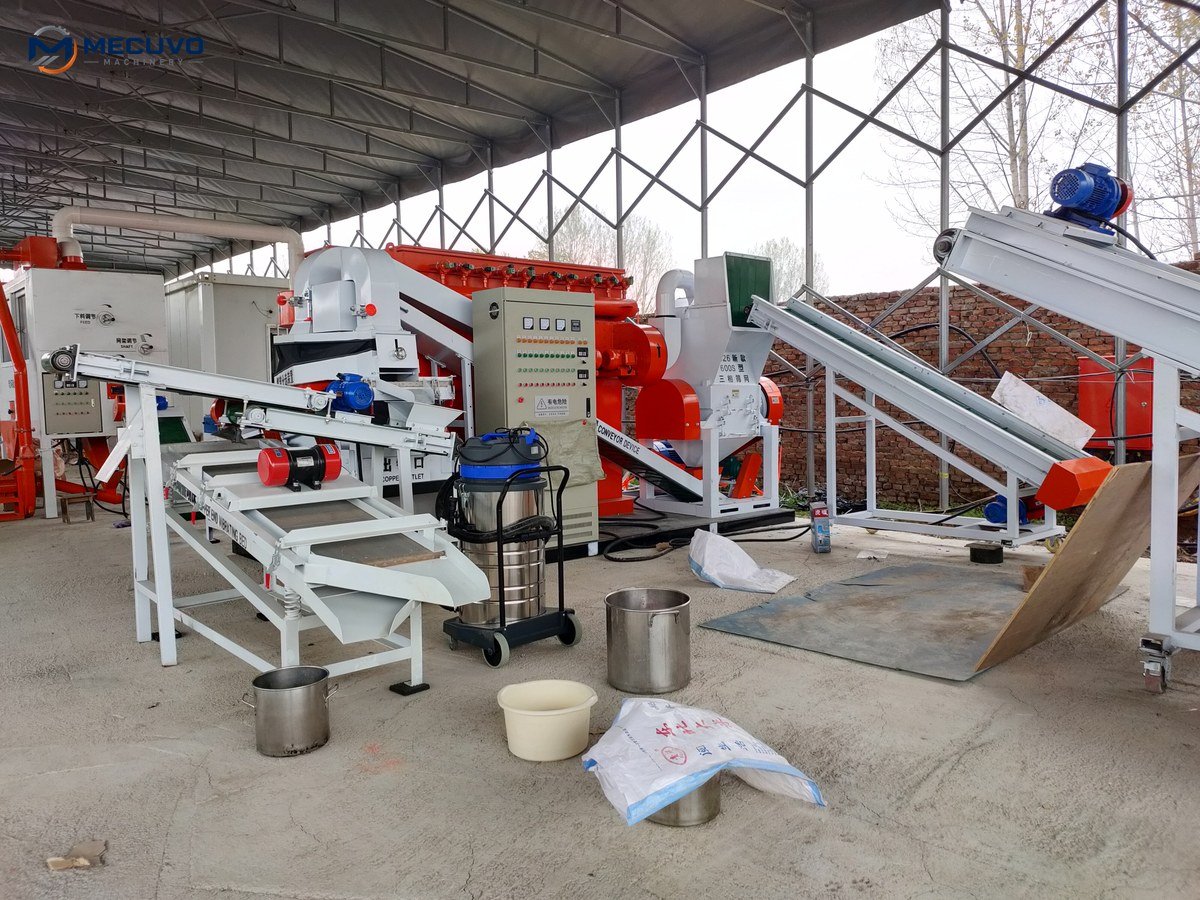
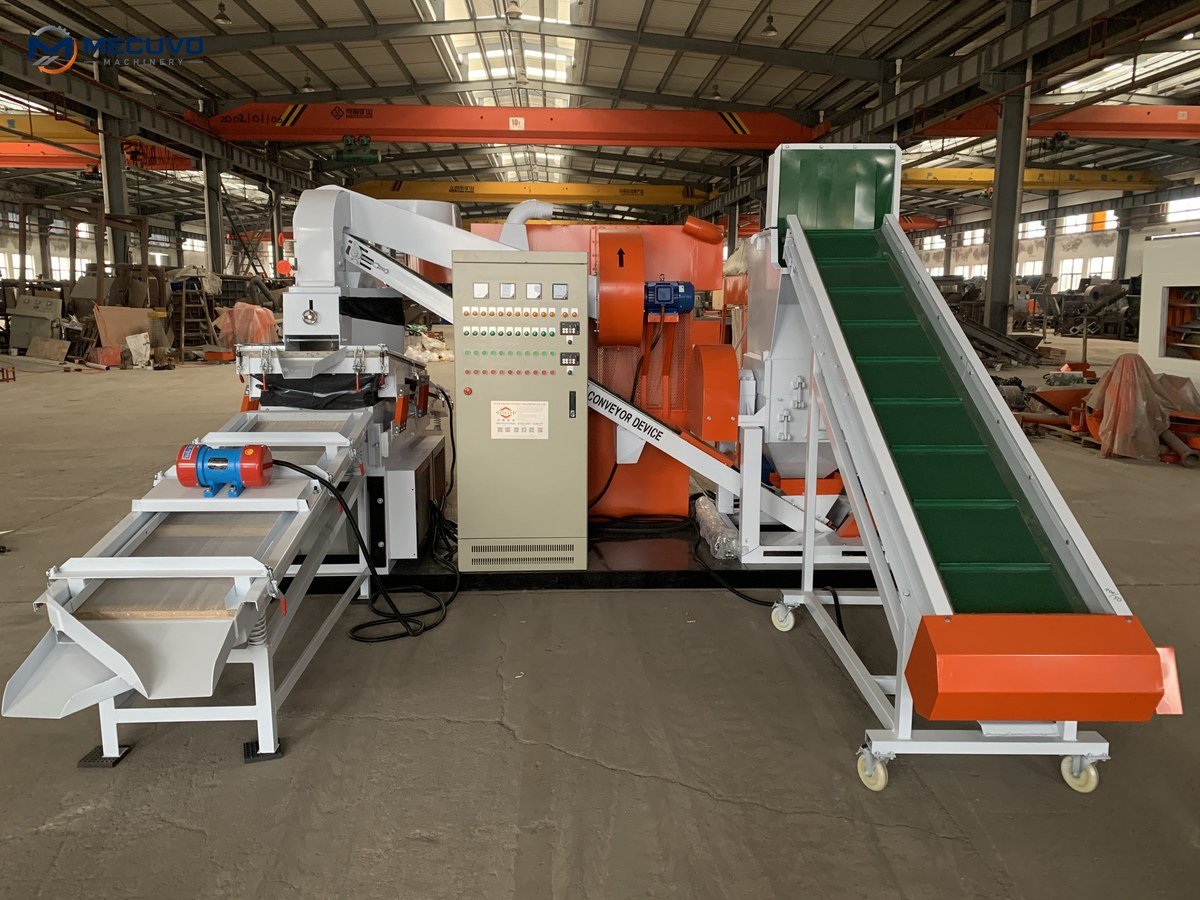
- Specialized Logistics: An industrial cable recycling system (granulator, blower, cyclone, and dust collector) occupies 30 to 40 feet of trailer space, requiring dedicated step-deck flatbed transport costing $2,500 to $4,500 across regional distances.
| Expense Category | Winning Bid $20,000 | Realistic Total Cash Outlay |
|---|---|---|
| Auction Hammer Price | $20,000 | $20,000 |
| 18% Buyer’s Premium | +$3,600 | $3,600 |
| State Sales Tax (7%) | +$1,652 | $1,652 |
| Site Rigger Loadout Fee | +$2,400 | $2,400 |
| Dedicated Flatbed Freight | +$3,200 | $3,200 |
| Local Unloading Forklift / Crane | +$1,200 | $1,200 |
| Delivered Total (Before Repairs) | $32,052 | 60% Higher than Hammer Price! |
What mechanical and electrical traps are concealed in ‘as-is’ equipment?
I explain why profitable companies rarely liquidate high-performing machinery at auction. Auction machines are frequently retired units plagued by bent rotor shafts, warped cutting chambers from tramp steel strikes, burned-out motor windings, missing PLC passwords, and obsolete discontinued spare parts.
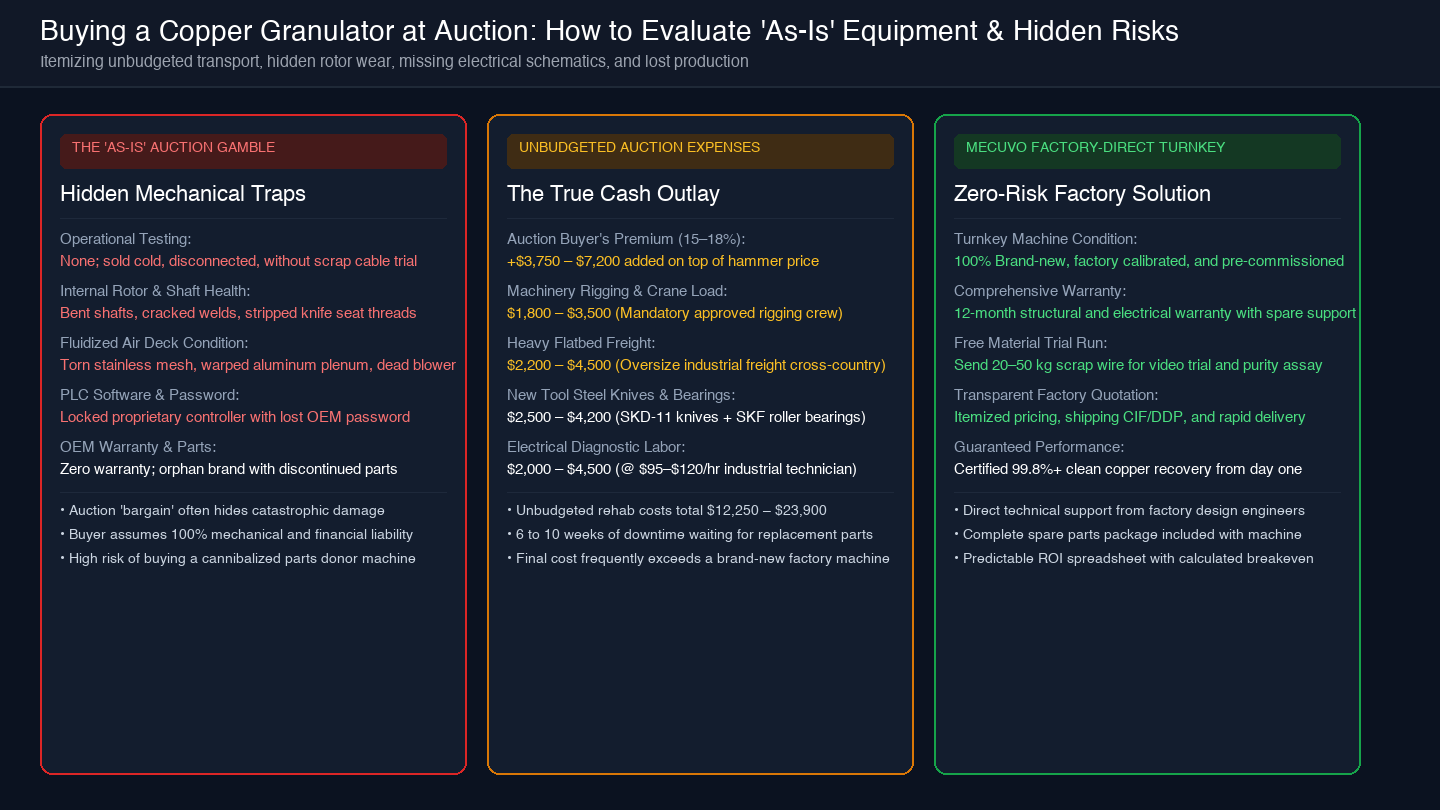
‘As-is where-is’ legal reality, cracked rotor welds, and proprietary PLC lockout
Liquidation sales operate under strict caveat emptor (buyer beware):
- Zero Recourse: Even if the machine has a cracked main housing or a burned stator, you have zero legal right of return or refund. The auction contract explicitly disclaims all warranties of merchantability.
- The Tramp Iron Disaster: Granulators are usually auctioned because the previous owner had a major accident. If a piece of 1-inch hardened steel bolt entered the cutting chamber at full speed, the shock load frequently twists the main shaft or micro-fractures the rotor seats. These defects are invisible to the naked eye during a 10-minute auction inspection.
- Locked Proprietary PLCs: If the machine utilizes a programmable controller, the previous owner or bank liquidator rarely provides the PLC access password. If the program corrupts or needs re-tuning, you must completely rip out and replace the electrical controls at a cost of $4,000 to $7,000.
How should a buyer conduct an on-site physical auction inspection?
I provide a structured on-site inspection protocol for prospective bidders. Verify complete electrical lockout/tagout (LOTO) before touching rotating assemblies, check bearing smoothness and shaft runout against OEM tolerances, inspect knife clamping threads, and examine blower and plenum seals.
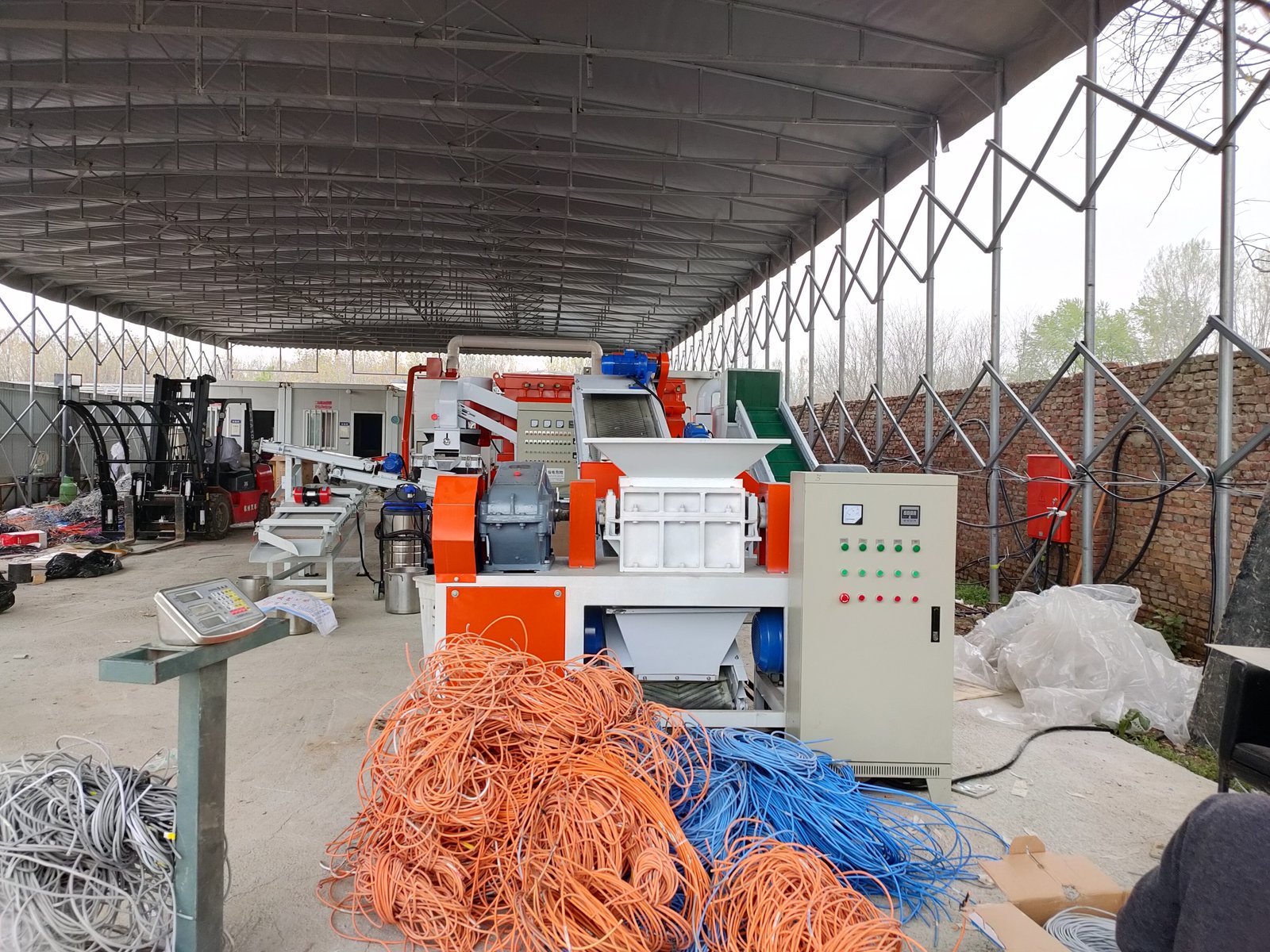
On-site physical inspection protocol: energy isolation, rotor runout, knife seats, and plenum seals
If you attend an on-site auction preview, bring tools and execute this protocol:
- Mandatory Energy Isolation (OSHA 1910.147): Never touch drive belts, pulleys, or open cutting chamber doors without facility permission and confirmed zero-energy lockout/tagout (LOTO). All electrical disconnects must be padlocked and stored energy (kinetic, mechanical, or pneumatic) dissipated. If energy isolation cannot be verified, restrict examination strictly to non-contact visual review.
- Manual Rotor Inspection (De-Energized State): Under verified LOTO, have a qualified technician smoothly rotate the drive pulley or coupling by hand through 360 degrees. Verify rotation is free and uniform; tight spots or metallic grinding suggest worn or contaminated spherical roller bearings.
- Dial Indicator Runout Measurement: When permissible, mount a magnetic base dial indicator to the rigid chassis with the probe on the rotor shaft extension. Measure Total Indicated Runout (TIR). While permissible runout depends on shaft diameter and manufacturer OEM specifications (typically under 0.03 mm to 0.05 mm for precision cutting mills), readings above 0.08 mm warrant professional alignment verification before bidding.
- Knife Seat and Thread Inspection: Use an inspection light to examine blade clamping seats and tapped bolt holes. Stripped threads or distorted seats from prior over-torquing will prevent knives from holding precision gaps (0.15–0.30 mm).
- Air Density Table Blower & Plenum Seals: Inspect the blower impeller for balance and blade erosion. Examine flexible rubber expansion boots connecting the blower ducting to the vibrating table deck for cracking, brittleness, or air leakage.
Why does factory-direct procurement deliver superior commercial certainty?
I contrast the gamble of auction buying with purchasing a guaranteed factory-direct granulator. Factory-direct purchases from MECUVO include a brand-new machine, 12-month warranty, pre-tested material cutting trials, transparent spare parts pricing, and direct technical engineering support for less than the total landed cost of an auction machine.
Capex comparison, guaranteed performance SLAs, and working capital preservation
When you sum the winning auction bid ($20,000), buyer’s premium and rigging ($6,000), freight ($3,200), and inevitable replacement parts and labor ($6,000), your true cash investment reaches $35,200 for a used, unwarranted, potentially compromised machine.
In contrast, investing in a brand-new MECUVO commercial granulator ($24,000 to $32,000 turnkey) provides:
- 100% Brand-New Powertrain: Virgin copper IE3 motors, precision SKD-11 tool steel knives, and solid 40Cr forged rotors.
- Comprehensive 1-Year Warranty: Every mechanical bearing, structural weld, and electrical contactor is fully covered.
- Pre-Shipment Proof: You see your exact machine processing scrap cable on live video before it ships.
Partner with MECUVO for Total Equipment Peace of Mind
- Free Factory Sample Testing: Ship 20–50 kg of your scrap wire to MECUVO. We will run it through our brand-new machinery on video and send you a detailed laboratory test report.
- Custom ROI & Payback Spreadsheet: Contact MECUVO engineering to calculate your exact financial breakeven comparing new factory pricing against auction scenarios.
- Direct Factory Price & Spec Sheet: Review our turnkey commercial lineups and request an itemized factory quotation on the MECUVO copper granulator machines overview page.
Key Takeaways
Buying copper granulators at auction carries massive financial exposure through 18% premiums, rigging fees, and hidden rotor damage; investing in a turnkey factory-direct granulator with full warranty delivers verifiable operational reliability and contractual warranty protection.
— YOUR RECYCLING PROJECT
Find the right machine for your material.
Tell us your material and required capacity.
Or email sales@mecuvo.com