Table of Content
Scrap yard operators requesting quotations for electric motor recycling machines often receive ill-fitting equipment proposals because their requests fail to provide critical engineering parameters. Submitting exact stator diameter ranges, housing materials, target daily throughput, and local three-phase electrical power parameters ensures suppliers quote accurately sized cutting and pulling tonnages. I detail the engineering measurements, motor classifications, and operational duty data you must compile below to obtain a binding, turnkey motor wrecker quotation.
What Stator Dimensions and Housing Metallurgies Must You Detail in an RFQ?
Requesting a quote for a ‘motor recycling machine’ without providing dimensional ranges guarantees you will receive a generic estimate that may not process your actual scrap mix. Provide minimum and maximum stator outside diameter (OD), stack height, and identify whether housings are brittle cast iron, ductile aluminum, or pressed sheet steel.
Defining Stator Dimensional Envelopes and Frame Metallurgy
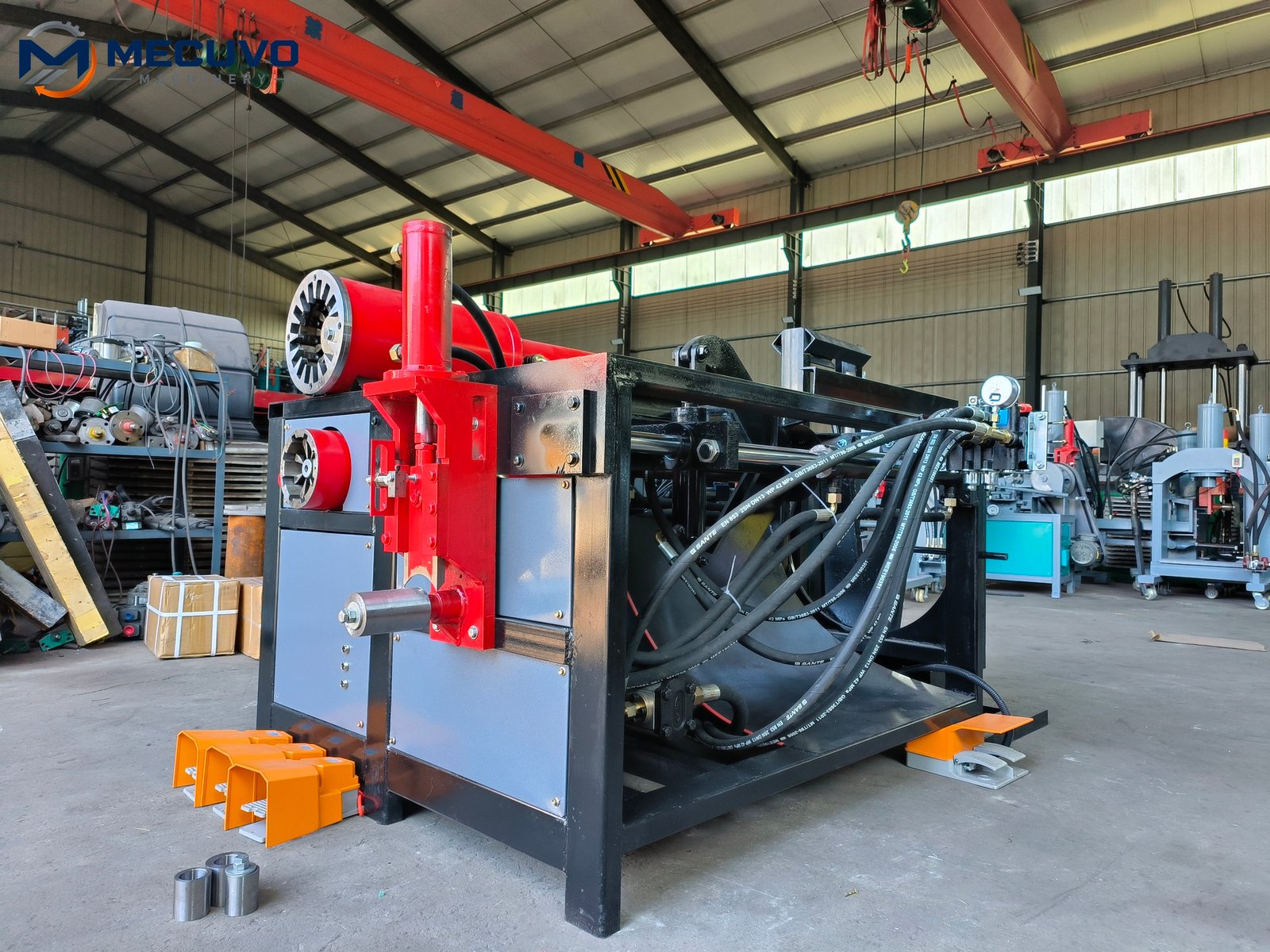
The engineering architecture of a hydraulic motor wrecker is governed by the physical dimensions of the stator and the metallurgical properties of the motor housing. A machine engineered to dismantle small domestic appliance motors utilizes a compact hydraulic cylinder stroke (typically 200 mm to 300 mm) with rapid cycle speeds, whereas a machine built for large industrial motors requires long cylinder travel (500 mm to 800 mm) and 20 to 30 tons of pulling force.
To allow application engineers to size machine tooling accurately, measure and state: 1. Minimum and Maximum Stator Outside Diameter (OD): – Small Motors: 50 mm to 150 mm OD (e.g. washing machines, fans, power tools). – Medium Commercial Motors: 150 mm to 300 mm OD (e.g. pumps, compressors, 5 to 25 hp industrial motors). – Large Industrial Motors: 300 mm to 500+ mm OD (e.g. heavy plant drives, 50 to 150+ hp motors). 2. Stator Core Stack Length: The depth of the laminated steel stack determines the required stroke length of the pulling cylinder. Standard stack lengths range from 50 mm on small motors to over 400 mm on heavy industrial units. 3. Housing Metallurgy and Incoming Condition: – Cast Iron Frames (NEMA / IEC Standard): Rigid and brittle; requires a high-tonnage hydraulic wedge blade to crack the outer housing in half. – Cast Aluminum Frames: Ductile and lightweight; can be cracked or pushed out using hydraulic ram pushers. – Pressed Steel Shells (Appliance Motors): Welded sheet metal; requires circumferential slicing or end-cap shear cutting. – Bare Stators: If you purchase pre-stripped stators with housings already removed, state this clearly to avoid paying for an unnecessary frame-splitting station.
| RFQ Engineering Parameter | Measurement Unit | Typical Scrap Value Range | Impact on Equipment Sizing |
|---|---|---|---|
| Stator Outside Diameter (OD) | Millimeters (mm) / Inches | 60 mm to 450 mm | Determines pulling claw span and table clearance |
| Stator Stack Depth | Millimeters (mm) / Inches | 50 mm to 400 mm | Dictates hydraulic cylinder stroke length |
| Frame Metallurgy | Material Category | Cast Iron / Aluminum / Steel | Determines whether frame-splitting wedge is required |
| Wire Slot Type | Open vs Semi-Closed Slot | Semi-closed (standard induction) | Dictates cutting knife angle and pulling claw bite |
| Housing State | Intact vs Bare Stators | Intact assemblies vs bare cores | Determines single-station vs 3-in-1 workstation |
For detailed financial analysis on motor volume breakeven points, review our report on evaluating electric motor wrecker payback.
How Do Target Daily Volume and Shift Operational Hours Govern Machine Duty?
A scrap yard processing 50 motors per week has vastly different equipment requirements than an auto recycler dismantling 300 units every single shift. State your estimated daily unit count, shift duration, and whether you operate single-operator manual loading or continuous two-operator production to size pump motor power.
Calculating Operational Duty Cycles and Hydraulic Flow Rates
In hydraulic machinery design, productivity is dictated by cycle time. Sizing a motor recycling machine requires balancing pump displacement (liters per minute) against motor power to deliver fast cycle speeds without generating excessive oil heat.
In your RFQ submission, detail your target operational metrics: – Target Daily Processing Volume: State whether your intake is 20 to 50 units per day (intermittent batch recycling), 100 to 200 units per day (standard commercial shift), or 300+ units per day (high-volume continuous line). – Shift Structure: 8-hour single shift versus 16-hour dual shift. – Operator Staffing: Single operator running both cutting and pulling stations sequentially versus two operators working concurrently (one operator splitting housings and cutting crowns while the second operator continuously pulls copper coils).
For continuous two-operator production lines, manufacturers configure dual-circuit hydraulic power packs featuring independent hydraulic pumps and valves for each station. This prevents the crown-cutting knife from slowing down when the pulling cylinder engages maximum tonnage. In warm climates, continuous high-cycle operations also require an auxiliary air-cooled oil heat exchanger to keep reservoir fluid below 55 degrees Celsius.
Conversely, for low-volume intermittent yards, an economical single-pump power unit (typically 4 kW to 5.5 kW) with manual directional control levers delivers completely adequate performance at lowest capital cost. For safe pulling workflows and hydraulic knife operation, review our guide on stator copper recovery without burning.
What Electrical Supply Specs and International Commercial Terms Should You Request?
Failing to coordinate electrical supply parameters or shipping terms before placing an equipment order leads to unexpected site electrical costs and freight demurrage. Specify exact utility line voltage, frequency, and phase, and request proposals under clear Incoterms (FOB, CIF, or DAP) including initial wear tooling spares.
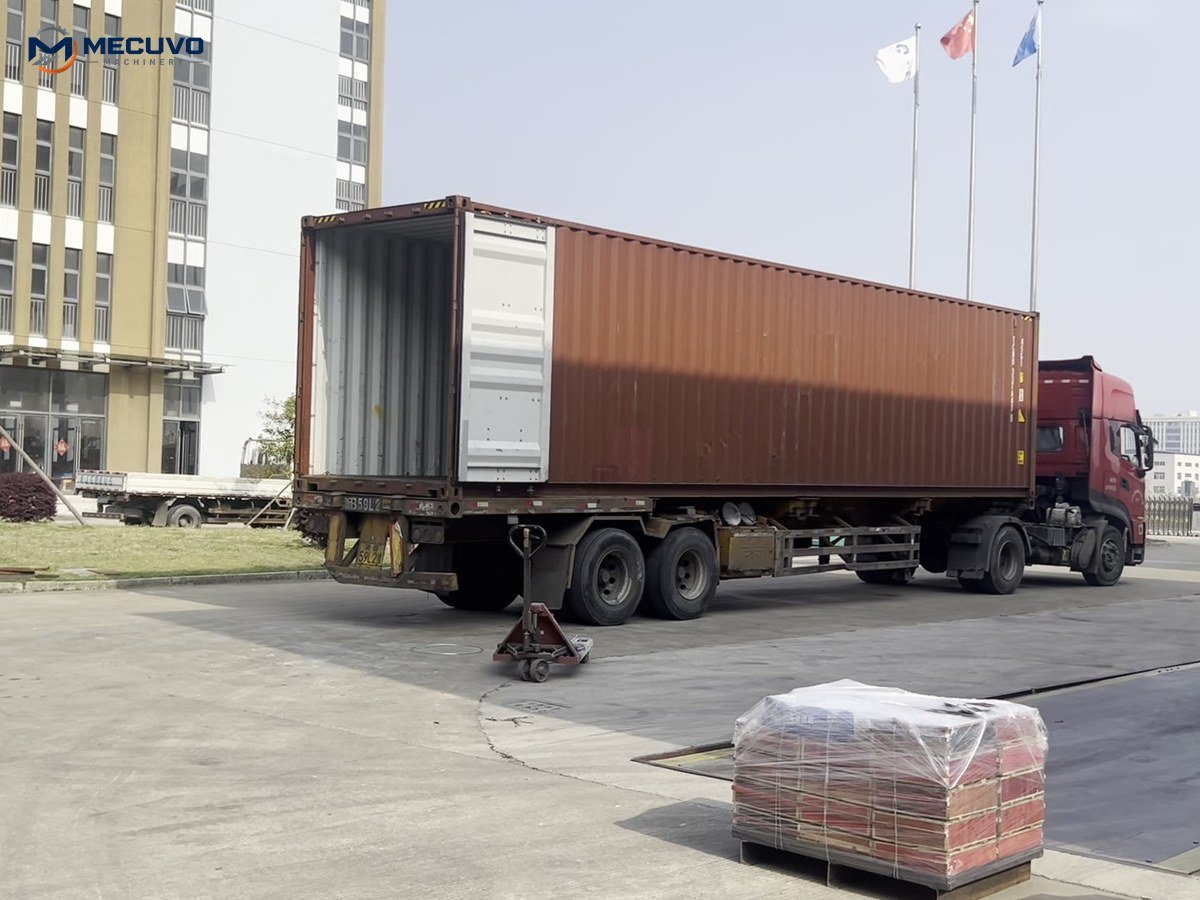
Electrical Grid Coordination and Turnkey Commercial Clauses
Before an equipment builder can issue a formal proforma invoice, you must confirm your site’s physical utility supply and desired delivery boundaries:
1. Electrical Grid Supply Specifications
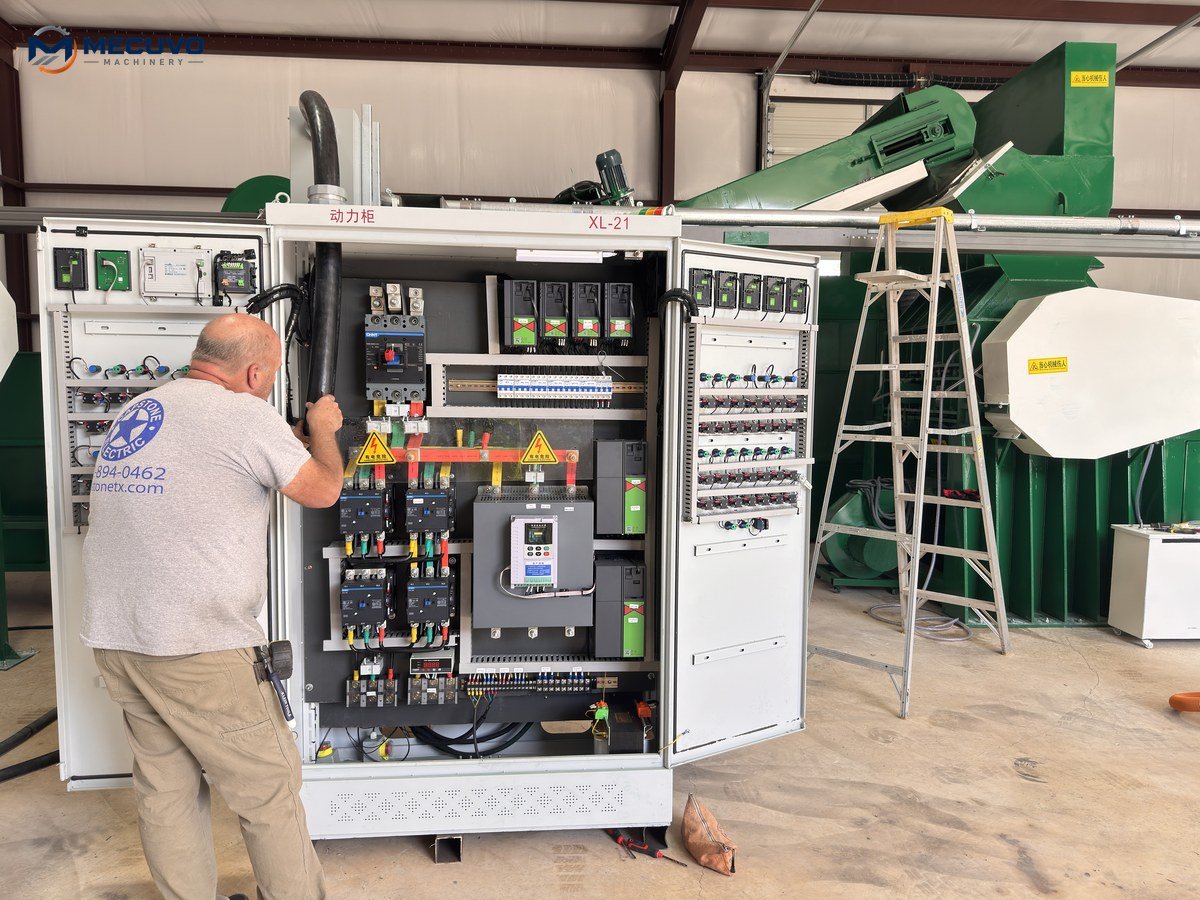
Industrial motor recycling power packs require robust three-phase power. Document your verified facility supply: – Line Voltage: e.g., 208V, 230V, 400V, 480V, or 600V. – Frequency: strictly 50 Hz (Europe, Australia, Asia) or 60 Hz (North America, Western Japan, parts of South America). – Control Circuit Voltage: specify 24V DC or 110V AC control voltage to match local plant safety codes. – Environmental Enclosure Rating: NEMA 12 / IP54 for indoor shops, or NEMA 4 / IP65 for unconditioned outdoor yards.
2. Incoterms 2020 and Freight Delivery Terms
Request quotes under standard international commercial terms to allow accurate comparison across equipment builders: – FOB (Free on Board): Supplier delivers packed machinery to export port; you contract ocean carrier and inland freight. – CIF (Cost, Insurance, and Freight): Supplier prepays marine transit freight and cargo insurance to your destination port; you manage customs clearance, local port terminal charges, and site delivery. – DAP (Delivered at Place): Supplier manages complete multimodal transit directly to your scrap yard gate; you handle customs import duties, taxes, and offloading.
3. Spare Parts Packages
Always request a quote line item for an initial spare wear package: – 1 set of replacement tool-steel crown-cutting knives (D2 / Cr12MoV). – 1 set of heavy-duty stator pulling claws (hardened alloy steel). – Complete hydraulic cylinder seal rebuild kits.
To initiate a structured engineering assessment of your scrap motor dismantling requirements, submit your stator dimensions, motor photos, daily volume, and electrical supply parameters directly via the Mecuvo contact page for technical sizing and formal quotation.
Key Takeaways
Submit exact stator diameter ranges, housing materials, daily processing volume, and local electrical power parameters to receive an accurate, binding motor recycling quote.
— YOUR RECYCLING PROJECT
Find the right machine for your material.
Tell us your material and required capacity.
Or email sales@mecuvo.com