Table of Content
Scrap yard owners accumulating whole electric motors must decide whether to sell intact units at a discount or invest in mechanical dismantling equipment. An electric motor wrecker pays for itself when your weekly motor volume generates enough upgraded copper and steel value spread to offset equipment depreciation and direct operator labor. I provide a mathematical framework below to evaluate your true net margin, labor productivity gains, and breakeven volume using your yard’s actual operating figures.
How Do You Calculate the Net Value Spread on Scrap Electric Motors?
Trading whole electric motors locks your yard into discounted pricing, forfeiting the value spread between composite scrap and pure metals. Calculate net value spread by auditing the metal content of your motors, measuring copper recovery percentage, and subtracting acquisition costs.
The Metal Spread Formula for Electric Motor Scrap
When selling intact scrap electric motors (traded under ISRI commodity code Elmo), the pricing reflects significant risk deductions. Brokers and smelters deduct for heavy cast iron or aluminum end-bells, steel rotor shafts, internal grease, and processing costs. To determine whether investing in a motor recycling machine makes financial sense, you must calculate the gross value spread using your yard’s specific numbers and actual local scrap receipts.
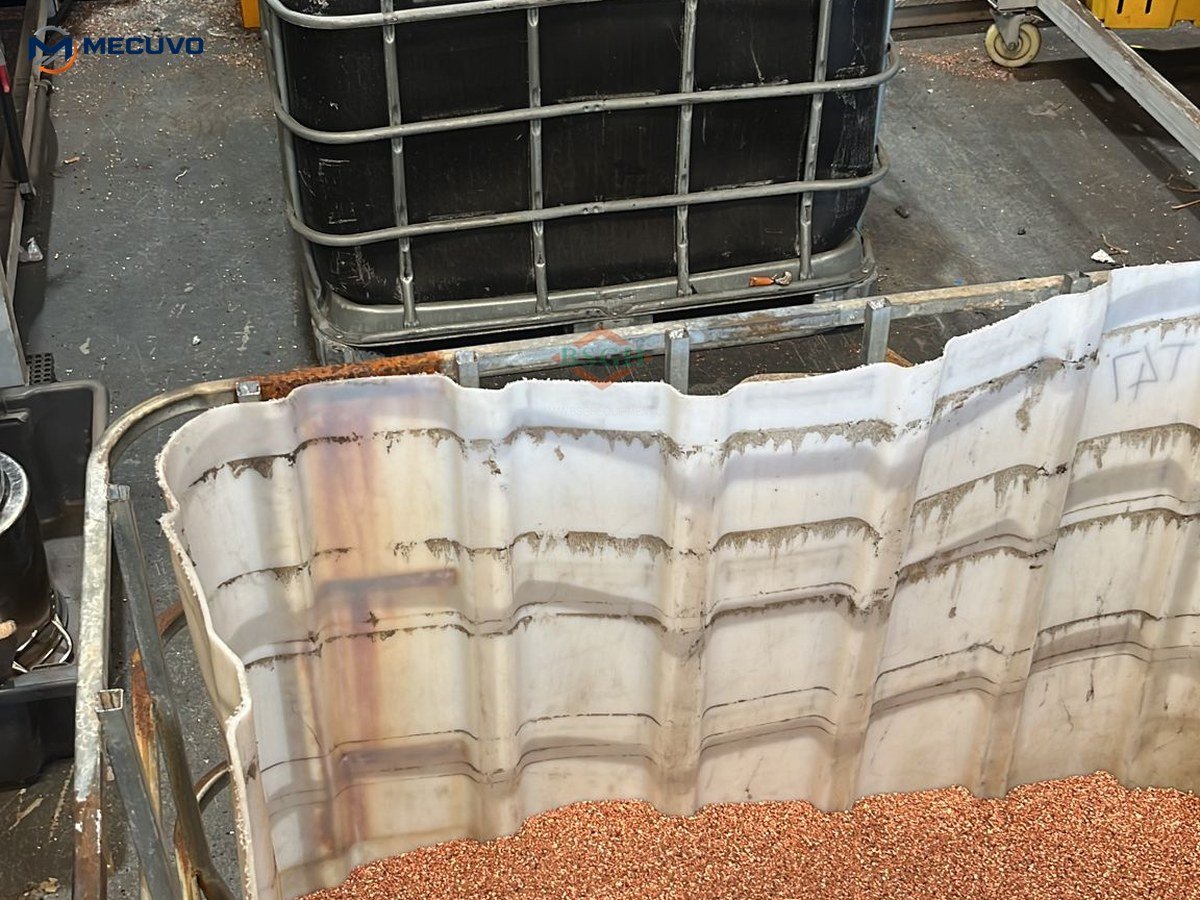
Audit a representative sample batch (e.g., 500 kg or 1,000 kg) of incoming scrap motors. In standard three-phase industrial induction motors, copper windings typically constitute between 8% and 15% of total gross weight, while electrical silicon steel core laminations account for 55% to 65%, and cast iron or aluminum housings make up the remainder. Measuring your scrap mix gives you true yield baseline percentages.
Apply this foundational formula:
Gross Value Spread per Ton = [Copper Weight Ratio x Clean Copper Price + Steel Lamination Ratio x Clean Silicon Steel Price + Housing Ratio x Scrap Iron/Alloy Price] – [Purchase Cost of Whole Intact Motors per Ton]
As outlined in our guide on breakeven tonnage and payback calculations, if your gross spread significantly exceeds the operational processing cost per ton, mechanical dismantling will generate positive operating returns.
What Operating Expenses Must You Subtract to Determine True Payback?
Gross metal spreads do not equal net profit; calculating accurate payback requires subtracting direct operator labor, electrical power, and tooling wear. Subtract direct operator labor, electrical power consumption during active strokes, and periodic cutter blade sharpening expenses to find net profit.
Auditing Direct Labor, Energy Consumption, and Tooling Maintenance
To establish true net profit, your calculation must account for three core variable operating expenses:
- Direct Labor Expense: Manual chisel and torch extraction requires 10 to 15 minutes per stator, resulting in high unit labor overhead. In contrast, an operator using a hydraulic cutter and puller processes an intact stator in 1 to 2 minutes. Based on your local wage benchmarks (e.g., U.S. Bureau of Labor Statistics material recycling labor data), calculate labor cost per ton by dividing hourly operator wages and benefits by hourly stator throughput.
- Electrical Energy Consumption: Electric motor wreckers utilize intermittent three-phase hydraulic power. Energy is drawn heavily only during active blade shearing and cylinder pulling strokes; idling consumption between cycles is minimal. Multiply your local industrial kilowatt-hour utility rate by the machine’s effective hourly energy consumption.
- Tooling and Maintenance Depreciation: Account for periodic sharpening and eventual replacement of the Station 1 alloy tool steel cutting blade and hydraulic oil filtration service. Factor in replacement pulling claws and annual fluid changes.
Net Processing Margin per Ton = Gross Value Spread per Ton – [Direct Labor per Ton + Electricity Cost per Ton + Maintenance Allocation per Ton]
This net margin represents the true cash generation per ton processed, as explored in our motor vs granulator equipment selection analysis.
How Do You Determine Your Breakeven Tonnage and Payback Period?
Knowing your net margin per ton allows you to calculate the exact volume of scrap motors needed to amortize equipment capital costs. Divide the total machine acquisition and installation investment by your net margin per ton to establish the precise breakeven processing volume.
The Breakeven Volume and Amortization Calculation
With your net margin per ton established, you can calculate your capital payback schedule with mathematical certainty:
Breakeven Volume (Tons) = Total Machine Capital Investment / Net Processing Margin per Ton
For example, if your net processing margin calculates to a positive return per ton, dividing your total turnkey equipment and freight shipping investment by this margin gives the exact tonnage of scrap motors required to recover your complete outlay.
To determine your payback timeline:
Payback Period (Months) = Breakeven Volume in Tons / Your Actual Monthly Scrap Motor Processing Volume in Tons
If your scrap yard handles consistent motor volume from industrial tear-outs, demolition projects, HVAC replacements, or automotive salvaging, a dedicated motor wrecker typically reaches full capital amortization within months of active commissioning. After breakeven, that margin flows directly into yard operating cash flow.
To consult on motor recycling machine sizing and receive technical specifications tailored to your yard intake, submit your scrap motor photos, average weekly volume, and local power supply voltage to our engineering team at our contact page.
Key Takeaways
Determining whether an electric motor wrecker is worth the investment requires auditing your gross metal spread, deducting direct labor and energy costs, and dividing capital outlay by your net margin.
— YOUR RECYCLING PROJECT
Find the right machine for your material.
Tell us your material and required capacity.
Or email sales@mecuvo.com