Table of Content
Kazakhstan serves as the industrial hub and transit gateway of Central Asia, where expanding mining operations, grid renewal, and telecommunications upgrades generate massive volumes of copper cable scrap. Importing an industrial copper wire granulator into Kazakhstan requires compliance with Eurasian Economic Union (EAEU) technical regulations (TR CU 010/2011, TR CU 004/2011, and TR CU 020/2011), electronic customs declaration primarily via the KEDEN information system, and assessment of Kazakhstan standard 16% import VAT under the New Tax Code. For operations serving broader Central Asian corridors, Kazakhstan functions as the core EAEU customs entry and transshipment hub. Below, I review the statutory framework governing EAEU customs clearance, technical conformity declarations, multimodal logistics routing via Altynkol or Dostyk, and electrical supply specifications.
How Does EAEU Technical Regulation Impact Copper Granulator Imports into Kazakhstan?
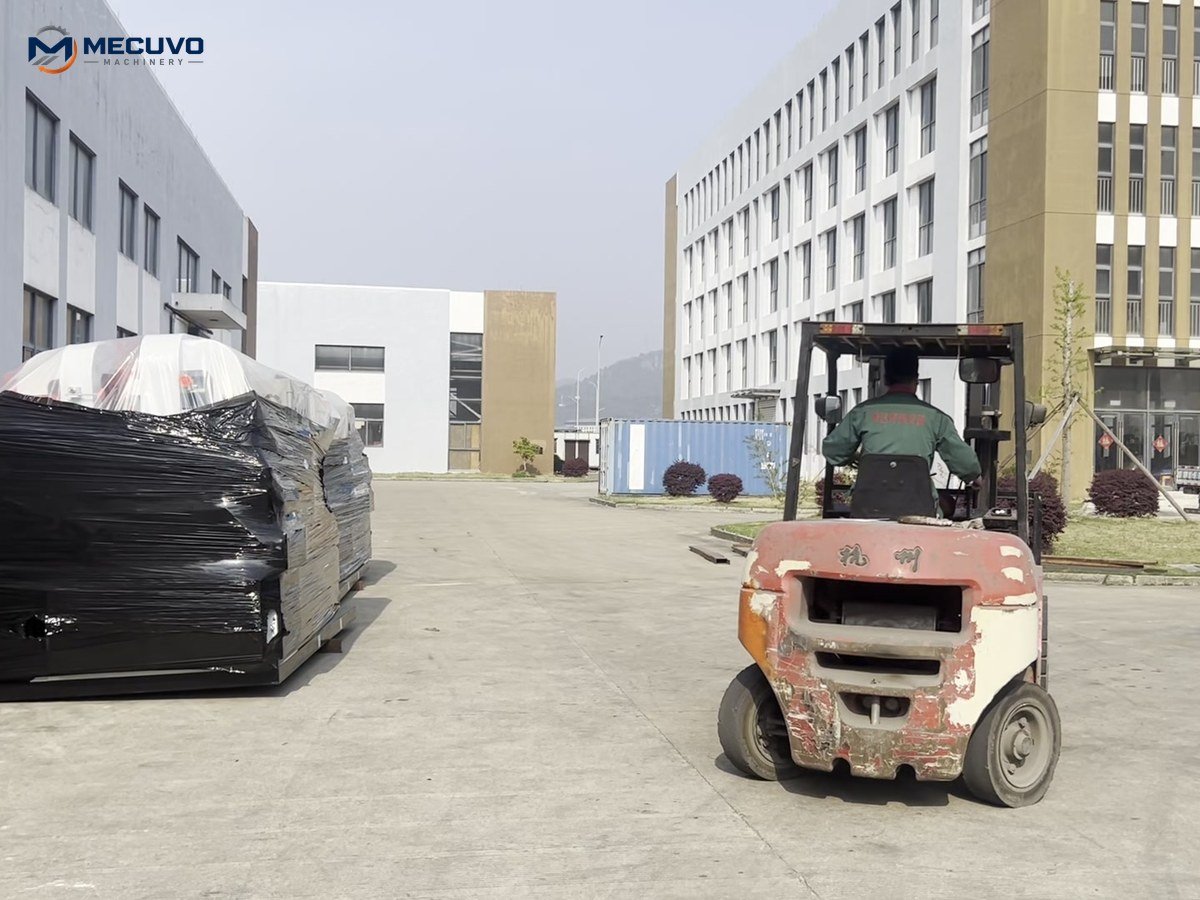
Kazakhstan forms a single customs space within the Eurasian Economic Union, where industrial machinery imports must comply with harmonized safety codes. Imported copper wire granulators must satisfy EAEU Technical Regulations TR CU 010/2011 (Machinery Safety) and TR CU 004/2011 (Low-Voltage Equipment), requiring an EAC Declaration of Conformity (EAC DoC) registered in the unified EAEU registry by an accredited applicant entity legally registered within the EAEU.
Technical Standards Codified by the Eurasian Economic Union
Scrap metal processors establishing recycling operations in Kazakhstan must navigate the unified regulatory framework established by the Eurasian Economic Union (EAEU), comprising Kazakhstan, Armenia, Belarus, Kyrgyzstan, and the Russian Federation. The statutory requirements governing industrial machinery are codified on the official Eurasian Economic Union Legal Portal.
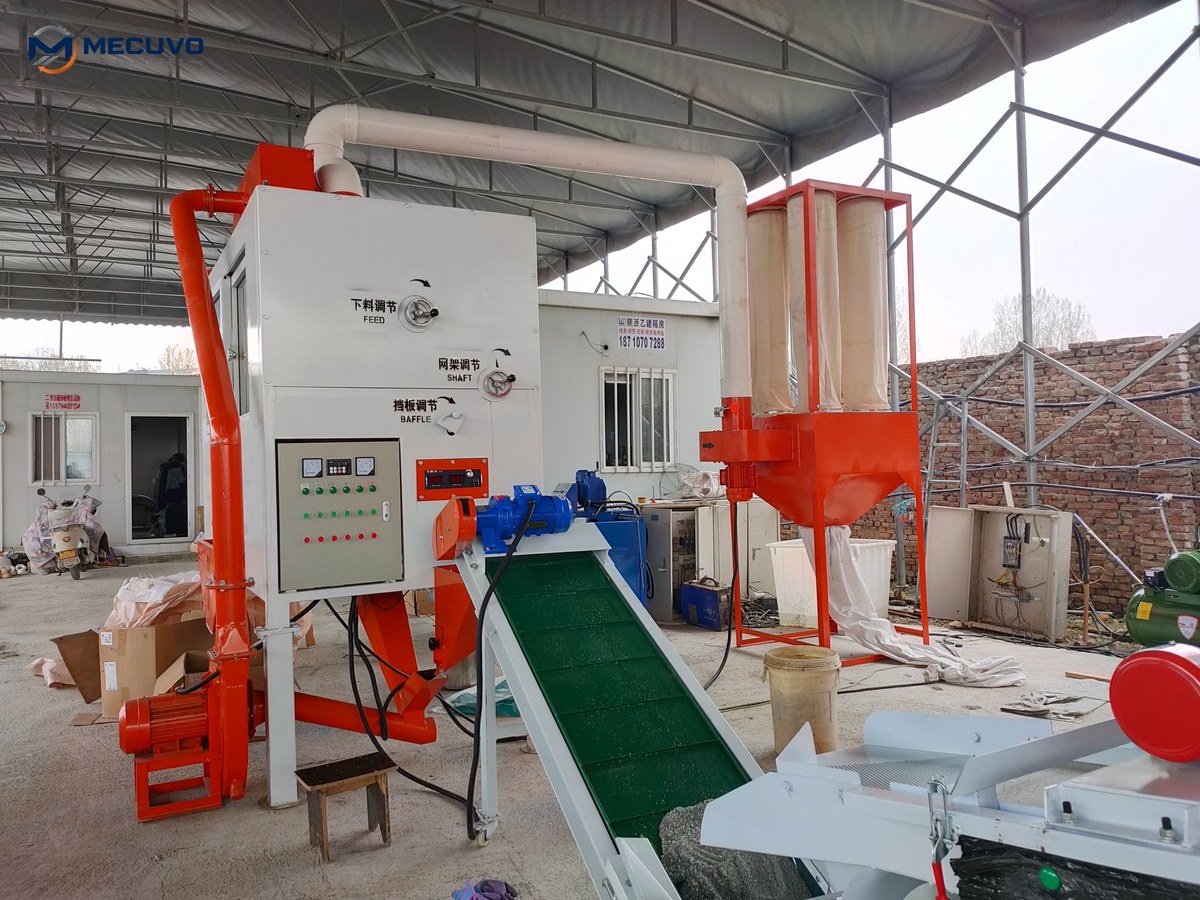
For mechanical cable recycling plants, the overarching safety legislation is Technical Regulation TR CU 010/2011 (‘On the safety of machinery and equipment’). This code establishes mandatory engineering baselines for machine guarding, emergency stop functionality, acoustic pressure thresholds, and structural load calculations under severe industrial duty cycles. In addition, granulator electrical cabinets, auxiliary conveyors, and blower motors fall under Technical Regulation TR CU 004/2011 (‘On the safety of low-voltage equipment’) and TR CU 020/2011 (‘Electromagnetic compatibility of technical equipment’).
To obtain customs clearance into Kazakhstan, the commercial importer must secure an EAC Declaration of Conformity (Декларация о соответствии ЕАЭС) registered in the unified EAEU registry. This filing requires:
- Safety Justification (Обоснование безопасности per GOST 33855 / TR CU 010): A mandatory comprehensive risk analysis dossier outlining safety margins, interlock circuits, operating thresholds, and lifecycle maintenance criteria, prepared by the manufacturer or applicant.
- Technical Passport (Технический паспорт) & Operation Manual: Factory operational, installation, and maintenance documentation drafted in Russian and Kazakh alongside equipment serial plates.
- Factory Conformity Documentation: Factory acceptance test reports, electrical schematics, and structural engineering certifications.
MECUVO machines are engineered to conform with rigorous international manufacturing principles, and all electrical parameters and component certifications are specified per order and confirmed in writing in the commercial contract.
What Customs Clearance Procedures and VAT Obligations Apply in Kazakhstan?
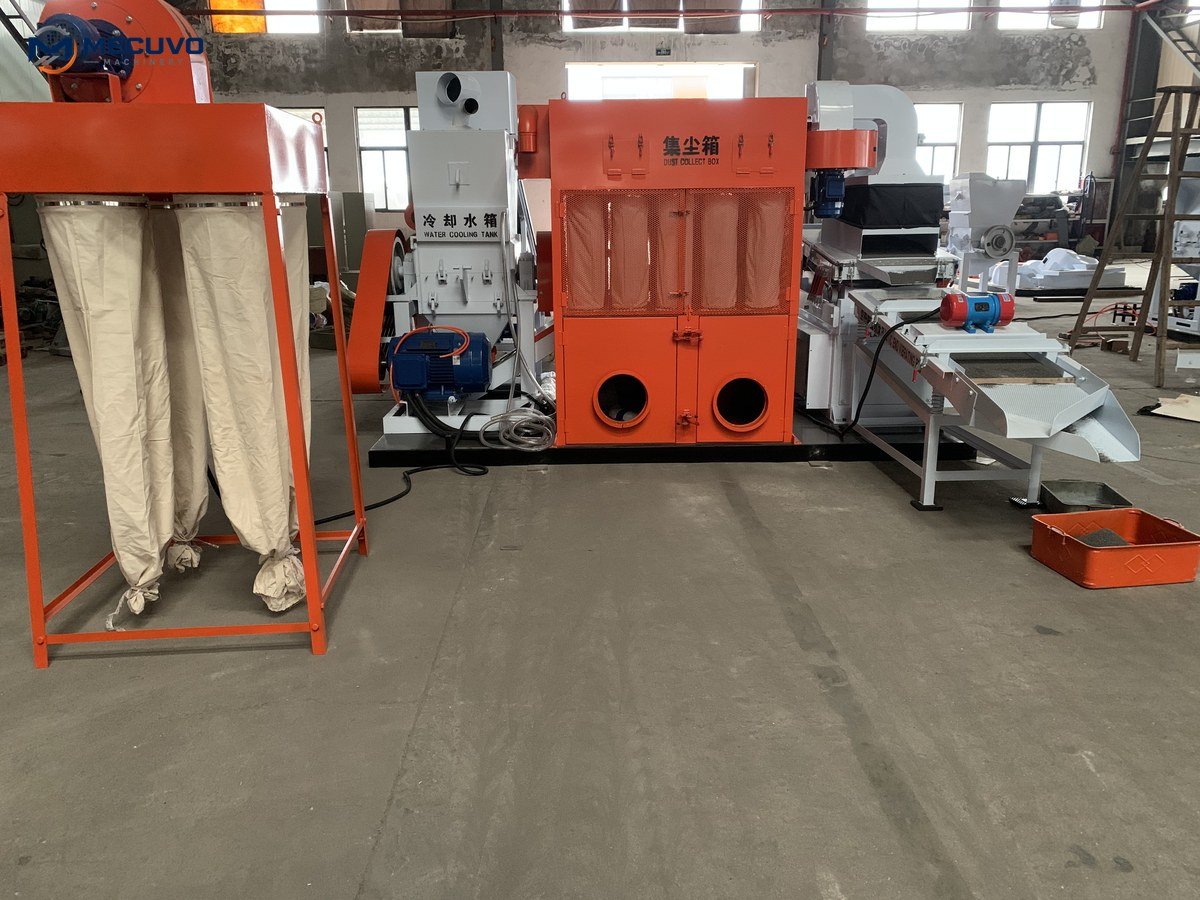
Electronic clearance through Kazakhstan’s national tax authority requires precise commodity classification and valuation. Customs declarations are submitted via the automated KEDEN system to the State Revenue Committee; while the standard import VAT is 16%, qualifying technological manufacturing equipment may qualify for VAT offset under Articles 508 and 509 of the New Tax Code.
Electronic Declaration via KEDEN and Commodity Classification
Customs clearance across all border checkpoints in Kazakhstan is administered by the State Revenue Committee of the Ministry of Finance (KGD). Importers or their appointed customs representatives submit electronic goods declarations (Декларация на товары / ДТ) primarily through the online KEDEN information system (ИС КЕДЕН), launched in April 2026 to supersede the legacy ASTANA-1 portal (which remains in transitional status for older filings). Access requires an Electronic Digital Signature (EDS / ЭЦП) issued by the National Certification Authority of the Republic of Kazakhstan (НУЦ РК).
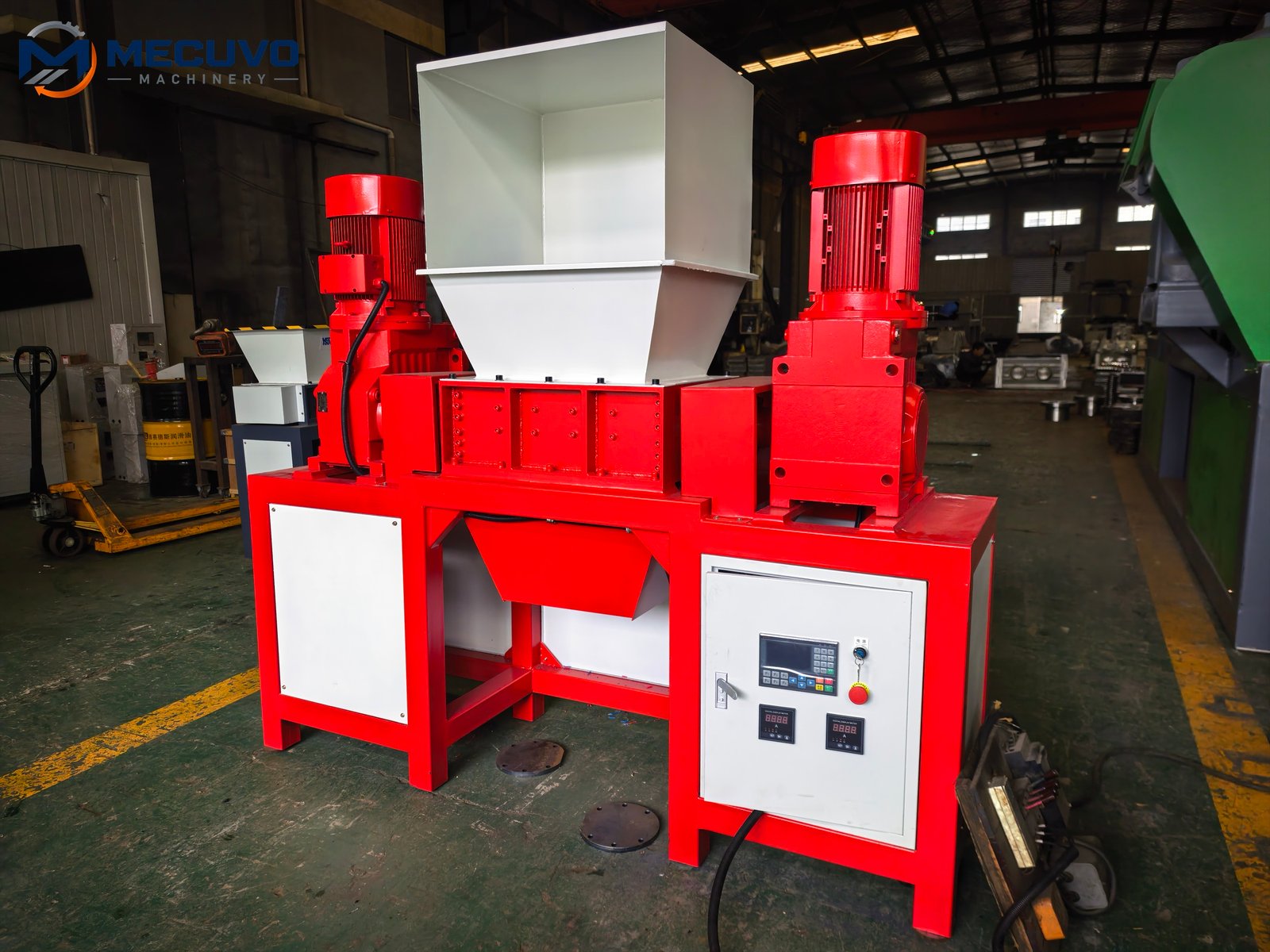
Machinery classification follows the unified Commodity Nomenclature of Foreign Economic Activity (TN VED EAEU), administered by the Eurasian Economic Commission. Mechanical recycling machinery, cable granulators, and granulating mills fall under Chapter 84 of the Common Customs Tariff (CCT EAEU). Base customs duty rates for industrial equipment typically range between 0% and 5%, depending on the specific mechanical design, integrated shredding capabilities, and multilateral trade concessions. While standard standalone machines can be cleared directly through standard broker entries, importers bringing in complex modular lines or integrated dual-shaft shredder systems are strongly advised to apply for an optional advance tariff classification ruling (предварительное решение по классификации товара) from the State Revenue Committee prior to shipping to confirm duty rates.
Value-Added Tax (VAT) and the Articles 508–509 Offset Method
Under Kazakhstan’s New Tax Code effective from 2026, the standard import Value-Added Tax rate is 16% (replacing the previous 12% baseline), levied on the combined customs taxable value (CIF/CIP border value plus customs duties and customs fees). However, to foster domestic manufacturing and secondary raw material processing, Articles 508 and 509 of the Tax Code provide a vital cash-flow mechanism: the VAT Offset Method (НДС методом зачета).
Under Government Resolution No. 1199 (dated December 31, 2025) and Articles 508/509 of the New Tax Code, eligible technological equipment classified under approved TN VED codes and imported for direct production/processing by qualifying registered taxpayers can account for import VAT by the offset method simultaneously on the customs declaration and corporate tax returns. This eliminates the requirement to disburse upfront 16% cash payments at the border terminal, preserving critical liquidity for site preparation and feedstock acquisition.
What Overland Transit Corridors and Plant Utilities Ensure Successful Commissioning?
Landlocked Central Asian facilities rely on heavy rail corridors and robust 380V/50Hz power infrastructure. Shipments from manufacturing plants reach Kazakhstan via the Dostyk or Altynkol border dry ports, requiring heated indoor winter installation and standard 380V three-phase electrical distribution.
Multimodal Logistics: The Khorgos and Dostyk Gateways
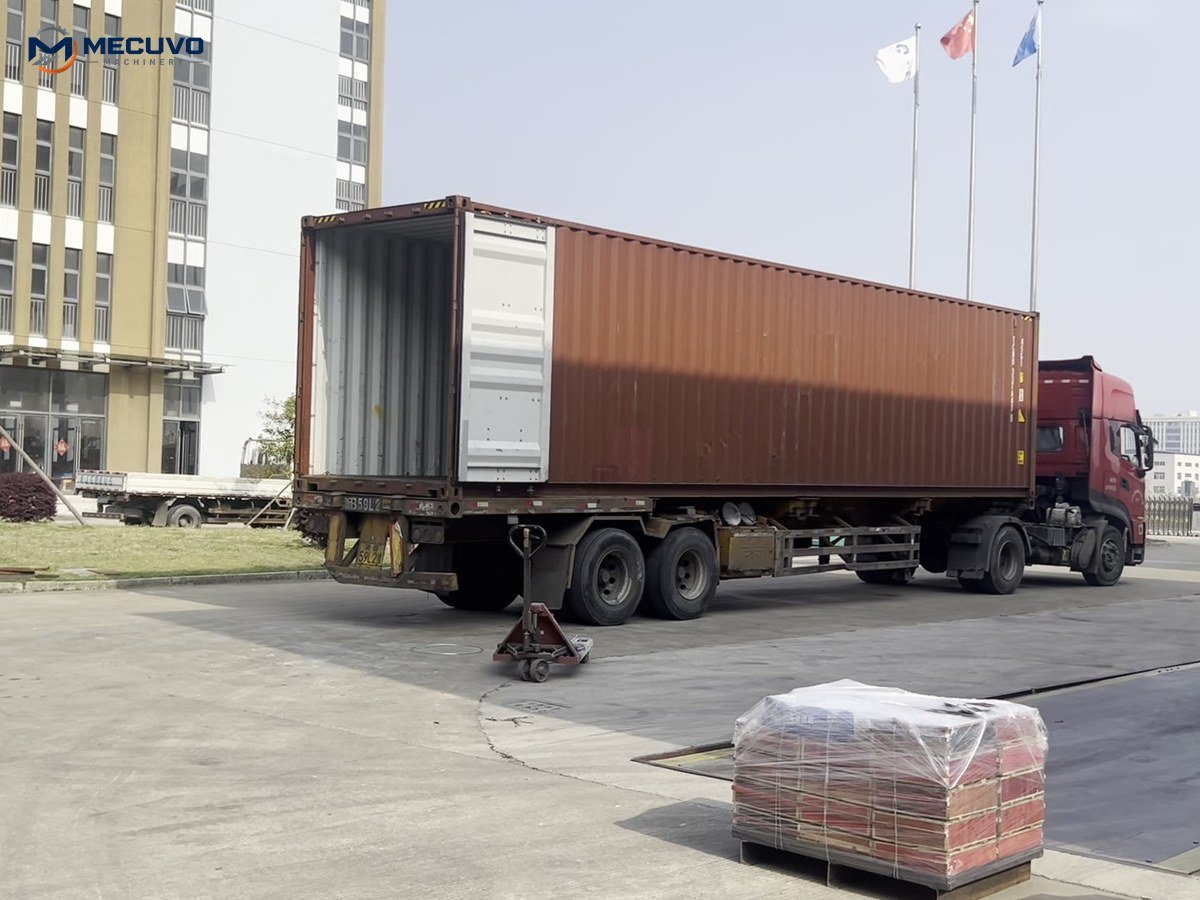
Because Kazakhstan is landlocked, international machinery logistics rely heavily on overland rail corridors. Maritime container shipments from coastal manufacturing hubs transfer onto broad-gauge (1520 mm) rail flatcars at primary border logistics hubs:
- Altynkol / Khorgos Gateway: The primary modern intermodal container hub connecting western China to Almaty, Taraz, and Shymkent.
- Dostyk / Alashankou: The established northern rail corridor serving central and northern industrial hubs, including Karaganda, Pavlodar, and Astana.
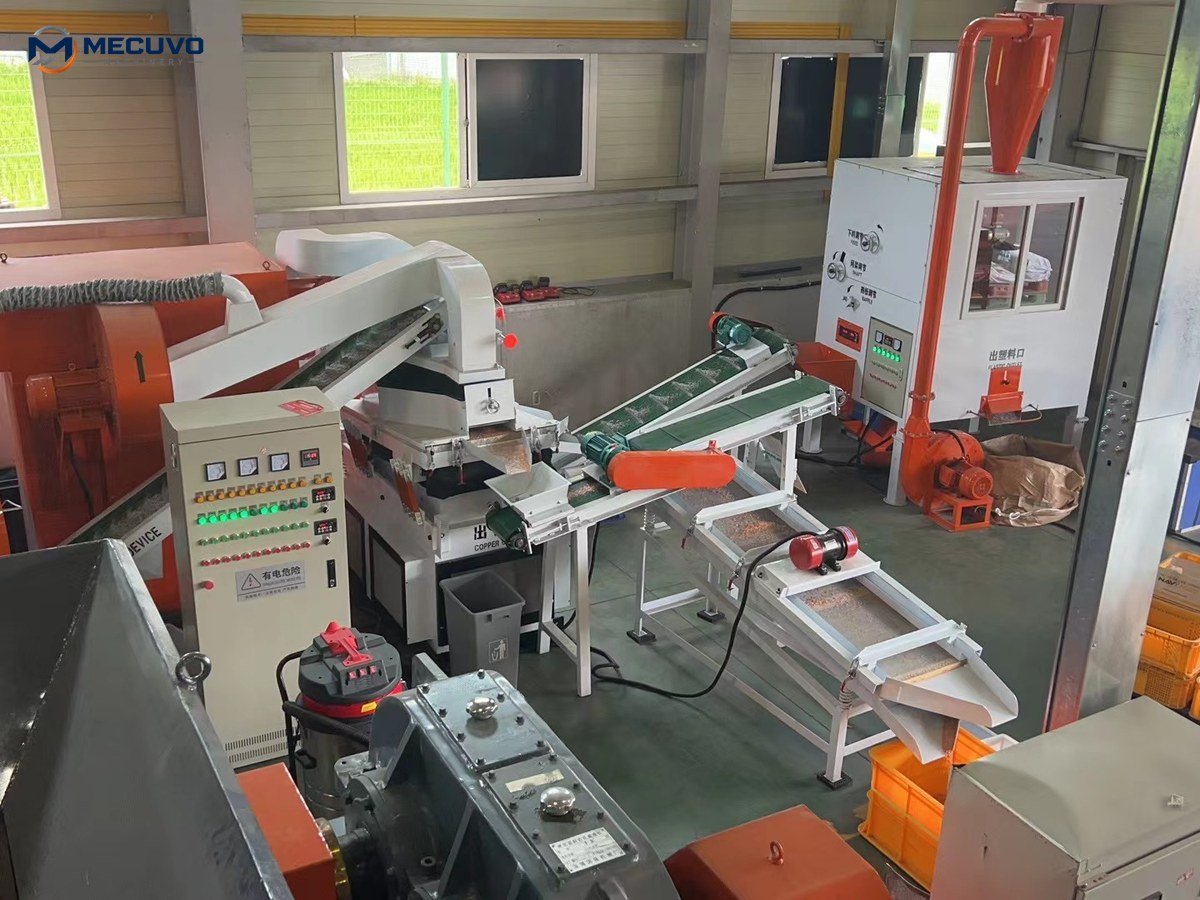
Heavy granulator mainframes must be secured onto heavy-duty wooden skids with steel banding and moisture-barrier vapor wrap inside standard 40-foot High-Cube (40HQ) maritime containers, protecting sensitive cutting rotors and electrical enclosures from rail transit vibration.
Electrical Parameters and Extreme Climate Considerations
Industrial power grids throughout Kazakhstan operate at 380V three-phase alternating current at 50 Hz. Recyclers must ensure that incoming transformer capacity accommodates granulator motor startup currents, and that main control panels feature thermal overcurrent relays and phase failure protection. For comprehensive factory layout recommendations, consult our guide on installing and commissioning a copper granulator.
Furthermore, the severe continental climate in Central Asia—where winter temperatures drop below -25°C—requires operating hydraulic power packs and air separation tables inside insulated, climate-controlled buildings. Chilled hydraulic oil increases shear friction, while cold ambient air density alters fluidisation dynamics on vibrating separation decks.
| Project Phase | Administrative / Logistical Requirement | Responsible Entity | Key Documentation Deliverable |
|---|---|---|---|
| Commercial Agreement | Bilingual sales contract with bank currency control registration | Buyer & Commercial Bank | Foreign Trade Contract, Deal Passport |
| Technical Conformity | EAEU safety certification under TR CU 010/2011 and TR CU 004/2011 | EAEU Certification Body | EAC Declaration of Conformity |
| Overland Transport | Containerized rail carriage via Altynkol or Dostyk dry port | Freight Forwarder | SMGS / CIM Rail Consignment Note |
| Customs Clearance | Electronic filing and customs valuation through KEDEN (transitional legacy ASTANA-1) | Licensed Customs Broker | Electronic Customs Declaration (ДТ) |
| Tax Administration | 16% standard Import VAT assessment or Articles 508/509 VAT offset registration (Resolution No. 1199) | State Revenue Committee (KGD) | Tax Exemption / Offset Certificate |
| Facility Commissioning | 380V/50Hz power hookup, foundation anchoring, and trial run | Plant Technical Team | Commissioning Protocol & Logbook |
To examine industrial model configurations and processing capacities, review our complete line of copper granulator machines.
To discuss logistics, customs documentation, or customized 380V/50Hz machinery specifications for your Central Asian facility, submit your target cable volumes to our engineering specialists via our direct contact form.
Key Takeaways
Importing an industrial copper wire granulator into Kazakhstan requires registering an EAC Declaration under TR CU 010/2011 and TR CU 004/2011, executing electronic clearance primarily via KEDEN, and leveraging the Tax Code Articles 508 and 509 VAT offset method to optimize cash flow.
— YOUR RECYCLING PROJECT
Find the right machine for your material.
Tell us your material and required capacity.
Or email sales@mecuvo.com