Table of Content
To advertise rock-bottom prices, unscrupulous machinery exporters secretly swap out heavy structural components for lightweight sheet metal, rewound scrap motors, and counterfeit bearings. Protecting your recycling business requires a hands-on physical inspection protocol: testing motor winding resistance for aluminum fraud, measuring cutting chamber plate thickness with ultrasonic gauges (must be ≥20 mm solid steel), and verifying laser-engraved bearing race codes. This technical tear-down reveals the hidden manufacturing compromises that cause budget granulators to seize, warp, and fail within 90 days of operation.
How do you detect copper-clad aluminum (CCA) and rewound motors?
I teach industrial buyers how to verify electric motor winding metallurgy and expose fraudulent nameplates. Test phase-to-phase micro-ohm electrical resistance, scrape stator winding lacquer to expose silver aluminum cores, and reject motors lacking genuine factory test certificates or IE3 efficiency ratings.
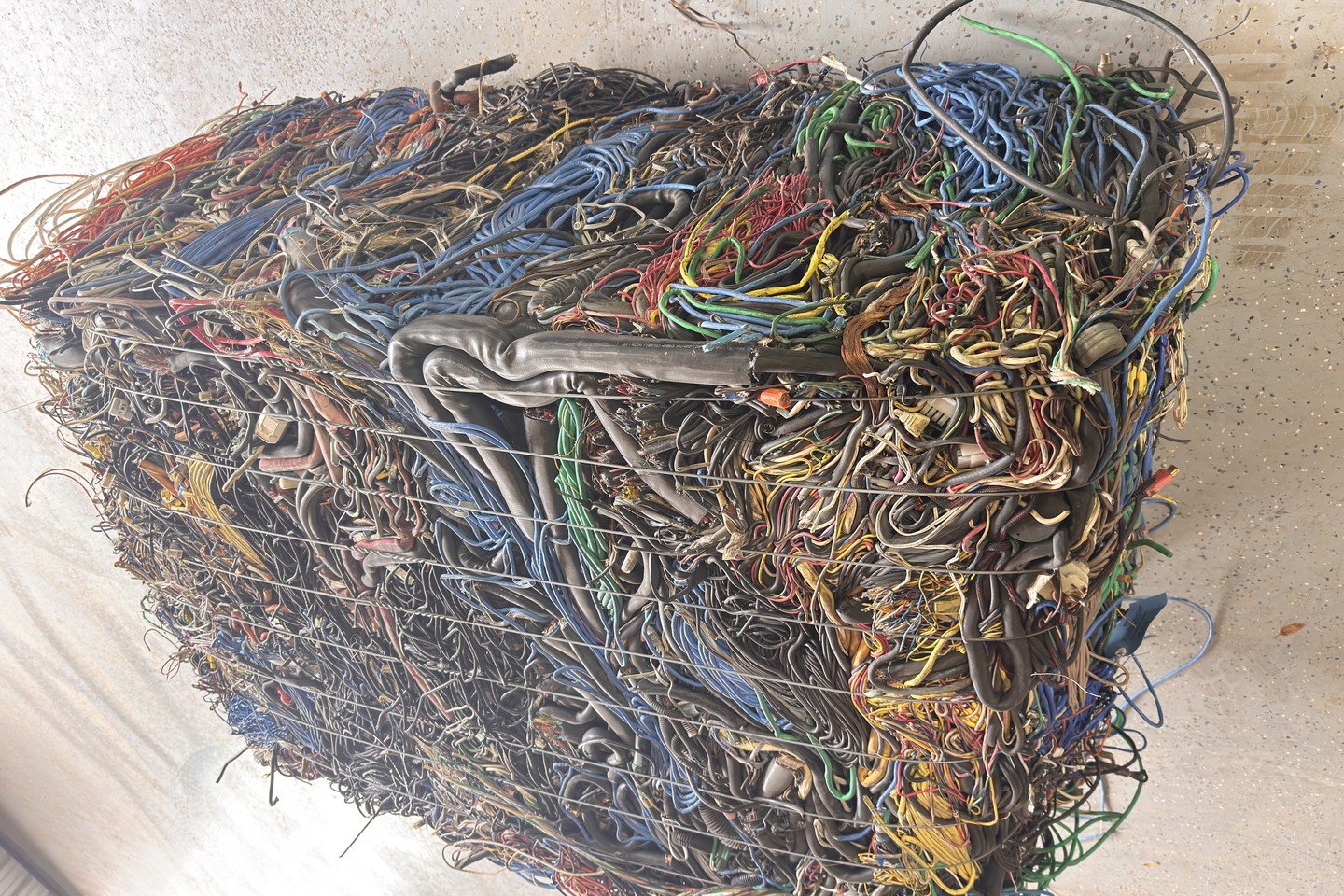
Motor winding metallurgy, CCA electrical resistance anomalies, and counterfeit brand badges
The main electric motor powers the heavy cutting rotor against continuous impact shocks. Budget suppliers compromise here because motors are expensive:
- The Copper-Clad Aluminum (CCA) Scam: Aluminum wire is 70% cheaper than copper. Disreputable suppliers wind stators using aluminum wire coated in a microscopic wash of copper lacquer. Aluminum has 61% higher electrical resistance than copper. Under continuous load shearing tough copper wire, CCA motors generate massive $I^2R$ thermal heat, melting internal slot insulation and burning out within 200 operating hours.
- The Scratch Test & Resistance Verification:
- Scratch Test: With power disconnected, open the terminal box and use a razor blade to scrape the enamel coating off a stator lead. If the underlying metal shows silver-white instead of reddish-gold, you have uncovered aluminum fraud.
- Micro-Ohm Metering: Measure phase-to-phase DC resistance across terminals $U-V-W$. A genuine copper-wound 37 kW (50 HP) motor has a tightly balanced phase resistance under 0.05 Ohms. CCA motors show substantially higher resistance and wide phase imbalance.
- Counterfeit Siemens / ABB Riveted Badges: Budget suppliers buy $300 generic motors and rivet counterfeit embossed metal nameplates bearing world-famous logos. Require the original manufacturer test certificate with matching factory serial numbers.
Why does frame steel thickness dictate cutting chamber lifespan?
I explain how structural frame deflection ruins knife clearances and causes catastrophic fatigue cracks. Budget granulators use flimsy 8–10 mm sheet steel that deflects under cutting torque, widening blade gaps and cracking welds; heavy-duty commercial machines utilize 20–25 mm solid Q345B plate that maintains a rigid 0.15 mm knife gap.
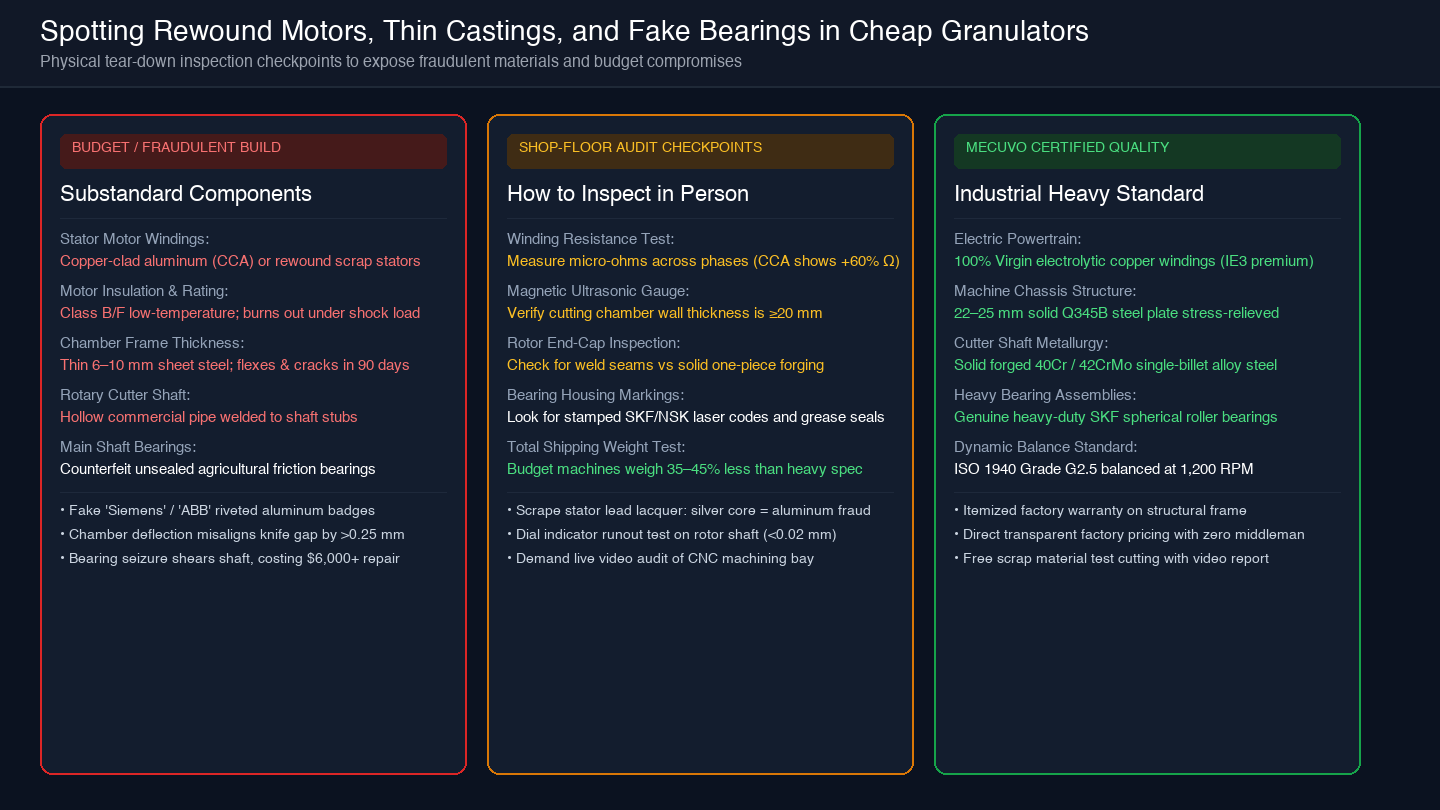
Chamber wall plate thickness, cyclic deflection tolerances, and thermal stress relief
Cutting cable generates immense reciprocating shock loads that transmit directly into the machine housing:
- The Sheet Metal Trap (<10 mm): To save steel weight, cheap machines are fabricated from light 8 mm to 10 mm carbon steel sheet. When processing dense industrial wire, cutting forces cause the cutting chamber sidewalls to flex elastically by 0.12 mm to 0.18 mm. If your knife clearance was calibrated to a tight 0.15 mm, this structural deflection causes rotating knives to clash into bed knives, shattering tool steel.
- The Industrial Standard (20–25 mm Solid Plate): Premium granulators feature heavy 20 mm to 25 mm solid structural steel plate construction. Critical stress-bearing housings are heat-treated in thermal stress-relieving annealing ovens after welding to neutralize internal residual stresses. The massive structural mass deadens acoustic sound and guarantees rigid knife alignment under maximum processing loads.
How do you identify counterfeit bearings and unsealed pillow blocks?
I demonstrate how to inspect main rotor bearing assemblies and expose cheap agricultural friction bearings. Inspect bearing housings for genuine SKF or NSK laser-etched codes, ensure double labyrinth dust seals prevent microscopic copper dust ingress, and verify automatic grease purging channels.
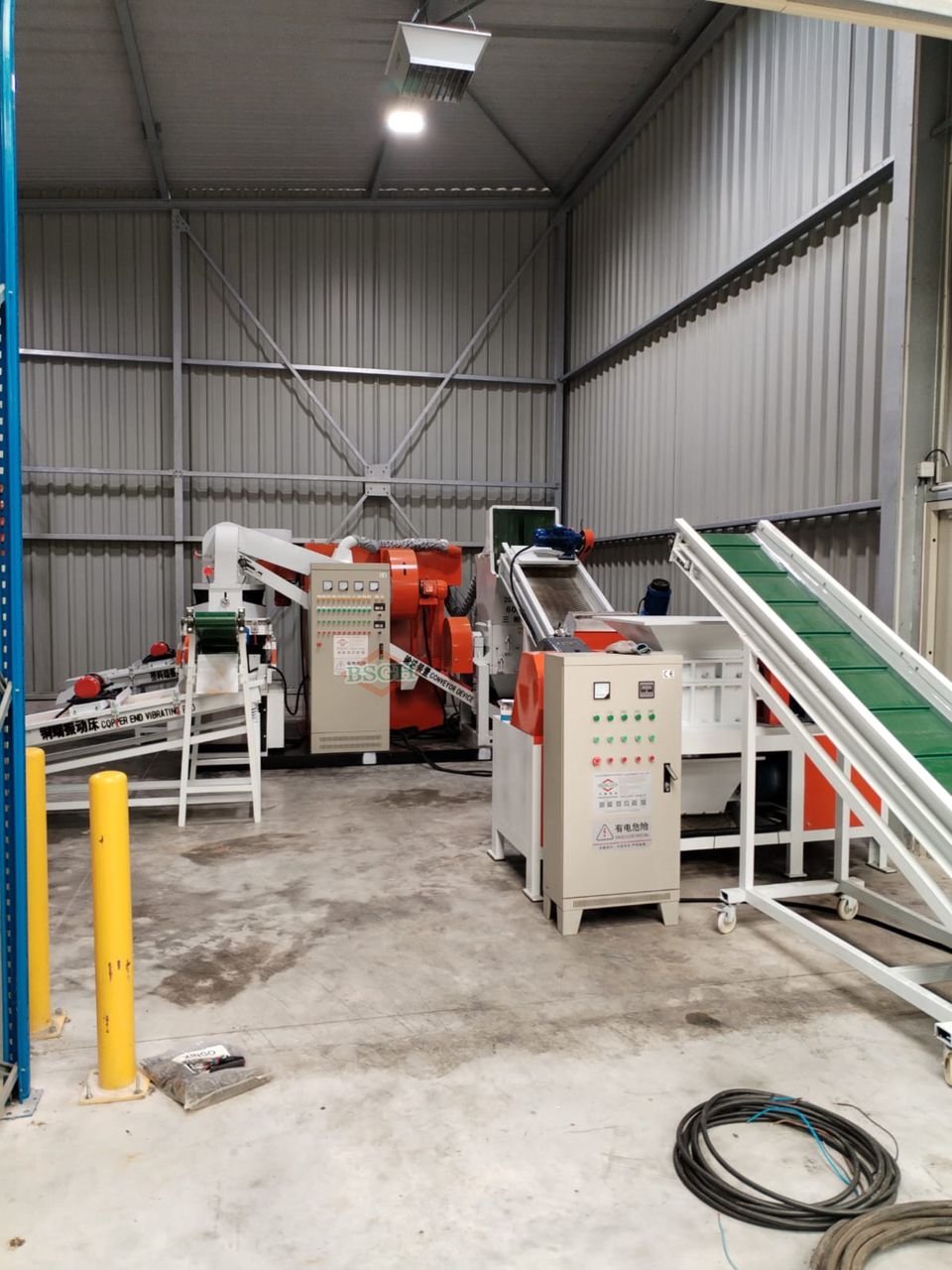
Spherical roller bearings, microscopic dust ingress, and external pillow block mounting
The main rotor shaft spins at 550 RPM under severe radial and axial shock loads:
- The Counterfeit Bearing Hazard: Counterfeit bearings flooded the machinery market. Cheap unbranded friction bearings use soft, poorly heat-treated steel races that develop severe brinelling and pit within 3 months. When the bearing fails, the rotor drops, chewing into the machine housing and destroying both knives and shaft.
- External Pillow Block Mounting: On poorly designed machines, bearings are mounted flush inside the cutting chamber wall, exposed to hot polymer dust and sharp copper needles. Premium granulators mount bearings externally on standoffs 50 mm away from the chamber wall, separated by double labyrinth seals and air-purged dust slingers so fine copper dust can never penetrate bearing grease.
What physical shop-floor tests should buyers demand before shipment?
I outline the four non-negotiable physical tests every buyer must demand before releasing final payment. Require dynamic balancing reports (ISO G2.5), an ultrasonic steel thickness scan, a 2-hour full-load motor thermal test, and a live video cutting trial using certified scrap wire.
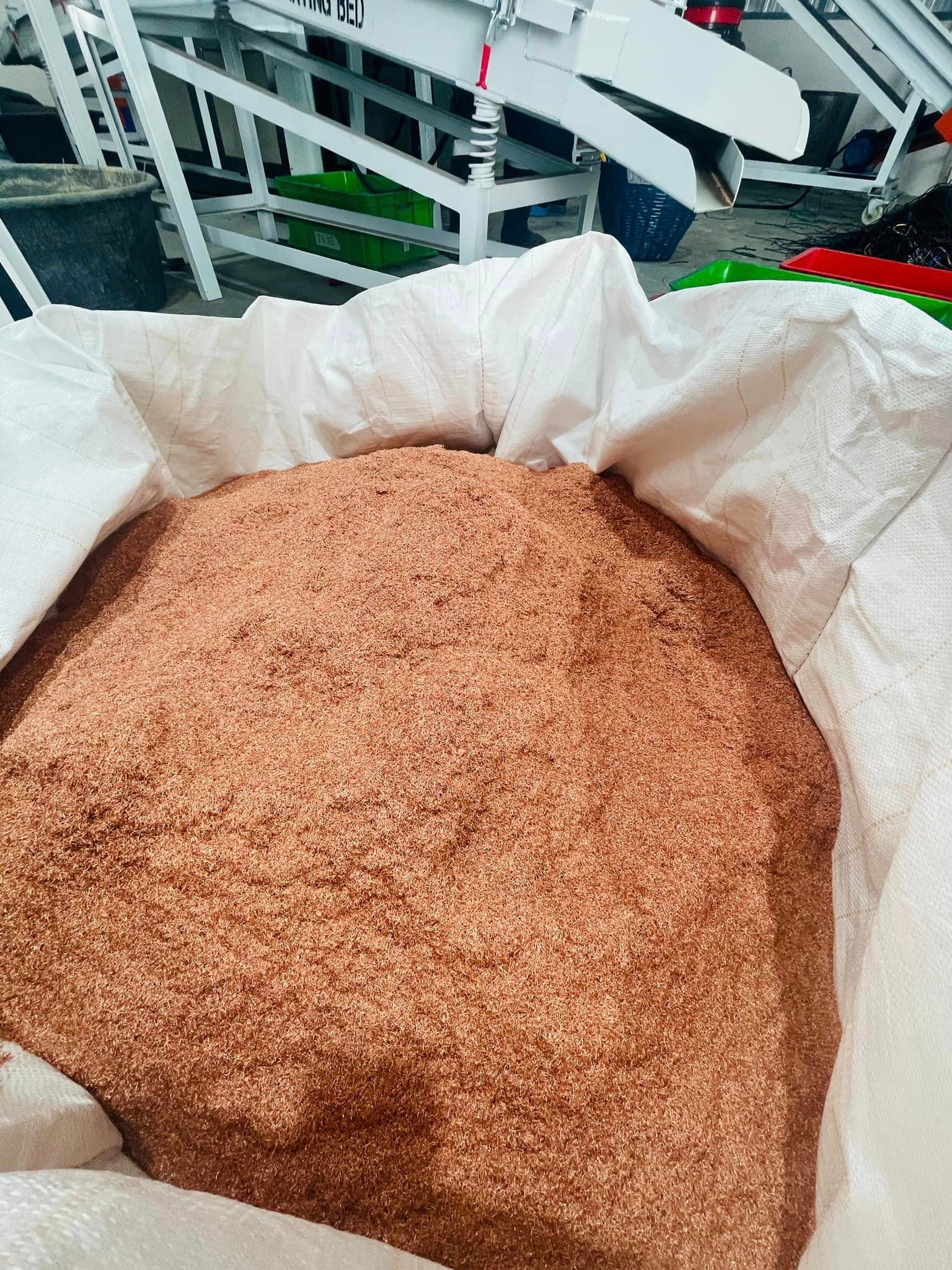
Dynamic balancing verification, ultrasonic thickness gauges, and 2-hour full-load thermal run
Demand these four verifiable quality checkpoints in writing:
- Dynamic Balancing Certificate: The rotor must be dynamically balanced to ISO 1940 Grade G2.5 at 1,200 RPM, with vibration velocity under 2.8 mm/s RMS.
- Ultrasonic Plate Thickness Scan: Require the factory technician to place an ultrasonic thickness gauge on cutting chamber sidewalls during a live video call to prove plate thickness meets the contract specification (≥20 mm).
- Full-Load Thermal & Amp Run: The machine must run continuously for 2 hours while temperature infrared cameras verify motor bearing temperatures stay below 70°C.
Invest in Certified Industrial Durability with MECUVO
- Free Factory Sample Testing: Ship 20–50 kg of your scrap wire to MECUVO. We will run it through our heavy-gauge granulators on video and send you high-resolution macro photos of the finished copper nodule purity.
- Custom ROI & Payback Spreadsheet: Contact MECUVO engineering to calculate your total cost of ownership and discover how heavy construction cuts downtime expenses.
- Direct Factory Price & Spec Sheet: Review certified industrial specs, solid 40Cr forged rotors, and genuine Schneider/Siemens electricals on the MECUVO copper granulator machines page.
Key Takeaways
Audit granulator components before buying: verify 100% virgin copper motor windings, insist on 20–25 mm solid steel plate housings, and demand externally mounted genuine SKF roller bearings to ensure decades of reliable service.
— YOUR RECYCLING PROJECT
Find the right machine for your material.
Tell us your material and required capacity.
Or email sales@mecuvo.com