Table of Content
Searching for a copper wire granulator on Alibaba yields hundreds of gleaming machinery listings advertising commercial capacities at unbelievable price points of $5,000 to $12,000. Navigating online B2B marketplaces successfully requires knowing how to bypass trading middlemen, detect deceptive ‘zero loss’ recovery claims, spot counterfeit electrical components, and enforce contractually binding Factory Acceptance Testing (FAT) before wiring international payments. This technical buyer’s guide details the 10 most common traps when sourcing recycling machinery abroad and provides a shop-floor due diligence checklist to guarantee you receive commercial-grade machinery.
How do you distinguish genuine factory manufacturers from trading company brokers?
I show buyers how to audit Alibaba supplier profiles, business licenses, and workshop facilities. Examine the supplier’s registered capital and business scope, check if their product catalog is focused solely on metal recycling machinery, and demand an immediate unscripted live video tour of their CNC machining workshop.
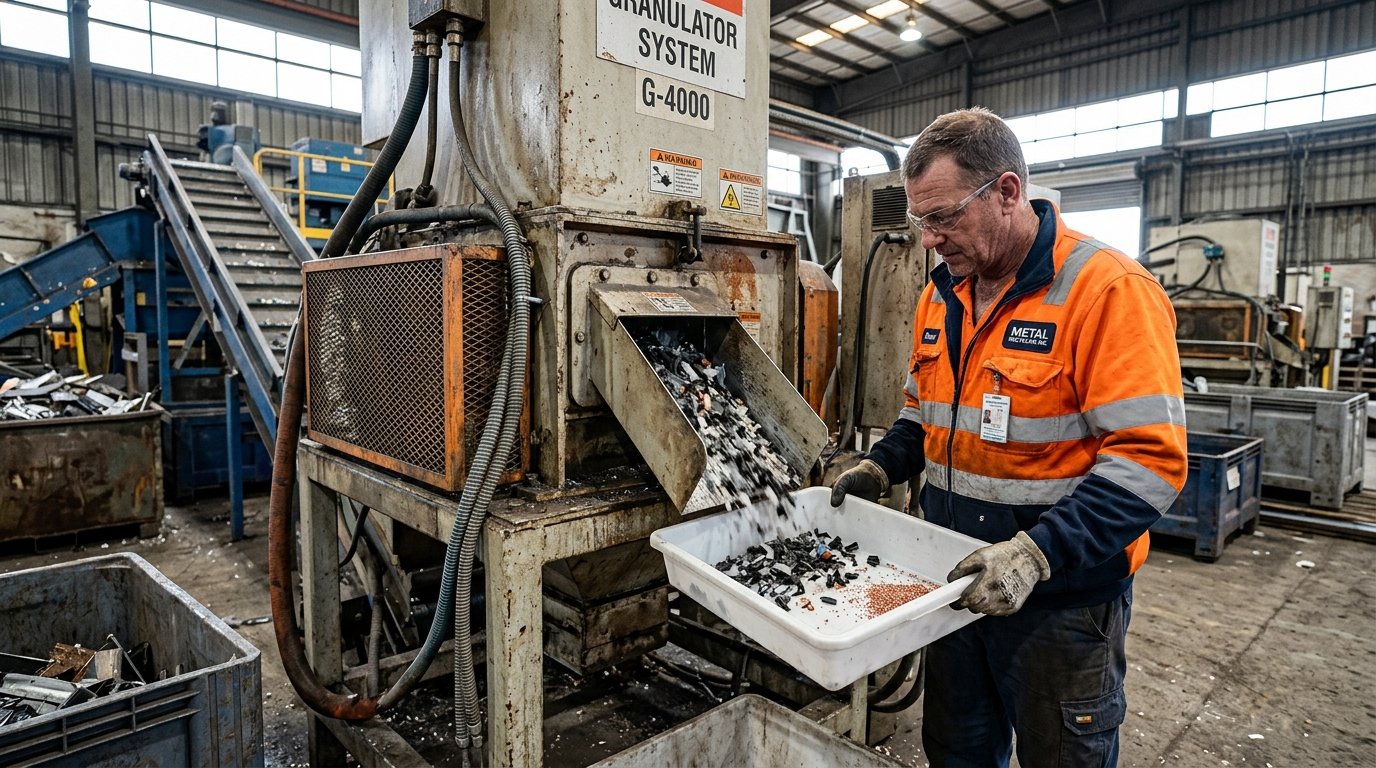
Business license verification, unified social credit code auditing, and workshop video verification
Over 65% of granulator storefronts on Alibaba are trading brokers operating out of office buildings who markup machinery from third-party workshops:
- Trap #1: The Generalist Trading Storefront: Open the seller’s full company profile. If their product catalog contains copper granulators alongside shoe machines, plastic toy extruders, and lawnmowers, they are a trading intermediary. Genuine machinery manufacturers specialize strictly in non-ferrous scrap processing and size-reduction equipment.
- Audit the Chinese Business License (营业执照): Request a copy of the supplier’s official business license. Check the Business Scope (经营范围). If the scope reads *’Sales of machinery’* (销售) rather than *’Manufacture and processing of machinery’* (生产, 制造), the company has zero factory floors.
- Trap #2: The ‘Phantom Factory’ Stock Photos: Trading intermediaries regularly steal workshop photographs from legitimate manufacturers or photoshop their logo over generic factory entrances. Require the sales representative to step onto the factory floor for an immediate, unscripted live WhatsApp or WeChat video call. Ask them to point the camera at a machine serial nameplate and show active welding and CNC machining.
What structural and component corners do budget suppliers cut?
I reveal where low-cost machinery builders strip out steel, downsize motors, and cheapen tooling. Budget suppliers cut costs by using thin sheet metal housings (<8 mm), hollow welded pipe rotors, copper-clad aluminum motor windings, and soft 9CrSi carbon steel blades that dull within 40 operating hours.
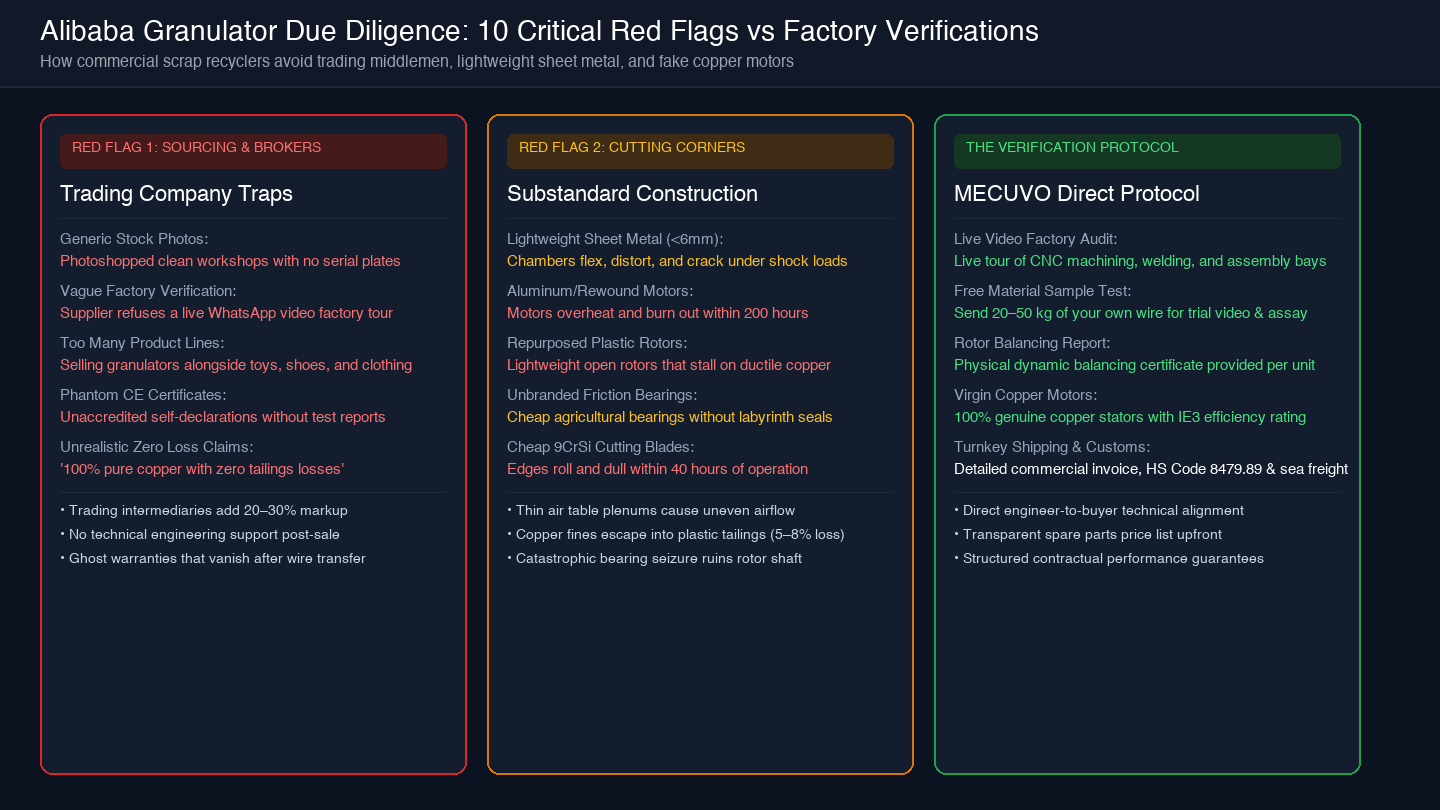
Flimsy sheet metal housings, welded pipe rotors, and fraudulent electrical nameplates
To achieve an eye-catching $6,000 price point, budget builders compromise core machine durability:
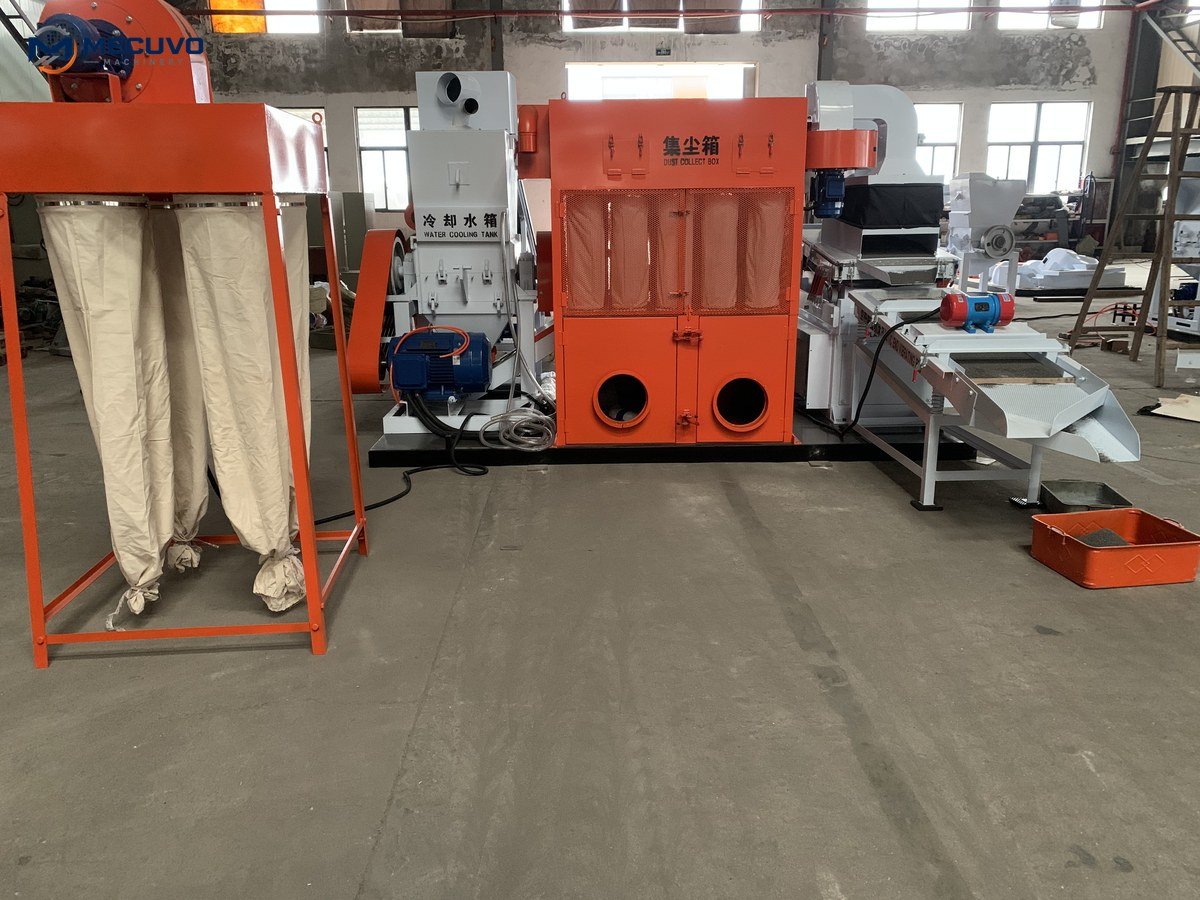
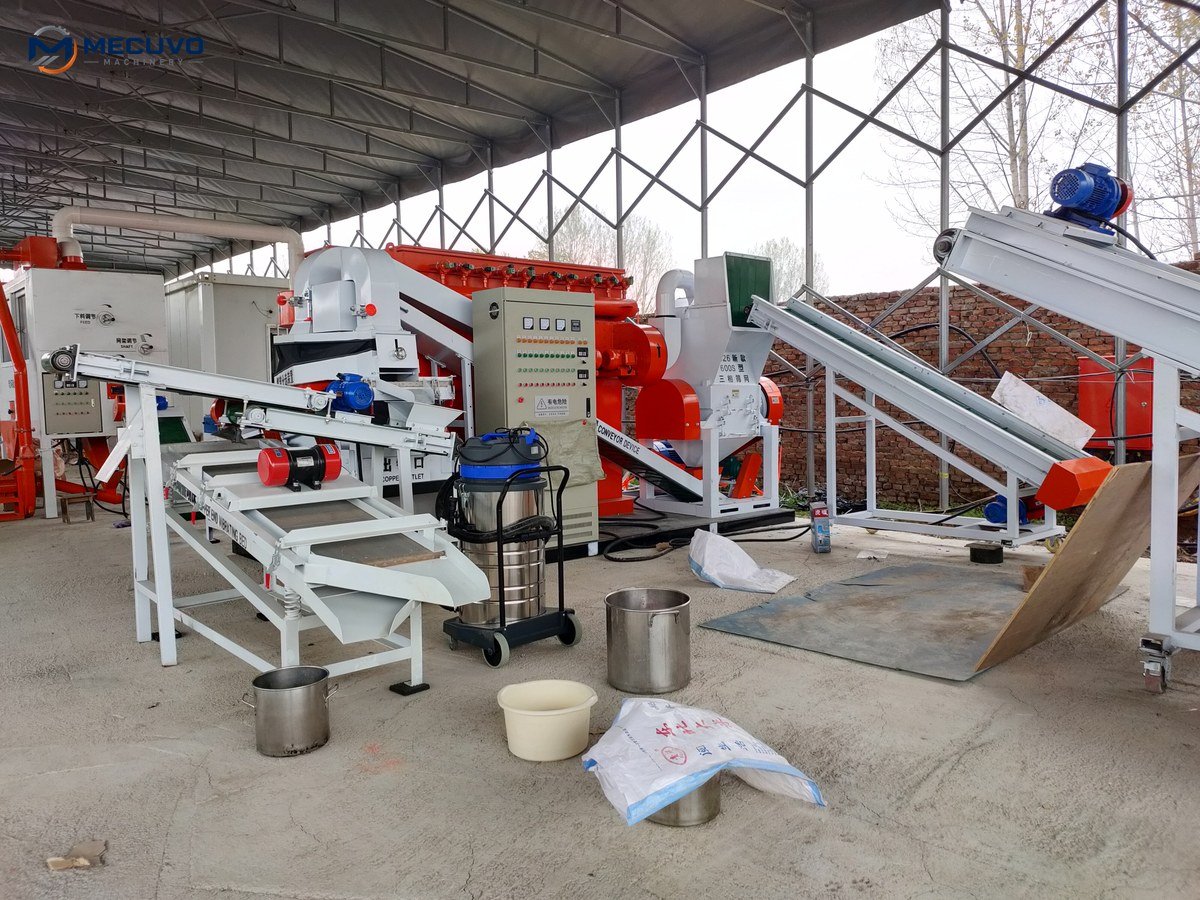
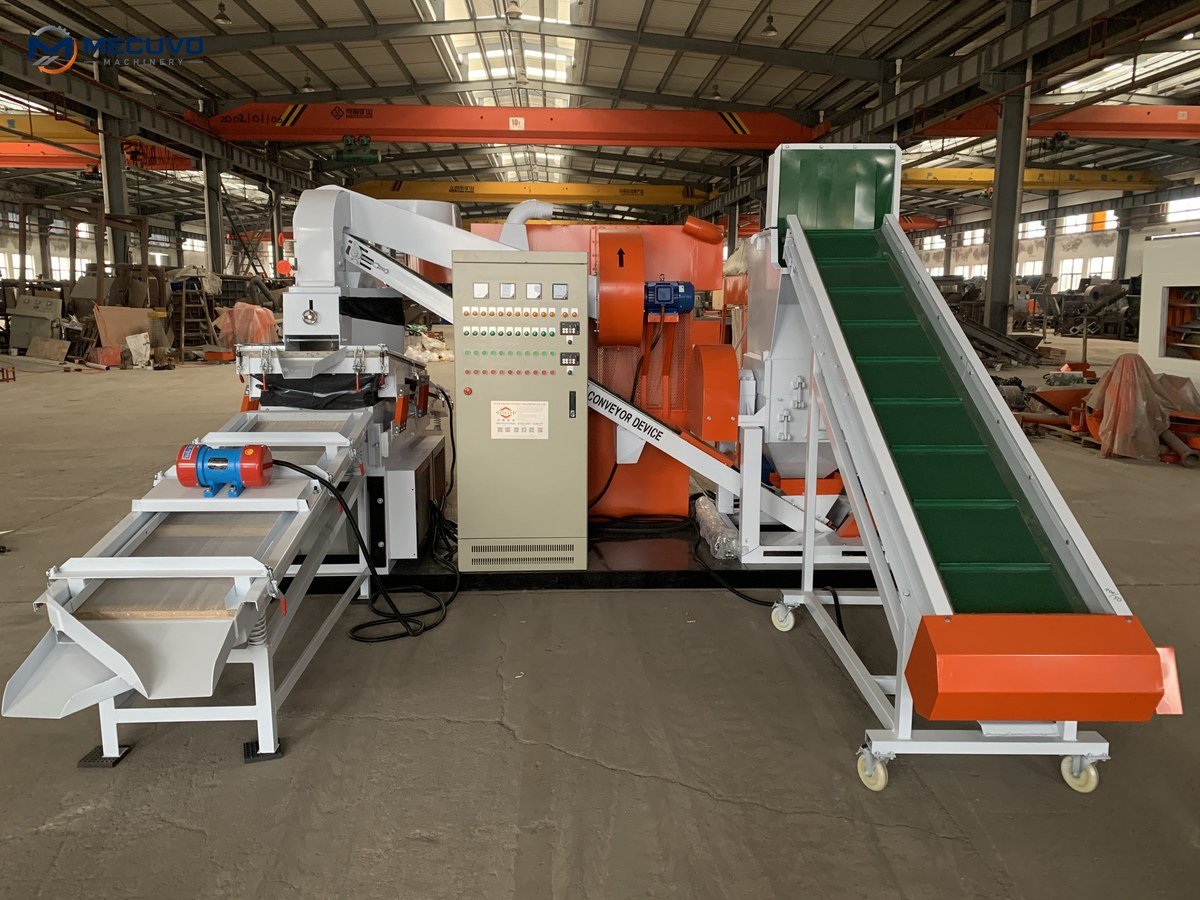
- Trap #3: Flimsy 6 mm – 8 mm Frame Steel: A commercial granulator experiences intense cyclic vibration. Quality machines feature 20 mm to 25 mm solid steel plate. Thin budget frames flex under load, widening the knife gap and causing violent blade clashes or cracked frame welds within 90 days.
- Trap #4: Welded Hollow Pipe Rotors: As exposed in our engineering audits, cheap suppliers weld knife seats onto standard commercial steel pipe rather than machining a solid forged alloy steel billet. These welds crack under impact fatigue, destroying the machine.
- Trap #5: Copper-Clad Aluminum (CCA) Motor Windings: Counterfeit motor manufacturers use aluminum wire with thin copper plating, slapping fake ‘Siemens’ badges on the casing. These motors run excessively hot, tripping breakers and burning out under tough cable loads.
- Trap #6: Inferior Tool Steel (9CrSi): Real JIS SKD-11 or AISI D2 steel costs significantly more. Budget suppliers substitute cheap low-alloy steel that loses its edge after processing just 5 to 10 tons of automotive harness scrap.
How do unrealistic capacity and ‘zero loss’ recovery claims mislead buyers?
I teach buyers how to interpret misleading throughput ratings and fictitious separation purity figures. Beware of throughput ratings measured only on heavy single-strand solid wire; insist on capacity guarantees for your specific scrap wire mix, and reject claims of ‘100% recovery’ that ignore air table physics.
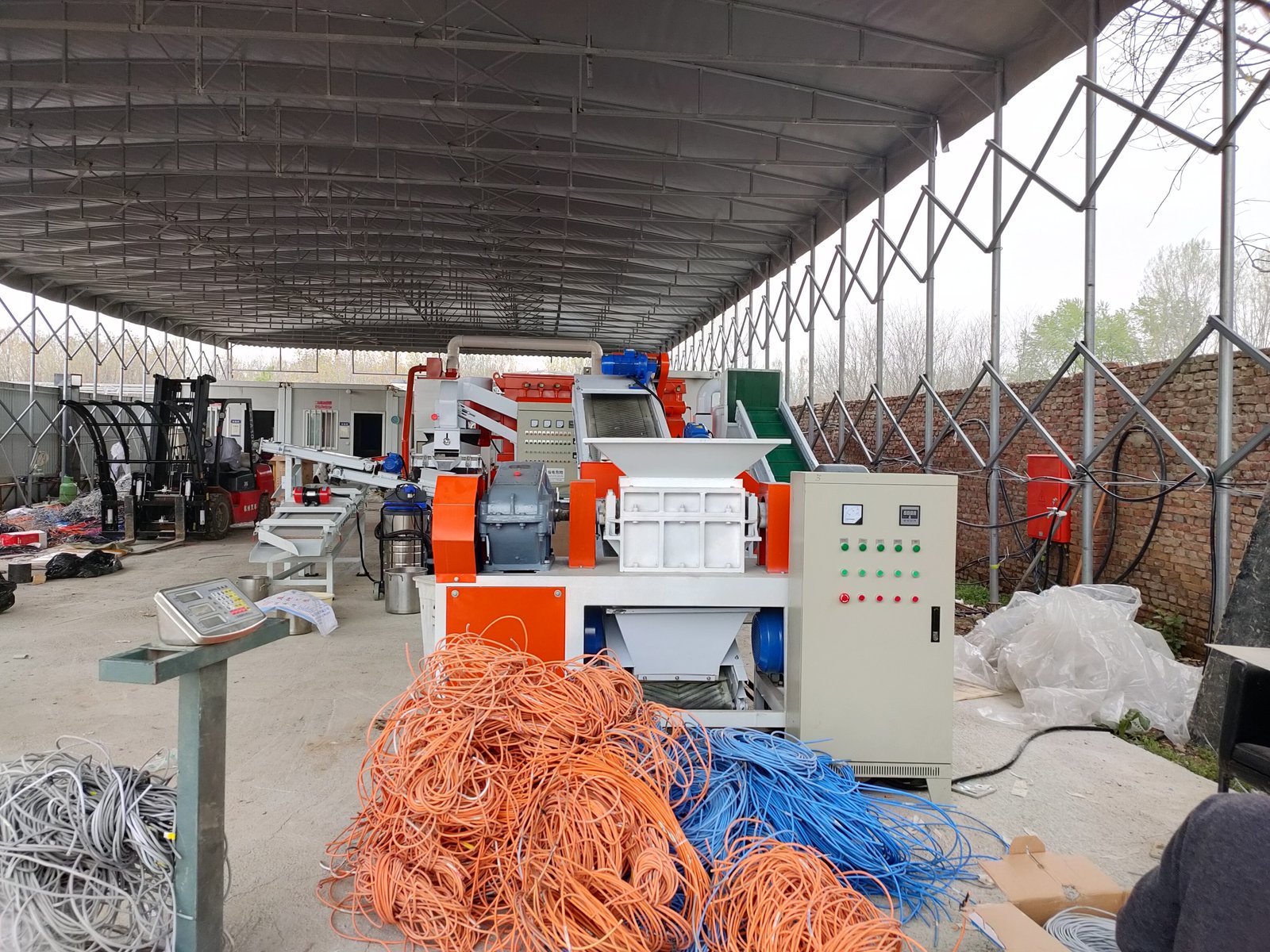
Rated throughput deception, hair-wire separation physics, and electrostatic separation
Marketing claims on online portals frequently defy physical science:
- Trap #7: Misleading Nameplate Throughput: A listing advertising *’500 kg/hr capacity’* often achieved that figure by feeding solid 16 mm² bare copper rod. When feeding tangled, low-recovery automotive wiring harness or Cat5 telecom cable, that same machine will choke and stall at 150 kg/hr.
- Trap #8: The ‘100% Zero Copper Loss’ Myth: No gravity density table on earth can separate 100% of microscopic copper hair wire (<0.2 mm diameter) without carrying some metal into plastic tailings. Genuine recovery rates of 99.5%+ require an integrated secondary electrostatic separator.
- Trap #9: Phantom CE Certificates: Many sellers display fake or self-issued CE certificates from unaccredited agencies. Demand certified test reports verifying low-voltage electrical safety (EN 60204-1) and machinery safety (EN ISO 12100).
What contract terms and payment structures guarantee buyer protection?
I provide commercial recyclers with enforceable payment milestones and Factory Acceptance Testing guidelines. Never pay 100% upfront; structure purchase contracts with 30% deposit, 60% upon passed video Factory Acceptance Test (FAT) on your scrap wire, and 10% retained against delivery documentation.
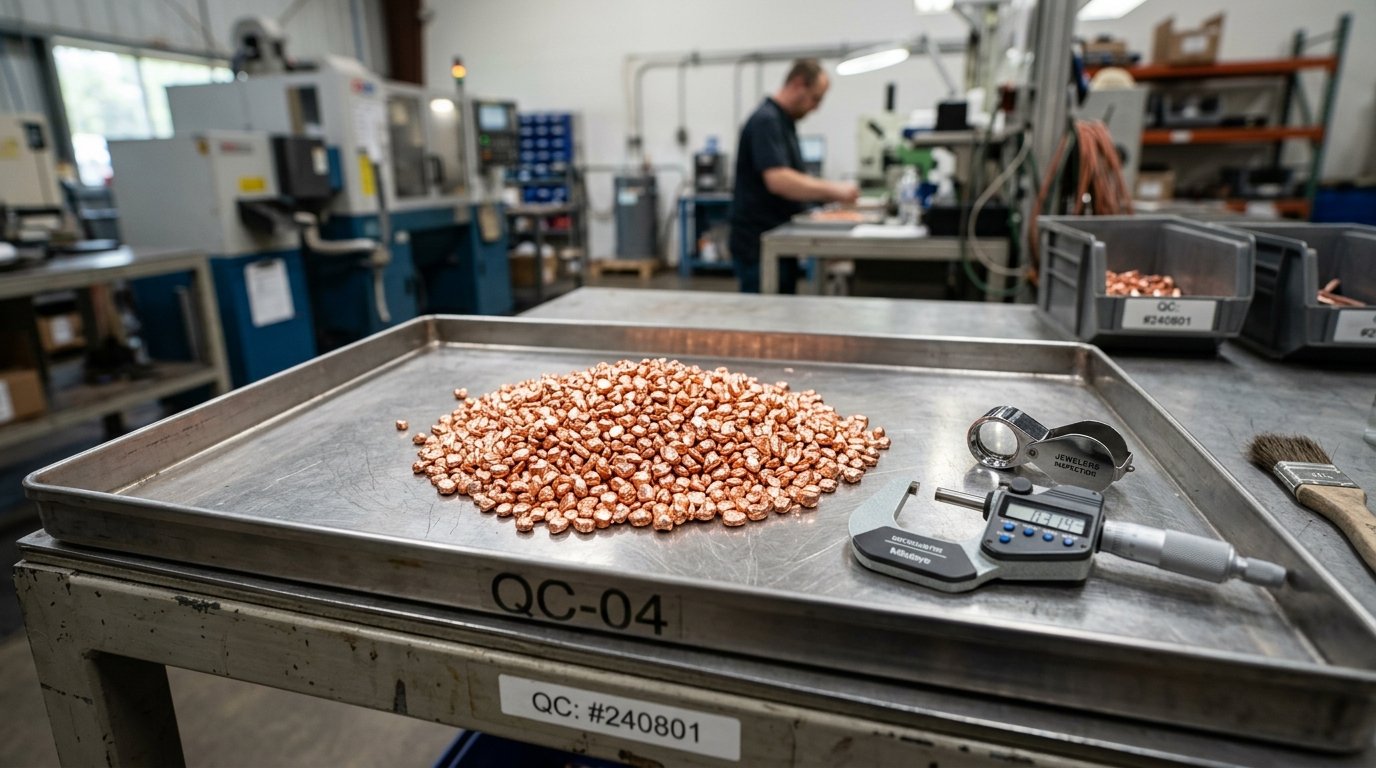
Milestone payment structuring, Letter of Credit (L/C), and pre-shipment FAT video trials
Protect your capital before signing any purchase order or transmitting bank funds:
- Trap #10: 100% Wire Transfer Before Video Verification: Once an overseas supplier receives 100% of your funds via T/T bank transfer, you surrender all leverage. If the machine arrives missing parts or wired for incorrect voltage, remedies are virtually impossible.
- The Safe Contract Payment Structure:
- Transparent HS Code & Shipping Terms: Ensure your commercial invoice lists HS Code 8479.89 (Machinery for treating metal/recycling) with clear Incoterms (CIF or DDP) to avoid surprise demurrage and import duties at your local container terminal.
The Safe Factory-Direct Path with MECUVO
- Free Factory Sample Testing: Avoid guesswork. Ship a 20–50 kg sample of your actual scrap cable directly to MECUVO’s production facility. We will run an unedited video trial, measure exact recovery yield, and send back clean copper chops for your lab assay.
- Custom ROI & Payback Spreadsheet: Contact MECUVO engineering to model your exact payback period, including shipping, local electrical connection, and wear parts.
- Direct Factory Price & Spec Sheet: Explore our certified commercial line on the MECUVO copper granulator machines page, or request an itemized factory quotation directly from our design team.
Key Takeaways
Safeguard your capital on Alibaba: filter out trading brokers via live video shop audits, demand solid forged 40Cr rotors and SKD-11 knives, and release payment only after a successful video Factory Acceptance Test on your scrap wire.
— YOUR RECYCLING PROJECT
Find the right machine for your material.
Tell us your material and required capacity.
Or email sales@mecuvo.com