Table of Content
Scrap yard owners frequently delay upgrading to automated cable granulation because they do not want to deplete $25,000 to $35,000 of their hard-earned cash reserves needed for purchasing raw scrap inventory. By combining equipment lease-to-own financing ($0 down, $750–$900/month) with the US IRS Section 179 tax deduction, recyclers can write off 100% of equipment purchase price in year one, saving $7,000 to $9,800 in cash taxes while paying off the lease using new granulation profits. Examining equipment lease structures, IRS Section 179 qualification rules, working capital preservation, and first-year cash flow models shows how buying equipment puts cash into your bank immediately.
Why is preserving working capital critical for scrap yard profitability?
I explain why tying up cash reserves in equipment Capex restricts your ability to buy scrap wire. Cash reserves are needed to purchase high-margin scrap wire from electricians and demolition contractors; financing equipment preserves cash, allowing you to buy more wire inventory and maximize machinery throughput.
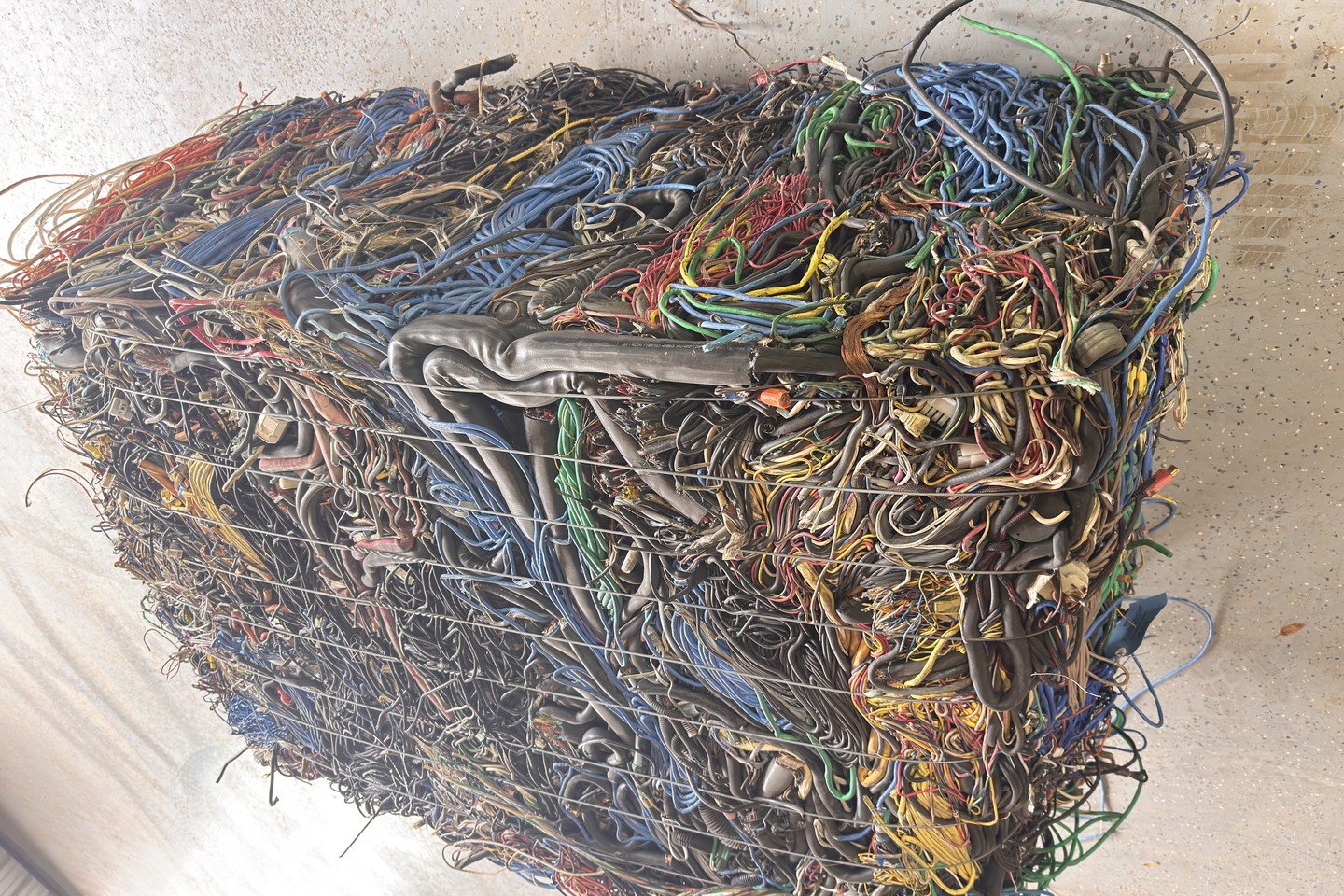
Working capital velocity, scrap purchasing liquidity, and inventory cash turns
In the scrap metal industry, cash is your primary trading weapon:
- The Liquidity Squeeze: If you pay $30,000 cash upfront for a new granulator, that money is locked in steel. When a local electrical contractor calls offering a 10-ton lot of industrial copper cable at an incredible price, you will lack the liquid cash to buy it.
- The Financing Solution: Equipment leasing allows you to acquire the machine with $0 down and predictable monthly payments ($750 to $900/mo). You keep your $30,000 in your bank account, buying scrap wire, granulating it the same day, and rolling over your cash reserves multiple times per month.
How does IRS Section 179 provide a 100% first-year tax write-off?
I break down the tax code rules that allow US business owners to expense recycling machinery immediately. IRS Section 179 allows US businesses to deduct 100% of the qualifying equipment purchase price (up to $1,220,000 in 2026) in the year placed in service, even if the equipment is 100% financed.
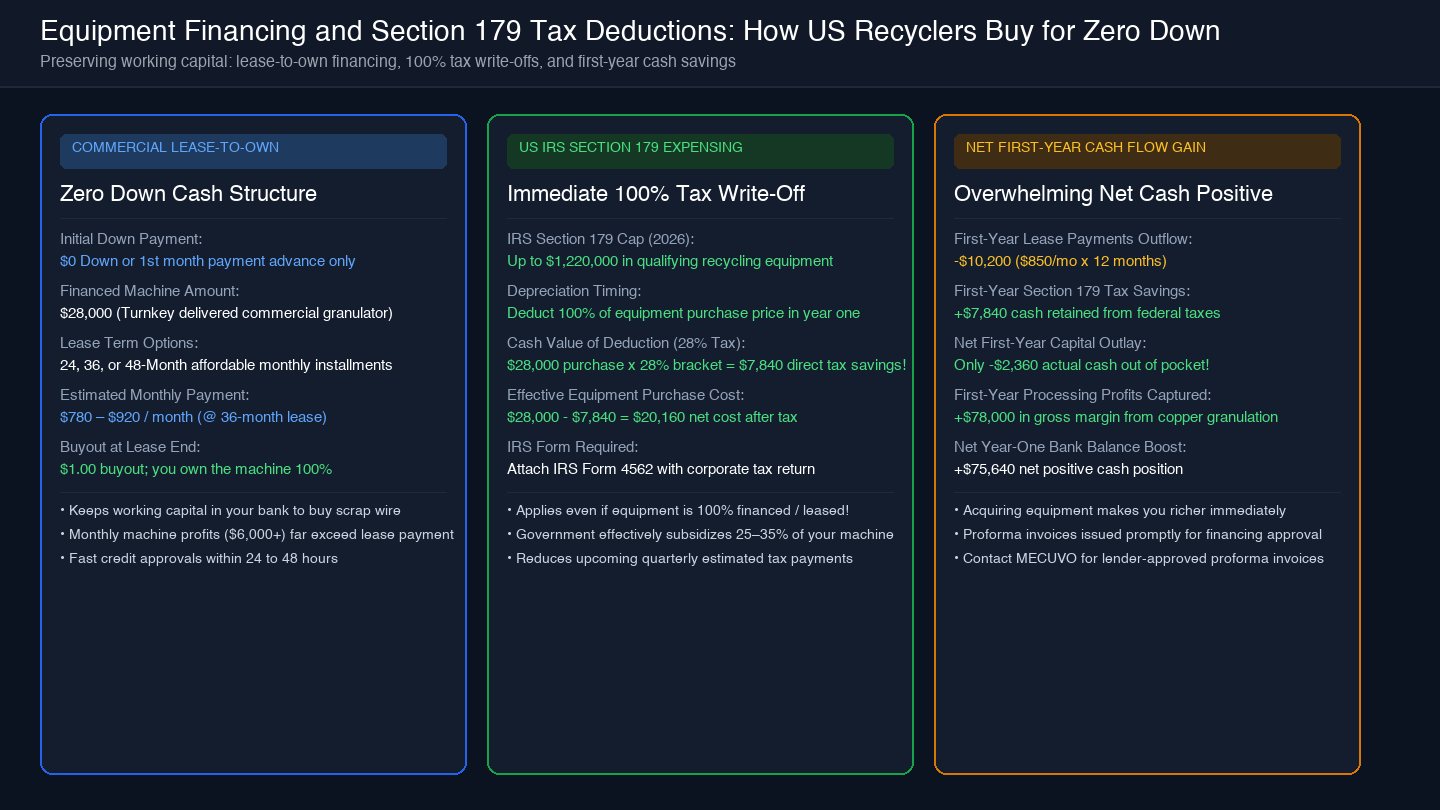
IRS Section 179 caps, IRS Form 4562 expensing, and bonus depreciation
The US tax code provides massive incentives for businesses purchasing tangible industrial machinery:
- 100% Immediate Expensing: Under IRS Section 179, you do not have to depreciate a granulator over 7 or 10 years. You can deduct 100% of the total purchase price from your business taxable income in year one.
- The Financing Super-Benefit: Here is the key advantage: You can take the full deduction even if you leased or financed the equipment! You can deduct the entire $28,000 purchase price on your tax return even though you only made a few monthly payments during the tax year.
- Cash Tax Savings Calculation:
- Equipment Purchase Price: $28,000
- Section 179 First-Year Deduction: $28,000
- Cash Tax Savings (@ 28% federal corporate tax bracket): $28,000 x 28% = $7,840 direct tax savings!
- The government effectively pays for over 25% of your machine!
What does a first-year net cash balance sheet look like?
I present the cash-in versus cash-out balance sheet for a financed granulator. First-year lease payments equal $10,200, but Section 179 saves $7,840 in taxes; net out-of-pocket capital is only $2,360, while the machine generates over $75,000 in clean processing profit.
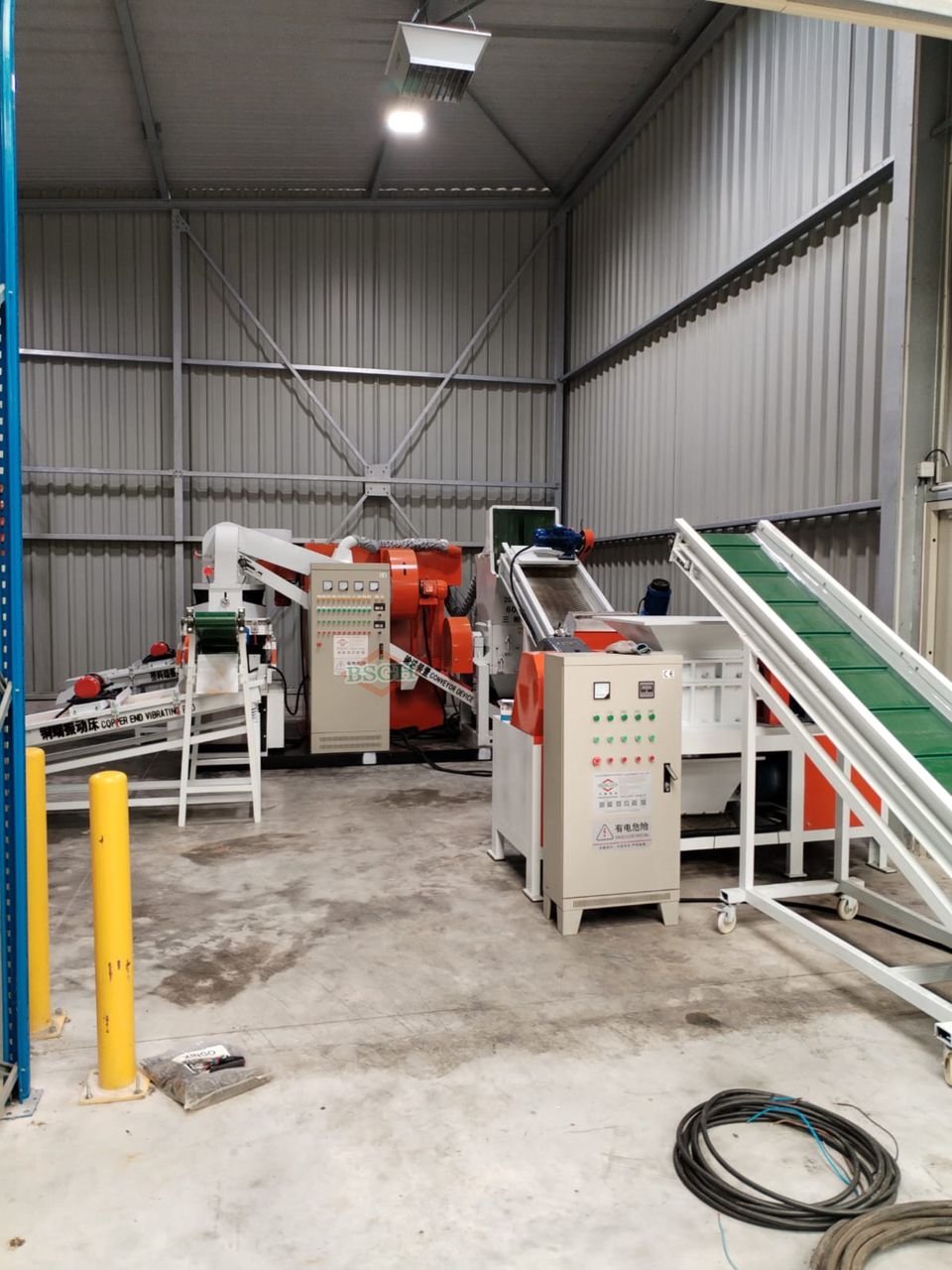
First-year net cash analysis, tax credit offsets, and self-funding machinery
Review the first-year cash flow calculation for a financed commercial granulator:
| Year-One Cash Flow Component | Total First-Year Cash Impact |
|---|---|
| Upfront Down Payment | $0.00 |
| 12 Monthly Lease Payments ($850/mo) | -$10,200 Cash Outflow |
| Cash Saved on IRS Tax Bill (Section 179) | +$7,840 Cash Retained |
| Net Out-of-Pocket Capital Spent Year One | Only -$2,360 Actual Outlay! |
| Gross Copper Margin Captured (5T/mo wire) | +$78,540 Clean Revenue |
| Operating Expenses (Power, Blades, Routine) | -$7,200 Opex |
| Net Cash Profit in Bank (Year One) | +$68,980 Net Bank Balance Increase! |
The machine pays for itself from month one, generating immediate positive cash flow.
How do you obtain lender-approved proforma invoices from MECUVO?
I detail the procurement documentation required by equipment financing lenders. Contact MECUVO to request an itemized commercial proforma invoice detailing equipment serial numbers, voltage specifications, and CIF/DDP terms, which equipment lenders approve within 48 hours.
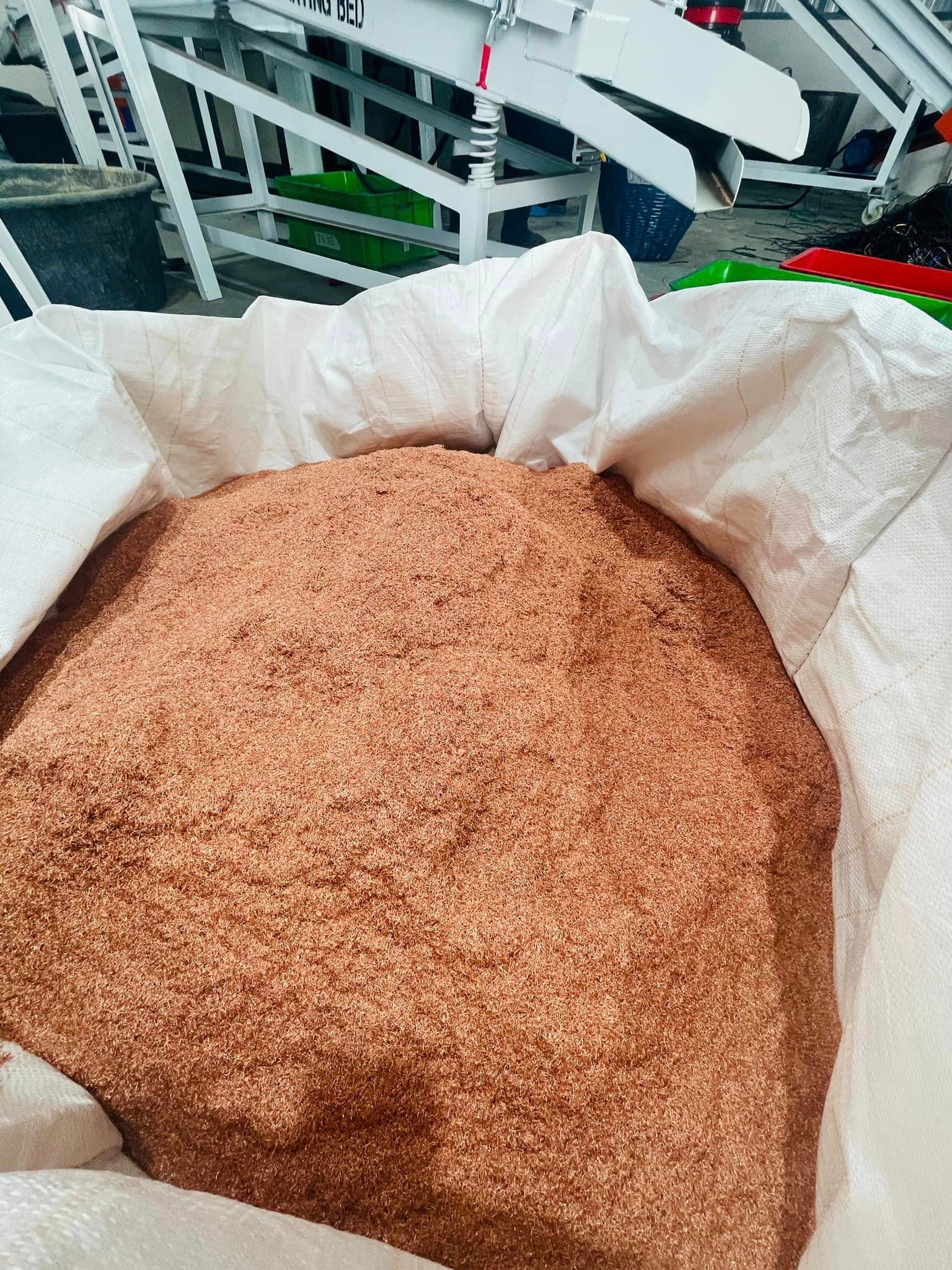
Equipment lender approval requirements, equipment leasing partners, and proforma documentation
Securing commercial lease approval is simple when following standard industry procedures:
- Required Lender Documentation: Commercial equipment lenders require three documents: 1) Credit application, 2) Last 3 months of business bank statements, and 3) An official itemized Proforma Invoice from the manufacturer with full machine technical specifications.
- MECUVO Financing Support: MECUVO routinely provides formal, lender-approved documentation for US, Canadian, and European equipment finance companies, detailing model numbers, motor horsepower, and shipping Incoterms.
Finance Your Granulator with MECUVO Today
- Free Factory Sample Testing: Ship 20–50 kg of your scrap wire to MECUVO to verify throughput and purity on video before finalizing your lease application.
- Request a Lender-Ready Proforma Invoice: Contact MECUVO engineering to receive an itemized equipment quotation and explore commercial lease-to-own terms.
- Direct Factory Price & Spec Sheet: Review our turnkey commercial lineups on the MECUVO copper granulator machines overview page.
Key Takeaways
Do not tie up your scrap-buying cash in capital equipment; leverage $0-down lease-to-own financing and 100% IRS Section 179 tax deductions to acquire a commercial MECUVO granulator that generates immediate positive cash flow.
— YOUR RECYCLING PROJECT
Find the right machine for your material.
Tell us your material and required capacity.
Or email sales@mecuvo.com