Table of Content
Scrap yards can compare toll processing with in-house granulation using written processor quotes, measured recovery and a complete ownership budget. This article uses illustrative tolling fees of $0.18 to $0.25 per pound of recovered copper. Deductions, freight, settlement timing and ownership costs depend on the contracts and operation; the example below does not establish that either option is always more profitable.
What hidden fees and deductions occur when outsourcing to toll processors?
Check each processor’s written terms for the fee basis, weight and moisture adjustments, recovery measurement, ownership of plastic byproducts, freight and payment timing. These charges and allocations vary by contract; use only the items that apply to your quote.
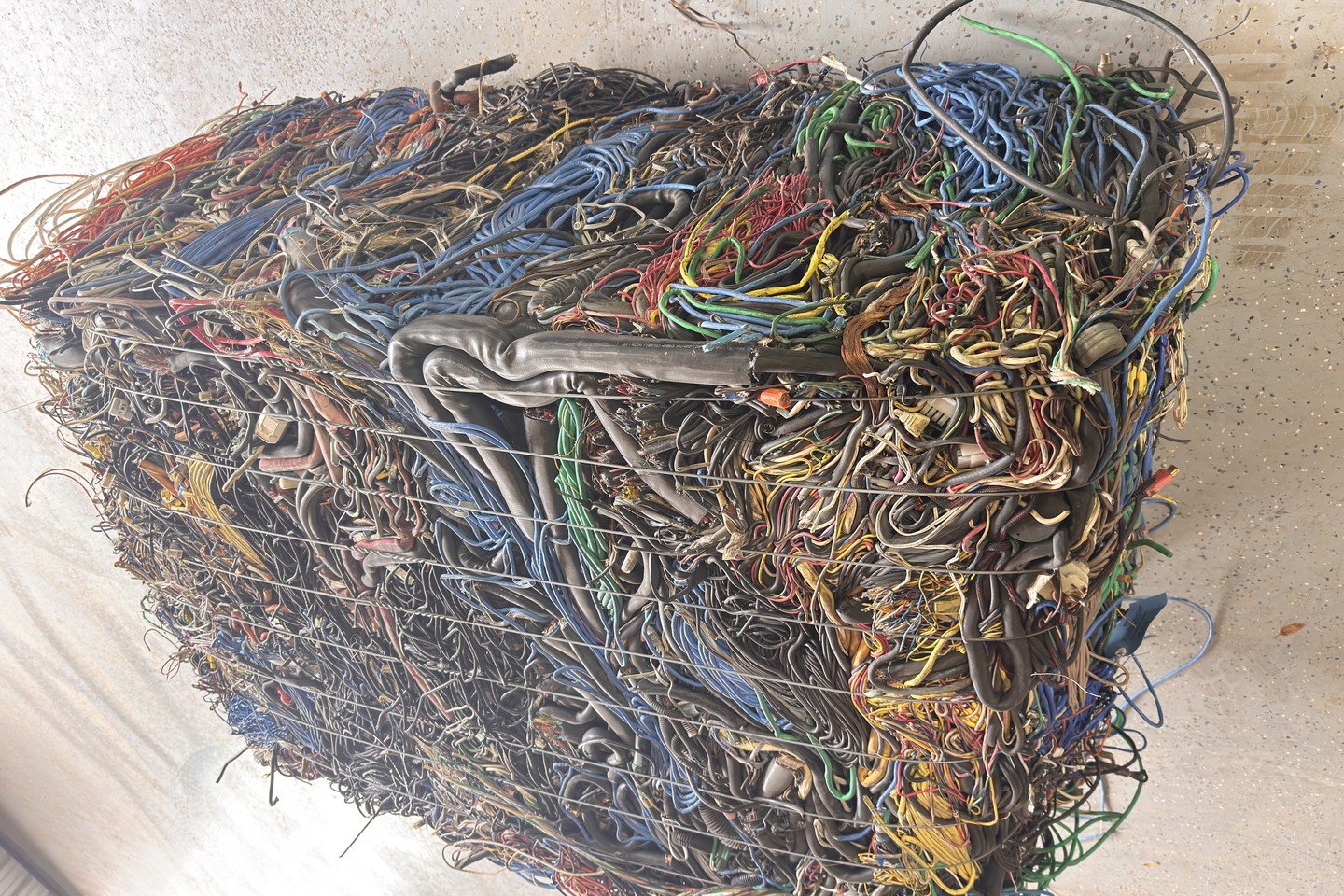
Base tolling fees, agreed deductions, and plastic byproduct ownership
Compare the following potential cost items with the terms in your actual toll-processing contract:
- Illustrative Base Tolling Fee: At an assumed $0.18 to $0.25 per pound of finished copper recovered ($400 to $550 per metric ton), a 10-metric-ton batch of cable yielding 5 metric tons of copper incurs approximately $1,984 to $2,756 in tolling fees. Confirm the fee rate and whether it applies to incoming feed or recovered metal.
- Weight and Moisture Adjustments: If a contract applies a 3% deduction to 10 metric tons of incoming feed, the adjustment is 300 kg. The table assigns this an illustrative $900 value, assuming $3/kg of feed. Confirm the sampling, weighing and settlement basis rather than assuming this deduction applies.
- Recovery Verification: Agree on representative sampling, mass-balance reporting and treatment of copper remaining in tailings. Compare the same measured recovery and settlement basis for toll processing and in-house operation.
- Freight: Obtain quotes for the required shipments and handling. The $600 to $1,200 range and $800 monthly table input are illustrative; distances, shipment sizes and who retains each output will affect the cost.
How do tolling fees compare against equipment financing monthly payments?
I model the monthly cash flow comparison between paying toll fees and financing an in-house machine. In the illustrative table below, tolling-related costs and deductions total $3,904/month. In-house lease and operating costs total $2,130/month before an assumed $1,000 polymer credit, giving a modeled $2,774 monthly cash-flow difference before omitted costs.
Monthly financing cash flow modeling, lease-to-own equity, and net margin retention
The following illustrative 10-metric-ton monthly comparison assumes 5 metric tons of recovered copper, a $780 monthly 36-month equipment payment, $1,350 operating costs and a $1,000 polymer credit. These are modeling inputs, not a financing offer or confirmed sales terms. Include installed capital, deposits or residual payments, maintenance, labor, rent, insurance, losses and other applicable costs; confirm polymer buyers and net receipts before including a credit.
| Illustrative Monthly Financial Line Item | Third-Party Toll Processing | In-House MECUVO Granulator |
|---|---|---|
| Base Processing Fee ($0.20/lb on 5T Cu) | $2,204 / Month | $0 |
| 3% Tare / Moisture Deductions | $900 / Month | $0 |
| Two-Way Freight Logistics | $800 / Month | $0 |
| Equipment Lease Payment (36-mo Lease) | $0 | -$780 / Month |
| In-House Opex (Power, Blades, Labor) | $0 | -$1,350 / Month |
| Plastic Regrind Byproduct Sales (5T) | $0 (Processor keeps it) | +$1,000 / Month Cash |
| Total Modeled Costs and Settlement Deductions | -$3,904 Cash Outflow | -$1,130 Net Outflow |
| Modeled Monthly Difference Before Omitted Costs | Baseline | +$2,774 / Month in This Scenario |
The stated assumptions produce about $33,300 in annual modeled cash-flow improvement, before omitted costs and taxes. This result depends on maintaining the modeled volume, recovery, costs and sales terms; compare actual quotes and operating data before committing.
How does turnaround speed impact working capital and inventory cash flow?
Compare each option’s actual time from receiving wire to receiving payment. A 2-to-3-week tolling cycle and same-day processing are scenarios, not standard terms; in-house throughput, storage, buyer acceptance and payment schedules also affect working capital.
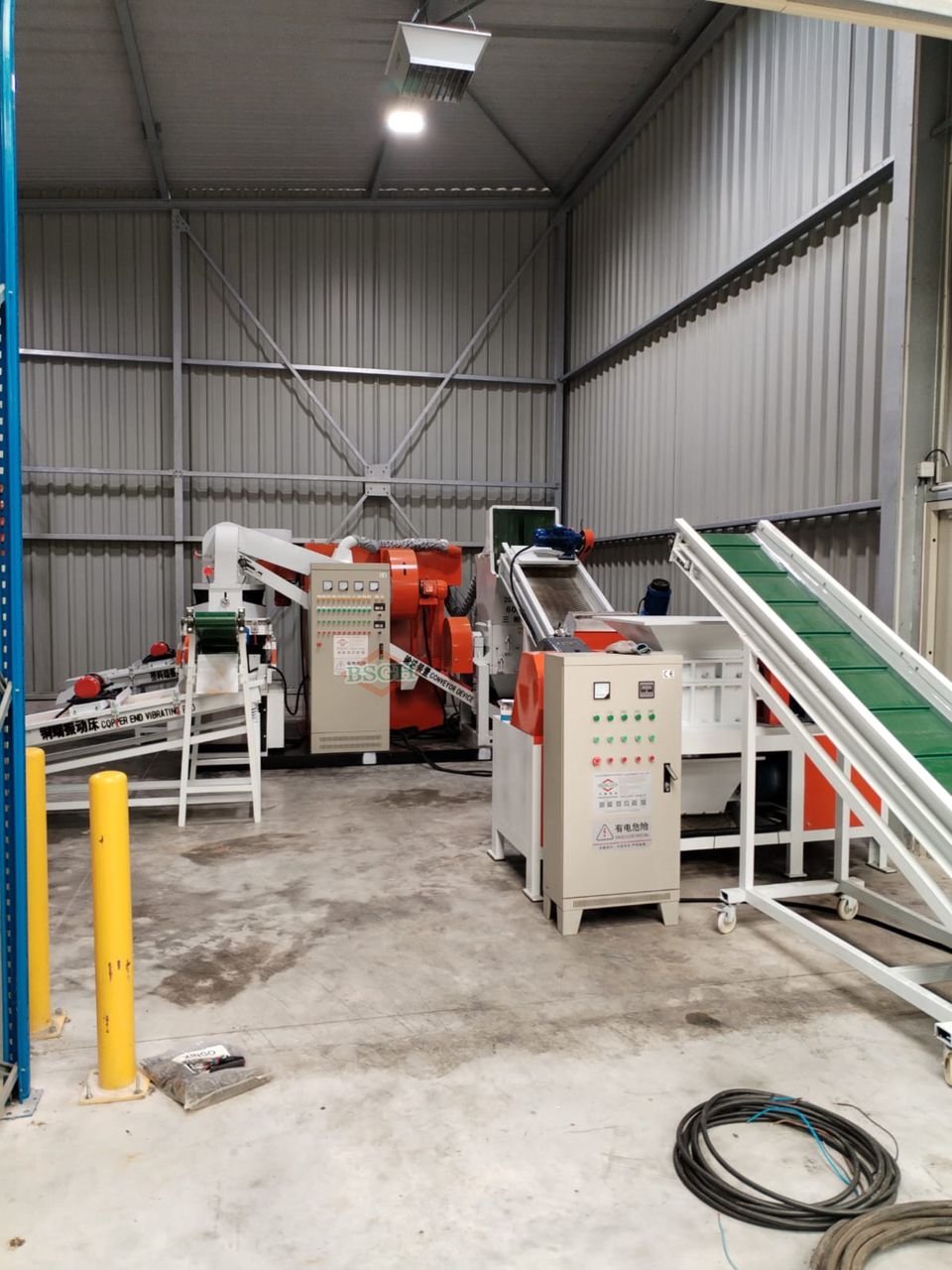
Inventory cash turnaround cycles, working capital velocity, and commodity hedging
Speed is the lifeblood of scrap trading:
- Inventory Holding Time: If a tolling cycle takes three weeks, capital remains tied up during that period. Commodity-price exposure depends on when the purchase and sale prices are fixed, and also applies to material held for in-house processing.
- In-House Cash Conversion: Processing may shorten the production cycle, but cash is received only under the buyer’s agreed acceptance and payment terms. Verify actual processing capacity, shipment timing and settlement requirements; same-day payment is not assured.
How should recyclers transition from toll processing to in-house operation?
Before transitioning, compare a representative trial, an installed-cost quotation and any available financing against your actual tolling statements. Agree on sample handling and test conditions before shipping material, and obtain financing eligibility, deposit, interest, fees and end-of-term terms in writing.
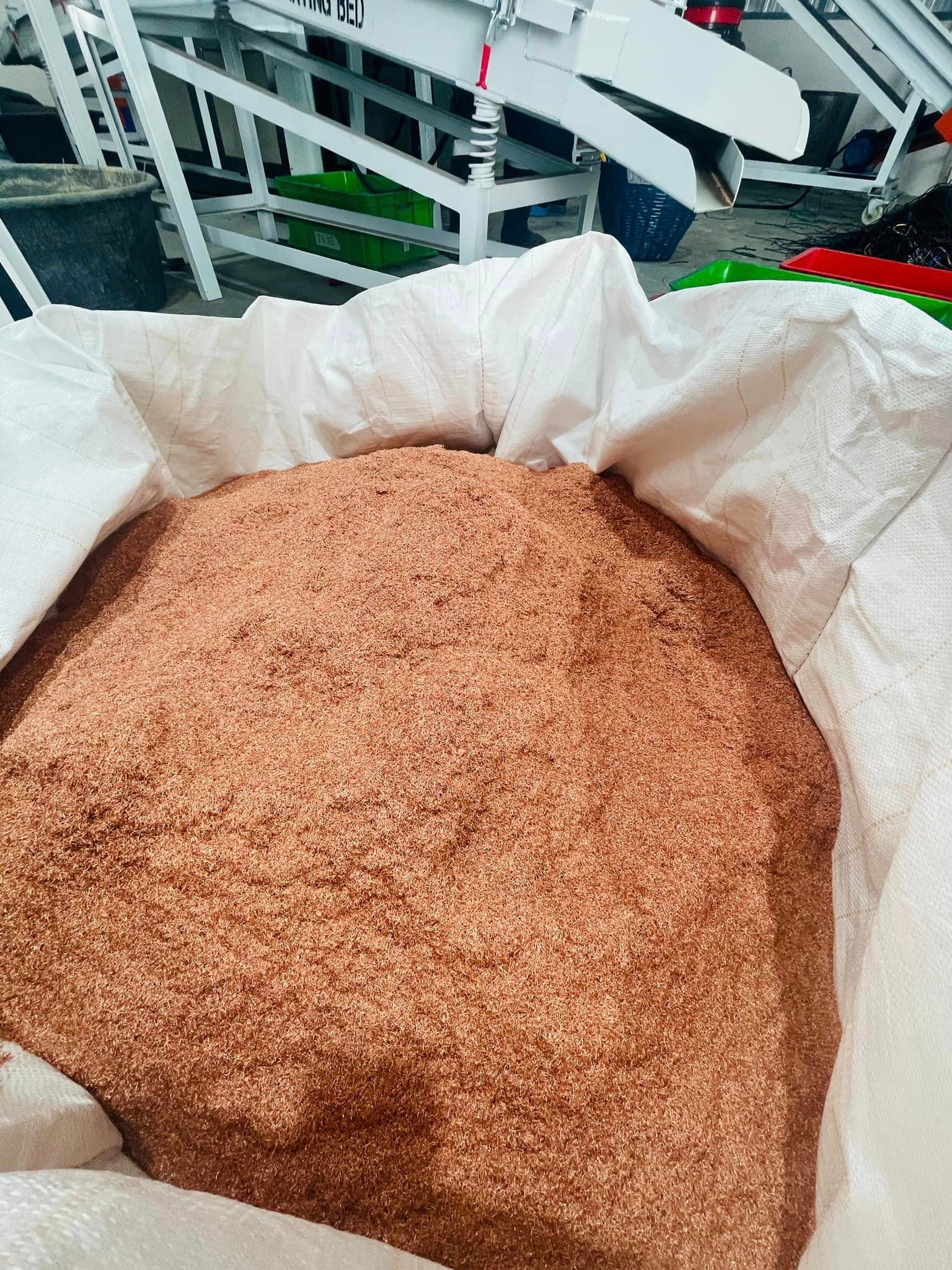
Equipment financing terms and representative sample testing
Check capital requirements and operating risk before choosing in-house production:
- Equipment Financing: Ask the lender for a written offer stating the deposit, payment schedule, interest or financing cost, fees, collateral and end-of-term obligations. Do not assume $0 down, a particular monthly payment or enough operating savings to cover repayments.
- Representative Sample Testing: Ask whether a trial is available and agree on the sample, fees, shipping and customs requirements, test method and reporting before sending material. A trial measures that sample under stated conditions; it does not guarantee production performance.
Compare In-House Processing with MECUVO
- Ask About Factory Testing: Confirm test availability, sample requirements, charges and shipping and customs arrangements with MECUVO in writing before sending scrap. Request documented input and output weights, product purity, throughput and test conditions.
- Request Cost-Model Inputs: Contact MECUVO engineering for available specifications and a written quotation to compare with your toll-processing statements. Ask whether a cost-modeling service is available and confirm its scope and assumptions.
- Request Price and Specifications: Review the MECUVO copper granulator machines page and request a model-specific written quotation. Confirm included equipment, installation and any financing availability separately.
Key Takeaways
Toll-processing and in-house costs depend on actual volume, recovery, contracts, financing and operating conditions. The table models a $2,774 monthly difference before omitted costs; it is not a profit forecast. Compare written quotations and measured trial results, including working capital and any net polymer receipts.
— YOUR RECYCLING PROJECT
Find the right machine for your material.
Tell us your material and required capacity.
Or email sales@mecuvo.com