Table of Content
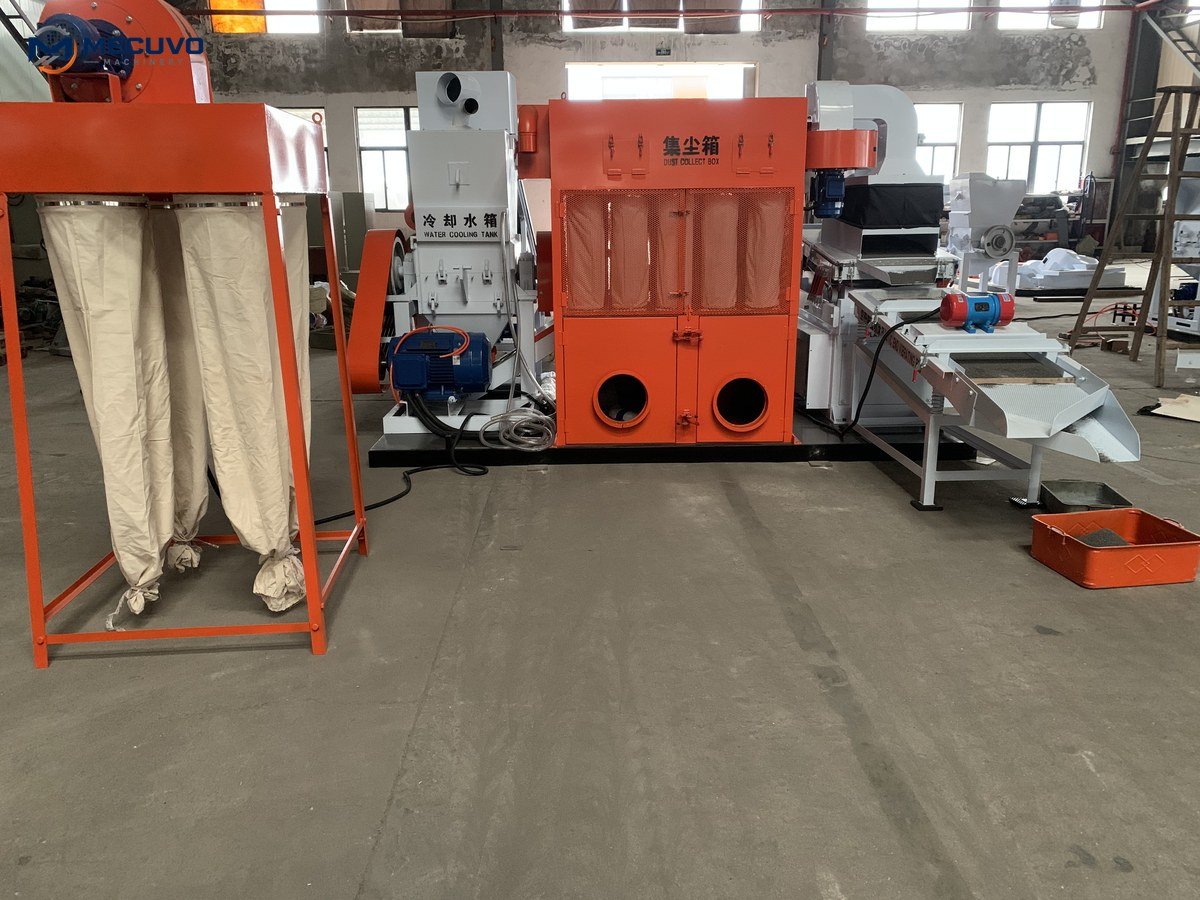
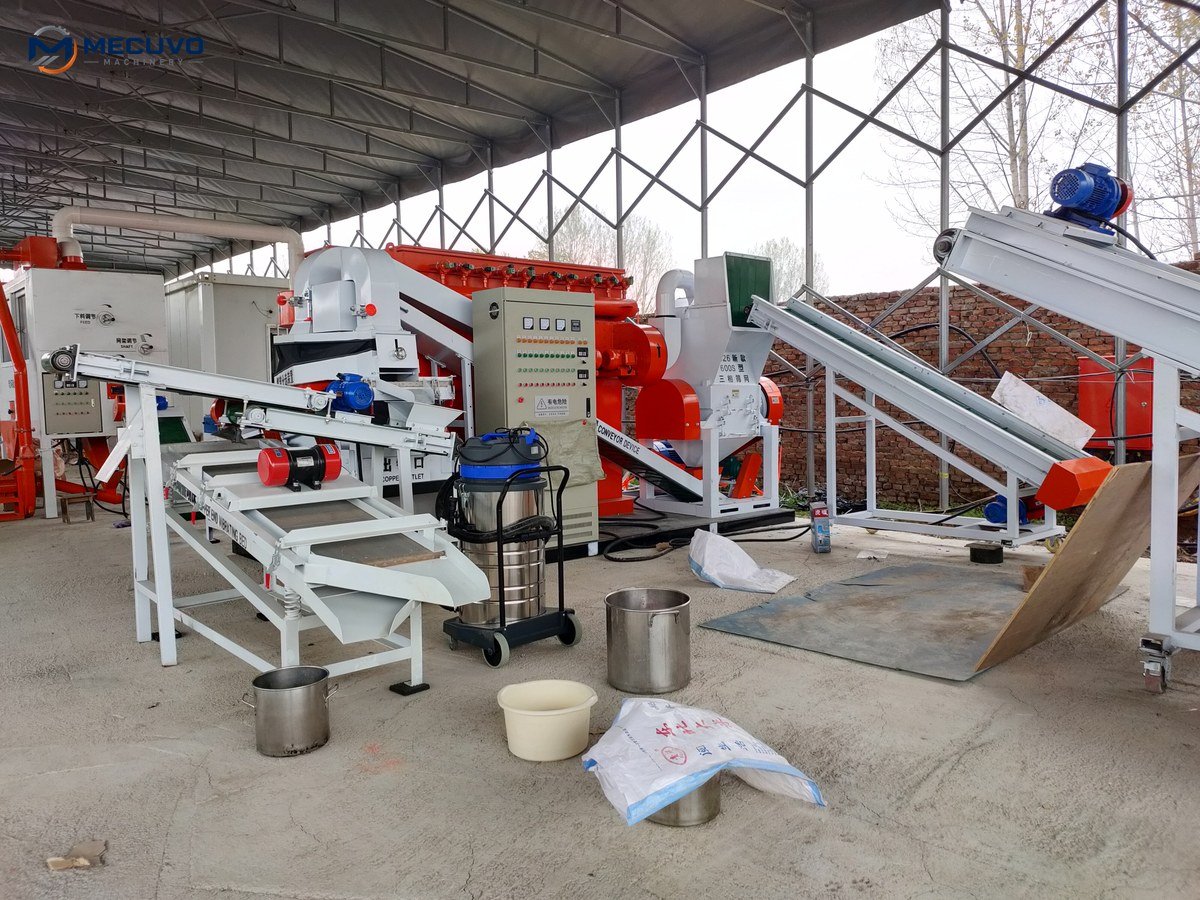
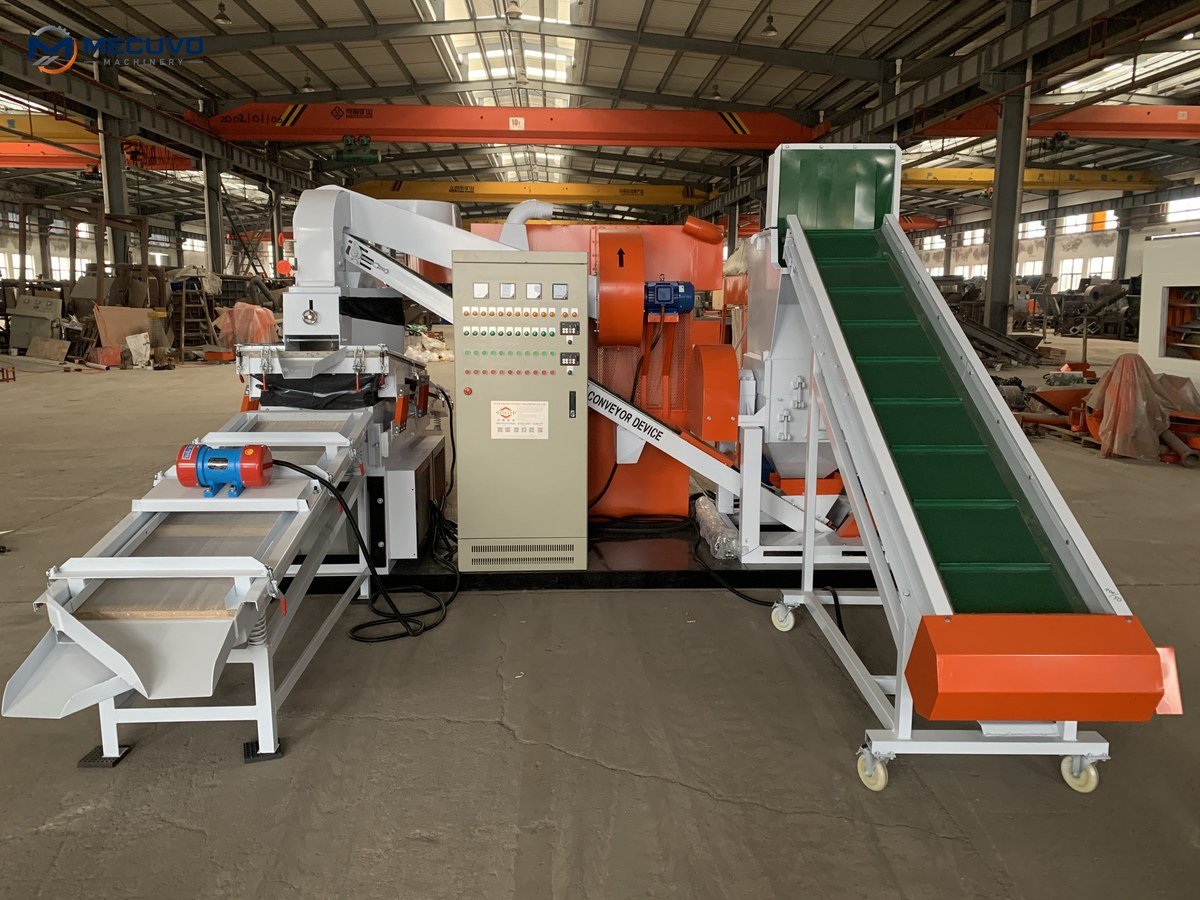
Remote cable profiling, representative video trials and agreed factory acceptance tests can help buyers assess whether a granulator suits their feedstock before purchase. Ask MECUVO which trials and documentation are available and confirm their scope, charges and acceptance criteria in writing. Photos and substitute cable tests cannot establish identical results on every batch or eliminate equipment and transaction risk; scrap samples should be shipped only after lawful acceptance and shipping requirements are confirmed.
What should buyers check before shipping scrap wire across borders?
Waste classification and shipping requirements depend on the material and origin, transit and destination countries. China’s solid-waste import restrictions may prevent sample shipments. Send photos and specifications first. Before dispatch, obtain confirmation from the receiving facility and a qualified customs broker that the specific shipment is lawful and all required documentation and approvals are in place; courier acceptance does not establish legal admissibility.
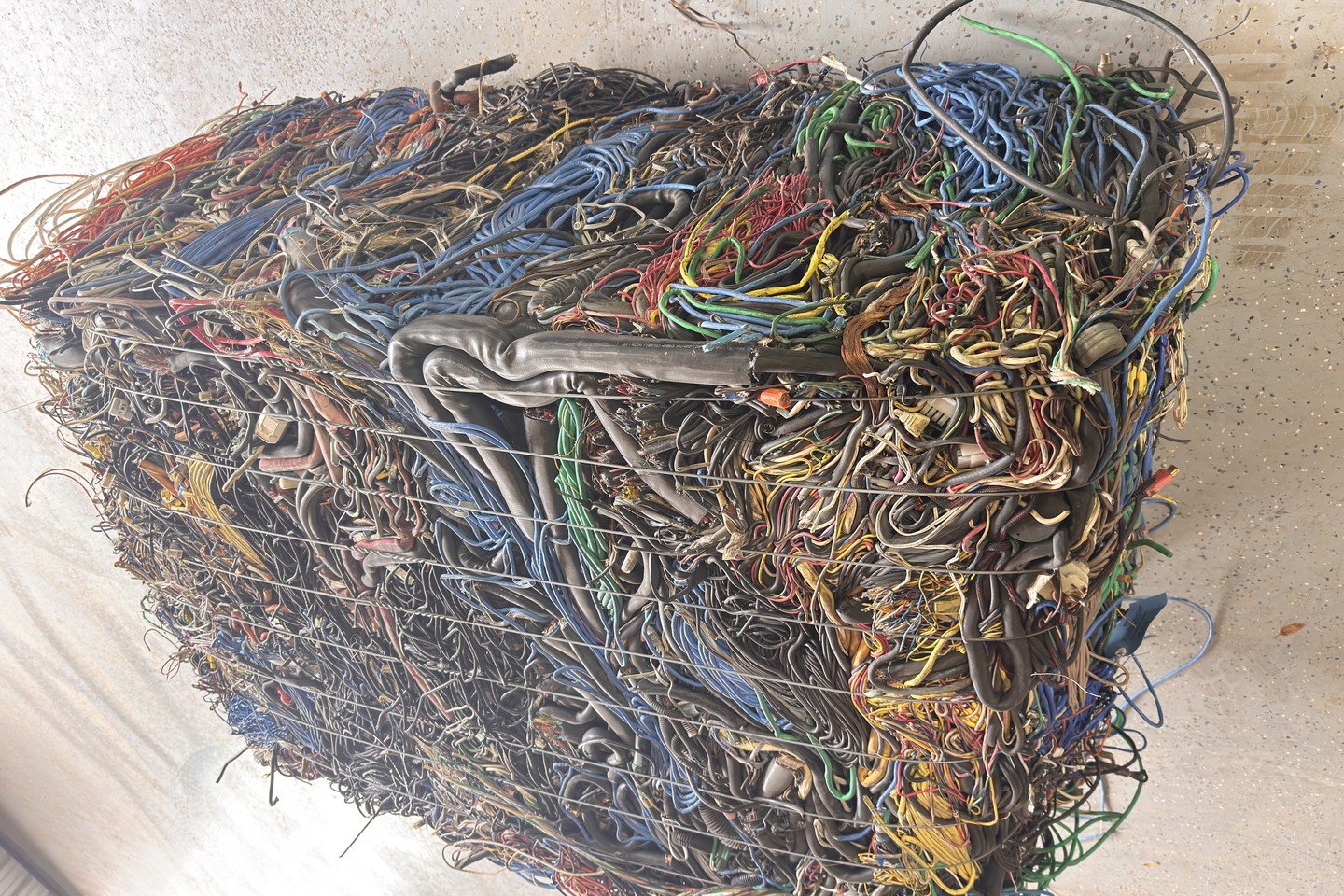
Solid waste import regulations, customs seizure risks, and modern digital engineering verification
Many overseas buyers mistakenly assume they must ship a heavy box of dirty scrap wire overseas to test a machine:
- Cross-Border Compliance: Scrap-wire shipments may be subject to waste-shipment controls, import prohibitions and other customs requirements. The material’s classification and proposed route need shipment-specific review; describing it as a test sample or using a courier does not establish lawful importability.
- Costs and Timing: If a sample shipment is lawful, obtain a current freight quotation and expected transit and clearance times for the actual weight, dimensions and route. Include handling and possible return or disposal costs in the assessment.
- Remote Assessment: Conductor size, strand construction, insulation type, contamination and feed preparation can affect processing. Digital profiling and trials on representative stock can inform selection, but cannot establish identical performance on the buyer’s material. Record differences between the trial feed and expected production feed.
What is the 3-step remote verification protocol without shipping scrap samples?
A remote assessment can combine photos and cable specifications, a representative live trial if available, and written acceptance criteria based on measured results. Confirm the supplier’s available test methods and contractual terms rather than assuming matching stock, a particular video platform or a performance guarantee is included.
Digital wire profiling, representative trial feed, and agreed video tests
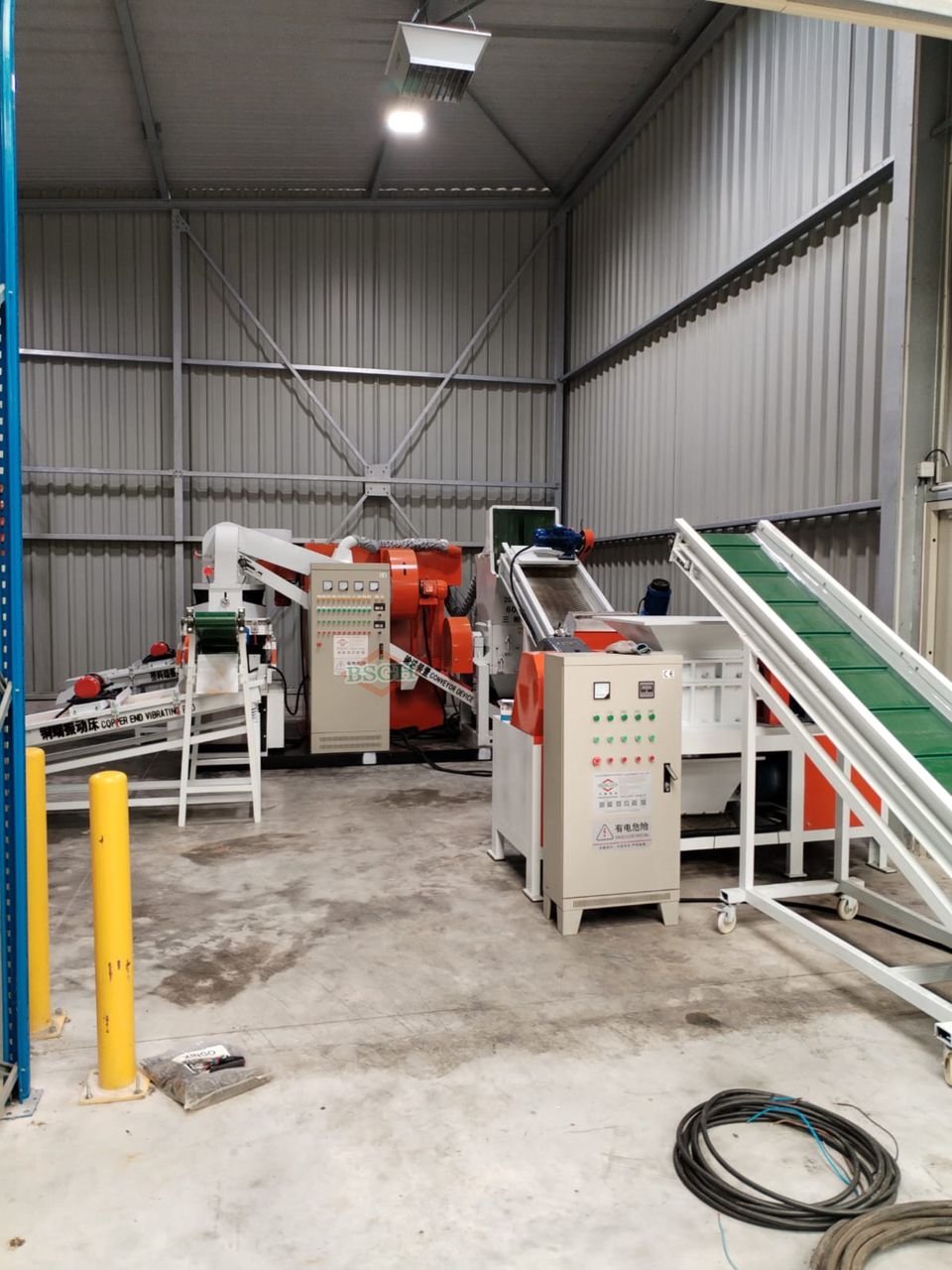
Ask MECUVO whether the following assessment steps are available and document their limitations:
- Step 1: Digital Wire Profiling: Send clear photographs, cross-sectional views, conductor gauge (AWG or mm²), strand construction, insulation type and known contamination. These inputs support an initial assessment; properties such as material behavior and separation performance require suitable testing rather than inference from photos alone.
- Step 2: Representative Trial Feed: Ask which cable stock is available for a trial and compare it with the intended feedstock. Record material type, conductor dimensions, insulation, contamination and preparation. Do not assume an exact match or transfer trial results to materially different feed.
- Step 3: Recorded or Live Trial: If offered, agree the video format, test duration, machine configuration, feed quantity and measurements in advance. Request views of the feed, operating readings and all output streams, with weighed and sampled results. Confirm any charges and documentation in writing.
What can live video show about copper purity and tailings loss?
Live video can show handling, visible contamination and the test procedure, but cannot by itself certify 99.8% purity or zero copper loss. Agree representative sampling, weighing and assay methods. Measure copper-product purity separately from copper recovery, including metal in plastic, dust and other residual streams; camera and magnet checks supplement those measurements.
Macro lens visual verification, on-camera magnetic sweeps, and tailings inspection
A live video trial can show the test procedure and visible material behavior, subject to camera coverage and representative sampling:
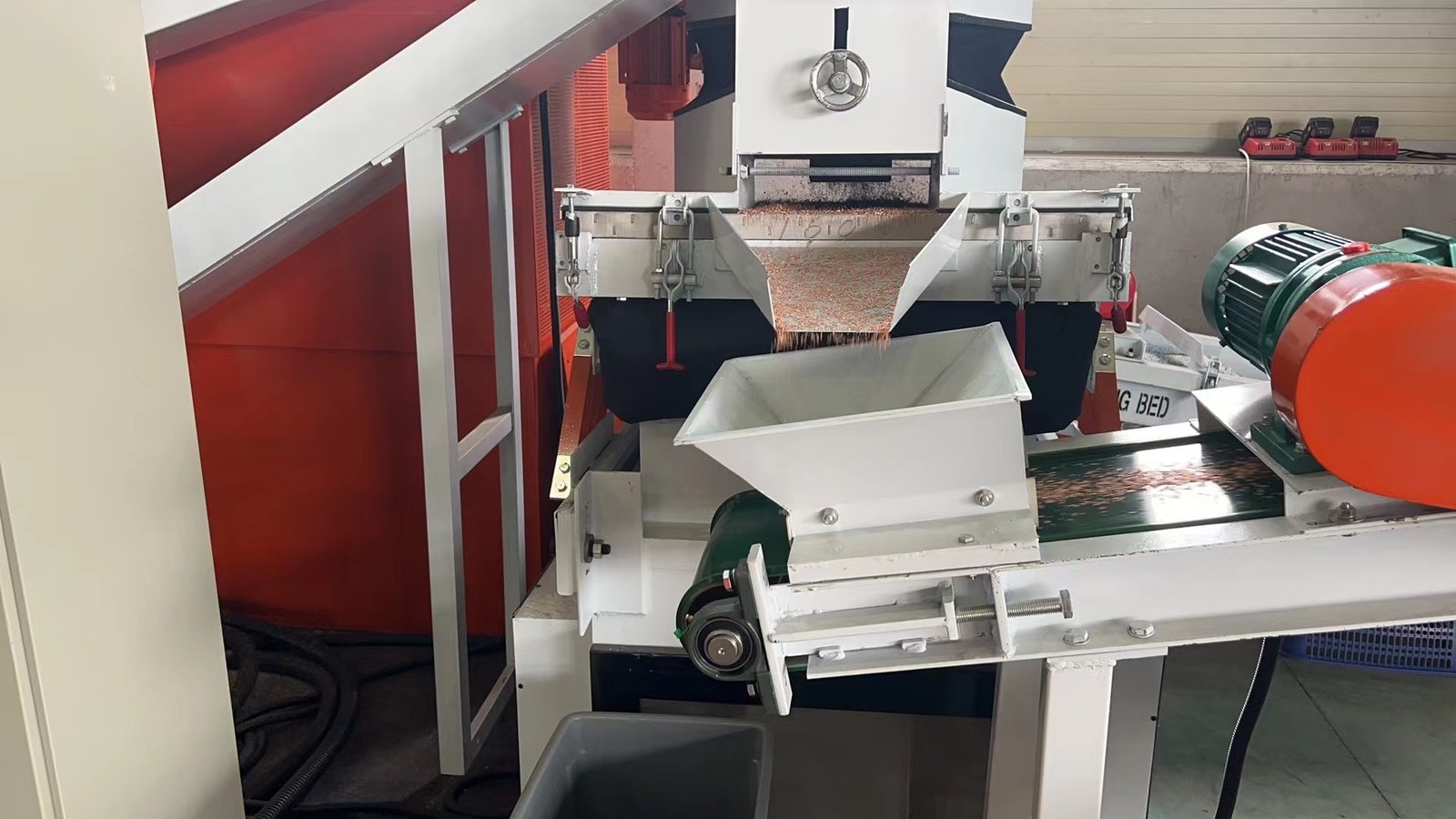
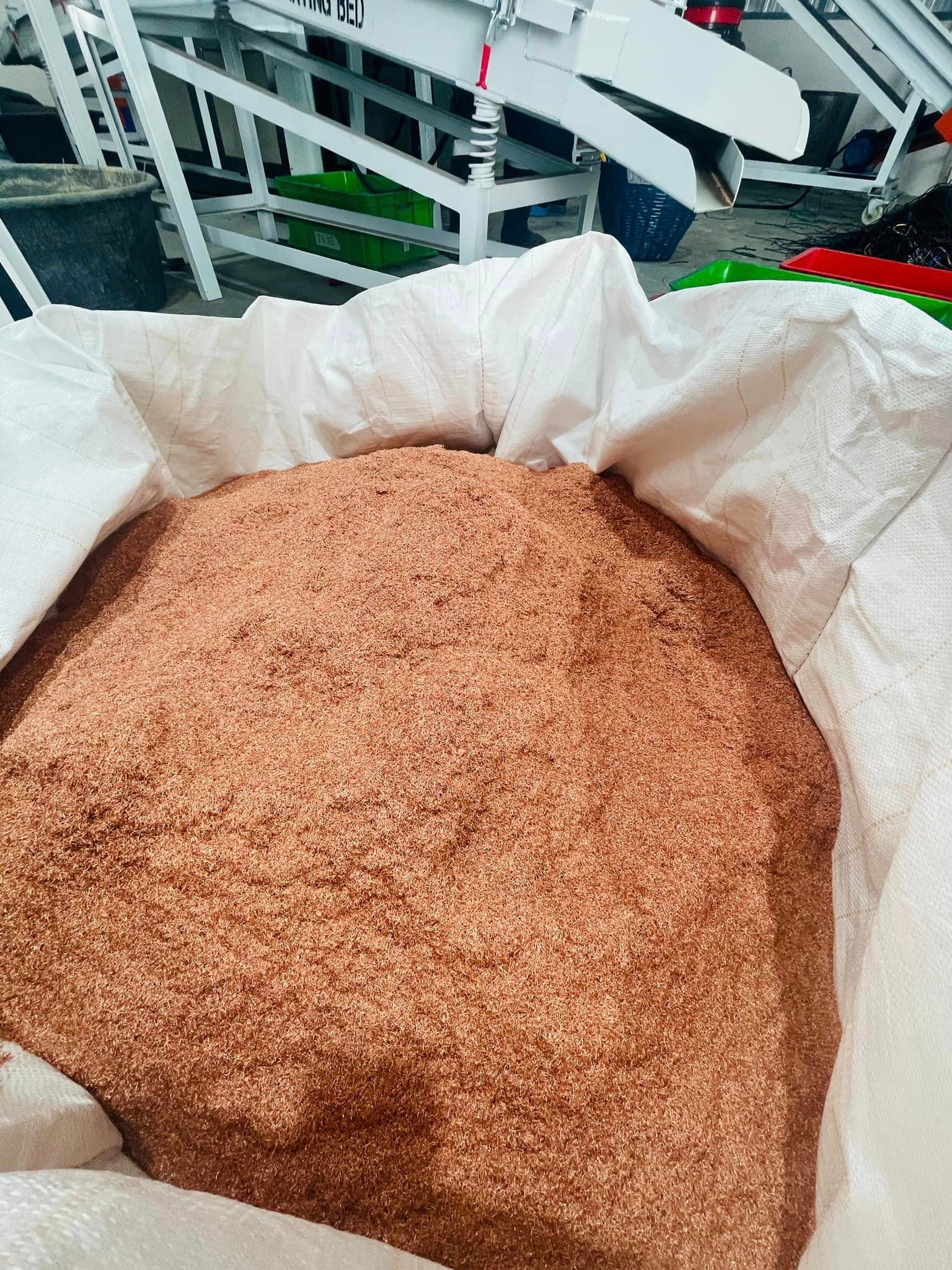
- Macro Lens Copper Chop Inspection: The technician takes a fresh scoop of finished copper chops directly from the vibrating density table discharge chute and presents it under high-intensity lighting to a 4K camera lens. You can observe appearance and visible contamination, but a scoop on camera does not establish whole-batch purity or absence of insulation.
- Magnetic Tramp Iron Demonstration: A rare-earth handheld magnet is swept through the finished copper chops on camera, screening that sample for magnetic contamination. It does not prove complete removal across the batch or identify nonferrous impurities.
- Plastic Tailings Examination: Inspect the light-fraction discharge on camera and retain representative samples for agreed measurements. Visual inspection alone cannot verify that hair-thin copper is absent; include copper in plastic, dust and other residual streams when calculating recovery.
How should trial results inform written purchase acceptance criteria?
Use documented trial results to negotiate model- and feedstock-specific throughput, purity and recovery criteria, with defined operating conditions, sampling methods and remedies. Confirm whether a pre-shipment factory acceptance test (FAT) of the supplied machine is included and how it affects payment milestones. No universal purity target or article wording creates a supplier guarantee; enforceability depends on the signed terms and applicable law.
Written acceptance criteria, pre-shipment FAT records, and payment milestones
Ask the supplier to agree the following terms before committing to the purchase:
- Written Performance and Acceptance Terms: Negotiate throughput, copper-product purity and copper recovery separately for the specified feedstock and test conditions. If a Clove specification is required, include every applicable requirement: its published copper minimum is 99%, and 99.8% is not its definition. Any additional purity target must be expressly agreed. Define sampling, acceptance, remedies and dispute resolution; do not assume automatic refunds or other remedies absent agreed terms and applicable law.
- Pre-Shipment Factory Acceptance Testing (FAT): Confirm whether the supplier offers a FAT on the specific machine being supplied. Agree the serial-number identification, feedstock, safety checks, operating measurements, sampling, test duration, records and treatment of any failed criteria in writing. A video supplements the agreed test records; it does not by itself establish compliance or performance.
- Milestone Payment Arrangements: Negotiate payment amounts and release conditions appropriate to the transaction and record them in the contract. A schedule with 30% deposit and 60% after FAT approval, for example, still leaves 90% paid before arrival. Milestones do not eliminate financial exposure and are not escrow unless an actual escrow arrangement has been agreed.
Verify Your Cable Processing with MECUVO
- Cable Assessment Inquiry: Send photos, cable gauge and insulation specifications to MECUVO through the official contact page. Ask about available representative trials, measurements, documentation and charges; confirm the agreed scope in writing.
- Payback Estimate Inputs: Use expected monthly tonnage, measured trial throughput and recovery, equipment and operating costs, and current purchase and sale prices to model scenarios. Any breakeven estimate depends on those assumptions; ask whether the supplier offers calculation support and on what terms.
- Direct Factory Price & Spec Sheet: Review turnkey compact and commercial granulators on the MECUVO copper granulator machines overview page.
Key Takeaways
Start with cable photos and specifications, then assess any available representative trials using measured throughput, purity and recovery. Confirm acceptance tests, service availability, charges and remedies in the written quotation or contract. Remote checks reduce uncertainty but cannot eliminate purchase risk. Ship scrap samples only after the receiving facility and a qualified customs broker confirm lawful acceptance for the specific material and route and all required documentation and approvals are in place.
— YOUR RECYCLING PROJECT
Find the right machine for your material.
Tell us your material and required capacity.
Or email sales@mecuvo.com