Table of Content
After investing time and operating power to granulate scrap wire into clean copper chops, proper packaging and storage protect product quality and commercial value. Non-ferrous copper granules are dense and sensitive to moisture, condensation, and mechanical handling damage. Protecting chop value requires using rated Flexible Intermediate Bulk Containers (FIBCs) matched to material weight, verifying safe working loads by scale weighing rather than visual volume estimation, palletizing with robust stretch stabilization, and implementing appropriate climate-controlled warehousing to prevent surface oxidation and moisture-related commercial disputes.
Why do secondary smelters aggressively penalize oxidized and damp copper chops?
In secondary copper melting, moisture and severe surface oxidation represent both operational hazards and metallurgical concerns. Moisture charged into molten induction furnaces can trigger violent flash-steam eruptions, while excessive surface oxides increase dross and slag formation during melting, directly impacting casting yields.
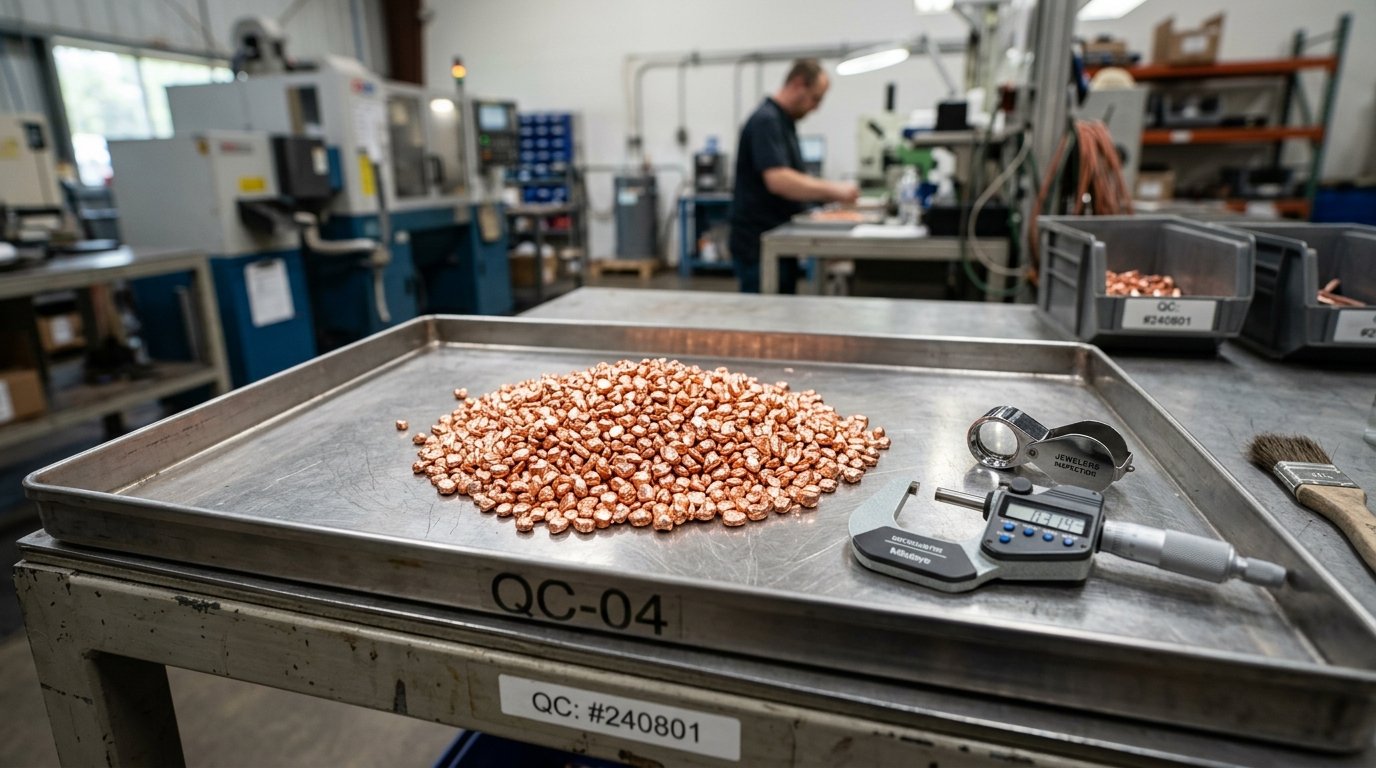
Furnace safety, thermal shock explosions, and chemical slag loss mechanics
When a scrap yard delivers granulated copper chops (such as ISRI Clove nodules) to a brass foundry, copper ingot caster, or secondary smelter, receiving inspectors inspect moisture and physical condition. As outlined in commercial scrap specifications by the Recycled Materials Association (ReMA / ISRI) and technical guidelines from the Copper Development Association, damp or heavily oxidized chops can lead to commercial adjustments:
- Furnace Flash-Steam Hazards: Modern secondary foundries melt copper chops in medium-frequency induction furnaces operating at 1,150°C to 1,250°C. Introducing wet or damp copper into molten baths can cause sudden flash vaporization, creating dangerous metal splashes that jeopardize furnace equipment and operator safety. Smelters consequently establish strict receiving moisture thresholds (typically demanding dry material below 0.10% moisture) and apply agreed moisture weight deductions or drying fees if exceeded.
- Surface Oxidation and Dross Slag Losses: Elemental copper exposed to atmospheric humidity, carbon dioxide, and ambient pollutants gradually forms cuprous oxide and basic copper carbonates. While internal granule cores remain metallic copper, surface oxides do not reduce cleanly in standard non-vacuum induction melting. Oxides react with flux to generate dross and slag, reducing casting recovery. Receiving docks may deduct for measured melt loss or slag formation.
- Contract Grade Adjustments: If severe oxidation causes deep discoloration or if foreign contaminants are detected, receiving facilities may adjust settlement grades from No. 1 Clove terms to secondary or refining grades based on purchase contract terms. Establishing disciplined packaging safeguards both safety and delivered commercial value.
What are the exact specifications for commercial FIBC bulk supersacks?
Handling dense granulated copper requires bulk bags engineered specifically for heavy metallic materials rather than lightweight agricultural or polymer goods. Recyclers should select Flexible Intermediate Bulk Containers (FIBCs) with verified Safe Working Loads (SWL), heavy fabric construction, reinforced lifting loops, and secure closures suited to facility handling equipment.
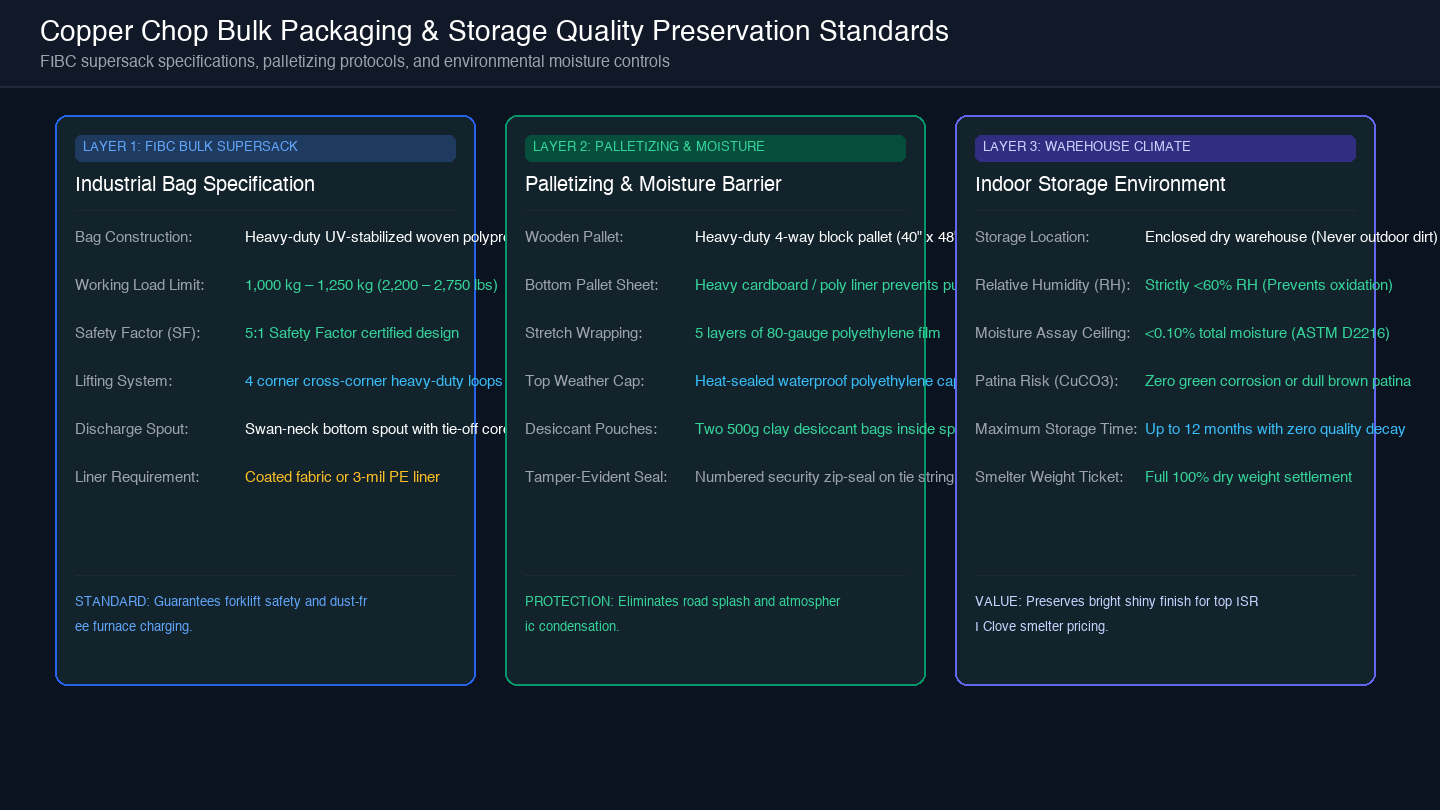
Bag tensile engineering, SWL certification, and discharge spout design
Copper chops possess an estimated bulk density of approximately 4.5 to 5.2 metric tons per cubic meter, which is substantially denser than common industrial resins or grains. Improper bag selection or overloading can lead to seam failure, bag instability, or equipment tipping. Recyclers should implement the following bulk packaging engineering standards:
- Determine Fill Mass by Weighing (SWL Compliance): Determine the fill mass by weighing; do not infer a safe load from bag dimensions or fill height alone. Select the FIBC, pallet and handling equipment for the actual material and operating conditions, and never exceed any marked safe working load. Confirm bag geometry, stability, liner compatibility and handling arrangements with the supplier before use. A 5:1 design safety factor is a single-trip manufacturing design ratio, not authorization to exceed rated capacities.
- Fabric Construction and Handling Loops: Specify heavy-duty, circular-woven polypropylene fabric engineered for non-ferrous metals (typically 180 to 220 g/m²). Ensure lifting loops are reinforced cross-corner or side-seam designs compatible with facility forklift tines and spreader bars to maintain bag balance during transit.
- Spout Design and Controlled Discharge: Top filling spouts with secure ties enable dust-controlled filling from granulator cyclones or air tables. Where bottom discharge spouts are used, ensure they feature protective petals and double-tie closures. Never allow personnel to position themselves beneath a suspended bulk bag during handling or discharge; all unloading operations must comply with facility lifting protocols and equipment operating manuals.
- Moisture Barrier Liners: For shipments traversing humid transit corridors or held in extended warehouse storage, select FIBCs fitted with compatible polyethylene liners (such as 3-mil / 75-micron LDPE liners). Liners reduce atmospheric moisture exchange, though effective barrier performance depends on proper neck sealing, liner integrity, and ambient storage conditions.
What palletizing and stretch-wrapping protocols protect chops during transport?
Proper pallet stabilization and moisture protection ensure bulk bags remain intact and stable throughout transit. Heavy point loads from dense metal granules require high-grade pallets, puncture protection, and multi-layer stretch wrapping to prevent bag shifting or cargo damage during long-haul transport.
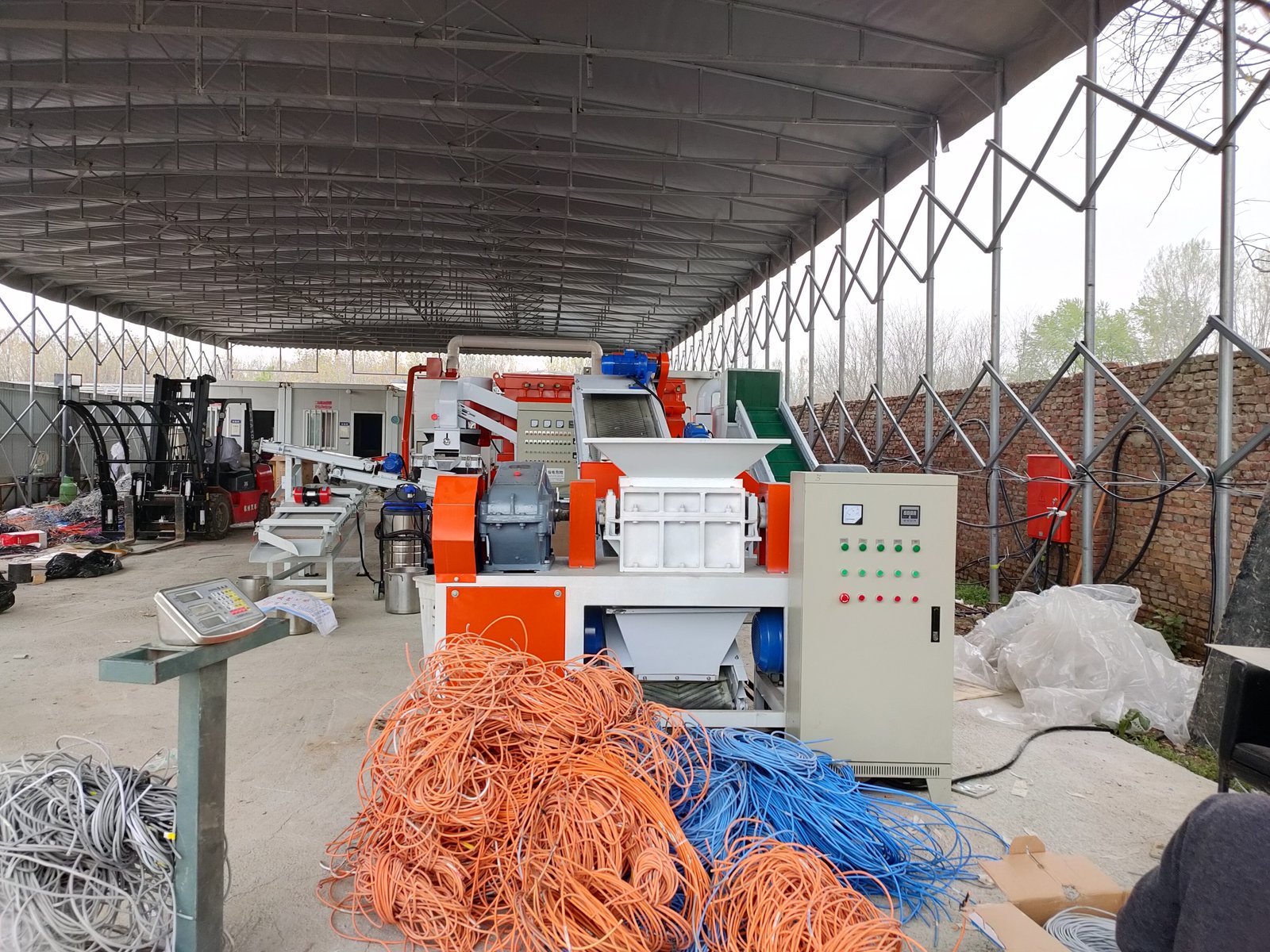
Pallet grade standards, stretch wrap tension, and weather barrier sealing
Proper palletizing protocols ensure copper chops arrive at buyer receiving docks stable, secure, and protected from transit elements:
- Heavy-Duty 4-Way Block Pallets: Use heavy-duty, heat-treated 4-way solid wood block pallets (such as 40 × 48-inch GMA Grade A or equivalent) with dynamic load ratings certified for the total container weight. Flimsy lightweight stringer pallets risk deck board deflection under concentrated metal point loads.
- Protective Bottom Slip-Sheets: Place heavy corrugated slip-sheets or plywood buffer sheets across the pallet deck before placing the bulk bag. This protects the bottom fabric and liner from rough wood grain or protruding fasteners.
- Tensioned Stretch Film Wrapping: Secure the bag to the pallet using high-performance blown stretch film. Wrap the pallet base securely to bond the bag to the wooden foundation, followed by continuous spiral wrap up the bag body. Tightly bound wrapping prevents bag shifting during sudden transit acceleration or braking.
- Weather Barrier Top Caps: Apply a waterproof polyethylene top sheet over the bag spout before applying final stretch wrap layers to protect against road spray, moisture, and dust during freight transit.
- Security Seals and Shipping Documentation: Apply tamper-evident security seals to spout closures and note serial numbers on shipping documentation to ensure traceability from origin to destination.
What warehouse environmental controls prevent copper oxidation during long-term storage?
When staging copper chop inventory ahead of full-load dispatch or during market holding periods, environmental controls help maintain surface condition. Storing palletized bulk containers in a dry, covered warehouse with humidity control prevents condensation and surface oxidation.
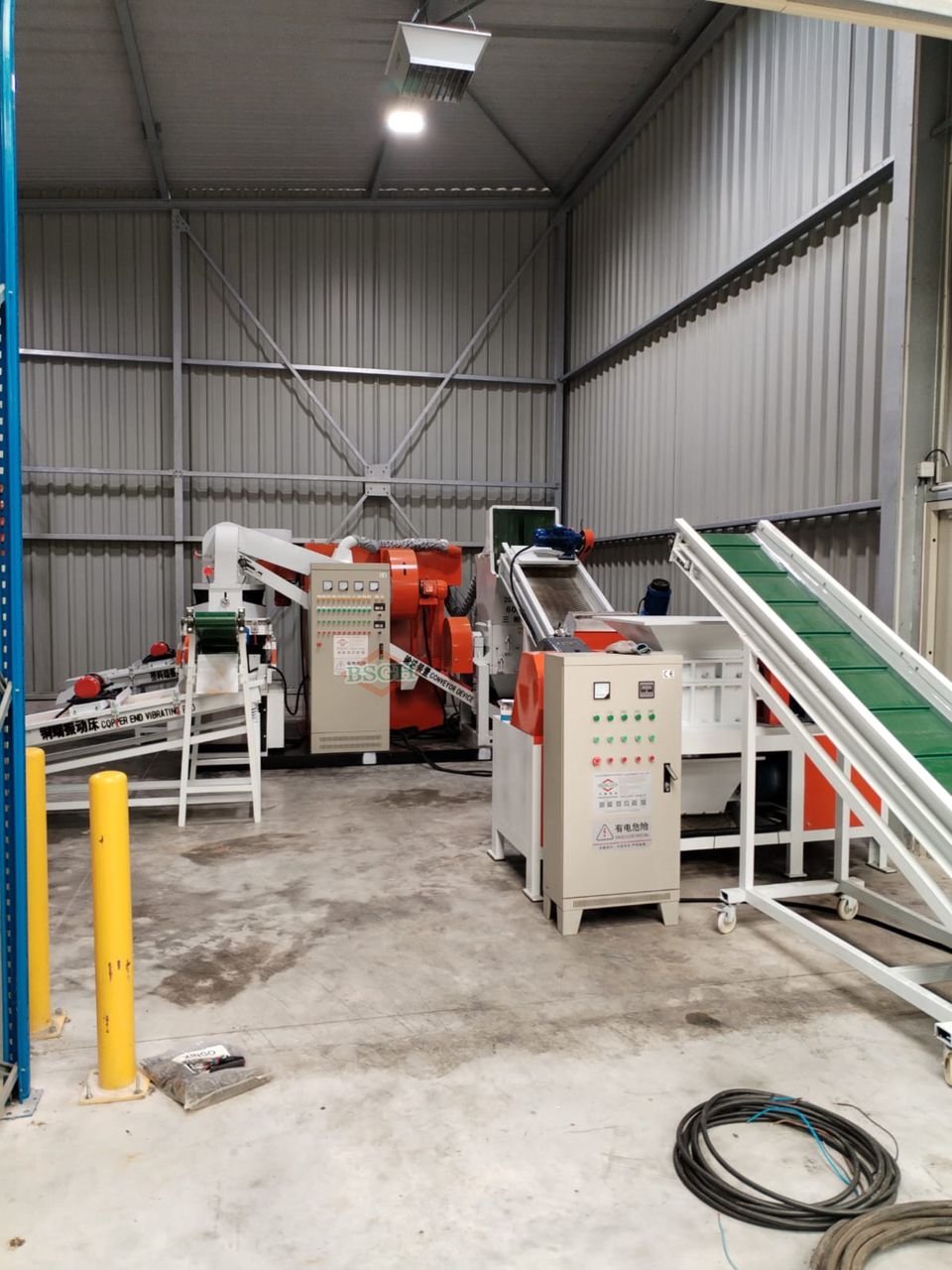
Dew-point thermodynamics, vapor pressure, and multi-month inventory preservation
Recyclers frequently aggregate copper chop inventory over several weeks to assemble full 20-ton truckloads or manage logistical schedules. Controlling ambient storage conditions minimizes surface tarnishing and moisture absorption:
- Managing Ambient Relative Humidity: Copper surface oxidation is an electrochemical reaction promoted by surface moisture films. Maintaining indoor relative humidity below 50% to 60% significantly retards oxidation rates compared to open, humid environments. In damp climates, industrial dehumidification and air circulation assist in maintaining stable conditions.
- Preventing Dew-Point Condensation Cycles: Sudden temperature swings can cause moisture condensation if ambient warm, humid air contacts colder staged metal. Keep warehouse doors closed during high-humidity periods and stage inventory in insulated, covered facilities. Store pallets on clean concrete floors or pallet racks rather than bare ground or gravel to avoid moisture wicking.
- Desiccant Usage: In sealed containers scheduled for extended storage, industrial desiccant packs (such as bentonite clay or silica gel) can be placed in top liner spaces to adsorb residual trapped moisture. Size desiccant quantities according to manufacturer specifications and storage duration.
To learn more about commercial sales standards and settlement terms, review our guide on how scrap yards sell copper chops directly to smelters, or contact MECUVO engineering for equipment guidance.
Key Takeaways
Protecting copper chop value requires verified weight tracking within marked FIBC and pallet Safe Working Loads, robust freight stabilization, and dry warehouse staging above ambient dew points. Following disciplined packaging protocols and buyer-agreed delivery standards protects operators from transit damage, moisture penalties, and commercial grade disputes.
— YOUR RECYCLING PROJECT
Find the right machine for your material.
Tell us your material and required capacity.
Or email sales@mecuvo.com