Table of Content
Investing in cable recycling equipment requires matching machinery configuration to facility throughput and operational capabilities. Compare compact and modular configurations using your actual cable supply, required throughput, available working hours, electrical service and site layout. Request a configuration-specific quotation and a representative material trial. Labor cost and payback depend on utilization, preparation, recovered product value, residue handling and total ownership costs; monthly tonnage alone does not determine the better investment.
What are the engineering differences between compact skids and modular plants?
Understanding the physical engineering differences between integrated skids and distributed modular lines helps scrap yard operators select equipment that aligns with facility space, electrical capacity, and material handling logistics.
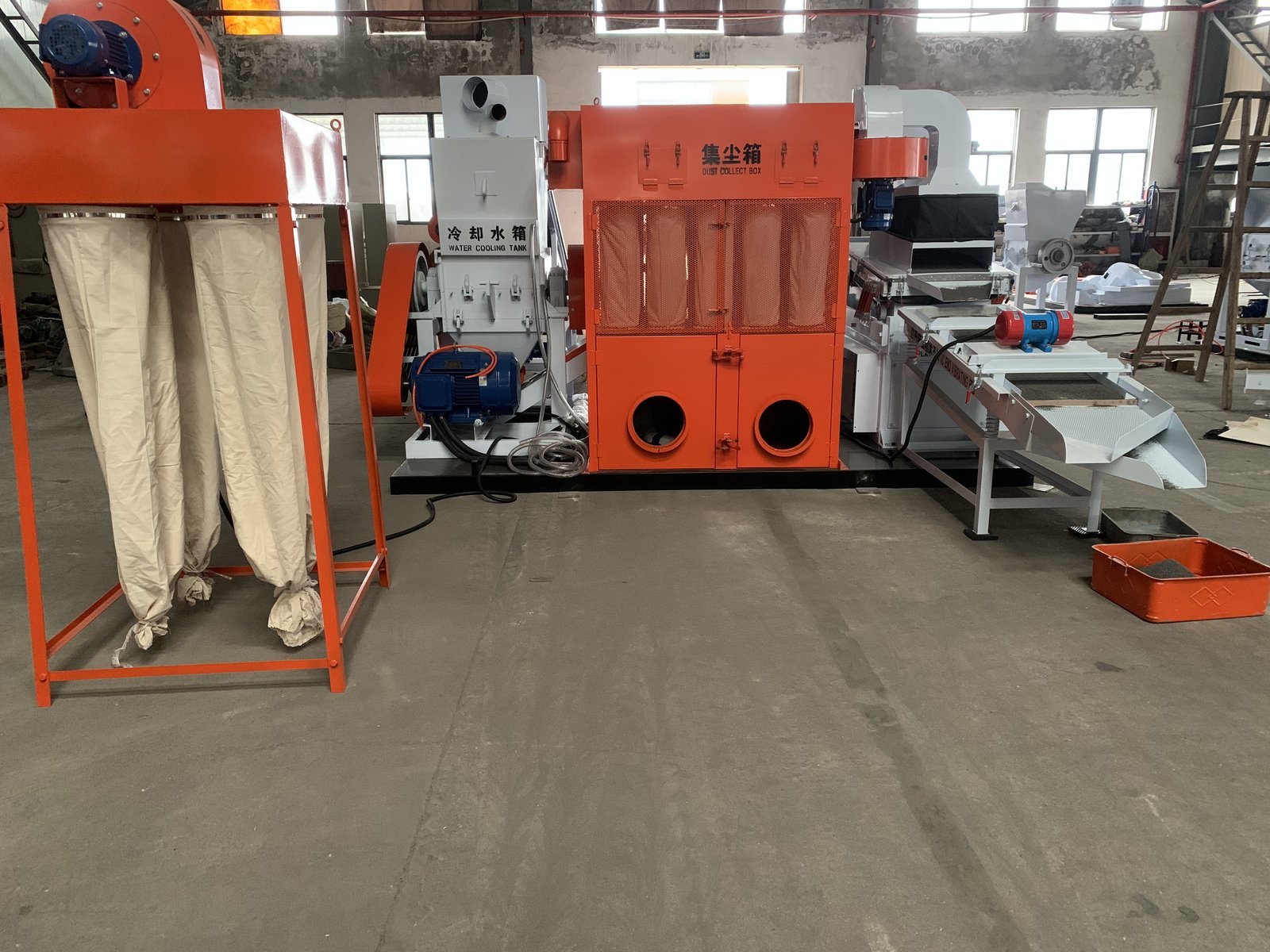
Mechanical architecture, component integration, and material flow dynamics
When evaluating machinery options, buyers must understand that the distinction between compact and modular is not merely one of size; it is a fundamental difference in processing philosophy. As highlighted in industrial waste treatment studies by the European IPPC Bureau:
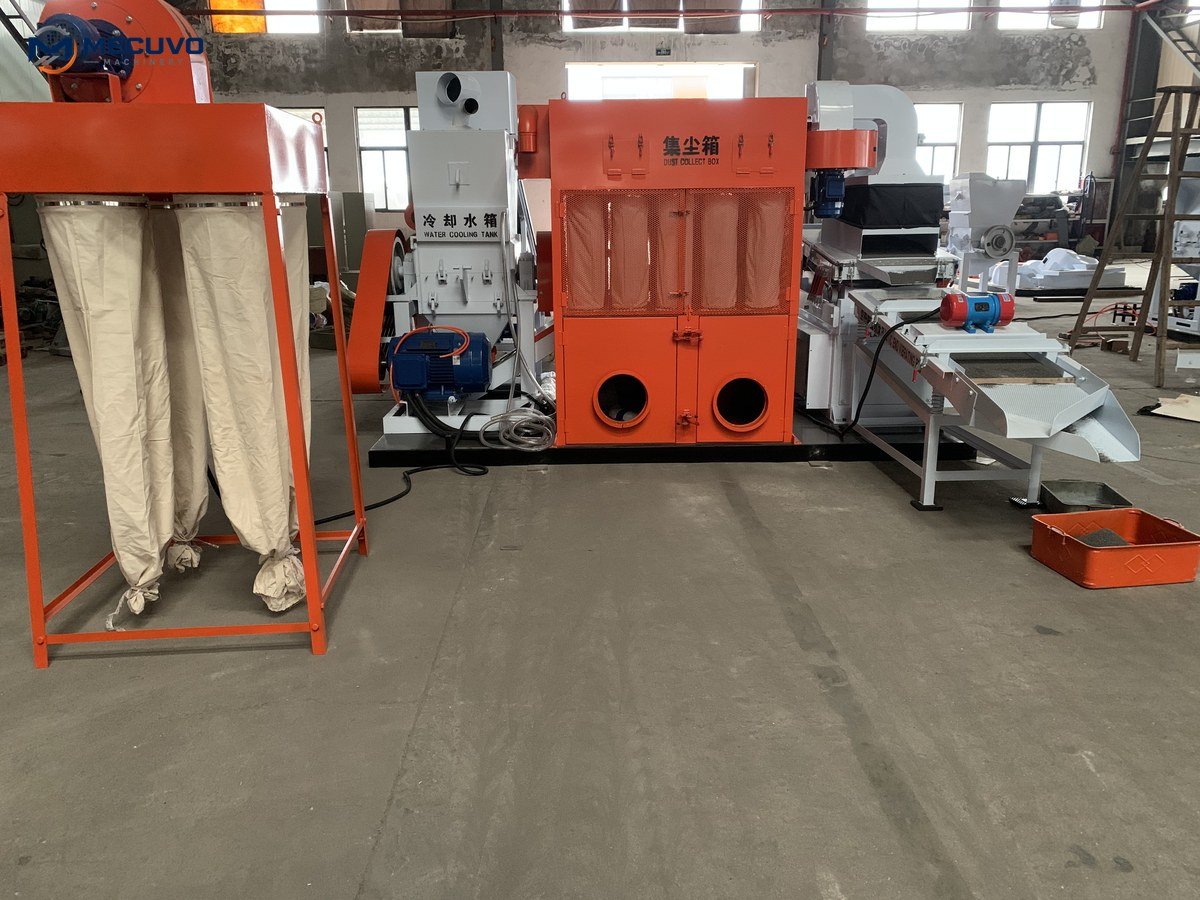
- Compact All-in-One Skid Configurations: Mounts the infeed hopper, granulator cutting chamber, vibrating air density table, aspiration blower, and cyclone dust collector onto a unified structural steel frame. This integrated layout minimizes facility footprint (often under 10–15 m²), simplifies electrical commissioning to a single drop or pre-wired panel, and allows relocation via forklift. Best suited for smaller batches and manual infeed.
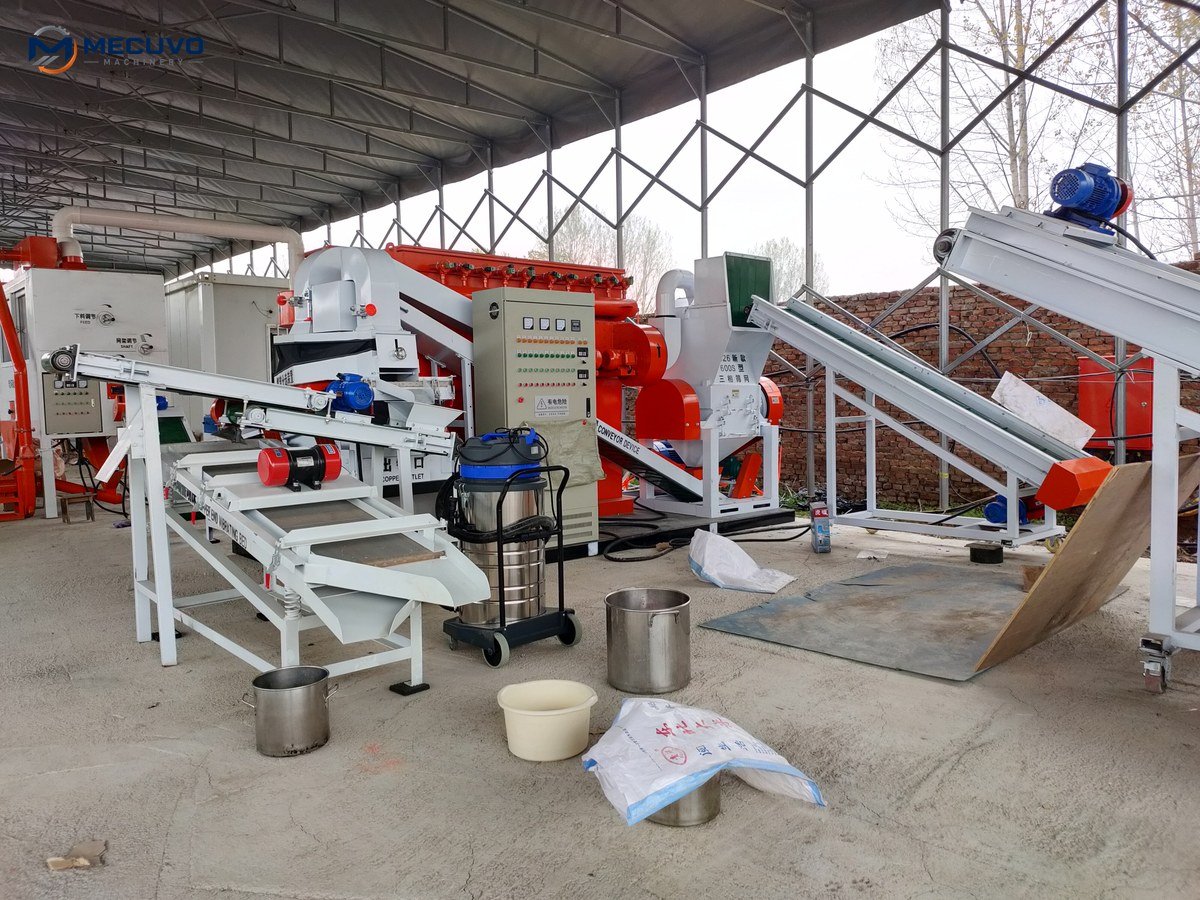
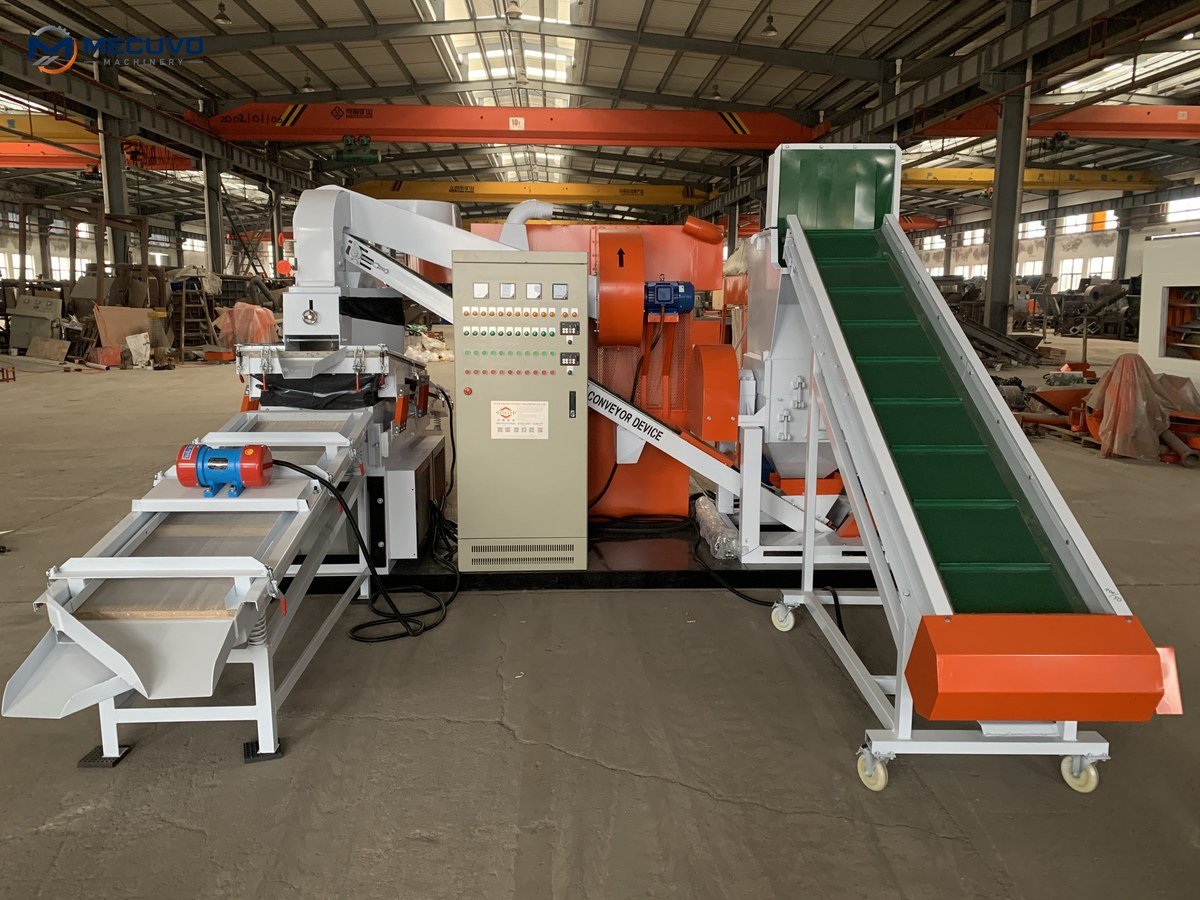
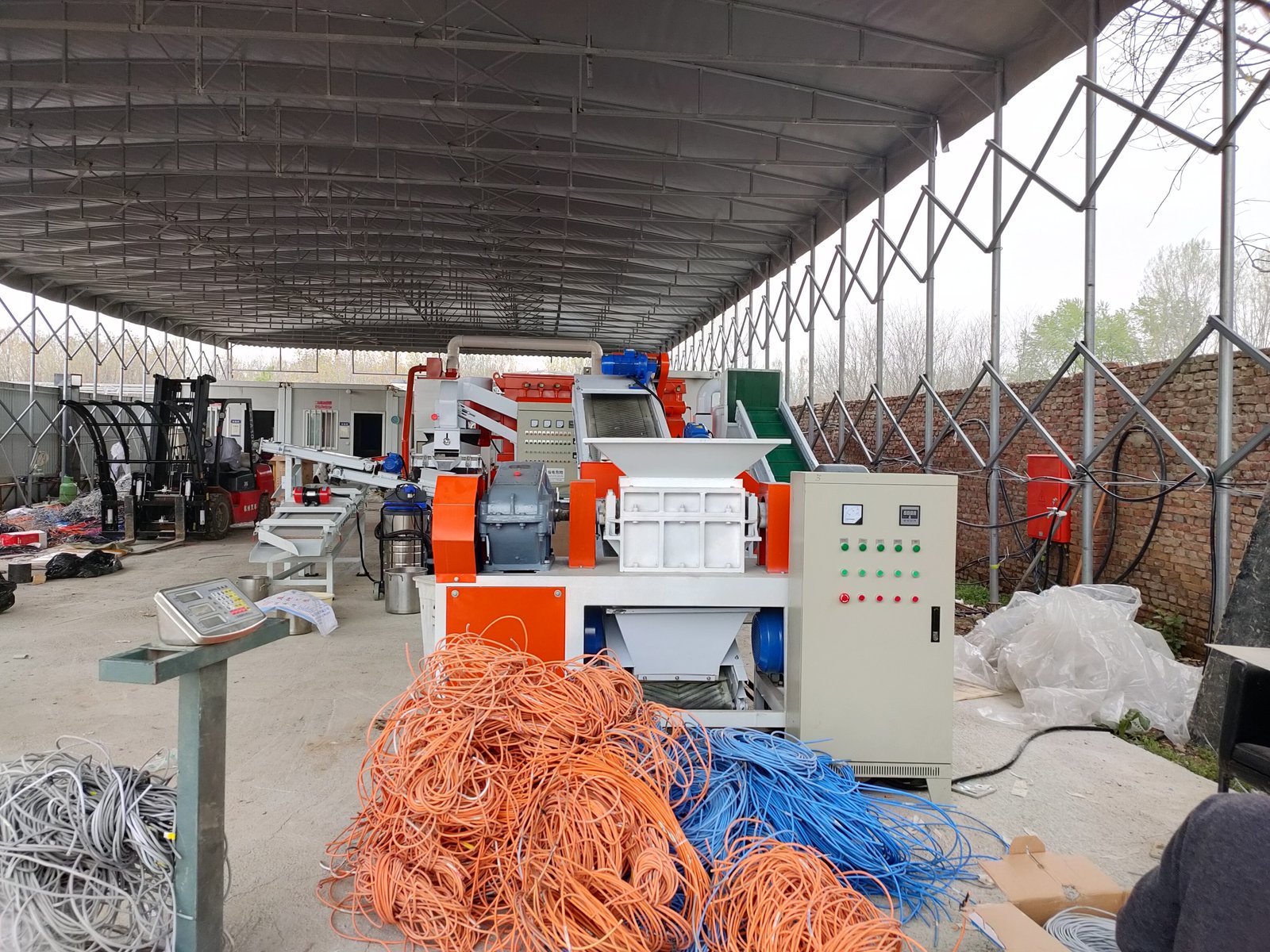
- Industrial Modular Plant Configurations: Deploys independent, specialized processing stations connected by automated conveyors. A typical modular line includes a low-speed primary pre-shredder, overband magnetic ferrous separator, inclined feed conveyor with metered hopper, secondary granulator, multi-deck air classification tables, and centralized pulse-jet dust collection. This distributed architecture supports higher continuous tonnages, continuous mechanical feeding, and larger cable diameters.
How do operational throughput, labor overhead, and cable capacity compare?
Operating throughput, labor requirements, and infeed flexibility vary substantially between compact units and multi-stage plants. Evaluating these factors against available operating hours and labor resources determines long-term productivity.
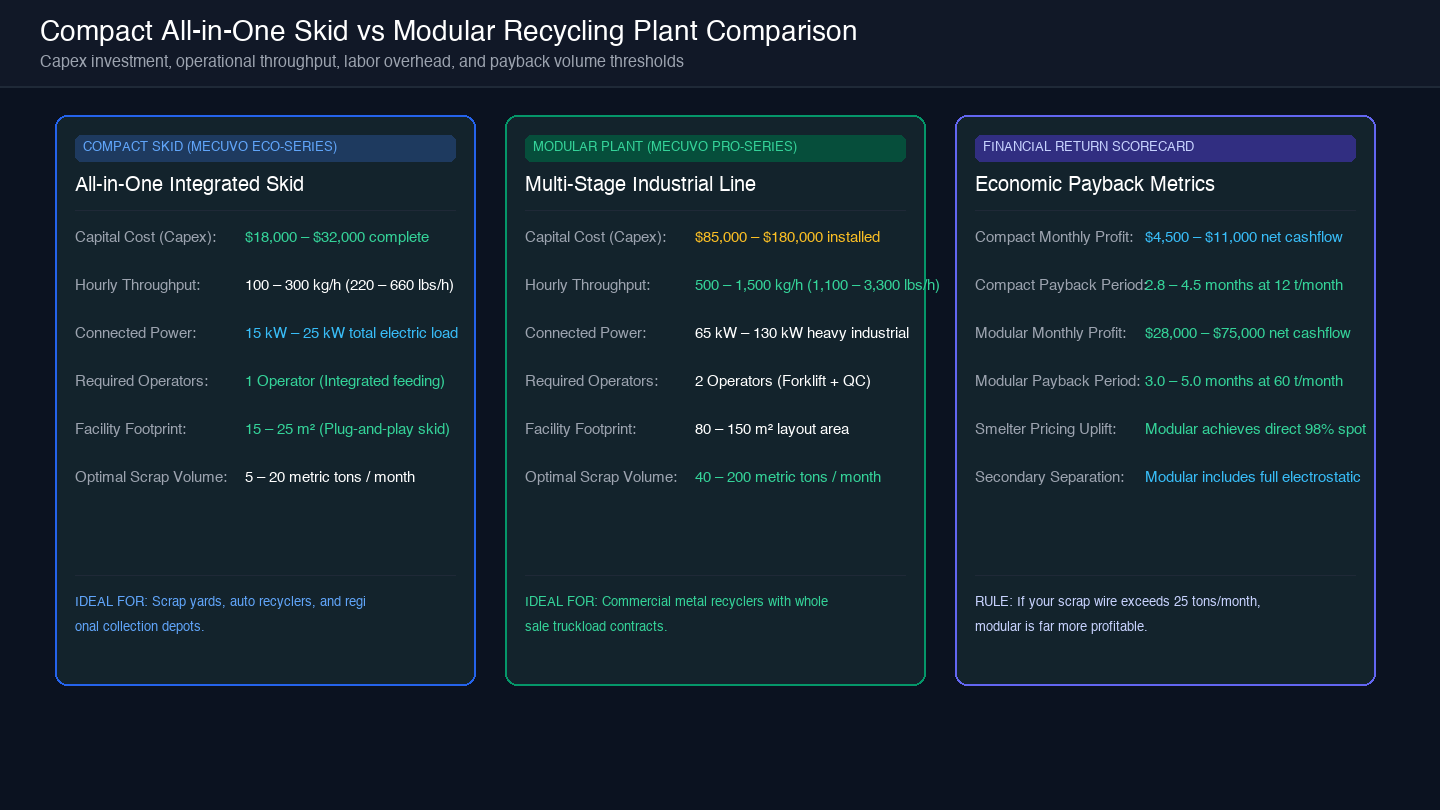
Operational comparison: Throughput, feed versatility, and labor efficiency
Comparing machine capability across key operational metrics demonstrates why high-volume facilities transition to modular architectures:
| Operational Specification | Compact All-in-One Skid | Industrial Modular Plant |
|---|---|---|
| Processing Throughput | 100 – 300 kg/h (220 – 660 lbs/h) | 500 – 1,500 kg/h (1,100 – 3,300 lbs/h) |
| Daily Output (8-Hour Shift) | 1,000 – 2,400 kg scrap cable | 4,000 – 12,000 kg scrap cable |
| Infeed Material Preparation | Must pre-cut wire to <50 cm lengths | Accepts tangled wire bales, coils, & bulk |
| Armored & Steel Handling | Cannot process (Destroys knives) | Handled via pre-shredder & magnetic drum |
| Electrostatic Recovery | Optional separate add-on | Fully integrated multi-roll unit |
| Operating Labor | 1 dedicated manual operator | 2 operators (1 forklift driver + 1 QC/bagger) |
| Labor Cost per kg Processed | $0.10 to $0.14 / kg | $0.03 to $0.05 / kg |
| Connected Electrical Power | 15 kW – 25 kW | 65 kW – 130 kW |
| Equipment Capex (Complete) | $18,000 – $32,000 | $85,000 – $180,000 |
- Infeed Handling Considerations: On a compact granulator without an automated pre-shredder, operators must pre-cut tangled cables and feed material manually or via small infeed belts to prevent chamber bridging. A modular plant incorporates a low-speed pre-shredder that accepts whole cable bundles and coils directly, discharging pre-sized material via conveyor.
- Throughput and Working Hours: A compact system rated at 100 to 300 kg/h processing an 8-hour continuous run handles an illustrative 800 to 2,400 kg of cable input per day. An industrial modular line rated at 600 to 1,200 kg/h can process multiple tons per shift, shifting the operational focus toward upstream inventory sourcing and downstream bulk handling.
What is the monthly scrap volume threshold that justifies a modular plant?
Financial justification for upgrading from a compact skid to a modular installation hinges on sustained monthly scrap volume, labor costs, and capital payback requirements.
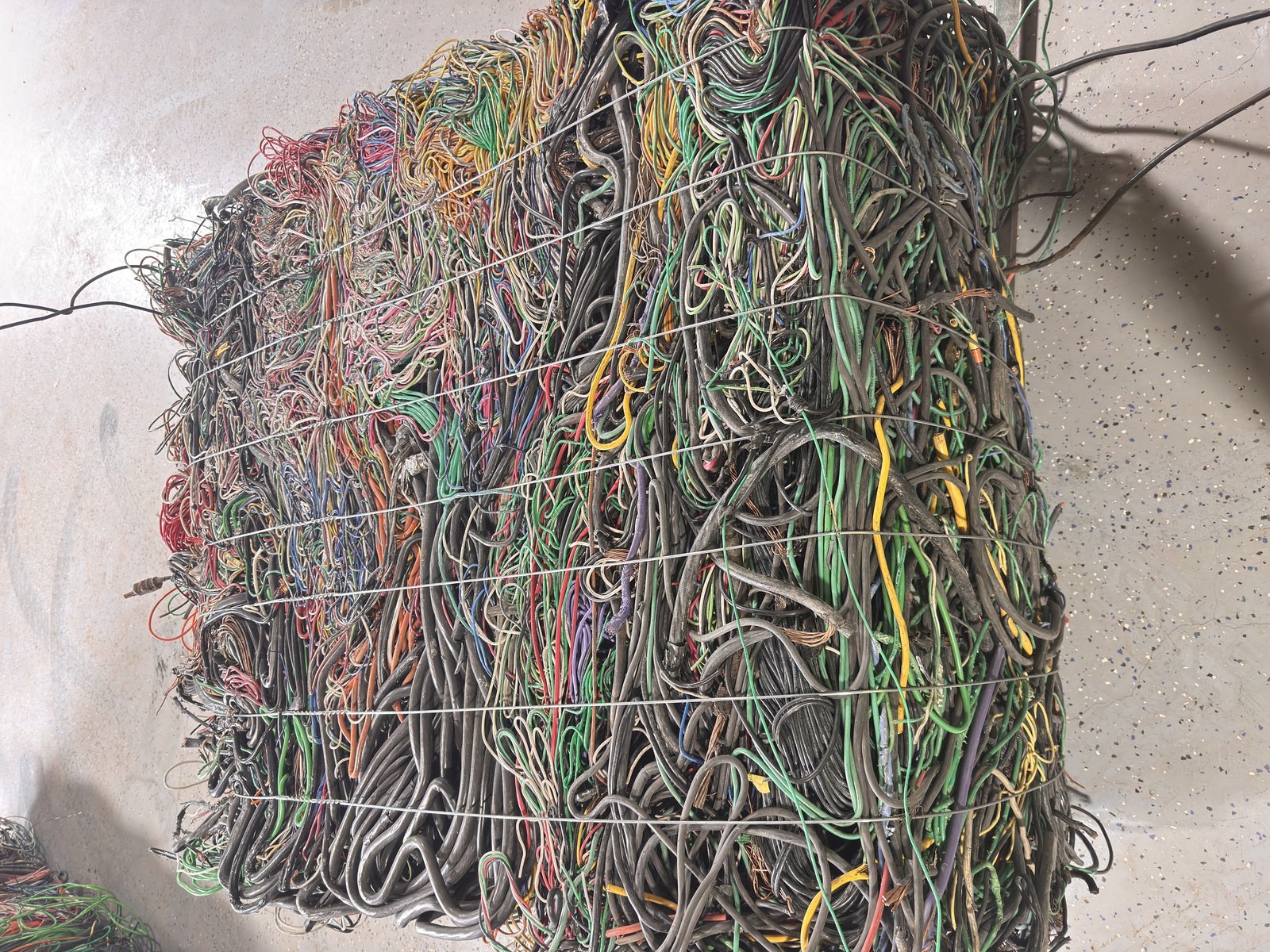
Financial tipping points, monthly cashflow modeling, and equipment payback
To determine which machinery architecture aligns with your business, calculate your monthly scrap wire volume and downstream sales strategy:
- Operational Profile of a Compact Skid (Hypothetical Illustration): For operations processing smaller monthly scrap volumes (such as 10 to 15 tons per month), a compact skid provides manageable capital entry and compact footprint. Operators feed cut-to-length wire manually or via short infeed belts. While labor requirements per ton are higher due to manual material handling, the lower initial equipment outlay reduces capital risk and debt service.
- Operational Profile of a Modular Plant (Hypothetical Illustration): When processing sustained commercial volumes (such as 40 to 60+ tons per month), modular plants utilize automated pre-shredders and conveyors to maintain consistent chamber loading. Automated material flow reduces manual labor hours per processed ton, though higher initial capital expenditure, larger facility footprint, and greater electrical service requirements necessitate steady scrap supply to maintain economic utilization.
- Scrap Volume Dynamics: When monthly cable accumulation is under 15 to 20 tons, a compact machine typically matches volume requirements without excessive capital carrying costs. As monthly volumes scale beyond 30 to 40 tons, the higher throughput and mechanical feeding of modular systems reduce labor hours per processed ton, provided capital financing and space constraints are met.
How do you future-proof a compact granulator with modular add-ons?
Scrap yards often adopt phased capital investment strategies, starting with a core granulator and adding modular components as processing volume grows.
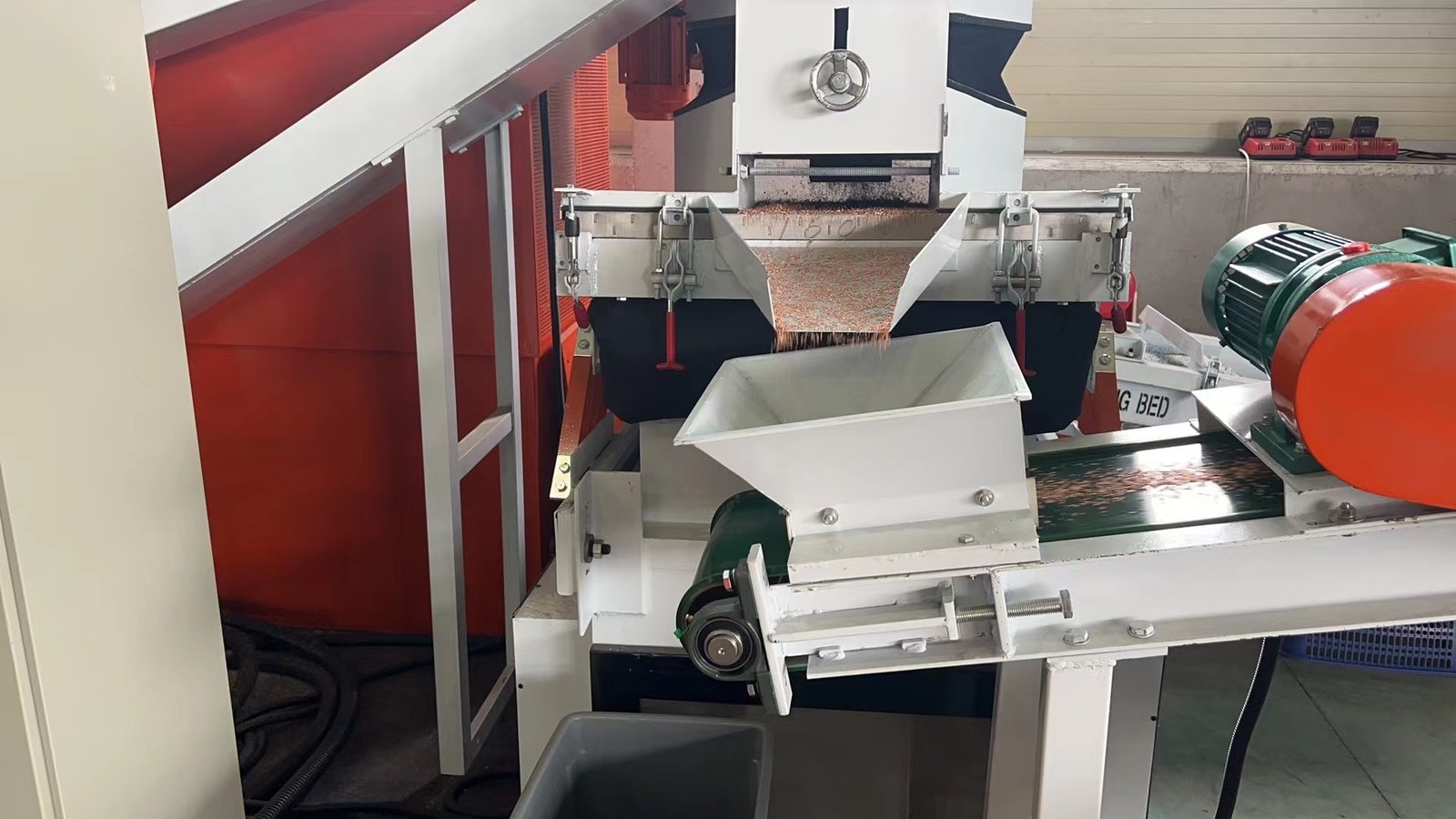
Scalable machinery roadmaps, staged capital deployment, and modular retrofitting
Many growing scrap recycling businesses do not possess the $100,000+ capital reserve required for an immediate turnkey modular line. Fortunately, modern equipment engineering allows for a Staged Capital Upgrade Path:
- Phase 1: Core Granulation: Deploy an integrated compact granulator to establish operational workflows, train operators, and begin producing clean copper chops from sorted wire feeds.
- Phase 2: Automated Infeed & Magnetic Separation: As volume grows, integrate an infeed conveyor and magnetic head pulley or overband cross-belt magnet to automate wire feeding and capture tramp ferrous contaminants before the cutting chamber.
- Phase 3: Pre-Shredding & Secondary Recovery: Add a slow-speed primary pre-shredder to accept heavy cable bundles, followed by secondary electrostatic separation or air classification tables to maximize recovery of fine wire fractions.
To evaluate machinery configurations and request tailored quotations, explore our copper granulator machine catalog, or contact MECUVO engineering for facility sizing consultations.
Key Takeaways
Comparing compact and modular granulator architectures requires evaluating available cable volume, facility space, electrical capacity, and labor costs. Compact skids provide low-risk entry for smaller operations, while modular lines offer the throughput and automation needed for high-tonnage industrial recycling.
— YOUR RECYCLING PROJECT
Find the right machine for your material.
Tell us your material and required capacity.
Or email sales@mecuvo.com