Table of Content
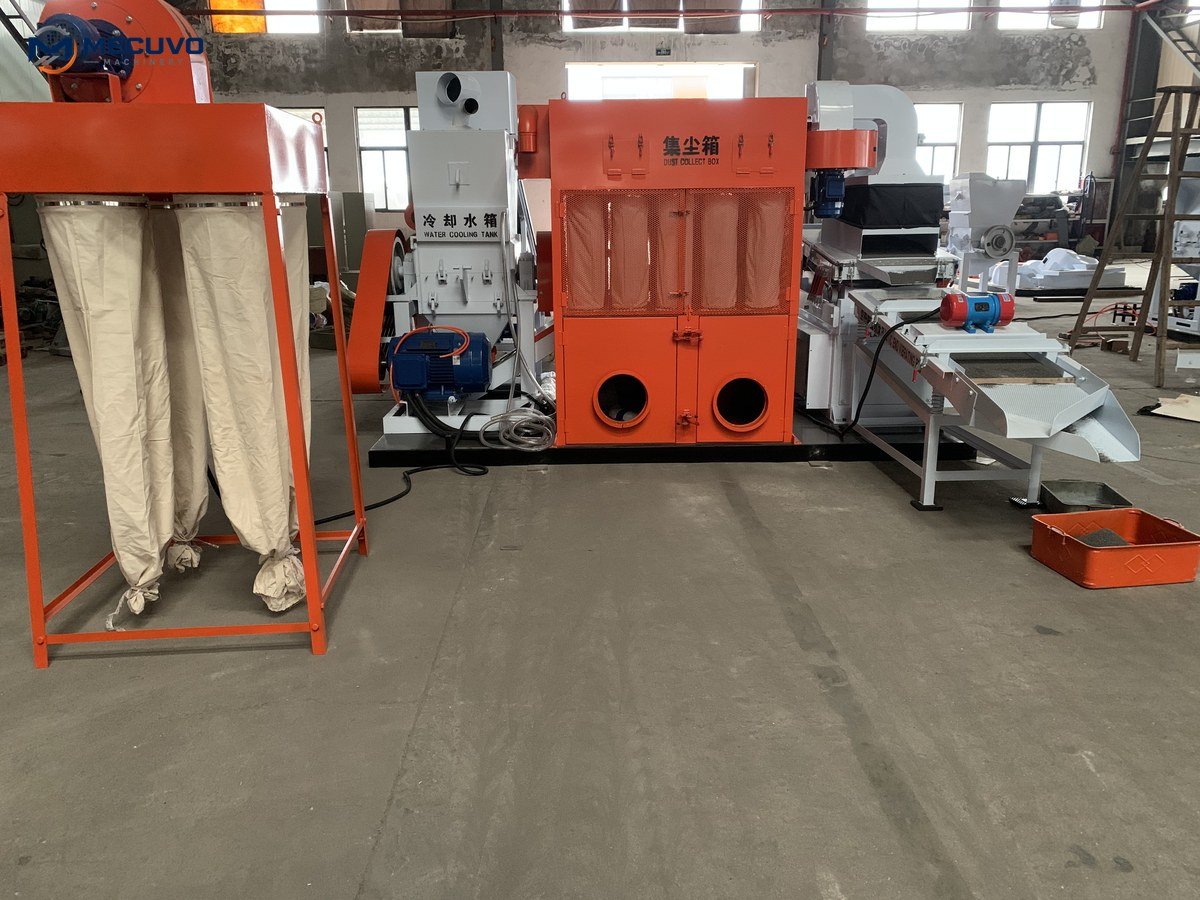
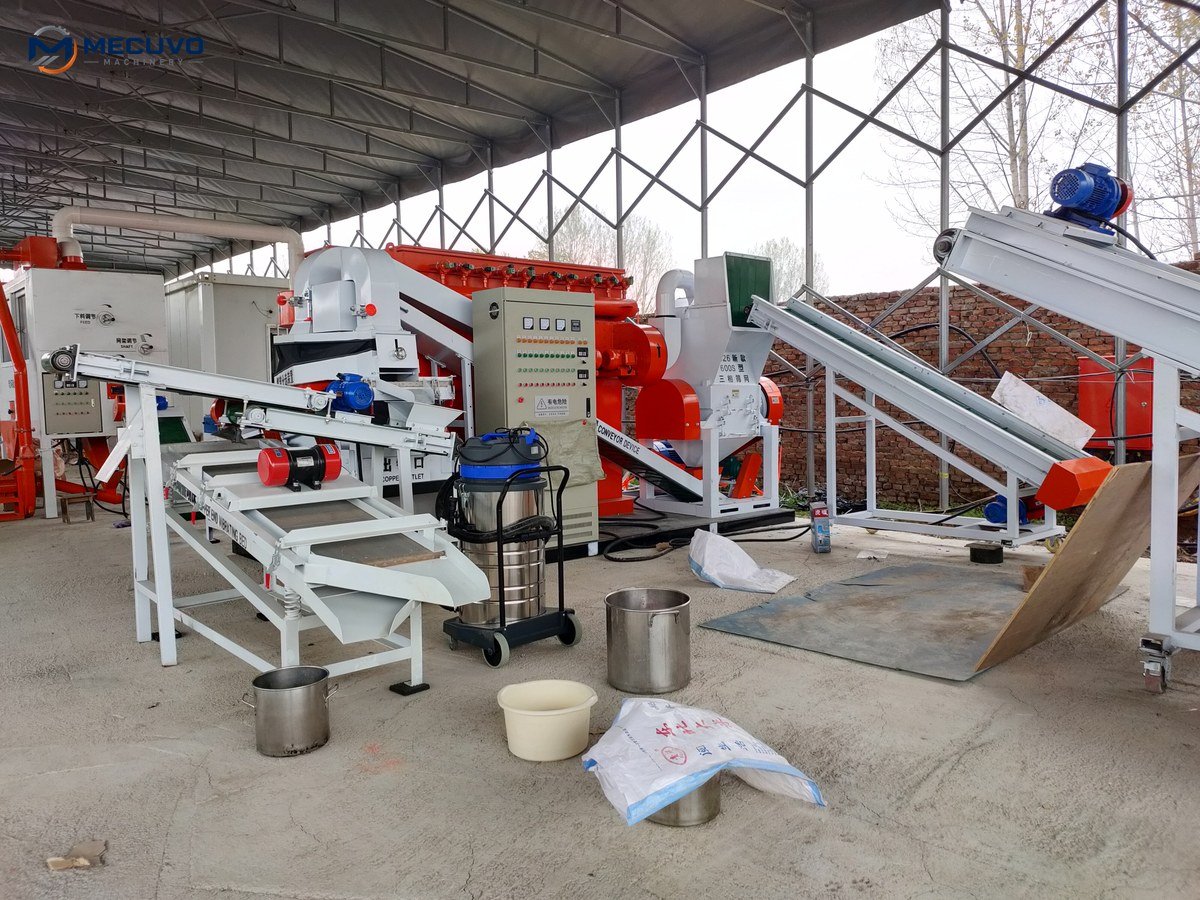
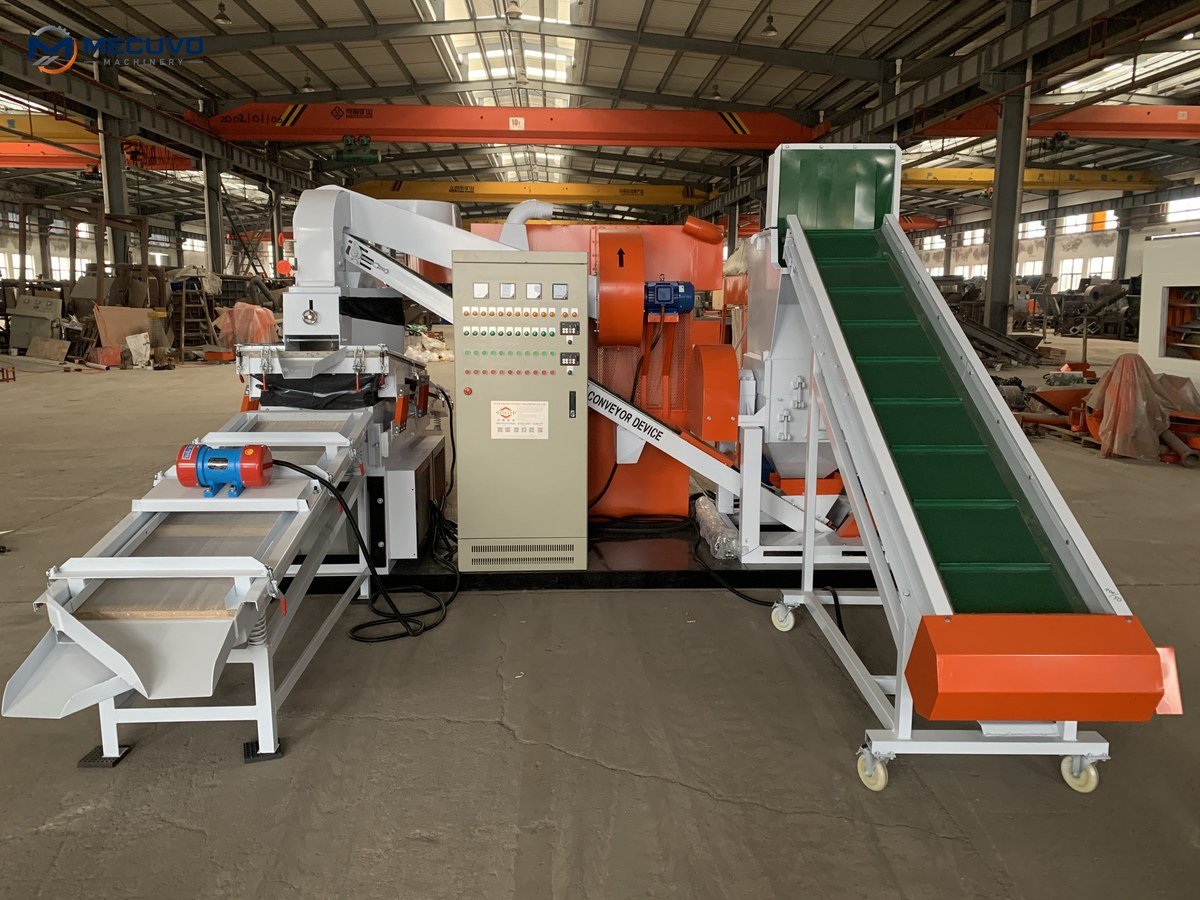
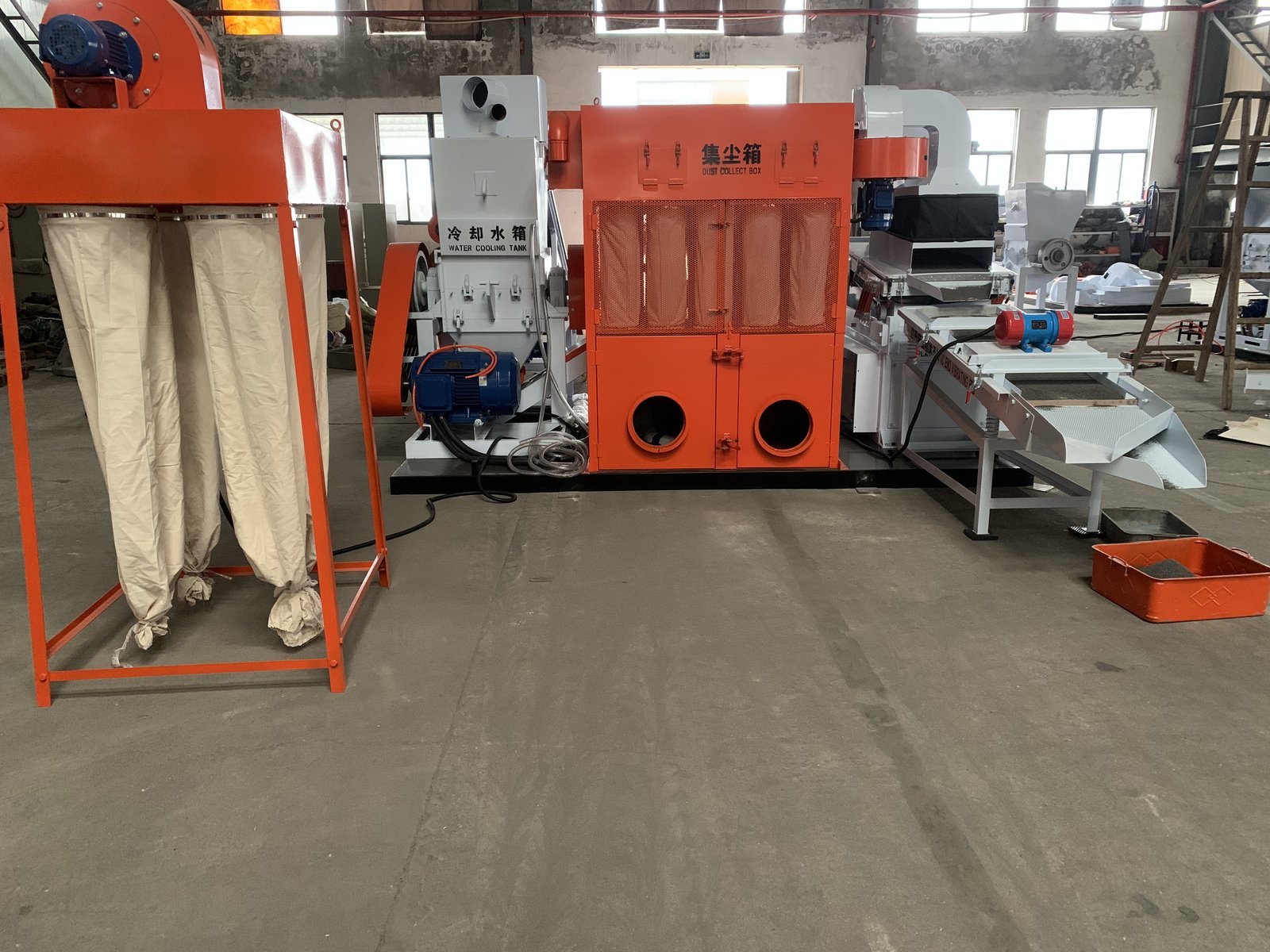
While most scrap yard operators focus strictly on the copper chops discharging from the air table, tons of valuable copper powder escape into dust collection systems every year. A two-stage filtration system combining a high-efficiency centrifugal cyclone with an automated pulse-jet baghouse operating at 0.5 to 0.7 MPa pulse air pressure maintains the 1,200 to 1,500 Pa negative suction pressure required to cool the cutting chamber while capturing 8 to 18 kg of high-purity copper fines per shift. Failing to maintain dust collector filter cartridges leads to blinding, which strangles granulator cooling airflow, causes cutting chamber overheating, and violates occupational particulate air standards.
Why is dust collection critical to granulator cooling and separation performance?
Air aspiration and dust collection perform vital process functions beyond environmental housekeeping. An appropriately engineered dust collection system removes airborne dust from cutting chambers and separation decks, assists in process thermal management, and prevents fine polymer particles from contaminating clean copper chops.
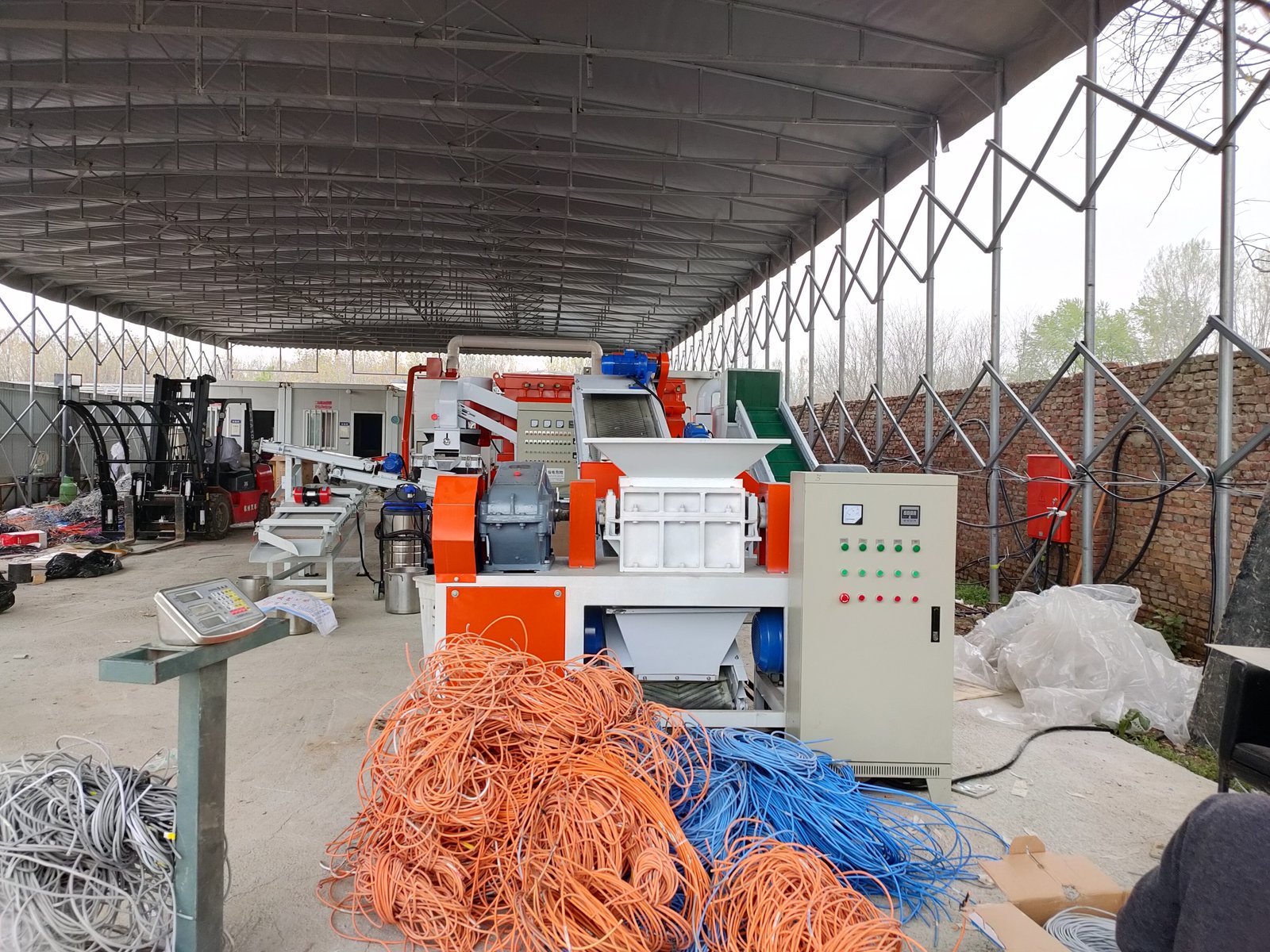
Negative pressure aerodynamics, chamber cooling, and particulate capture
In a commercial copper wire granulator, high-speed cutting knives and vibrating fluid beds generate substantial heat and micro-particulates. According to operational engineering standards in the European IPPC Bureau Waste Treatment Reference Document, a balanced aspiration ventilation system fulfills three indispensable operational functions:
- Process Airflow and Thermal Management: Mechanical shearing inside high-speed granulators generates frictional heat. Continuous air aspiration through the cutting chamber continuously exhausts heated air and fine suspended particulates, helping maintain chamber temperatures within acceptable operating limits. If filter media blind and airflow drops significantly, chamber temperatures rise, increasing the risk of thermoplastic insulation softening and blinding the screen.
- Air Table Fluidization Assistance: Above the dry air separation table, an aspiration hood captures ultra-light particulate fractions (such as paper filler, loose yarn, and pulverized polymer dust) as they float above the fluidized material bed. Removing airborne dust prevents polymer fines from settling back onto clean copper chops.
- Occupational Health & Environmental Air Considerations: Dust collection can reduce emissions, but a collector rating or exhaust concentration alone does not establish regulatory compliance. Assess worker exposure to the actual dust constituents using the applicable occupational limits, and assess the discharge separately against the facility’s permit and local air requirements. Confirm performance by appropriate sampling, inspection and maintenance.
How do cyclones and pulse-jet baghouses work together to recover copper fines?
Efficient air systems often employ a two-stage collection architecture: a primary centrifugal cyclone to separate coarse flakes and fluff, followed by a secondary pulse-jet fabric or cartridge filter to capture fine suspended particles.
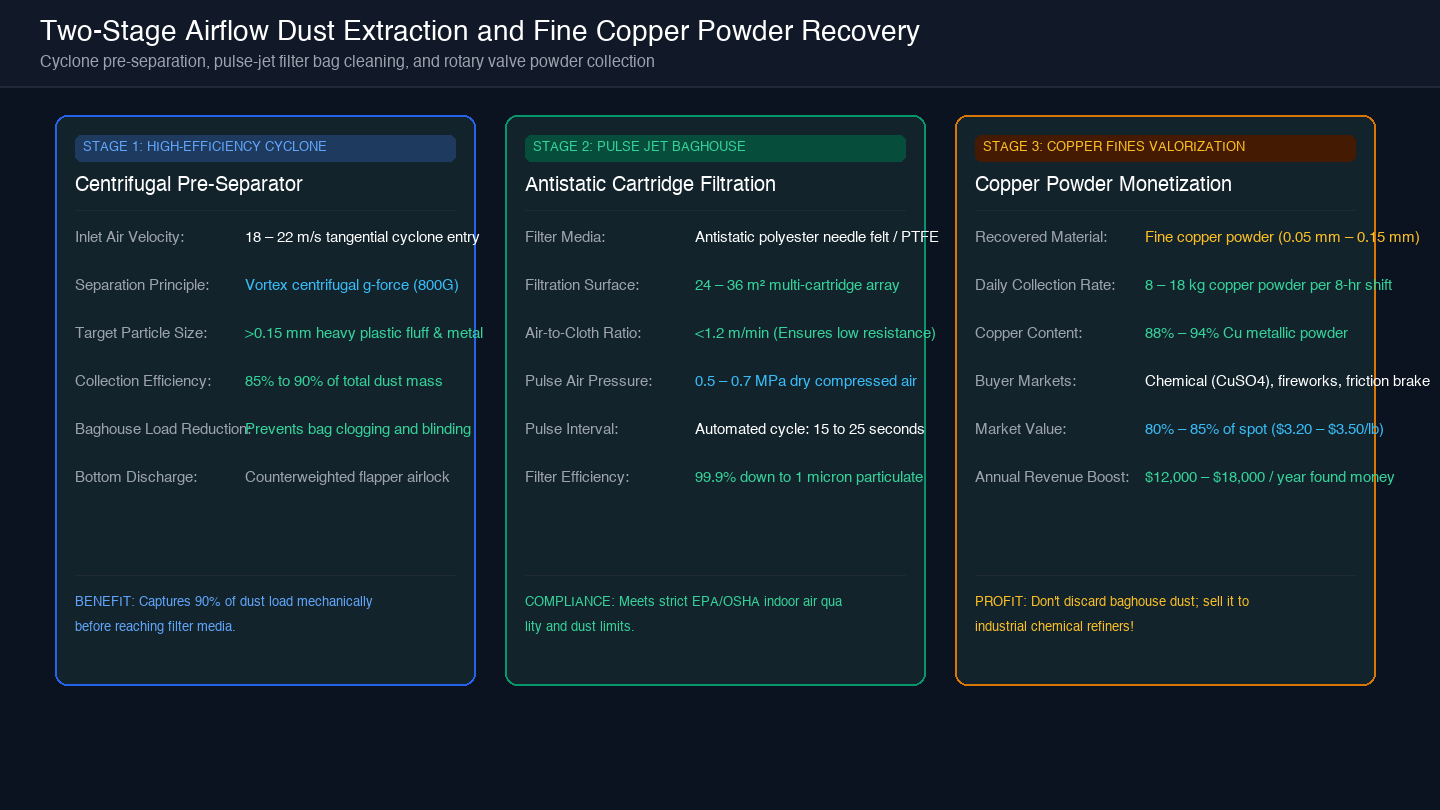
Two-stage aerodynamic separation mechanics and particle size classification
Directing raw granulator exhaust directly into a fabric baghouse is an engineering mistake: coarse, sharp wire fluff will tear filter bags and blind the filter media within hours. High-performance lines utilize a two-stage filtration sequence:
- Stage 1: High-Efficiency Centrifugal Cyclone:
- Tangential entry velocity of 18 to 22 m/s spins the exhaust air stream into a downward vortex. Centrifugal acceleration (exceeding 800 Gs) throws particles larger than 100 microns against the cyclone outer wall.
- Dense plastic pellets, paper fibers, and coarse copper granules lose velocity and spiral down into a bottom collection hopper sealed by an airtight counterweighted flapper valve or motorized rotary airlock. This removes 85% to 90% of total dust burden, ensuring only microscopic airborne particles enter the baghouse.
- Stage 2: Reverse Pulse-Jet Baghouse:
- The cleaned airstream enters the baghouse compartment, passing through a bank of vertical antistatic polyester needle-felt filter cartridges (with PTFE hydrophobic membrane coating).
- Microscopic copper powder (0.02 mm to 0.10 mm) forms a porous “dust cake” on the outer cartridge surface, filtering air down to 99.9% efficiency at 1 micron.
- An electronic timer pulses clean, dry compressed air (0.5 to 0.7 MPa) through venturi nozzles down the center of each filter bag every 15 to 25 seconds. The sudden reverse pressure wave expands the flexible filter media outward, dislodging the copper dust cake into the collection hopper below without interrupting plant airflow.
- Essential Airlock Sealing: The bottom of both the cyclone and baghouse must be sealed with a rotary airlock valve. If an operator leaves the dust collection barrel unlatched, ambient air is sucked upward through the discharge hopper, re-entraining collected copper dust back into the exhaust airstream and blowing it into the atmosphere!
What routine maintenance prevents filter blinding and pulse valve failure?
Routine inspection protocols ensure dust collectors operate within design differential pressure limits, maintain required aspiration airflow, and prevent filter blinding.
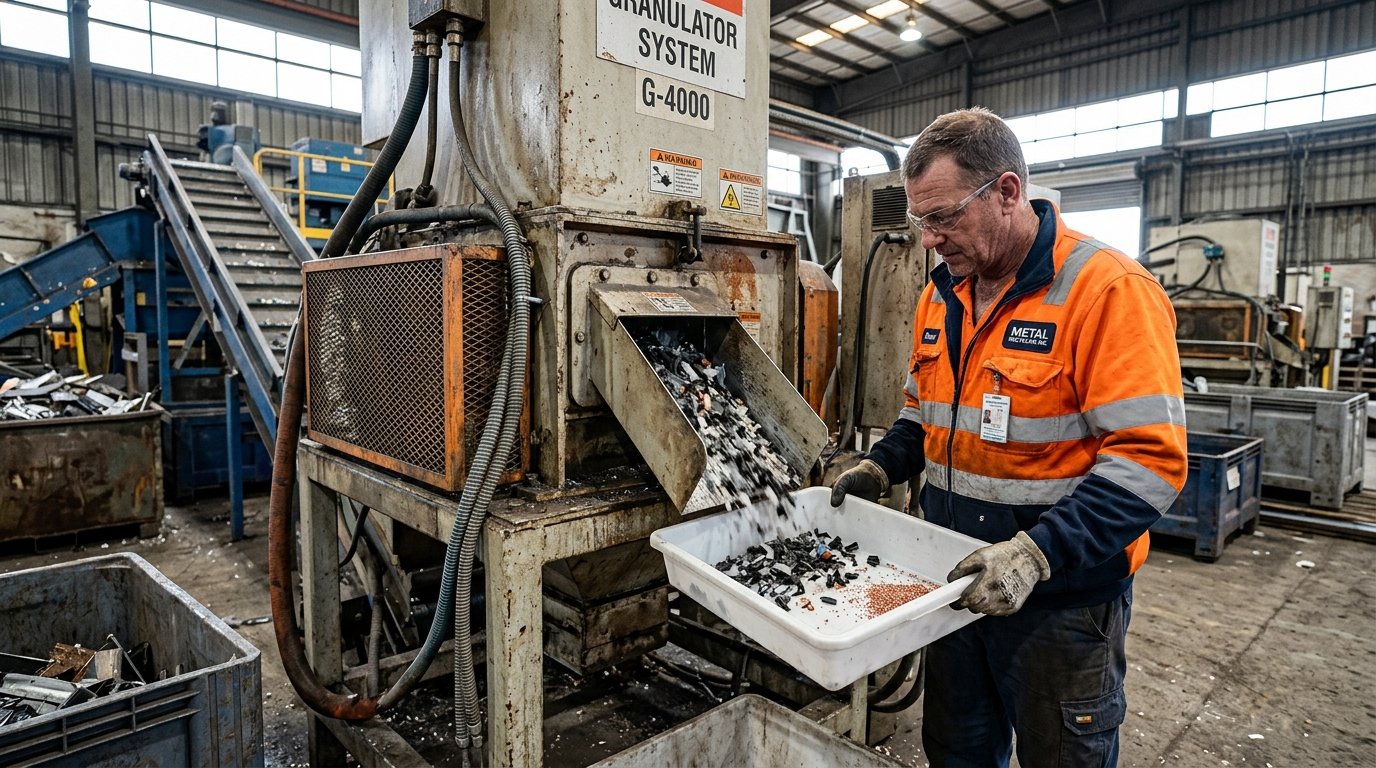
Maintenance protocols, differential pressure tracking, and solenoid diagnostics
A neglected dust collector quickly becomes the primary bottleneck of a recycling facility. Assess the fire, explosion and exposure hazards of the actual collected dust before selecting collection, discharge and storage equipment. Where required by that assessment and applicable rules, provide suitable ignition control, bonding and grounding, explosion protection and isolation. Before opening or servicing equipment, follow the approved energy-isolation procedure, stop rotating parts, safely release stored pneumatic energy and verify isolation. Antistatic filter media alone does not establish that the system is safe. Adhere to these essential maintenance benchmarks:
- Differential Pressure Monitoring: Monitor the differential pressure gauge across clean and dirty filter plenums. Operating differential pressure should remain within the manufacturer’s recommended operating range. An abnormal increase in pressure drop indicates media blinding or inadequate pulse cleaning, while an abrupt drop can indicate filter perforation or seal bypass.
- Compressed Air Pulse Cleaning: Ensure compressed air supplied to pulse-jet cleaning valves is dry, oil-free, and regulated to manufacturer specifications. Inadequate header pressure reduces cleaning efficiency, while excessive moisture blinds hygroscopic polymer dust onto filter media.
- Hopper Discharge & Rotary Air Locks: Verify hopper discharge seals regularly. Dust hoppers must discharge continuously through rated rotary airlocks or sealed double-flap valves. Air leakage at the discharge point disrupts internal air currents, promotes dust re-entrainment, and reduces collection efficiency.
- Filter Inspection and Replacement: Inspect filter bags or cartridges for signs of physical wear, chemical degradation, or particulate bleed-through. Follow equipment manufacturer guidelines regarding filter cleaning and replacement intervals; never attempt washing cartridges unless explicitly approved by the filter manufacturer.
How do scrap yards monetize the fine copper powder recovered from baghouses?
Evaluating the non-ferrous metal content of collected dust helps recyclers optimize overall facility recovery. Where cable processing generates fine copper particulate entrainment, material assays determine whether secondary recovery or metallurgical recycling is commercially viable.
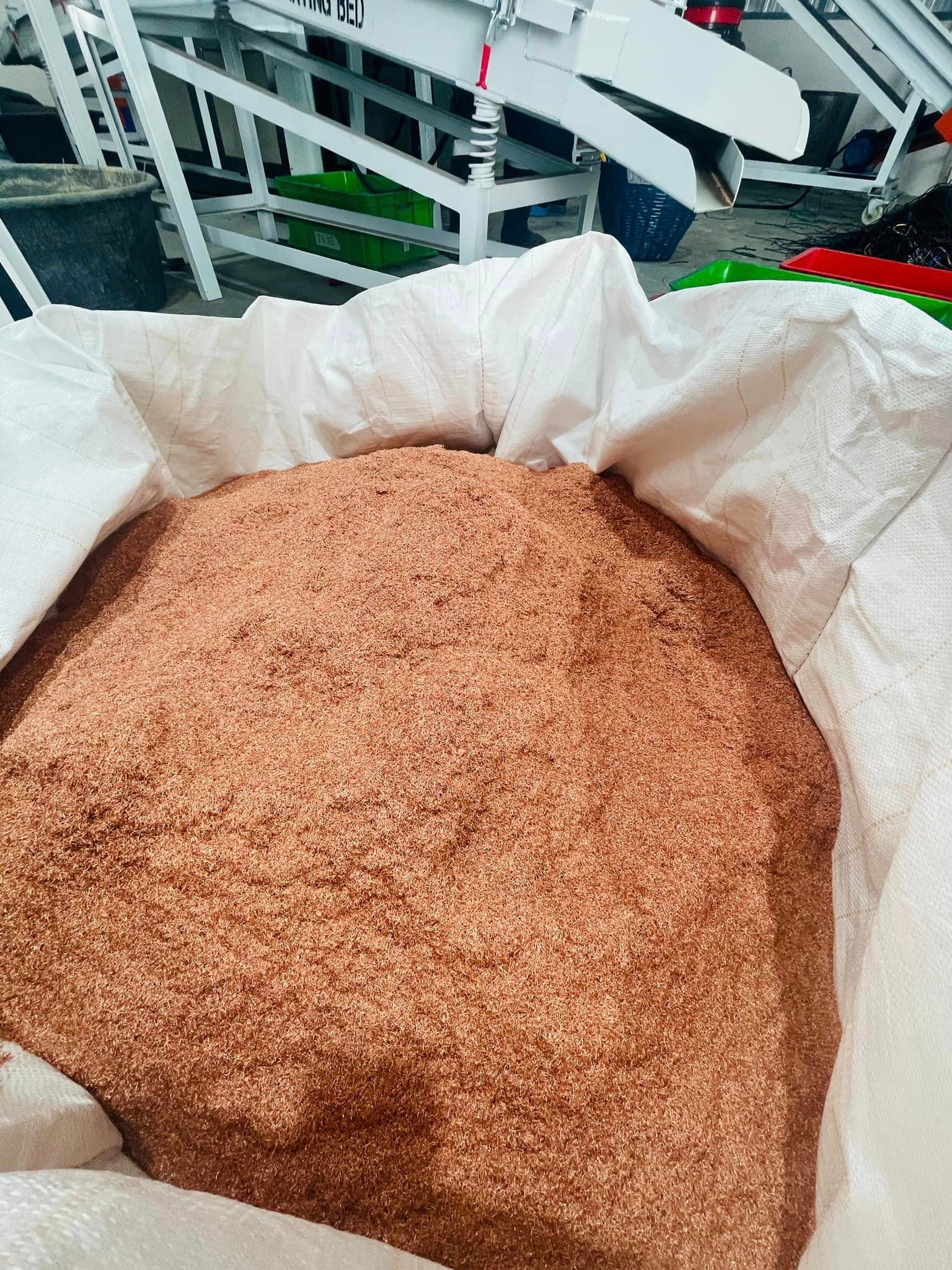
Chemical assay, buyer market channels, and annual revenue realization
Many scrap yard operators assume that dust collector discharge is useless dirt and shovel it into the general landfill dumpster. In a well-designed copper granulator plant, this is throwing cash into the trash.
- Compositional Profile of Collection Fractions: In cable granulation, coarse dust collected in primary cyclones consists predominantly of polymer fluff, paper, and textile filler. Secondary baghouse or cartridge dust may contain a mixture of fine polymer dust and microscopic copper fines (typically 0.04 mm to 0.15 mm). Actual copper concentration varies widely depending on cable type, knife sharpness, and screen aperture; representative assays are required to determine true metal value.
- Illustrative Material Balance (Hypothetical Example): A commercial processing line generating an illustrative 1.0% to 1.5% dust fraction on mixed wire may accumulate fine dust requiring handling. For example, processing 3,000 kg of cable might generate 30 to 45 kg of total particulate dust. The recoverable copper fraction within that dust depends directly on upstream cyclone efficiency and scrap characteristics.
- Secondary Commercial Outlets: Depending on copper purity, moisture, and polymer contamination, collected copper-rich dusts may be accepted by secondary smelters, chemical copper compound manufacturers, or specialized refiners subject to buyer assay specifications. Material must be tested and packaged in accordance with buyer acceptance standards and applicable environmental transport regulations.
To explore industrial filtration modules and turnkey recycling systems, explore our copper granulator machine catalog, or contact MECUVO engineering for facility layout guidance.
Key Takeaways
Operating an engineered two-stage dust collection system maintains essential cutting chamber aspiration, prevents separation table contamination, and captures airborne particulates. Rigorous preventative maintenance, differential pressure tracking, and adherence to combustible dust safety protocols ensure reliable performance and environmental compliance.
— YOUR RECYCLING PROJECT
Find the right machine for your material.
Tell us your material and required capacity.
Or email sales@mecuvo.com