Table of Content
The perforated rotary screen positioned beneath the granulator rotor dictates the particle size, stripping quality, and hourly throughput of your recycling line. Selecting the right screen aperture requires matching cable conductor diameter to screen hole size: 2.0 mm to 2.5 mm for ultra-fine automotive hair wire and data cables, 3.0 mm to 3.5 mm for mixed scrap cords and building Romex, and 4.0 mm to 5.0 mm for heavy industrial power cables. Using too large a screen allows unstripped plastic jackets to escape with copper, while using too small a screen pulverizes copper into microscopic dust that blows away into baghouses.
How does screen aperture size govern granulator cutting chamber residence time?
In mechanical cable granulation, the screen cradle beneath the rotor establishes product particle sizing and liberation dynamics. Perforated screens retain material within the cutting chamber until particles are sheared sufficiently small to discharge, balancing cutting throughput against particle size distribution.
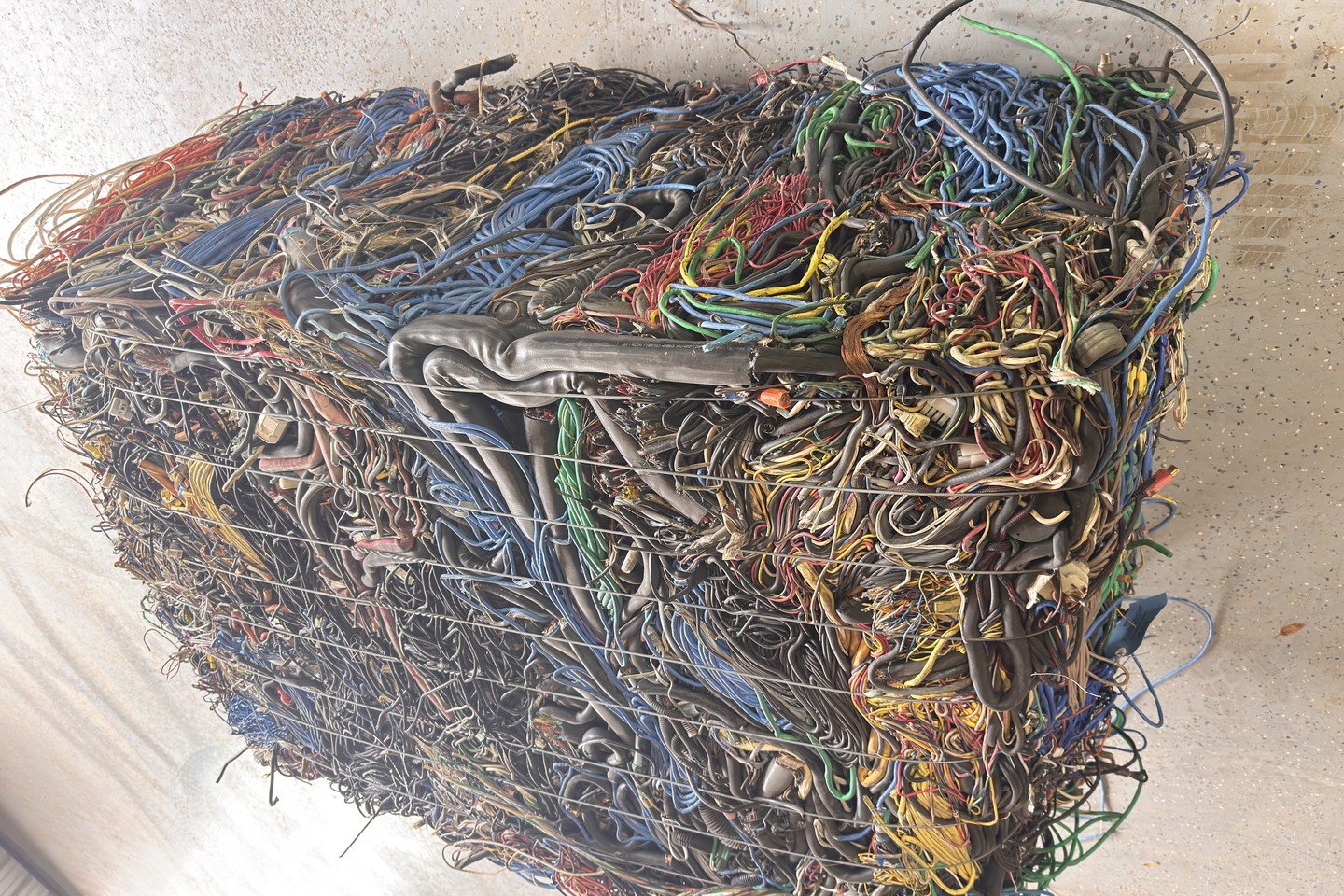
Granulation kinematics, multi-pass shearing, and thermal energy dissipation
Screen aperture influences residence time, liberation, particle-size distribution and throughput, but conductor diameter alone is not enough to select a screen. Start with the granulator manufacturer’s recommendation for the exact feed and machine, then compare representative samples for remaining copper–insulation composites, copper fines, product purity, tailings loss, motor load and throughput. Record the screen geometry, rotor configuration and test conditions. Do not present a single aperture or percentage improvement as suitable for every cable in a category.
- Chamber Residence Time: Material remains inside the cutting chamber until reduced below the screen hole dimensions. Larger screen apertures reduce residence time and increase volumetric throughput, but may discharge composite wire fragments with unstripped insulation jackets attached.
- Friction and Thermal Management: Smaller screen apertures increase multi-pass shearing and retention time, generating higher cutting friction. In processing heat-sensitive polymers such as PVC, excessive residence time elevates chamber temperature, requiring careful balance of airflow aspiration and motor load.
- Particle Size Distribution: Screen hole size determines the granule sizing profile fed to downstream separation tables. Oversized granules hinder air table stratification, while over-granulation into sub-0.1 mm fines increases metal loss in pneumatic dust collectors.
What are the exact screen mesh recommendations for specific wire categories?
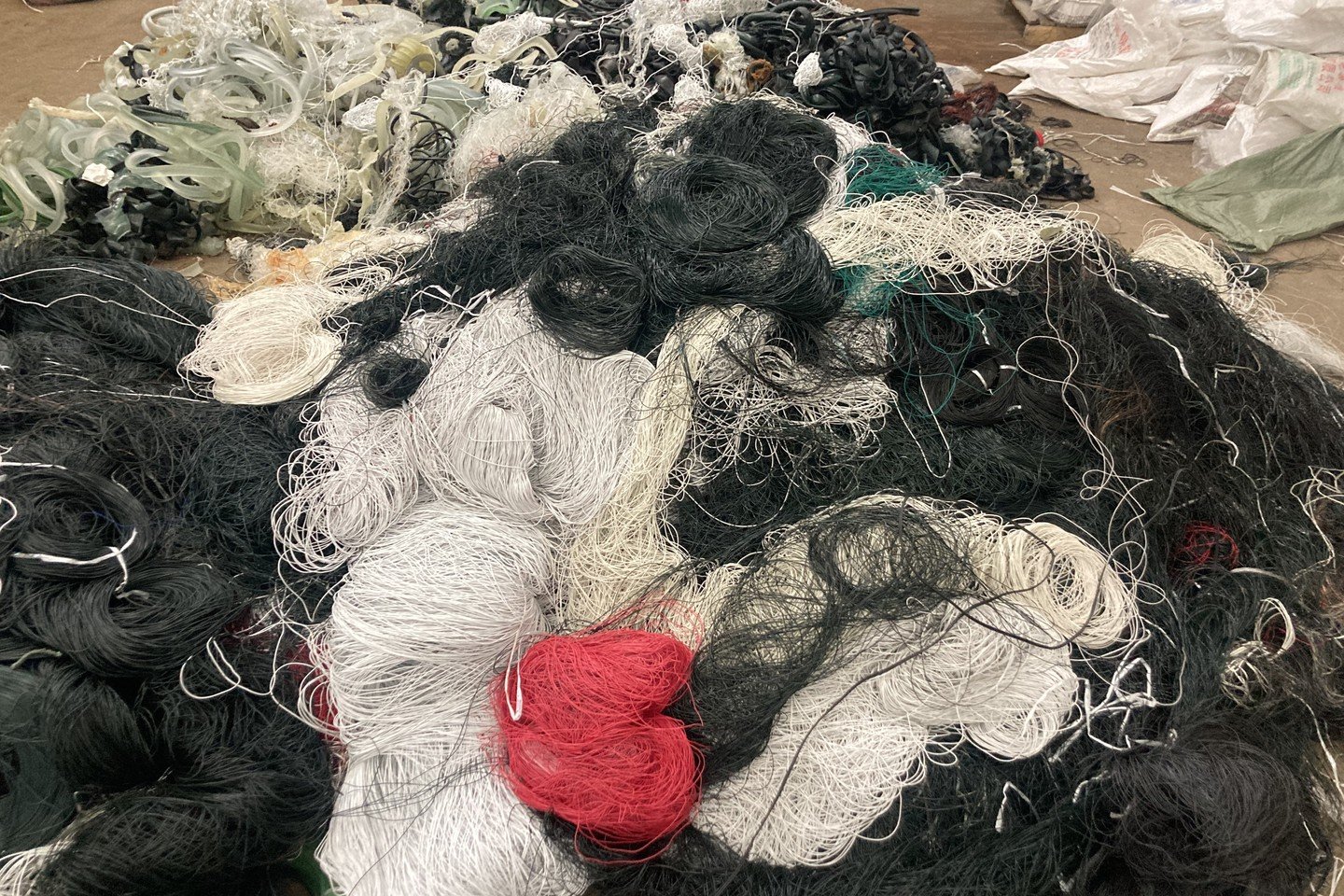
Different scrap cable categories present varying conductor strandings and jacket toughness. Matching screen aperture to scrap characteristics requires structured testing on the specific machine configuration.
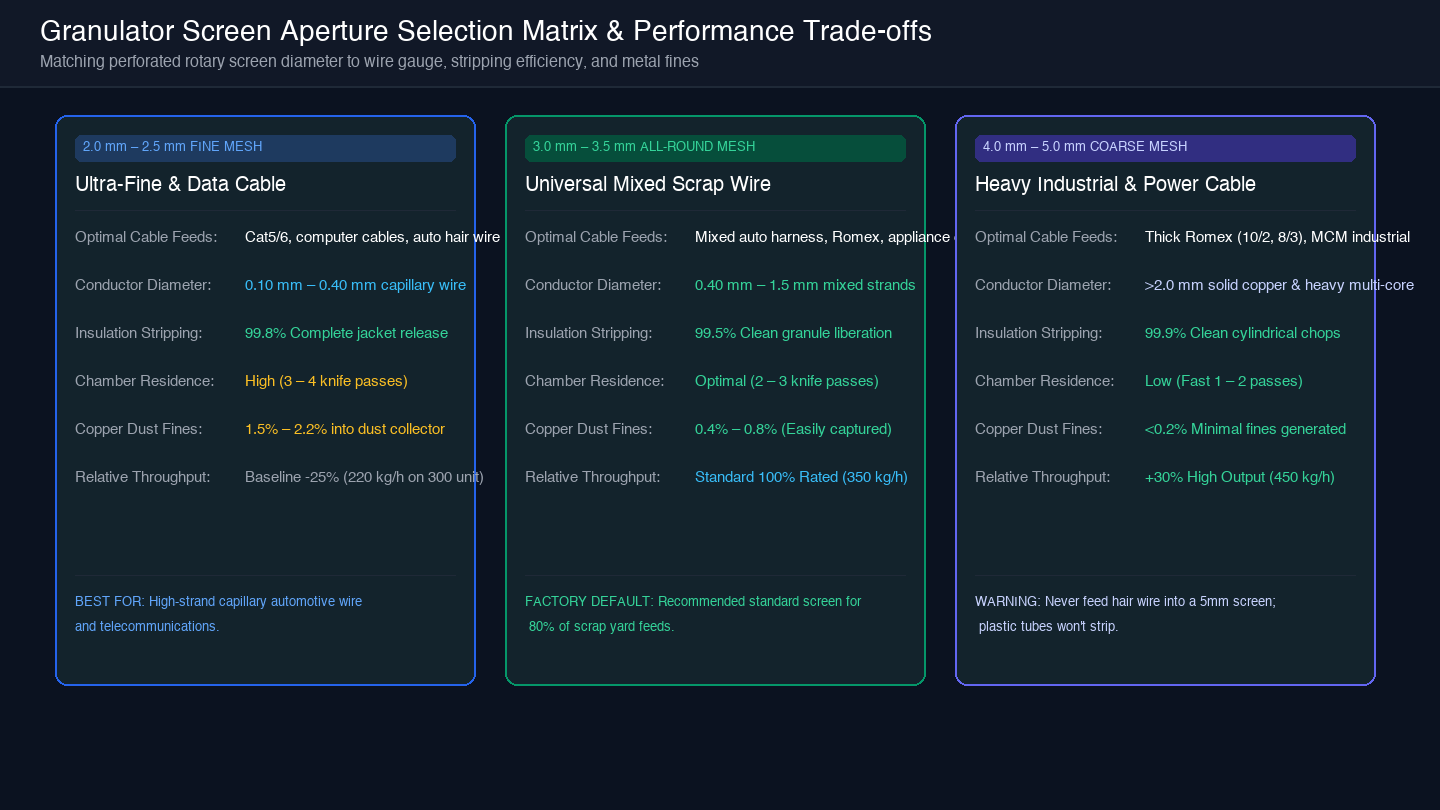
Matching wire conductor geometry to screen aperture specifications
Operating with an inappropriate screen size impacts downstream separation on the dry air density table. Recyclers should select screen apertures according to the machine manufacturer’s guidelines and feed trials:
| Wire Scrap Feed Category | Conductor Strand Diameter | Recommended Screen Aperture | Stripping Liberation % | Copper Fines (<0.15mm) | Throughput Rating |
|---|---|---|---|---|---|
| Category A: Capillary / Auto Harness | 0.12 mm – 0.35 mm | 2.0 mm – 2.5 mm | 99.8% Complete | 1.8% – 2.4% | 70% of Baseline |
| Category B: Network / Telecom (Cat5/6) | 0.40 mm – 0.55 mm | 2.5 mm – 3.0 mm | 99.6% Clean | 1.0% – 1.5% | 85% of Baseline |
| Category C: Mixed Building / Romex | 0.80 mm – 2.0 mm | 3.0 mm – 3.5 mm | 99.5% Standard | 0.4% – 0.8% | 100% (Baseline) |
| Category D: Heavy Industrial Cable | >2.5 mm solid / stranded | 4.0 mm – 5.0 mm | 99.9% Clean Chops | <0.2% Minimal | 130% of Baseline |
- Fine Multi-Strand Wire Considerations: Fine capillary wires (such as automotive harness and ribbon cables) require smaller apertures (typically 2.0 mm to 3.0 mm depending on rotor tooling) to achieve complete liberation from thin insulation jackets before discharge.
- Solid Core & Building Cable Considerations: Heavier building cables and solid conductors liberate rapidly under primary shearing and can typically pass through larger apertures (such as 3.5 mm to 5.0 mm), maximizing machine capacity while minimizing unnecessary fine metal powder generation.
How do hole geometry and screen wear affect machine performance?
Screen hole geometry, plate material, and wear condition directly affect cutting efficiency and safety. Routine inspection protocols ensure screens maintain structural integrity and proper clearances under heavy dynamic shock loads.
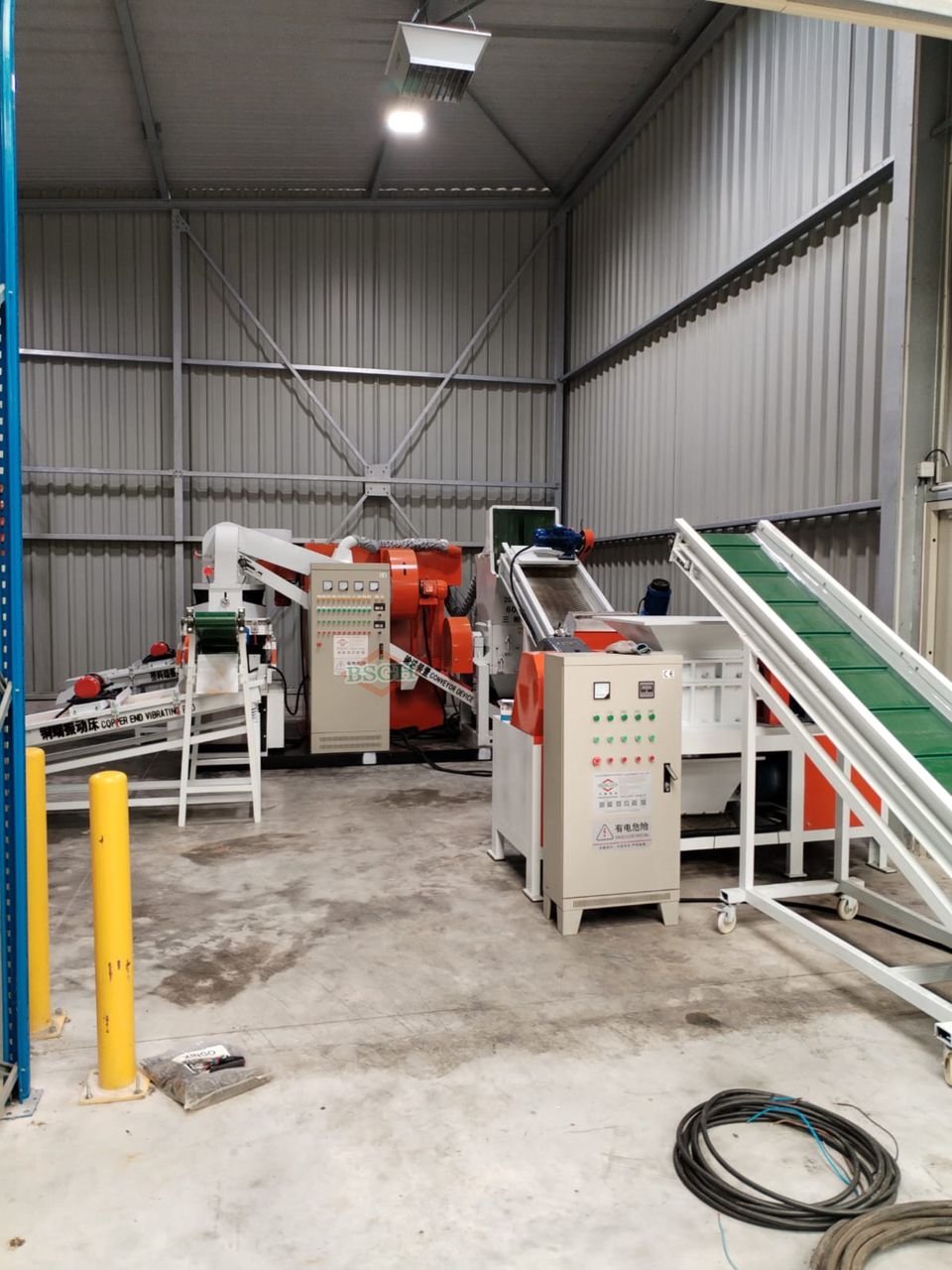
Hole geometry, staggered patterns, and screen cradle wear life
Before accessing the cutting chamber, changing or reversing a screen, or checking clearances, authorized personnel must follow the manufacturer’s service procedure and the site’s hazardous-energy-control procedure. Isolate and lock out applicable energy sources, control stored energy, verify de-energization and secure the rotor and other movable components as required by the manufacturer. Use approved replacement screens and the clearances specified for the exact machine. A screen may be reversed only if its manufacturer explicitly permits it.
- Aperture Pattern & Open Area: Industrial screens typically utilize round perforations in a staggered triangular pitch to balance open discharge area with structural rigidity. Avoid unapproved slotted designs that allow long unstripped wire tails to pass endwise into downstream separation systems.
- Reversible Screen Guidelines: A screen may be reversed only if its manufacturer explicitly permits it in the machine manual. Where permitted, reversing can expose fresh hole edges to incoming material, but must be conducted strictly under approved lockout/tagout procedures.
- Screen-to-Knife Clearance: Maintain rotor-knife-to-screen clearances strictly within the machine manufacturer’s specified tolerances for the exact model. Improper clearance can lead to material pinch, chamber overheating, or catastrophic mechanical interference during rotor deflection.
- Screen Metallurgy: Heavy-duty granulation requires abrasion-resistant alloy steels specified by the equipment manufacturer. Inspect screens regularly for fatigue cracking, hole elongation, and cradle deformation.
What is the economic payback of maintaining multiple quick-change screens?
Maintaining dedicated screen sets for distinct scrap categories enables scrap yards to balance throughput against metal liberation efficiency. Selecting the optimal aperture for each feed stream reduces unstripped copper tailings and improves overall recovery economics.
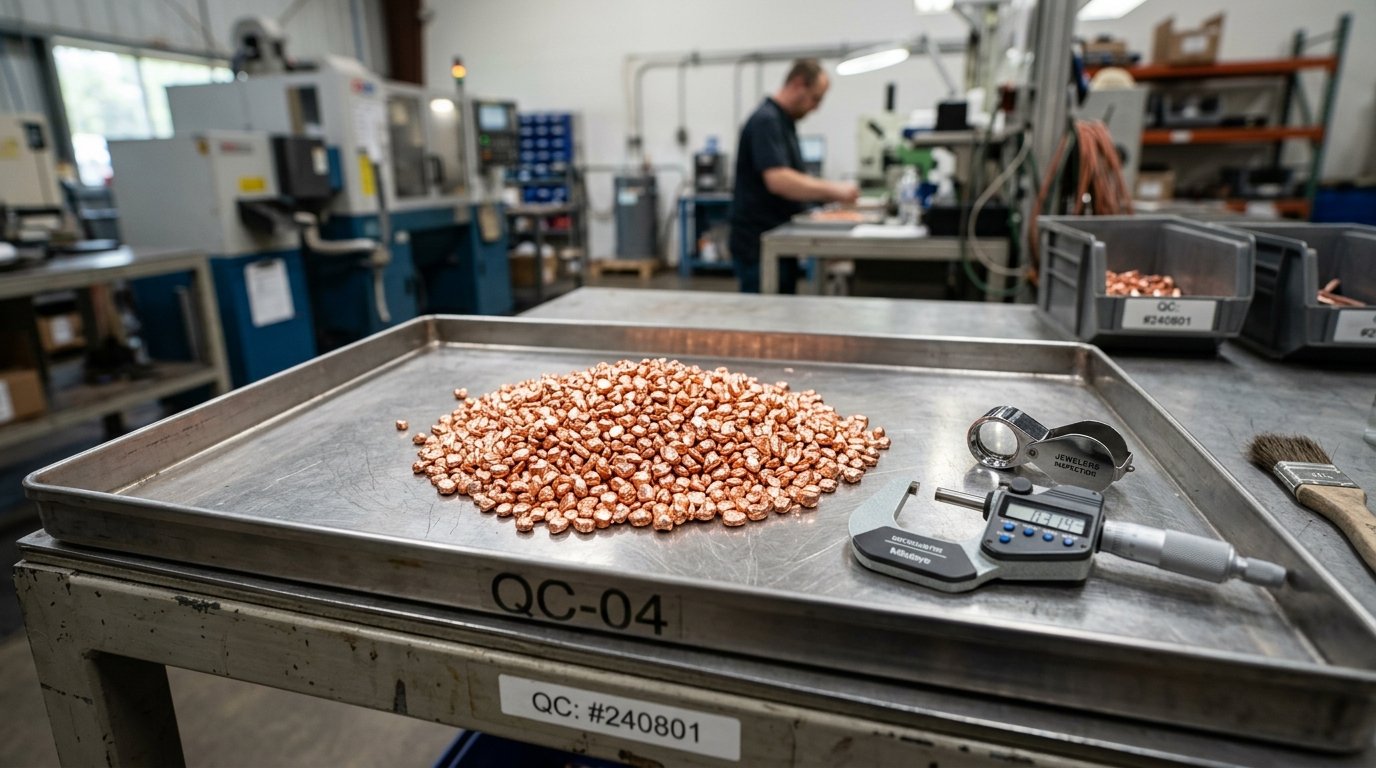
Yield optimization economics, throughput gains, and annual ROI analysis
Consider an illustrative economic model demonstrating screen optimization across differing scrap feeds (hypothetical illustration):
- Fine Capillary Feed Optimization (Hypothetical Illustration): Processing fine stranded wire through an appropriately sized screen ensures complete insulation liberation. If processing a hypothetical 10,000 kg of copper content monthly, improving effective liberation and recovery from an illustrative 97.5% to 99.8% recovers an additional 230 kg of clean metal that would otherwise be lost in polymer tailings, yielding significant margin improvement at prevailing metal prices.
- Heavy Cable Throughput Optimization (Hypothetical Illustration): When switching to heavy building wire, installing a larger approved aperture reduces cutting restriction, increasing processing capacity (for example, from 350 kg/h to 480 kg/h). This reduces labor hours per processed ton, lowering operating expense. Realized financial returns depend on power tariffs, labor rates, and scrap buying margins.
To view machine designs engineered with quick-access screen cradles and precision rotor tooling, explore our copper granulator machine catalog, or contact MECUVO engineering for tooling advice.
Key Takeaways
Matching granulator screen aperture to specific scrap wire geometries balances cutting throughput with complete insulation liberation. Adhering to strict lockout/tagout maintenance protocols, maintaining OEM-specified knife clearances, and conducting representative material trials ensures maximum recovery purity and extended equipment lifespan.
— YOUR RECYCLING PROJECT
Find the right machine for your material.
Tell us your material and required capacity.
Or email sales@mecuvo.com