Table of Content
Scrap metal processors handling HVAC heat exchangers and automotive radiators must choose between compact mechanical fin strippers and high-capacity crushing lines based on incoming core condition. Selecting a radiator recycling machine requires deciding between direct mechanical fin stripping for straight, intact cores (RR-1200P/S) and industrial crushing and air separation lines for bent or folded cores (RR-1000/1200), verifying tube center distance compatibility before buying. I examine the mechanical separation physics, feedstock limitations, and reference catalog specifications across the MECUVO radiator machine line below to guide your equipment selection.
How Does Direct Core Stripping Differ from Industrial Crushing Lines?
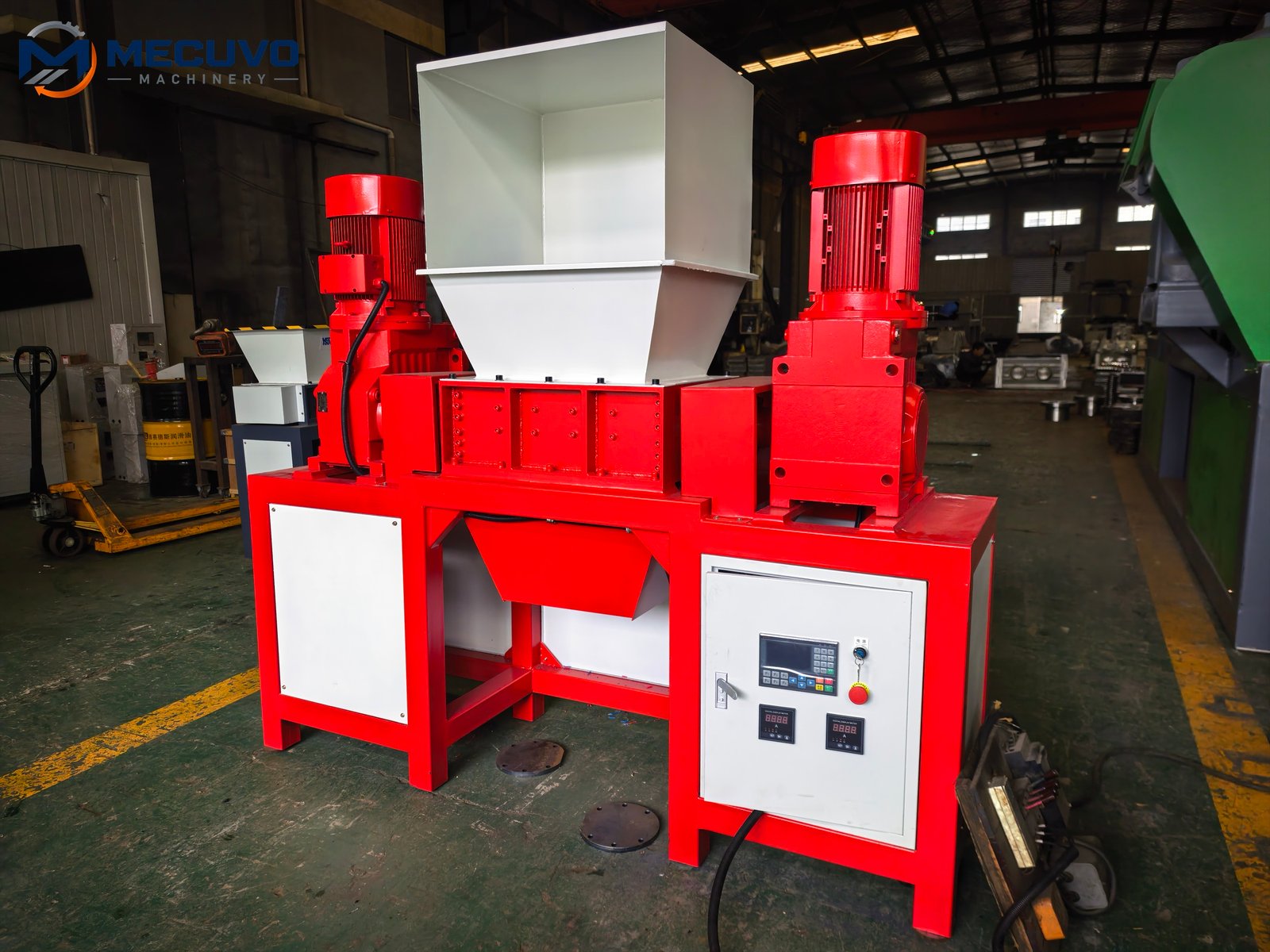
Scrap radiator recycling technology divides into two distinct processing routes: direct mechanical tube stripping and multi-stage shredding and crushing. Direct strippers (RR-1200P/S) peel aluminum fins intact from copper tubes using low motor power (7 kW), whereas crushing lines (RR-1000/1200) shred and granulate multi-layer and deformed cores at industrial scale (210–242 kW).

Mechanical Peeling vs High-Impact Shredding
Recycling copper-and-aluminum heat exchangers (commonly sourced from residential air conditioners, commercial HVAC chillers, and automotive cooling systems) requires separating soft aluminum cooling fins from inner copper tubing. Under published specifications from MECUVO radiator recycling machines, buyers must choose between two distinct engineering principles:
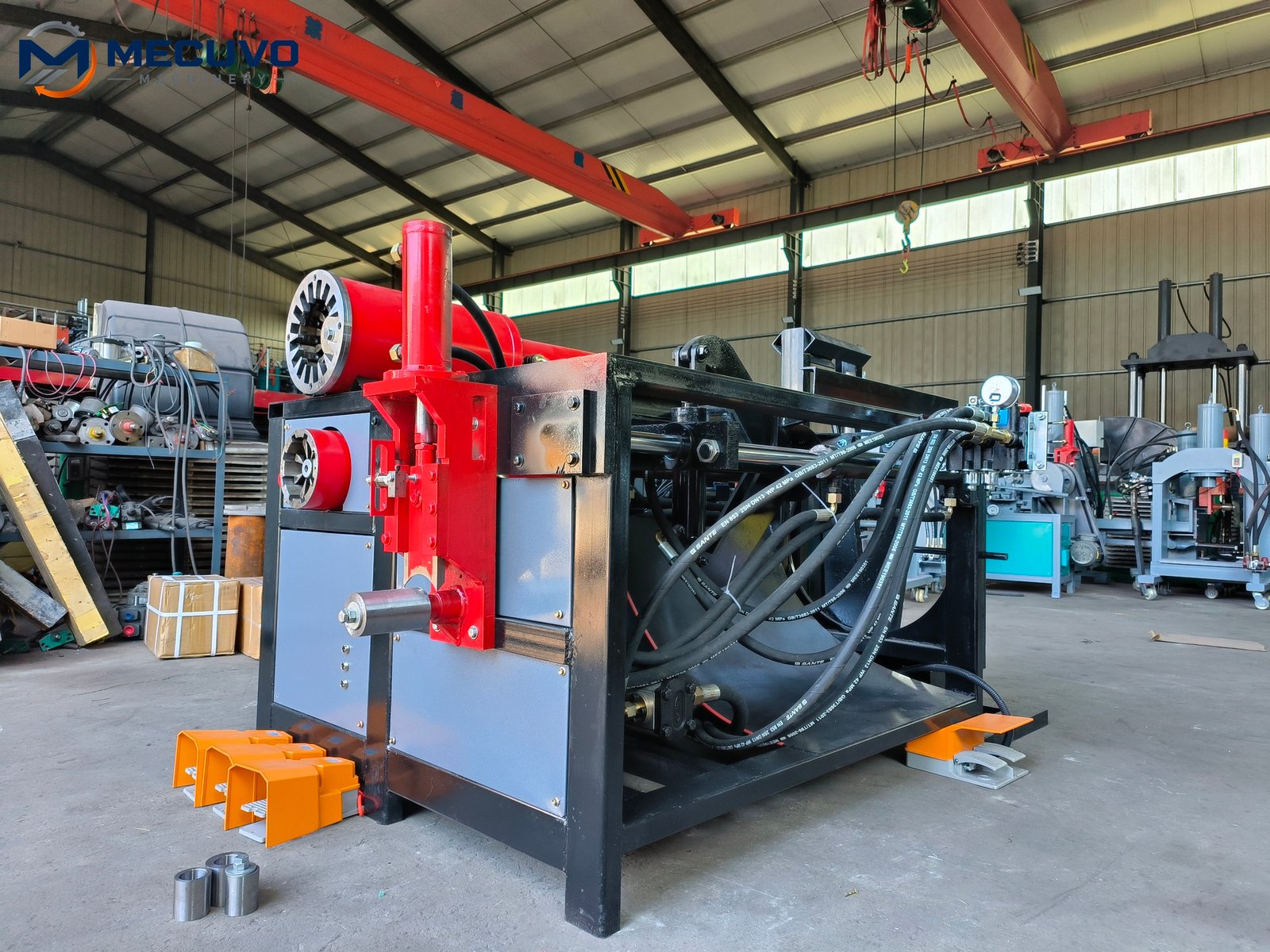
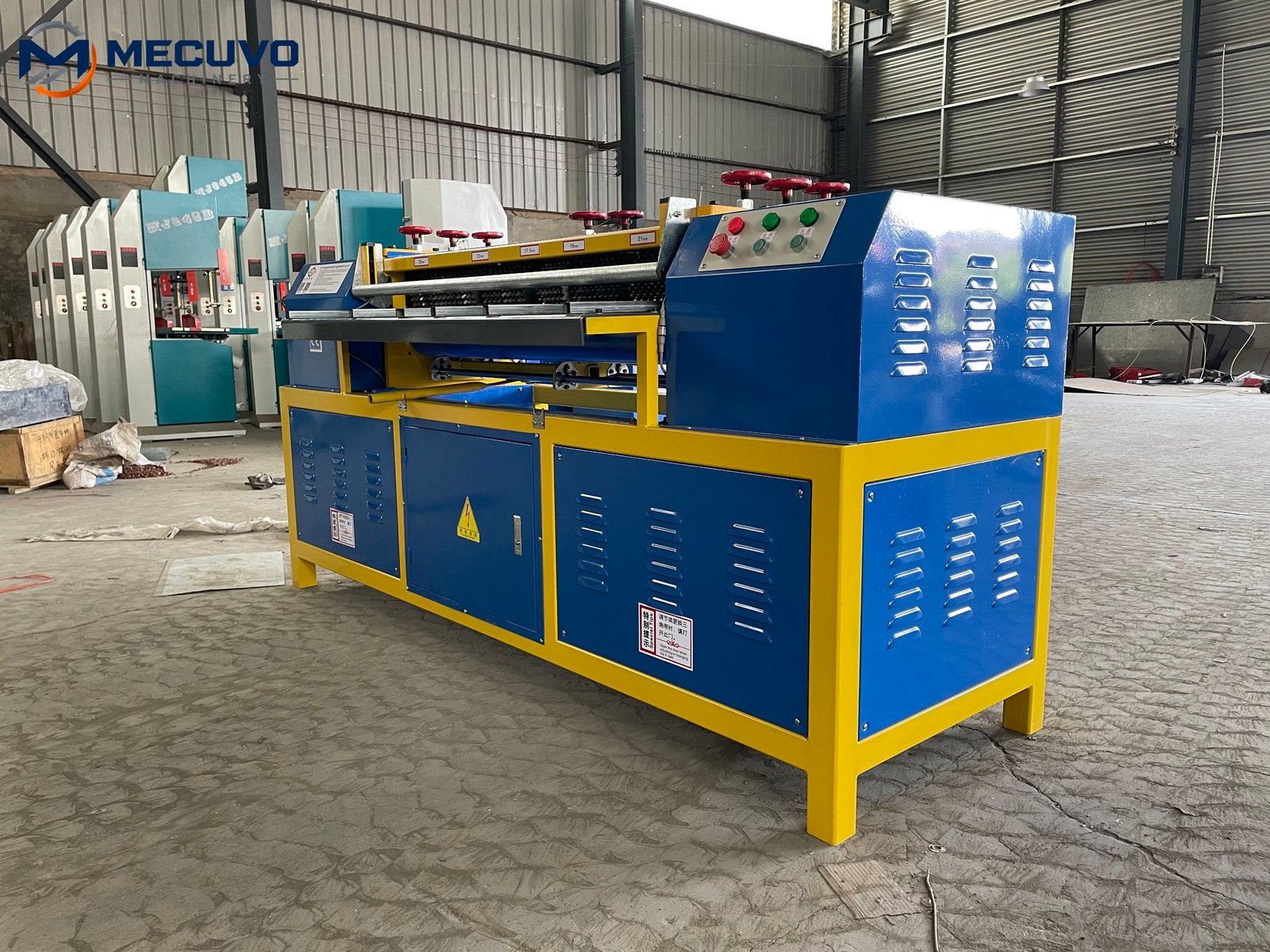
1. Direct Mechanical Core Stripping (RR-1200 Series): Designed for intact, straight, 1-row or 2-row flat radiator cores. The operator slides the prepared core into the machine throat. Precision circular slitting blades slice through the aluminum fins along the edge of the copper tubes, while motorized knurled traction rollers pull the core through. Intact, unflattened copper tubes discharge out the back, while sheared aluminum fins drop into a collection bin below. The system consumes only 7 kW of total power (3 kW + 4 kW motors), preserving the copper in solid tubular form.
2. Shredding, Crushing, and Separation Lines (RR-1000 / RR-1200): When scrap streams consist of crushed, bent, folded, or multi-row automotive radiators mixed with steel brackets, mechanical stripping is impossible. These industrial plants utilize heavy dual-shaft shredders, high-speed hammer crushers, magnetic separators for iron removal, and vibrating air density tables to recover copper chops and aluminum flakes at rates of 2 to 5 tonnes per hour. Compare this against our analysis on radiator recycling machines vs copper cable granulators to evaluate capital allocation.
Why Is Tube Center Pitch Compatibility Critical When Ordering a Stripper?
A mechanical radiator stripper cannot process arbitrary core sizes; it is mechanically locked to specific copper tube center-to-center distances. Stripping blades must align perfectly with tube spacing (such as 19 mm, 21 mm, or 25 mm); feeding a core with mismatched tube pitch will slice through copper tubes, destroying blades and contaminating aluminum scrap.
Measuring Tube Pitch and Fin Geometry Before Machine Sizing
Before ordering a mechanical radiator stripper, scrap yard operators must measure the physical dimensions of their regular scrap supply using dial calipers. Measure the exact center-to-center distance between adjacent copper tubes. Common commercial HVAC air conditioner radiators manufactured worldwide adhere to standardized spacing:
- 19.0 mm Pitch: Prevalent in residential mini-split air conditioning condensing units.
- 21.0 mm Pitch: Common in light commercial heat pumps and packaged air handling units.
- 25.0 mm Pitch: Standard in heavy commercial chillers and large industrial cooling coils.
- 17.5 mm / 22.0 mm Pitch: Found in specialized automotive radiators and import heat exchangers.
As detailed in MECUVO reference catalog data, the RR-1200P model accommodates tube pitch settings of 19 mm, 21 mm, and 25 mm with an approximate processing capacity of 3 tonnes per 8-hour shift. The multi-pitch RR-1200S model expands compatibility to include 17.5 mm, 19 mm, 21 mm, 22 mm, and 25 mm pitches, delivering up to 4 tonnes per shift. For yards processing aluminum-jacketed iron pipe coils, specialized units like the RR-20 handle iron inner pipe diameters of 20 mm, 22 mm, 25 mm, and 27 mm (reference configurations, to be confirmed in the final quotation).
| Radiator Feedstock Condition | Recommended Recycling Technology | Pre-Treatment Required | Resulting Commodity Value |
|---|---|---|---|
| Clean, straight 1–2 row HVAC coils | Mechanical Fin Stripper (RR-1200P/S) | Cut off steel side plates & copper return bends | Premium intact copper tubes & clean aluminum fins |
| Multi-row bent coils (>2 rows) | Band saw splitting + Stripper (or RR-1000) | Split into 1–2 row slabs using horizontal saw | Stripped tubes or shredded metal chops |
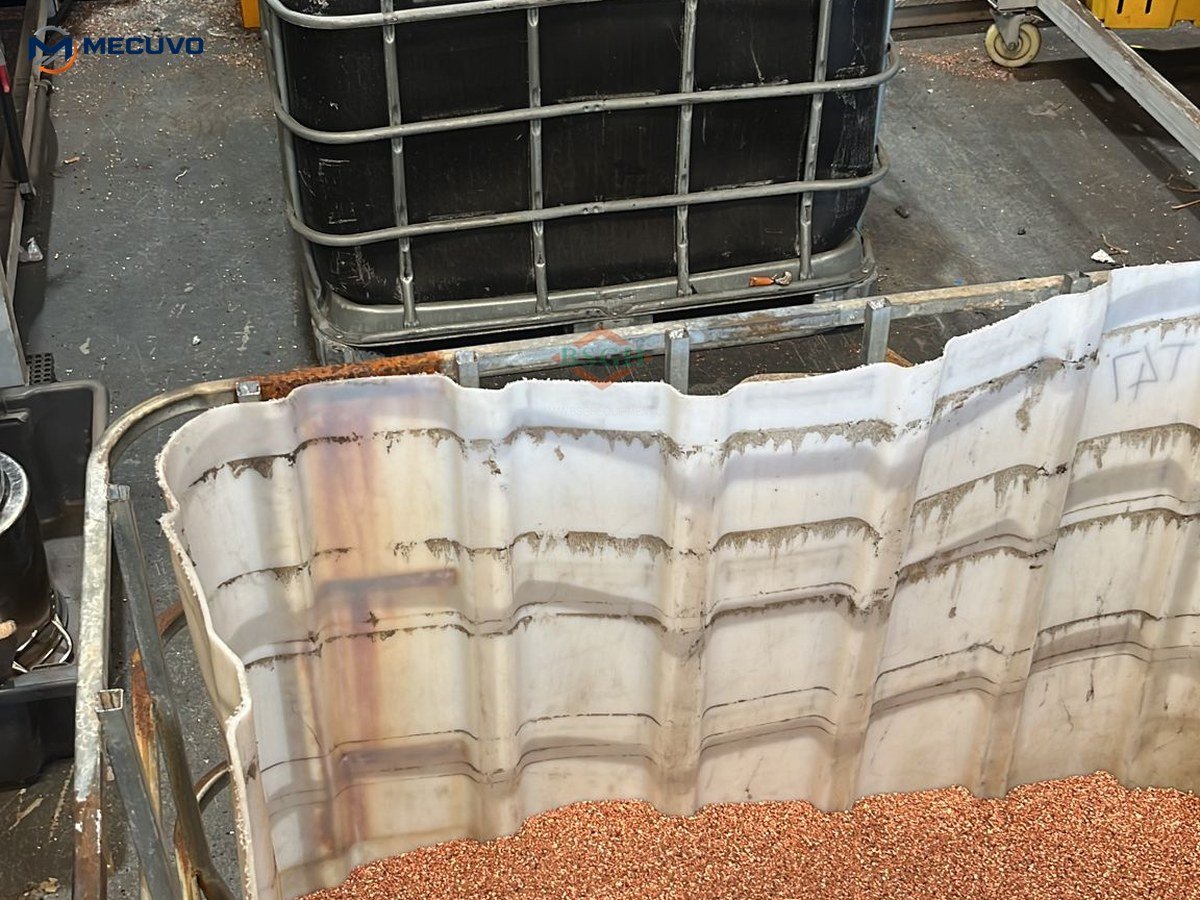
| Crushed, baled, or folded car radiators | Industrial Crushing Line (RR-1000/1200) | Remove large cast iron brackets | Recovered clean copper tubes and shredded aluminum fin scrap |
| Coils with aluminum fins over iron pipe | Specialized Iron Separator (RR-20) | Measure iron tube inner diameter | Stripped iron pipes & clean aluminum scrap |
What Operational Specifications Must You Review in a Radiator Equipment Quotation?
A machine quotation must clearly specify blade metallurgy, motor electrical ratings, and safety interlocking mechanisms. Verify circular slitting blade steel grade, motorized feed roller drive power, operator safety trip bars conforming to OSHA 1910.212, and replacement cutting blade sets in your quotation.
Auditing Machinery Quotations and Workplace Safety Controls
When reviewing an equipment proposal from a manufacturer, examine the technical bill of materials beyond the general capacity claim. On mechanical strippers, the circular slitting blades endure continuous friction against abrasive aluminum oxide and copper tube walls. Insist on high-carbon tool steel blades (such as SKD-11 or D2) vacuum heat-treated to 58–60 HRC. Inexpensive carbon steel knives dull rapidly, resulting in ragged fin tears and jammed rollers within the first two weeks of commercial production.
Safety provisions must comply with OSHA 29 CFR 1910.212 standards. Because operators manually present radiator slabs into revolving high-torque infeed rollers, the feed opening must incorporate physical tunnel guards that prevent fingers from reaching the nip point. In addition, an emergency body-actuated trip wire or foot switch must instantly stop the drive motors and initiate an automatic reverse cycle under ISO 12100 design criteria.
To achieve commercial ISRI Talk grade scrap commanding top smelter pricing, ensure that steel side plates, iron brackets, and soldered brass manifolds are severed using upstream alligator shears before feeding. Processing non-standard motor windings and multi-metal conductors requires following proven guidelines on granulating aluminum wire and copper-clad aluminum (CCA).
To determine whether a mechanical stripper or an industrial crushing line matches your scrap volume, submit your radiator core dimensions, tube pitch measurements, and site power supply via the MECUVO inquiry portal.
Key Takeaways
Successful radiator recycling requires matching core condition and tube pitch to mechanical strippers or crushing lines, ensuring high-purity nonferrous metal recovery under strict operator safety standards.
— YOUR RECYCLING PROJECT
Find the right machine for your material.
Tell us your material and required capacity.
Or email sales@mecuvo.com